Mental Matters

Lambert-Eaton myasthenic syndrome

Overview of Lambert-Eaton myasthenic syndrome

Overview of Lambert-Eaton myasthenic syndrome

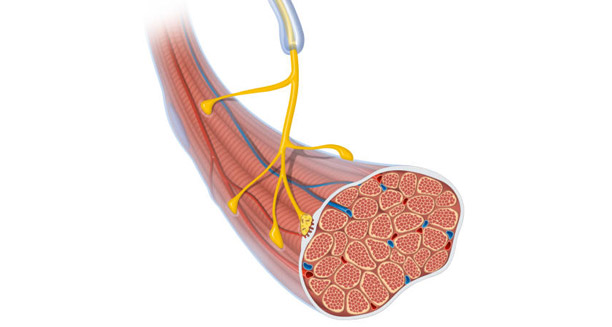
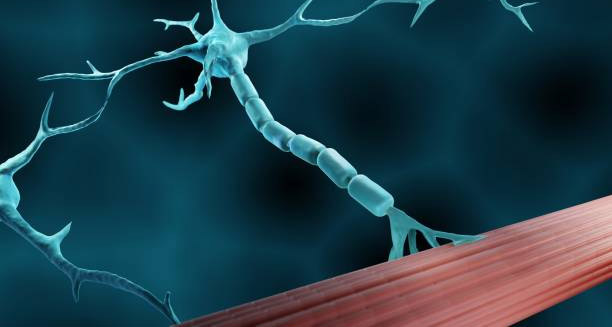
Lambert-Eaton myasthenic syndrome is a rare autoimmune condition that affects the neuromuscular junction—the critical point where nerves communicate with muscles. In individuals with Lambert-Eaton myasthenic syndrome, the immune system mistakenly attacks voltage-gated calcium channels (VGCCs) on the nerve endings. This attack hinders the release of acetylcholine, a neurotransmitter essential for stimulating muscle contraction. As a result, people with the disorder experience progressive muscle weakness and fatigue, particularly in the limbs. Although rare, the condition has major clinical importance. Around half of all cases occur with small-cell lung cancer. This strong link makes it a typical paraneoplastic syndrome. In the rest of the cases, no cancer is present. These cases appear to be caused purely by an immune system problem. Early diagnosis is essential, not just to manage symptoms but also to find hidden cancer that may not yet show signs. This disorder affects the presynaptic part of the nerve-muscle junction. That sets it apart from myasthenia gravis, which targets the postsynaptic side. The difference is important, as it changes how doctors diagnose and treat each condition. While both cause muscle weakness, the patterns of weakness and progression differ. This contrast helps doctors tell them apart. Clinical importance of the overview of Lambert-Eaton myasthenic syndrome Patients often feel weak in their hips and thighs at first. They may struggle to walk, stand up, or climb stairs. Many also report dry mouth, constipation, trouble with erections, or sweating problems. These symptoms show that the autonomic nervous system may also be involved. In some cases, these symptoms appear before any cancer signs and serve as early warnings. Because Lambert-Eaton myasthenic syndrome often links to cancer, diagnosing it can lead to the discovery of a hidden tumour. Most often, this is a small-cell lung carcinoma. Detecting cancer early improves both cancer and neuromuscular outcomes. On the other hand, if there’s no cancer, the focus shifts to controlling the immune system and easing symptoms. Even though it’s serious, Lambert-Eaton myasthenic syndrome is manageable. Better understanding of the disease has led to more accurate tests and improved treatments. With early diagnosis and the right care, many patients feel stronger and live better lives. This overview of Lambert-Eaton myasthenic syndrome sets the stage for a deeper look at what causes it, how it shows up, how it is diagnosed, and how it is treated. Whether you’re a patient, caregiver, or health professional, knowing more about the condition helps improve care and support. [Next: Causes of Lambert-Eaton myasthenic syndrome →]

Overview of Lambert-Eaton myasthenic syndrome Read More »

Causes of Lambert-Eaton myasthenic syndrome

Causes of Lambert-Eaton myasthenic syndrome

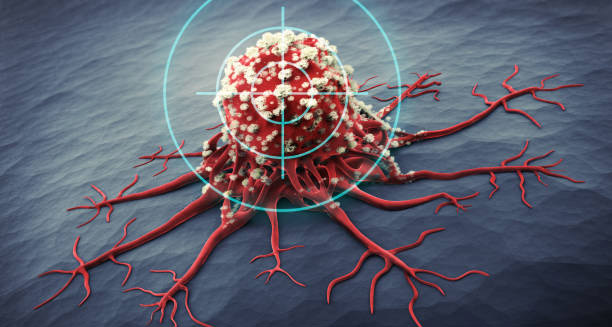
Lambert-Eaton myasthenic syndrome is caused by an autoimmune attack on the nervous system, specifically targeting voltage-gated calcium channels (VGCCs) located at the presynaptic terminals of motor neurons. This immune system attack blocks the release of acetylcholine. That’s the chemical needed to make muscles move. Without enough of it, muscles become weak. This weakness usually starts in the arms or legs and gets worse over time. Doctors group Lambert-Eaton myasthenic syndrome into two types based on the root cause: paraneoplastic and non-paraneoplastic. The paraneoplastic type shows up in around 50 to 60% of people. It usually links to small-cell lung cancer (SCLC). In these cases, the immune system reacts to proteins in the cancer but also attacks nerve cells by mistake. So while the body tries to fight the cancer, it also harms the nervous system. The strong link between cancer and LEMS In small-cell lung cancer, the tumour produces proteins that look like VGCCs. This similarity tricks the immune system. It begins to fight both the tumour and the calcium channels. As a result, nerve signals don’t reach muscles. This is how the cancer ends up causing weakness. Smoking makes things worse. Since it’s the top cause of small-cell lung cancer, it indirectly raises the risk of getting Lambert-Eaton myasthenic syndrome. On the other hand, non-paraneoplastic Lambert-Eaton myasthenic syndrome happens with no cancer. Doctors don’t always know what starts it. But even in this form, the body still makes harmful antibodies that target VGCCs. Many of these patients also have other autoimmune diseases, like type 1 diabetes, hypothyroidism, or rheumatoid arthritis. This pattern shows that the immune system is off balance in more than one way. Genetic and environmental causes of Lambert-Eaton myasthenic syndrome Family history may play a role too. Certain genes, especially human leukocyte antigen (HLA) types, may raise the risk. These same genes appear in other autoimmune diseases. Though we don’t have strong proof yet, the idea of inherited risk is gaining ground. Besides genes, the environment might also trigger Lambert-Eaton myasthenic syndrome. Some infections confuse the immune system. For example, a virus or bacteria may look like a body cell. The immune system then makes a mistake and attacks the body instead. While we’re not sure infections cause LEMS directly, they might help start the problem in people who already have the wrong genes. Other possible causes of Lambert-Eaton myasthenic syndrome Another theory points to chemicals or toxins. People exposed to certain harmful agents—like heavy metals, solvents, or cancer-causing chemicals at work—might face higher risk. These toxins may damage the immune system or increase cancer risk, both of which link back to Lambert-Eaton myasthenic syndrome. A key feature of the condition is that it targets the presynaptic side of the nerve-muscle connection. That’s different from conditions like myasthenia gravis, which affects the postsynaptic side. Knowing this helps doctors run the right tests and choose better treatments. In the end, the causes of Lambert-Eaton myasthenic syndrome fall into two main groups. One relates to cancer, mostly small-cell lung cancer. The other involves the immune system going wrong without any cancer. Finding the exact cause helps shape the right treatment. For cancer-linked cases, spotting the tumour early improves both survival and nerve recovery. For the idiopathic type, calming the immune system becomes the main goal. Understanding the causes of Lambert-Eaton myasthenic syndrome guides care By knowing more about the causes of Lambert-Eaton myasthenic syndrome, doctors can respond faster and choose treatments that work best. Whether it starts from cancer, genes, infections, or unknown reasons, early diagnosis and action make a big difference. [Next: Symptoms of Lambert-Eaton myasthenic syndrome →]

Causes of Lambert-Eaton myasthenic syndrome Read More »

Symptoms of Lambert-Eaton myasthenic syndrome

Symptoms of Lambert-Eaton myasthenic syndrome

Lambert-Eaton myasthenic syndrome presents with a distinctive pattern of symptoms, primarily affecting muscle strength and autonomic function. The hallmark of Lambert-Eaton myasthenic syndrome is slowly worsening muscle weakness. It usually starts in the large muscles near the body’s centre, like the hips, thighs, and shoulders. Over time, this weakness makes everyday activities harder. Walking, climbing stairs, or lifting things can become difficult. Although the symptoms might look like other nerve and muscle conditions, LEMS has some unique signs. These differences help doctors tell it apart from conditions like myasthenia gravis or muscular dystrophy. One of the first and most common signs is trouble standing up from a chair or getting out of bed. This happens because the thigh and hip muscles lose strength. People also find it hard to lift their arms overhead. That makes grooming, dressing, or carrying even light items a struggle. The weakness often shows up on both sides of the body at the same time. As the condition gets worse, it may spread to the upper arms, neck, and chest. However, in most people, the face and eye muscles stay strong. Muscle weakness and improvement with use in Lambert-Eaton myasthenic syndrome Unlike myasthenia gravis, where muscles get weaker the more they’re used, Lambert-Eaton myasthenic syndrome shows something different called facilitation. This means that using the muscle briefly can actually make it stronger for a short time. For example, someone may have trouble starting to walk but can take stronger steps after a few tries. This odd improvement often surprises both patients and doctors. It also helps in making the right diagnosis. Another important part of Lambert-Eaton myasthenic syndrome is the way it affects the autonomic nervous system. These symptoms may come before or along with muscle weakness. They are also very helpful in telling LEMS apart from other muscle conditions. The most common of these symptoms is a dry mouth, which affects more than 80% of people with LEMS. Other signs include constipation, blurry vision, less sweating, and problems with erections in men. These symptoms happen because of poor nerve signals to automatic body systems. They can lower someone’s quality of life a lot. Autonomic symptoms and other early warning signs Some people feel very tired, even when they haven’t done much. This can be mistaken for depression or chronic fatigue in the beginning. In a few cases, people may also have a hoarse voice or slight trouble swallowing. But these symptoms are not as common or as strong as they are in other muscle diseases. Eye and breathing muscles usually stay unaffected. Still, if LEMS goes untreated or becomes severe, it may affect more areas. The start of Lambert-Eaton myasthenic syndrome can be slow or sudden. In cases linked to cancer—especially small-cell lung cancer—symptoms often get worse fast. This leads to quicker loss of strength and nerve function. On the other hand, when cancer is not involved, the symptoms may develop over many months. This slow start often causes delays in getting the right diagnosis because the signs are easy to miss at first. Many people say their symptoms are worse in the morning and get a bit better later in the day. A short amount of activity can help ease the weakness. This daily pattern of ups and downs can be confused with conditions like fibromyalgia or arthritis. That’s why it’s so important for doctors to carefully look at how symptoms change and grow over time when they see someone with ongoing weakness. Diagnostic confusion and long-term effects of Lambert-Eaton myasthenic syndrome Sometimes, people also notice a mild tremor or muscle cramps. These signs are not as common but can make diagnosis harder. Over time, some muscles—especially in the thighs and upper arms—may shrink. This happens from both lack of use and long-term nerve problems. Because the symptoms of Lambert-Eaton myasthenic syndrome can be so mixed, doctors may not spot it right away. Many patients are first told they have depression, chronic tiredness, or weakness from aging. That’s why doctors need to look closely at symptoms, watch how they change, and do the right tests. Living with the condition can also affect a person’s emotions. Ongoing weakness and tiredness can lead to worry, frustration, and staying away from others. This is even more likely if the condition gets diagnosed late or is not treated well. It’s important to care for both the body and mind in people with LEMS. To sum up, Lambert-Eaton myasthenic syndrome usually shows up with muscle weakness in the hips, shoulders, and thighs. It often includes strange muscle improvement after short use and problems like dry mouth and constipation. These signs—especially in older people or smokers—should alert doctors to check for LEMS and any hidden cancer. Finding the problem early leads to faster treatment, better symptom control, and, when cancer is involved, quicker action to treat it.  [Next: Diagnosis of Lambert-Eaton myasthenic syndrome →]

Symptoms of Lambert-Eaton myasthenic syndrome Read More »

Diagnosis of Lambert-Eaton myasthenic syndrome

Diagnosis of Lambert-Eaton myasthenic syndrome

Lambert-Eaton myasthenic syndrome is a rare autoimmune condition, and diagnosing it can be challenging due to its subtle onset and overlap with other neuromuscular disorders. Early diagnosis of Lambert-Eaton myasthenic syndrome is crucial. It helps begin effective treatment and detect related cancers—especially small-cell lung carcinoma. Diagnosis involves a mix of clinical evaluation, lab tests, nerve studies, and cancer screening. Clinical signs help start the diagnosis of Lambert-Eaton myasthenic syndrome The process starts with a full clinical assessment. A neurologist will take a detailed medical history. They focus on muscle weakness patterns and autonomic symptoms like dry mouth, constipation, erectile issues, or blurry vision. A key sign is muscle weakness that gets better briefly with exercise. This is called post-exercise facilitation. It helps set Lambert-Eaton apart from myasthenia gravis, where strength declines with activity. During a physical exam, weakness shows up in the upper arms and thighs. Reflexes may seem absent at first but often return after brief movement. This recovery of tendon reflexes is another clue. In contrast, myasthenia gravis usually features steady reflexes and no strength rebound. Nerve studies confirm the diagnosis of Lambert-Eaton myasthenic syndrome If signs point to Lambert-Eaton, doctors order nerve studies. Repetitive nerve stimulation (RNS) and electromyography (EMG) are the main tools. In RNS, doctors stimulate a nerve at low frequency and measure the muscle’s response. In Lambert-Eaton, this response starts weak but then increases sharply—often by over 100%—after brief high-frequency stimulation or exercise. This sharp rise, called an incremental response, is a hallmark of the condition. EMG tests can also help. Single-fibre EMG, used more in myasthenia gravis, may still detect transmission problems in Lambert-Eaton. It may show “jitter” or missed signals, though less often. Still, RNS remains the best nerve test for this disease. Antibody testing supports the diagnosis of Lambert-Eaton myasthenic syndrome Blood tests help confirm the autoimmune cause. Most patients—about 85–90%—have antibodies against P/Q-type voltage-gated calcium channels (VGCCs). These antibodies are very specific to Lambert-Eaton and rarely show up in other diseases. Doctors might also check for other antibodies, like anti-Hu or anti-CRMP5. These appear more in small-cell lung cancer. If found, they increase the need for urgent cancer checks. Cancer screening is vital in diagnosis of Lambert-Eaton myasthenic syndrome Because Lambert-Eaton often links to small-cell lung cancer, doctors always screen for cancer. This starts with a high-resolution chest CT scan. If results are unclear but suspicion remains high, doctors may order a PET scan or MRI. In high-risk people—especially older adults with a history of smoking—repeat scans every 3–6 months for two years may be needed to catch any hidden cancer early. Doctors must rule out conditions that mimic Lambert-Eaton myasthenic syndrome It is important to tell Lambert-Eaton apart from other nerve and muscle problems. Myasthenia gravis and peripheral neuropathies often look similar. Mistaking one for the other can delay care and miss a cancer diagnosis. Clues like reflex changes and muscle facilitation help. Blood and nerve test results provide the strongest evidence to confirm the diagnosis. Sometimes, a muscle biopsy is done. However, this is rare in Lambert-Eaton. The problem lies in nerve-to-muscle signals—not in the muscle itself. If doctors suspect a second muscle disorder, a biopsy might add useful information. Routine blood markers like ESR and CRP are usually normal. Even so, doctors may test for thyroid function or other autoimmune issues. Non-cancer forms of Lambert-Eaton may appear alongside type 1 diabetes, lupus, or thyroid disease. A team approach helps manage the diagnosis of Lambert-Eaton myasthenic syndrome Once the diagnosis is clear, the patient usually sees a team of experts. This team includes neurologists, oncologists, immunologists, and physiotherapists. Working together ensures both the nerve symptoms and possible cancer get the right attention. Early diagnosis of Lambert-Eaton myasthenic syndrome improves outcomes. Treatment can ease symptoms and slow the disease. In cancer-linked cases, treating the tumour may even reverse the nerve problems. In other cases, a clear diagnosis opens the door to immunotherapy and supportive care. Diagnosing Lambert-Eaton myasthenic syndrome relies on clinical signs, nerve studies, antibody tests, and cancer screening. Catching it early leads to better symptom control and may uncover cancer at a stage when it can still be treated. [Next: Treatment of Lambert-Eaton myasthenic syndrome →]

Diagnosis of Lambert-Eaton myasthenic syndrome Read More »

Treatment of Lambert-Eaton myasthenic syndrome

Treatment of Lambert-Eaton myasthenic syndrome

Lambert-Eaton myasthenic syndrome is a treatable condition, and with early intervention, many patients experience significant improvement in muscle strength and daily functioning. The treatment of Lambert-Eaton myasthenic syndrome involves a dual approach: addressing the underlying cause—especially if cancer is present—and managing the neuromuscular symptoms through medication and supportive therapies. The specific treatment plan depends on whether the patient has paraneoplastic or non-paraneoplastic LEMS, as well as the severity of their symptoms. Cancer-focused treatment of Lambert-Eaton myasthenic syndrome For individuals with paraneoplastic Lambert-Eaton myasthenic syndrome, managing the associated cancer is the top priority. This is usually small-cell lung cancer (SCLC). Chemotherapy and radiotherapy aimed at shrinking or eliminating the tumour can often improve LEMS symptoms. In many cases, muscle strength returns after the cancer responds to treatment. This highlights the importance of early cancer screening and fast oncological care for every LEMS diagnosis. Once cancer is treated or if no cancer is found, the focus shifts to strengthening muscles and calming the immune response. The most common treatment for symptoms is amifampridine, also known as 3,4-diaminopyridine or 3,4-DAP. This drug boosts acetylcholine release at nerve endings, helping muscles work better despite damaged calcium channels. Many patients notice stronger muscles and better stamina with this medication. Amifampridine usually works well, but side effects can occur. These include tingling, stomach pain, and, in rare cases, seizures. Doctors must carefully adjust the dose and monitor patients. In some places, this drug may be hard to access. In such cases, doctors may use compounded versions or alternatives like guanidine hydrochloride, though these have more risks and don’t work as well. Immunotherapy and supportive treatment of Lambert-Eaton myasthenic syndrome If symptoms persist or the patient has non-paraneoplastic LEMS, immune suppression may be needed. Corticosteroids like prednisone are often used first. Doctors may also prescribe other drugs such as azathioprine, cyclophosphamide, or mycophenolate mofetil. These medications lower the immune system’s activity, reducing the production of harmful antibodies. However, they come with risks. Patients need regular check-ups to watch for infections, liver problems, or low blood cell counts. Another option is intravenous immunoglobulin (IVIG) therapy. This involves giving antibodies from healthy donors to calm the immune system. IVIG helps when symptoms worsen quickly or before surgery. Although costly and not a long-term fix, it often improves symptoms for a short time and can be repeated during relapses. Plasmapheresis, also called plasma exchange, removes damaging antibodies from the blood. It acts fast and is useful in severe cases or when IVIG doesn’t work. However, its effects are temporary, so doctors usually follow it with long-term immune treatments. Rehabilitation and holistic care in Lambert-Eaton myasthenic syndrome Patients with milder symptoms or those who respond to amifampridine can benefit from regular physiotherapy. Muscle weakness can cause inactivity, which leads to further loss of strength. A custom exercise plan from a physiotherapist helps maintain mobility, balance, and confidence. Occupational therapy also plays a key role. Therapists teach energy-saving techniques and recommend tools or home changes to make daily life easier. These adjustments can preserve independence, especially in people with long-term or changing symptoms. Lifestyle choices matter too. A healthy diet, quitting smoking, and staying hydrated all support treatment. Avoiding tobacco is critical because it increases the risk of small-cell lung cancer. For symptoms like dry mouth, patients can try sugar-free lozenges, frequent sips of water, or saliva substitutes. Other issues, such as constipation or erectile dysfunction, may need extra treatment or lifestyle changes. Patients should feel comfortable discussing these concerns with their doctor. Long-term treatment and research in Lambert-Eaton myasthenic syndrome Mental health support is essential. Coping with a rare disease can be stressful and isolating. Counselling, support groups, and mental health services can help patients deal with anxiety, depression, or loneliness. These emotional challenges often feel heavier when cancer is also present. Because Lambert-Eaton myasthenic syndrome is a long-term condition, regular check-ups with a neurologist are vital. Ongoing monitoring helps ensure that treatments still work, side effects are under control, and new symptoms are managed early. For patients with cancer, follow-up is especially important since cancer relapse can worsen LEMS symptoms. Researchers are exploring new treatments that target the immune system with fewer side effects. One option under study is rituximab, a biologic used in other autoimmune diseases. Although not yet standard care, this drug may become part of future personalised therapies for LEMS. In summary, the treatment of Lambert-Eaton myasthenic syndrome needs a broad and tailored strategy. Cancer treatment is key in paraneoplastic cases and often improves symptoms. For all patients, drugs like amifampridine, immune therapies, IVIG, or plasmapheresis form the foundation of symptom management. Physical therapy, occupational help, mental health care, and lifestyle support all contribute to a plan that improves both health and quality of life. [Next: Complications of Lambert-Eaton myasthenic syndrome →]
Treatment of Lambert-Eaton myasthenic syndrome Read More »

Complications of Lambert-Eaton myasthenic syndrome

Complications of Lambert-Eaton myasthenic syndrome

Lambert-Eaton myasthenic syndrome is a complex condition that can lead to several complications, particularly if left untreated or associated with malignancy. These complications vary in severity and can affect a person’s mobility, quality of life, mental well-being, and long-term outlook. The autoimmune nature of Lambert-Eaton myasthenic syndrome means that it not only interferes with nerve-to-muscle signals but also causes wider body issues, especially when cancer or other illnesses are present. One of the most common and disabling complications of Lambert-Eaton myasthenic syndrome is muscle wasting and growing weakness. Without proper treatment and regular physical activity, the muscles—especially in the hips, thighs, shoulders, and upper arms—can shrink over time. This loss of strength reduces mobility and increases the risk of falls and fractures. Simple tasks like climbing stairs, standing up from a chair, or carrying items may become harder or even impossible. As a result, people may need walking aids or full-time care in severe cases. Autonomic and cancer-related complications Even though LEMS mainly affects voluntary muscles, it can also disrupt automatic body functions. Dry mouth is a common problem that can lead to more tooth decay, gum disease, and mouth infections. Constipation may become severe enough to need daily laxatives or risk bowel blockage. Urinary problems and erectile dysfunction may cause emotional distress, especially in younger people. When Lambert-Eaton myasthenic syndrome is linked to small-cell lung cancer, the cancer itself becomes the most dangerous complication. Even if the nerve and muscle symptoms are managed, small-cell lung cancer often grows quickly and has a poor outlook. If the cancer comes back, LEMS symptoms usually return, sometimes worse than before. Chemotherapy and radiation can also lead to fatigue, nerve damage, and a weak immune system, which adds more problems. Complications of treatment and immune suppression Another serious issue comes from the treatments used to control non-cancer-related LEMS. These usually involve drugs that suppress the immune system. While they help calm the autoimmune response, they also raise the risk of infections and slow healing. Long-term steroid use can cause weight gain, mood swings, high blood sugar, and bone loss. Other drugs like azathioprine or cyclophosphamide may harm the liver, reduce bone marrow function, or increase cancer risk. Some people with LEMS may develop breathing problems, though this happens less often than in conditions like myasthenia gravis. If chest muscles become weak, breathing can feel shallow or strained. This risk becomes higher during infections like the flu or pneumonia. Because of this, doctors often recommend yearly flu shots and vaccines for pneumonia. Mental health and delayed diagnosis Living with a rare and unpredictable illness like LEMS can take a toll on mental health. Fear of how the disease may progress, worry about cancer coming back, and limits on daily life often lead to anxiety or depression. These feelings can be worse for people who were once very active and independent. Tiredness, muscle weakness, and less social contact can create a cycle of sadness and inactivity. Talking to a counsellor, joining a support group, or working with a mental health expert can help. Complications of Lambert-Eaton myasthenic syndrome can also include problems linked to delayed diagnosis. LEMS is often mistaken for other issues like chronic fatigue syndrome, fibromyalgia, or even depression. Many people go months or years without the right treatment. This delay may also mean missing the chance to find and treat small-cell lung cancer early, when it may respond better to treatment. Treatment resistance and physical decline A few people with LEMS do not respond well to the standard treatment, amifampridine. Others may have side effects that make it hard to keep using it. Some cannot tolerate immune-suppressing drugs because of other health problems. In these cases, doctors need to try other therapies, which may not work as well. This can lead to ongoing or changing symptoms and a drop in quality of life. Other complications of Lambert-Eaton myasthenic syndrome develop from long-term reduced movement. Muscle weakness can lead to weight gain, poor heart fitness, and joint or back pain. Changes in walking patterns may put stress on the knees, hips, and spine. This raises the risk of tendon injuries and daily discomfort. People who need long-term care face added risks like bedsores, blood clots, and urinary tract infections. These issues come from being immobile, not directly from LEMS itself. Good nutrition, regular exercise, and frequent check-ups help reduce these risks. Cancer recurrence is a major concern for those with paraneoplastic LEMS. Even after successful treatment, small-cell lung cancer often returns. This may trigger another wave of neuromuscular symptoms. Regular scans and cancer checks are essential to catch relapse early and guide further treatment. In conclusion, the complications of Lambert-Eaton myasthenic syndrome range from muscle weakness and organ problems to mental health issues and cancer-related concerns. These challenges can affect treatment choices and long-term planning. Quick diagnosis, custom care plans, and strong support from healthcare teams are key to managing complications and improving life for people with this rare disease. [Next: Back to Overview →]

Complications of Lambert-Eaton myasthenic syndrome Read More »

Scroll to Top