Mental Matters

Leg Cramps

Overview of Leg Cramps

Leg Cramps

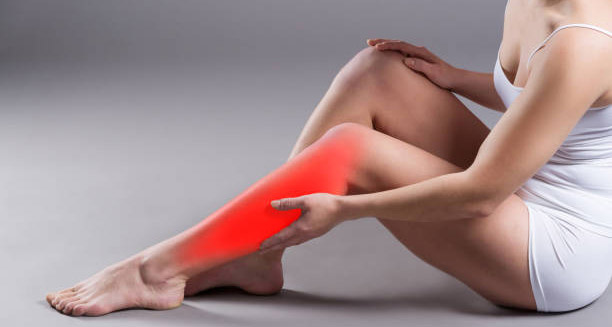
Leg cramps are a common and often distressing condition characterised by sudden, involuntary muscle contractions in the lower limbs. These cramps usually happen in the calf muscles. But they can also affect the thighs or feet. They often strike at night or while resting. Each spasm can last a few seconds or even several minutes. Afterward, the area may feel sore or tender. While most cramps go away on their own and aren’t dangerous, recurring ones can hurt sleep, comfort, and overall wellbeing. Many things can cause leg cramps. These include tired muscles, dehydration, or deeper medical issues like poor blood flow, nerve problems, or certain medications. Although leg cramps are very common, especially in older adults and pregnant people, they’re not always reported. Their short-lived nature leads many to ignore them. Still, if cramps happen often, it’s important to get a proper diagnosis and plan for treatment or lifestyle changes. This overview of leg cramps explains what causes them, what makes some people more likely to get them, and how to manage or prevent them. It also covers possible long-term problems and when it’s time to see a doctor. What Are Leg Cramps? Leg cramps are muscle spasms that happen suddenly and without warning. They don’t always follow physical activity. Unlike soreness that comes after a workout, these cramps can strike during sleep or while sitting still. They cause sharp pain and tightness. The muscle may even feel like it’s twisting or turning hard. Most of the time, doctors can’t find a clear reason for leg cramps. These are called idiopathic cramps. However, some cases link to health issues like diabetes, kidney problems, or pinched spinal nerves. Medications like statins and diuretics can also make cramps more likely. Some people confuse leg cramps with restless legs syndrome or claudication. But cramps are different. They cause strong, painful tightening and start quickly. Who Gets Leg Cramps? Leg cramps can happen to anyone. But they’re especially common in: Studies show that 60% of adults get leg cramps at least once. Around 40% of people over 65 get them often. But most people don’t tell their doctor, thinking it’s just part of getting older or being active. Overview of Leg Cramps and the Body The exact reason why leg cramps happen is still not clear. However, scientists have a few ideas: New research even suggests that some leg cramps start in the spinal cord or brain, not just in the muscle. This could mean they are caused by nerve overactivity, not just muscle problems. How Leg Cramps Affect Daily Life Leg cramps usually aren’t dangerous. But they can still cause big problems. Night cramps can disturb sleep. This leads to tiredness, mood swings, and less focus during the day. People who get cramps a lot may even fear going to bed or being active. This fear can limit how much they exercise or enjoy daily life. In older adults, cramps can cause falls and injuries due to sudden pain or stiff muscles. Pregnant women already have discomfort from weight gain and hormone changes, and cramps make it worse. This may also cause sleep problems. People with ongoing health issues like kidney failure or diabetes often get leg cramps. These cramps can make living with those conditions harder and may even lower the chances of following medical advice. Cultural Views and Mental Health In some places, people believe leg cramps come from spiritual causes. While these ideas don’t match modern science, they show how common and long-lasting the experience of cramps is. Cramps that interrupt sleep can also lead to stress or even depression if they continue. Many people worry they have a serious disease when cramps start. That’s why teaching people about leg cramps is so important. Knowing that cramps are usually not serious and can be treated helps reduce fear and worry. Public Awareness and Prevention Health campaigns don’t often talk about leg cramps, even though they’re common. The good news is that they’re often easy to manage. Drinking enough water, doing daily stretches, and eating foods with the right minerals can lower the risk of cramps. Job-related habits matter too. People who stand all day, like nurses, cooks, or retail workers, need breaks and good shoes. For those who sit all day, standing desks and reminders to move can help stop cramps. To sum up, leg cramps are a frequent but often ignored problem. They cause pain and can disrupt sleep or daily life. Understanding the causes and effects of cramps helps both patients and doctors. Focusing on lifestyle, treating related health issues, and using simple prevention steps can lower how often cramps happen and how much they affect your life. [Next: Causes of Leg Cramps →]

Leg Cramps Read More »

Causes of Leg Cramps

Causes of Leg Cramps

Causes of leg cramps are numerous and varied, encompassing everything from lifestyle choices to chronic health conditions. Causes of leg cramps can be simple, such as dehydration or poor posture, or complex and related to systemic disorders involving the nerves, muscles, or circulation. Understanding these underlying causes is essential for both prevention and treatment, especially for individuals who experience frequent or severe cramping. Leg cramps happen when a muscle suddenly and forcefully tightens. These cramps can be extremely painful and may last from a few seconds to several minutes. Although many leg cramps have no known cause (idiopathic), several common triggers are well documented. Identifying these triggers is the first step to managing the problem and reducing its impact. Dehydration and Electrolyte Loss One of the most common causes of leg cramps is dehydration. Muscles need a steady balance of fluids and electrolytes to function properly. When the body loses water—through sweating, illness, or not drinking enough—the muscle cells can misfire and spasm. Dehydration also affects key minerals such as sodium, potassium, calcium, and magnesium. These minerals help nerves and muscles communicate. If levels drop too low, cramps become more likely. This often affects athletes, manual workers, or anyone exposed to heat for long hours. Muscle Fatigue and Overuse Pushing muscles too hard can also cause leg cramps. Overuse happens during intense exercise, walking long distances, or standing for hours without rest. Fatigued muscles are more likely to cramp because they lack the energy needed to relax. Thankfully, this cause is easier to prevent. A balanced routine that includes warming up, cooling down, and rest days can reduce the chances of cramping. Poor Circulation and Inactivity Surprisingly, too little movement can also trigger cramps. Sitting or lying in one position for too long slows blood flow. This often happens during long car trips, flights, or long hours at a desk. In some cases, circulatory problems like peripheral artery disease make things worse. Older adults or people with heart conditions may have poor circulation, which increases the risk of cramps. Causes of Leg Cramps From Medication and Diet Certain medications are also known to cause leg cramps. Diuretics, statins, and asthma drugs (beta-agonists) can all affect muscle function by changing fluid or mineral levels in the body. Additionally, vitamin and mineral deficiencies can lead to cramping. Low levels of magnesium, vitamin D, or vitamin B12 reduce muscle performance and nerve health. Older adults, people with digestive issues, and vegetarians may be especially at risk. Improving diet or taking supplements often helps. Leg Cramps During Pregnancy and Ageing Pregnant women often experience leg cramps, especially in the third trimester. Causes of leg cramps during pregnancy include hormonal changes, increased body weight, and reduced circulation in the legs. The growing uterus can press on blood vessels or nerves, adding to the problem. Ageing is another common factor. As we get older, muscles naturally lose strength and flexibility. This process, known as sarcopenia, makes muscles more likely to cramp. Older adults are also more likely to be on medications or become dehydrated, adding to the risk. Chronic Illness and Nervous System Disorders Some medical conditions can make leg cramps more frequent or more intense. Common examples include: In these cases, the cramps may improve once the underlying disease is managed. Neurological disorders such as Parkinson’s disease, ALS, or multiple sclerosis can also be responsible. These conditions affect how the brain and spinal cord control muscle activity. Although rare, cramps from these causes are usually part of a larger pattern of symptoms, such as weakness or poor coordination. Environmental and Lifestyle Triggers Other causes of leg cramps include everyday habits and environmental stress. Drinking too much alcohol, smoking, wearing poor shoes, or standing on hard floors for long periods can all increase cramp risk. Alcohol acts as a diuretic, leading to dehydration. Bad posture or shoes can strain the legs. Working in very hot or cold environments also affects muscle control and hydration. Sudden temperature changes can trigger spasms. Understanding the Causes of Leg Cramps In summary, the causes of leg cramps include everything from minor issues like dehydration to serious illnesses like diabetes or kidney failure. While many leg cramps improve with simple lifestyle changes, recurring or severe cramps need medical attention. By understanding the causes of leg cramps, you can make smarter choices to prevent them. Whether it’s staying hydrated, stretching more often, or speaking to your doctor about your medications, small steps can make a big difference to your comfort and quality of life. [Next: Symptoms of Leg Cramps →]

Causes of Leg Cramps Read More »

Symptoms of Leg Cramps

Symptoms of Leg Cramps

Symptoms of leg cramps are often unmistakable, characterised by a sudden, involuntary contraction of one or more muscles in the leg. These symptoms can range from a brief, mild tightening to severe, excruciating pain that immobilises the affected limb. Because symptoms of leg cramps often occur unpredictably—especially during the night or after physical activity—they can significantly interfere with daily functioning, sleep quality, and quality of life. Leg cramps can affect anyone. However, they are especially common among older adults, pregnant individuals, athletes, and people with certain health conditions. The symptoms vary in frequency, duration, intensity, and location. These differences help identify whether the cramps are harmless or linked to an underlying problem. In this section, we’ll explore the key symptoms of leg cramps, how they appear, and what to watch for when judging their seriousness or changes over time. Sudden and Sharp Pain Signals Symptoms of Leg Cramps A sudden and intense pain is one of the most common symptoms of leg cramps. This pain usually strikes without warning and is caused by a strong muscle contraction. It often affects the calf, though it can also appear in the thighs, feet, or toes. The sensation feels like the muscle is being twisted or knotted. Unlike general muscle soreness that builds slowly, leg cramps begin abruptly. The pain may last just a few seconds or stretch into several painful minutes. The muscle group involved and the cause of the cramp can influence the duration and intensity. Muscle Tightness and Residual Soreness Along with the pain, the affected muscle usually becomes tight or visibly hardened. You might see or feel a firm bulge beneath the skin. This hardening is due to the force of the contraction. Stretching the muscle during this phase might increase discomfort before easing it. Even after the cramp fades, the muscle may stay sore or tender. This leftover pain can linger for hours or even days. If the muscle was overstretched during the cramp, the soreness might feel similar to post-workout pain. People who get frequent leg cramps may also develop chronic muscle strain or discomfort over time. Sleep Disruption and Twitching After Cramps Many people experience symptoms of leg cramps at night, especially while lying in bed. These nighttime episodes are called nocturnal leg cramps. They often wake people up suddenly and cause intense pain. Relief may only come by getting out of bed, stretching, or walking around. Sleep disturbances can lead to daytime fatigue, irritability, and trouble focusing. Some people begin to fear bedtime, worrying that another cramp will interrupt their rest. Before or after a cramp, you may feel involuntary twitching in the muscle. These small spasms can act as early warnings. Quick action—like stretching or walking—might prevent the cramp from worsening. After the cramp ends, the muscle may keep twitching briefly, which shows the nerves in the area are still excited. Difficulty Moving and Unusual Sensations During or just after a cramp, it can be hard or even impossible to move the leg. Trying to flex or extend it often makes the pain worse. For older adults, this sudden stiffness increases the risk of falling—especially in places like the bathroom or on stairs. The affected leg might also feel weak for a while after the cramp ends. This lingering weakness can point to muscle fatigue or minor damage, especially when cramps happen often or are severe. Some people also report unusual sensations like burning, tingling, or numbness. While not as common, these symptoms of leg cramps may suggest nerve involvement. If they continue after the cramp ends, it’s a good idea to consult a healthcare provider to rule out serious nerve or circulation issues. Swelling, Recurrence, and Emotional Impact In rare cases, the area may swell after a severe or prolonged cramp. The skin might look red or flushed, especially if the person has massaged it for relief. Swelling can indicate inflammation or mild muscle injury. If the area also feels warm or tender, a more serious condition—such as deep vein thrombosis—should be ruled out quickly. Recurrent cramping is one of the more frustrating symptoms of leg cramps. Some people experience several cramps in a single night or have frequent episodes during or after exercise. If this happens often, there’s likely a trigger—like dehydration, medication, or a health condition—that needs to be addressed. Frequent leg cramps can also affect mental wellbeing. People may avoid physical activity, fearing the return of cramps. They might also feel embarrassed by public cramping episodes. This can lead to reduced mobility, lower social engagement, and a sedentary lifestyle, which ironically increases the risk of more cramps. Recognising Symptoms of Leg Cramps Early Helps Prevention In summary, symptoms of leg cramps may include sharp pain, hard muscles, lasting soreness, disrupted sleep, weakness, or even anxiety. While most cases are harmless, frequent or severe cramps may point to a deeper issue. Paying attention to the timing, intensity, and frequency of your cramps helps guide proper treatment and prevention. [Next: Diagnosis of Leg Cramps →]

Symptoms of Leg Cramps Read More »

Diagnosis of Leg Cramps

Diagnosis of leg cramps begins with a thorough evaluation of a person’s symptoms, medical history, and lifestyle factors. Leg cramps are common and usually harmless. Still, doctors must find out if cramps happen for no known reason (idiopathic) or show a deeper health problem. Early and accurate diagnosis of leg cramps helps create the best treatment plan and rules out serious issues like blood flow or nerve disorders. Leg cramps can happen sometimes or often. Their pain ranges from mild discomfort to severe pain. In some people, cramps disturb sleep, exercise, or overall quality of life. Healthcare workers focus on telling apart harmless muscle cramps from those that need more medical care. 1. Detailed Patient History and Symptom Discussion The first step in diagnosis of leg cramps is taking a detailed patient history. Doctors ask about how often cramps happen, how long they last, and how bad they feel. They also want to know when cramps usually appear—like at night or during activity. Learning which muscles hurt, if there are signs like tingling or numbness, and how long pain lasts helps with diagnosis. Patients also share lifestyle habits such as hydration, exercise, diet, and any new medications. This information gives doctors a full picture of factors that may cause cramps. 2. Physical Examination and Functional Testing Physical exams play an important role in diagnosis of leg cramps. The doctor checks muscle tone, strength, and flexibility in the painful leg or legs. They may feel the muscle for tenderness, swelling, or hardness. Seeing a cramp during the visit is rare but helpful. Functional tests may include asking the patient to flex or extend their foot or walk on toes or heels. These tests check how muscles and nerves work. If reflexes, strength, or coordination seem off, doctors look deeper into nerve causes. 3. Reviewing Current Medications and Supplements Reviewing medicines and supplements is key in diagnosis of leg cramps. Some drugs like diuretics, statins, beta-agonists, and certain blood pressure pills can cause muscle cramps as side effects. Overuse of common painkillers like ibuprofen or aspirin may also lower electrolytes and trigger cramps. People should also discuss supplements, especially those with magnesium, calcium, or potassium. Both low and high levels of these minerals can affect muscles and cause cramps. 4. Blood Tests to Identify Underlying Issues To check for metabolic or body-wide causes, doctors may order blood tests during diagnosis of leg cramps. These tests look for: These results help find treatable causes and guide care. 5. Electromyography (EMG) and Nerve Conduction Studies If leg cramps seem linked to nerve problems, more advanced tests may be needed. Electromyography (EMG) measures muscle electrical activity to check function and find issues. Nerve conduction tests check how well nerves send signals. These tests are useful when symptoms include numbness, tingling, weakness, or if cramps relate to nerve diseases like peripheral neuropathy, multiple sclerosis, or spinal cord problems. 6. Imaging Scans to Investigate Structural Problems Sometimes diagnosis of leg cramps needs imaging to check for structural issues causing nerve pressure or poor blood flow. Ultrasound can look at leg blood flow and detect peripheral artery disease. MRI or CT scans check for spine problems like herniated discs or spinal narrowing that may press on nerves and cause cramps. These scans help rule out serious causes, especially if cramps last long, happen unevenly, or come with swelling or nerve symptoms. 7. Differential Diagnosis: Ruling Out Other Conditions Many health issues can mimic or add to cramps, so diagnosis of leg cramps often means ruling out other conditions. These include: Knowing when, where, and how cramps happen helps tell these apart. 8. When to Refer to a Specialist Most times, a general doctor can diagnose leg cramps. But if cramps last, get worse, or don’t respond to treatment, a specialist referral may be needed. Specialists may include neurologists, endocrinologists, or vascular surgeons. Referral is important if cramps come with warning signs like growing weakness, muscle loss, or bladder and bowel changes. 9. Monitoring and Follow-Up After diagnosis of leg cramps, regular follow-up may be needed. This helps check if lifestyle or medicine changes work well. Patients might keep a “cramp diary” to note when cramps happen, how long they last, how bad they feel, and possible triggers. This record helps doctors adjust treatment and catch any new symptoms early. Summary To summarise, diagnosis of leg cramps involves many steps starting with a full history and exam, and sometimes blood tests, nerve studies, or imaging. Finding the main cause is key to choosing the best treatment and stopping future cramps. With proper care, most people get relief and avoid problems from ongoing or bad leg cramps. [Next: Treatment of Leg Cramps →]

Diagnosis of Leg Cramps Read More »

Treatment of Leg Cramps

Treatment of Leg Cramps

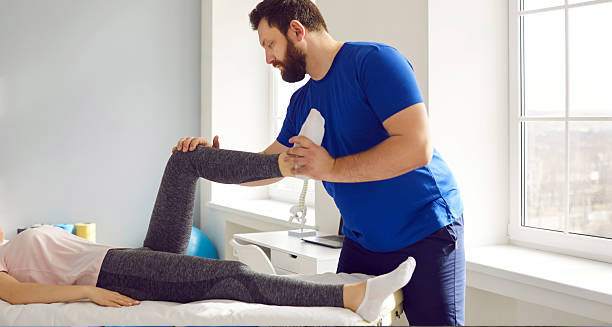
Treatment of leg cramps involves a combination of immediate relief strategies, long-term prevention techniques, and medical interventions when necessary. Since leg cramps can range from occasional discomfort to chronic pain that significantly impacts daily life, a personalised and multi-part approach often works best. In many cases, simple self-care measures work well. However, persistent or severe cramps may need more advanced treatment of leg cramps to fix underlying causes or related problems. Whether cramps happen for no known reason, come from physical strain, or show other health issues, treatment aims to ease pain quickly, lower how often cramps happen, and improve muscle health and function. 1. Immediate Relief Measures For people who get sudden leg cramps, stopping pain fast is the first goal. Treatment of leg cramps usually starts with stretching and massaging the muscle that hurts. For example, if the cramp hits the calf, pulling the foot upward toward the shin often stops the spasm. Gently rubbing or kneading the area can also relax the muscle and help blood flow. Using heat with a heating pad or warm towel can ease pain by increasing circulation. If cramps stay or come back, switching to a cold pack may lower swelling and numb the spot a little. Both heat and cold help manage cramps in the short term. 2. Stretching and Muscle Conditioning Regular stretching forms a key part of the treatment of leg cramps. Stretching makes muscles more flexible, stops tightness, and lowers the chance of sudden spasms. Stretching before and after exercise and before sleep helps people who often get night cramps. Try these stretches: Adding gentle strength training and low-impact exercises like swimming, cycling, or walking also builds muscle endurance and blood flow, reducing cramps. 3. Hydration and Nutritional Support Drinking enough fluids plays a big role in the treatment of leg cramps, especially for people who sweat a lot or exercise often. Not drinking enough water can upset the balance of minerals like potassium, calcium, magnesium, and sodium that muscles need to work well. To prevent or reduce cramps, patients should: Sometimes, a doctor may suggest electrolyte supplements. These should only be taken with medical advice to avoid too much intake. 4. Addressing Underlying Medical Conditions If leg cramps come from another health problem like peripheral artery disease, diabetes, thyroid imbalance, or nerve damage, the best treatment of leg cramps starts with fixing that cause. For example: Managing these health issues well often cuts down or stops leg cramps. 5. Medication and Supplementation When cramps happen often and disturb daily life despite lifestyle changes, doctors may suggest medicine. Treatment of leg cramps with drugs is usually a last option if other methods don’t work. Some medicines sometimes used include: Patients should always talk to a doctor before starting any medicine or supplement to avoid bad effects or interactions. 6. Compression and Orthotic Devices Using compression gear is another way to treat leg cramps. Compression stockings or sleeves help blood flow back to the heart and reduce leg muscle tiredness. This may stop cramps, especially for people who stand a lot or travel. Orthotic shoe inserts or special shoes can also help, especially if poor walking habits or body mechanics cause muscle strain. These devices improve posture and ease stress on leg muscles. 7. Lifestyle Modifications and Sleep Hygiene Good sleep habits are very important for those who get night cramps. As part of treatment of leg cramps, people should: Some find relief by slightly raising their legs while sleeping or placing a pillow under their knees to reduce strain. Regular exercise, stress management, and avoiding sudden heavy effort also help in the long run. 8. Alternative and Complementary Therapies Some people try alternative treatments for leg cramps. Though research is limited, some methods show promise, such as: These therapies should support, not replace, medical care. 9. Monitoring and Long-Term Management Long-term treatment of leg cramps often means tracking cramps with a “cramp diary.” Patients note when, how often, where, and how bad cramps are, along with activities or foods linked to episodes. This helps refine treatment and lets health workers give better care. Regular check-ins with a physiotherapist, dietitian, or doctor may help with ongoing support and assessment. Summary To summarise, treatment of leg cramps includes quick relief and long-term prevention. From stretching and hydration to medicines and lifestyle changes, managing leg cramps needs a full approach. Most cases respond well to home care, but persistent or serious cramps require medical evaluation to rule out deeper issues. [Next: Complications of Leg Cramps →]

Treatment of Leg Cramps Read More »

Complications of Leg Cramps

Complications of Leg Cramps

Complications of leg cramps are often overlooked, especially when cramps are dismissed as a minor inconvenience. However, when leg cramps happen often, become severe, or last a long time, they can cause many health and life-quality problems. It is important to understand the complications of leg cramps to prevent and manage them well. This is especially true for people with other health issues or repeated symptoms. Though many leg cramps go away on their own, repeated cramps—especially at night—can harm physical performance, sleep quality, mental health, and may even cause injuries or falls in people at risk. 1. Sleep Disturbances and Insomnia One of the most common complications of leg cramps is sleep disruption. Nighttime leg cramps can wake people suddenly. After that, they may struggle to fall back asleep and get poor-quality rest. Over time, this constant sleep problem can cause insomnia, daytime tiredness, irritability, and lower brain function. Older adults who have poor sleep because of repeated leg cramps face higher risks. These include more falls, trouble with memory, and a greater chance of feeling depressed. So, treating leg cramps well plays a key role in keeping healthy sleep patterns. 2. Impaired Mobility and Muscle Soreness Long-lasting leg cramps can cause ongoing soreness, stiff muscles, or less flexibility. These effects can reduce a person’s ability to move normally. This issue is often underestimated, especially in athletes, older people, and those recovering from sickness. When cramps happen during exercise, people might avoid physical activity because they fear pain. This avoidance lowers their strength and endurance over time. Less exercise not only weakens muscles but also can lead to heart problems, weight gain, and poor balance. Also, the muscle that cramped may stay sore or tender for hours or even days. This soreness can make walking, climbing stairs, or standing for long periods hard. 3. Injuries Related to Sudden Cramps Sudden leg cramps, especially during sports or at night, can cause injuries. Some serious complications of leg cramps include falls, muscle tears, and tendon strains. For example: In all these cases, the physical damage can be serious and last a long time, especially without proper treatment. 4. Mental Health Impacts Chronic leg cramps can cause emotional stress. One lesser-known complication of leg cramps is their effect on mental health, especially when cramps come often and without warning. Anxiety about possible cramps can raise stress and lower confidence in daily activities. Some people may fear falling asleep or doing physical tasks. This fear creates a harmful cycle of poor sleep, less activity, and worse cramps. This cycle is especially dangerous for elderly people, who may also face loneliness, depression, or mental decline. Over time, ongoing pain and discomfort—even if it comes and goes—can cause low mood, frustration, or feelings of helplessness. These feelings can further harm overall wellbeing. 5. Reduced Quality of Life Together, the complications of leg cramps can greatly reduce a person’s quality of life. While one cramp is usually a small annoyance, frequent cramps can disrupt daily tasks, social life, and work duties. For example, a construction worker with calf cramps may not safely work at heights. A teacher losing sleep because of night cramps may struggle to focus in class. Parents, caregivers, and active people might become less productive because of tiredness and pain. In the end, not knowing when cramps will come or how to control them can lower a person’s independence and self-confidence. This problem worsens if doctors or family dismiss their symptoms. 6. Misdiagnosis or Delay in Treating Serious Conditions Sometimes, complications of leg cramps arise from misdiagnosis or delayed diagnosis of serious health problems. Cramping can signal diseases like blood flow problems, nerve pressure, electrolyte imbalance, or kidney issues. Ignoring cramps or just covering symptoms without checking the cause can delay needed treatment. For example: Missing these root causes can leave people suffering without proper care and raise the chance of problems from the original disease. 7. Dependence on Medication or Remedies Another risk from the complications of leg cramps is overusing medicines or home treatments. People with lasting cramps may rely on painkillers, muscle relaxants, or unproven supplements to find relief. However, some treatments—especially those with quinine—can cause harmful side effects. These include irregular heartbeats, allergic reactions, or blood problems. Too much magnesium can cause diarrhea, nausea, and upset electrolyte balance, especially in those with kidney issues. Using remedies without medical advice can make recovery harder, interfere with other drugs, and hide serious health problems that need doctor care. 8. Workplace and Lifestyle Limitations Leg cramps can reduce work performance and lifestyle choices, especially for people whose jobs or hobbies require moving around a lot. Workers such as teachers, nurses, delivery drivers, or fitness trainers may find their work harder due to regular pain or stiff legs. Hobbies like hiking, running, or dancing may stop completely. People may plan trips or social events around avoiding cramps, especially after past episodes during long walks, flights, or hikes. While this self-limiting aims to prevent pain, it can also take away personal freedom and reduce enjoyment of life. 9. Deconditioning and Physical Decline When leg cramps cause people to avoid exercise, muscles lose strength over time. One hidden complication of leg cramps is the slow decline of muscle power, flexibility, and endurance. This loss makes the body more prone to cramps, pain, and injury, creating a harmful cycle. This problem is worse in older adults, where less movement can speed up frailty and increase hospital visits, loss of independence, or need for care homes. Keeping a regular, balanced activity level, even with mild cramps, is key to staying healthy long-term. Summary While often seen as minor, the complications of leg cramps can be serious and wide-ranging. From poor sleep and injuries to mental stress and lower quality of life, frequent or severe cramps need proper care. Finding the cause, preventing problems, and getting medical advice help avoid complications and lead to a more active, comfortable life. [Next: Back to Overview →]

Complications of Leg Cramps Read More »

Scroll to Top