Mental Matters

Leprosy

Overview of Leprosy

Leprosy

Overview of Leprosy Overview of Leprosy is essential for understanding one of the world’s oldest known infectious diseases, which continues to pose a public health challenge in some regions. Leprosy, also known as Hansen’s disease, is a long-term illness caused by a bacterium called Mycobacterium leprae. It mostly affects the skin, nerves near the skin, the inside of the nose, and the eyes. The overview of leprosy helps us see how this disease changed over time. It moved from being feared and misunderstood to something we can now treat. This shift happened thanks to new treatments and strong efforts by health organisations. The disease develops slowly. It can take years before any symptoms show up. Because the bacteria grow very slowly, people often don’t know they have leprosy for a long time. Skin problems or nerve issues may appear much later. The illness spreads through close contact over a long period, most likely through droplets from the nose. Unlike old beliefs, leprosy does not spread easily. In fact, most people have natural protection against it. Even so, spotting it early remains key. It stops lasting damage and helps break the chain of spread. Global Spread and Current Status in the Overview of Leprosy A full overview of leprosy should look at where the disease still exists today. It used to be found worldwide, but now it mainly affects parts of Asia, Africa, and South America. Each year, more than 200,000 new cases appear, according to the World Health Organization (WHO). India, Brazil, and Indonesia report the most cases. Thanks to strong health campaigns, many areas have seen big drops in cases. But in places with weak healthcare and strong stigma, leprosy still lingers. Over time, fear and myths caused harsh treatment of people with leprosy. Many were forced into leper colonies and taken away from their families. They lost jobs, respect, and their place in society. This deep-rooted stigma remains, even though leprosy can be cured. A mix of drugs called multidrug therapy (MDT), given free by WHO, works well. So, the overview of leprosy must also highlight the global push to reduce stigma and help cured people return to normal life. Types, Symptoms, and Complications in the Overview of Leprosy Leprosy shows up in two main ways: paucibacillary and multibacillary. The first type is mild and causes only a few skin and nerve problems. The second is more serious and affects more parts of the body. Both types can be treated if caught early. If not, they can lead to serious problems. These include changes to the shape of limbs, loss of sight, and long-lasting pain from nerve injury. Even after finishing treatment, many people deal with physical and emotional scars. That’s why care must go beyond medicine. The overview of leprosy must include its warning signs. These often start with skin changes. Some patches lose color or become darker and may feel numb. Over time, damaged nerves cause muscle weakness and even deformities in hands and feet. The eyes can also suffer, leading to vision problems or even blindness. Acting fast with MDT can stop the bacteria and prevent most of these issues. But for those with nerve damage, extra care and therapy may still be needed. Public Awareness and Mental Health in the Overview of Leprosy Public health plays a big role in the overview of leprosy. Community check-ups, training for local health workers, and public education are very important. Finding hidden cases early means faster treatment. In areas where the disease is common, spreading correct information helps reduce fear. New testing tools and better health systems have made it easier to find and treat cases. However, more money and effort are still needed. Mental health must also be part of this picture. Even after they are cured, many people feel ashamed or left out. The damage leprosy does to the body can be seen, and that leads to people treating them unfairly. Because of this, many suffer from sadness or anxiety. Research shows that mental health problems are common among people with leprosy. So, support like counselling and job training becomes very important. These programmes help people gain confidence again. International Goals and the Future in the Overview of Leprosy The Global Leprosy Strategy by WHO gives clear goals. It wants zero spread of leprosy, no new children with lasting problems, and no more unfair treatment of people who have or had the disease. To reach these goals, we need to keep checking for cases, improve vaccines and tests, and make sure health clinics can handle cases early. In short, the overview of leprosy shows us that the disease can be treated, but its impact still runs deep. Leprosy affects people’s bodies, minds, and lives. To beat it, we need doctors, leaders, social workers, and communities to work together. With strong efforts, early treatment, and care for the whole person, we can stop new cases and help those already affected to live better lives. [Next: Causes of Leprosy →]
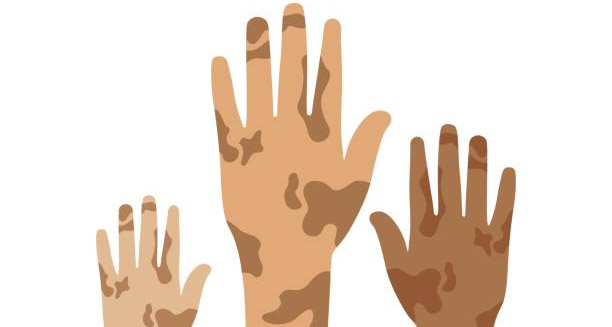
Leprosy Read More »

Causes of Leprosy

Causes of Leprosy

Causes of leprosy are rooted in a bacterial infection that primarily affects the skin, peripheral nerves, mucosa of the upper respiratory tract, and the eyes. The causes of leprosy have long been misunderstood, partly due to historical stigma and a lack of access to proper medical research in earlier centuries. However, modern science has clearly identified the microbial origins and transmission pathways responsible for the disease, shedding light on how and why it spreads in certain populations. Understanding the causes of leprosy is essential for both effective prevention and global eradication efforts, especially in developing countries where the disease still remains a public health issue. The main cause of leprosy is an infection with a slow-growing bacterium called Mycobacterium leprae. In rare cases, another similar bacterium, Mycobacterium lepromatosis, can also cause the disease. These bacteria thrive in cooler parts of the body, such as the skin and nerves. They grow slowly, and symptoms may take months or even up to 20 years to show. Because of this delay, it becomes harder to trace the exact source of infection or stop its spread early. Bacterial Spread and the Causes of Leprosy The most direct of all causes of leprosy is exposure to Mycobacterium leprae. It spreads through droplets from the nose and mouth when untreated patients cough or sneeze. People nearby may breathe in these droplets or get them on their mucous membranes. Still, leprosy does not spread easily. Around 95% of people are naturally immune. Even when exposed, they do not get sick. While this means outbreaks are rare, it also makes it harder to track how and when someone became infected. Role of Genetics in the Causes of Leprosy A person’s genes also play a big role in the causes of leprosy. Studies show that some genes affect how likely someone is to get the disease. Certain immune-related genes—like TLR1, TLR2, and PARK2—can make someone more prone to infection. In many families living in areas where leprosy is common, several members may get the disease. This can happen due to shared genes, not just shared spaces. So, both inherited traits and close contact can increase the risk. Environmental Conditions That Increase Risk Poor hygiene, crowded homes, and weak health systems all raise the risk of infection. These conditions make it harder to avoid contact with untreated people and delay getting care. Slums, refugee camps, and rural places with few clinics often see more cases. Malnutrition and illnesses like HIV or diabetes also make it easier for bacteria to grow. All these factors add up and make leprosy more likely to spread in these areas. Animal Sources and the Causes of Leprosy Most cases of leprosy come from other people, but animals can also pass on the disease. In parts of the southern U.S. and Latin America, nine-banded armadillos carry Mycobacterium leprae. People can get infected if they handle raw meat or come into contact with these animals. Hunters or those who prepare armadillo meat are more at risk. Public health experts now warn people in these regions to avoid direct contact to reduce the chances of getting infected. Incomplete Treatment and How It Spreads Some causes of leprosy come from poor treatment practices. If patients don’t finish their full course of medicine, they may stay infectious. They might also get sick again, and bacteria can become resistant to drugs. This makes treatment harder for everyone. That’s why health programs must not only find cases but also help people stick to their full treatment plan. Doing so can stop future infections in the community. How Culture and Stigma Delay Care In many places, myths and stigma are major causes of leprosy’s spread. Some believe it’s a curse, which leads to shame and hiding symptoms. Because of this, people wait too long to see a doctor. During this time, they may unknowingly infect others. These beliefs don’t come from science, but they still affect how the disease spreads. Educating people and breaking myths are just as important as giving medicine. The Immune System’s Role in the Causes of Leprosy Not everyone who gets exposed develops the disease. The body’s immune system plays a huge role. People with strong immune responses may never get sick or only get a mild form called tuberculoid leprosy. Those with weaker immunity often get more severe, widespread disease. This shows that immune strength directly affects the chances of getting sick and the type of symptoms one may have. Causes of Leprosy in Modern Research Even though we understand many causes of leprosy, research continues. New studies are looking at things like co-infections, other bacteria in the environment, and even changes in gene activity. Climate change and deforestation may also play a role. They push animals and people into closer contact, which can spread the disease in new ways. As the world changes, so might the causes of leprosy. We need to stay alert and adjust our health plans as new information comes in. [Next: Symptoms of Leprosy →]

Causes of Leprosy Read More »

Symptoms of Leprosy

Symptoms of Leprosy

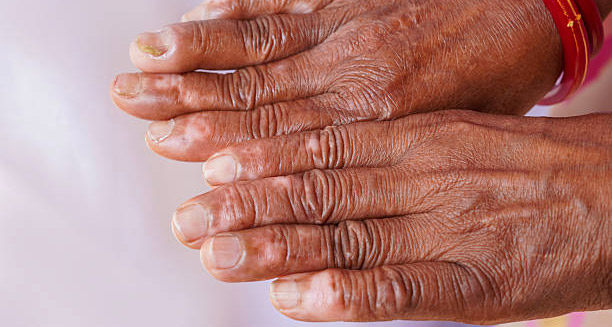
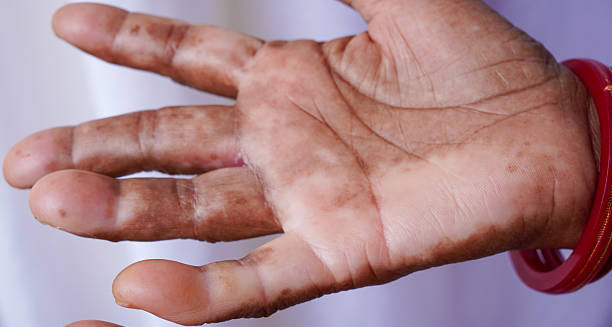
Symptoms of leprosy can vary significantly based on the type of infection and the individual’s immune response, but certain patterns are common and often help in recognising this chronic infectious disease. Symptoms of leprosy usually appear slowly. In fact, it can take years after the first exposure to the germ Mycobacterium leprae for symptoms to show. Because of this delay, early signs often go unnoticed. That’s one reason why many cases remain undiagnosed in the beginning. Also, since symptoms of leprosy can look like other skin or nerve conditions, early diagnosis is difficult. This makes treatment harder and increases the risk of long-term harm. Doctors often group the symptoms of leprosy into two main types: skin problems and nerve problems. These symptoms can show up on their own or together. How severe they are depends on the kind of leprosy—whether it is tuberculoid, lepromatous, borderline, or indeterminate. Skin Symptoms Linked to Symptoms of Leprosy One of the most common symptoms of leprosy is patches on the skin. These patches may look flat and lighter than the skin around them. In some cases, they may look red or copper-coloured. These spots usually feel numb and don’t sweat. That’s because the sweat glands in those areas stop working. This loss of feeling is a key sign of the disease. Some people may also find small lumps or bumps under their skin. If left untreated, these may grow and change the skin’s shape. In more serious cases like lepromatous leprosy, skin changes can cover large parts of the body. The face, ears, and arms may look thick or lumpy. These changes once led to the strong stigma linked to the disease. Dry and rough skin is another sign, especially in areas where nerves have been harmed. When the nerves that control sweating and skin moisture stop working, the skin can dry out, crack, and become open to infection. These changes make the skin more fragile. Nerve Damage in Symptoms of Leprosy One of the clearest signs of leprosy is nerve damage. The germs often attack nerves near the surface of the skin, such as those in the hands, feet, and face. As this happens, people slowly lose feeling. That means they may not notice small cuts or burns, which then become long-lasting wounds or ulcers. In the early stages, people may feel tingling, burning, or numbness in affected areas. Later, they may lose muscle strength. Weakness or even paralysis may develop, especially in the hands and feet. In some cases, the hands may curl into a “claw” shape, or the feet may lose the ability to lift, known as foot drop. These changes happen when muscles shrink after nerve damage. If the disease affects the nerves in the face, people may lose the ability to blink. This puts the eyes at risk and may lead to ulcers or even blindness. Sometimes, damaged nerves become thick enough to feel under the skin, especially near the elbows and knees. Systemic Effects and Emotional Impact Although leprosy mostly affects the skin and nerves, it can sometimes harm other parts of the body. For example, people with lepromatous leprosy may get stuffy or bloody noses. This happens when the lining of the nose becomes inflamed. Over time, this can lead to a runny nose or even loss of the middle part of the nose. The symptoms of leprosy don’t just affect the body. Many people feel deep emotional stress due to fear and stigma. They may face rejection, feel anxious, or become depressed. In many places, the public still does not understand the disease, and this misunderstanding adds to the suffering. Some people with leprosy also have strong immune reactions called “reactions.” These may show up suddenly and require fast medical care. Type 1 reactions cause skin and nerve swelling. Type 2 reactions, like erythema nodosum leprosum (ENL), bring painful red lumps, fever, and other symptoms. Without quick treatment, these can cause serious and lasting damage. Symptoms of Leprosy in Children and Early Clues Symptoms of leprosy in children are usually less severe but still very important to catch early. Children may show just one or a few skin spots, which can be confused with conditions like ringworm or eczema. However, children’s nerves can get damaged quickly. That’s why fast diagnosis is vital. If treatment starts late, children may face lifelong issues with movement and hand use. Doctors need to act fast when they see signs in children. Early care can prevent serious problems and allow the child to grow and develop more normally. Telling Symptoms of Leprosy Apart from Other Conditions Sometimes, symptoms of leprosy look like other skin or nerve diseases. These include psoriasis, eczema, diabetic nerve damage, or vitiligo. But one thing makes leprosy different—skin spots that have no feeling. This clue helps doctors tell leprosy apart from other skin problems. Also, the mix of skin spots and nerve damage is rare in other conditions. This makes the presence of both signs an important red flag during diagnosis. Importance of Early Recognition of Symptoms of Leprosy Noticing the first signs of leprosy early can prevent serious harm. When left untreated, the disease can cause long-term disability. Since leprosy spreads through close contact, especially in crowded or dirty places, catching it early also helps protect others. Treating one person can stop the spread to many. Teaching the public to recognise symptoms of leprosy is key. Awareness efforts help people feel less fear and encourage them to seek help when they see changes in their skin or nerves. [Next: Diagnosis of Leprosy →]

Symptoms of Leprosy Read More »

Diagnosis of Leprosy

Diagnosis of Leprosy

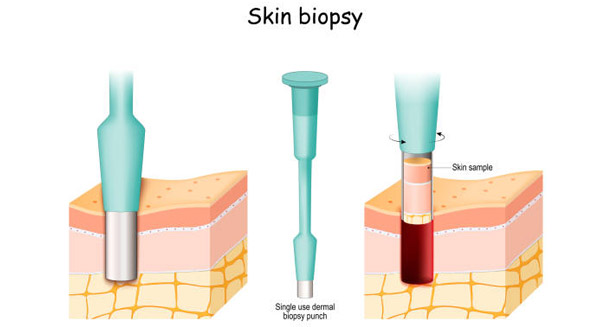
Diagnosis of leprosy is a critical step in managing this chronic infectious disease effectively. A quick and accurate diagnosis of leprosy helps stop long-term problems. It also lowers the spread of the disease and improves the lives of those affected. Because leprosy looks like other skin and nerve problems, spotting it early is key. It helps prevent confusion and treatment delays. Doctors usually rely on symptoms, skin tests, nerve checks, and lab results. Early signs and risk factors play a big role in this process. Clinical Signs Help in the Diagnosis of Leprosy Doctors begin by doing a full body check. They look for signs like skin patches that have little or no feeling, thick nerves, and weak muscles. These symptoms can be hard to notice in the early stages. That’s why trained doctors must tell it apart from other skin problems like vitiligo, fungal infections, or psoriasis. It can also look like nerve damage from diabetes or alcohol use. During the exam, doctors test areas of skin for temperature, pain, and light touch. Patches that are pale and numb often raise suspicion. Using Skin Tests to Support Diagnosis After checking the skin, doctors often do a skin smear or biopsy. For a smear test, they scrape a bit of skin or fluid from a spot and stain it. They use a special method called Ziehl-Neelsen staining to look for leprosy bacteria. The number of bacteria helps doctors know how serious the case is and whether it’s likely to spread. But sometimes, especially in cases with few bacteria, the test may not show anything. A negative result does not mean the person doesn’t have leprosy. In these cases, a skin biopsy can help. It shows if there is damage to the nerves or signs of infection under a microscope. Newer Lab Tests in the Diagnosis of Leprosy In some advanced clinics, doctors also use blood and DNA tests. A test called PCR finds leprosy DNA in skin or nerve samples. It works well even when bacteria are low. However, this test is not available in many places with fewer resources. Blood tests can also find certain antibodies made against the leprosy germ. These tests help spot people who were close to someone with leprosy. Still, they are not perfect and are not used often in normal care because the results vary a lot. Nerve Checks Are Key for Diagnosis of Leprosy Checking the nerves is another important step. Leprosy often harms nerves, and catching this early can stop serious damage. Doctors feel for swollen nerves like those in the arms and legs. They also test muscle strength and sensation. In more advanced cases, people might have weak muscles, curled fingers, or a dropped foot. These signs also help confirm leprosy. In some hospitals, doctors use machines to measure how well nerves work, giving even more detail. WHO Guidelines and Practical Tools for Diagnosis The World Health Organization uses a simple system to help with the diagnosis of leprosy. If someone has five or fewer skin spots and no bacteria on smear tests, they are labeled as paucibacillary. If they have more than five spots or bacteria are found, they are multibacillary. This system helps doctors decide how to treat the patient. It also works well in places with few lab tools. Some countries also use terms like tuberculoid or lepromatous leprosy, based on the body’s response and lab results. Look-Alike Conditions Can Delay Diagnosis Doctors also need to rule out other diseases that look like leprosy. These include lupus, syphilis, sarcoidosis, and many skin problems. So, they need to ask about the person’s past, travel history, and whether they’ve been near someone with leprosy. Some people might not get diagnosed quickly because the disease moves slowly. This delay makes it more important for doctors to stay alert. Contact Tracing in the Diagnosis of Leprosy Finding leprosy early isn’t just about the patient. It also means checking their close contacts. People living with someone who has leprosy have a higher chance of getting sick too. Doctors should check these people regularly for early signs. Teaching people about leprosy and fighting stigma helps them get checked sooner. It also makes them more likely to come back for follow-ups. Wrapping Up the Diagnosis of Leprosy In short, doctors use many steps to make a diagnosis of leprosy. They watch for symptoms, do lab tests, check nerves, and sometimes use advanced tools like DNA tests. Catching the disease early helps stop its spread and lets doctors treat it quickly. As better tests become more common and people learn more, fewer cases will be missed or found too late. [Next: Complications of Leprosy →]

Diagnosis of Leprosy Read More »

Complications of Leprosy

Complications of Leprosy

Complications of leprosy can be debilitating, disfiguring, and long-lasting if the condition is not diagnosed and treated early. Complications of leprosy arise both from the direct effects of the Mycobacterium leprae bacteria on the body and from the immune system’s response to the infection. Though leprosy itself is a chronic infectious disease, it is often the resulting complications that cause the most suffering and disability for affected individuals. Addressing these complications is essential not only for improving quality of life but also for reducing stigma and social isolation. Nerve Damage and Secondary Injuries One of the most serious complications of leprosy is nerve damage. The bacteria attack and inflame nerves, especially in the hands, feet, and face. Damaged nerves stop the body from feeling pain or temperature changes. At first, this might not seem dangerous. But without pain as a warning, people can get burns, cuts, or other injuries without knowing it.Over time, these injuries may turn into chronic wounds or infections. Some people even lose fingers or toes. In fact, the deformities that many people link to leprosy often come from repeated injuries, not the disease itself. Eye Problems and Vision Loss Another major concern under the scope of complications of leprosy is eye involvement. The bacteria can damage facial nerves that help with blinking. When people cannot close their eyes fully, a condition called lagophthalmos, their eyes become dry and unprotected. Dust and germs can then enter more easily.This increases the risk of corneal ulcers and, if untreated, blindness. On top of that, long-lasting swelling inside the eyes can lead to other issues like iritis or glaucoma, making vision worse. Deformities, Weakness, and Stigma Muscle weakness and deformities are also key complications of leprosy. When nerves like the ulnar, radial, or peroneal nerves get damaged, people may develop clawed hands, foot drop, or wrist drop. These changes make it hard to do daily tasks.Even worse, visible deformities often lead to shame or rejection. Many people with signs of leprosy get excluded from work, school, or social events. This can cause emotional pain, depression, and a deep sense of isolation. Immune Reactions and Internal Organ Damage Leprosy can also cause strong immune reactions. These include Type 1 (reversal) and Type 2 reactions, such as erythema nodosum leprosum (ENL). These reactions cause sudden skin and nerve swelling. People may get fever, swelling, joint pain, and new nerve problems.If not treated quickly, these reactions can cause even more nerve damage. Type 2 reactions are especially risky. They can keep coming back and may affect internal organs like the kidneys, liver, and spleen. Social and Emotional Impact Social complications play a big role in how leprosy affects people. Even after successful treatment, many still face discrimination. This is often due to old myths that the disease spreads easily or never goes away. In some places, people with leprosy get kicked out of their homes, lose jobs, or even face divorce.This fear stops others from getting help early, which leads to more problems later. Some people end up homeless, undernourished, or deeply depressed. Sadly, some even think about suicide due to the emotional burden. Chronic Ulcers and Risk of Amputation Chronic ulcers, especially on the soles of the feet, are common complications of leprosy. These wounds often become infected and need long-term care. Some cases require surgery. If left untreated, the infection can reach the bone, causing osteomyelitis.When that happens, amputation may be the only option. In poorer areas with limited medical care, these wounds add greatly to the disease’s overall burden. Internal and Systemic Complications of Leprosy In rare cases, leprosy can spread throughout the body. This usually happens in multibacillary leprosy when treatment is delayed. The bacteria may damage the testicles, causing shrinkage and infertility. They can also harm the kidneys or cause the liver and spleen to grow too large.While less common today, these problems still happen in places where people struggle to access care. Economic Burden and Long-Term Costs The long-term complications of leprosy affect not just health but also income. People who are disabled by the disease may not be able to work. They might lose their jobs or stop going to school. Families can suffer too.Medical care for wounds, devices to help movement, and surgery costs add up. This creates financial strain, especially in poorer countries. Public health systems need to do more than just provide medicine. They must also offer rehab, mental health care, and help people rejoin society. Preventing Complications of Leprosy To reduce the impact of complications of leprosy, early detection and sticking to multidrug therapy (MDT) are key. If started soon enough, MDT can stop the disease from getting worse and prevent nerve damage.Raising awareness through education is also vital. It helps fight stigma and encourages people to seek care early. People who already have problems need rehab services like physiotherapy, occupational therapy, or surgery. These steps help restore movement and boost confidence. Addressing All Complications of Leprosy In conclusion, complications of leprosy go far beyond skin symptoms. Nerve damage, disfigurement, vision problems, and social rejection can deeply affect a person’s life. To tackle all these issues, care must cover the whole person.This means combining medicine, therapy, emotional support, and public education. With early action, many serious effects of the disease can be avoided. People can then live full lives without pain or shame. [Next: Back to Overview →]

Complications of Leprosy Read More »

Scroll to Top