Mental Matters

Lichen Planus

Overview of Lichen Planus

Lichen Planus

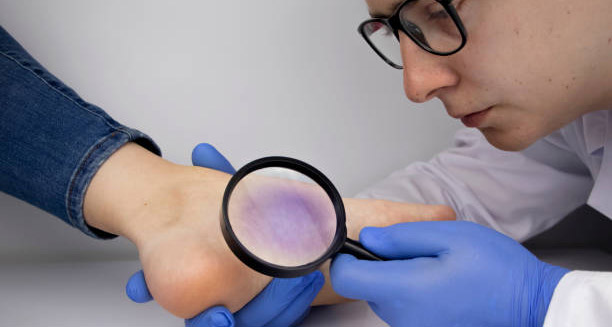
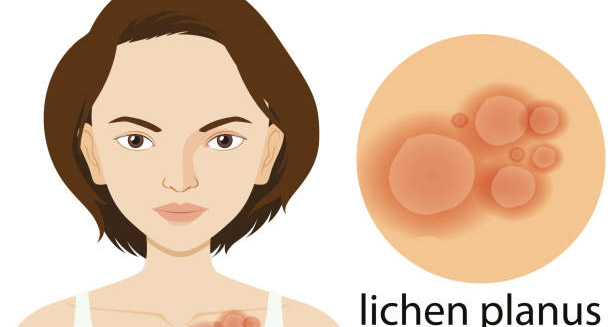
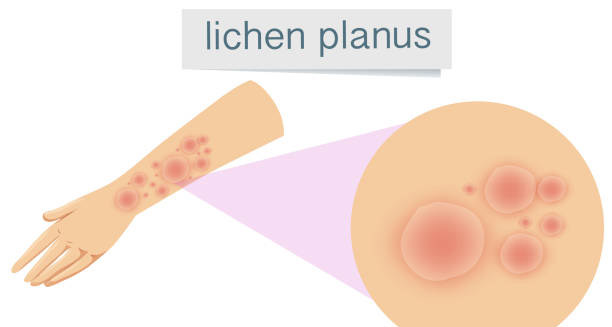
Overview of Lichen Planus The overview of Lichen Planus serves as an essential starting point in understanding this relatively common yet often misunderstood skin condition. Overview of Lichen Planus introduces readers to a long-term skin problem that mainly affects the skin, mouth, nails, and scalp. It shows up as purple, itchy, flat bumps or patches that can be uncomfortable or upsetting. Although it doesn’t spread from person to person, its sudden flare-ups and return over time make it important to spot early and manage well. Lichen planus can affect anyone, but it is most often seen in adults in middle age. Both men and women can get it. However, some types—like oral lichen planus—seem more common in women. Most of the time, doctors cannot find a clear cause. Experts believe it happens when the body’s defence system wrongly attacks healthy cells in the skin or mouth. Things like stress, infections, allergies, and even family history might help trigger the condition or make it worse. How Lichen Planus Appears and Spreads Lichen planus has a very distinct look. It usually shows up as shiny, flat-topped, purple bumps. These can join to form bigger patches. Most often, you’ll see them on the wrists, ankles, lower back, or private areas. When it appears in the mouth or other soft areas, painful ulcers or white lines called Wickham striae can develop. If the scalp is affected, it may cause a special type of hair loss called lichen planopilaris. This form of hair loss may leave scars and can be permanent. Doctors usually spot lichen planus during a skin check. A small skin sample (biopsy) and sometimes blood tests can help confirm it. The condition behaves differently in different people. In some, it clears up on its own within one or two years. But for others, especially when the mouth or nails are involved, it might last much longer or keep coming back. These long-term cases need ongoing care and check-ups. Types and Forms of Lichen Planus There are many types of lichen planus. Some affect the skin (cutaneous), others the mouth (oral), private areas (genital), nails, or scalp (lichen planopilaris). Another type called hypertrophic lichen planus causes thick bumps, usually on the shins. Each type feels different and responds differently to treatment. For example, oral lichen planus may not itch but can cause strong pain. Eating and talking may become difficult. Nail changes may also occur. This includes ridges, thinning, or even loss of the nail. These changes can become permanent. Mental and Emotional Effects The look and feel of lichen planus can deeply affect a person’s well-being. Ongoing itchiness, visible rashes, or painful sores may lower self-confidence and affect social life. Long-term cases may lead to anxiety or depression, especially when symptoms are hard to control. That’s why education and support from doctors matter. They help patients understand what’s happening and feel less stressed. Treatment of Lichen Planus and Recovery Support Treatment of Lichen Planus mainly aims to reduce swelling, stop the itching, and improve how the skin looks. For mild cases on the skin, doctors usually start with steroid creams. If the condition is severe or widespread, tablets like steroids, retinoids, or other immune-blocking drugs may be needed. For oral or genital types, mouthwashes, ointments, or even local injections might help ease pain and help healing. In addition, avoiding stress and things that trigger the condition can help reduce flare-ups. These small changes can support treatment of lichen planus and help patients stay well. Early diagnosis is important. It can help stop serious issues like scars, skin colour changes, or infections. In some cases, such as oral lichen planus, regular check-ups are needed. This is because there is a small chance of it turning into oral cancer. Keeping up with follow-up visits helps catch any changes early. Awareness and Final Thoughts Not many people have heard of lichen planus, so some may live with it for years without knowing what it is. Spreading awareness among both the public and healthcare workers is key. It helps more people get diagnosed and treated early. Doctors, dentists, and general practitioners all play important roles in spotting and managing this condition. That’s especially true because it looks different in every patient. In conclusion, the Overview of Lichen Planus gives a full picture of a condition that, while not catching or life-threatening, can still cause a lot of discomfort. Since it can look and act in many ways, care should be personalised. It often takes a team of doctors to manage it well. By understanding this condition better, both patients and caregivers can work together to reduce its effects, improve treatment, and help people feel better both physically and emotionally. [Next: Causes of Lichen Planus →]

Lichen Planus Read More »

Causes of Lichen Planus

Causes of Lichen Planus

The causes of lichen planus are not fully understood, but research suggests that the condition is primarily related to an abnormal immune response. In many cases, the immune system wrongly attacks healthy areas of the body like the skin, mouth, scalp, or nails. This leads to swelling and the appearance of typical lichen planus lesions. Even though experts don’t yet know exactly why this happens, they have found several possible causes. These include immune system problems, certain medicines, viral infections, family history, and environmental factors. One widely accepted theory is that lichen planus is an autoimmune condition. This means the body’s defence system becomes too active and targets healthy tissue by mistake. In particular, T-lymphocytes—a type of white blood cell—play a major role in causing inflammation that leads to the rash. This reaction may happen on its own or start because of another health problem. Medications and Other External Causes of Lichen Planus Medicines are among the best-known triggers. Some drugs can lead to a rash that looks like lichen planus. Doctors call this a “lichenoid drug reaction.” Common culprits include painkillers (NSAIDs), blood pressure pills (like beta-blockers), anti-malaria drugs, water tablets (thiazide diuretics), and some diabetes medicines. These drug-related cases often go away once the person stops taking the medicine. This link is seen more often in older adults who are usually on long-term prescriptions. Viral infections may also play a part. The strongest link is with hepatitis C virus (HCV). Many studies show that people with chronic HCV infections are more likely to develop lichen planus, especially in the mouth. The exact reason is still not clear. However, doctors believe the virus may upset the immune system, making it more likely to attack healthy tissue. This link is stronger in some parts of the world, suggesting that both environment and genetics might influence it. Genetics, Stress, and Other Possible Causes of Lichen Planus Genetics also seem to matter. Even though lichen planus is not directly passed down, people with a family history of skin or autoimmune diseases may have a higher risk. Certain genetic markers—especially specific HLA types—can make someone more likely to get mucosal forms of the condition. These markers are not often tested in regular practice but still help researchers understand how the disease works. Stress might also play a role. When no clear physical cause is found, long-term stress could be a factor. Stress weakens the immune system and can make skin problems worse. While stress probably doesn’t cause the condition by itself, it may help trigger symptoms or make them worse in people who are already at risk. Some dental materials, such as silver amalgam fillings, have been linked to oral lichen planus. These reactions often appear only in the areas touching the material and usually improve once the filling is replaced. In rare cases, certain ingredients in toothpaste or mouthwash have also been known to trigger symptoms. Less Common and Idiopathic Causes of Lichen Planus In many cases, doctors cannot find any clear cause. These cases are called idiopathic. They are thought to be purely autoimmune, meaning they come from within the body without any outside trigger. Idiopathic lichen planus is more common in middle-aged adults. It can affect many body parts, but most often appears on the wrists, ankles, lower back, or inside the mouth. In very rare cases, vaccines may trigger lichen planus. This has been seen with the hepatitis B and flu vaccines. Experts believe it happens because the vaccine boosts the immune system, which may cause an overreaction in people who are already prone to immune problems. These cases are rare and should not prevent people from getting vaccinated. Still, they show how complex the immune system’s role is in the causes of lichen planus. Conclusion The causes of lichen planus come from many different factors. These include problems with the immune system, reactions to medicine, viral infections, stress, genes, and environmental triggers. Often, no single cause explains every case. But knowing what might be behind the condition helps doctors plan better care and find ways to avoid flare-ups. Understanding the causes of lichen planus gives both patients and healthcare providers better tools to manage and reduce its impact. [Next: Symptoms of Lichen Planus →]

Causes of Lichen Planus Read More »

Symptoms of Lichen Planus

Symptoms of Lichen Planus

Symptoms of lichen planus can be highly variable, affecting different parts of the body and presenting in a range of intensities and patterns. These symptoms often appear suddenly and can cause a lot of discomfort. This is especially true when they last a long time or show up in visible or sensitive areas like the skin, mouth, scalp, or genitals. Noticing these signs early helps in getting a proper diagnosis and starting treatment on time. That’s important because lichen planus can look like other skin or immune system problems. One of the most common signs is a rash made up of flat, purple bumps. These bumps usually have sharp edges and a shiny surface. They are often very itchy, especially on the wrists, ankles, lower back, and arms. Scratching can make the skin thick and rough, a condition called lichenification. Another typical sign is something called Wickham’s striae. These are thin, white, web-like lines that appear over the bumps. They are easy to spot inside the cheeks, lips, or tongue, and are a clear sign of oral lichen planus. In some people, the mouth may be the only area affected. Oral symptoms may include a burning feeling, pain when eating spicy or sour foods, dry mouth, or white patches that look like leukoplakia. If sores form inside the mouth, eating and speaking can become painful and lower a person’s quality of life. Skin, Scalp, and Nail Symptoms of Lichen Planus The scalp can also be affected, in a condition known as lichen planopilaris. This causes redness, flaking, and irritation of the scalp. Over time, hair may fall out in patches. In serious cases, the hair follicles become scarred and stop growing hair for good. Lichen planus may also affect the genitals. On the vulva or penis, it can cause red, sore patches or raw areas. These spots can hurt when touched, itch all the time, or make urination and sex painful. Women may develop narrowing of the vagina (vaginal stenosis) or pain during check-ups. Men may get sores or thick plaques on the penis, which can cause emotional stress and sexual issues. Nail symptoms are less common but still important. The condition can cause the nails to become thin, split, ridged, or fall off completely. In severe cases, damage to the nail root stops nail growth. Nail changes often occur alongside other symptoms but can sometimes happen alone. Some people feel general symptoms, like tiredness, mild fever, or a run-down feeling—especially if the condition affects many areas of the body or links to other immune system issues. Very rarely, lichen planus can affect the eyes, ears, or esophagus. Sometimes, it affects only one of these unusual areas, making it harder to diagnose. Long-Term Patterns and Triggers New symptoms usually develop slowly, often over a few weeks. In many people, lichen planus goes away by itself within one or two years. But in some cases—especially in the mouth or genitals—it becomes long-lasting and harder to treat. Flare-ups are common, and they can be triggered by stress, illness, certain drugs, or allergens. Because symptoms can look like those of psoriasis, eczema, lupus, or drug reactions, it’s important to have a full skin exam and, often, a biopsy to confirm the diagnosis. This is especially true for open sores in the mouth or genitals, which must be checked for cancer if they last too long. In children, lichen planus is rare. When it does happen, it usually shows up on the skin and often responds well to treatment. Adults—especially those in middle age—are more likely to have symptoms in the mouth or genitals, which are harder to manage. Women often get oral or genital symptoms, while men more commonly have skin rashes. Emotional and Psychological Impact of Symptoms of Lichen Planus The emotional effects of this condition are often overlooked. People may feel self-conscious or worried, especially if the rash is on the face, arms, or genitals. Painful mouth sores or sexual problems can lead to anxiety, sadness, and avoiding social situations. That’s why it’s so important to treat both the physical and mental sides of lichen planus. Knowing whether the condition is caused by medication is also key. Some drugs—like blood pressure pills, malaria treatments, and common painkillers (NSAIDs)—can cause a reaction that looks like lichen planus. If a drug is to blame, stopping it can slowly lead to improvement. Checking medication history is a big part of understanding symptoms of lichen planus. Conclusion The symptoms of lichen planus cover many parts of the body and show up in different ways. From itchy rashes and mouth pain to hair loss, nail problems, and genital sores, the variety of symptoms can make it tricky to diagnose and treat. Spotting these signs early and managing both the physical and emotional effects helps improve long-term care. Learning about the full range of symptoms of lichen planus lets doctors and patients work together on the best treatment plan. [Next: Diagnosis of Lichen Planus →]

Symptoms of Lichen Planus Read More »

Diagnosis of Lichen Planus

Diagnosis of Lichen Planus

Diagnosis of Lichen Planus can be challenging due to its similarity to other dermatological and mucosal conditions. Getting the right diagnosis is very important. It helps guide treatment and rules out serious conditions like oral cancer or autoimmune diseases. Symptoms can appear in many ways, depending on where they show up—on the skin, scalp, nails, or mucous membranes. That’s why doctors use a mix of patient history, physical checks, and tests to confirm the diagnosis of Lichen Planus. The process usually starts with a detailed chat. The doctor asks about when the symptoms began, how they have changed, and what they feel like. Many patients report itchy, flat, purple bumps on the skin. Others mention painful sores in the mouth or genitals. Some feel burning in the mouth while eating spicy or sour food. Hair loss or nail changes might suggest the condition has affected the scalp or nails. Doctors also ask about any recent medicines, stress, or illnesses like hepatitis C, which may act as triggers. Clinical Steps in the Diagnosis of Lichen Planus After the history, the doctor does a full skin check. They look at the problem areas and gently touch them to feel their texture and spread. In many cases, the skin rash is enough to suggest lichen planus. But since it can look like other issues—such as eczema, psoriasis, lupus, or leukoplakia—extra tests often help confirm the diagnosis. A skin biopsy is one of the most accurate ways to confirm the condition. The doctor takes a tiny sample from the skin or mucous tissue. Under a microscope, pathologists look for certain changes—like a group of immune cells near the skin layers and damage to the base layer of skin. These signs help confirm lichen planus and rule out other skin diseases. Biopsies become even more important if there are sores in the mouth or genitals. These areas have a small risk of developing into cancer over time. So, in such cases, it’s crucial to watch them closely, even after a biopsy confirms the diagnosis. Supporting Tests and Broader Checks In some situations, doctors use a test called direct immunofluorescence. This test uses glowing dyes to spot immune proteins in the tissue sample. While not always needed, it can help tell lichen planus apart from other autoimmune diseases like lupus. Blood tests may also be useful. For example, if the doctor thinks hepatitis C is involved, they may check liver function. Basic blood work can also reveal signs of inflammation or immune system activity. For people with mouth sores, doctors may do swab tests to check for infections like thrush or herpes. Women with genital symptoms might need a pelvic exam or vaginal swabs to rule out infections or other conditions. These extra steps help make sure the diagnosis of Lichen Planus is accurate and complete. Special Cases and Emotional Support in Diagnosis of Lichen Planus Sometimes, the condition is more severe or unclear. In those cases, doctors refer patients to specialists. Dermatologists, oral health experts, or gynaecologists may be better equipped to deal with rare forms like erosive or thickened lichen planus. These forms may need special treatments. The emotional impact of the diagnosis can be serious. Many people feel anxious, especially if the rash appears on the face, arms, or genitals. Counselling and clear explanations can help people understand what to expect. Knowing the condition is manageable can lower fear and boost confidence. Doctors also need to find out if the lichen planus is idiopathic (with no known cause) or caused by medicine. Some drugs—like those for high blood pressure, malaria, or pain—can cause rashes that look like lichen planus. If a drug is the cause, stopping it can help the skin heal over time. That’s why checking medication history is an important part of diagnosis. Conclusion The diagnosis of Lichen Planus involves many steps. These include talking to the patient, checking the skin, looking at tissue under a microscope, and sometimes doing blood or swab tests. All of this helps the doctor figure out what type of lichen planus it is and what’s causing it. This allows for better, more focused treatment. Catching the condition early leads to better care and helps patients feel more in control of their health. [Next: Treatment of Lichen Planus →]

Diagnosis of Lichen Planus Read More »

Treatment of Lichen Planus

Treatment of Lichen Planus

Treatment of lichen planus is essential for alleviating symptoms and improving quality of life, especially for individuals experiencing persistent discomfort or visible skin lesions. Because symptoms vary in severity, place, and type, doctors adjust treatment plans for each person. While some mild cases clear up on their own, many people need medicine to ease pain, calm inflammation, and stop flare-ups. Lichen planus causes inflammation and can affect the skin, mouth, scalp, or nails. Experts aren’t sure what causes it, but it likely involves the immune system not working properly. So, most treatments aim to calm the immune system, reduce inflammation, and relieve itching and soreness. While there’s no full cure, many treatments can control the condition well. First Steps in the Treatment of Lichen Planus Doctors usually start with topical corticosteroids. These creams or ointments go straight onto the rash and help reduce redness and itching. In tough cases, stronger steroids like clobetasol propionate might be needed. If steroids thin the skin or can’t be used for long, other creams like tacrolimus or pimecrolimus may help. These non-steroid options act on immune cells and work well for delicate areas like the mouth and genitals. Soothing moisturisers and emollients also play a role. They calm dry, itchy skin and form a shield to protect it. They work even better when used with other topical treatments. Moving to Oral Medications When the condition spreads or becomes severe, pills may be needed. Doctors often give short-term oral steroids like prednisone to calm symptoms fast. These lower inflammation across the body by calming the immune system. Other strong medications like azathioprine, methotrexate, and cyclosporine help when steroids don’t work or cause too many side effects. Doctors save these for harder cases. Retinoids like acitretin, made from vitamin A, are another option. These can help with stubborn skin lesions, but they’re unsafe during pregnancy due to the risk of birth defects. Sometimes, people deal with severe itching that affects sleep or mood. Antihistamines help ease the itch. While they don’t fix the disease, they do make life more comfortable. Phototherapy as an Alternative Treatment of Lichen Planus When creams and pills don’t work well enough, light therapy can help. This method, called phototherapy, is useful for people with wide-spread or stubborn skin issues. One popular option is narrowband ultraviolet B (NB-UVB) therapy. It uses special light to slow skin growth and ease inflammation. PUVA, another light therapy that uses UVA light with a medicine called psoralen, may also help. However, PUVA has more side effects than NB-UVB. Light therapy usually takes place at a clinic, two to three times a week, for several weeks or even months. A skin specialist carefully supervises this process. Special Care for Oral and Genital Lichen Planus When lichen planus affects the mouth or genitals, treatment needs to be more specific. Doctors often give steroid gels or ointments. These may be used with custom dental trays to keep medicine in place on the mouth’s lining. For painful or ulcerated areas, pills may be needed. Managing pain is very important. Oral lichen planus can make eating, drinking, or speaking hard. Numbing mouth rinses with lidocaine can ease pain during meals. For the genitals, keeping clean, avoiding irritants, and using creams like steroids or tacrolimus helps manage the condition. Nail and Scalp Problems When it affects nails, lichen planus can cause lines, splits, or even lead to nail loss. To stop this, doctors may inject steroids directly into the nail area. While this may hurt, it can help save the nail and ease swelling. On the scalp, the condition is called lichen planopilaris. It can cause scarring and hair loss if untreated. To prevent this, doctors may use steroid creams, scalp injections, or pills like hydroxychloroquine or isotretinoin. These medicines aim to protect hair roots and stop damage from spreading. Lifestyle Tips to Support Treatment of Lichen Planus Medical treatment works best when paired with healthy habits. Avoiding known triggers like certain drugs, stress, or allergens may reduce flare-ups. Eating well, staying hydrated, and lowering stress through yoga or meditation can help the immune system stay balanced. Taking gentle care of the skin is also key. Use soft, fragrance-free soaps and moisturisers. For oral care, avoid spicy or sour foods, and brush with a soft toothbrush. Alcohol-free mouthwashes are gentler and help keep the mouth clean without irritation. Importance of Monitoring and Long-Term Care Regular check-ups are very important, especially for those with oral or genital lichen planus. These forms may carry a small risk of turning into cancer. Seeing your doctor regularly helps check how well treatments are working and if anything needs to change. If lesions don’t get better or seem unusual, a doctor might take a small sample (biopsy) to check for cancer. Catching problems early means better and quicker treatment. Conclusion The treatment of lichen planus takes a mix of approaches and depends on each person’s needs. It may include creams, pills, light therapy, and changes in daily habits. Acting early and staying on top of treatment can improve symptoms and life quality. Although it may come back now and then, many people do well with the right care and enjoy long periods without symptoms. [Next: Complications of Lichen Planus →]

Treatment of Lichen Planus Read More »

Complications of Lichen Planus

Complications of Lichen Planus

Complications of lichen planus can vary depending on the type, how long it goes untreated, and which body parts are affected. Common Skin and Oral Issues Complications of lichen planus often happen when the condition is chronic or does not respond well to treatment. Many cases get better on their own or with simple care, but some people face long-term problems. These may impact their quality of life, physical health, or mental well-being. Skin damage, scarring, infection, and even cancer risk are among the possible issues. One common complication is post-inflammatory hyperpigmentation, especially in people with darker skin. After the rash clears, the skin may stay darker for months or years. While this is not medically harmful, it can upset patients and might need cosmetic treatment. Persistent itching can also cause scratching, which can break the skin and lead to bacterial infections. In oral lichen planus, the problems can be more serious. Long-lasting inflammation inside the mouth can cause painful sores, ulcers, and trouble with eating or speaking. Some people feel burning or sensitivity to spicy or acidic foods. Rarely, the erosive type of oral lichen planus may increase the risk of oral cancer. Because of this, regular checkups with dental or skin specialists are important. Scarring, Nail, and Psychological Effects Scarring is another concern, especially in certain types. Lichen planopilaris affects the scalp and can cause permanent hair loss. Once hair follicles are damaged by inflammation, they cannot grow back, leaving smooth bald patches. Vulvovaginal lichen planus may cause tissue shrinking, fusion, and changes that can make sex or urination painful. Nail problems may include nail loss, deformities, or skin sticking to the nail bed (pterygium). These issues affect both fingernails and toenails and often cannot be reversed. Nail damage not only affects appearance but can also make daily tasks harder. Mental health effects should not be overlooked. The long-lasting nature of the disease, visible patches, pain, and scars can lower self-esteem and cause anxiety or depression. For some, emotional distress may be worse than physical symptoms. Support, reassurance, and mental health referrals are important for good care. Treatment Side Effects and Rare Complications Some treatments can cause side effects. Long-term use of corticosteroids may thin the skin, cause bruises, slow healing, or increase infection risk. Immunosuppressants or retinoids might cause liver issues, stomach problems, or mood changes. Close medical supervision is essential during treatment. Lichen planus pigmentosus, more common in darker-skinned people, can leave uneven, dark patches, especially on sun-exposed areas. These patches may be slow to fade and cause social distress. Laser or chemical treatments might help but are not always effective and can sometimes worsen pigmentation. In erosive mucosal types, scarring can narrow passages like the oesophagus, vagina, or urethra. This may require surgery to restore function. Though rare, these cases show why early diagnosis and monitoring matter. Ocular lichen planus is very rare but serious. It can affect the eye lining, causing dryness, irritation, or even vision damage. Social and Occupational Impact Visible lesions on the face or hands may cause social withdrawal or discrimination, especially at work. Stigma related to skin diseases can hurt job chances, relationships, and well-being. In conclusion, complications of lichen planus include physical, emotional, and social challenges. They range from lasting skin changes and hair loss to functional problems and a higher cancer risk in some types. Timely care, regular checkups, and a team approach to treatment can prevent or manage many issues. Patients should keep open communication with healthcare providers to catch problems early and reduce long-term risks. [Next: Back to Overview →]

Complications of Lichen Planus Read More »

Scroll to Top