Mental Matters

Lichen Sclerosus

Overview of Lichen Sclerosus

Lichen Sclerosus

Overview of Lichen Sclerosus The overview of Lichen Sclerosus is essential for understanding this chronic, often misunderstood skin condition that predominantly affects the genital and anal regions. Overview of Lichen Sclerosus helps explain a disease that can deeply affect quality of life. It mostly impacts women, though it can also affect men and children. This long-term skin problem causes white, patchy areas of skin that are thinner than usual. These areas often feel itchy and sore. Without treatment, the condition may lead to scarring. While it is not caused by poor hygiene or spread through contact, doctors still don’t know exactly what causes it. That’s why early diagnosis is key to controlling symptoms and stopping complications. Although it’s rare, lichen sclerosus may be more common than we think. Doctors may miss it, especially since it often starts with mild symptoms and affects private areas. It’s seen most often in postmenopausal women, but it can also appear in younger people and in men. In women, it often affects the vulva. In men, it can affect the foreskin. Children may also get it, though their symptoms may fade after puberty. Key Challenges in the Overview of Lichen Sclerosus A major concern in the overview of Lichen Sclerosus is the discomfort it brings. The skin changes can make daily activities hard. Some people find it painful to walk, use the toilet, or have sex. It can also cause a lot of emotional stress. People may feel embarrassed or nervous, which can stop them from asking for medical help. Looking at what happens in the skin, lichen sclerosus changes how the skin’s collagen works. The skin loses colour, becomes white, and feels more fragile. It may tear or crack easily. These changes can also affect how the skin works. For women, the labia may stick together, or the vaginal opening may shrink. For men, the foreskin might tighten, making urination or sex painful. These problems show how important quick treatment is. Even more serious, lichen sclerosus can raise the risk of vulvar cancer. Although this risk is low, it’s still a concern. Regular check-ups can help find early signs of cancer. Catching these changes early makes treatment easier and lowers long-term risks. Diagnosis and Causes of Lichen Sclerosus Doctors aren’t sure what causes lichen sclerosus, but there are many ideas. One common theory is that the immune system wrongly attacks the skin. Some also think hormone levels might play a part, especially since the condition often affects women after menopause. Genetics may also be involved. More studies are needed to fully understand why it happens. Since there’s no known cure, most people will need to manage the condition over time. To diagnose it, doctors usually do a skin check. They may also take a small skin sample (biopsy) to confirm the diagnosis and rule out other issues. It’s important to tell it apart from other skin problems like lichen planus or vulvar changes linked to HPV. Because it looks like other skin diseases, doctors may take longer to make the correct diagnosis. In the bigger picture of skin health, the overview of Lichen Sclerosus highlights how important it is to raise awareness. More education helps both doctors and patients notice signs early. Many people stay quiet about their symptoms because they feel ashamed. But good treatment is out there. Treatment, Support, and Living with Lichen Sclerosus Treatment often starts with strong steroid creams. These reduce swelling and ease symptoms. In some cases, medicines that affect the immune system may help. Ongoing treatment is often needed to stop flare-ups. Simple steps like wearing loose clothes and avoiding harsh soaps also help. For men with severe tightening of the foreskin, doctors may suggest circumcision. Follow-up visits are important to check for changes or early signs of cancer. Living with lichen sclerosus isn’t easy. People often need care from skin doctors, gynaecologists, or urologists, depending on where their symptoms are. Mental health support is just as important. Anxiety, sadness, and low self-esteem are common. Support groups and therapy can make a big difference. In short, the overview of Lichen Sclerosus gives a clear picture of a difficult skin condition. It’s not deadly, but it can change lives. Catching it early, using the right treatment, and seeing the doctor often are the best ways to control symptoms and avoid long-term issues. By talking more openly and spreading awareness, people can feel safe getting help and not feel ashamed of their condition. [Next: Causes of Lichen Sclerosus →]

Lichen Sclerosus Read More »

Causes of Lichen Sclerosus

Causes of Lichen Sclerosus

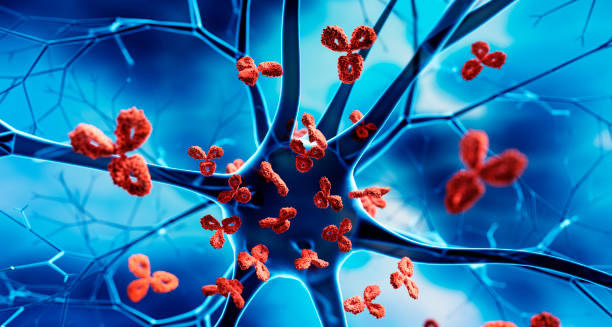
Causes of Lichen Sclerosus are not yet fully understood, but researchers believe the condition results from a combination of autoimmune, hormonal, genetic, and environmental factors. Although lichen sclerosus is not very common, it can affect people of all ages. It appears more often in postmenopausal women and, less frequently, in children and men. By learning what causes Lichen Sclerosus, we can better spot it early and treat it faster. This helps lower symptoms and reduce future problems. A leading cause may be an autoimmune reaction. In these cases, the immune system wrongly attacks healthy skin and tissue. With lichen sclerosus, this reaction affects the skin and moist inner areas. This leads to inflammation, thinning skin, and scarring. Autoimmune diseases often run in families. People with lichen sclerosus may also have other autoimmune conditions, like thyroid problems, vitiligo, or type 1 diabetes. This strengthens the autoimmune theory. Hormonal and Genetic Causes of Lichen Sclerosus Hormones might also play a role. The condition shows up often in postmenopausal women and young children—both groups with lower estrogen levels. This link suggests that hormonal changes may affect the disease. However, hormone replacement therapy (HRT) does not cure or prevent it. So, hormones may contribute to lichen sclerosus but don’t fully cause it. Genetics could be another factor. Studies show that lichen sclerosus sometimes runs in families. Some people may have a higher risk due to certain genes. But scientists haven’t found a single gene responsible. Most likely, a mix of genes and environmental triggers lead to the condition in those who are at risk. Environmental Triggers and Skin Trauma Everyday habits and surroundings may also influence the causes of Lichen Sclerosus. For example, rubbing or injury from tight clothing might trigger symptoms. This idea matches a known skin reaction called the Koebner phenomenon, where damage leads to new skin lesions. Poor hygiene, exposure to harsh soaps or chemicals, and synthetic fabrics may also play a part. Some scientists have looked at infections as possible triggers. While no single virus or bacteria has been confirmed, HPV and other infections have been studied. These infections may not directly cause lichen sclerosus, but they could make it worse. There’s also a possible link to urinary incontinence. When skin stays wet with urine or stool, especially in children or older adults, it can become weak. This may make the skin more likely to react badly, though this is likely a worsening factor, not the root cause. Other Contributing Factors Another theory focuses on the skin’s natural balance of bacteria—its microbiome. Like the gut, the skin needs good bacteria to stay healthy. If this balance breaks—due to antibiotics, harsh soap, or over-washing—the skin can become weak and more prone to problems. This might make inflammatory conditions like lichen sclerosus more likely. Stress also plays a role. While not a direct cause, stress can affect the immune system. Many people notice flare-ups during stressful times. This doesn’t prove stress causes lichen sclerosus, but the connection is common in autoimmune skin conditions. Some medical treatments might act as triggers too. Surgery or radiation in the genital area can change tissue and immune responses. This could make the skin more likely to develop lichen sclerosus after healing. Even so, these cases are rare. Importantly, lichen sclerosus is not contagious. You can’t get it through touch, sex, or sharing personal items. This fact is key to clearing up common myths and lowering shame tied to skin conditions in private areas. Summary of the Causes of Lichen Sclerosus In short, causes of Lichen Sclerosus are likely complex and involve several factors. The autoimmune theory is the strongest so far. But hormones, genetics, irritation, microbiome imbalance, and even stress may all add to the risk. Research is still ongoing. As scientists learn more, better tests and treatments will likely become available. This progress offers hope for people living with this lifelong skin condition. [Next: Symptoms of Lichen Sclerosus →]

Causes of Lichen Sclerosus Read More »

Symptoms of Lichen Sclerosus

Symptoms of Lichen Sclerosus

Symptoms of Lichen Sclerosus can vary significantly from person to person, but the condition most commonly affects the genital and anal regions, although it can occasionally appear on other parts of the body. Usually, symptoms of Lichen Sclerosus develop slowly. Many people don’t notice them right away. But over time, the condition may cause discomfort or lead to more serious problems. That’s why it’s important to spot the early signs. This can help prevent the condition from getting worse and avoid long-term skin damage. One of the first signs is itching. This usually starts in the genital area and can be strong and ongoing. Often, the itching feels worse at night or after urinating. In women, the itching often affects the vulva. In men, it usually affects the head of the penis or the foreskin. Children may feel pain or find it hard to urinate. As the disease gets worse, the skin can turn white, look shiny, and feel thin. These white patches may slowly grow larger and lead to scarring or changes in skin shape. More Common Symptoms of Lichen Sclerosus Other symptoms of Lichen Sclerosus can include pain or discomfort during sex. For women, this may happen if scar tissue forms and the vaginal opening becomes tighter. In men, the foreskin may become too tight to pull back. This is called phimosis and may need medical treatment. Both men and women may also see small cracks or splits in the skin. These can bleed or become infected if not treated. Many people also feel a burning sensation when they urinate. This happens if the skin near the urethra is sore or broken. In some cases, blisters or ulcers may appear. These symptoms often look like other problems, such as yeast infections, eczema, or sexually transmitted infections. That’s why an accurate diagnosis is so important. If left untreated, the constant pain or irritation can reduce quality of life. It may also cause emotional distress or problems with sex. Non-Genital and Long-Term Symptoms In areas outside the genitals, symptoms of Lichen Sclerosus are usually less severe. Still, they can cause discomfort. You might notice small, white, wrinkled patches on the arms, back, or upper body. These spots may itch or crack. The skin in these places can also become weak and tear easily, especially if scratched. Though rare, these patches can scar if not treated. If the condition lasts a long time, symptoms may get worse. Scars may form. The skin can become thick or change shape. In women, the labia may fuse or the vaginal canal may narrow. In men, untreated symptoms can make urination hard or cause pain during erections. Children may also struggle with emotional effects, especially if symptoms affect their daily lives or school. Emotional and Psychological Effects It’s important to remember that Lichen Sclerosus is not contagious. It doesn’t come from poor hygiene or sexual activity. Even so, many people feel too shy or embarrassed to talk about it. Sadly, this leads to delays in getting help. Waiting too long can make symptoms worse. It may also lead to problems like urine retention, sexual pain, or skin infections. In rare cases, long-term untreated symptoms of Lichen Sclerosus may raise the risk of skin cancer, especially in the genital area. Living with this condition can also affect mental health. Long-lasting symptoms may cause anxiety, sadness, or low self-confidence. If the condition affects intimacy or how someone sees their body, they may feel alone or ashamed. Many believe their condition is rare or has no solution. This shows how important it is to educate and support people with Lichen Sclerosus. In summary, symptoms of Lichen Sclerosus can be mild or severe. They may cause itching, pain, scarring, and more. Catching the signs early and getting medical help can make a big difference. With proper care and check-ups, people can manage symptoms, feel better, and avoid serious problems. Good treatment, a healthy routine, and emotional support can help patients feel more in control and confident. [Next: Diagnosis of Lichen Sclerosus →]

Symptoms of Lichen Sclerosus Read More »

Diagnosis of Lichen Sclerosus

Diagnosis of Lichen Sclerosus

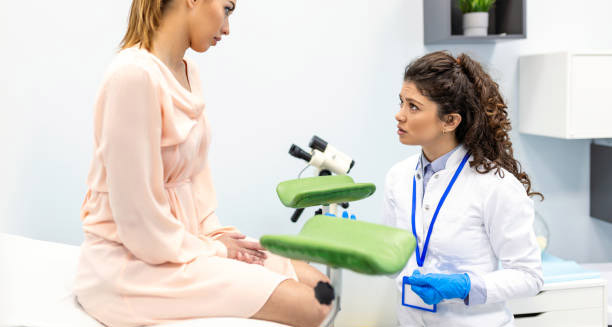
Diagnosis of Lichen Sclerosus is a vital step in ensuring timely and effective treatment for this chronic inflammatory skin condition. Because its symptoms can look like other skin problems, getting the right diagnosis of Lichen Sclerosus is very important. A wrong diagnosis may delay proper care and increase the risk of long-term damage. The process includes a full medical check-up, a look into your health history, a close-up skin exam, and sometimes, a biopsy or referral to a specialist. Knowing this process helps both doctors and patients understand the condition better. Lichen Sclerosus mainly affects the genital and anal areas, but it can also show up elsewhere. It often causes white, thin, wrinkled, or shiny patches on the skin. These patches may itch, burn, or hurt. In women, these signs can be mistaken for eczema, psoriasis, or infections. This makes diagnosis of Lichen Sclerosus harder. Men and children can also show symptoms that look like other skin issues, so careful checking is needed. Medical History and Physical Examination The first step in diagnosing Lichen Sclerosus is asking about your health history. The doctor will want to know when symptoms started, how they’ve changed, what treatments you’ve tried, and if there’s a family history of immune system issues. They may also ask about things like hormone changes or past injuries to the skin. This background helps doctors rule out other causes and spot clues pointing to Lichen Sclerosus. If you have ongoing itching, pain during sex, or problems urinating, it may be a clear sign. Next comes the physical exam. Doctors will look closely at the skin in the affected areas. Experienced doctors often spot the signs right away. Classic signs include white, smooth patches or plaques, sometimes with cracks, bruises, or scars. In women, the vulva may look smaller or changed. In men, the foreskin and penis tip are often affected. Around the anus, the skin may look pale, thick, or cracked. These signs, along with your history, often give enough information to make a diagnosis of Lichen Sclerosus. Biopsy, Imaging, and Other Tests If things aren’t clear, or if the skin looks unusual, the doctor may suggest a skin biopsy. A small piece of skin is removed with numbing cream or a local shot. Then, a pathologist checks it under a microscope. Key findings include thin top layers of skin, groups of immune cells, and changes to the deeper skin layers. A biopsy helps confirm the diagnosis and rules out serious issues like early skin cancer. It’s often used if the skin doesn’t heal or if standard treatment fails. Some skin doctors also use dermatoscopy. This is a tool that shows the skin in more detail. It can help spot changes in blood vessels or skin layers. While not needed in every case, dermatoscopy can help tell Lichen Sclerosus apart from other skin issues. It also helps doctors check if treatment is working over time. Other Diagnostic Considerations and Special Cases Doctors may also check for links to other health problems. Since Lichen Sclerosus sometimes appears with autoimmune diseases, patients might get blood tests to check for thyroid issues, type 1 diabetes, or vitiligo. These tests don’t confirm Lichen Sclerosus, but they help doctors understand the bigger picture and plan better treatment. When diagnosing children, extra care is needed. The symptoms can look like infections or even signs of abuse, especially in the genital area. A gentle and expert check by a child skin doctor is important. Doctors should explain the harmless nature of the disease to the parents and guide them clearly through the treatment. Once the diagnosis of Lichen Sclerosus is confirmed, follow-up visits are key. These help track how the condition is changing and whether treatment is working. Ongoing checks also let doctors catch any early signs of serious problems, like skin cancer. This long-term part of diagnosis helps patients stay safe and healthy over time. Final Thoughts on Diagnosis of Lichen Sclerosus To sum up, the diagnosis of Lichen Sclerosus involves more than just looking at the skin. It requires a full check-up, careful history-taking, and sometimes extra tests like biopsies or imaging. Because it looks like many other skin problems, getting help from a skilled doctor is important. A fast and correct diagnosis not only leads to better treatment but also prevents scarring, skin changes, and rare but serious issues like cancer. When doctors and patients understand the condition better, they can start treatment sooner and live more comfortably. [Next: Treatment of Lichen Sclerosus →]

Diagnosis of Lichen Sclerosus Read More »

Treatment of Lichen Sclerosus

Treatment of Lichen Sclerosus

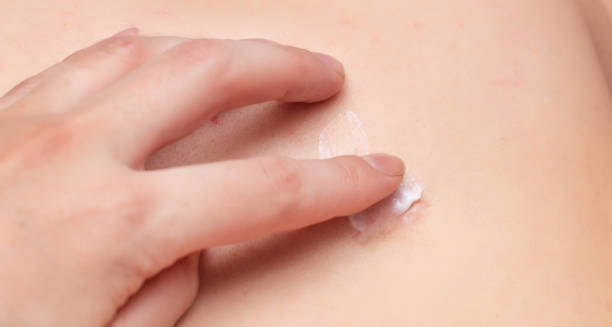
Treatment of Lichen Sclerosus is essential to manage symptoms, reduce skin damage, and improve the quality of life for those living with this chronic skin condition. Because Lichen Sclerosus often causes intense itching, pain, and scarring—especially in private areas—getting medical care quickly is very important. The treatment of Lichen Sclerosus usually includes strong topical medicines, ongoing care plans, and sometimes surgery. There is no cure yet, but effective treatments can greatly reduce flare-ups and stop serious complications. Doctors choose the treatment based on how severe the condition is, where it affects the body, and how well the patient responds. The main goal is always to ease symptoms and protect the skin from further damage. Topical Steroids and Moisturisers The most common treatment of Lichen Sclerosus is high-strength steroid creams like clobetasol propionate. These are used once or twice a day to calm swelling, reduce itching, and soften thick skin. When used properly and under a doctor’s care, they help restore the skin and reduce discomfort. Patients usually use these creams daily at first, then slowly reduce the amount to a maintenance level. Some people worry about using strong steroids for a long time. However, with regular check-ups, they are safe and work well. In fact, starting treatment early and using it consistently is one of the best ways to stop scarring and skin sticking together, especially in genital cases. Doctors also recommend moisturisers and emollients to keep the skin hydrated. These creams help soothe the skin, reduce rubbing, and act as a barrier. While they don’t treat the condition directly, they support other treatments and help prevent skin cracking. Using them after bathing or urinating is especially helpful. Barrier creams like zinc oxide or petroleum jelly can protect the area from moisture and irritation. This is especially useful for children or people who have trouble with bladder control. Alternative Medications and Surgery Options When steroid creams aren’t suitable or cause problems, doctors may suggest other treatments. One option is calcineurin inhibitors such as tacrolimus or pimecrolimus. These reduce swelling and itching without making the skin thinner. They are usually more expensive and can sting when applied, but they help in long-term care—especially for people who can’t use steroids often or who have delicate skin. In more serious cases, surgery may be needed. Men with tight foreskin (phimosis) might need circumcision. In women, scarring and skin sticking together can make sex or urination painful. Minor surgery may help free the tissue or open the vaginal area. However, surgery is a last step. It should always be followed by medical care to keep symptoms from coming back. Rarely, doctors may use ultraviolet light therapy (phototherapy) if other treatments fail or the disease spreads outside the genitals. This helps calm the immune system and reduce swelling. Phototherapy is usually not used on the genitals. New Therapies, Self-Care, and Monitoring Researchers are also exploring newer treatments for Lichen Sclerosus. These include platelet-rich plasma (PRP) and laser therapy. Early results suggest they may help repair skin and reduce scarring, but more studies are needed before they become routine care. Treatment of Lichen Sclerosus also includes lifestyle changes and proper self-care. People should: Sexual lubricants may ease discomfort during intimacy. Pelvic floor therapy may also help if pain or tightness is present. Since this condition lasts a long time, regular check-ups are essential. Doctors use these visits to check progress, adjust treatment, and watch for early signs of problems. In rare cases, especially in older women, Lichen Sclerosus can raise the risk of skin cancer. That’s why long-term monitoring is so important. Specialists like dermatologists or gynaecologists may check the skin during visits. They may also take a biopsy if ulcers, thick patches, or ongoing irritation appear. Emotional Support and Long-Term Outlook Treatment of Lichen Sclerosus also means looking after a patient’s mental health. Living with a long-term condition, especially one affecting private areas, can affect mood and self-image. Many people feel anxious, ashamed, or less confident. Giving patients clear information and setting realistic expectations can ease these feelings. Support groups and counselling can also help with the emotional side of the disease. In summary, treatment of Lichen Sclerosus focuses on strong steroid creams, regular follow-ups, and good self-care. Some people may also need surgery or newer treatments like PRP or laser therapy. A full approach that includes physical care, mental health support, and lifestyle changes offers the best chance of managing the condition and staying well. [Next: Complications of Lichen Sclerosus →]

Treatment of Lichen Sclerosus Read More »

Complications of Lichen Sclerosus

Complications of Lichen Sclerosus

Complications of Lichen Sclerosus can have far-reaching implications that extend beyond the immediate physical symptoms. While this long-term skin condition does not spread or usually threaten life, its ongoing effects and location can greatly affect physical comfort, mental health, and sexual health. Many complications of Lichen Sclerosus arise when the condition goes unnoticed or is not treated properly. Knowing the full range of possible problems helps patients get early care and stay well in the long run. Physical Changes and Skin Damage The most common problem is scarring and changes to the skin, especially in the genital and anal areas. The skin often looks white, patchy, thin, shiny, or wrinkled. Over time, constant swelling causes the skin to shrink and scar. In women, this can lead to the narrowing of the vaginal opening, fusion of the labia, or covering of the clitoris. These changes may make sex painful or even impossible. In men, the foreskin can tighten (phimosis), making it hard to pull back or causing pain during sex. Often, these problems need surgery and can cause lasting discomfort or reduced movement of the skin. Another serious issue linked to complications of Lichen Sclerosus is the risk of skin cancer. Long-lasting or untreated cases can raise the chance of getting squamous cell carcinoma (SCC), especially in the vulva or penis. Research shows that about 4–5% of women with untreated vulvar lichen sclerosus may develop SCC. That’s why it’s crucial to check for any changes in the skin’s size, colour, or feel. Doctors often take small skin samples (biopsies) to find cancer early and improve outcomes. Pain, Infections, and Sexual Difficulties Ongoing itchiness and pain are also major concerns. Intense itching causes people to scratch, which damages the skin and may lead to infection. Open sores can let in bacteria, making things worse. This adds more pain and slows healing. Repeated infections can also affect mental health and make the disease harder to live with. Besides bacterial infections, yeast infections can also happen—especially in people using steroid creams without antifungal medicine. Sexual problems are another common result. Women often feel pain during sex (dyspareunia), lose interest in sex, or fear skin tearing. Men may find sex painful or avoid it due to phimosis. These challenges can strain relationships, lower confidence, and cause emotional distress. Treating these issues may require medical care, therapy, and open conversations with partners. Emotional Impact and Urinary Problems The emotional toll of lichen sclerosus is often high. When a disease affects private parts, it can lead to shame, sadness, or anxiety. Many people feel embarrassed or frustrated about how the condition looks or feels. If scarring or sexual problems happen, these feelings may grow stronger. Relationships and social life may suffer, and some people avoid getting help out of fear. Urinary symptoms also occur in some people. In women, changes to the skin around the urethra may cause pain while urinating or make it hard to empty the bladder. In men, phimosis can block the flow of urine or cause pain. Rarely, the disease spreads into the urethra itself. This can lead to a blockage (stricture), which might need surgery. All these problems add to the burden and reduce quality of life. Complications of Lichen Sclerosus in Reproduction and Diagnosis Lichen sclerosus may also affect fertility and childbirth. In women, scarring may make pelvic exams or delivery painful or risky. Some women need surgery before childbirth or may need a caesarean section if the vaginal tissue is too damaged. These issues show how important early care is, especially with regular visits to a gynaecologist. One often missed issue is delayed diagnosis. Since symptoms appear in private areas and the disease is not widely known, many people don’t get the right diagnosis for years. This delay allows the condition to get worse. Without treatment, complications of Lichen Sclerosus like scarring, infection, or even cancer become more likely. Better education for both patients and doctors is key to closing this gap. Even children can get lichen sclerosus, though it is less common. If not treated early, it can cause lasting harm. Children may show signs like bedwetting, avoiding the toilet, or skipping sports. Without proper care, they may carry scars and complications into adulthood. Managing the Full Scope of Complications Dealing with complications of Lichen Sclerosus takes a team. Dermatologists, gynaecologists, urologists, therapists, and sexual health experts often need to work together. While strong steroid creams are the main treatment, patients also need regular check-ups, clear information, and emotional support to cope with all aspects of the disease. In conclusion, complications of Lichen Sclerosus go beyond skin symptoms. They include scarring, cancer risks, infections, emotional pain, sexual troubles, urinary problems, fertility issues, and delays in diagnosis. A complete care plan focused on early action, regular checks, and treating the person—not just the disease—can reduce these risks. This helps people with lichen sclerosus live more comfortably and confidently. [Next: Back to Overview →]

Complications of Lichen Sclerosus Read More »

Scroll to Top