Mental Matters

Long-sightedness

Overview of Long-sightedness

Overview of Long-sightedness

Overview of Long-sightedness (Hyperopia) Long-sightedness, or hyperopia, is a common refractive error where individuals experience difficulty seeing nearby objects clearly, while distant objects tend to appear sharp. It is caused by a misalignment in how light enters the eye, often focusing behind the retina rather than directly on it. This leads to blurry vision, especially for close-up tasks such as reading, using a smartphone, or sewing. Understanding the overview of long-sightedness helps identify its impact on daily life and available treatment options. Key Points About Long-sightedness 1. How Long-sightedness Occurs Long-sightedness occurs when light entering the eye focuses behind the retina instead of directly on it. This happens due to anatomical differences such as: 2. Who Is Affected? 3. Not a Disease, But a Structural Variation Long-sightedness is not a disease. It’s a structural variation of the eye that leads to refractive errors. Unlike conditions that worsen with disease, long-sightedness remains relatively stable, although it can be more problematic as individuals age or experience visual fatigue. It may not worsen with age, but the accommodative capacity of the eye decreases over time. 4. Symptoms and Impact on Daily Life The symptoms of long-sightedness may vary: 5. Diagnosis and Correction Long-sightedness is typically diagnosed during a routine eye exam. An optometrist may assess the ability of the eye to focus and determine the degree of hyperopia through tests like refraction and focusing tests. Once diagnosed, it can be effectively corrected with: 6. Mild, Moderate, and Severe Hyperopia 7. Age-Related Changes and Presbyopia 8. Global Prevalence 9. Management and Lifestyle 10. Technological Advances Advancements in diagnostic tools and surgical techniques have improved the accuracy of treatments for long-sightedness: 11. Educational and Economic Implications Long-sightedness can significantly impact educational and economic outcomes: Conclusion Long-sightedness (hyperopia) is a manageable and common refractive error that affects the eye’s ability to focus on near objects. While it may not significantly affect distant vision, it can cause strain, fatigue, and headaches during activities requiring close-up focus. The condition can be easily diagnosed through routine eye exams and effectively treated with glasses, contact lenses, or surgery. Regular eye check-ups are vital for detecting hyperopia, particularly as people age, to maintain clear, comfortable vision and avoid complications. Understanding long-sightedness, its symptoms, causes, and treatments can help improve quality of life, prevent visual strain, and ensure good ocular health. [Next: Causes of Long-sightedness →]
Overview of Long-sightedness Read More »

Causes of Long-sightedness

Causes of Long-sightedness

Long-sightedness, or hyperopia, occurs when the eye does not bend light properly, causing nearby objects to appear blurry. The causes are mainly anatomical, relating to the structure and function of the eye’s components. Hyperopia often develops from natural variations in the eye’s shape, with some individuals being more predisposed due to genetic factors or age-related changes. Common Causes of Long-sightedness 1. Shortened Eyeball Length The most common cause of hyperopia is a shorter-than-normal eyeball. In a typical eye, the light entering the eye is focused directly on the retina, creating a sharp image. However, when the eyeball is too short, the light converges behind the retina, resulting in blurred vision for near objects. As the eye’s ability to focus diminishes with age, this condition becomes more noticeable. 2. Flat Cornea A flat cornea can also lead to long-sightedness. The cornea is the transparent, dome-shaped surface of the eye that helps bend light to focus on the retina. If the cornea is too flat, it cannot bend light enough, causing light to focus behind the retina. This refractive error often exists from birth and remains unchanged unless affected by disease or surgery. 3. Underpowered Lens The crystalline lens inside the eye is responsible for focusing light. If this lens is too thin or does not curve enough, it may not have the refractive power needed for near vision. This results in difficulty focusing on close-up tasks. While less common than issues with the cornea or axial length, lens-related hyperopia can still be a contributing factor, especially if other eye abnormalities are present. 4. Genetics and Heredity A genetic predisposition plays a significant role in hyperopia. Studies show that the condition often runs in families. If one or both parents have hyperopia, their children are more likely to inherit it. Genetic factors affect how the eye develops, influencing aspects like axial length, corneal curvature, and focusing ability. This inherited trait may become more evident as a child grows older and the eye’s accommodative ability decreases. 5. Age-related Factors Although age doesn’t directly cause hyperopia, it plays a role in exacerbating the condition. As we age, the lens inside the eye becomes less flexible, a condition called presbyopia, which reduces the eye’s ability to adjust focus. In individuals with mild hyperopia, the decline in accommodative power can make long-sightedness more apparent, especially in the later years. 6. Latent Hyperopia Some people have latent hyperopia, which means they have a subtle refractive error that their eyes can compensate for, often without noticeable symptoms. In youth, the eye’s ability to focus may mask the issue, but as the eyes age and accommodation decreases, this latent hyperopia can become more apparent, requiring correction with glasses or contacts. 7. Developmental Eye Conditions Certain congenital or developmental conditions can cause severe hyperopia. These include: In these cases, hyperopia may occur alongside other eye abnormalities and typically requires early intervention to prevent complications like amblyopia (lazy eye) or vision loss. 8. Surgical or Traumatic Changes to the Eye Eye surgery or trauma can also lead to acquired long-sightedness. Changes made during procedures such as cataract surgery, or any injury that alters the corneal shape or lens position, can reduce the eye’s refractive power, shifting the focus point behind the retina. For example: These causes are less common but important to consider, particularly in individuals with newly developed hyperopia following eye surgery or trauma. 9. Environmental and Lifestyle Factors (Minimal Impact) Unlike myopia (nearsightedness), the development of hyperopia is not strongly linked to lifestyle factors. For instance, there is little evidence to suggest that excessive reading, screen time, or lack of outdoor activity directly causes hyperopia. However, individuals who engage in extensive near work may notice the symptoms of hyperopia sooner, especially if they already have a borderline refractive error. 10. Medical Conditions and Syndromes Certain systemic medical conditions can influence the eye’s structure and lead to hyperopia. These include: Individuals with these conditions often require specialized care to manage both the eye issues and the broader health concerns. Summary Hyperopia is primarily caused by anatomical variations in the eye, such as a shorter eyeball, flatter cornea, or underpowered lens. Genetic factors are the most significant cause, with the condition often being inherited. Age-related changes, particularly the loss of accommodative ability, can also worsen the condition. While environmental factors have minimal impact on the development of hyperopia, certain developmental eye conditions, eye surgery, or trauma can contribute to its onset. Understanding the underlying causes helps in tailoring effective treatments and interventions to improve visual comfort and prevent long-term complications. [Next: Symptoms of Long-sightedness →]

Causes of Long-sightedness Read More »

Symptoms of Long-sightedness

Symptoms of Long-sightedness

The symptoms of long-sightedness can vary depending on the severity of the refractive error and the individual’s age. In mild cases, many people may not notice any symptoms, particularly when they are younger and their eyes can compensate for the condition through accommodation. However, as accommodation declines with age or due to visual fatigue, the symptoms of hyperopia become more noticeable. Recognizing these symptoms early can help prevent eye strain, headaches, and more serious visual complications. Common Symptoms of Long-sightedness 1. Blurry Vision for Near Tasks The hallmark symptom of long-sightedness is blurry vision when looking at nearby objects, such as: While people with hyperopia generally see distant objects clearly, close-up tasks become difficult because light from near objects focuses behind the retina. As a result, images of near objects are blurry. Many long-sighted individuals find they need to hold reading material at arm’s length to see clearly. 2. Eye Strain (Asthenopia) Eye strain, or asthenopia, is a common complaint among those with hyperopia, especially after engaging in tasks that require near focus. Symptoms include: This occurs because the eye’s internal muscles work overtime to focus on near objects. The strain can be alleviated by resting the eyes or taking breaks. 3. Headaches, Especially in the Frontal Area People with uncorrected hyperopia often experience headaches, particularly in the forehead or around the eyes. These headaches are typically triggered by prolonged near-vision tasks such as reading, writing, or using a computer. The tension in the ciliary muscles (which control focusing) leads to tension headaches. Over time, untreated hyperopia can lead to chronic headaches that may affect daily life and productivity. 4. Difficulty with Concentration Individuals with uncorrected hyperopia may struggle to concentrate on tasks that require near vision. This is particularly noticeable in children, who may be misdiagnosed with attention deficit disorders or learning disabilities. Common signs of concentration difficulties include: Adults can experience similar issues when reading reports, using mobile devices, or working on detailed tasks. The effort required to focus on near objects can cause fatigue, leading to a decline in task performance. 5. Squinting or Closing One Eye Another common but subtle sign of long-sightedness is the tendency to squint or close one eye when trying to focus on nearby objects. Squinting reduces the size of the pupil and allows more light to enter, temporarily improving clarity. However, this is not a sustainable or healthy way to compensate for blurred vision. Children, in particular, may squint while reading or watching television, and this behavior may go unnoticed unless specifically observed by parents or teachers. 6. Fatigue and Irritability After Visual Tasks Mental and physical fatigue is common among those with hyperopia, especially after even short periods of close-up work. This can lead to irritability or lack of focus, particularly in children who avoid tasks like reading, drawing, or engaging in games that require fine visual attention. This can impact school performance and social development, making early diagnosis crucial. 7. Worsening of Symptoms in Dim Lighting Poor lighting conditions can worsen the symptoms of hyperopia. When the lighting is inadequate, the eyes must work harder to focus on near objects. This increased effort leads to heightened strain and discomfort. People with long-sightedness may need brighter lighting or specific reading lamps to see clearly, and symptoms may intensify in low-light settings such as: 8. Visual Discomfort During Prolonged Screen Use With the increase in digital device use, many individuals experience visual discomfort that may be linked to uncorrected hyperopia. Symptoms include: This is often mistaken for “digital eye strain” or computer vision syndrome, but it can also be an indication of long-sightedness. 9. Double Vision (in Severe Cases or with Eye Muscle Imbalance) In more severe cases of hyperopia, or when untreated long-sightedness leads to an eye muscle imbalance, double vision (diplopia) may occur. This can be accompanied by issues such as: If double vision is persistent, it requires immediate evaluation by an eye care professional to rule out other underlying conditions or complications. 10. Visual Discomfort When Changing Focus People with hyperopia may experience discomfort or difficulty when shifting focus between different distances—such as from a book to the whiteboard or across the room. This is due to the eye’s struggle to refocus, and the delay in adapting can lead to temporary blurriness. As accommodation declines with age, this issue becomes more pronounced, leading to greater visual fatigue. Conclusion The symptoms of long-sightedness range from obvious issues, like blurry near vision, to less recognized signs such as eye strain, headaches, and fatigue. These symptoms can significantly impact an individual’s quality of life, affecting everything from work productivity to academic performance. Recognizing these signs early and seeking professional evaluation allows for timely correction, typically through glasses or contact lenses, enhancing comfort and preventing long-term complications. [Next: Diagnosis of Long-sightedness →]

Symptoms of Long-sightedness Read More »

Diagnosis of Long-sightedness

Diagnosis of Long-sightedness

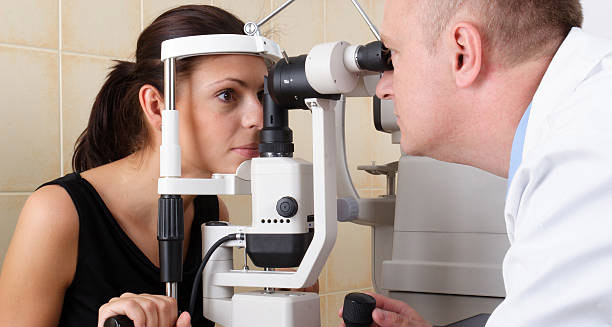
The diagnosis of long-sightedness, or hyperopia, involves a series of thorough eye tests conducted by an optometrist or ophthalmologist. Since many individuals, especially children and young adults, may compensate for mild hyperopia through accommodation (focusing effort), the condition can often go unnoticed without a professional assessment. Routine eye exams not only help detect hyperopia but also distinguish it from other refractive errors, such as myopia (short-sightedness) or astigmatism. Early detection is vital, especially in children, to prevent potential visual issues like strabismus (crossed eyes), amblyopia (lazy eye), and developmental delays related to uncorrected vision problems. In adults, an accurate diagnosis is also important, particularly as age-related changes in accommodation may reveal previously undetected hyperopia. 1. Taking a Comprehensive Visual History The diagnostic process starts with gathering a detailed patient history. This helps the clinician understand symptoms, possible hereditary factors, and the impact on daily life. Key areas covered include: This subjective information helps determine the likelihood of long-sightedness and how much it affects the patient’s day-to-day activities. 2. Visual Acuity Testing Visual acuity tests, usually using a Snellen chart or a digital equivalent, are an essential part of diagnosing long-sightedness. The patient is asked to read letters or symbols from a specific distance to measure how well they can see both near and far. Key observations: 3. Retinoscopy (Objective Refraction) Retinoscopy is a critical tool for detecting refractive errors, particularly in children or patients who cannot verbally describe their symptoms. During this test, a retinoscope shines light into the patient’s eye, and the way the light reflects from the retina reveals the type of refractive error present. 4. Refraction Test (Subjective Refraction) The refraction test is the most definitive method for diagnosing long-sightedness. It involves presenting different lenses (in a phoropter or trial frame) to the patient, who indicates which lens provides the clearest vision. During the test: This test also helps assess the strength of the eye’s accommodation—the eye’s ability to focus on nearby objects. In some cases, especially in children, the true extent of hyperopia might be masked by strong accommodation, which is why additional steps may be required. 5. Cycloplegic Refraction For a more accurate diagnosis, particularly in children or when latent hyperopia is suspected, cycloplegic refraction may be performed. This involves the use of eye drops (cycloplegics) to temporarily paralyze the eye’s focusing muscles, preventing accommodation. Benefits of cycloplegic refraction: Cycloplegic refraction is particularly important in pediatric cases or in adults with symptoms that don’t match standard testing outcomes. 6. Binocular Vision Testing Binocular vision testing assesses how well the two eyes work together. This step is critical in detecting long-sightedness-related problems such as eye strain, double vision, or intermittent squinting. Tests may include: Hyperopia often leads to accommodative esotropia (a form of crossed eyes), especially in children. This occurs because the eyes need to exert greater effort to focus on near objects, disrupting normal eye coordination. Early detection through binocular testing can enable timely intervention with glasses or vision therapy. 7. Slit-Lamp Examination and Fundoscopy Although not specific to diagnosing refractive errors, a slit-lamp examination and fundoscopy are commonly included in a comprehensive eye exam. These tests allow the clinician to examine the health of the eye’s anterior structures (cornea, lens, iris) and the retina, optic nerve, and blood vessels. This helps rule out more serious eye conditions that could be contributing to the symptoms, such as: While findings from these exams are typically normal in long-sighted individuals, they are crucial for confirming the diagnosis and excluding other potential causes of visual disturbances. 8. Pediatric Vision Screening For children, early diagnosis of hyperopia is essential to prevent problems like amblyopia (lazy eye) and developmental delays. Pediatric vision screenings are commonly performed during routine check-ups or school health assessments. Signs in children that warrant further investigation: Even without obvious symptoms, children should have their first eye exam by age three to detect refractive errors early. If hyperopia is diagnosed, corrective lenses can be prescribed to help with visual development and prevent long-term impairment. 9. Computerised Refractive Tests (Autorefractors) Many modern optometry clinics use autorefractors for a quick and objective assessment of refractive error. These machines measure how light changes as it enters the eye, estimating the curvature and length of the eye. Although autorefractors are not a replacement for manual testing, they are useful as an initial step, particularly for patients who may have difficulty communicating or for initial assessments before seeing the optometrist. These devices can help streamline the diagnostic process and make it more efficient, especially in busy clinics. 10. Differentiating Hyperopia from Other Conditions Accurate diagnosis is essential to distinguish long-sightedness from other conditions that may have similar symptoms. These include: A thorough clinical assessment ensures that the correct diagnosis is made and that the patient receives appropriate treatment. In Summary Diagnosing long-sightedness involves several structured tests that assess the refractive status, accommodative ability, and binocular function of the eyes. Early detection, especially in children, is essential to prevent complications such as amblyopia or developmental delays. Timely diagnosis in adults also helps alleviate visual discomfort, headaches, and fatigue. Whether using traditional methods like retinoscopy or advanced tools like autorefractors, comprehensive eye exams remain the gold standard in diagnosing hyperopia and ensuring effective treatment. [Next: Treatment of Long-sightedness →]

Diagnosis of Long-sightedness Read More »

Treatment of Long-sightedness

Treatment of Long-sightedness

Treatment of long-sightedness, or hyperopia, focuses on improving near vision by correcting how light enters and focuses inside the eye. In individuals with this condition, light rays focus behind the retina instead of directly on it, causing close objects to appear blurry. While mild cases may not cause much trouble, more severe hyperopia usually needs clinical intervention. The treatment chosen depends on factors such as age, the severity of hyperopia, and lifestyle needs. There are several treatment options available for long-sightedness, including glasses, contact lenses, laser eye surgery, and vision therapy. Each method works to help focus light properly onto the retina for clearer vision. Early treatment, especially in children, is important to avoid complications like amblyopia (lazy eye) and eye misalignment (strabismus). Glasses – The First Line of Correction Prescription glasses are the most common and easy way to correct hyperopia. They use convex (plus-powered) lenses to help the eye focus light properly on the retina. Advantages: Children with moderate to severe hyperopia are often prescribed glasses to support their visual development. Adults may only need glasses for reading or screen work, or they might need them full-time, depending on the severity of hyperopia. Older adults may need progressive lenses or bifocals if they also have presbyopia. Contact Lenses – Enhanced Visual Field and Aesthetics Contact lenses are a good alternative for people who are active or prefer not to wear glasses. They also use convex curvature to refocus light but sit directly on the cornea. This provides a more natural field of vision and eliminates peripheral distortion. Options include: Contact lenses are cosmetically appealing but require proper hygiene. Poor handling can lead to eye infections, dryness, or other complications. Laser Eye Surgery – Permanent Correction For adults over 18 with a stable prescription, laser surgery can provide a long-lasting solution. These procedures reshape the cornea to improve its ability to focus light properly. Common surgical options include: For individuals with severe hyperopia or age-related lens issues, Refractive Lens Exchange (RLE) may be recommended. This procedure replaces the natural lens with an artificial intraocular lens, similar to cataract surgery. Benefits of laser surgery: Laser surgery isn’t for everyone. Preoperative assessments ensure the cornea is thick enough, the prescription is treatable, and no underlying eye conditions exist. Vision Therapy – A Supportive Approach Vision therapy can be helpful for individuals, especially children, with focusing issues or binocular vision problems. This therapy includes exercises to improve eye coordination, strengthen eye muscles, and train the brain to work better with both eyes. Therapy can help: While it’s not a replacement for glasses, vision therapy can support children or adults dealing with discomfort from latent hyperopia. Progressive and Multifocal Lenses As adults age, presbyopia—a natural reduction in near vision—can occur alongside hyperopia. In such cases, multifocal or progressive lenses are a great way to correct both issues. Key features: It may take some time to adjust to progressive lenses, but most users find them comfortable and functional for daily activities. Low Vision Aids – For Severe or Combined Conditions In rare cases, severe hyperopia combined with other eye conditions (such as macular degeneration or optic nerve damage) may require low vision aids. These include magnifiers, large-print screens, and electronic readers. While not common for just hyperopia, these aids can improve quality of life when regular lenses or surgery aren’t enough. Lifestyle Adjustments and Preventive Habits While lifestyle changes can’t cure hyperopia, good visual habits can prevent the condition from worsening and improve eye comfort. Helpful practices include: These habits reduce strain on eye muscles, which is particularly helpful for latent hyperopia where the eyes overcompensate. Paediatric Considerations In children, treating long-sightedness is especially important. Uncorrected hyperopia can lead to: Most children outgrow mild hyperopia, but moderate to severe cases should be monitored closely. Children often need full-time glasses and follow-ups every 6–12 months to adjust prescriptions and check for eye alignment. Monitoring and Follow-Up Regardless of the treatment, regular eye exams are essential to: Adults typically need an eye test every two years, while children and individuals with high prescriptions or other visual issues should have annual assessments. In Summary The treatment of long-sightedness offers several effective options—from basic glasses to advanced surgical and therapeutic treatments. Early detection and tailored care help individuals achieve clear, comfortable vision and prevent complications from uncorrected hyperopia. Whether through glasses, contacts, or surgery, the key is timely diagnosis and consistent eye care. [Next: Complications of Long-sightedness →]

Treatment of Long-sightedness Read More »

Complications of Long-sightedness

Complications of Long-sightedness

The complications of long-sightedness, or hyperopia, can differ greatly based on how severe the condition is, the person’s age, and whether corrective measures are used. While many people with mild hyperopia experience little or no problems, uncorrected or severe long-sightedness can cause significant functional issues. These complications are especially concerning for children, as their visual development is still ongoing and vulnerable. Recognizing the potential complications of long-sightedness is key for early treatment. These issues can range from visual discomfort and academic struggles to serious long-term problems like amblyopia (lazy eye) and strabismus (crossed eyes). Untreated hyperopia can affect a person’s quality of life, school performance, and emotional health. 1. Amblyopia (Lazy Eye) Amblyopia is one of the most serious complications, especially in children. It occurs when one eye becomes weaker due to underuse. In kids with moderate to severe hyperopia, the brain may rely more on one eye, ignoring the other. Over time, the neglected eye doesn’t develop properly, causing poor vision that glasses alone can’t fix. Key signs of amblyopia: If left untreated, amblyopia can become permanent. However, early treatment using glasses, patching therapy, or vision exercises can help improve the situation. 2. Strabismus (Eye Turn or Crossed Eyes) Strabismus happens when the eyes do not align properly, often because the extra effort required to focus with uncorrected hyperopia can cause one eye to turn. This may happen as: This misalignment: In most cases, glasses to correct hyperopia will fix the eye turn. In more severe cases, surgery or therapy may be needed. 3. Visual Fatigue and Eye Strain A common complication of long-sightedness is asthenopia, or eye strain. People with hyperopia often struggle to focus on nearby objects, which leads to: These symptoms might be dismissed as fatigue, especially if distance vision remains clear. However, they are clear signs that vision correction is needed. In today’s digital world, prolonged close-up work can make these issues worse. 4. Delayed Reading and Learning Difficulties Uncorrected hyperopia in children often leads to academic problems, especially in reading, writing, and maintaining visual attention. Children may: This can be mistaken for behavioral problems or learning disorders like ADHD. A comprehensive eye exam should be part of the evaluation if a child struggles in school, as correcting hyperopia can often fix the issue. 5. Difficulty with Fine Motor Skills Vision is crucial for hand-eye coordination, and children with untreated hyperopia may have trouble developing fine motor skills. These difficulties can affect: These struggles can lower self-esteem and participation in both physical and academic activities. Early identification and treatment, such as corrective lenses or therapy, are crucial for improvement. 6. Increased Risk of Falls in Older Adults In older adults, especially those with presbyopia or balance problems, uncorrected hyperopia can increase the risk of falls or accidents. Poor near vision makes it hard to: If combined with depth perception issues, this can lead to injury. Properly fitted multifocal or progressive lenses help maintain safety and independence. 7. Refractive Accommodative Esotropia This is a type of strabismus seen in young children with uncorrected hyperopia. As the child tries to focus, their eyes may turn inward. If not treated, it can: If caught early, wearing the right prescription glasses can usually resolve this condition. 8. Psychosocial Impact Vision problems can affect a child’s confidence, social interactions, and emotional well-being. Kids may feel self-conscious about wearing glasses or face bullying. Adults with untreated hyperopia may avoid certain tasks. Common effects include: Correcting the condition, creating supportive environments, and normalizing eyewear use can help reduce these psychosocial impacts. 9. Increased Dependency on Corrective Devices Over time, people with uncorrected hyperopia may become more dependent on glasses or contact lenses, especially as presbyopia sets in. This can limit visual flexibility and spontaneity. Without proper management, people may: Planning for long-term eye care, including potential surgery, can help manage these changes. 10. Missed Diagnosis or Misattribution An overlooked complication of long-sightedness is that it often goes undiagnosed or is misunderstood. Since distance vision is usually unaffected, people may not realize they have an issue. This can delay treatment and worsen problems like amblyopia, headaches, or eye misalignment. Reasons for missed diagnoses include: Routine eye exams, particularly for children starting school and adults over 40, are key for early detection. Summary The complications of long-sightedness go far beyond just blurry near vision. Left untreated, hyperopia can affect every part of life—eye development in children, school performance, and safety in older adults. With timely diagnosis and proper treatment, such as glasses, contact lenses, therapy, or surgery, these complications are preventable. Proactive eye care is not just about seeing clearly; it’s about living confidently and fully. Whether you’re managing your child’s eye health or planning for your own long-term vision care, addressing hyperopia early on can prevent many problems later in life. [End of Long-sightedness – Back to Overview]

Complications of Long-sightedness Read More »

Scroll to Top