Mental Matters

Lung Disease

Overview of Lung Disease

Lung Disease

Lung disease is a broad term encompassing various conditions that impair the function of the lungs, the vital organs responsible for breathing and gas exchange. From mild infections to chronic disorders and life-threatening illnesses, lung diseases affect millions of people worldwide and are among the leading causes of disability and death. This overview of lung disease aims to explain the main types of lung conditions, how they affect the body, and why early detection and proper management are essential for maintaining respiratory health. How Lung Disease Affects the Body The lungs work constantly with the rest of the respiratory system to bring in oxygen and remove carbon dioxide. When they are healthy, this process runs smoothly. But when problems develop, it often leads to coughing, chest pain, or shortness of breath. In mild cases, like bronchitis, the symptoms may go away with time. However, in more serious conditions like chronic obstructive pulmonary disease (COPD), asthma, or pulmonary fibrosis, symptoms may worsen and become permanent. Lung disease falls into three main groups. First are airway diseases, such as asthma, bronchitis, and bronchiectasis. These affect the airways (bronchi) that carry air in and out of the lungs. Swelling or narrowing of the airways makes breathing hard. Next are lung tissue diseases, including pulmonary fibrosis and sarcoidosis. These harm the lung tissue itself. They often cause scarring, which limits how well the lungs can expand and transfer oxygen. Finally, there are lung circulation diseases, like pulmonary hypertension. These affect the blood vessels in the lungs and may strain the heart. This can lead to serious problems, like right-sided heart failure. Common Infections and Missed Diagnoses Infections play a big role in lung disease. Pneumonia, tuberculosis, and viruses like COVID-19 can all damage lung tissue. In people with weak immune systems or existing lung issues, these infections may become long-lasting and cause serious harm. One major concern in the overview of lung disease is how often doctors miss early signs. People may ignore symptoms like cough, fatigue, or wheezing, thinking they’re minor. But without treatment, these signs may lead to more damage and serious problems like respiratory failure or even lung cancer. Risk Factors and Causes Many things can cause lung disease. Smoking remains the top risk. Cigarette smoke contains toxic chemicals that inflame and damage the lungs. Still, it’s not the only factor. Polluted air, workplace hazards like asbestos or dust, and allergens also contribute. Some people are born with gene problems, such as cystic fibrosis or alpha-1 antitrypsin deficiency. Others may develop lung issues from autoimmune diseases like sarcoidosis or interstitial lung disease. Often, several of these risks overlap. Treatment and Prevention The right treatment depends on the disease and how severe it is. Options include medicines like bronchodilators, steroids, or antibiotics. Some people need oxygen therapy, lung rehab, or surgery. In advanced cases, a lung transplant might be the only solution. The goal is to ease symptoms, slow the illness, and help people breathe better. Prevention plays a big role in this overview of lung disease. Avoiding smoking, staying away from polluted air, using protective gear at work, and getting vaccines like the flu shot or pneumonia vaccine all help. People with chronic diseases like diabetes or heart problems should manage them well, as they can make lung issues worse. Regular check-ups, especially for those at high risk, can lead to early diagnosis and better outcomes. The Global Impact of Lung Disease The burden of lung disease around the world is massive. According to the World Health Organization (WHO), chronic breathing problems are among the top killers. Over 250 million people live with COPD. Millions more suffer from asthma, infections, or other lung conditions. This not only affects health but also causes job loss, higher medical costs, and stress for families. It’s important to know that lung disease doesn’t just affect smokers or older people. It can hit anyone. Kids exposed to second-hand smoke or dirty air may develop asthma or frequent chest infections. Young adults might face autoimmune lung diseases. Older adults face higher risk of chronic illnesses and lung cancer. Knowing these risks and spotting early symptoms is vital for prevention. Summary: The Importance of Lung Health In conclusion, this overview of lung disease shows how important it is to care for our lungs. Many lung diseases can be treated or even avoided with the right steps. Early diagnosis, proper treatment, and prevention save lives. To reduce the effects of lung disease, we need more awareness, better access to care, and continued research. [Next: Causes of Lung Disease →]

Lung Disease Read More »

Causes of Lung Disease

Causes of Lung Disease

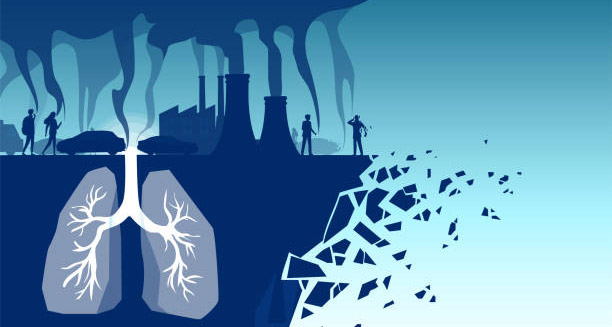
Causes of lung disease vary widely depending on the condition, but they mostly fall into a few key groups. These include environmental exposures, infections, inherited traits, immune system problems, and lifestyle habits. Understanding the causes of lung disease helps with early diagnosis, better treatment, and strong prevention. Smoking and Air Pollution Environmental causes of lung disease are some of the most serious across the world. The biggest and best-known one is smoking. Smoking links directly to problems like chronic obstructive pulmonary disease (COPD), emphysema, and lung cancer. Cigarette smoke contains thousands of harmful chemicals. These chemicals damage the lungs, cause swelling, and weaken the immune system. People who smoke for many years often end up with narrow airways and lasting breathing problems. This makes them more likely to catch infections. Air pollution also plays a big role. This includes outdoor air pollution from car exhaust, factory smoke, and dust. It also includes indoor pollution like second-hand smoke, cooking fumes, or mould. Breathing polluted air over time can cause asthma, bronchitis, and even lung cancer. People in cities or areas with poor air quality are especially at risk. Occupational Hazards and Infections Many jobs expose workers to harmful dust, fumes, and gases. Construction, mining, farming, and factory work can all increase risk. Breathing in things like asbestos, silica, coal dust, or chemicals can lead to serious lung problems. These include asbestosis, silicosis, black lung disease, and hypersensitivity pneumonitis. These illnesses may take years to appear, but they often cause lasting damage and may raise the risk of cancer. Infections also cause many lung diseases. Some, like pneumonia, come from bacteria, viruses, or fungi and lead to sudden lung swelling. If not treated, they may leave scars. Tuberculosis (TB), a serious bacterial infection, destroys lung tissue slowly. When children get repeated chest infections, this may later cause permanent problems like bronchiectasis. Genetic and Autoimmune Factors Some causes of lung disease are inherited. People may be born with gene problems that affect lung function or make their lungs more sensitive. For example, cystic fibrosis makes the lungs produce thick, sticky mucus. This causes constant infections and damage from early in life. Another example is alpha-1 antitrypsin deficiency, which can cause early emphysema, even in non-smokers. These inherited diseases usually need lifelong care. The immune system can also cause lung disease. Some diseases make the immune system attack the lungs by mistake. These include rheumatoid arthritis, lupus, and sarcoidosis. This kind of lung inflammation often causes scarring and lower oxygen levels. Sometimes, the damage mostly affects the lungs, leading to interstitial lung disease or pulmonary fibrosis. Drug Reactions and Weakened Immunity Certain medications can harm the lungs. For example, some cancer drugs, chest radiation, and specific antibiotics or heart drugs can cause lung swelling or scarring. Even if someone stops taking these medicines, the damage may remain. People with weak immune systems also face more risks. This includes those going through cancer treatment, living with HIV/AIDS, or taking immune-suppressing drugs. In these people, rare infections can become serious fast. If not treated quickly, they can lead to lasting lung problems. Age, Ventilation, and Obesity Age also affects risk. Older adults are more likely to develop lung disease because their lungs have faced more years of exposure to harmful things. Their immune system also weakens with age. At the same time, babies and young kids have lungs that are still growing. They are more likely to suffer damage from infections or dirty air. Poor airflow inside homes can also cause lung problems. This is especially true in places where people cook or heat with wood, dung, or coal. In many low- and middle-income countries, this causes long-term breathing problems for women and children. Better home ventilation and cleaner fuels can greatly lower these risks. Obesity adds another layer of risk. People who are overweight often have trouble breathing deeply. This lowers lung capacity. Extra body weight can lead to conditions like sleep apnoea and obesity-related breathing problems. These can seriously affect both lung health and daily life. Summary: The Many Causes of Lung Disease The causes of lung disease come from many sources. They include harmful habits like smoking, workplace dangers, infections, genetic issues, immune problems, medical treatments, and poor air quality. Obesity and age also add to the risk. By spotting these risks early, people can make changes to protect their lungs. Doctors can also plan better care by knowing what caused the damage. Taking steps to understand and manage the causes of lung disease can prevent illness, improve recovery, and save lives. [Next: Symptoms of Lung Disease →]

Causes of Lung Disease Read More »

Symptoms of Lung Disease

Symptoms of Lung Disease

Symptoms of lung disease can vary a lot depending on the specific illness, its severity, and which part of the lungs is affected. Some lung diseases develop slowly with mild signs. Others appear suddenly and strongly. Still, early spotting of the symptoms of lung disease is very important for quick treatment, better outcomes, and fewer problems. Common Symptoms of Lung Disease The most common and clear symptom of lung disease is shortness of breath (dyspnoea). People may feel this when they exercise or even while resting in severe cases. It often starts slowly, with trouble climbing stairs or walking far. Over time, it gets worse. Diseases like chronic obstructive pulmonary disease (COPD), pulmonary fibrosis, or severe asthma can make breathlessness a daily challenge that lowers life quality. A long-lasting cough is another common sign. Unlike a cough from a cold, a chronic cough lasts weeks or months. In diseases like bronchitis, asthma, or lung cancer, this cough might bring up mucus. The mucus can be clear, yellow, green, or sometimes have blood in it. Smokers often ignore a chronic cough, blaming it on smoking, but it may actually point to lung disease. Wheezing and Chest Pain Wheezing, a high-pitched whistling sound when breathing, usually means the airways are narrow or blocked. It is common in asthma and COPD but can also happen in bronchiectasis or lung infections. Wheezing during a cold may go away, but if it keeps coming back, it needs medical check-up. Chest pain or discomfort is less clear but can still mean lung trouble. In pneumonia or pleurisy (inflamed lung lining), the pain is sharp and gets worse when breathing deeply or coughing. Chest tightness often happens in asthma, while a dull ache may occur with lung cancer or blood clots in the lungs (pulmonary embolism). Fatigue, Cyanosis, and Weight Loss Fatigue and less ability to exercise are often missed but important symptoms. When lungs don’t supply enough oxygen, even daily tasks feel hard. People may need to rest often or avoid activity. This causes muscle weakness and makes breathlessness and tiredness worse. Cyanosis, a bluish color on lips, fingers, or skin, shows low blood oxygen. It is an emergency. Cyanosis can happen in severe asthma attacks, COPD flare-ups, or acute respiratory distress syndrome (ARDS). Unexplained weight loss may happen in chronic or cancerous lung diseases, like lung cancer or late-stage COPD. This happens because hard breathing uses more energy, and patients often lose appetite. If weight drops a lot without trying, doctors should investigate, especially with other lung symptoms. Symptoms Specific to Certain Lung Diseases Some lung diseases have unique symptoms: Lung Disease Symptoms in Children Children’s lung disease symptoms can differ. They might have noisy breathing, refuse to eat, become irritable, or not gain weight well. Young kids cannot always explain their symptoms, so caregivers should watch for signs like flared nostrils, chest pulling in, or ongoing cough. Early check-ups help stop lasting lung damage. Flare-Ups and Mental Health People with chronic lung disease often face flare-ups when symptoms suddenly worsen. These episodes may need hospital care. Infections, pollution, or allergens usually trigger flare-ups. Early signs include more breathlessness or a change in mucus color. Spotting these early helps prevent serious problems. Living with lung disease can also affect mental health. Anxiety and depression are common, especially when breathing feels unpredictable or scary. Some may have panic attacks caused by breathlessness. Others might avoid social settings because of coughing or needing oxygen. Treating these mental health issues is part of good care. Remember: Symptoms and Severity Symptoms do not always match how bad lung damage is. Some people with severe lung disease have few symptoms, while others with mild problems feel very troubled. Any ongoing breathing symptom should be checked by a doctor, no matter how mild it seems. Conclusion Recognizing the symptoms of lung disease—like chronic cough, breathlessness, fatigue, and chest pain—can greatly improve early diagnosis and treatment. Raising public awareness, regular check-ups for at-risk people, and quick medical review of breathing symptoms help lower the impact of lung diseases worldwide. [Next: Diagnosis of Lung Disease →]

Symptoms of Lung Disease Read More »

Diagnosis of Lung Disease

Diagnosis of Lung Disease

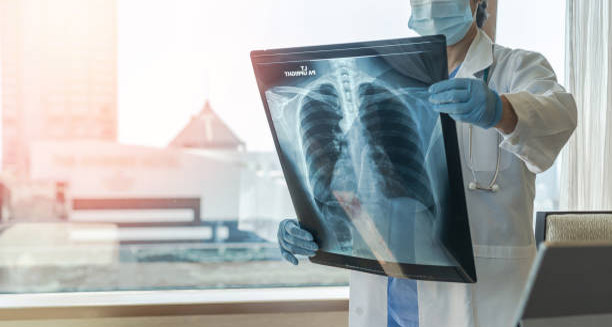
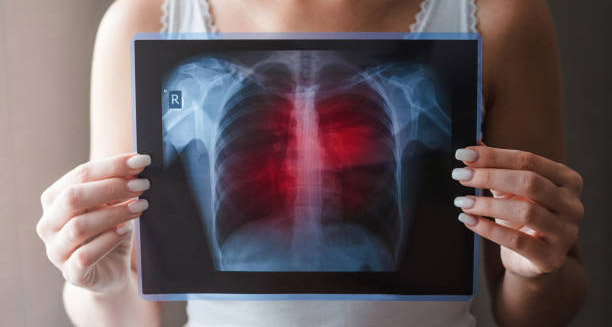
Diagnosis of lung disease requires a thorough, multi-step approach that considers the patient’s medical history, lifestyle, symptoms, physical examination findings, and a series of targeted investigations. Since lung diseases can range from mild and reversible conditions like asthma to life-threatening illnesses such as lung cancer or pulmonary fibrosis, accurate and timely diagnosis is essential for guiding appropriate treatment and preventing irreversible damage. Taking Medical History The first and most critical step in diagnosing lung disease is a detailed medical history. Healthcare providers ask about the nature, length, and severity of symptoms like coughing, breathlessness, chest pain, and tiredness. They also ask about smoking habits, work exposures, past infections, family history of lung illnesses, and if the patient lives in an area with high pollution. This information helps doctors narrow down possible causes. Physical Examination Next, doctors perform a physical exam focusing on the lungs and breathing. They watch how the patient breathes, check the chest for deformities or distress signs, and listen to lung sounds with a stethoscope. Abnormal sounds—such as wheezing, crackles, low breath sounds, or dullness to tapping—can give early clues about lung problems and where they are. Imaging Tests for Lung Disease Doctors use imaging tests to confirm the diagnosis of lung disease. The most common is a chest X-ray. It shows infections like pneumonia, tumors, fluid build-up (pleural effusion), or chronic diseases like emphysema. For more detail, doctors use a high-resolution computed tomography (HRCT) scan. HRCT finds early lung scarring, widened airways (bronchiectasis), nodules, and blood vessel changes more clearly than a standard X-ray. Pulmonary Function Tests Pulmonary function tests (PFTs) check how well the lungs work. These tests include spirometry, which measures airflow and lung volume, and diffusion tests, which show how well gases move from lungs to blood. PFTs help tell obstructive diseases (like asthma or COPD) apart from restrictive diseases (such as pulmonary fibrosis or sarcoidosis). They also help track disease progress or response to treatment. Oxygen Measurement Tests Pulse oximetry is a simple, non-invasive test that measures blood oxygen levels. It gives quick info about how well oxygen moves through the body. For more precise results, especially during sleep or exercise, doctors use an arterial blood gas (ABG) test. ABG measures oxygen, carbon dioxide, and blood acidity directly. It is useful for very sick patients or those with suspected breathing failure. Testing for Infections When infection is suspected, doctors order sputum analysis. They collect mucus coughed up from the lungs and test it for bacteria, viruses, or fungi. Sputum tests can also find cancer cells in patients suspected of lung cancer. If tuberculosis is suspected, special cultures or fast molecular tests like GeneXpert are done. Bronchoscopy Bronchoscopy is a key test when other imaging is unclear. Doctors insert a thin, flexible tube with a camera into the airways to look inside the lungs. They can take tissue samples (biopsies), wash out the lungs (lavage), or remove blockages. Bronchoscopy helps diagnose infections, cancers, or interstitial lung diseases. Lung Biopsy Sometimes doctors need a lung biopsy for a clear diagnosis. They get tissue during bronchoscopy, use a needle guided by CT scans, or do surgery like video-assisted thoracoscopic surgery (VATS). They examine the samples under a microscope for inflammation, scarring, infection, or cancer cells. Biopsy confirms diseases like pulmonary fibrosis, sarcoidosis, or rare cancers. Allergy and Autoimmune Testing Allergy testing happens if asthma or allergic bronchopulmonary aspergillosis (ABPA) is suspected. Tests include skin prick tests and blood tests for specific antibodies (IgE). If doctors suspect autoimmune lung disease from conditions like lupus or rheumatoid arthritis, they check blood markers like ANA, RF, or ANCA. Diagnosing Lung Disease in Children Diagnosing lung disease in children is harder. Young kids often cannot do spirometry or clearly explain symptoms. Doctors rely on clinical judgement, family history, and easier tests like pulse oximetry, chest X-rays, or overnight oxygen studies. Parents’ reports of noisy breathing, poor feeding, or slow growth are very important. Genetic Testing Genetic testing is a new tool in lung disease diagnosis. For inherited conditions like cystic fibrosis or alpha-1 antitrypsin deficiency, genetic tests confirm diagnosis. This helps guide treatment early and supports family planning with personalised care. AI and Computer Tools Artificial intelligence (AI) and computer tools help read images and lung function data. AI spots small problems that doctors might miss. This helps diagnose lung disease earlier and assess risk better. Challenges and Ongoing Monitoring Doctors sometimes misdiagnose or delay lung disease diagnosis, especially early on when symptoms are mild or look like heart problems or anxiety. Therefore, doctors often need to monitor patients over time and repeat tests if symptoms change or do not improve. Summary The diagnosis of lung disease needs a full, team-based approach. From medical history and physical exams to advanced imaging, lung tests, and biopsies, each step adds to the full picture. Timely and correct diagnosis improves patient outcomes, allows early treatment, and lowers the risk of problems from missed or untreated lung disease. [Next: Treatment of Lung Disease →]

Diagnosis of Lung Disease Read More »

Treatment of Lung Disease

Treatment of Lung Disease

Treatment of lung disease depends heavily on the specific type of condition, its severity, the underlying cause, and the overall health status of the patient. Since lung diseases cover a wide range—including infections, inflammation, structural damage, genetic issues, and cancers—the treatment must be tailored to each person. The main goals of treatment are to ease symptoms, stop or slow the disease, improve lung function, and raise quality of life. Lifestyle Changes Are Essential One of the most important steps in the treatment of lung disease is changing lifestyle habits, especially for smokers. Quitting smoking is crucial for diseases like chronic obstructive pulmonary disease (COPD), emphysema, and lung cancer. Continuing to smoke speeds up lung damage and makes medications less effective. Tools such as nicotine replacement, counselling, support groups, and prescription drugs like varenicline or bupropion can greatly boost success in quitting. Medicines and Their Roles Medicines form the backbone of treatment for many lung conditions. In asthma and COPD, bronchodilators relax airway muscles to improve airflow. People usually use these as inhalers. Some work quickly for relief (like salbutamol), while others last longer to keep symptoms controlled (such as salmeterol or tiotropium). Inhaled corticosteroids reduce swelling in the airways and work well for asthma. Often, doctors prescribe combination inhalers that mix bronchodilators and steroids for moderate to severe cases. For lung scarring diseases like pulmonary fibrosis, doctors may use antifibrotic drugs like pirfenidone or nintedanib. These don’t cure the disease but help keep lung function steady. In autoimmune lung diseases, medicines that suppress the immune system—like azathioprine, methotrexate, or corticosteroids—are important to control inflammation and avoid lasting damage. Fighting Infections If an infection causes the lung problem, doctors use antibiotics, antivirals, or antifungals based on the cause. For example, bacterial pneumonia usually needs antibiotics like amoxicillin or levofloxacin. Tuberculosis requires several drugs over many months. Serious infections sometimes call for hospital care with IV medicine, oxygen, or even breathing machines. Oxygen and Breathing Support When blood oxygen levels drop too low, oxygen therapy often helps. Oxygen comes through nasal tubes, masks, or high-flow devices. Some patients need portable oxygen machines at home. Oxygen helps ease breathlessness, improves sleep, and boosts exercise ability, especially in advanced COPD and pulmonary fibrosis. If breathing fails, more intense support may be needed. Non-invasive ventilation (NIV) helps during COPD flare-ups, while mechanical ventilation is used during surgery, severe pneumonia, or ARDS. Long-term ventilator use may require a tracheostomy and special care. Rehabilitation and Exercise Pulmonary rehabilitation is a very effective treatment, especially for chronic lung diseases. These programs include exercise training, education, nutrition advice, and mental health support. Rehabilitation helps patients build strength, reduce symptoms, and feel better overall. Cancer and Surgery Treatments For lung cancer, treatment depends on the type (small cell or non-small cell), stage, and patient health. Common methods include surgery (removing lung parts), radiation, chemotherapy, and newer treatments like targeted therapy and immunotherapy. Targeted drugs such as EGFR inhibitors and immunotherapies like checkpoint blockers have changed lung cancer care, offering new hope even for advanced cases. Lung Transplant and Advanced Care In some end-stage lung diseases, lung transplantation might be an option. This applies to diseases like cystic fibrosis, idiopathic pulmonary fibrosis, and severe emphysema. Transplants can save lives but require lifelong medicine to prevent organ rejection and infection, plus close monitoring. Caring for Children with Lung Disease Children need special care. In asthma, teaching proper inhaler use is vital. Cystic fibrosis treatment includes enzyme therapy, chest physiotherapy, and close follow-up. Babies and toddlers with pneumonia or bronchiolitis might need hospital treatment. Managing these illnesses in children requires a team approach. Mental Health and Social Support Living with lung disease can lead to anxiety, depression, and isolation. Mental health care, support groups, and community programs help patients stay emotionally strong and follow their treatment plans. New Digital Tools Digital health tools are becoming part of treatment. Smart inhalers, symptom-tracking apps, telemedicine, and wearable oxygen monitors help patients manage their conditions and stay connected to their doctors. These tools improve medicine use, catch problems early, and reduce emergency visits. Monitoring and Prevention Early diagnosis and treatment make a big difference. Regular check-ups, lung function tests, and scans let doctors watch how the disease changes and adjust treatment. Patients should also avoid triggers like dust, pollution, extreme temperatures, and allergens. To sum up, the treatment of lung disease is broad and changes with new discoveries. It includes medicines, oxygen, surgery, rehab, and mental health support. But the best way to reduce the burden of lung disease worldwide is through lifestyle changes and early care. [Next: Complications of Lung Disease →]

Treatment of Lung Disease Read More »

Complications of Lung Disease

Complications of Lung Disease

The complications of lung disease can be far-reaching, affecting not only the respiratory system but also various other organs and functions of the body. Since the lungs play a central role in oxygen exchange and carbon dioxide elimination, any disruption can trigger a chain reaction that leads to serious — and sometimes irreversible — consequences. Early recognition and management of the complications of lung disease are critical to improving patient outcomes and quality of life. Breathing Failure and High Lung Pressure One of the most serious complications of lung disease is respiratory failure. This happens when the lungs can’t give the body enough oxygen or remove carbon dioxide. It may build up over time, as seen in chronic obstructive pulmonary disease (COPD) or pulmonary fibrosis. It can also appear suddenly, like during a severe asthma attack or acute respiratory distress syndrome (ARDS). People with respiratory failure often need to stay in the hospital. Many require oxygen therapy or breathing machines to stay alive. Another major complication is pulmonary hypertension. This means high blood pressure in the lung arteries. It often results from low oxygen levels, long-term lung disease, or sleep apnoea. Pulmonary hypertension puts pressure on the right side of the heart. Over time, this may lead to right-sided heart failure, known as cor pulmonale. Common signs include tiredness, chest pain, swollen legs, and shortness of breath, especially during movement. Infections, Collapsed Lungs, and Fluid Build-Up Infections happen often in people with lung problems. Those with weak immune systems or poor lung clearance, such as in cystic fibrosis or bronchiectasis, face a higher risk. These infections can be bacterial, viral, or fungal. If left untreated, they can become life-threatening. Most cases need strong antibiotics or antifungal medication, sometimes given in the hospital. Collapsed lungs, also called pneumothorax, are another danger. This usually occurs when air sacs burst, especially in people with emphysema or tuberculosis. A collapsed lung causes sudden chest pain and trouble breathing. Treatment often requires a chest tube to let the lung expand again. Another issue is pleural effusion. This means fluid builds up around the lungs. It may happen due to infection, cancer, heart trouble, or inflammation. If the fluid gets too much, the lungs can’t expand well. This leads to breathlessness and chest pressure. Doctors may drain the fluid and treat the root cause. Long-Term Weakness and Mental Struggles In people with advanced lung disease, even normal breathing uses a lot of energy. Over time, this constant effort causes weight loss, tired muscles, and weakness. Daily tasks become harder, and the risk of falling or injury grows. Many patients struggle to keep up with basic routines. Mental health problems are also very common. People often feel anxious, depressed, or hopeless. The fear of breathlessness, frequent doctor visits, and being stuck indoors all take a toll. This leads to isolation and a poorer quality of life. Support from counsellors, therapists, or peer groups can help ease these emotional challenges. Advanced Cases and Oxygen Dependence As lung disease gets worse, many patients rely on oxygen therapy. While oxygen can help with survival and movement, it also brings limits. Carrying tanks, staying near machines, and needing constant refills can make people feel trapped. It can reduce their freedom and social life. Blood clots in the lungs — called pulmonary embolisms — are another serious problem. These often happen in people who stay still for long periods or already have heart disease or cancer. A pulmonary embolism brings sudden chest pain, fast breathing, and can be deadly. Quick treatment with blood thinners is key. In people with autoimmune-related lung diseases, such as those linked to rheumatoid arthritis or systemic sclerosis, the problems spread further. These patients may face kidney damage, joint trouble, or skin issues. These extra complications need a full team of doctors to manage properly. Children, Sleep Problems, and Quality of Life Some complications of lung disease even affect sleep. Conditions like sleep apnoea or low night-time breathing reduce oxygen levels while people sleep. This leads to daytime tiredness, poor focus, and raises the chance of heart problems. Machines like CPAP or bilevel ventilation help many people breathe better at night. Children face unique challenges. Kids with severe asthma or cystic fibrosis often miss school and grow more slowly. Long-term steroid use may stop growth, weaken bones, or affect the immune system. Paediatric care teams need to step in early and work closely with families. The financial and social weight of these complications is also heavy. People often end up in the hospital many times. They may need long-term medicine or lose their jobs. Caregivers also feel the pressure. Social workers and health support teams play a big role in helping families cope. End-Stage Complications of Lung Disease When treatments no longer work, palliative care becomes vital. This type of care focuses on easing symptoms, especially shortness of breath, pain, and fear. It also offers emotional and spiritual help. Getting palliative care early can make life better for both patients and their loved ones. In summary, the complications of lung disease affect the whole body and every part of life. They create physical, mental, and social problems. By acting early, treating each symptom properly, and working as a team, doctors and families can reduce these complications and help patients live better. [Next: Back to Overview →]

Complications of Lung Disease Read More »

Scroll to Top