Mental Matters

Lymphoma

Overview of Lymphoma

Lymphoma

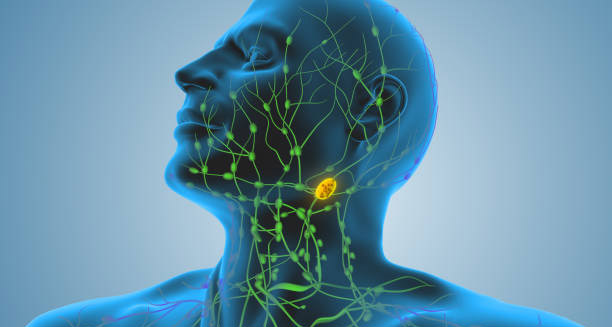
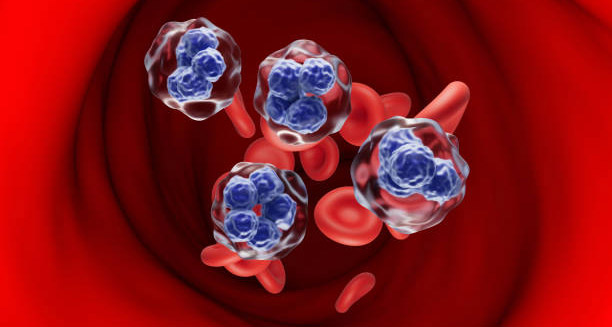
Overview of Lymphoma Lymphoma is a type of cancer that originates in the lymphatic system — a crucial component of the immune system responsible for protecting the body against infection and disease. The lymphatic system consists of lymph nodes, lymphatic vessels, the spleen, thymus, bone marrow, and other lymphoid tissues. This condition occurs when lymphocytes — a type of white blood cell — begin to multiply uncontrollably, forming tumours that can spread to various parts of the body. Understanding this disease requires a broad overview of its types, risk factors, progression, and how it differs from other cancers. There are two primary categories of lymphoma: Hodgkin lymphoma (HL) and non-Hodgkin lymphoma (NHL). While both types affect lymphocytes, they differ in their cellular characteristics, clinical presentation, and treatment responses. Hodgkin lymphoma Hodgkin lymphoma is characterised by the presence of a specific type of abnormal cell known as the Reed-Sternberg cell, which is not found in other lymphomas. This type of condition typically follows a predictable path through the lymph nodes and often begins in the upper body areas such as the neck, chest, or armpits. Hodgkin lymphoma is relatively rare but has a high cure rate, especially when diagnosed early. On the other hand, non-Hodgkin lymphoma represents a broader and more diverse group of blood cancers that arise from B cells or T cells — two main types of lymphocytes. NHL can occur anywhere in the body and varies widely in aggressiveness. Some forms are indolent (slow-growing), while others are aggressive and require immediate treatment. Examples include diffuse large B-cell lymphoma (DLBCL), follicular lymphoma, and mantle cell lymphoma. Causes of lymphoma The causes of lymphoma are not fully understood, but several risk factors have been identified. These include genetic predisposition, immunodeficiency disorders, autoimmune diseases, chronic infections (like Epstein-Barr virus or Helicobacter pylori), exposure to certain chemicals, and prior cancer treatments such as chemotherapy or radiation. While anyone can develop this condition, it is more common in older adults, although Hodgkin lymphoma often occurs in younger individuals aged between 15 and 35 or over 55. Symptoms of lymphoma The symptoms of lymphoma often mimic common illnesses, making early detection challenging. Painless swelling of the lymph nodes, particularly in the neck, armpits, or groin, is a hallmark sign. Other symptoms can include persistent fatigue, fever, night sweats, unexplained weight loss, itchy skin, and shortness of breath or cough if lymph nodes in the chest are involved. These are sometimes called B symptoms and are particularly relevant in staging the disease and determining its prognosis. Diagnosis typically involves a combination of physical examination, blood tests, imaging studies (such as CT scans or PET scans), and biopsy of an enlarged lymph node or affected tissue. The biopsy is crucial to determine the specific type and subtype of lymphoma, which in turn guides treatment options. In some cases, a bone marrow biopsy may be necessary to assess whether the disease has spread to the bone marrow. The staging of lymphoma follows the Ann Arbor system, which categorises the disease into stages I through IV based on the number and location of affected lymph nodes or organs. Factors such as age, general health, and presence of B symptoms also influence prognosis and treatment decisions. Treatment for lymphoma Treatment for lymphoma depends on its type, stage, and aggressiveness. Standard therapies include chemotherapy, radiation therapy, immunotherapy (such as monoclonal antibodies like rituximab), targeted therapies, and stem cell transplantation in certain high-risk cases. In recent years, CAR T-cell therapy and other forms of personalised medicine have emerged as promising treatments for resistant or relapsed lymphoma. Most people respond well to treatment, particularly in the early stages of Hodgkin lymphoma and certain types of indolent non-Hodgkin lymphoma. However, aggressive or advanced cases may require more intensive or combination therapies, and regular follow-up is essential to detect any signs of recurrence. Long-term effects It is also important to consider the long-term effects of lymphoma treatment, which may include fatigue, infertility, secondary cancers, or heart and lung problems due to prior radiation or chemotherapy. Supportive care and lifestyle changes — such as a healthy diet, regular exercise, and stress management — are key elements in long-term survivorship. Lymphoma has a significant emotional and psychological impact, and patients often benefit from psychosocial support, patient education, and peer networks. Navigating the journey from diagnosis to remission or long-term management requires comprehensive care that addresses both physical and emotional needs. In conclusion, lymphoma is a complex group of blood cancers affecting the lymphatic system, with varying types, presentations, and prognoses. Advances in research and treatment have significantly improved survival rates and quality of life. Early diagnosis, accurate classification, and individualised treatment plans are essential for optimal outcomes. [Next: Causes of Lymphoma →]

Lymphoma Read More »

Causes of Lymphoma

Causes of Lymphoma

Lymphoma develops from a complex mix of genetic, environmental, and immune system factors. While the exact cause is unknown in many cases, research has identified key contributors to this cancer. Causes of lymphoma differ by subtype—Hodgkin lymphoma (HL) and non-Hodgkin lymphoma (NHL)—but share common underlying processes. At the heart of lymphoma’s causes is abnormal lymphocyte behavior. Lymphocytes are white blood cells vital for immune defence. Normally, they grow, function, and die in a controlled way. In lymphoma, this regulation fails. Lymphocytes multiply uncontrollably and avoid programmed death, building up in lymph nodes and tissues to form tumours. This faulty process increases the risk of complications of lymphoma, including spread and organ dysfunction. Genetic Mutations and Chromosomal Changes One major cause is genetic mutation. DNA changes can disrupt lymphocyte growth and division. Mutations may be inherited or acquired from carcinogen exposure or infections. Some lymphomas show characteristic chromosomal abnormalities. For instance: These mutations promote lymphoma development and influence disease behavior and prognosis. Immune System Dysfunction Immune problems are another important cause. People with weakened immunity—due to HIV/AIDS, organ transplants with immunosuppressants, or inherited immune disorders like Wiskott-Aldrich syndrome—are more likely to develop lymphoma. A weak immune system cannot effectively control abnormal lymphocyte growth, increasing lymphoma risk and the potential for complications of lymphoma. Autoimmune Diseases and Chronic Inflammation Autoimmune conditions such as rheumatoid arthritis, Sjögren’s syndrome, systemic lupus erythematosus (SLE), and coeliac disease cause chronic immune activation. This persistent inflammation may increase mutation chances in lymphocytes, raising lymphoma risk over time. Infectious Causes: Viruses and Bacteria Certain infections are linked to lymphoma development: Treating these infections early may reduce lymphoma risk and limit complications of lymphoma. Environmental Exposures Exposure to chemicals such as pesticides, herbicides, benzene, and industrial solvents is linked to higher lymphoma risk, especially in agricultural or industrial workers. The level and length of exposure influence the impact. Prior Cancer Treatments and Radiation Radiation therapy and chemotherapy for other cancers can increase lymphoma risk by damaging DNA and bone marrow. Survivors of nuclear accidents or atomic bombs also face increased lymphoma risk years later. Routine medical imaging, however, is not a significant cause. Age, Gender, and Family History Non-Hodgkin lymphoma is more common in older adults, while Hodgkin lymphoma often occurs in younger people (20s–30s) and again after age 55. Some lymphomas are slightly more common in men. Having a close relative with lymphoma also slightly raises risk, suggesting genetic susceptibility combined with environmental triggers. Lifestyle Factors Emerging evidence points to obesity, poor diet, smoking, and low physical activity as possible contributors by promoting chronic inflammation and immune dysregulation. Though less direct, these may increase lymphoma risk and worsen potential complications of lymphoma. Why Understanding the Causes Matters for Complications of Lymphoma In many patients, no single cause is identified. Instead, lymphoma arises from multiple factors acting together over time. A genetic mutation may remain hidden until triggered by infection or chemical exposure. This complexity means preventing lymphoma completely is difficult. However, awareness of risk factors and early detection can reduce the severity and complications of lymphoma. By managing infections, avoiding harmful exposures, and supporting immune health, individuals may lower their risk. Ongoing research into lymphoma causes promises better prevention, diagnosis, and targeted therapies—helping to limit complications of lymphoma and improve patient outcomes. [Next: Symptoms of Lymphoma →]

Causes of Lymphoma Read More »

Symptoms of Lymphoma

Symptoms of Lymphoma

Recognising the symptoms of lymphoma early can greatly improve diagnosis and treatment outcomes. However, many symptoms are subtle, vague, and can look like common illnesses such as infections or the flu. Since lymphoma affects the lymphatic system—a key part of the immune system—symptoms may appear in different body areas and develop slowly. Knowing the early warning signs helps with timely diagnosis and reduces complications of lymphoma. Common Symptoms: Swollen Lymph Nodes and B Symptoms The most common symptom of lymphoma is painless swelling of the lymph nodes. These lumps often appear in the neck, armpits, or groin. They feel firm, rubbery, and usually do not hurt. Unlike swollen nodes from infections, lymphoma nodes don’t go away on their own. Sometimes, they grow slowly or stay the same size for months. People often notice them while grooming or getting dressed. Another important group of symptoms is called “B symptoms.” These show the lymphoma may be more advanced and help doctors stage the disease. B symptoms include: These symptoms often signal a more aggressive lymphoma and may affect treatment plans. Fatigue and Site-Specific Symptoms Many patients feel persistent fatigue or weakness that doesn’t improve with rest. This tiredness reflects the body fighting the lymphoma and the energy demands of cancer cell growth. Symptoms can also depend on where lymphoma develops in the body: A rare but unique symptom in some Hodgkin lymphoma patients is pain in lymph nodes after drinking alcohol, which can be an early clue. Bone and Blood Symptoms The bone pain, especially in the lower back or pelvis, may mean the lymphoma has spread to the bone marrow. Bone marrow involvement can cause anemia, leading to paleness, shortness of breath, and a fast heartbeat. Low platelet or white blood cell counts may cause easy bruising, bleeding, or repeated infections. Symptoms in Children and Adolescents In younger patients, lymphoma symptoms can be hard to spot because they resemble common childhood illnesses. Persistent fatigue, poor appetite, ongoing viral symptoms, or swollen lymph nodes should be checked carefully. Variations in Symptoms and Risk of Misdiagnosis Symptoms vary based on lymphoma type and aggressiveness. Indolent lymphomas like follicular lymphoma often cause few symptoms for years and may be found by chance on scans. Aggressive lymphomas like diffuse large B-cell lymphoma cause rapid symptom onset and progression. Because symptoms often overlap with other conditions, lymphoma can be missed or diagnosed late. Patients may be treated multiple times for infections or inflammation before biopsy confirms lymphoma. This delay can increase the risk of complications of lymphoma and worsen prognosis. Psychological and Asymptomatic Cases Lymphoma can also cause anxiety, low mood, or difficulty concentrating, especially if symptoms interfere with daily life. These issues complicate early diagnosis and should be addressed in clinical care. Some patients have no symptoms early on. Their lymphoma may be found through routine blood tests or imaging done for other reasons. Even mild symptoms like slight fatigue or occasional lymph node swelling should not be ignored. Recognising and Managing Complications of Lymphoma Early In summary, lymphoma symptoms are diverse and often subtle. Early warning signs include painless lymph node swelling, fatigue, fever, night sweats, and weight loss. Recognising these symptoms and seeking timely medical advice reduces complications of lymphoma and improves outcomes. Healthcare providers should always consider lymphoma when symptoms persist or do not respond to usual treatments. Early diagnosis means better chances of successful therapy and fewer complications of lymphoma. [Next: Diagnosis of Lymphoma →]

Symptoms of Lymphoma Read More »

Diagnosis of Lymphoma

Diagnosis of Lymphoma

Early and accurate identification of the diagnosis of lymphoma is crucial for determining the most appropriate treatment strategy and improving long-term outcomes. Diagnosing lymphoma can be tricky. It often looks like infections, autoimmune diseases, or other cancers that cause similar symptoms. Since lymphoma can appear almost anywhere in the body and includes over 70 types, doctors follow a clear step-by-step approach. Clinical Evaluation and Imaging Doctors begin the diagnosis of lymphoma with a detailed clinical evaluation. They ask about symptoms like unexplained weight loss, constant tiredness, fever, night sweats, or swollen lymph nodes. Then, they carefully check the body for swollen nodes in the neck, armpits, or groin. They also look for signs of organ swelling or skin changes. If lymphoma seems likely, doctors order imaging tests to find the location and spread of the disease. These tests include: Even though imaging helps locate lymphoma, it cannot confirm the diagnosis. Biopsy and Laboratory Testing Doctors need to remove tissue for a definite diagnosis. Usually, they perform a lymph node biopsy. The best method is an excisional biopsy, which removes the whole lymph node. This gives enough tissue to study. If this is not possible, a core needle biopsy removes part of the node, but it may be less clear. A pathologist studies the tissue under a microscope. They look at cell size, shape, and arrangement. This helps tell apart Hodgkin lymphoma, which has special Reed-Sternberg cells, from non-Hodgkin lymphoma, which does not. Doctors also use immunophenotyping tests like flow cytometry or immunohistochemistry. These tests identify markers on the surface of cancer cells, such as CD20 on B-cell lymphomas or CD3 on T-cell lymphomas. These details help classify the lymphoma subtype and guide treatment. Genetic and Molecular Tests Genetic tests check for changes like translocations or mutations in lymphoma cells. For example, the t(14;18) translocation is common in follicular lymphoma, and t(11;14) appears in mantle cell lymphoma. Tests such as FISH (fluorescence in situ hybridisation) and PCR (polymerase chain reaction) detect these changes accurately. Blood tests also play a key role. These include: Sometimes, doctors take a bone marrow sample if they suspect the disease has spread there. This involves drawing marrow from the pelvic bone to assess the cancer’s reach. If lymphoma might involve the brain or spinal cord, especially in aggressive forms or when neurological signs appear, doctors perform a lumbar puncture (spinal tap). Staging and Multidisciplinary Review After gathering all the information, doctors stage the lymphoma using the Ann Arbor Staging System. This system helps show if the disease is localised or widespread and notes the presence of B symptoms (fever, weight loss, night sweats): Each stage gets an “A” if no B symptoms are present or “B” if they are. Finally, a team of specialists—haematologists, oncologists, pathologists, and radiologists—reviews the case. They confirm the diagnosis of lymphoma and plan the best treatment based on type, stage, and patient health. Summary: The Role of Early Diagnosis in Managing Complications of Lymphoma The diagnosis of lymphoma requires careful steps: clinical checks, imaging, biopsy, lab tests, and staging. Early and accurate diagnosis leads to better treatment and improved outcomes. It also helps doctors anticipate and manage complications of lymphoma during treatment. With new diagnostic tools and genetic profiling, doctors can identify even rare lymphoma types and personalise care. This progress marks a new era in fighting lymphoma and its complications. [Next: Treatment of Lymphoma →]

Diagnosis of Lymphoma Read More »

Treatment of Lymphoma

Treatment of Lymphoma

A timely and well-planned treatment of lymphoma is critical to achieving remission and improving survival rates. Lymphoma includes many types of blood cancers, mainly Hodgkin lymphoma (HL) and non-Hodgkin lymphoma (NHL). Because of this, doctors must tailor the treatment of lymphoma to each patient. The choice depends on the type, stage, patient’s age, overall health, and symptoms. Thanks to new medical advances, many lymphomas are now treatable and sometimes curable. Chemotherapy and Immunotherapy in the Treatment of Lymphoma The most common and effective treatment is chemotherapy. Doctors use chemotherapy alone or with other therapies. These drugs kill fast-growing cells, including cancerous lymphocytes. For Hodgkin lymphoma, the usual chemotherapy is ABVD, which includes Adriamycin, Bleomycin, Vinblastine, and Dacarbazine. Doctors give this treatment in cycles over several months. For non-Hodgkin lymphoma, doctors often use CHOP (Cyclophosphamide, Doxorubicin, Vincristine, and Prednisone). Sometimes they add monoclonal antibodies like rituximab. This combo is called R-CHOP and works well for B-cell lymphomas. Immunotherapy has changed how we treat lymphoma, especially for certain types or when the disease comes back. Monoclonal antibodies like rituximab attack specific proteins on lymphoma cells. This helps the immune system spot and kill these cancer cells. Another group of drugs, called checkpoint inhibitors (for example, nivolumab or pembrolizumab), helps the immune system fight better by blocking signals that hide cancer cells. These are often easier to tolerate than chemotherapy. Radiotherapy and Stem Cell Transplantation Radiotherapy uses high-energy X-rays to kill cancer cells in a focused area. It plays an important role, especially for localised lymphoma. In Hodgkin lymphoma, doctors may give radiotherapy after chemotherapy to target leftover cancer. Sometimes, they use radiotherapy alone for early stages or to ease symptoms like pain or swelling. For aggressive or returning lymphoma, stem cell transplantation may be needed. There are two types: Stem cell transplants carry risks, including infections and graft-versus-host disease (GVHD) in donor transplants, where donor cells attack the patient’s tissues. Advanced Treatments and Watchful Waiting A newer treatment, CAR T-cell therapy, engineers a patient’s own immune cells to find and kill lymphoma cells. This treatment works well for some hard-to-treat B-cell lymphomas. Although it is still costly and less available, its use is growing worldwide. Sometimes, doctors choose watchful waiting or active surveillance, especially for slow-growing lymphomas like follicular lymphoma or small lymphocytic lymphoma. These patients do not need immediate treatment but get regular check-ups with blood tests and scans. This approach avoids side effects and helps maintain quality of life. Supportive Care and Special Considerations Supportive care helps manage side effects such as nausea, tiredness, and infections. It also includes psychological support and nutritional help. Doctors may give antibiotics or antiviral drugs to prevent infections during immune-weakening treatments. Preserving fertility is very important, especially for younger patients. Options include sperm banking, egg freezing, or protecting ovaries during radiation. Patients should discuss these before starting treatment. For older or frail patients, doctors adjust treatment doses to balance effectiveness with safety. Modified protocols help keep therapy safe and manageable. Children with lymphoma receive different care than adults. They often get stronger treatment with close follow-up for long-term effects. Luckily, many children have very good chances of cure, with survival rates over 90% in many types. Clinical Trials and Follow-Up Care Patients with hard-to-treat lymphoma or those seeking new options should consider clinical trials. These studies offer access to the latest treatments and help improve care for everyone. After treatment, regular follow-up is crucial. Doctors perform physical exams, blood tests, and imaging to watch for relapse and late side effects like new cancers or heart and lung issues. Survivorship plans may also include counselling, rehab, and health checks based on individual risk. Summary: Managing the Treatment and Complications of Lymphoma The treatment of lymphoma has improved a lot in recent years. Chemotherapy, immunotherapy, radiotherapy, stem cell transplantation, and CAR T-cell therapy all help doctors fight this complex disease. Because lymphoma varies so much, personalising treatment is key. With ongoing research and new tools, patients’ outlook keeps getting better. Managing the complications of lymphoma throughout treatment also remains vital for the best outcomes. [Next: Complications of Lymphoma →]

Treatment of Lymphoma Read More »

Complications of Lymphoma

Complications of Lymphoma

While advances in treatment have improved survival rates, the complications of lymphoma remain a critical concern in both the short and long term. These complications can come from the disease itself, its effect on the immune system, or the side effects of treatment. It’s important to understand the complications of lymphoma so that patients and healthcare teams can act early. This can help lower risks and improve the patient’s overall quality of life. Immune System Weakness and Blood Cell Problems One of the most serious complications of lymphoma is a weak immune system. Since lymphomas start in the lymphatic system, which helps protect the body, the disease and its treatments can weaken this defence. Chemotherapy and immunotherapy often lower the body’s ability to fight germs. As a result, patients face a higher risk of infections from bacteria, viruses, and fungi. These infections may include pneumonia, shingles, and sepsis. In some cases, patients may also develop neutropenic fever. This life-threatening issue happens when white blood cell counts drop too low during chemotherapy. Lymphoma can also cause anaemia. This may happen when cancer spreads into the bone marrow or as a result of treatment. Anaemia causes tiredness, weakness, and shortness of breath. A low platelet count, called thrombocytopenia, can also occur. This raises the chance of bruising and bleeding. Doctors often need to adjust treatment, delay it, or give blood transfusions to manage these problems. Organ Involvement and Secondary Cancers In more advanced types of lymphoma, cancer can spread to major organs. This includes the liver, lungs, brain, kidneys, or the digestive tract. When this happens, the effects can be serious. For example, lymphoma in the brain may lead to memory loss, confusion, or seizures. In the gut, it may cause blockages or bleeding. These issues make treatment more complex and often lower the chances of recovery. Another long-term risk for survivors is developing a second type of cancer. While chemotherapy and radiation save lives, they can harm healthy cells. Over time, this damage can raise the risk of getting another cancer. Some of the most common second cancers include leukaemia, lung cancer, and breast cancer. Women who had chest radiation for Hodgkin lymphoma face a higher risk of breast cancer later on. Heart Damage and Transplant Risks Heart problems are also among the complications of lymphoma. This is especially true for people treated with drugs like doxorubicin. These medications can weaken the heart muscle and lead to heart failure or rhythm problems. Doctors usually check heart function often during treatment, especially if the patient already has heart issues. Stem cell transplants can also cause serious side effects. These risks are higher in both autologous (self-donor) and allogeneic (donor) transplants. In donor transplants, the immune cells from the donor may attack the patient’s tissues. This leads to a condition called graft-versus-host disease (GVHD). Symptoms can include skin rashes, liver issues, and stomach problems. Patients also remain at higher risk of infection for a long time after a transplant. Mental Health, Fertility, and Childhood Impacts Mental health is another big challenge. Many patients feel anxiety, sadness, or trauma from their diagnosis and treatment. They may worry about the future or struggle with the stress of long treatments. Some people experience “chemo brain,” where thinking becomes slower or memory feels foggy. Psychological care and counselling can help patients and families manage these effects. Infertility is another major concern. Chemotherapy and radiation may damage the ability to have children. Doctors often talk with patients about sperm banking, egg freezing, or embryo storage before starting treatment. For women, early menopause may happen due to hormone changes caused by treatment. Children with lymphoma face unique risks. The treatment or disease may affect their brain growth or learning. They may have delays in school or need extra help. Regular checkups with child development experts can support their long-term growth. Disease Changes, Poor Nutrition, and Relapse Some slow-growing lymphomas may change over time and become fast-growing. This change needs urgent care. Signs include fast-growing lumps, fever with no known reason, or major weight loss. Doctors must act quickly to stop the disease from spreading. Nutrition often suffers during treatment. Patients may lose their appetite or feel sick. They may also develop mouth sores that make eating hard. Poor nutrition makes it harder for the body to heal, fight infections, or handle strong medicines. Eating well and getting help from dietitians can reduce these complications of lymphoma. Sadly, relapse remains one of the most feared complications of lymphoma. Even after a period of remission, the disease can return. When this happens, it may be harder to treat. However, new treatments like targeted therapies and advanced drug plans are helping more people recover, even after relapse. Financial and Social Challenges Money and daily life challenges are also common. In many places, the cost of treatment is high. Patients may lose income because they need to stop working. Some struggle to afford transport to the hospital or pay for support care. This financial stress can affect mental health and cause delays in care. Reducing this burden with support services can make a big difference. Living Beyond the Complications of Lymphoma To sum up, the complications of lymphoma affect the body, mind, and everyday life. These include infections, organ damage, heart problems, mental health issues, and money troubles. Yet with the right care, many of these problems can be prevented or treated. A team approach — with doctors, nurses, mental health experts, and support staff — helps people not only live through cancer but live well after it. [Next: Back to Overview →]

Complications of Lymphoma Read More »

Scroll to Top