Mental Matters

Macular Degeneration

Overview of Macular Degeneration

Macular Degeneration

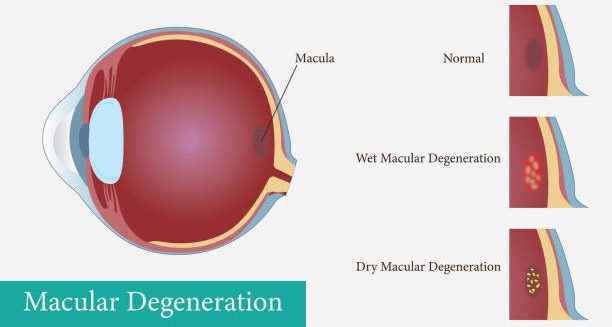
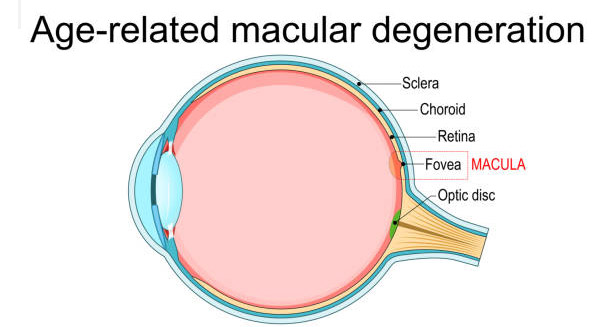
Overview of Macular Degeneration Macular degeneration — also known as age-related macular degeneration (AMD) — is a common eye condition that affects central vision. It damages the macula, which is the part of the retina responsible for sharp, straight-ahead vision. People with macular degeneration may struggle with reading, recognising faces, or driving. While peripheral (side) vision usually stays intact, the loss of central vision can be life-changing. Macular degeneration is one of the leading causes of vision loss in people over 50, especially in developed countries. As the global population ages, the number of people affected by AMD continues to rise. That’s why early detection and treatment are more important than ever. Understanding the Retina and the Macula The retina is a thin, light-sensitive layer at the back of the eye. It turns light into signals that the brain uses to create visual images. At the very centre of the retina is the macula — a small area that gives us clear, detailed vision. When the macula becomes damaged, people lose the ability to see fine details. While they won’t go completely blind, they may no longer be able to read, drive, or recognise faces clearly. Types of Macular Degeneration There are two main types of macular degeneration: dry and wet. Dry Macular Degeneration This is the most common type. It makes up about 85–90% of AMD cases. Dry AMD happens when the macula gets thinner with age. Yellow deposits called drusen also build up under the retina. Wet Macular Degeneration Wet AMD is less common but more serious. It occurs when abnormal blood vessels grow under the retina and leak blood or fluid. This damages the macula quickly. Wet AMD is a medical emergency. Fast treatment can help preserve vision and sometimes even improve it. Early Signs and How It Progresses In the early stages, macular degeneration may not cause any symptoms. Many people don’t notice anything until their vision starts to change. As the disease progresses, symptoms can include: Dry AMD progresses slowly, while wet AMD can get worse very quickly. Who Is at Risk for Macular Degeneration? Some people are more likely to develop AMD than others. The biggest risk factor is age, but many other factors can also play a role. Common risk factors include: The good news is that many of these risks can be reduced with healthy lifestyle choices. Why Early Detection Is So Important Catching macular degeneration early makes a big difference. While there is no cure for dry AMD, taking the right vitamins can slow its progression. Wet AMD can be treated with injections that help stop vision loss — and sometimes even improve it — if given early. Everyone over 50, or anyone at risk, should have a dilated eye exam once a year. Using tools like the Amsler grid at home can also help track changes in vision between appointments. Living with Macular Degeneration Losing central vision can affect every part of daily life. It may lead to: Fortunately, there are many ways to adapt. Vision aids, counselling, and support groups can help people stay independent and improve their quality of life. Summary Macular degeneration is a serious eye condition that affects the part of the retina responsible for sharp vision. It mostly affects older adults and can lead to the loss of central vision over time. While it doesn’t cause complete blindness, it can make everyday tasks difficult. Early diagnosis and treatment are key. With proper care, many people with AMD can maintain their independence and enjoy a good quality of life. [Next: Causes of Macular Degeneration →]
Macular Degeneration Read More »

Causes of Macular Degeneration

Causes of Macular Degeneration

The causes of macular degeneration are multifactorial, involving a complex interaction between genetics, environmental factors, ageing, and underlying health conditions. While the exact cause is not fully understood, extensive research has identified a number of biological and lifestyle-related contributors that increase the risk of developing this degenerative eye condition. Understanding the causes of macular degeneration is crucial for identifying those at risk and implementing early preventative strategies. Ageing and Natural Eye Changes Age is the biggest risk factor for macular degeneration. As people age, parts of the eye naturally begin to break down. The retina, especially the macula, becomes more vulnerable to damage. Here’s how ageing contributes: These changes reduce how well the macula works and can lead to vision loss. Genetic Links and Family History Genetics also play a strong role in the causes of macular degeneration. If someone in your immediate family has AMD, your risk goes up. Researchers have found that certain genes make people more likely to develop AMD. These include: These genes affect how the body handles inflammation and damage from free radicals. People with these gene types may not protect their retina as well from harm. Smoking and Oxidative Stress The retina uses a lot of oxygen, making it very sensitive to oxidative stress. Free radicals — unstable molecules — can damage cells in the eye. Over time, this damage: Smoking makes this problem worse. It’s one of the most dangerous causes of macular degeneration. Smokers have a much higher risk of AMD because: Even people who quit smoking remain at higher risk for years after. Causes of Macular Degeneration: Diet and Health Conditions What you eat also affects your eyes. A poor diet — low in antioxidants and high in unhealthy fats — increases your risk. Not getting enough nutrients like vitamins C, E, zinc, lutein, and zeaxanthin can: Medical studies like AREDS and AREDS2 showed that supplements with these nutrients help slow AMD, especially in the middle stages. In addition to diet, these health problems may raise your risk: Staying on top of your general health is one way to protect your vision. Environmental and Lifestyle Factors Many other lifestyle choices affect your chances of developing AMD. Sunlight and blue light:Too much UV light or high-energy blue light can stress the retina. Being outdoors without sunglasses or spending long hours on screens may add to the risk. Lack of exercise and obesity:Being overweight increases inflammation and can reduce blood flow to the retina. It also affects how well your body uses nutrients. Regular physical activity may lower your risk. Gender and ethnicity:Women are slightly more likely to develop AMD, possibly because they tend to live longer. Caucasians are also at higher risk than other groups, likely due to having lighter eye pigmentation. Medication Risks and Other Triggers Some drugs have been linked to higher AMD risk. These include: If you take any of these medicines, it’s important to have regular eye exams and report any vision changes quickly. Summary of the Causes of Macular Degeneration The causes of macular degeneration include a mix of age, genetics, poor lifestyle choices, and other health problems. Some risk factors, like ageing, can’t be avoided. But many others — such as smoking, poor diet, and lack of exercise — can be managed. By knowing what increases your risk and making healthy choices early, you can take steps to protect your eyesight. [Next: Symptoms of Macular Degeneration →]

Causes of Macular Degeneration Read More »

Symptoms of Macular Degeneration

Symptoms of Macular Degeneration

The symptoms of macular degeneration can vary depending on the stage and type of the condition — whether it is dry or wet age-related macular degeneration (AMD). While early macular degeneration may be asymptomatic, the disease often progresses slowly, eventually affecting central vision and interfering with essential daily activities. Identifying the symptoms of macular degeneration at an early stage can help initiate treatment strategies and reduce the risk of severe visual impairment. Early Symptoms: Often Subtle and Overlooked One of the most difficult things about AMD is that it often starts without warning. In the early stages, especially with dry AMD, most people don’t notice any changes in vision. The damage happens slowly, and the brain uses the other eye to make up for it. This often delays the discovery of the disease. Still, early signs may start to show, such as: These signs may seem small, but they should not be ignored. They are good reasons to schedule a full eye exam. Worsening Symptoms in the Intermediate Stage As the disease moves forward, symptoms of macular degeneration become clearer. Central vision gets worse, making daily tasks harder. Common symptoms at this stage include: These problems might only affect one eye at first. The other eye often fills in the gaps, which may delay noticing the problem. Symptoms of Macular Degeneration in Wet AMD Wet AMD develops faster and causes more dramatic vision changes. It happens when abnormal blood vessels grow and leak fluid under the retina. These leaks cause the macula to swell and vision to get worse quickly. Symptoms of wet AMD include: Wet AMD is serious and needs fast medical care. Quick treatment may stop the vision from getting worse and might even help improve it slightly. Bilateral Vision Loss and Its Effects In many cases, macular degeneration affects both eyes, though not always at the same time. When both eyes are affected, daily life becomes much harder. People often experience: Unlike full blindness, macular degeneration doesn’t take away side vision. Most people can still move around and see what’s to the side. But the loss of clear, direct vision affects things that give life meaning — reading, recognising faces, and enjoying hobbies. Differentiating from Other Eye Conditions Many eye diseases share similar signs, so it’s important to know when it’s really AMD. For example: If central vision suddenly changes — especially with distortion or a dark spot — it’s essential to see an eye doctor right away. Tests like the Amsler grid or OCT can confirm the symptoms of macular degeneration. Emotional and Mental Effects Living with the symptoms of macular degeneration can take a mental toll. Vision loss changes how people live, work, and connect with others. It’s common to feel: Help is available. Vision rehab, talking to a therapist, using assistive tools, and joining support groups can make a big difference. Summary of Symptoms of Macular Degeneration The symptoms of macular degeneration often start slowly, with slight blurring or distortion in central vision. Over time, it may become harder to read, drive, or recognise people’s faces. While dry AMD moves slowly, wet AMD can cause sudden and serious vision loss. Noticing symptoms early gives people a better chance to get treatment and protect the vision they still have. [Next: Diagnosis of Macular Degeneration →]

Symptoms of Macular Degeneration Read More »

Diagnosis of Macular Degeneration

Diagnosis of Macular Degeneration

The diagnosis of macular degeneration is a vital step in preserving vision and managing the progression of the disease. Because age-related macular degeneration (AMD) often begins without noticeable symptoms, many cases are only detected during routine eye exams. Early detection is crucial, especially for the wet form of AMD, which can cause rapid and severe vision loss. Timely diagnosis allows for prompt treatment that may prevent further deterioration and help preserve existing vision. Why Early Detection Matters Catching AMD early plays a huge role in treatment success, especially with the wet type. For dry AMD, while there’s still no cure, simple lifestyle changes and vitamin supplements can slow things down. For wet AMD, starting treatment early can often help maintain or even improve vision. The challenge is that AMD often starts without clear warning signs. People may not notice small vision changes until it gets worse. That’s why regular eye exams are so important, particularly for those over 50 or with known risk factors. Medical and Family History Assessment Doctors begin the diagnosis of macular degeneration by reviewing the patient’s full background. This includes: These details help the eye doctor figure out the risk level and choose the right tests. Key Eye Exam Techniques A full eye check-up with dilated pupils is essential for spotting AMD. It allows the doctor to clearly see the retina and macula. The main parts of this check include: Advanced Tools for Diagnosis of Macular Degeneration Special tests and imaging tools give a closer look at the retina and help confirm the condition. OCT is especially useful for wet AMD because it can catch small fluid changes and track damage. Staging and Identifying the Type After making the diagnosis of macular degeneration, the eye doctor will place the condition into one of these stages: These stages help guide treatment and follow-up plans. Ruling Out Other Conditions Other eye problems can look like AMD. Doctors must make sure the diagnosis is correct. Similar conditions include: Clear imaging and expert review help confirm AMD and avoid mistakes in care. Keeping an Eye on Progress Once diagnosed, patients need regular check-ups to track any changes. These may include: Sudden vision changes—like blurring, wavy lines, or central blind spots—should be reported right away. This is especially true for people with dry AMD, who might shift into the wet form. Summary of Diagnosis of Macular Degeneration The diagnosis of macular degeneration combines health history, eye exams, and advanced imaging. Spotting it early is vital, especially for wet AMD, where fast action can save vision. Regular screening and close monitoring help catch problems before they get worse. With early diagnosis, patients can begin the right treatments to protect their sight and live more independently. [Next: Treatment of Macular Degeneration →]

Diagnosis of Macular Degeneration Read More »

Treatment of Macular Degeneration

Treatment of Macular Degeneration

The treatment of macular degeneration varies a lot depending on the type and stage of the disease. While there is no cure yet, several treatment options can slow the disease, save vision, and sometimes even improve sight—especially for wet (neovascular) macular degeneration. Knowing the difference between treatments for dry and wet AMD is very important for patients, families, and doctors. Treatment of Dry Macular Degeneration Dry AMD is the more common and usually less aggressive form. Although no medicine can reverse its effects, many ways exist to manage the condition and delay vision loss. These antioxidants and minerals help lower oxidative stress and may slow the move from moderate to advanced AMD. Remember, these supplements don’t cure the disease and are mainly for people with moderate to severe dry AMD, not early stages or prevention. Besides diet, keeping a healthy weight, controlling blood pressure, and quitting smoking are key steps for long-term care. Treatment of Wet Macular Degeneration Wet AMD grows faster but responds better to treatment when caught early. It happens when abnormal blood vessels grow and leak under the retina, causing quick central vision loss. Early and ongoing care can greatly improve or keep vision stable in many patients. Common anti-VEGF drugs include: Doctors inject these medicines directly into the eye, usually once a month at first, then less often depending on results. These drugs changed AMD treatment and help many patients keep or improve vision. PDT is less common now because anti-VEGF drugs work better, but it may help patients who don’t improve with injections. Vision Rehabilitation and Assistive Technologies Even with treatment, some patients lose vision permanently. Low-vision rehab can greatly improve life quality. Helpful tools include: These tools help patients stay independent despite central vision loss. Clinical Trials and Emerging Treatments Research continues to find new ways to treat macular degeneration. Some exciting areas are: Patients interested in trials should talk to a retina specialist about options. Lifestyle Support and Mental Health Vision loss from AMD can cause strong emotions. Many patients feel frustrated, anxious, or depressed. It is important to get emotional support through counseling, support groups, or occupational therapy. Treating AMD means caring for eyesight and mental strength and independence. Summary of Treatment of Macular Degeneration The treatment of macular degeneration depends on its type—dry or wet—and how far it has progressed. Dry AMD care focuses on nutrition, watching closely, and lifestyle changes. Wet AMD needs medical care, mainly anti-VEGF injections. Vision rehab, helpful devices, and new treatments bring hope for long-term care. With early diagnosis and steady care, many people with AMD can keep useful vision and a good life. [Next: Complications of Macular Degeneration →]

Treatment of Macular Degeneration Read More »

Complications of Macular Degeneration

Complications of Macular Degeneration

The complications of macular degeneration primarily revolve around progressive central vision loss, but the broader consequences can extend well beyond the physical impact on sight. As the condition worsens, it can deeply affect a person’s ability to live independently, do daily tasks, and keep a good quality of life. These complications are not only physical but also emotional, social, and financial. Therefore, complete care and support become very important for long-term well-being. Progressive and Irreversible Central Vision Loss The main and most serious complication of macular degeneration is the slow or sudden loss of central vision. This affects the macula, the part of the retina that lets you see sharp, detailed, and colorful images. Usually, side (peripheral) vision stays normal, but these problems often happen: Dry AMD causes vision to worsen slowly over time. Wet AMD can make vision fall quickly if it doesn’t get treated fast. For both types, vision loss usually cannot be fixed once the macula is badly damaged. Functional Impairment and Loss of Independence One major set of complications of macular degeneration is losing function in daily life. As central vision gets worse, patients may: These problems quickly lower a person’s independence, especially in older adults who already face age challenges. Many have to rely more on caregivers or special tools, which can feel frustrating and discouraging. Increased Risk of Falls and Injuries Vision helps keep balance and move safely around. Losing central vision raises the chance of: These dangers threaten physical health and can also lower confidence. People may stop moving around freely, leading to social withdrawal and loneliness. Psychological and Emotional Consequences The complications of macular degeneration go beyond the body. Losing a skill once taken for granted, like reading or recognizing faces, can be very upsetting. Common feelings include: Taking care of mental health is vital alongside physical care. Support groups, counseling, and training to adapt can help patients feel better. Social and Economic Impact Vision loss also causes big social and money problems. Many patients face: In some areas, patients also struggle to get low-vision services or financial help for treatments. This makes health gaps even worse. Conversion from Dry to Wet AMD A key medical complication of macular degeneration is when dry AMD changes into wet AMD. Not all patients face this, but those with medium or advanced dry AMD have a higher risk. This change can cause fast vision loss if not caught and treated right away. Look out for signs like: Using tools like the Amsler grid and getting regular eye exams helps catch this early. Limited Treatment Options and Disease Burden Wet AMD has good treatments such as anti-VEGF injections. However, dry AMD does not have a cure or treatment that restores vision. Patients with severe dry AMD — called geographic atrophy — may reach a point where medicine can no longer help. This lack of cures means ongoing challenges for: Quality of Life Considerations In the end, the complications of macular degeneration add up to a large drop in quality of life. Peripheral vision helps with basic movement and orientation, but central vision lets people do the activities that bring joy and meaning. These include reading, making art, watching TV, and seeing loved ones’ faces. Helping patients adjust through: …can greatly reduce these effects. This help gives people the power to keep their dignity and stay involved in daily life. Summary of Complications of Macular Degeneration The complications of macular degeneration reach far beyond vision loss. They affect almost every part of a person’s life — from living alone to mental health and social life. Whether dry or wet AMD causes the problem, the impact can be deep and long-lasting. Still, with early diagnosis, proper treatment, and strong support, many people can handle these challenges well and keep a good quality of life despite the disease. [End of Article: Macular Degeneration]

Complications of Macular Degeneration Read More »

Scroll to Top