Mental Matters

Mallet Finger

Overview of Mallet Finger

Mallet Finger

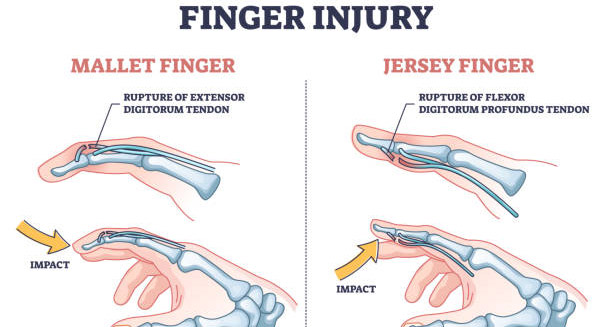
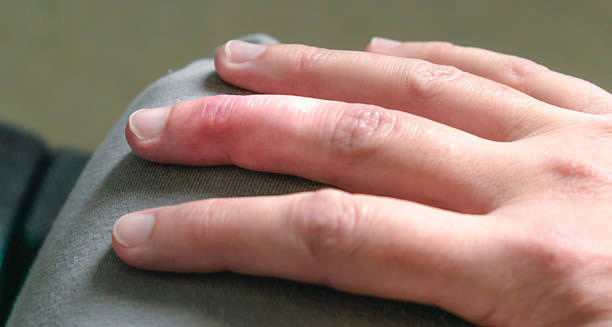
Mallet finger is a specific and often underestimated hand injury that results from damage to the extensor tendon on the back of the finger. This tendon straightens the fingertip. When injured, the fingertip droops and cannot straighten on its own. Often, the injury comes from trauma, such as a ball striking the finger tip or a sudden knock during daily tasks. If ignored or managed poorly, mallet finger can leave lasting problems with hand function. The name “mallet finger” comes from the bent shape of the fingertip. It points downward like the head of a mallet. In medicine, it is called an “extensor tendon injury” or a “terminal extensor tendon rupture.” This means the tendon cannot pull the last joint into extension. Mallet finger is common in both athletes and non-athletes. Still, many people do not seek care right away because the injury often looks mild. Anatomy Behind Mallet Finger To understand mallet finger, we need to look at finger anatomy. The extensor tendon runs along the back of the finger and attaches to the distal phalanx, which is the tip bone. When the finger bends suddenly while the tendon is tight, the tendon may tear. Sometimes, a piece of bone also breaks off with the tendon. This is called a bony mallet finger. This injury often affects the middle, ring, or little fingers. Both children and adults can get it. However, middle-aged men in ball sports or heavy manual work face the highest risk. Everyday incidents also cause mallet finger. For example, closing a drawer, tucking in a blanket, or catching a finger on clothing. Types and Classifications of Mallet Finger Doctors divide mallet finger into three main types: This classification matters because it guides treatment. Tendon-only injuries often heal with splinting. More complex or bony types may need surgery. Common Scenarios and Warning Signs Mallet finger often happens in simple situations. Examples include: Since pain is not always strong, many people think it is just a bruise or sprain. Yet, one clear sign is the drooping fingertip that cannot straighten by itself. When this happens, medical care is urgent. Other signs may include swelling, redness, bruising, or pain on the back of the finger. Grasping small objects also becomes hard. If untreated, the finger may stiffen or heal wrongly. This can cause a lasting deformity and reduce finger skill, making tasks like typing, writing, or tool use harder. Importance of Early Diagnosis and Splinting Unlike fractures, mallet finger does not always look serious. Still, quick diagnosis is vital. Within a few days, the joint tissues stiffen and scar tissue forms. Late treatment lowers the chance of success with simple splinting. Doctors check the finger with an exam and often an X-ray. If the tendon tears without bone injury, splinting works well. If bone breaks or the joint shifts, surgery may be needed. Splinting is the main treatment in most cases. The splint keeps the fingertip straight for 6–8 weeks. It is vital that the finger never bends during this time. Even one slip can restart the healing process. Later, patients may wear the splint only at night or during tasks for a few more weeks. Prevention and Long-Term Outlook Patient discipline with splinting makes a big difference. If instructions are not followed, the droop may stay or lead to a swan-neck deformity, where the middle joint bends in the wrong way. Although prevention is not always possible, some steps reduce risk. For example, wearing finger guards in sports, using safety gear at work, keeping fingers strong and flexible, and resting during repetitive hand tasks. Athletes in cricket, baseball, and basketball may also tape or splint vulnerable fingers during play. With the right care, most people recover well from mallet finger. Many regain full or near-full function. Recovery is slower in older adults or those with arthritis or diabetes. Some may keep a slight droop or small cosmetic change, but early care prevents serious problems. In short, mallet finger may look like a minor injury, but it needs fast care and strict treatment. Those who follow splinting and rehab can return to normal daily tasks without long-term effects. [Next: Causes of Mallet Finger →]
Mallet Finger Read More »

Causes of Mallet Finger

Causes of Mallet Finger

Causes of Mallet Finger Causes of Mallet Finger are primarily linked to sudden trauma or forceful bending of the fingertip, which results in a rupture of the extensor tendon or an avulsion fracture of the distal phalanx. The extensor tendon is a vital structure responsible for straightening the fingertip. When this tendon is injured, either through direct impact or an unexpected pull, the fingertip droops downward and can no longer be extended voluntarily. Understanding the causes of mallet finger is essential for prevention, early recognition, and timely intervention. Causes of mallet finger usually fall into two broad groups: traumatic injuries and repetitive stress injuries. Both lead to a sudden failure of the extensor tendon, but in different ways. Sports-Related Trauma One of the main causes of mallet finger is sports injury. These often happen when a ball hits the tip of an extended finger with speed. The sports that most often cause this problem include: In these cases, the ball forces the fingertip into sudden bending while the tendon tries to keep it straight. The tendon may tear, or a piece of bone may get pulled with it. This results in what doctors call a bony mallet finger. The injury feels sudden. Many people notice a pop or sharp pain followed by an instant droop of the fingertip. Some athletes ignore it, thinking it is only a sprain. However, the clear sign is that the tip will not straighten. Occupational Hazards and Accidental Trauma Accidental trauma also ranks as a leading cause of mallet finger. These injuries appear in everyday life and often affect older adults or people working with their hands. Examples include: Here, the force may be less dramatic than in sport. Yet the extended position and sudden jolt are enough to damage the tendon. Injuries like this usually affect the middle, ring, or little fingers, which are more exposed to catching on objects. Age and Degeneration With age, tendons lose strength and elasticity. They can snap even with small force. Health conditions such as arthritis, diabetes, or poor blood flow make tendons weaker. People over 50 may suffer a mallet finger from simple actions such as: In these cases, the tendon breaks suddenly, even without big trauma. Many people mistake it for a minor problem, especially if there is no pain or bruising. Repetitive Microtrauma and Health Conditions Another cause of mallet finger is repetitive microtrauma. This happens to people who move their fingers many times under tension. Over time, the tendon frays and finally snaps. Professions or hobbies at risk include: Systemic health issues also raise the risk. For example: These patients may get mallet finger from small triggers. Since pain may be mild or nerves already damaged, diagnosis often gets delayed. Bony Mallet Finger and Risk Factors Another type, called bony mallet finger, occurs when a bone fragment is pulled off with the tendon. This is more common in: Here, the tendon stays intact but loses its anchor point, making it useless. X-rays reveal this type, and it often needs surgery. Other risk factors make mallet finger more likely. These include: Preventing injury with gloves, proper technique, and hand stretches lowers the risk. Common Myths and Prevention A common myth is that mallet finger always causes pain. In truth, many people feel little or no pain. This false belief makes them ignore the droop, thinking it is only a jammed finger. Another myth is that only athletes suffer from it. Everyday activities cause almost half of all cases. Both men and women, young and old, can get it. To prevent mallet finger, people should: Final Thoughts on Causes of Mallet Finger In summary, the causes of mallet finger range from sudden sports accidents to slow wear and tear of tendons. It may also result from work injuries, age, or health problems. Quick recognition and early care are vital to prevent lasting deformity. [Next: Symptoms of Mallet Finger →]

Causes of Mallet Finger Read More »

Symptoms of Mallet Finger

Symptoms of Mallet Finger

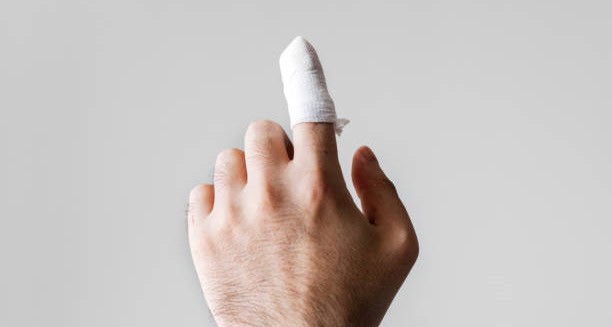
Symptoms of Mallet Finger The symptoms of mallet finger are usually easy to spot once you know how the injury looks. This condition happens when the extensor tendon on the back of the finger is torn or pulled off the bone. Since this tendon normally straightens the tip, the finger droops and cannot be lifted actively. Mallet finger may not always hurt, but the signs are often clear when compared with a healthy finger. Recognising the symptoms of mallet finger early is critical. Quick treatment often prevents long-term deformity, stiffness, or loss of function. Let’s look at these symptoms in detail to see how mallet finger affects comfort, dexterity, and daily tasks. Drooping Fingertip The most obvious sign is a drooping fingertip, also called an “extensor lag.” This happens because the tendon can no longer lift the tip. The joint near the nail stays bent and will not straighten on its own. This droop is: This “mallet-like” appearance is what gives the injury its name. Inability to Straighten the Fingertip Another key symptom of mallet finger is the loss of active extension. The fingertip stays curled down while the middle and base joints move normally. This stands out when making a fist, releasing a grip, or trying to point. Although drooping is a visual clue, the inability to extend the fingertip clearly separates mallet finger from other finger injuries. Swelling and Redness Soon after the injury, swelling and redness often appear around the top joint. This results from tissue damage or, sometimes, a small fracture. Common features include: The swelling may develop quickly or slowly, depending on the type of injury. Pain or Discomfort Pain is not always severe. For many people, it feels like a dull ache or mild tenderness. Some, however, feel sharper discomfort when pressure is applied. Pain may: The pain often fades within days, but the tendon damage remains unless treated. Bruising and Discolouration In some cases, bruising also appears around the injured joint. This is more common after sports accidents, crush injuries, or when the tendon pulls off a piece of bone. The bruising may look bluish, purple, or yellow as it heals. Interestingly, the amount of bruising does not always match the severity of the tendon injury. Nail Bed or Skin Changes Because the injury is close to the nail, small changes may appear. These can include nail lifting, redness around the cuticle, or minor cuts from the impact. Rarely, the nail grows abnormally if the nail matrix is injured. This usually happens when the skin is also cut. Sensory Symptoms Some patients notice tingling, numbness, or reduced sensation near the fingertip. This usually comes from swelling pressing on nerves or irritation of nearby tissues. If numbness does not go away, it may signal a more serious problem and needs medical attention. Functional Limitations Even with little pain, mallet finger limits daily tasks. People may struggle with: If untreated, the finger can stiffen in a bent position. This makes fine motor skills even harder over time. Symptom Differences: Tendon vs Bony Mallet Finger Both tendon-only and bony mallet injuries share similar signs. However, bony mallet finger often shows more swelling, sharper tenderness, and more obvious deformity. X-rays usually confirm this type. Distinguishing the two matters, since treatment can differ. When to Seek Medical Help for Symptoms of Mallet Finger Anyone with fingertip droop and loss of extension should see a doctor right away. Early splinting restores function in most cases. Waiting too long raises the risk of deformity, stiffness, or arthritis. Emergency care is especially important if the injury has open wounds, a lifted nail, or visible joint misalignment. Misdiagnosed or Overlooked Symptoms Sometimes mallet finger is mistaken for a minor sprain because pain is not intense. Athletes may ignore it, thinking it’s just a jammed finger. Older adults with stiff joints or people with nerve problems may also miss the signs. Public awareness of the classic symptoms of mallet finger is essential to prevent lasting disability. Summary The symptoms of mallet finger include fingertip droop, loss of extension, swelling, redness, mild pain, bruising, nail changes, and functional problems. Some are subtle, but the inability to straighten the fingertip should never be ignored. Quick medical care prevents long-term deformity and keeps hand function intact. [Next: Diagnosis of Mallet Finger →]

Symptoms of Mallet Finger Read More »

Diagnosis of Mallet Finger

Diagnosis of Mallet Finger

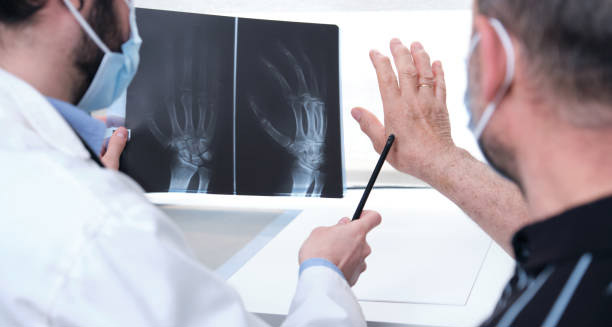
Diagnosis of Mallet Finger The diagnosis of mallet finger is primarily clinical, based on history, physical exam, and when needed, imaging. Finding this condition early is critical. If diagnosis is missed or delayed, the injury can cause lasting deformity, stiffness, or arthritis. Because mallet finger affects the tendon or bone at the fingertip, doctors must separate it from other finger injuries that may look similar. In this section, we look step by step at how doctors make a reliable diagnosis of mallet finger. This includes the questions they ask, the signs they check, and the scans they may order. History and Patient Interview Every accurate diagnosis of mallet finger begins with a careful history. Doctors usually ask: This interview helps the doctor confirm whether the injury matches the typical pattern of mallet finger. Visual Inspection Looking at the finger gives strong clues in the diagnosis of mallet finger. Typical findings include: Doctors also compare both hands. Asking the patient to hold their hands flat or upright makes the droop more obvious. Palpation and Functional Tests Next, doctors gently press the joint and check movement. They use: These simple tests form the foundation for a solid diagnosis of mallet finger. Imaging Studies While the diagnosis of mallet finger is often clear without scans, imaging can confirm the extent of injury or rule out other problems. Imaging is not always needed, but it strengthens diagnosis and helps when surgery is being considered. Differential Diagnosis Not every drooping finger is mallet finger. Doctors must check for other conditions: Sorting through these conditions ensures treatment is correct. Classifying the Injury Once confirmed, the diagnosis of mallet finger is classified into two main types: Bony injuries are further described by fragment size, joint involvement, and any dislocation. This classification guides the choice between splinting and surgery. Importance of Early Diagnosis of Mallet Finger Early diagnosis of mallet finger is vital. If left untreated, even a small tendon tear may cause: Starting splinting within one week gives the best chance for recovery without surgery. Waiting longer than 3–4 weeks often reduces success. Follow-Up and Reassessment Doctors reassess the finger after a few weeks of splinting. They check healing, adjust the splint, and look for improvement. Sometimes a repeat X-ray ensures bone fragments remain in place. Summary The diagnosis of mallet finger combines history, exam, and sometimes imaging. Spotting the classic fingertip droop, testing tendon function, and ruling out similar injuries guide treatment. Early recognition matters most. With quick diagnosis, patients can heal well and avoid long-term loss of function. [Next: Treatment of Mallet Finger →]

Diagnosis of Mallet Finger Read More »

Treatment of Mallet Finger

Treatment of Mallet Finger The treatment of mallet finger focuses on restoring fingertip function and alignment. It prevents long-term deformity and protects hand dexterity. While the injury may look small, late or incorrect care can cause permanent stiffness or dysfunction. The good news is that most cases respond well to simple, non-surgical care when treated early. This section explains the options for the treatment of mallet finger. It covers splinting, surgery, rehabilitation, and long-term follow-up. Conservative Treatment (Splinting) The most common treatment of mallet finger is splinting. Doctors use it in about 90% of cases, especially when no major bone fragment or joint shift is present. Types of splints include: Splinting procedure:The tip joint is gently straightened, sometimes slightly hyperextended. The splint holds the joint in this position at all times. Patients must wear it day and night for 6–8 weeks. The finger should never bend during this time, as even one slip can restart healing from the beginning. Care tips: Splinting works well for tendon injuries and small fractures that are not displaced. Weaning from the Splint After 6–8 weeks of strict splinting, patients begin weaning. For 2–4 weeks, the splint is worn only at night. During the day, light finger use starts. A home program of simple exercises restores mobility. Patients must avoid sudden strain or bending the finger too far. Overuse at this stage can tear the tendon again. Surgical Treatment of Mallet Finger Surgery is rarely needed, but it becomes important in certain cases. These include large bone fragments, joint dislocation, open cuts with tendon injury, failure of splinting after 2–3 months, or long-standing deformities that affect hand use or appearance. Surgical methods include: Surgery can give good results but carries risks such as infection, stiffness, or scarring. Recovery also takes longer compared to splinting. Pain Management Pain from mallet finger is usually mild. Relief comes from paracetamol or NSAIDs like ibuprofen, cold packs applied for 15–20 minutes, and hand elevation to reduce swelling. If pain remains strong or increases, it may point to splint problems, infection, or another injury. In such cases, patients should see a doctor. Physical Therapy and Rehabilitation After splinting ends, therapy is vital to regain motion and strength. A therapist may guide: Therapy should be slow and controlled. Doing too much too soon often sets recovery back. For people like musicians or artisans, therapy is tailored to their work needs. Home Care and Patient Education Success in the treatment of mallet finger depends on strict patient effort. At home, patients must: Education is key. Many people believe the injury is “not serious.” In truth, ignoring it can leave the finger with a permanent droop, pain when gripping, or problems with writing, typing, and tool use. Follow-Up and Monitoring Even after healing looks complete, checkups are important. They confirm the joint remains stable and check for swan neck deformity. They also help detect recurrence or complications. Doctors may also give advice about safe return to sport or manual work. If symptoms remain, further imaging or even surgery may be needed. Prognosis After Treatment of Mallet Finger With correct and early treatment, the outlook is excellent. Most patients regain full function. A small droop may stay but is usually painless and only cosmetic. When splinting is done correctly from the start, surgery is rarely needed. However, delays, poor splinting habits, or complex fractures raise the risk of long-term stiffness, arthritis, or deformity. Summary The treatment of mallet finger depends on quick diagnosis, proper splinting, and patient discipline. Surgery plays a role only in more complex cases. Long-term results rely on how early and consistently treatment is applied. With the right care, most people regain almost full use of the finger and avoid permanent damage. [Next: Complications of Mallet Finger →]

Treatment of Mallet Finger Read More »

Complications of Mallet Finger

Complications of Mallet Finger

Complications of Mallet Finger The complications of mallet finger can significantly affect hand function and quality of life if the condition is left untreated or if treatment is improperly followed. Though many people think it is a minor injury, mallet finger can cause lasting deformity and functional problems. It may also damage the joint over time. Knowing about the complications of mallet finger helps patients get the right diagnosis, follow proper treatment, and stay committed to recovery. This section explains both early and late complications. These include persistent drooping, joint instability, swan neck deformity, arthritis, and even emotional effects. 1. Persistent Flexion Deformity The most common problem after mallet finger is a drooping fingertip. This happens when the tendon does not heal well, re-tears, or when splinting is not done correctly. A delay in treatment also makes the risk higher. This deformity reduces grip strength and affects small tasks like typing or holding a pen. Even with correct treatment, some people still notice a slight droop. While it may not hurt, it can look odd. For those who want cosmetic or functional improvement, surgery may be an option. 2. Swan Neck Deformity A serious complication of mallet finger is the swan neck deformity. It develops when the tip joint stays bent while the middle joint bends backward to compensate. This imbalance gives the finger a “swan neck” look. The deformity makes gripping or straightening the finger hard. It can also change appearance and make simple tasks, like wearing gloves, difficult. Doctors may suggest custom splints or surgery to fix the joint balance and stop it from getting worse. 3. Joint Stiffness and Loss of Motion Splinting is important, but long or tight splint use can stiffen the joint. Stiffness is worse if rehab exercises are skipped. Patients may notice pain, difficulty bending or straightening, and trouble with tasks that need finger flexibility. Physical therapy after splinting is key to avoid stiffness. In severe cases, surgery or manipulation under anesthesia may be needed. 4. Chronic Pain and Swelling Pain is not common with mallet finger, but some people develop ongoing discomfort. Causes include tight splints, bone fragments irritating soft tissue, or inflammation in the tendon or joint capsule. Swelling that does not go away may signal scarring or inflammation inside the joint. If pain continues despite treatment, doctors may order an MRI or suggest surgery. 5. Osteoarthritis When mallet finger heals poorly or remains untreated, the tip joint may wear down early. This leads to osteoarthritis. Symptoms include morning stiffness, aching pain during activity, and bony growth around the joint. Motion becomes limited. Over time, arthritis can seriously affect hand function. Treatment may involve splinting, steroid injections, or in severe cases, joint fusion surgery to ease pain. 6. Nail Bed Deformities Sometimes mallet finger also affects the nail bed. Pressure on the nail matrix can cause ridges, grooves, or discoloration. The nail may grow abnormally. Some patients also feel pain under the nail. This happens more often in crush injuries or when splints press against the nail. Careful splint placement and regular checks can prevent this complication. 7. Infection Infections may develop under the splint or after surgery, though this is rare. Warning signs include redness, warmth, pus, odor, and in severe cases, fever. Poor hygiene, sweating under the splint, or open wounds usually cause infection. Treatment includes removing the splint, cleaning the skin, and starting antibiotics. Severe cases may need surgical cleaning. If not controlled, infection can delay healing or damage deeper tissues. 8. Re-Injury or Recurrence Even after healing, the tendon can tear again. This usually happens when the finger is stressed too early. Sports and heavy work raise the risk, especially without protection. If the tendon healed with weak scar tissue, it may also fail again. Re-injury often leads to drooping that is harder to fix a second time. For safety, athletes and manual workers should wear protective splints during risky tasks for weeks after recovery. 9. Surgical Complications Surgery can help in difficult cases, but it comes with risks. Problems include poor wound healing, hardware irritation, failed fusion, infection, or nail damage. Some patients also notice numbness. These risks show why careful surgical planning and follow-up are important. Most problems can be managed, but they often make recovery longer. 10. Psychological and Functional Impact Mallet finger may also affect mental health. Visible deformity, reduced hand use, or cosmetic issues can cause embarrassment and low confidence. People who rely on fine motor skills may feel frustrated or even depressed. Hand therapy and counseling help patients adjust and regain confidence. This is especially useful when changes in the finger are permanent. Preventing Complications of Mallet Finger Patients can lower risks by starting treatment quickly, ideally within a few days. They must follow splinting rules closely and avoid bending the finger during healing. Good hygiene under the splint and regular doctor visits are important. After splinting, exercises restore movement and strength. For people in sports or manual work, protective gear reduces the chance of reinjury. Education also matters. Patients who know the risks of mallet finger are more likely to follow treatment and notice problems early. Final Thoughts on Complications of Mallet Finger Mallet finger may look like a small injury, but the complications of mallet finger can last for years if ignored. Problems range from deformity and stiffness to chronic pain and arthritis. With quick care, proper splinting, and rehab, most patients recover well. Guidance from skilled doctors and therapists ensures that complications are either avoided or managed. This allows people to return to normal hand use with little long-term effect. [Next: Back to Overview →]

Complications of Mallet Finger Read More »

Scroll to Top