Diagnosis of Febrile Seizures
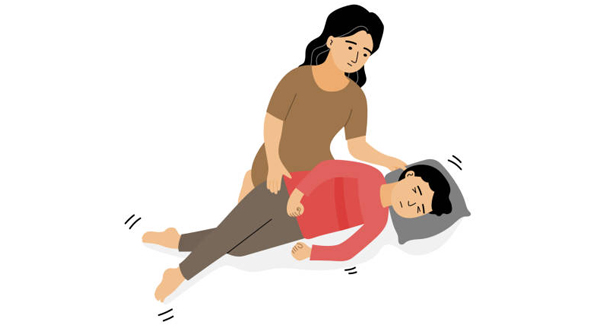
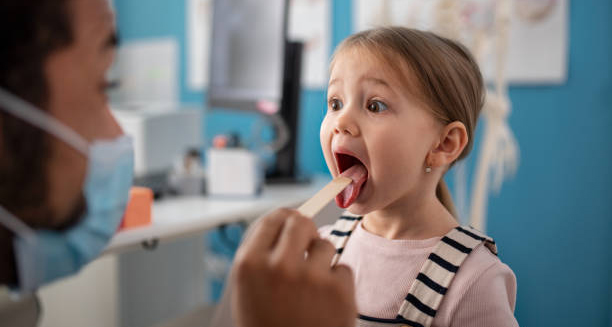
Diagnosis of Febrile Seizures The diagnosis of febrile seizures is mainly clinical, based on a clear history of seizure activity during a fever in a child between six months and five years old. Febrile seizures are usually diagnosed by a general practitioner, paediatrician, or emergency room doctor after careful examination and observation. Medical History and Observation Doctors ask detailed questions, including: Child’s age at the time of the seizure Duration and nature of the seizure (generalised or focal) Presence of fever before or during the seizure Whether it was the first seizure episode Family history of febrile seizures or epilepsy They will also check: If the child regained consciousness quickly Whether the seizure recurred within 24 hours Signs of a current or recent infection If the seizure fits the pattern of a simple febrile seizure, no further investigations are typically required. Physical Examination The doctor will examine: Temperature and vital signs Neck stiffness or rash (to rule out meningitis) Ear, throat, and chest for signs of infection Neurological responses (reflexes, eye tracking, responsiveness) A normal exam with signs of a viral illness supports the diagnosis of febrile seizures. When Tests Are Needed Further testing may be recommended if: The child is younger than six months or older than five years The seizure lasted more than 15 minutes There were multiple seizures in one day The child had focal (one-sided) movements The child did not recover consciousness promptly These cases are classified as complex febrile seizures, and further evaluation is needed. Tests may include: Blood and urine tests, to check for infection or metabolic imbalances Lumbar puncture, if meningitis or encephalitis is suspected (especially in infants) Electroencephalogram (EEG), if epilepsy is a concern CT or MRI scan, in rare cases, to rule out structural brain problems Differential Diagnosis Doctors must rule out: Meningitis or brain infection Epilepsy, if seizures occur without fever or continue after age 6 Breath-holding spells, fainting, or other non-epileptic events A thorough history and examination are usually enough to make a confident diagnosis. Diagnosis of Febrile Seizures The diagnosis of febrile seizures is mostly straightforward. For typical cases, reassurance and fever management are all that’s needed, while more complex or unusual episodes require additional assessment. [Next: Treatment of Febrile Seizures →]