Mental Matters

Health Conditions

Find information on various health conditions affecting people of all ages. This category covers causes, symptoms, diagnosis, and management options for physical illnesses and chronic diseases. Get insights to help you understand different health challenges and make informed decisions about your wellbeing.

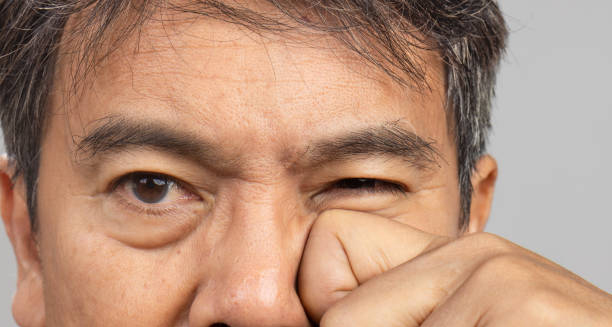
Man experiencing discomfort from eye cancer complications

Complications of Eye Cancer

Complications of Eye Cancer The complications of eye cancer depend on the tumour’s location, the stage at diagnosis, and the type of treatment received. Eye cancer can cause problems ranging from partial vision loss to life-threatening spread, especially if left untreated or caught late. Vision Loss The most common complication is partial or total loss of vision in the affected eye. This may be due to: Damage from the tumour itself Side effects of radiation (e.g., optic nerve damage or retinal detachment) Surgical removal of the eye (enucleation) Vision loss may be temporary or permanent. Children who lose sight in one eye may adapt well, but depth perception and peripheral vision are often reduced. Cosmetic and Emotional Impact Facial asymmetry or changes in appearance after surgery Need for a prosthetic eye, which requires ongoing care Body image concerns, especially among teenagers and young adults Emotional trauma, including fear, depression, and anxiety Support groups, peer counselling, and psychological therapy can help individuals adjust and regain confidence. Spread (Metastasis) Some forms of eye cancer, especially uveal melanoma, can spread to other organs—most commonly the liver. Once spread occurs, survival rates decrease significantly. Regular liver scans and blood tests are needed in high-risk patients. Retinoblastoma, if left untreated, can spread along the optic nerve to the brain or metastasise to the bone marrow. Early detection is critical to preventing these outcomes. Treatment Side Effects Each treatment type carries specific risks: Radiotherapy – Cataracts, dry eye, eyelash loss, and retinal damage Chemotherapy – Nausea, lowered immunity, and hair loss Surgery – Risk of infection, bleeding, or complications with the eye socket Most side effects are manageable with proper follow-up care. Psychological and Developmental Impact Children with retinoblastoma may experience: Developmental delays, particularly if treatment interrupts early schooling Anxiety during frequent hospital visits Need for long-term screening, especially in inherited cases Adults may face career limitations, driving restrictions, or lifestyle changes depending on vision loss severity. Global Considerations | Complications of Eye Cancer In resource-limited settings, complications are often worsened by: Delayed diagnosis, resulting in advanced tumours Limited access to specialists or radiation therapy Lack of psychological or rehabilitative support Efforts to train local healthcare workers and expand diagnostic capacity can improve outcomes and reduce complications. The complications of eye cancer can be serious, but early detection, effective treatment, and ongoing support greatly improve survival and quality of life. A holistic care approach addresses both physical and emotional needs. [Next: Back to Overview →]
Complications of Eye Cancer Read More »

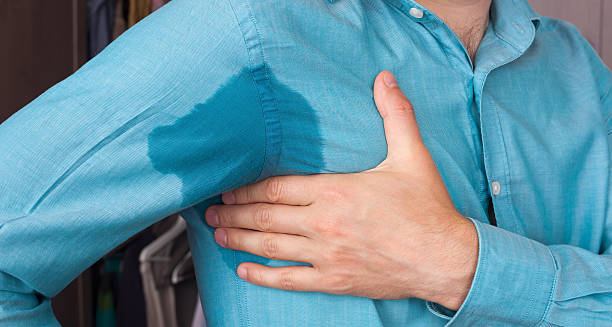
Man with underarm sweat stain experiencing excessive sweating

Excessive Sweating

Excessive Sweating Excessive sweating is a condition where a person produces more sweat than the body needs to regulate temperature. This sweating, also known as hyperhidrosis, can affect the underarms, hands, feet, face, or entire body. For many, it leads to embarrassment, emotional distress, and disruption to daily activities—even during cool weather or minimal physical exertion. There are two main types: Primary hyperhidrosis, where excessive sweating occurs without an underlying medical cause and usually affects specific areas (focal sweating) Secondary hyperhidrosis, which is caused by a medical condition or medication and often leads to generalised sweating To sweat is a normal function, but when it becomes excessive and uncontrollable. It can interfere with work, relationships, self-confidence, and quality of life. It can also cause practical problems such as constantly damp clothing, skin irritation, and the need to change outfits multiple times a day. Excessive Sweating In South Africa, where warmer climates are common and air conditioning may be unavailable in some regions. This sweating can be particularly troublesome. However, despite its impact, it is often dismissed or misunderstood. Recognising this as a medical condition, not just a hygiene issue. Additionally, it is the first step to managing it effectively and improving comfort and wellbeing. [Next: Causes of Excessive Sweating →]

Excessive Sweating Read More »

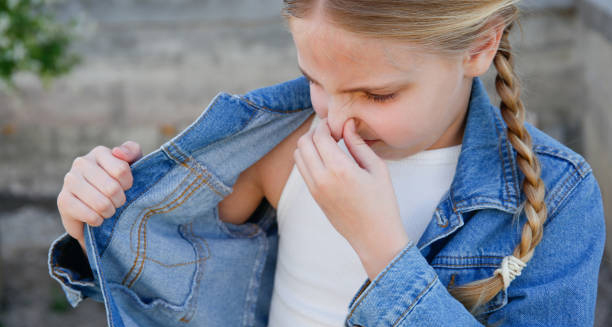
Young girl smelling her underarm for body odour

Causes of Excessive Sweating

Causes of Excessive Sweating The causes of excessive sweating differ depending on whether it is primary or secondary in nature. Excessive sweating may result from overactive sweat glands, medical conditions, or side effects of certain medications. Identifying the cause is key to finding the right treatment. Primary Hyperhidrosis This form usually begins in childhood or adolescence and has no underlying medical cause. It typically affects: Palms Soles of the feet Underarms Forehead or face The sweating is usually symmetrical (occurs on both sides equally), and may be triggered by stress, anxiety, or no clear cause at all. In many cases, it runs in families, suggesting a genetic component. Primary hyperhidrosis occurs without sweating during sleep and tends to worsen during social interactions or emotional stress, regardless of temperature. Secondary Hyperhidrosis This form is caused by another condition or external factor. It can start at any age and often results in widespread (generalised) sweating. Causes include: Medical Conditions Thyroid disorders, especially hyperthyroidism Diabetes, particularly when blood sugar is low (hypoglycaemia) Infections, such as tuberculosis or HIV Menopause, due to hormonal shifts and hot flushes Certain cancers, including lymphoma or leukaemia Heart or lung disease Medications Antidepressants Painkillers (opioids) Diabetes medication Hormonal treatments Sweating may improve once the underlying condition is treated or the medication adjusted. Triggers and Aggravating Factors Heat and humidity Emotional stress Spicy foods or caffeine Alcohol Wearing synthetic fabrics Causes of Excessive Sweating In South Africa In South Africa, excessive sweating is often linked to infections like TB or untreated thyroid problems. The stigma attached to sweating—especially in professional or social settings—can prevent people from seeking help. Education about hyperhidrosis and better access to diagnosis can improve outcomes. Understanding the causes of excessive sweating ensures that patients are not misdiagnosed and that appropriate therapies are explored early. [Next: Symptoms of Excessive Sweating →]

Causes of Excessive Sweating Read More »

Woman surprised by underarm sweat patch

Symptoms of Excessive Sweating

Symptoms of Excessive Sweating The symptoms of excessive sweating go beyond moisture. Excessive sweating affects comfort, hygiene, mental health, and sometimes physical wellbeing. It may also impact social and professional interactions, making people feel self-conscious or anxious. Main Symptoms Visible sweating, even in cool environments or when at rest Sweat soaking through clothing, often requiring frequent changes Sweaty palms or soles, which may interfere with writing, gripping objects, or walking Shiny or damp face and scalp, especially during social interactions Sweating during stress or minimal exertion, sometimes unrelated to temperature Episodes occurring multiple times daily, often without warning The condition may appear symmetrical (affecting both armpits, hands, or feet equally) in primary hyperhidrosis. In secondary cases, sweating may be widespread and occur during sleep. Associated Physical Effects Skin irritation – Prolonged moisture leads to chafing, rashes, or infections (especially fungal) Foot odour or body odour – Due to bacteria thriving in warm, moist areas Cracked skin – Particularly on the feet, where prolonged dampness softens and breaks down skin Blisters or friction injuries, especially if wearing tight or synthetic clothing Psychological and Emotional Impact People with hyperhidrosis often struggle with: Embarrassment, especially in public or professional settings Social anxiety, due to fear of visible sweating or handshakes Low self-esteem, leading to avoidance of group activities Depression, in chronic or severe cases Children and teenagers may be particularly vulnerable to bullying or social exclusion. Sleep Disturbance In secondary hyperhidrosis, night sweats may disrupt sleep and leave people feeling tired and irritable during the day. This is particularly common in menopausal women, those with infections, or individuals undergoing cancer treatment. Symptoms of Excessive Sweating In South Africa In South Africa, symptoms of hyperhidrosis are often underreported due to stigma. Many people don’t realise it is a treatable condition and believe they must “live with it”. Increased awareness campaigns can help reduce shame and encourage people to seek help. Recognising the symptoms of excessive sweating is the first step towards diagnosis, treatment, and regaining confidence and control over daily life. [Next: Diagnosis of Excessive Sweating→]

Symptoms of Excessive Sweating Read More »

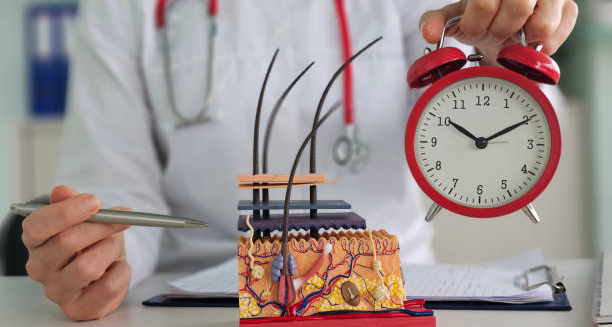
Doctor with skin model and clock discussing sweat gland activity

Diagnosis of Excessive Sweating

Diagnosis of Excessive Sweating The diagnosis of excessive sweating focuses on identifying whether the condition is primary or secondary in nature. Since excessive sweating can have a wide range of causes—from overactive sweat glands to serious medical issues—thorough assessment is essential for effective treatment. Medical History Doctors begin by asking detailed questions about: When the sweating started Where it occurs (palms, feet, underarms, entire body) How often and how long episodes last Whether it happens during sleep Family history of similar symptoms Triggers such as heat, stress, or exercise Associated symptoms, such as weight loss, fatigue, or fever Sweating that starts in adolescence, is localised, and doesn’t happen during sleep typically points to primary hyperhidrosis. Generalised or night-time sweating is more likely to be secondary. Physical Examination A doctor will examine the affected areas for: Skin breakdown Signs of infection Damp patches or active sweating during the exam They may also check blood pressure, heart rate, and the thyroid gland. Diagnostic Tests Although primary hyperhidrosis is often diagnosed without tests, further evaluation may include: 1. Blood and Hormone Tests Thyroid function tests, to check for overactive thyroid Blood glucose levels, to rule out diabetes Infection screening, especially for tuberculosis or HIV Hormone levels, including cortisol and sex hormones in specific cases Full blood count, to detect signs of anaemia, infection, or malignancy 2. Imaging If secondary causes are suspected: Chest X-ray, for TB, lung disease, or lymphoma CT or MRI scans, in cases of unexplained systemic symptoms 3. Sweat Testing (Thermoregulatory Tests) In specialist centres, tests like: Starch-iodine test – Highlights areas of sweat overproduction Gravimetric test – Measures the actual amount of sweat produced These are mainly used for diagnostic confirmation or before surgery. Classification Excessive sweating is classified by severity: Mild – Inconvenient but manageable Moderate – Interferes with daily activities Severe – Disrupts work, social life, or mental health This classification helps guide treatment options. Diagnosis of Excessive Sweating In South Africa In South Africa, sweat testing is rarely performed in public hospitals. Diagnosis usually relies on history and examination. Primary care clinics may refer complex or treatment-resistant cases to dermatologists or endocrinologists. The diagnosis of excessive sweating is straightforward when symptoms are clearly described. Pinpointing the cause allows for faster relief and more effective long-term management. [Next: Treatment of Excessive Sweating →]

Diagnosis of Excessive Sweating Read More »

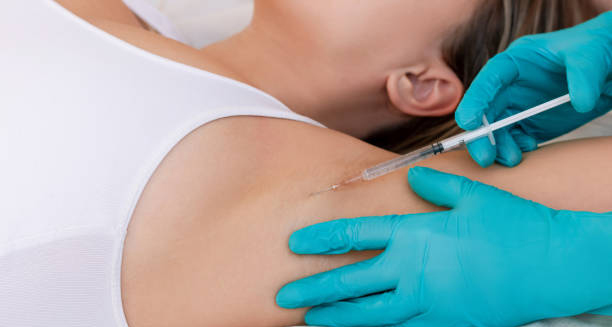
Botox injection in armpit to treat excessive sweating

Treatment of Excessive Sweating

Treatment of Excessive Sweating The treatment of excessive sweating aims to reduce sweat production, control odour, and restore confidence. Excessive sweating can often be managed successfully using topical products, medication, lifestyle changes, or advanced therapies—depending on severity and cause. First-Line Treatments For mild to moderate cases: Clinical-strength antiperspirants, containing aluminium chloride. Applied at night and washed off in the morning, these block sweat ducts. Powders, to absorb moisture and prevent fungal infections, especially for feet and underarms Loose, breathable clothing, such as cotton or moisture-wicking fabrics Socks changed frequently, ideally made of natural fibres or athletic materials Over-the-counter options may be sufficient for some, but prescription products are available for more stubborn cases. Oral Medications When topical treatment isn’t enough: Anticholinergics (e.g. oxybutynin or glycopyrrolate) – Reduce overall sweating by blocking nerve signals to sweat glands Beta-blockers or benzodiazepines – Help manage stress-induced sweating Antidepressants, if anxiety or depression is contributing Side effects can include dry mouth, blurred vision, or urinary retention—so medical supervision is important. Botulinum Toxin Injections Botox injections are highly effective for underarm, hand, and foot sweating. They work by temporarily blocking the nerves that stimulate sweat glands. Effects last 4–9 months Treatment may be repeated as needed Done in outpatient settings Botox is safe and well-tolerated but may be costly or inaccessible in some public healthcare settings. Iontophoresis A treatment where mild electrical currents pass through water to shut down sweating in hands and feet: Typically done several times per week Maintenance sessions needed Home machines are available Iontophoresis is suitable for people who sweat heavily from their palms or soles. Surgery For very severe, treatment-resistant hyperhidrosis: Endoscopic thoracic sympathectomy (ETS) – Cuts or clamps the nerves controlling sweating Highly effective but carries risks like compensatory sweating (excessive sweating in other areas) Surgery is a last resort and only done after all other options fail. Treating Secondary Causes In secondary hyperhidrosis: Treat the underlying illness (e.g., thyroid disease, infection) Adjust or stop any triggering medication Manage hormonal changes in menopause with appropriate therapy Treatment of Excessive Sweating In South Africa Access to Botox and iontophoresis is mostly limited to urban centres or private practices. Public sector patients often rely on strong antiperspirants and oral medication. Partnerships between dermatologists and primary care providers can improve care. The treatment of excessive sweating improves physical comfort, boosts confidence, and helps people re-engage socially. Early intervention leads to better outcomes. [Next: Complications of Excessive Sweating →]

Treatment of Excessive Sweating Read More »

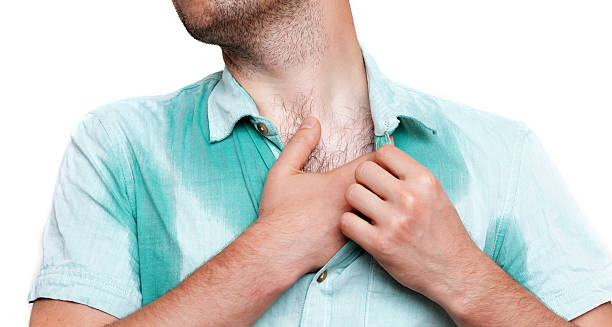
Man with sweat-soaked shirt scratching chest due to excessive sweating

Complications of Excessive Sweating

Complications of Excessive Sweating The complications of excessive sweating extend far beyond discomfort. Excessive sweating, when unmanaged, can cause physical, emotional, and social problems that affect daily life, self-esteem, and overall wellbeing. Skin and Hygiene Problems Persistent moisture leads to: Fungal infections, especially athlete’s foot and underarm candidiasis Bacterial infections, including body odour and boils Skin maceration, where the skin becomes soggy, white, and breaks easily Eczema or contact dermatitis, triggered by constant wetness or irritation from antiperspirants Blisters, calluses, and cracked heels, particularly in the feet Sweat itself is odourless, but when it mixes with bacteria, it causes strong body odour, often leading to embarrassment and social withdrawal. Emotional and Social Consequences Excessive sweating can seriously impact mental health: Anxiety, especially around handshakes, public speaking, or dating Low self-confidence, leading to withdrawal from social or professional environments Avoidance behaviour, such as choosing not to wear certain clothes or avoiding exercise Depression, particularly in people with chronic or untreated symptoms Schoolchildren may face bullying, while adults may feel judged or misunderstood. Occupational Impact Hyperhidrosis can interfere with: Manual tasks, like writing, using tools, or operating machinery Professional interactions, including interviews, presentations, or teamwork Clothing choices, as sweat patches may be visible In some industries, such as healthcare, food preparation, or beauty, visible sweating may cause stress or hygiene concerns. Sleep Disruption Night sweats linked to secondary hyperhidrosis can: Interrupt sleep, leaving people tired, irritable, and unfocused Contribute to daytime fatigue and poor concentration This is especially common in people with menopause, infections, or hormone-related conditions. Complications of Excessive Sweating In South Africa In South Africa, people with excessive sweating often suffer in silence. Lack of awareness, stigma, and poor access to specialist care mean that complications can persist for years. Many only seek help after developing infections or emotional distress. The complications of excessive sweating are avoidable. With the right treatment and support, most people can manage symptoms, reduce risks, and regain confidence in both personal and professional life. [Next: Back to Overview →]

Complications of Excessive Sweating Read More »

Woman sleeping on open books due to excessive daytime sleepiness

Excessive Daytime Sleepiness

Excessive Daytime Sleepiness Excessive daytime sleepiness is a condition in which a person feels overwhelmingly drowsy or fatigued during the day, even after what appears to be adequate nighttime sleep. This sleepiness can interfere with concentration, work performance, driving, and overall quality of life. It is not a diagnosis on its own, but rather a symptom that may indicate an underlying medical or lifestyle issue. People with this condition may unintentionally fall asleep during meetings, conversations, meals, or while watching TV. In more severe cases, they may doze off while driving or operating machinery, putting themselves and others at risk. The drowsiness may feel unrelenting, regardless of how much sleep the person gets at night. It is important to distinguish excessive sleepiness from normal tiredness. True excessive sleepiness persists for weeks or months, does not improve with rest, and often comes with other symptoms such as memory issues, mood changes, or sleep disruptions. Excessive Daytime Sleepiness In South Africa, this sleepiness is common but often overlooked. Many people blame stress, workload, or poor diet, without realising it could signal a sleep disorder or medical condition. With increased public awareness and access to sleep medicine specialists, more individuals can receive proper diagnosis and support. Understanding this sleepiness is essential to addressing its root cause and improving both mental and physical wellbeing. [Next: Causes of Excessive Daytime Sleepiness →]

Excessive Daytime Sleepiness Read More »

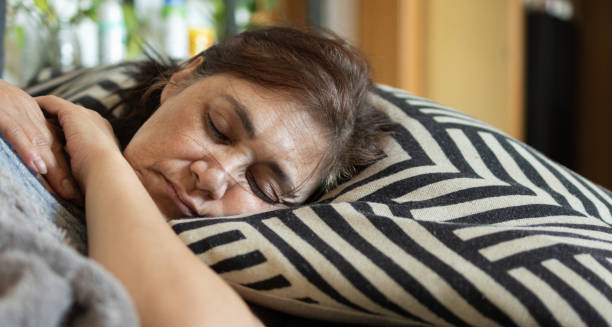
Older woman sleeping on a patterned pillow during the day

Causes of Excessive Daytime Sleepiness

Causes of Excessive Daytime Sleepiness The causes of excessive daytime sleepiness can be broadly grouped into lifestyle-related factors, sleep disorders, and medical conditions. Excessive daytime sleepiness is usually a sign that the brain is not getting enough high-quality sleep or is being affected by disrupted sleep cycles or chronic fatigue. Lifestyle and Behavioural Causes Poor sleep habits are a leading contributor: Inadequate sleep duration, often due to late nights, shift work, or busy schedules Irregular sleep patterns, especially among students or travellers Excessive screen time before bed, which suppresses melatonin production Stimulant or alcohol use, which disrupts deep sleep stages Poor diet and lack of exercise, both of which reduce sleep quality Sleep Disorders Several sleep-related conditions directly result in daytime sleepiness: Obstructive sleep apnoea (OSA) – A common condition where the airway collapses during sleep, causing repeated wake-ups and reduced oxygen supply Narcolepsy – A neurological disorder where the brain cannot regulate sleep-wake cycles properly, leading to sudden sleep attacks Restless legs syndrome (RLS) – Causes uncontrollable urges to move the legs, disturbing sleep Insomnia – Difficulty falling or staying asleep, often linked to anxiety or depression Delayed sleep phase disorder – A circadian rhythm condition where the body’s internal clock is shifted later than normal Medical Conditions Some underlying health problems cause fatigue and reduced alertness: Depression and anxiety – Common mental health conditions that alter sleep patterns Chronic fatigue syndrome – Characterised by persistent exhaustion unrelieved by rest Anaemia – Reduced oxygen-carrying capacity in the blood can lead to tiredness Thyroid disorders, especially hypothyroidism Diabetes, particularly if poorly controlled Medication side effects, including sedatives, antihistamines, or antidepressants Causes of Excessive Daytime Sleepiness In South Africa In South Africa, undiagnosed sleep apnoea is a significant contributor, especially among people with obesity or hypertension. Many patients are unaware of the condition and may be misdiagnosed with depression or burnout. Limited access to sleep studies in public hospitals adds to the underdiagnosis. Understanding the causes of excessive daytime sleepiness helps patients and healthcare providers pinpoint the issue and begin proper treatment—whether that means improving sleep hygiene, treating a sleep disorder, or managing a medical condition. [Next: Symptoms of Excessive Daytime Sleepiness →]

Causes of Excessive Daytime Sleepiness Read More »

Young woman in glasses falling asleep at a desk during the day

Symptoms of Excessive Daytime Sleepiness

Symptoms of Excessive Daytime Sleepiness The symptoms of excessive daytime sleepiness go beyond simply feeling tired. Excessive daytime sleepiness affects mental clarity, physical functioning, and emotional stability. It may also lead to unsafe behaviours if not recognised and treated appropriately. Core Symptoms Persistent sleepiness during the day, even after a full night’s rest Falling asleep unintentionally, such as while reading, watching TV, or during conversations Difficulty staying awake in passive settings, such as meetings, classrooms, or while driving Frequent yawning or eyelid heaviness Feeling unrefreshed after waking up in the morning These symptoms usually last for weeks or longer and do not resolve with more sleep alone. Cognitive and Emotional Effects Sleepiness affects brain function, leading to: Poor concentration and memory Reduced problem-solving ability Slower reaction times Irritability or mood swings Lack of motivation or feelings of apathy In children, it may mimic attention-deficit disorders or behavioural problems. Physical and Social Consequences People with excessive daytime sleepiness may also experience: Accidents and injuries, especially when driving or using machinery Decline in job or academic performance Poor social interaction, due to fatigue or mood changes Avoidance of social or physical activities Weight gain, if tiredness leads to inactivity Sleep Episodes (Microsleeps) One of the most dangerous symptoms is microsleep—a brief, involuntary sleep episode that may last just seconds. This can happen while driving or operating equipment and may go unnoticed until an error or accident occurs. Symptoms of Excessive Daytime Sleepiness In South Africa In South Africa, symptoms are often mislabelled as “laziness” or burnout. Many people delay seeking help, believing their tiredness is normal or will pass. Increasing awareness in workplaces and schools can help identify affected individuals early. Recognising the symptoms of excessive daytime sleepiness is crucial for early intervention. By paying attention to how sleepiness affects daily functioning, people can seek help and regain control of their wellbeing. [Next: Diagnosis of Excessive Daytime Sleepiness→]

Symptoms of Excessive Daytime Sleepiness Read More »

Scroll to Top