Diagnosis of Excessive Daytime Sleepiness
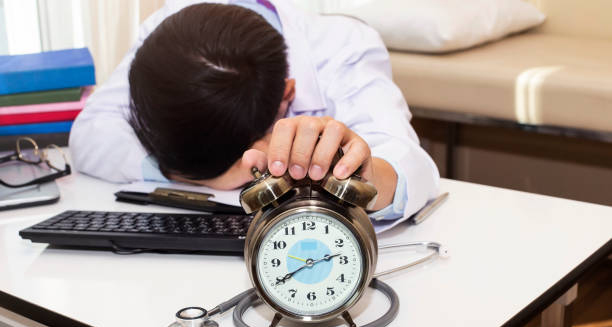
Diagnosis of Excessive Daytime Sleepiness The diagnosis of excessive daytime sleepiness requires a detailed clinical evaluation to uncover the cause of the drowsiness. Since excessive daytime sleepiness can result from sleep disorders, medical conditions, or lifestyle factors, doctors use a combination of history-taking, physical exams, and specialised tests. Medical History and Sleep Diary Doctors begin by asking: How many hours of sleep you get each night Whether you wake up feeling refreshed If you experience snoring, gasping, or leg movements during sleep When and where you feel sleepy during the day Any recent changes in weight, mood, or medication A sleep diary, kept for one to two weeks, can help track sleep duration, quality, and daytime symptoms. It may reveal patterns such as inconsistent bedtimes, frequent awakenings, or signs of sleep deprivation. Physical Examination The exam may check for: Obesity or large neck circumference (linked to sleep apnoea) Thyroid enlargement, which may suggest hypothyroidism Pale skin, indicating anaemia Signs of nasal obstruction, like enlarged tonsils or a deviated septum If sleep apnoea or other disorders are suspected, further testing is required. Screening Tools Doctors may use standard questionnaires like: Epworth Sleepiness Scale (ESS) – Rates how likely you are to fall asleep in various situations STOP-BANG questionnaire – Screens for risk of sleep apnoea High scores on these tools suggest the need for referral to a sleep specialist or for a sleep study. Sleep Studies (Polysomnography) The most definitive diagnostic test is a sleep study, which records: Brain activity Breathing rate and airflow Oxygen levels Heart rate Muscle and eye movements Sleep studies help diagnose: Obstructive sleep apnoea Narcolepsy Periodic limb movement disorder REM behaviour disorder For suspected narcolepsy, a multiple sleep latency test (MSLT) may also be done the next day to measure how quickly and often a person falls asleep during short naps. Blood Tests Doctors may also order: Full blood count (FBC) – To detect anaemia Thyroid function tests – To rule out hypothyroidism Blood glucose tests – To check for diabetes Vitamin B12 and iron levels – Deficiencies may cause fatigue Diagnosis of Excessive Daytime Sleepiness In South Africa In South Africa, sleep studies are mostly available in private centres, limiting access for many patients. As a result, many diagnoses are based on symptoms and physical findings alone. Increasing public and professional awareness can lead to earlier recognition and intervention. The diagnosis of excessive daytime sleepiness requires a holistic approach. With proper evaluation, the root cause can be identified and treated effectively. [Next: Treatment of Excessive Daytime Sleepiness →]