Mental Matters

Health Conditions

Find information on various health conditions affecting people of all ages. This category covers causes, symptoms, diagnosis, and management options for physical illnesses and chronic diseases. Get insights to help you understand different health challenges and make informed decisions about your wellbeing.

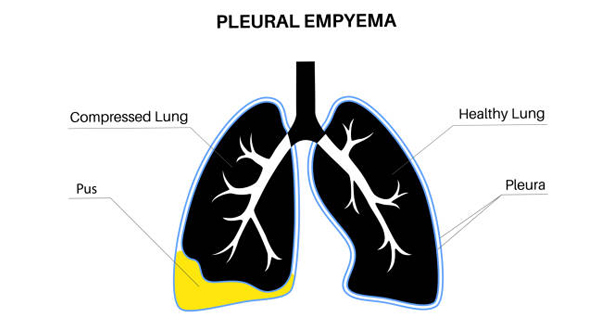
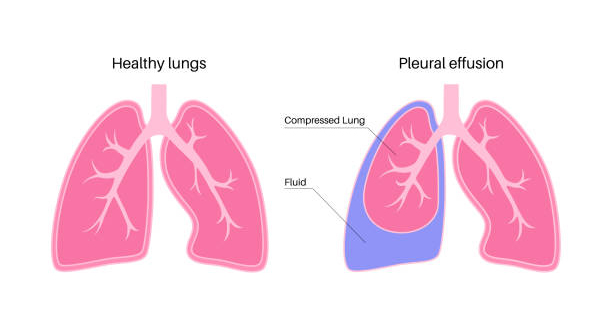
Diagram comparing healthy lungs and pleural effusion in empyema

Empyema

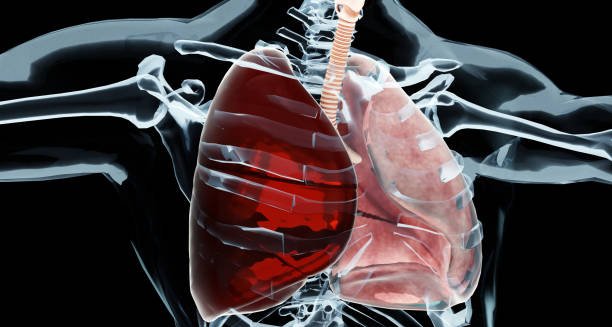
Empyema Empyema is a serious medical condition in which pus collects in the space between the lungs and the chest wall, known as the pleural cavity. This often happens as a complication of pneumonia when infection spreads from the lungs to the pleural space. This can make breathing difficult and may cause permanent lung damage if not treated promptly. The condition begins with fluid build-up in the pleural space—known as a pleural effusion. If bacteria infect that fluid, it becomes thick with pus and white blood cells, turning into empyema. This infected fluid restricts lung movement and causes inflammation, leading to chest pain, fever, and breathing difficulties. Empyema can occur at any age but is more common in: Children with underdeveloped immune systems Older adults People with weakened immunity due to HIV, diabetes, or cancer Patients recovering from chest trauma or surgery Empyema In South Africa, empyema remains a public health concern, particularly in communities with limited access to early treatment for respiratory infections. Tuberculosis (TB) is also a common cause of this condition in regions where TB rates are high. Early treatment is essential. Without it, the condition can progress, leading to lung scarring, trapped lungs, or widespread infection. Treatment often includes antibiotics and drainage of the infected fluid, and in some cases, surgery. Understanding empyema is crucial for recognising complications of chest infections and ensuring early medical care—especially in areas with high TB and pneumonia rates. [Next: Causes of Empyema →]

Empyema Read More »

Causes of Empyema

Causes of Empyema

Causes of Empyema The causes of empyema usually involve an infection that spreads into the pleural space, the thin gap between the lungs and the chest wall. Empyema develops when pus-forming bacteria invade this space, creating a thick, infected fluid that prevents the lungs from expanding properly. Common Causes of Empyema Pneumonia – The most frequent cause. Bacteria like Streptococcus pneumoniae, Staphylococcus aureus, and Klebsiella pneumoniae are often involved. Tuberculosis (TB) – In countries like South Africa, TB is a leading cause of empyema, particularly in patients with HIV or poor access to healthcare. Lung abscess – A pocket of pus in the lung may burst and leak infection into the pleural cavity. Chest trauma – Penetrating chest injuries or broken ribs can introduce bacteria into the pleural space. Surgery complications – Operations involving the lungs or heart may allow bacteria to enter and cause infection. Oesophageal rupture – Rare, but serious; it allows food and bacteria to leak into the chest cavity, causing empyema. Risk Factors Some people are more likely to develop empyema. Risk factors include: A weakened immune system (due to HIV, cancer, or long-term steroid use) Diabetes Poor nutrition Alcohol misuse Smoking or chronic lung disease (like COPD) Delayed or incomplete treatment of pneumonia Causes of Empyema In children, empyema often follows a bacterial chest infection. In South Africa, overcrowding, poor nutrition, and limited access to early antibiotics contribute to higher rates in young patients. Empyema usually develops in stages: Exudative stage – Clear fluid builds up in the pleural space. Fibrinopurulent stage – The fluid becomes cloudy and infected, forming pus. Organising stage – Scar tissue forms, trapping the lung and making breathing harder. Understanding the causes of empyema allows for early recognition and better prevention of serious complications. Treating chest infections promptly and monitoring high-risk patients are key strategies in avoiding this condition. [Next: Symptoms of Empyema →]

Causes of Empyema Read More »

Symptoms of Empyema

Symptoms of Empyema

Symptoms of Empyema The symptoms of empyema often develop after a respiratory infection like pneumonia. As the infection spreads into the pleural cavity, the build-up of pus creates pressure on the lungs, causing pain and breathing difficulty. Recognising the symptoms of empyema early can prevent serious complications and long-term lung damage. Common Symptoms Chest pain – Sharp pain that worsens with deep breathing, coughing, or movement. Often felt on one side of the chest. Shortness of breath – Caused by reduced lung expansion due to the infected fluid pressing against the lungs. Fever and chills – Indicate the body is fighting an infection. Persistent cough – May be dry or produce phlegm. Fatigue and weakness – Ongoing infection can drain energy and make daily activities difficult. Loss of appetite and weight loss – Common in longer-lasting or severe infections. Children may present differently. They may become irritable, breathe rapidly, refuse to eat, or show signs of chest retraction—where the chest appears to suck inwards with each breath. Advanced Symptoms As empyema progresses, additional signs may appear: Night sweats Thick or foul-smelling sputum Swelling or tenderness over the affected side of the chest Bluish skin (cyanosis) in severe cases where oxygen levels are low In South Africa, where TB is common, empyema may develop more slowly, with low-grade fever and gradual weight loss. This “cold empyema” is harder to detect without imaging like chest X-rays or ultrasound. Symptoms of Empyema Some patients also show signs of sepsis—a widespread body infection—which includes very high fever, confusion, rapid heartbeat, and dangerously low blood pressure. This is a medical emergency. Symptoms can vary depending on the stage of empyema and the patient’s immune status. People with chronic illness or HIV may have fewer noticeable symptoms but still suffer from significant infection. Recognising the symptoms of empyema—especially after pneumonia or TB—is critical. Prompt medical evaluation can lead to early drainage, effective antibiotic treatment, and full recovery before permanent damage occurs.[Next: Diagnosis of Empyema→]

Symptoms of Empyema Read More »

Diagnosis of Empyema

Diagnosis of Empyema

Diagnosis of Empyema The diagnosis of empyema starts with a clinical evaluation, especially in patients who have recently had pneumonia or other lung infections. Since empyema involves pus collecting in the pleural space, doctors must confirm the presence of fluid and determine whether it’s infected. Early and accurate diagnosis is key to preventing serious complications. The doctor begins by asking about symptoms such as chest pain, shortness of breath, cough, and fever. A physical examination may reveal reduced breath sounds, dullness to percussion, or decreased chest expansion on one side—all signs of fluid build-up. Imaging Tests | Diagnosis of Empyema Chest X-ray – May show pleural effusion (fluid around the lung), but not whether it’s infected. Ultrasound – Useful for detecting fluid and guiding drainage. It can differentiate between clear fluid and thick pus. CT scan – Provides a detailed view of the chest, helping identify pockets of pus, loculated fluid, or lung collapse. This is especially helpful when empyema is advanced or complex. Diagnostic Thoracentesis This is a key step. The doctor uses a needle to remove a sample of pleural fluid from the chest. The fluid is then analysed in the lab for: Appearance – cloudy or foul-smelling fluid suggests empyema Cell count – high white blood cells indicate infection Protein and glucose levels – help distinguish between types of effusions Culture – to identify the bacteria responsible, allowing targeted antibiotic treatment In TB-endemic areas like South Africa, fluid may also be tested for Mycobacterium tuberculosis using specialised tests like GeneXpert or TB culture. Diagnosis of Empyema If empyema is suspected in a child, imaging and thoracentesis are often done at the same time, under sedation or anaesthesia. In South Africa, delays in diagnosis are often due to limited access to imaging or specialist care in rural settings. Mobile X-ray units and ultrasound machines in clinics are helping to bridge this gap. The diagnosis of empyema involves combining clinical signs, imaging, and fluid analysis. Once confirmed, treatment can begin immediately—reducing the risk of long-term lung damage and life-threatening complications. [Next: Treatment of Empyema →]

Diagnosis of Empyema Read More »

Treatment of Empyema

Treatment of Empyema

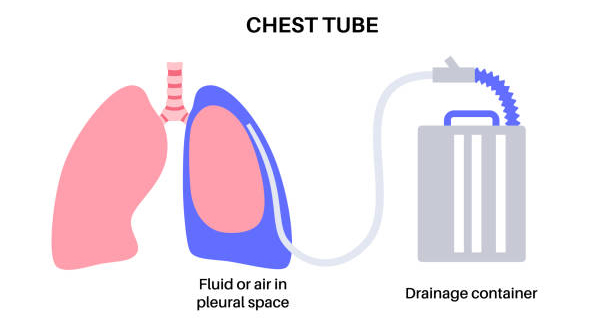
Treatment of Empyema The treatment of empyema focuses on removing the infected fluid, eliminating the infection, and restoring lung function. Since empyema can become life-threatening if untreated, early intervention is essential. Treatment varies depending on the stage and severity of the condition. Antibiotics Doctors immediately start broad-spectrum intravenous antibiotics to fight the infection. Once lab results identify the specific bacteria, doctors adjust the antibiotics accordingly. In TB-related empyema, doctors prescribe a full course of anti-tuberculosis medication, typically lasting six to nine months. Common antibiotics used for bacterial empyema include: Ceftriaxone or piperacillin-tazobactam Clindamycin or metronidazole (for anaerobic bacteria) Vancomycin (if MRSA is suspected) Patients often remain on IV antibiotics for several days, followed by oral antibiotics for 2–4 weeks. Drainage Doctors must remove the infected fluid to allow the lung to re-expand. This is done using: Chest tube insertion (intercostal drain) – Doctors insert a flexible tube into the chest to drain pus. Doctors often use ultrasound to guide the procedure. Image-guided drainage – In some cases, CT or ultrasound helps place the drain in the best location. Intrapleural fibrinolytics – Doctors may use medications like alteplase and DNase through the drain to break up thick pus and improve drainage. Surgery | Treatment of Empyema If drainage and antibiotics do not improve empyema, doctors may need to perform surgery: Video-assisted thoracoscopic surgery (VATS) – Minimally invasive; used to break up loculated pus and remove infected tissue Open thoracotomy – In severe cases, especially with organised empyema and lung entrapment, surgeons perform full chest surgery Children usually respond well to antibiotics and chest tube drainage. Surgery is less often required in paediatric cases unless there is extensive loculation or no improvement. In South Africa, treatment access may vary. Urban hospitals typically offer surgical options and intensive care, while rural clinics may rely on antibiotics and basic drainage. Outreach programmes and hospital referrals help ensure continuity of care. The treatment of empyema requires a team effort—combining infection control, fluid removal, and lung rehabilitation. When addressed early, most patients recover well without long-term issues. [Next: Complications of Empyema →]

Treatment of Empyema Read More »

Complications of Empyema

Complications of Empyema

Complications of Empyema The complications of empyema can be severe if the condition is not recognised and treated early. Because empyema causes infected pus to build up in the chest cavity, it can lead to long-term lung damage, infection spread, and even death in serious cases. Lung-Related Complications Trapped lung – Pus and inflammation can scar the pleura (lung lining), causing the lung to stick and collapse. The lung cannot re-expand fully, resulting in long-term shortness of breath. Fibrothorax – A thick fibrous layer forms around the lung, limiting its movement permanently. Bronchopleural fistula – An abnormal connection between the lung and pleural space can form, leading to continuous air leakage and prolonged recovery. Chronic empyema – If not fully drained, the infection may become long-standing and more difficult to treat. Infection Spread Empyema can lead to systemic infection (sepsis), a life-threatening condition in which bacteria spread through the bloodstream. Signs include high fever, rapid heart rate, low blood pressure, confusion, and organ failure. This is a medical emergency requiring intensive care. Respiratory Failure Severe cases can lead to reduced oxygen levels and the need for mechanical ventilation. This is especially dangerous in the elderly or people with pre-existing lung disease. Recurrent Infections Patients who recover from empyema may still be at risk for recurrent pneumonia or pleural effusions. Preventative care, such as vaccines for pneumococcus and influenza, is highly recommended after recovery. In Children In children, long-term complications are rare if empyema is treated promptly. However, delayed treatment may lead to growth delays, reduced lung function, or chronic respiratory problems. Complications of Empyema In South Africa In TB-endemic areas, empyema may occur alongside drug-resistant tuberculosis, complicating treatment and increasing the risk of chronic illness. Delays in accessing surgical care in rural provinces can worsen outcomes. Strengthening referral pathways and early chest X-rays are key in avoiding advanced complications. With the right care, many complications are preventable. Chest physiotherapy, good nutrition, and follow-up imaging help ensure the lung heals fully. Education on early symptoms of pneumonia or TB also plays a role in preventing empyema in the first place. Understanding the complications of empyema highlights the importance of early diagnosis, complete treatment, and post-recovery care. With timely intervention, most patients can make a full and lasting recovery. [Next: Back to Overview →]

Complications of Empyema Read More »

Ejaculation Problems

Ejaculation Problems

Ejaculation Problems Ejaculation problems are common sexual health concerns affecting men of all ages. These issues involve difficulties with the timing, control, or experience of ejaculation. Ejaculation problems can affect relationships, self-esteem, and overall quality of life, and may also signal underlying medical or psychological conditions. There are several types of ejaculation issues: Premature ejaculation – when ejaculation happens too quickly, often within a minute of penetration Delayed ejaculation – when ejaculation takes an unusually long time or doesn’t happen at all Retrograde ejaculation – when semen travels backwards into the bladder instead of out through the penis Painful ejaculation – when ejaculation causes physical discomfort or burning sensation Anejaculation – the complete absence of ejaculation despite orgasm These problems can occur occasionally or become ongoing. Many men experience temporary issues due to stress, fatigue, or relationship problems. However, when the problem is persistent, it may require medical or psychological attention. Ejaculation Problems In South Africa, stigma around men’s sexual health can lead to silence and untreated symptoms. Cultural expectations around masculinity often prevent open discussion, which may delay diagnosis and support. Encouraging honest conversations between patients and doctors is the first step in effective treatment. Ejaculation is a complex process involving the brain, hormones, nerves, muscles, and the reproductive system. A disruption in any of these areas can lead to dysfunction. While not life-threatening, ejaculation disorders can cause emotional distress and affect fertility, especially in men trying to conceive. Understanding ejaculation problems allows men to seek appropriate care and make informed decisions about their sexual health. These issues are more common than many realise—and most are treatable with the right support. [Next: Causes of Ejaculation Problems →]

Ejaculation Problems Read More »

Causes of Ejaculation Problems

Causes of Ejaculation Problems

Causes of Ejaculation Problems The causes of ejaculation problems are varied and often depend on the type of issue. Ejaculation problems may result from physical conditions, psychological factors, lifestyle habits, or side effects of medication. Identifying the underlying cause is essential for choosing the right treatment. Physical Causes Many ejaculation problems are linked to physical health. These include: Prostate conditions, such as infection (prostatitis), enlargement, or surgery Diabetes, which can damage the nerves involved in sexual function Multiple sclerosis, spinal cord injuries, or other neurological disorders Hormonal imbalances, such as low testosterone levels Bladder or pelvic surgery, which may interfere with ejaculation pathways Side effects of medication, particularly antidepressants (SSRIs), blood pressure drugs, and certain sedatives Retrograde ejaculation is often caused by prostate or bladder surgery, especially after procedures like transurethral resection of the prostate (TURP). In this condition, semen flows backwards into the bladder rather than exiting the penis. Delayed ejaculation or anejaculation may result from nerve damage, medication use, or hormonal problems. Painful ejaculation is typically linked to infections, inflammation, or physical injury. Psychological Causes Mental and emotional factors play a major role in ejaculation problems. These may include: Performance anxiety Relationship issues or lack of emotional connection Depression or stress History of trauma or abuse Religious or cultural shame around sexuality Premature ejaculation is often linked to anxiety and overstimulation. In some cases, men develop habits during adolescence (such as rushing masturbation) that affect control during partnered sex later in life. Lifestyle Factors | Causes of Ejaculation Problems Certain behaviours and choices can increase the risk of ejaculation issues: Excessive alcohol or drug use Smoking, which affects blood flow and nerve sensitivity Lack of sleep or poor physical health Overuse of pornography or unrealistic sexual expectations Causes of Ejaculation Problems In South Africa, social pressures, relationship stress, or financial hardship may worsen these issues. Men often delay seeking help due to embarrassment or fear of judgement. However, many causes are treatable or reversible. Identifying the causes of ejaculation problems is the first step toward recovery. With open communication and proper support, most men can resolve these challenges and enjoy healthy sexual relationships. [Next: Symptoms of Ejaculation Problems →]

Causes of Ejaculation Problems Read More »

Symptoms of Ejaculation Problems

Symptoms of Ejaculation Problems

Symptoms of Ejaculation Problems The symptoms of ejaculation problems vary depending on the type of issue, but they all involve some form of disruption to the normal ejaculation process. Recognising the symptoms of ejaculation problems early can lead to better outcomes and reduce long-term emotional and relationship strain. Premature Ejaculation This is one of the most common types. Symptoms include: Ejaculation that happens within one minute of penetration Inability to delay ejaculation during most sexual encounters Distress, frustration, or relationship difficulties due to lack of control Some men may also avoid intimacy due to embarrassment or anxiety, worsening the issue over time. Delayed Ejaculation This occurs when ejaculation takes much longer than desired. Symptoms include: Persistent difficulty reaching climax during intercourse Needing extended manual or oral stimulation to ejaculate Sometimes being unable to ejaculate at all, despite strong arousal Delayed ejaculation can cause frustration for both partners and may be mistaken for disinterest or lack of attraction. Retrograde Ejaculation This type may not show obvious symptoms. Key signs include: “Dry orgasm,” where little or no semen is released Cloudy urine after orgasm, indicating semen has entered the bladder Reduced fertility despite normal sexual function Retrograde ejaculation does not typically affect sexual pleasure but can make it difficult to conceive. Anejaculation | Symptoms of Ejaculation Problems Men with this condition reach orgasm but release no semen. Symptoms include: Complete lack of ejaculation despite normal sensation Reduced pressure or volume during orgasm Associated fertility concerns It can be caused by nerve damage, medication, or psychological factors. Painful Ejaculation This condition can cause sharp, burning, or aching pain during or after ejaculation. Symptoms may include: Pain in the penis, testicles, or pelvic area Discomfort during urination following orgasm Blood in the semen (less common but serious) This symptom often points to infection, inflammation, or injury and should not be ignored. In South Africa, men may hesitate to report symptoms due to stigma, cultural expectations, or limited access to men’s health clinics. But ignoring the problem only makes it worse—many ejaculation problems are treatable, and early intervention offers the best chance of success. Recognising the symptoms of ejaculation problems allows men to take charge of their health, improve relationships, and restore sexual confidence with the right treatment. [Next: Diagnosis of Ejaculation Problems→]

Symptoms of Ejaculation Problems Read More »

Diagnosis of Ejaculation Problems

Diagnosis of Ejaculation Problems

Diagnosis of Ejaculation Problems The diagnosis of ejaculation problems begins with a detailed medical and sexual history. Because ejaculation problems can result from physical, emotional, or lifestyle factors, diagnosis must take a holistic approach. Open communication with a doctor or sexual health specialist is crucial for identifying the type of problem and its root cause. A doctor will first ask questions about: When the problem began How often it occurs Whether it happens with all partners or only in specific situations Associated symptoms, such as pain, anxiety, or erectile difficulties General health conditions, medications, and lifestyle habits This helps determine whether the issue is temporary, situational, or ongoing. Psychological causes are more likely if the problem occurs only in certain contexts or during performance pressure. Physical causes are suspected when symptoms are consistent and long-term. Diagnosis of Ejaculation Problems The next step is a physical examination, especially of the genitals and prostate. If infection, scarring, or structural problems are suspected, a urologist may be involved. The doctor may also test for signs of: Prostatitis Testicular abnormalities Nerve damage Signs of hormonal imbalance Urine tests and semen analysis may be performed to check for infections or retrograde ejaculation. In cases where semen enters the bladder, post-ejaculation urine will contain sperm. Hormonal blood tests may also be ordered to check testosterone and prolactin levels. If delayed ejaculation or low libido is present, hormonal issues may play a role. If medication side effects are suspected, the doctor may suggest switching to alternatives—especially with antidepressants or blood pressure drugs known to cause sexual side effects. Diagnosis of Ejaculation Problems In more complex cases, psychosexual counselling or referral to a specialist may be required. This is especially true for problems linked to anxiety, past trauma, or relationship stress. In South Africa, public clinics may have limited mental health support for men, but private therapists and NGOs are increasingly offering targeted services. Sometimes, the diagnosis process itself is therapeutic. Many men feel relief after discussing symptoms with a professional and realising they are not alone. The diagnosis of ejaculation problems is often straightforward with the right information. Honest, judgment-free discussion helps healthcare professionals provide effective, personalised care to resolve the issue and restore confidence. [Next: Treatment of Ejaculation Problems →]

Diagnosis of Ejaculation Problems Read More »

Scroll to Top