Mental Matters

Health Conditions

Find information on various health conditions affecting people of all ages. This category covers causes, symptoms, diagnosis, and management options for physical illnesses and chronic diseases. Get insights to help you understand different health challenges and make informed decisions about your wellbeing.

Treatment of Ebola Virus Disease

Treatment of Ebola Virus Disease

Treatment of Ebola Virus Disease The treatment of Ebola virus disease focuses on supportive care to maintain the patient’s vital functions while the body fights the virus. Although Ebola virus disease has no guaranteed cure, early intervention significantly improves survival chances. Treatment must begin as soon as the diagnosis is confirmed or strongly suspected. Supportive care includes: Rehydration with oral or intravenous fluids to combat dehydration from vomiting and diarrhoea Electrolyte replacement to maintain balance and prevent organ failure Oxygen therapy for patients with breathing difficulty Blood pressure support to prevent or treat shock Pain and fever control with appropriate medications Antibiotics or antifungals, if secondary infections are present Nutritional support is also essential, as patients are often too weak to eat or drink. In severely ill individuals, intensive care with close monitoring may be necessary. Recent outbreaks have led to major improvements in treatment options. Two promising experimental therapies, Inmazeb and Ebanga, have been approved for use. These monoclonal antibody drugs work by helping the immune system neutralise the virus. They must be given early in the infection to be most effective. Additionally, Ebola vaccines—such as Ervebo—have played a critical role in outbreak control. While not a treatment, vaccination reduces the risk of spread among frontline workers and contacts of infected individuals. Ring vaccination strategies, where contacts and contacts-of-contacts are vaccinated, have proven effective in halting transmission. Treatment of Ebola Virus Disease In South Africa, treatment facilities are prepared for isolation and supportive care, but full treatment of Ebola—including experimental drugs—is usually coordinated with international health partners like the WHO. Any suspected cases would trigger a national response, including specialised transport and treatment in designated centres. Community education and trust are also vital components of care. In past outbreaks, mistrust of healthcare workers, fear of hospitals, and misinformation have made treatment difficult. Public awareness campaigns, partnerships with local leaders, and culturally sensitive communication improve cooperation and outcomes. Although Ebola remains a dangerous illness, survival rates have improved dramatically when patients receive proper care early. The treatment of Ebola virus disease has advanced, offering hope not only for individual recovery but also for regional preparedness and resilience. [Next: Complications of Ebola Virus Disease →]


Treatment of Ebola Virus Disease Read More »

Medical team in hazmat suits treating a patient in quarantine due to Ebola complications.

Complications of Ebola Virus Disease

Complications of Ebola Virus Disease The complications of Ebola virus disease can be devastating and long-lasting, even for those who survive the initial infection. While some patients recover fully, many experience lingering physical and psychological effects. The severity of Ebola virus disease means that complications often begin during the acute illness and may persist for months or years afterward. During the acute phase, common complications include: Severe dehydration, which can lead to kidney failure Internal and external bleeding, increasing the risk of haemorrhagic shock Sepsis, a life-threatening immune response to infection Multi-organ failure, particularly affecting the liver, kidneys, and heart Respiratory distress, due to inflammation or fluid overload Secondary infections, like pneumonia or bloodstream infections These complications often result from the virus’s impact on the immune system and vascular system. Patients may rapidly deteriorate without intensive care. Even with the best medical support, the mortality rate remains high in some outbreaks. For those who survive, post-Ebola syndrome is a recognised condition. This includes a range of physical and mental health problems, such as: Chronic fatigue Muscle and joint pain Blurred vision or eye inflammation, which can lead to blindness if untreated Hearing loss Memory loss and difficulty concentrating Depression, anxiety, or post-traumatic stress disorder (PTSD) In many survivors, the virus lingers in areas like the eyes, central nervous system, and reproductive organs. Ebola has been detected in semen months after recovery, raising concerns about sexual transmission and necessitating prolonged monitoring and guidance. Social complications are also serious. Survivors may face stigma, rejection, or isolation from their communities, even after they are no longer infectious. Some lose their jobs or homes during illness, and many grieve the loss of family members. These social effects can delay full recovery and contribute to long-term mental health issues. Complications of Ebola Virus Disease In South Africa and other countries, planning for Ebola-related complications includes not only clinical care but also psychosocial support. Mental health services, reintegration programmes, and access to rehabilitation are important to help survivors rebuild their lives. Healthcare workers are also at high risk for long-term effects. Those infected while caring for others often carry physical and emotional scars, and support for their recovery is essential for rebuilding trust and capacity in the health system. Preventing the complications of Ebola virus disease starts with early detection, immediate care, and long-term follow-up. Survivors deserve comprehensive support—not just to heal, but to thrive after surviving one of the world’s most feared viral diseases. [Next: Back to Overview →]

Complications of Ebola Virus Disease Read More »

Woman looking at broccoli on a plate, showing signs of an eating disorder

Eating Disorders

Eating Disorders Eating disorders are serious mental health conditions that involve unhealthy and extreme eating behaviours. These behaviours often revolve around food, body weight, and body image. This disorder can affect anyone, regardless of age, gender, race, or background, and they frequently have both physical and psychological consequences. The most well-known types include anorexia nervosa, bulimia nervosa, and binge-eating disorder. Each has distinct symptoms but all involve a harmful relationship with food. People with thisdisorders often experience deep emotional distress, guilt, or shame around ingesting, even if outwardly they appear to be coping. These disorders are not about vanity or a simple desire to be thin. They are complex mental health conditions rooted in emotional, psychological, and often social issues. Genetics, trauma, bullying, perfectionism, and media pressure can all contribute to the development of disordered eating habits. In South Africa, these disorders are increasingly recognised as a public health concern, particularly among teenagers and young adults. Social media, unrealistic beauty standards, and the stigma around mental illness often make it harder for people to seek help. In both urban and rural settings, these disorders can go undiagnosed due to lack of awareness or access to mental health services. Eating Disorders Early signs may include skipping meals, excessive exercising, frequent dieting, or becoming overly preoccupied with weight. Over time, the physical effects may become more obvious—such as dramatic weight changes, digestive issues, fatigue, or even heart problems. This disorder can be life-threatening if left untreated. But with the right support—through therapy, medical care, and family involvement—recovery is possible. The sooner the disorder is recognised, the better the chances of full recovery. Understanding eating disorders is the first step toward creating compassionate, supportive environments where people feel safe to seek help and rebuild their relationship with food and their bodies. [Next: Causes of Eating Disorders →]

Eating Disorders Read More »

Woman sitting distressed near a weighing scale, symbolising psychological causes of eating disorders

Causes of Eating Disorders

Causes of Eating Disorders The causes of eating disorders are complex and usually involve a combination of psychological, biological, and environmental factors. While each person’s experience is unique, certain patterns often emerge. Understanding the causes of eating disorders is vital for prevention, early intervention, and effective treatment. One of the most significant psychological contributors is low self-esteem. Many individuals who develop eating disorders struggle with feelings of inadequacy, perfectionism, or a strong need for control. They may believe that controlling their food intake or body shape is the only way to feel valued or accepted. Trauma is another major factor. People who have experienced emotional, physical, or sexual abuse are at greater risk. In such cases, disordered eating may become a coping mechanism—a way to manage painful emotions or reclaim control over the body. Biological factors also play a role. Research shows that eating disorders may run in families, suggesting a genetic component. Chemical imbalances in the brain, particularly involving serotonin and dopamine, are thought to affect mood, appetite, and impulse control—all of which influence eating behaviours. Cultural and environmental pressures contribute significantly. In today’s world, where thinness is often equated with beauty and success, people—especially young women—may feel pressured to conform to unrealistic body ideals. Constant exposure to filtered images, diet culture, and social comparison fuels body dissatisfaction and unhealthy behaviours. Peer pressure and bullying, especially about weight or appearance, can also trigger disordered eating. Adolescents are particularly vulnerable, as their self-image is still forming. In boys, eating disorders may be linked to muscle dysmorphia—an obsession with gaining muscle mass rather than becoming thinner. In South Africa, cultural dynamics vary, but modern beauty standards have become increasingly influential across different communities. Many South Africans report struggling with body image due to social media, weight stigma, or conflicting cultural messages around body size. Causes of Eating Disorders Family environment matters too. Households where weight is frequently discussed, dieting is common, or emotional expression is discouraged may unknowingly contribute to disordered eating patterns. Parents with eating disorders may also model unhealthy behaviours that children then adopt. Academic or career stress can be another trigger, particularly in high-achieving individuals. Food may become one of the few areas they feel they can control. Over time, rigid behaviours around food can escalate into a full-blown disorder. Understanding the causes of eating disorders helps break the myth that they’re simply about food. They are, at their core, emotional conditions requiring empathy, psychological support, and a holistic approach to healing. [Next: Symptoms of Eating Disorders →]

Causes of Eating Disorders Read More »

Teenager in bathroom showing distress, a possible sign of eating disorders

Symptoms of Eating Disorders

Symptoms of Eating Disorders The symptoms of eating disorders vary depending on the type and severity of the condition. However, there are common warning signs that may signal disordered eating. Identifying these early can help prevent serious physical and psychological complications. The symptoms may be subtle at first, but over time they can affect nearly every aspect of a person’s life. In anorexia nervosa, one of the most recognisable signs is significant weight loss or being underweight for one’s age and height. People with anorexia often restrict calories, avoid entire food groups, or develop rituals around food—such as cutting it into tiny pieces or eating very slowly. They may exercise excessively, fear gaining weight, and deny that they are thin. In contrast, bulimia nervosa is marked by cycles of bingeing and purging. During a binge, a person eats large amounts of food in a short time, often feeling out of control. This is followed by purging—through vomiting, using laxatives, fasting, or over-exercising—to compensate for the calories consumed. People with bulimia may maintain a normal weight, making the disorder harder to detect. Binge-eating disorder involves frequent episodes of eating large quantities of food without purging. It is often accompanied by feelings of shame, guilt, or depression. People may eat in secret and feel powerless to stop, even when uncomfortably full. Other symptoms of eating disorders can include: Obsession with weight, calories, or dieting Avoiding meals or eating in secret Mood swings, irritability, or social withdrawal Physical signs like hair loss, dry skin, or irregular menstruation Digestive issues such as constipation or bloating Fatigue, dizziness, or fainting Cold intolerance, due to poor circulation Calluses on knuckles from induced vomiting (in bulimia) In men and boys, symptoms may include an intense focus on muscle mass, protein intake, and workout routines. They may also engage in disordered eating to achieve a specific physique, often driven by social or athletic pressure. Symptoms of Eating Disorders In South Africa, many symptoms of eating disorders go unnoticed, especially in communities where awareness is low. Cultural stigma around mental illness and body image can prevent people from speaking up or seeking help. Additionally, underweight individuals may be praised for being “disciplined,” further complicating early detection. Eating disorders can affect people of any body size. It’s a myth that you must be underweight to have one. Even those with a normal or higher body weight can suffer from serious emotional and physical consequences. Recognising the symptoms of eating disorders early makes a huge difference. With timely support, individuals can begin the journey toward recovery and build a healthier relationship with food, their bodies, and themselves. [Next: Diagnosis of Eating Disorders→]

Symptoms of Eating Disorders Read More »

Diagnosis of Eating Disorders

Diagnosis of Eating Disorders

Diagnosis of Eating Disorders The diagnosis of eating disorders requires a careful and sensitive approach. Since eating disorders involve both physical and emotional components, diagnosis is typically made through a combination of medical evaluation, psychological assessment, and observation of eating behaviours. Early diagnosis improves the chances of successful treatment and recovery. Doctors usually begin by asking detailed questions about eating habits, weight history, body image, and exercise routines. Patients may be reluctant to disclose certain behaviours due to guilt, denial, or shame, so it’s important for healthcare providers to create a non-judgemental and supportive environment. A physical examination is often the first step. Doctors look for signs such as low weight, irregular heart rate, dry skin, brittle nails, or swelling in the face or hands. Blood pressure, temperature, and hydration levels may also be assessed. Blood tests can help check for anaemia, electrolyte imbalances, or liver and kidney function issues—all of which are common in individuals with long-standing eating disorders. In cases of suspected anorexia nervosa, doctors check for extremely low body mass index (BMI), delayed puberty, or menstrual irregularities. For bulimia nervosa, physical signs such as dental erosion, sore throat, and gastrointestinal issues may be present due to repeated vomiting or laxative use. In binge-eating disorder, rapid weight gain and high cholesterol or blood sugar levels might alert the doctor to underlying patterns. Psychological assessments are also essential. A mental health professional may use structured interviews or questionnaires like the Eating Disorder Examination Questionnaire (EDE-Q) or the SCOFF screening tool to identify disordered thinking, body image concerns, and unhealthy behaviours related to food. Family members or caregivers can provide valuable insight, especially if the individual is a child or adolescent. Observing food rituals, secretive eating, or extreme focus on weight may prompt a referral for specialist care. Diagnosis of Eating Disorders In South Africa, access to formal diagnosis may vary depending on location and healthcare resources. In rural areas or low-income communities, eating disorders may be misdiagnosed as simple weight loss or stress-related issues. Language barriers and stigma may further delay proper assessment. It’s important to rule out other conditions that could mimic symptoms of eating disorders, such as thyroid disease, diabetes, depression, or gastrointestinal disorders. A holistic view ensures that nothing is overlooked and treatment is appropriately tailored. Accurate diagnosis of eating disorders enables timely intervention. It also validates the person’s struggle and opens the door to therapeutic support. Without a diagnosis, many individuals suffer in silence—convinced they are simply weak or out of control—when in fact they are battling a real, serious condition. [Next: Treatment of Eating Disorders →]

Diagnosis of Eating Disorders Read More »

Illustration of mental health professionals and individuals addressing unhealthy eating habits

Treatment of Eating Disorders

Treatment of Eating Disorders The treatment of eating disorders is a multidisciplinary process that addresses both the physical and psychological aspects of the condition. Since eating disorders are complex and often long-standing, treatment must be tailored to the individual’s needs and circumstances. Recovery is possible, but it takes time, commitment, and professional support. The first goal of treatment is to stabilise the person’s physical health. In severe cases, this may involve hospitalisation or inpatient care—particularly if the individual is dangerously underweight, dehydrated, or at risk of heart failure. Medical monitoring ensures safe refeeding, fluid balance, and correction of electrolyte imbalances. For those not requiring hospitalisation, outpatient treatment is usually provided by a team that may include a doctor, psychologist or psychiatrist, dietitian, and support worker. This team collaborates to develop a comprehensive plan addressing nutrition, mental health, and behaviour. Psychotherapy is a key component. Cognitive behavioural therapy (CBT) is considered the gold standard, particularly for bulimia and binge-eating disorder. It helps individuals recognise and change negative thought patterns, challenge distorted beliefs about food and body image, and develop healthier coping strategies. For anorexia nervosa, family-based therapy (FBT) is often effective in adolescents. This approach involves parents actively supporting their child’s nutrition and recovery while gradually returning control to the young person. Group therapy, mindfulness practices, and art therapy can also be beneficial in creating a sense of connection and emotional expression. Nutritional counselling is essential. A registered dietitian educates the person about balanced eating, portion sizes, and hunger cues. This helps restore trust in food and the body. Gradually, the individual learns to nourish themselves without fear, guilt, or obsession. In some cases, medication may be prescribed. Antidepressants like selective serotonin reuptake inhibitors (SSRIs) can help treat underlying depression or anxiety, especially in bulimia or binge-eating disorder. However, medication alone is not a cure—it is most effective when combined with therapy. Treatment of Eating Disorders In South Africa, access to specialised eating disorder treatment varies widely. While private clinics offer comprehensive services in major cities, public healthcare settings often lack dedicated programmes. This can make long-term support difficult for many people, particularly in rural or under-resourced areas. Community-based organisations and online resources are filling some of these gaps. Recovery also depends on emotional support from family and friends. Eating disorders thrive in secrecy, so building open, compassionate communication is crucial. Loved ones should avoid making comments about weight or appearance and instead focus on well-being and progress. The treatment of eating disorders is not a one-size-fits-all solution. It requires persistence, flexibility, and a strong support system. With proper care, individuals can rebuild a healthy relationship with food, rediscover self-worth, and reclaim control of their lives. [Next: Complications of Eating Disorders →]

Treatment of Eating Disorders Read More »

Thin person standing on scale with distorted reflection in mirror

Complications of Eating Disorders

Complications of Eating Disorders The complications of eating disorders can be severe and, in some cases, life-threatening. Because eating disorders affect nearly every system in the body, the longer they go untreated, the greater the risk of long-term damage. Physical, emotional, and social complications are all common—and recovery becomes more difficult when these issues are ignored. One of the most serious complications is malnutrition. In anorexia nervosa, prolonged calorie restriction leads to extreme weakness, fatigue, anaemia, and organ damage. The body begins to break down muscle—including the heart—to maintain energy. This can result in slow heart rate, low blood pressure, and risk of heart failure. Electrolyte imbalances are also common, especially in bulimia nervosa due to vomiting or laxative use. Low potassium and sodium levels can trigger irregular heart rhythms or seizures. In extreme cases, sudden cardiac arrest may occur. Digestive problems are frequent. Constipation, bloating, acid reflux, and slowed digestion can all stem from disordered eating. Chronic vomiting damages the oesophagus and teeth. In binge-eating disorder, excess food intake may cause stomach pain, gallstones, or type 2 diabetes over time. Bone density loss is a major concern. Low oestrogen levels, especially in people with anorexia, can lead to osteoporosis or osteopenia—even in teenagers. This raises the risk of fractures and long-term mobility issues. Fertility Fertility may be affected as well. Women with eating disorders often have irregular or absent periods due to hormone disruption. In men, low testosterone can affect libido and sperm production. Without treatment, these hormonal changes may become permanent. Mental health complications are just as important. Depression, anxiety, obsessive-compulsive behaviours, and self-harm are common in people with eating disorders. In some cases, suicidal thoughts or actions may occur—especially if the person feels trapped or hopeless about recovery. Social isolation is another complication. Eating disorders often lead to withdrawal from friends, school, work, or family. Fear of eating in public, guilt, or body shame can prevent people from participating in daily life. In South Africa, delayed diagnosis and stigma can increase the likelihood of complications. Many people seek help only when symptoms become unmanageable. Public awareness campaigns and better access to mental health services are urgently needed to prevent long-term harm. Complications of Eating Disorders Dental problems, weakened immune function, hair loss, and temperature sensitivity are additional signs that the body is under stress. In severe cases, the immune system weakens, making the person more vulnerable to infections. The good news is that many of these complications are reversible with early intervention. Physical health can improve once nutritional balance is restored, and psychological symptoms can be managed through therapy. Addressing the complications of eating disorders means treating the whole person—not just the behaviours. Medical care, counselling, and social support all play a role in full recovery. The earlier treatment begins, the better the outcome and the lower the risk of lasting damage. [Next: Back to Overview →]

Complications of Eating Disorders Read More »

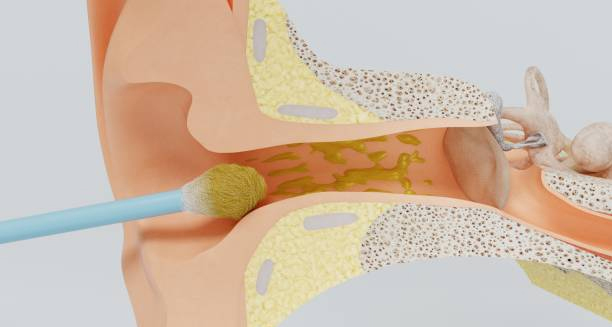
3D illustration of cotton bud pushing earwax deeper into the ear canal

Earwax Build-up

Earwax Build-up Earwax build-up is a common condition that occurs when cerumen (earwax) accumulates in the ear canal and hardens over time. Although earwax plays a protective role by trapping dust, bacteria, and debris, too much can lead to blockages. Earwax build-up can cause discomfort, hearing loss, and even infection if not addressed correctly. The ear is usually self-cleaning. Movement of the jaw through talking or chewing helps push wax out of the canal naturally. However, in some cases, the wax becomes impacted—meaning it hardens and cannot exit on its own. This is often caused by using cotton buds, which push the wax deeper into the ear. Symptoms of build-up include a sensation of fullness in the ear, muffled hearing, itchiness, dizziness, or even ringing in the ear (tinnitus). Some people may also experience earache or discharge. In children, it may present as difficulty hearing or irritability. Earwax build-up is more common in people who: Use hearing aids or earplugs frequently Have narrow or curved ear canals Produce naturally dry or hard wax Clean their ears aggressively Are elderly, as wax production can change with age Earwax Build-up In South Africa, many people still rely on traditional or unsafe methods to remove earwax—such as inserting matchsticks, feathers, or cotton buds. These habits increase the risk of pushing wax further in, damaging the eardrum, or causing infection. Public education around ear health remains vital. While minor wax build-up may not cause symptoms, more severe cases can interfere with daily life. It’s important to recognise the signs early and seek safe, appropriate treatment. Avoiding home remedies that involve inserting objects into the ear is the first step in preventing further complications. Understanding earwax build-up and how to manage it correctly can help protect hearing, reduce discomfort, and prevent unnecessary medical issues. [Next: Causes of Earwax Build-up →]

Earwax Build-up Read More »

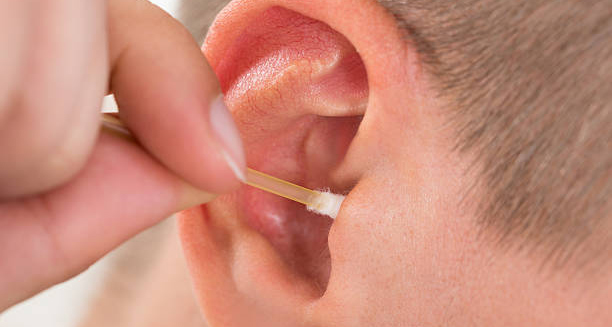
Person using a cotton swab to clean their ear canal

Causes of Earwax Build-up

Causes of Earwax Build-up The causes of earwax build-up often involve interference with the ear’s natural cleaning mechanism. In a healthy ear, wax gradually moves from the inner canal to the outer ear, where it dries and falls out. When this process is disrupted, earwax build-up can occur, leading to discomfort and hearing problems. One of the most common causes is the use of cotton buds. Instead of removing wax, they usually push it further down the canal. This compresses the wax, making it harder and more likely to become impacted. Unfortunately, this habit is widespread in both developed and developing countries, despite health professionals warning against it. People who use hearing aids, in-ear headphones, or earplugs frequently are also at higher risk. These devices can block the natural movement of wax and cause it to accumulate. The same applies to people who wear protective headgear that covers the ears for long periods. Certain anatomical features can contribute as well. People with narrow or unusually shaped ear canals may struggle to expel wax naturally. Excess hair in the ear canal or skin conditions such as eczema can also trap wax and cause blockages. Some individuals simply produce more wax than others. This can be influenced by genetics, age, and diet. As we get older, earwax tends to become drier and less mobile, increasing the risk of impaction. Infections, skin disorders, or inflammation can also trigger excessive wax production. The body may try to protect the ear canal from further irritation, resulting in more wax being created than usual. In these cases, managing the underlying cause is essential to prevent recurrence. Causes of Earwax Build-up In South Africa, dusty environments and poor access to clean water in some communities may increase the body’s production of wax as a protective response. People working in mines, farms, or construction sites may be especially prone to earwax build-up due to constant exposure to dirt and particles. Cultural practices also play a role. Some traditional methods of ear cleaning involve using herbal oils or homemade tools, which can worsen the situation. While well-intentioned, these approaches often push wax deeper or introduce bacteria into the ear. Understanding the causes of earwax build-up helps people make safer choices. Avoiding unnecessary insertion of objects, managing skin conditions, and using ear protection wisely can all reduce the risk of developing blocked ears. [Next: Symptoms of Earwax Build-up →]

Causes of Earwax Build-up Read More »

Scroll to Top