Mental Matters

Health Conditions

Find information on various health conditions affecting people of all ages. This category covers causes, symptoms, diagnosis, and management options for physical illnesses and chronic diseases. Get insights to help you understand different health challenges and make informed decisions about your wellbeing.

Woman touching the back of her neck in discomfort

Symptoms of Dystonia

Symptoms of Dystonia The symptoms of dystonia vary depending on the part of the body affected, the severity of the condition, and whether it is focal or generalised. However, all types involve involuntary muscle contractions that result in abnormal movements, tremors, or sustained postures. These movements may be repetitive and can sometimes be mistaken for tics or tremors seen in other disorders. One of the earliest symptoms of dystonia is a mild cramp or involuntary movement during a specific task. For example, a writer may feel their hand seize up after a few sentences, or a musician may struggle with finger movements. These task-specific dystonias often appear subtly but can worsen over time. Common symptoms include: Twisting or pulling movements of the neck (cervical dystonia) Eye blinking or eyelid spasms (blepharospasm) Slurred or strained speech due to facial or jaw muscle involvement (oromandibular dystonia) Foot dragging or toe curling, particularly in children (lower limb dystonia) Writer’s cramp, affecting hand control during writing Symptoms often worsen with stress, fatigue, or prolonged activity and may improve when the person is at rest or asleep. In some cases, patients discover sensory tricks—such as touching their face or chin—that temporarily reduce the severity of symptoms. The physical effects of dystonia are often accompanied by emotional and psychological distress. People may feel embarrassed in public or misunderstood by peers, especially when symptoms appear uncontrollable or unusual. This can lead to social withdrawal, anxiety, or depression if not addressed. In children, symptoms of dystonia may begin in one limb and gradually spread to other parts of the body. When left untreated, generalised dystonia can cause significant disability, muscle stiffness, or joint deformity over time. Early recognition is vital to prevent long-term complications. Symptoms of Dystonia In South Africa, lack of awareness about dystonia can delay diagnosis and treatment. Symptoms are sometimes misattributed to mental health issues, epilepsy, or behavioural problems. In rural clinics or primary healthcare settings, the condition may be unfamiliar to general practitioners, leaving patients without a clear pathway to specialist care. Despite its visible and sometimes disabling symptoms, dystonia is not always progressive. Some people experience stable or even improved symptoms with therapy, while others may see fluctuations over time. Recognising the full range of symptoms is key to early diagnosis and successful management. Understanding the symptoms of dystonia allows individuals, families, and healthcare providers to seek the right support. Early intervention, combined with education and therapy, can greatly improve outcomes and help patients live more independent, confident lives. [Next: Diagnosis of Dystonia →]


Symptoms of Dystonia Read More »

Diagnosis of Dystonia

Diagnosis of Dystonia

Diagnosis of Dystonia The diagnosis of dystonia begins with a thorough medical history and physical examination by a neurologist or movement disorder specialist. Since dystonia can mimic other conditions or occur alongside them. A careful and detailed approach is essential to rule out other causes of involuntary movements. Such as epilepsy, Parkinson’s disease, or tremor disorders. Doctors start by asking about the onset of symptoms, their frequency, triggers, and how they affect daily activities. They observe posture, coordination, muscle tone, and how the symptoms change with rest or voluntary movements. Since dystonia can be task-specific. Appearing only during actions like writing or walking—it is helpful to assess the patient while performing those specific tasks. There is no single test to confirm dystonia, so diagnosis is mostly clinical. However, further investigations are often needed to rule out secondary causes or underlying neurological conditions. MRI scans are commonly used to check for structural abnormalities in the brain. Furthermore, particularly the basal ganglia, which is involved in movement control. Blood and urine tests may be conducted to identify metabolic or genetic causes. For example, Wilson’s disease—a rare but treatable disorder that causes copper to accumulate in the body. Furthermore, can present with dystonic symptoms. If the patient is young or if the dystonia appears generalised, genetic testing might be considered. History in Children In children, developmental history plays a critical role in diagnosis. Symptoms of dystonia in childhood may initially be misinterpreted as clumsiness or muscle stiffness, so parents and teachers often provide important insights into motor milestones and behavioural changes. In South Africa, the diagnosis of dystonia is often delayed due to a shortage of movement disorder specialists and limited access to advanced diagnostic tools. In rural or under-resourced areas, general practitioners may not recognise the signs, and patients may be misdiagnosed or given incorrect medication. Referral systems to specialists must be improved to ensure timely and accurate assessment. Diagnosis of Dystonia Electromyography (EMG) may be used to measure muscle activity and confirm abnormal muscle contractions. In focal dystonia, such as cervical dystonia or blepharospasm, EMG can guide the placement of botulinum toxin injections during treatment. A correct diagnosis is crucial not only for managing symptoms but also for offering patients the emotional support and understanding they need. Misdiagnosed individuals may be told their symptoms are psychological or imagined, which can lead to further distress and stigma. Ultimately, an accurate diagnosis of dystonia helps direct appropriate treatment, therapy, and support services. Early intervention can prevent complications and provide a much better quality of life for people living with this often-misunderstood condition. [Next: Treatment of Dystonia →]

Diagnosis of Dystonia Read More »

Close-up of a neck injection administered by a medical professional

Treatment of Dystonia

Treatment of Dystonia The treatment of dystonia focuses on reducing symptoms, improving quality of life, and enhancing function. Since dystonia can range from mild to disabling. Doctors personalise treatment based on the type, severity, and location of the condition. While there is no permanent cure, many therapies can significantly reduce discomfort and improve motor control. One of the most effective treatments for focal dystonia is botulinum toxin injections. Doctors inject the medication directly into the overactive muscles to block nerve signals and reduce involuntary contractions. Relief typically lasts three to four months, after which patients need repeat treatment. Doctors widely use botulinum toxin to treat conditions like cervical dystonia, blepharospasm, and writer’s cramp. Doctors often prescribe oral medications to manage more widespread symptoms. These include anticholinergics (e.g. trihexyphenidyl), muscle relaxants (e.g. baclofen), and benzodiazepines (e.g. clonazepam). These drugs help reduce muscle tone and ease contractions, but side effects such as drowsiness, memory issues, and fatigue can limit their use. For severe or generalised dystonia that doesn’t respond to medication, doctors may recommend deep brain stimulation (DBS). This surgical procedure involves placing electrodes in specific areas of the brain to regulate abnormal signals. DBS can offer dramatic improvements in some patients, especially those with inherited or early-onset dystonia. Physical & Occupational Therapy Physical and occupational therapy form an important part of the treatment plan. Therapists help patients maintain mobility, improve posture, and develop strategies to manage daily tasks. Therapists work to reduce fall risk and build confidence through targeted therapy when balance or coordination is affected. Speech therapy is useful for individuals with oromandibular or laryngeal dystonia. Techniques may include breath control, pacing, and alternative communication methods. For some patients, voice therapy helps reduce strain and improve clarity. Mental health support is also critical. Many people with dystonia experience anxiety, depression, or social withdrawal due to visible symptoms or chronic discomfort. Counselling, support groups, and mindfulness techniques can help manage the emotional impact of the condition. Treatment of Dystonia In South Africa, many people struggle to access these treatments due to limited availability and resources. Botulinum toxin is available in private hospitals and select public facilities, but cost and availability vary. Deep brain stimulation is only performed in a few major centres. In rural areas, the lack of specialist services means many patients rely on general care without access to movement disorder expertise. Education and awareness campaigns are vital. Patients who understand their condition are more likely to engage in long-term management and seek timely care. Healthcare providers must also be trained to recognise dystonia and refer appropriately. The goal of treatment of dystonia is not just symptom control—it’s helping individuals regain independence and live fully. With a combination of medical, physical, and emotional support, most people can achieve meaningful improvement and stability. [Next: Complications of Dystonia →]

Treatment of Dystonia Read More »

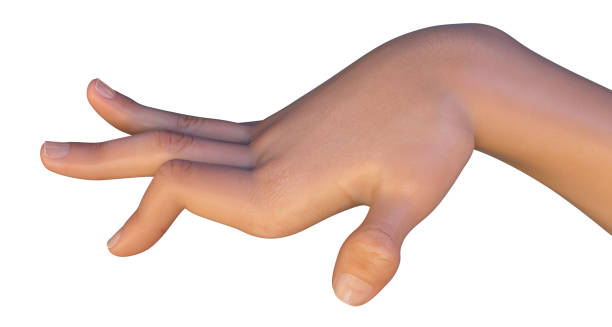
Twisted hand showing muscle contraction due to dystonia

Complications of Dystonia

Complications of Dystonia The complications of dystonia depend on the type and severity of the condition. While some people live with mild symptoms, others experience daily challenges that affect their physical, emotional, and social well-being. Without appropriate support, dystonia can lead to long-term disability and psychological distress. The most obvious complication is impaired movement. In focal dystonia, such as cervical dystonia, the head may twist involuntarily, causing pain and awkward posture. Over time, this can lead to chronic neck pain, joint strain, or limited range of motion. In generalised dystonia, muscle contractions in the arms, legs, and trunk may interfere with walking, sitting, or self-care, increasing the risk of falls or injury. Pain is another frequent complication. Muscle spasms can be severe and persistent, especially when posture is distorted. This pain can affect sleep, concentration, and mental health. Over-the-counter medication may offer limited relief, and more specialised treatment is often needed. Emotional complications are also common. People with dystonia may feel isolated due to the visible nature of their symptoms. Fear of being judged or misunderstood can lead to withdrawal from work, school, or social activities. Anxiety and depression are widespread, particularly in those who wait years for a proper diagnosis or treatment. Functional Complications Functional complications may develop when dystonia affects the hands, face, or vocal cords. Writer’s cramp can disrupt school or work tasks. Oromandibular dystonia can impair speech and chewing, making communication and eating difficult. In some cases, patients lose the ability to work in their chosen field, especially if manual skills or public speaking are central to their job. In children, generalised dystonia can cause scoliosis (spinal curvature), joint deformities, or fixed muscle contractures if not managed early. These complications may require orthopaedic treatment or surgery and can reduce mobility and independence later in life. In South Africa, the burden of complications is worsened by healthcare inequality. Patients in rural areas may not receive early diagnosis, pain management, or access to botulinum toxin, which could prevent complications from worsening. Those in low-income settings may also struggle to afford transportation to tertiary centres or specialists. Stigma is a less visible but equally damaging complication. In communities unfamiliar with dystonia, symptoms may be mistaken for mental illness or spiritual affliction. This misunderstanding often leads to exclusion or delay in seeking proper care. Complications of Dystonia Fortunately, many complications are preventable with early intervention, education, and consistent management. Physical therapy can reduce stiffness and maintain range of motion. Counselling helps individuals cope with emotional stress. Medications and procedures like botulinum toxin or DBS offer symptom control that may reduce the likelihood of long-term disability. Understanding the complications of dystonia highlights the need for a multi-faceted approach to care. Medical treatment, emotional support, community awareness, and early rehabilitation all play a role in improving the lives of people with this complex condition. [Next: Back to Overview →]

Complications of Dystonia Read More »

Child with dyspraxia struggling to stack colourful blocks

Dyspraxia

Dyspraxia Dyspraxia, also known as Developmental Coordination Disorder (DCD), is a neurological condition that affects physical coordination, motor skills, and sometimes speech. People with this condition often struggle with tasks that require fine or gross motor control, such as writing, buttoning clothes, riding a bike, or using cutlery. These difficulties are not due to muscle weakness or lack of intelligence but stem from how the brain processes and sends signals to the body. Children with dyspraxia may appear clumsy, bump into things, or take longer to learn everyday tasks. They might also have trouble with posture, balance, and hand-eye coordination. These challenges can affect academic performance, social interaction, and emotional well-being. Adults with this condition may continue to face issues with organisation, time management, and physical coordination. Dyspraxia is a lifelong condition, although symptoms can improve with support and intervention. Early identification helps children develop strategies to manage daily tasks and build confidence. While there is no cure, therapy and tailored education plans can make a significant difference. In South Africa, awareness of dyspraxia is still limited. Many children go undiagnosed or are misunderstood as lazy, inattentive, or slow. In rural and under-resourced areas, access to occupational therapy and educational psychologists is especially scarce, making early support difficult. Teachers and parents often lack the tools or training to recognise the signs. Dyspraxia Internationally, dyspraxia affects about 5–6% of school-aged children. It is more common in boys than girls and often co-occurs with other conditions like ADHD, dyslexia, or autism spectrum disorder. Despite its prevalence, it remains underdiagnosed and poorly understood, especially in mainstream classrooms. Raising awareness about dyspraxia is essential to building inclusive schools and communities. With the right support, children and adults with dyspraxia can thrive in their personal, academic, and professional lives. [Next: Causes of Dyspraxia →]

Dyspraxia Read More »

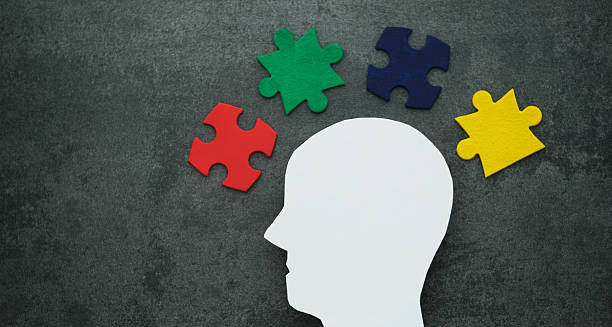
Puzzle pieces around human head representing neurological causes of dyspraxia

Causes of Dyspraxia

Causes of Dyspraxia The exact causes of dyspraxia are not fully understood. However, research points to differences in brain development, particularly in the areas responsible for planning, coordinating, and executing movements. These neurological differences make it harder. Especially for individuals with dyspraxia to translate thought into action with the same ease or accuracy as their peers. One leading theory is that dyspraxia results from immaturity in the development of neurons in the brain, particularly in regions like the cerebellum and parietal lobes. These areas are crucial for controlling movement, balance, and spatial awareness. The messages sent from the brain to the muscles may be delayed, incomplete, or misdirected, leading to coordination difficulties. Genetics Genetics may also play a role in the causes of dyspraxia. The condition sometimes runs in families, suggesting an inherited component. However, no single gene has been identified as the direct cause. Environmental factors before or shortly after birth may contribute as well. These can include premature birth, low birth weight, a lack of oxygen at birth, or maternal illness during pregnancy. Certain complications during early development are also thought to increase the risk. Children who suffer early brain injury or experience delayed motor milestones (such as crawling or walking) may later be diagnosed with dyspraxia. However, not all children with delayed development have the condition. Some studies suggest that difficulties with sensory processing—the brain’s ability to interpret and respond to sensory information—may also play a role in dyspraxia. Children may struggle to judge where their body is in space, which affects movement planning and coordination. In South Africa, the causes of dyspraxia may be compounded by systemic issues like poor maternal healthcare, low birth weight, or limited access to early childhood screening. Children in underprivileged communities often face multiple risk factors, yet few are formally diagnosed due to lack of resources or awareness. Causes of Dyspraxia It is important to note that dyspraxia is not caused by intellectual disability, emotional disturbance, or behavioural problems—though these may develop as secondary effects if the condition is misunderstood or unsupported. The core issue lies in motor coordination, not intelligence or willpower. Understanding the causes of dyspraxia helps families and educators respond with empathy rather than frustration. Early intervention, even without a full diagnosis, can greatly improve outcomes by supporting children in building coordination, independence, and resilience. [Next: Symptoms of Dyspraxia →]

Causes of Dyspraxia Read More »

Symptoms of Dyspraxia

Symptoms of Dyspraxia

Symptoms of Dyspraxia The symptoms of dyspraxia often become noticeable in early childhood, usually around the time a child starts school. Delays in reaching motor milestones—such as crawling, walking, or holding a pencil—may raise early concerns. While every person with dyspraxia experiences it differently, common symptoms revolve around motor coordination, planning, and everyday physical tasks. Children with dyspraxia may appear clumsy or uncoordinated. They often bump into objects, drop items frequently, or struggle with balance. Tasks such as tying shoelaces, riding a bicycle, or catching a ball may take significantly longer to master. These children may also tire easily during physical activities and avoid sports or games that require precision or agility. Fine motor skills are particularly challenging. Handwriting may be slow, uneven, or hard to read. Using scissors, buttoning clothes, or drawing shapes can also prove difficult. These limitations can affect academic performance, especially in early grades where handwriting and drawing are integral to learning. Another key symptom of dyspraxia is difficulty with motor planning—also known as praxis. Children may know what they want to do but cannot figure out how to sequence or coordinate their movements. For example, they may struggle to brush their teeth or pack a school bag without constant reminders or step-by-step assistance. Speech & Language Speech and language can also be affected. Some children with dyspraxia have difficulty coordinating the muscles involved in speech, leading to slurred or unclear pronunciation. This is known as verbal dyspraxia or childhood apraxia of speech. It can cause frustration and delay language development, even though the child’s comprehension may be intact. Emotional and behavioural symptoms are common. Children with dyspraxia often feel overwhelmed or embarrassed by their difficulties, especially when compared to peers. They may become withdrawn, anxious, or show signs of low self-esteem. Some may act out in frustration or avoid situations where they fear failure. Symptoms of Dyspraxia In teenagers and adults, symptoms of dyspraxia may include disorganised thinking, poor time management, or difficulty with complex tasks like driving or cooking. Physical awkwardness may persist, but emotional and executive functioning challenges often become more pronounced. In South Africa, early signs of dyspraxia may be misinterpreted as laziness, bad behaviour, or simply being “slow”. Without awareness or assessment tools, many learners are left unsupported. In multilingual classrooms, children may also struggle with verbal instructions, masking the presence of coordination difficulties. Recognising the symptoms of dyspraxia allows families, teachers, and health professionals to take action early. Occupational therapy, speech therapy, and inclusive teaching strategies can help children gain confidence and develop practical life skills. With patience and the right support, children with dyspraxia can thrive in school and beyond. [Next: Diagnosis of Dyspraxia→]

Symptoms of Dyspraxia Read More »

Doctor assessing a young girl for developmental coordination issues

Diagnosis of Dyspraxia

Diagnosis of Dyspraxia The diagnosis of dyspraxia is often made after a child shows persistent difficulties with coordination, balance, or everyday physical tasks. There is no single test to confirm dyspraxia, so diagnosis relies on detailed developmental history, observation, and standardised assessments conducted by a team of professionals, usually including occupational therapists, paediatricians, and educational psychologists. Early signs—such as delayed crawling, difficulty using cutlery, poor pencil grip, or clumsy movements—may first be noticed by parents or teachers. If concerns persist, the child is usually referred for further assessment. This is especially important when difficulties interfere with daily functioning or learning progress. During the diagnosis of dyspraxia, professionals will look at a range of abilities. These include fine and gross motor coordination, balance, posture, eye-hand coordination, and the ability to plan and execute movements. They also consider how these challenges impact a child’s academic, social, and emotional development. One of the most widely used tools is the Movement Assessment Battery for Children (MABC), which measures motor function in relation to age-specific expectations. Additional assessments may evaluate visual-motor integration, speech development, and executive functioning skills such as planning and organisation. To be formally diagnosed with dyspraxia—or Developmental Coordination Disorder (DCD)—the following criteria must usually be met: The motor difficulties are significantly below what is expected for the person’s age. These challenges interfere with activities of daily life, such as dressing, writing, or playing. The problems are not better explained by another medical or neurological condition. Symptoms were present from early childhood. In South Africa, the diagnosis of dyspraxia remains challenging, especially in under-resourced schools. Access to trained professionals is limited, and many children are misdiagnosed or not assessed at all. Some are incorrectly labelled as having behavioural issues or learning disabilities without understanding the motor difficulties at play. Diagnosis of Dyspraxia Additionally, assessments are often designed for Western contexts, which may not reflect the lived realities of South African children, especially those in rural or multilingual environments. Tools and approaches need to be culturally adapted to avoid misdiagnosis or under-identification. Parents who suspect dyspraxia should keep records of their child’s developmental milestones and school performance. Sharing these with a general practitioner or school-based support team is the first step in getting a referral for assessment. Early diagnosis of dyspraxia opens the door to practical interventions. It also helps families, teachers, and the child understand that the struggles are real and not the result of laziness or poor parenting. Recognition and support can dramatically improve self-esteem and long-term outcomes. [Next: Treatment of Dyspraxia →]

Diagnosis of Dyspraxia Read More »

Speech therapist working with a child during dyspraxia treatment

Treatment of Dyspraxia

Treatment of Dyspraxia The treatment of dyspraxia focuses on improving functional skills, building confidence, and supporting children in their day-to-day challenges. Since dyspraxia affects coordination and movement planning, treatment usually involves therapy, classroom support, and home-based strategies. While the condition cannot be cured, early and consistent intervention can make a significant difference. Occupational therapy is central to treatment. Occupational therapists work with children to improve fine motor skills, such as handwriting, using scissors, and dressing. Therapy is practical and goal-focused—often using play-based exercises to develop muscle control, sequencing, and coordination. Tasks are broken into small, manageable steps, allowing the child to practise and master them over time. For children with speech-related dyspraxia (also called verbal dyspraxia), speech therapy is essential. A speech-language therapist helps the child develop clear speech through repetition, sound drills, and exercises that strengthen oral muscles. This therapy is tailored to each child’s specific speech patterns and may involve visual and tactile cues. Physical therapy may be recommended if a child has poor posture, low muscle tone, or balance issues. Activities to build core strength and stability are integrated into daily routines and recreational play. Swimming, martial arts, or dance can also help children with dyspraxia build confidence in their physical abilities. Educational support is another key aspect of treatment of dyspraxia. Teachers may implement classroom adjustments such as extra time for writing, use of assistive technology (e.g. tablets or laptops), fewer written tasks, or alternative methods of assessment. Visual schedules, routine checklists, and step-by-step instruction help students manage tasks more easily. Parents also play an important role. Home-based therapy games, consistent routines, and positive reinforcement all support the child’s development. Encouraging independence while offering gentle guidance builds resilience and reduces frustration. Support groups or parent networks can provide emotional backing and practical advice. Treatment of Dyspraxia Emotional support is often necessary. Many children with dyspraxia struggle with anxiety or low self-esteem due to repeated failure or comparison to peers. Counselling, social skills training, and inclusive activities help children develop friendships and confidence. A strengths-based approach—highlighting creativity, determination, or problem-solving skills—can offset the emotional toll of their motor challenges. In South Africa, access to therapy varies significantly. Urban centres offer a wider range of specialists, while rural or public-school learners may go without formal therapy. NGOs and early childhood centres are working to bridge the gap, but long-term solutions require investment in training, resources, and policy implementation for inclusive education. The goal of treatment of dyspraxia is not perfection but progress. With the right interventions, children can gain greater independence, perform daily tasks more easily, and feel more confident in themselves. Every small step forward makes a big impact. [Next: Complications of Dyspraxia →]

Treatment of Dyspraxia Read More »

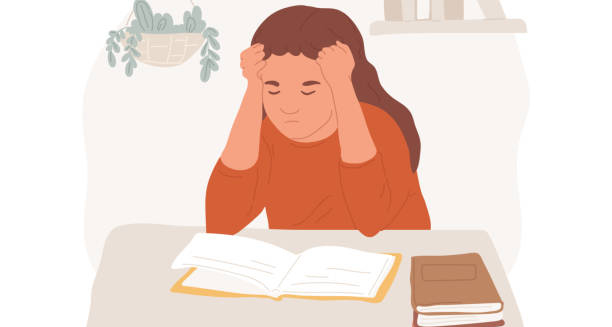
Frustrated girl struggling to study due to dyspraxia complications

Complications of Dyspraxia

Complications of Dyspraxia The complications of dyspraxia extend beyond motor difficulties and can affect a person’s academic, emotional, and social life. Without proper recognition and support, children and adults with dyspraxia may face long-term challenges that impact their self-esteem, education, and relationships. One of the most common complications is academic underachievement. Children with dyspraxia often struggle with handwriting, note-taking, and classroom tasks that require coordination. These difficulties can slow down their performance, even if they understand the content. Without classroom accommodations, learners may fall behind or become disengaged. Another complication is emotional distress. Constant comparison with peers and repeated failure can lead to frustration, anxiety, and even depression. Children may become withdrawn, refuse to participate in physical or group activities, or show behavioural outbursts in response to tasks they find overwhelming. Social difficulties are also frequent. Children with dyspraxia may find it hard to join in games, sports, or peer-based activities that require coordination. As a result, they may be left out or teased by classmates, leading to social isolation. Verbal dyspraxia can further compound the problem, making it hard for the child to express themselves clearly in conversation. Poor organisation and time management can persist into adolescence and adulthood. Teenagers with dyspraxia often struggle with planning schoolwork, managing daily routines, or learning to drive. Adults may face challenges in the workplace, particularly in roles that involve multitasking, fast-paced decision-making, or physical demands. Self-care tasks—like tying shoelaces, cooking, or navigating public transport—may remain difficult. Without appropriate life skills training, young adults may take longer to become fully independent. This can affect their confidence and delay transition into adulthood. In South Africa, many of these complications of dyspraxia are magnified by systemic inequalities. Learners in under-resourced schools may go undiagnosed and unsupported. Cultural stigma and lack of information can lead to misconceptions, with children labelled as lazy or naughty rather than recognised as needing help. Complications of Dyspraxia Long-term complications can also include limited career choices. People with untreated dyspraxia may avoid jobs that involve manual tasks, fast processing, or high organisational demands. Without workplace adjustments, they may face underemployment or job dissatisfaction. However, these outcomes are not inevitable. With the right support, many people with dyspraxia go on to lead successful, independent lives. Careers in technology, art, design, writing, counselling, and entrepreneurship are all open to individuals who develop their strengths and work around their challenges. Addressing the complications of dyspraxia means focusing not only on motor skills but also on emotional resilience, life skills, and inclusive opportunities. A whole-person approach, supported by families, schools, and communities, can make all the difference. [Next: Back to Overview →]

Complications of Dyspraxia Read More »

Scroll to Top