Mental Matters

Health Conditions

Find information on various health conditions affecting people of all ages. This category covers causes, symptoms, diagnosis, and management options for physical illnesses and chronic diseases. Get insights to help you understand different health challenges and make informed decisions about your wellbeing.

Woman with tooth pain sitting in a dental chair before treatment

Treatment of Dental Abscess

Treatment of Dental Abscess Treatment of dental abscess focuses on eliminating the infection, relieving pain, and preserving the affected tooth if possible. In most cases, dentists successfully manage a dental abscess by combining drainage, dental procedures, and medication. The goal is to remove the source of infection and prevent recurrence. Initial Pain Management While awaiting treatment: Paracetamol or ibuprofen can help reduce pain and inflammation Warm saltwater rinses may provide temporary relief Cold compresses applied to the outside of the cheek can reduce swelling However, these methods are supportive only and do not treat the underlying infection. Draining the Abscess The first step in treatment is to release the pus: The dentist may make a small incision in the gum to allow drainage If the abscess drains spontaneously, the dentist will clean the area thoroughly Removing the pus relieves pressure and reduces pain Root Canal Treatment For a periapical abscess: A root canal procedure is often recommended The dentist removes the infected pulp, cleans and disinfects the canals, and fills the space with a sealing material Dentists usually cap the tooth with a crown to restore function and strength Tooth Extraction If the tooth cannot be saved: The dentist may recommend tooth removal This is typically followed by drainage of the abscess and cleaning of the socket Dentists may consider replacing the extracted tooth with a bridge, denture, or implant later Periodontal Treatment of Dental Abscess In cases of a gum abscess: Deep cleaning procedures such as scaling and root planing are performed The dentist may also smooth the root surfaces to prevent further bacterial growth In some cases, gum surgery may be required to remove infected tissue Antibiotics Prescribed if the infection has spread or if the patient has a weakened immune system Common choices include amoxicillin, metronidazole, or clindamycin Antibiotics are not a substitute for definitive dental treatment In summary, treatment of dental abscess involves controlling infection, relieving symptoms, and restoring oral health. Prompt dental care ensures successful outcomes and reduces the chance of complications. [Next: Complications and Recovery from Dental Abscess →]


Treatment of Dental Abscess Read More »

Woman holding jaw in pain while sitting on a couch

Complications and Recovery from Dental Abscess

Complications and Recovery from Dental Abscess Complications and recovery from dental abscess are largely influenced by how quickly the condition is diagnosed and treated. While many people recover fully after proper care, an untreated dental abscess can lead to serious, even life-threatening outcomes. Awareness of potential complications encourages timely intervention and diligent aftercare. Potential Complications Spread of Infection: The abscess can spread to the jaw, neck, or head, causing swelling and difficulty breathing In rare cases, bacteria can enter the bloodstream, resulting in sepsis, a life-threatening condition Osteomyelitis: Infection may spread to the jawbone, leading to inflammation and destruction of bone tissue This often requires long-term antibiotics and possible surgery Sinus Involvement: In upper teeth, the infection may spread into the maxillary sinuses, causing sinusitis Fistula Formation: A channel may form between the abscess and skin or another part of the mouth, allowing ongoing pus drainage Tooth Loss: If the infection compromises the tooth structure or supporting bone, extraction may become necessary Recovery Timeline After treatment, pain and swelling typically begin to resolve within 48–72 hours Full recovery may take 1–2 weeks, depending on the severity of infection and type of procedure performed Regular follow-ups ensure proper healing and monitor for signs of recurrence Post-Treatment Care | Complications and Recovery from Dental Abscess Continue prescribed antibiotics until the course is finished Rinse with saltwater or a prescribed mouthwash to keep the area clean Avoid chewing on the treated side until healing progresses Maintain good oral hygiene to support recovery and prevent new infections Preventing Future Abscesses Brush twice daily and floss to remove plaque Limit sugary snacks and drinks that promote tooth decay Attend regular dental check-ups for early detection of cavities or gum disease Replace old fillings or crowns that may allow bacteria to enter the tooth In conclusion, complications and recovery from dental abscess underscore the importance of early treatment and good oral hygiene. With prompt care and proper follow-up, most people recover without lasting effects and can maintain a healthy smile. [Next: Back to Overview →]

Complications and Recovery from Dental Abscess Read More »

Child’s swollen arm from mosquito bites, indicating potential dengue exposure

Dengue

Dengue – Overview Dengue is a mosquito-borne viral infection that affects millions of people each year in tropical and subtropical regions. Caused by the dengue virus (DENV), it is transmitted primarily by the Aedes aegypti mosquito. This condition is often referred to as “breakbone fever”.D Due to the severe muscle and joint pain associated with the illness. The disease has become a major public health concern globally. Especially in Asia, South America, Africa, and parts of the Pacific. There are four closely related strains of the virus (DENV-1 to DENV-4). Additionally, a person can be infected with all four types in their lifetime. Unfortunately, repeated infections increase the risk of developing severe cases, which can be life-threatening. Symptoms of this range from mild fever and rash to severe flu-like illness. In some cases, the condition can escalate to dengue haemorrhagic fever or dengue shock syndrome, both of which require immediate medical attention. The disease affects people of all ages, but children and individuals with compromised immune systems are particularly vulnerable to complications. Dengue There is currently no specific antiviral treatment for condition, and prevention largely relies on mosquito control and personal protection measures. Early detection and appropriate supportive care significantly reduce the risk of death and complications. In summary, dengue is a potentially serious viral infection spread by mosquitoes. It remains a significant health challenge in many parts of the world, highlighting the importance of awareness, early diagnosis, and preventive strategies. [Next: Causes of Dengue →]

Dengue Read More »

Close-up of Aedes mosquito feeding on human skin

Causes of Dengue

Causes of Dengue Causes of dengue are closely linked to the transmission of the virus by infected mosquitoes, particularly the Aedes aegypti species. The dengue virus belongs to the flavivirus family and includes four distinct serotypes: DENV-1, DENV-2, DENV-3, and DENV-4. All four can cause the full spectrum of illness, from mild to severe, and infection with one serotype does not confer immunity to the others. Transmission by Mosquitoes The Aedes aegypti mosquito is the primary vector responsible for spreading dengue It typically bites during the day, especially early morning and late afternoon The mosquito becomes infected when it bites a person already carrying the virus After an incubation period of 8–12 days, the mosquito can transmit the virus to other humans through bites Human-to-Mosquito-to-Human Cycle Dengue is not transmitted directly from person to person The virus relies on mosquitoes to complete its transmission cycle In rare instances, transmission may occur through blood transfusions, organ transplants, or from mother to baby during pregnancy Environmental Factors Standing water in containers, tyres, and gutters provides ideal breeding grounds for mosquitoes Urbanisation, poor sanitation, and climate change have expanded the geographical reach of Aedes mosquitoes Increased rainfall, humidity, and temperature all favour mosquito population growth Risk Factors | Causes of Dengue Living in or travelling to dengue-endemic regions Having a previous infection increases the risk of severe dengue upon subsequent exposure to a different serotype Lack of protective measures, such as mosquito nets, repellents, and covered clothing Public Health Concerns In densely populated urban areas, even a small number of infected mosquitoes can cause widespread outbreaks Migratory patterns and global travel further contribute to the spread of the disease In conclusion, causes of dengue originate from mosquito-borne transmission, environmental conditions, and urban development. Preventing the disease requires addressing the mosquito’s breeding grounds and breaking the cycle of transmission through coordinated community and health sector efforts. [Next: Symptoms of Dengue →]

Causes of Dengue Read More »

Woman scratching red itchy rash on her upper arm

Symptoms of Dengue

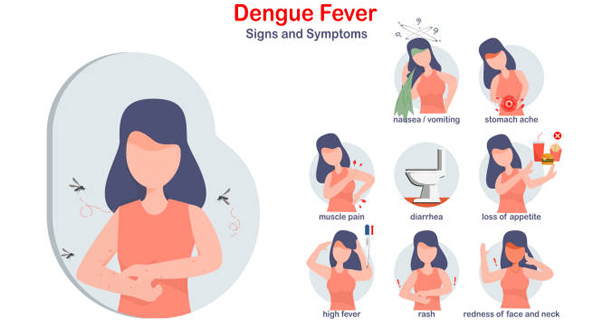
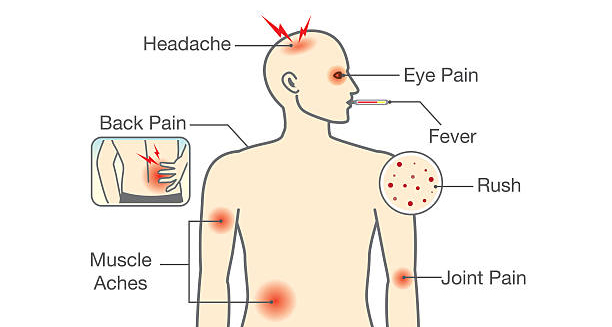
Symptoms of Dengue Symptoms of dengue typically appear between four to ten days after being bitten by an infected mosquito. While many people with dengue experience a self-limiting illness, others may develop severe symptoms that require urgent medical intervention. Understanding these symptoms is essential for early detection and appropriate care. Mild to Moderate Dengue The early phase of dengue often includes flu-like symptoms such as: Sudden high fever (40°C/104°F) Severe headache, particularly behind the eyes Muscle and joint pain, often described as “breakbone pain” Nausea, vomiting, and loss of appetite Fatigue and weakness Mild bleeding, such as gum bleeding or nosebleeds Skin rash that may appear a few days after the onset of fever These symptoms typically last for about a week. Most people recover completely with adequate rest and hydration. Severe Dengue (Dengue Haemorrhagic Fever or Dengue Shock Syndrome) In some cases, dengue progresses to a more dangerous stage: Persistent vomiting Severe abdominal pain Difficulty breathing or rapid breathing Bleeding under the skin (bruising), or internal bleeding Blood in vomit or stools Restlessness or drowsiness Severe dengue is a medical emergency and can be fatal without timely intervention. It often occurs in individuals who have had a previous infection with a different serotype of the virus. Phases of Illness Febrile phase: High fever and flu-like symptoms Critical phase: Typically around day 4–6, when fever subsides but plasma leakage, bleeding, or organ damage may begin Recovery phase: Fluids return to normal circulation, and improvement is noticeable, but monitoring is still essential Warning Signs | Symptoms of Dengue If any of the following occur during the febrile or post-febrile stage, immediate medical care is required: Intense abdominal pain Continuous vomiting Bleeding gums or nose Difficulty breathing Signs of shock (cold extremities, restlessness) In summary, symptoms of dengue vary from mild fever to life-threatening complications. Recognising the warning signs and seeking medical care early greatly improves the chances of full recovery and reduces the risk of complications. [Next: Diagnosis of Dengue →]

Symptoms of Dengue Read More »

Illustrated symptoms of dengue fever including rash, high fever, and vomiting

Diagnosis of Dengue

Diagnosis of Dengue Diagnosis of dengue involves evaluating symptoms, travel history, and laboratory tests to confirm infection. Since dengue shares symptoms with other illnesses like malaria, Zika virus, or chikungunya, accurate and timely diagnosis is critical for proper treatment and monitoring. Early diagnosis also helps prevent complications and limits the spread of the virus. Initial Clinical Evaluation Healthcare professionals begin with a detailed history, asking about: Recent travel to or residence in dengue-endemic areas Onset and duration of fever Associated symptoms such as rash, headache, or joint pain Physical examination may reveal: Skin rash or petechiae (small red or purple spots caused by bleeding under the skin) Low blood pressure or fast heart rate Signs of dehydration However, these signs alone are not enough to confirm dengue, and laboratory testing is essential. Laboratory Tests NS1 Antigen Test: Detects the non-structural protein 1 of the virus Effective within the first 5 days of symptoms Provides a quick result for early diagnosis RT-PCR (Reverse Transcriptase Polymerase Chain Reaction): Detects viral RNA Confirms the presence and type of dengue virus Especially useful in early stages IgM and IgG Antibody Tests: IgM antibodies indicate recent infection and are detectable from day 4 or 5 of illness IgG antibodies suggest past exposure or secondary infection Complete Blood Count (CBC): Monitors platelet levels and haematocrit A falling platelet count and rising haematocrit may indicate plasma leakage or severe dengue Monitoring Disease Progression Patients with confirmed dengue may be monitored for: Platelet count Haematocrit Signs of bleeding or organ impairment Daily testing may be required during the critical phase of the illness. Differential Diagnosis of Dengue Dengue can mimic several other febrile illnesses. Doctors must rule out: Malaria Zika virus Typhoid fever Leptospirosis Rapid and accurate diagnosis is especially important during outbreaks when multiple diseases may circulate simultaneously. In conclusion, diagnosis of dengue combines symptom review and targeted laboratory testing. Accurate diagnosis allows for appropriate management and prevents complications, especially in severe or high-risk cases. [Next: Treatment of Dengue →]

Diagnosis of Dengue Read More »

Illustrated guide showing prevention and treatment methods for dengue fever

Treatment of Dengue

Treatment of Dengue Treatment of dengue is mainly supportive, as there is no specific antiviral medication to cure the infection. Management focuses on relieving symptoms, preventing complications, and maintaining adequate hydration. For most people with dengue, home care and regular monitoring are sufficient, but severe cases may require hospitalisation. Supportive Care for Mild to Moderate Dengue Rest: Essential for recovery and conserving energy Hydration: Oral fluids such as water, electrolyte solutions, and clear soups are recommended to prevent dehydration Paracetamol: Used to manage fever and pain Avoid aspirin, ibuprofen, or other NSAIDs, as they can increase the risk of bleeding Monitoring Regular monitoring is important to catch signs of progression: Daily platelet counts Haematocrit levels Observation for bleeding or changes in blood pressure Family members and caregivers should be vigilant for warning signs like abdominal pain, vomiting, or lethargy, especially when the fever starts to subside. Hospital Management for Severe Dengue Hospital admission is required when: There are signs of shock or severe bleeding Platelet counts drop significantly There is difficulty breathing or persistent vomiting In such cases, treatment includes: Intravenous (IV) fluids to manage plasma leakage Oxygen therapy for breathing difficulties Blood transfusions in the case of significant bleeding Recovery and Rehabilitation Most people recover fully within 7–10 days Gradual reintroduction of normal activities is advised once symptoms resolve Long-term complications are rare but may include fatigue or joint pain lasting several weeks Medical Supervision | Treatment of Dengue Pregnant women, infants, elderly individuals, and those with chronic health conditions require closer monitoring, even if symptoms appear mild Secondary dengue infections pose a higher risk of complications, so a thorough history of previous illness is important In summary, treatment of dengue involves symptom control, hydration, and monitoring. Prompt medical care, especially during the critical phase, greatly reduces the risk of severe complications and improves outcomes. [Next: Complications and Recovery from Dengue →]

Treatment of Dengue Read More »

Human body illustration highlighting complications of dengue fever

Complications and Recovery from Dengue

Complications and Recovery from Dengue Complications and recovery from dengue depend on the severity of the infection and how quickly it is diagnosed and treated. While most individuals recover from dengue without lasting effects, a small percentage develop severe complications that can be life-threatening if not managed promptly. Complications of Severe Dengue Severe dengue, also known as dengue haemorrhagic fever or dengue shock syndrome, can cause: Plasma leakage, leading to fluid accumulation in the lungs or abdomen Severe bleeding, both internal and external Low platelet count, which reduces the body’s ability to clot blood Organ damage, including liver failure, myocarditis (inflammation of the heart), or kidney injury These complications typically occur during the critical phase, when the fever begins to subside (days 4–7 of illness). Immediate medical attention is crucial to reduce the risk of mortality. Warning Signs of Complications Sudden drop in blood pressure (shock) Cold extremities Restlessness or altered consciousness Persistent vomiting Bleeding from gums, nose, or under the skin If any of these signs occur, emergency care and hospital admission are necessary. Long-Term Recovery For most patients: Symptoms resolve within one to two weeks A period of post-viral fatigue may follow Appetite, energy levels, and sleep patterns gradually return to normal In some cases, especially in children and the elderly, weakness may persist for several weeks. Nutritional support, hydration, and rest aid in full recovery. Post-Infection Immunity and Risk After recovering from one serotype of the virus, individuals are immune to that type However, they remain at risk for infection by the remaining serotypes Subsequent infections carry a higher risk of severe dengue due to an immune system phenomenon known as antibody-dependent enhancement (ADE) Preventing Complications and Recovery from Dengue Early diagnosis and monitoring Avoiding self-medication with anti-inflammatories Maintaining hydration Seeking prompt care when symptoms worsen In conclusion, complications and recovery from dengue vary but are greatly influenced by the timing of diagnosis and quality of care received. With attentive monitoring and proper medical support, the vast majority of patients make a full recovery and return to normal life. [Next: Back to Overview →]

Complications and Recovery from Dengue Read More »

Dementia with Lewy Bodies

Dementia with Lewy Bodies

Dementia with Lewy Bodies – Overview Dementia with Lewy bodies is a progressive neurodegenerative disorder that combines symptoms of both dementia and Parkinson’s disease. It is the second most common form of degenerative dementia in older adults, after Alzheimer’s disease. This disease is characterised by abnormal protein deposits—known as Lewy bodies—accumulating in the brain, particularly in areas that regulate thinking, movement, behaviour, and mood. These protein deposits interfere with normal brain cell function, causing a decline in mental abilities. What makes this distinct from other forms of dementia is its combination of cognitive decline, visual hallucinations, fluctuating alertness, and motor symptoms such as stiffness or tremors. These features often overlap with those of Alzheimer’s disease and Parkinson’s disease, which can complicate diagnosis. People affected by this condition typically experience changes in their ability to think clearly, visualise space, and regulate bodily movements. Symptoms tend to progress gradually but may vary in intensity from day to day. It is common for individuals to experience vivid dreams, disrupted sleep, mood disturbances, and sensitivity to certain medications, particularly antipsychotics. Dementia with Lewy Bodies Although this condition has no known cure, a combination of treatments, therapies, and support strategies can significantly enhance quality of life. Early recognition and management of symptoms are essential in providing appropriate care and improving outcomes for both individuals and their families. In summary, dementia with Lewy bodies is a complex and multifaceted condition that blends features of dementia and movement disorders. Awareness, timely diagnosis, and compassionate care are key in helping those affected live as fully and independently as possible. [Next: Causes of Dementia with Lewy Bodies →]

Dementia with Lewy Bodies Read More »

Diagram of the human brain showing affected regions by Lewy bodies

Causes of Dementia with Lewy Bodies

Causes of Dementia with Lewy Bodies Causes of dementia with Lewy bodies are still being studied, but current research suggests that the condition arises from the abnormal accumulation of a protein called alpha-synuclein in the brain. These protein deposits, known as Lewy bodies, interfere with communication between nerve cells and eventually lead to cell death. The exact reason why Lewy bodies form in certain individuals and not in others remains unknown, but several risk factors have been identified. Genetic Factors While most cases are sporadic, meaning they occur without a family history, there are rare genetic links: Certain gene mutations have been associated with increased risk A family history of Parkinson’s disease or dementia may also elevate the likelihood of developing the condition However, inherited forms of dementia with Lewy bodies are extremely rare, and genetic testing is not routinely required. Age and Gender The risk increases significantly with age, especially over 60 Men are slightly more likely to develop dementia with Lewy bodies than women Neurological Pathology | Causes of Dementia with Lewy Bodies The disease is associated with a combination of Alzheimer’s-type changes (such as amyloid plaques) and Parkinson’s-type degeneration Lewy bodies affect the cerebral cortex, leading to cognitive impairment, and the substantia nigra, contributing to motor symptoms Environmental and Lifestyle Factors While there is no definitive environmental cause, some researchers suggest that: Prolonged exposure to pesticides or industrial chemicals may increase risk Head trauma has also been proposed as a possible factor However, these links are still being investigated, and no specific lifestyle factor has been proven to directly cause dementia with Lewy bodies. Links with Other Neurodegenerative Disorders The condition shares features with Parkinson’s disease dementia and Alzheimer’s disease, sometimes making it difficult to distinguish among them Some individuals may initially be diagnosed with one condition and later reclassified as having dementia with Lewy bodies as symptoms evolve In conclusion, causes of dementia with Lewy bodies remain largely idiopathic, although genetic predisposition, ageing, and overlapping pathologies with other brain diseases play a significant role. Ongoing research aims to better understand these triggers to improve prevention and treatment. [Next: Symptoms of Dementia with Lewy Bodies →]

Causes of Dementia with Lewy Bodies Read More »

Scroll to Top