Mental Matters

Health Conditions

Find information on various health conditions affecting people of all ages. This category covers causes, symptoms, diagnosis, and management options for physical illnesses and chronic diseases. Get insights to help you understand different health challenges and make informed decisions about your wellbeing.

Woman stressed while writing at desk

Depression

Depression – Overview Depression is a common but serious mental health condition that negatively impacts how a person feels, thinks, and behaves. Affecting people of all ages, backgrounds, and lifestyles, this condition is more than just a bout of sadness or a temporary emotional low—it is a persistent disorder that can interfere with daily life and functioning for weeks, months, or even years. People with depression may struggle with motivation, energy, and interest in activities they once enjoyed. The condition often brings intense feelings of hopelessness, worthlessness, and guilt. It can impair relationships, reduce productivity, and even lead to suicidal thoughts or behaviour if left untreated. Depression is a multifaceted illness. It may be triggered by a specific life event, such as a bereavement, trauma, or job loss, but it can also occur without any obvious cause. Biological, psychological, and social factors often interact in complex ways. Genetics, brain chemistry, personality traits, and environmental stressors can all contribute to the development. Depression The World Health Organization reports that more than 280 million people worldwide live with the condition, making it one of the leading causes of disability. Despite its prevalence, depression remains widely misunderstood and stigmatised. Many people do not seek help due to fear of judgement or misconceptions about the illness. Fortunately, this condition is treatable. With the right combination of psychological therapies, medication, lifestyle changes, and social support, most people experience significant relief. Early diagnosis and a personalised approach to treatment can drastically improve long-term outcomes and restore wellbeing. In summary, depression is a serious but treatable mental health condition that requires compassion, awareness, and a proactive approach to recovery. Recognising the signs and encouraging open dialogue can help break the stigma and provide hope to those affected. [Next: Causes of Depression →]


Depression Read More »

Young woman lying on couch looking depressed

Causes of Depression

Causes of Depression Causes of depression are complex and often involve a mix of biological, psychological, and environmental influences. Although depression may be triggered by specific life events, many people experience symptoms without any clear reason. Understanding the root causes of depression can aid in prevention, early detection, and effective treatment. Biological Factors Genetics: A family history of depression increases risk Genes may influence how brain chemicals respond to stress or trauma Brain Chemistry: Imbalances in neurotransmitters like serotonin, dopamine, and norepinephrine are linked to mood regulation Hormonal disruptions, including those caused by thyroid issues, menopause, or postnatal changes, can contribute Physical Health Conditions: Chronic illnesses such as cancer, heart disease, or diabetes may cause or worsen depression Chronic pain or neurological conditions (e.g. multiple sclerosis, Parkinson’s disease) are common contributors Psychological Factors in Causes of Depression Personality Traits: People with low self-esteem, a pessimistic outlook, or who are overly self-critical are more vulnerable Perfectionism and a tendency to overanalyse can contribute to negative thinking patterns Trauma and Abuse: Childhood abuse, neglect, or early-life trauma can have long-term effects on emotional resilience Ongoing domestic abuse or bullying may lead to depressive symptoms Social and Environmental Factors Life Events: Bereavement, divorce, redundancy, or financial stress can trigger depressive episodes Major life changes, even positive ones, such as moving home or having a baby, can be overwhelming Isolation and Loneliness: Lack of social support can lead to feelings of disconnection and hopelessness Older adults are particularly at risk due to social isolation or declining health Substance Abuse: Alcohol and drugs can interfere with brain chemistry and exacerbate existing mental health problems Workplace Stress: Burnout, job dissatisfaction, or harassment at work are often linked to the development of depression In conclusion, causes of depression vary widely and are often interrelated. A personalised understanding of these contributing factors allows healthcare professionals to tailor treatment effectively and support long-term recovery. [Next: Symptoms of Depression →]

Causes of Depression Read More »

Woman covering her face with hands, showing signs of distress

Symptoms of Depression

Symptoms of Depression Symptoms of depression affect every aspect of life, from emotional wellbeing to physical health and cognitive function. The key feature of depression is a persistent low mood or lack of interest in normal activities, lasting for at least two weeks. However, many individuals experience a combination of psychological, emotional, and somatic symptoms that can vary in severity and duration. Emotional Symptoms Persistent sadness, emptiness, or despair Hopelessness and feelings of worthlessness or excessive guilt Loss of interest or pleasure in activities once enjoyed (anhedonia) Irritability or unexplained anger, particularly in teenagers or men Crying spells without an obvious trigger Cognitive Symptoms of Depression Difficulty concentrating, making decisions, or remembering things Slowed thinking or speaking A distorted sense of reality or negative self-perception Suicidal thoughts or preoccupation with death Physical Symptoms Fatigue or loss of energy, even after rest Changes in appetite (eating more or less) Weight gain or loss without trying Sleep disturbances, including insomnia or oversleeping Aches, pains, or digestive issues that have no physical cause Behavioural Symptoms of Depression Withdrawal from social interactions or responsibilities Neglect of personal hygiene or work duties Substance abuse as a way to cope Reduced productivity or performance in school or work Symptoms in Children and Adolescents Refusal to go to school or poor academic performance Clinginess, hypersensitivity, or aggression Physical complaints like stomach aches or headaches without medical cause Symptoms in Older Adults Memory problems or confusion mistaken for dementia Social withdrawal or reluctance to seek help A sense of being a burden to others In summary, symptoms of depression are wide-ranging and deeply affect mental, emotional, and physical health. Recognising these signs early increases the chances of effective treatment and helps prevent escalation to more severe forms of the illness. [Next: Diagnosis of Depression →]

Symptoms of Depression Read More »

Mental health consultation for depression diagnosis

Diagnosis of Depression

Diagnosis of Depression Diagnosis of depression involves a comprehensive evaluation of emotional, psychological, and physical symptoms. Since depression manifests differently in each person, an accurate and timely diagnosis is crucial for guiding appropriate treatment. Mental health professionals use various clinical tools and assessments to determine the presence, type, and severity of the condition. Initial Consultation and History Taking The diagnostic process begins with a detailed consultation: The GP or mental health professional will ask about mood changes, thought patterns, sleep habits, and daily functioning Patients may be asked about family history, recent stressors, or any substance use It’s important to discuss how long symptoms have lasted and whether they interfere with work, relationships, or self-care Open, honest communication during this stage is vital. Many people downplay their symptoms, but even mild or intermittent signs can indicate clinical depression. Diagnostic Criteria The most commonly used diagnostic frameworks are: DSM-5 (Diagnostic and Statistical Manual of Mental Disorders) by the American Psychiatric Association ICD-11 (International Classification of Diseases) by the World Health Organization To meet the criteria for major depressive disorder, at least five symptoms must be present for two weeks or more, and at least one must be either: Depressed mood Loss of interest or pleasure Other possible symptoms include fatigue, appetite changes, insomnia, feelings of worthlessness, difficulty concentrating, and suicidal thoughts. Depression Screening Tools Clinicians may use validated questionnaires such as: PHQ-9 (Patient Health Questionnaire): Rates the severity of symptoms Beck Depression Inventory (BDI) Hamilton Rating Scale for Depression (HAM-D) These tools help quantify symptoms and monitor progress over time. Physical Examination and Tests Since physical illnesses can mimic or contribute to depression, a GP may conduct: Blood tests to check for thyroid issues, vitamin deficiencies, or anaemia Neurological examination to rule out conditions like Parkinson’s or early dementia Differential Diagnosis of Depression It’s essential to distinguish depression from: Bipolar disorder Anxiety disorders Chronic fatigue syndrome Grief or bereavement (which may not require clinical intervention) In summary, diagnosis of depression requires a holistic evaluation combining symptom analysis, mental health assessments, and physical health checks. Accurate diagnosis is the foundation for effective, personalised treatment. [Next: Treatment of Depression →]

Diagnosis of Depression Read More »

Therapy sessions as treatment for depression

Treatment of Depression

Treatment of Depression Treatment of depression is highly individualised and often involves a combination of therapy, medication, and lifestyle changes. While depression can feel overwhelming, the condition is treatable, and many people go on to live fulfilling, productive lives. Early and consistent intervention significantly improves outcomes. Psychological Therapies Cognitive Behavioural Therapy (CBT): Focuses on identifying and changing negative thought patterns Teaches practical skills to manage stress and improve mood Interpersonal Therapy (IPT): Addresses relationship issues and life transitions that contribute to depression Psychodynamic Therapy: Explores unconscious patterns rooted in early life experiences Mindfulness-Based Cognitive Therapy (MBCT): Combines mindfulness practices with cognitive approaches to reduce relapse Clinicians often use talking therapies as the first-line treatment for mild to moderate depression and combine them with medication in more severe cases. Medication Treatment of Depression Antidepressants: Most common types include SSRIs (e.g. fluoxetine, sertraline), SNRIs, tricyclics, and MAOIs These help regulate brain chemicals involved in mood Patients typically begin to see effects within 2–4 weeks, and clinicians adjust doses based on the individual’s response Combination Therapies: Medication and therapy together often produce better outcomes than either alone Monitoring: Clinicians schedule regular follow-ups to assess effectiveness and monitor side effects Lifestyle and Self-Care Regular exercise improves mood and reduces anxiety Balanced diet supports brain function Adequate sleep helps regulate emotional responses Reducing alcohol or drug use minimises relapse risk Support Systems Peer support groups, family involvement, and community resources play a vital role Involvement in meaningful activities helps restore purpose Advanced Treatments Electroconvulsive Therapy (ECT) may be considered for severe or treatment-resistant depression Transcranial Magnetic Stimulation (TMS) and ketamine infusions are newer options for persistent cases In conclusion, treatment of depression is multidimensional and must be tailored to each person’s needs. With consistent care, most individuals experience significant improvement and regain control of their lives. [Next: Complications and Recovery from Depression →]

Treatment of Depression Read More »

Complications and Recovery from Depression

Complications and Recovery from Depression

Complications and Recovery from Depression Complications and recovery from depression depend on the severity of symptoms, the timing of intervention, and the level of support available. Left untreated, depression can have far-reaching consequences for physical health, emotional wellbeing, and personal relationships. However, with proper care and support, most people can make a full recovery and lead fulfilling lives. Potential Complications Suicidal Ideation and Attempts: Depression is one of the leading causes of suicide Individuals may feel trapped, hopeless, or like a burden to others Warning signs include withdrawal, giving away possessions, or talking about death Substance Abuse: Some people turn to alcohol or drugs to cope This often worsens symptoms and complicates treatment Physical Health Problems: Depression is linked to an increased risk of heart disease, stroke, and diabetes It can also delay recovery from surgery or chronic illness Work and Relationship Issues: Poor concentration, absenteeism, and reduced productivity can lead to job loss Irritability, apathy, or withdrawal can strain friendships and family ties Comorbid Conditions: Anxiety disorders, eating disorders, or PTSD often co-occur with depression Managing multiple conditions requires an integrated care approach Recovery Process Recovery from depression is not always linear; people may have ups and downs Early stages focus on stabilising mood and restoring routine Therapy and medication must be continued consistently—even when symptoms improve Relapse Prevention | Complications and Recovery from Depression Ongoing therapy or maintenance medication can reduce recurrence Learning coping skills and stress management is crucial Regular check-ins with a GP or therapist help maintain progress Empowerment and Resilience Support from loved ones and peer communities fosters a sense of belonging Setting small, achievable goals helps rebuild confidence Mindfulness, journaling, and gratitude practices can aid emotional regulation In conclusion, complications and recovery from depression highlight the need for early intervention, consistent care, and a strong support network. With the right treatment plan, most people regain control and enjoy meaningful, connected lives. [Next: Back to Overview →]

Complications and Recovery from Depression Read More »

Collage of diverse individuals showing signs of severe tooth pain

Dental Abscess

Dental Abscess – Overview A dental abscess is a painful collection of pus caused by a bacterial infection, typically occurring within the teeth, gums, or surrounding bone. A dental abscess forms when bacteria enter through a cavity, crack, or gum pocket and spread into the tissue. It creates a pocket of pus that can cause intense pain, swelling, and fever. If left untreated, the infection can spread to other parts of the body, becoming potentially life-threatening. There are two main types: periapical and periodontal. A periapical abscess occurs at the tip of the tooth root, usually as a result of untreated tooth decay or trauma. A periodontal abscess, on the other hand, develops in the gums next to a tooth, often linked to advanced gum disease. Both forms can cause similar symptoms, but the treatment may vary depending on the source and severity of the infection. Dental abscesses can affect anyone but are most common in people with poor oral hygiene, untreated cavities, or gum disease. Symptoms may include a throbbing toothache, swelling of the face or cheek, sensitivity to hot or cold, and a bad taste in the mouth due to pus drainage. In some cases, the pain may radiate to the jaw, ear, or neck. Dental Abscess Early diagnosis and treatment are crucial to prevent complications. Treatment typically includes draining the abscess, removing the source of infection (through root canal, extraction, or gum cleaning), and prescribing antibiotics if necessary. Maintaining good oral hygiene and attending regular dental check-ups are essential for prevention. In summary, a dental abscess is a serious oral infection that requires prompt dental intervention. Recognising the symptoms and seeking early treatment can relieve pain, eliminate infection, and protect overall health. [Next: Causes of Dental Abscess →]

Dental Abscess Read More »

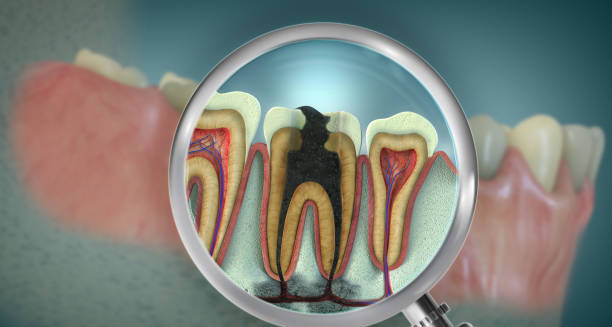
Cross-section of infected tooth showing decay and pus formation

Causes of Dental Abscess

Causes of Dental Abscess Causes of dental abscess typically involve the entry of bacteria into the inner structures of a tooth or the surrounding gum tissue. A dental abscess occurs when this bacterial invasion leads to inflammation and a build-up of pus. The underlying reasons for the infection vary depending on the type of abscess, but the common thread is poor oral hygiene and delayed dental care. Periapical Abscess This type develops at the root of a tooth and is usually caused by: Tooth decay: When untreated, cavities can penetrate the enamel and dentine, reaching the dental pulp Trauma to the tooth: A crack or chip can allow bacteria to enter the pulp chamber Previous dental procedures: In some cases, extensive dental work may expose the tooth to infection Once the pulp becomes infected, it dies, and the infection spreads through the root canal, leading to pus accumulation at the root tip. Periodontal Abscess This form occurs in the gums and is often linked to: Advanced gum disease (periodontitis): Bacteria build up in deep gum pockets, forming abscesses Trapped food particles: If debris becomes lodged in the gums, it can create a localised infection Dental calculus (tartar): Hardened plaque can irritate the gums and promote bacterial growth Gum disease weakens the gum attachment to the tooth, allowing bacteria to infiltrate and multiply within the soft tissues. Contributing Causes of Dental Abscess Poor oral hygiene: Irregular brushing and flossing increase the risk of plaque accumulation Dry mouth: A lack of saliva reduces natural cleansing of the mouth High-sugar diet: Promotes the growth of bacteria that cause decay Smoking: Impairs immune response and increases susceptibility to gum disease Weakened immune system: Conditions like diabetes, cancer, or HIV can increase infection risk Tooth and Gum Trauma Even minor injuries to the teeth or gums can create an opening for bacteria to invade, especially when combined with existing decay or inflammation. In conclusion, causes of dental abscess often result from a breakdown in oral health. Identifying risk factors and seeking early treatment is essential to avoid escalation into a more severe infection. [Next: Symptoms of Dental Abscess →]

Causes of Dental Abscess Read More »

Symptoms of Dental Abscess

Symptoms of Dental Abscess

Symptoms of Dental Abscess Symptoms of dental abscess can range from mild discomfort to severe pain and facial swelling, depending on the extent and location of the infection. Because a dental abscess involves the build-up of pus, the body responds with inflammation and immune activation, resulting in distinct and often distressing signs. Pain and Discomfort Throbbing or pulsating toothache is the most common symptom Pain may start suddenly and intensify quickly The discomfort often radiates to the jaw, ear, or neck Pain worsens when biting, chewing, or lying down Swelling and Redness Swelling in the face, cheek, or gums near the affected tooth Red, inflamed gums or a visible pimple-like bump near the tooth Swollen lymph nodes under the jaw or in the neck Pus Drainage A foul taste or smell in the mouth due to pus leaking from the abscess In some cases, pus may drain through a small hole in the gums Temporary pain relief may follow the release of pressure Systemic Symptoms of Dental Abscess Fever, chills, or a general feeling of being unwell Difficulty swallowing or opening the mouth Fatigue and loss of appetite, particularly in severe infections Dental and Functional Problems Tooth sensitivity to hot, cold, or sweet foods Difficulty chewing on the affected side Loosening of the affected tooth if the surrounding bone is damaged When to Seek Emergency Care Immediate attention is needed if: Swelling spreads to the eye, throat, or neck Breathing or swallowing becomes difficult Fever persists despite over-the-counter medications In summary, symptoms of dental abscess are clear indicators of a serious oral infection. Seeking timely treatment prevents complications and reduces the risk of the infection spreading beyond the oral cavity. [Next: Diagnosis of Dental Abscess →]

Symptoms of Dental Abscess Read More »

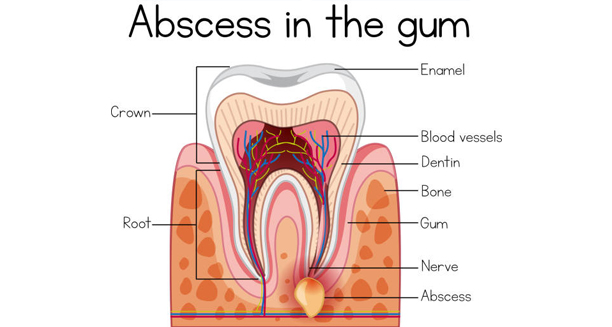
Cross-section diagram showing abscess in the gum beneath a tooth

Diagnosis of Dental Abscess

Diagnosis of Dental Abscess Diagnosis of dental abscess is typically straightforward, especially when symptoms like pain, swelling, and pus are present. However, an accurate and early diagnosis is crucial to determine the severity of the dental abscess and to identify the best treatment strategy. Dentists use a combination of clinical examination, imaging, and patient history to make a precise assessment. Clinical Examination During an initial visit, the dentist will: Examine the affected tooth and surrounding gums for swelling, redness, or pus Check for mobility, sensitivity, and pain upon tapping or biting Assess the patient’s medical and dental history, including any recent trauma, dental procedures, or symptoms Pulp Vitality Testing To determine if the dental pulp (nerve) is still alive: A cold test, electric pulp test, or percussion test may be used Lack of response typically indicates pulp death, confirming a likely periapical abscess Dental X-rays X-rays are essential in confirming the presence and location of the abscess: A periapical abscess appears as a dark spot (radiolucency) near the root tip A periodontal abscess may show bone loss or widening of periodontal ligament space X-rays help evaluate the extent of infection and any bone involvement In some cases, panoramic X-rays or 3D cone beam CT scans may be ordered to view deeper structures, especially if the abscess has spread beyond the jawbone. Intraoral Ultrasound or Imaging For advanced diagnosis, particularly in hospitals: Ultrasound can detect pus accumulation in deeper tissues MRI or CT scans are used if the infection has spread to the neck, sinuses, or brain Laboratory Tests If a systemic infection is suspected: Blood tests may show elevated white blood cell counts or markers of inflammation A sample of pus may be collected and sent for bacterial culture and sensitivity testing, especially if the infection is resistant to standard antibiotics Differential Diagnosis of Dental Abscess Dentists must distinguish a dental abscess from: Sinus infections Temporomandibular joint (TMJ) disorders Cysts or tumours Salivary gland infections In summary, diagnosis of dental abscess relies on a detailed examination, imaging, and sometimes laboratory testing. A prompt and accurate diagnosis leads to effective treatment and prevents potentially serious complications. [Next: Treatment of Dental Abscess →]

Diagnosis of Dental Abscess Read More »

Scroll to Top