
Mental Matters

Health Conditions

Find information on various health conditions affecting people of all ages. This category covers causes, symptoms, diagnosis, and management options for physical illnesses and chronic diseases. Get insights to help you understand different health challenges and make informed decisions about your wellbeing.

Chest physiotherapy being performed on a woman, a common treatment for cystic fibrosis.

Treatment of Cystic Fibrosis

Treatment of Cystic Fibrosis Treatment of cystic fibrosis is lifelong and multifaceted, aimed at managing symptoms, preventing complications, and maintaining quality of life. Since cystic fibrosis affects several organ systems, treatment usually involves a multidisciplinary team of specialists, including pulmonologists, physiotherapists, dietitians, and genetic counsellors. Airway Clearance Techniques Clearing mucus from the lungs is critical: Chest physiotherapy: Includes percussion, postural drainage, and breathing exercises High-frequency chest wall oscillation vests help loosen mucus Daily sessions are typically required to reduce infection risk Medications Several types of medications support lung function and digestion: Bronchodilators: Open airways and improve airflow Mucolytics: Thin mucus to make it easier to expel Inhaled antibiotics: Treat chronic lung infections, especially Pseudomonas aeruginosa CFTR modulators: These drugs correct the function of the defective CFTR protein in certain genetic variants (e.g., Ivacaftor, Lumacaftor) These therapies have dramatically improved life expectancy for those with qualifying mutations. Nutritional Support | Treatment of Cystic Fibrosis People with cystic fibrosis often require: High-calorie, high-protein diets Pancreatic enzyme supplements with every meal to aid digestion Fat-soluble vitamin supplementation (A, D, E, K) Nutritional shakes or feeding tubes in severe cases of malnutrition Proper nutrition supports immune function and overall health. Managing Complications Treatment may also include: Insulin therapy for CF-related diabetes Ursodeoxycholic acid for liver disease Surgical procedures to remove nasal polyps or treat bowel obstructions Lung transplantation for end-stage respiratory failure Psychological and Social Support Living with a chronic illness can impact mental health: Access to counselling or support groups helps individuals and families cope Educational resources empower patients to manage their own care routines In conclusion, treatment of cystic fibrosis requires an individualised plan tailored to each patient’s genetic makeup and symptom severity. Regular monitoring and proactive management significantly improve quality and length of life. [Next: Complications and Recovery from Cystic Fibrosis →]

Treatment of Cystic Fibrosis Read More »

Woman holding chest and breathing deeply while sitting on a couch, possibly managing cystic fibrosis complications.

Complications and Recovery from Cystic Fibrosis

Complications and Recovery from Cystic Fibrosis Complications and recovery from cystic fibrosis vary depending on the severity of symptoms, the individual’s response to treatment, and the age at which intervention begins. Though cystic fibrosis is a chronic, progressive disease, early diagnosis and ongoing medical advances have led to improved life expectancy and better management of complications. Respiratory Complications The lungs are the most heavily affected organs in cystic fibrosis: Chronic lung infections cause damage over time, leading to bronchiectasis (permanent airway widening) Respiratory failure may develop in severe cases, especially when lung function declines despite therapy Collapsed lung (pneumothorax) and hemoptysis (coughing up blood) are serious, life-threatening risks Regular respiratory assessments and early treatment of infections help reduce these risks. Digestive and Nutritional Complications When digestive enzymes cannot reach the intestines: Malabsorption leads to growth delays in children and weight loss in adults Fat-soluble vitamin deficiencies can cause visual problems, bone weakness, and poor immune function Liver disease, including cirrhosis, may develop in some individuals Cystic fibrosis-related diabetes (CFRD) affects up to 50% of adults with CF These complications require continuous nutritional support and enzyme replacement therapy. Reproductive Complications Infertility in males is common due to the absence or blockage of the vas deferens Women may experience reduced fertility due to thick cervical mucus but can often conceive with assistance Psychosocial Challenges | Complications and Recovery from Cystic Fibrosis Living with a demanding daily routine and a shortened lifespan can cause: Mental health issues such as anxiety and depression Educational and occupational limitations due to frequent hospital visits Isolation from peers, particularly during adolescence Support from healthcare providers, peers, and mental health professionals is vital for long-term coping. Recovery and Prognosis Recovery after illness or hospitalisation can be prolonged, requiring weeks of intensive therapy With current treatments, many people with CF now live into their 40s or 50s, and some even longer CFTR modulators have greatly improved lung function and reduced hospitalisations for many patients In conclusion, complications and recovery from cystic fibrosis demand a proactive, multidisciplinary approach. While CF remains a serious genetic condition, advancements in therapy continue to offer hope and improve quality of life for those affected. [Next: Back to Overview →]

Complications and Recovery from Cystic Fibrosis Read More »

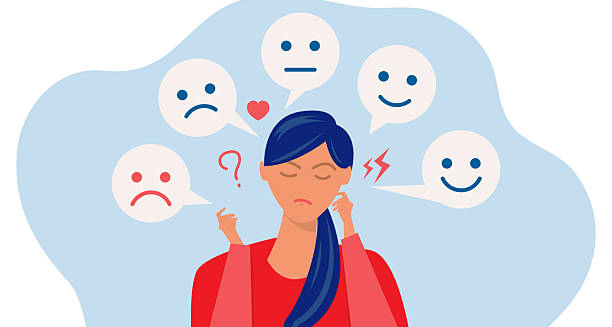
Illustration of a woman experiencing fluctuating emotions, with various emotional icons surrounding her head.

Cyclothymia

Cyclothymia – Overview Cyclothymia is a long-term mood disorder characterised by fluctuating emotional states that alternate between mild depressive episodes and periods of hypomania. These swings are not as extreme as those seen in bipolar I or II disorder. However, they are frequent and disruptive enough to interfere with daily functioning. People with cyclothymia. Hereby, we often find ourselves caught in a constant loop of emotional highs and lows. Additionally, feeling stable only briefly between cycles. The condition typically begins during adolescence or early adulthood. However, people often fail to diagnose it because they mistake the symptoms for normal moodiness or stress. People may interpret the hypomanic phases as high energy or productivity. While the depressive phases may appear as general fatigue or lack of motivation. This makes it harder for both the individual and clinicians to recognise the underlying disorder. Especially when people dismiss the mood fluctuations as personality traits. Cyclothymia must persist for at least two years in adults (or one year in children and teens) to meet the diagnostic criteria. During that time, individuals must experience frequent mood changes without extended periods of emotional stability. Although each phase of mood disturbance is considered subclinical. That is not severe enough to qualify as a major depressive or manic episode. Therefore, the cumulative toll on relationships, work, and self-esteem can be significant. Cyclothymia – Overview In many cases, individuals with cyclothymia report feeling like they are on an emotional rollercoaster. Hereby, never knowing when the next dip or spike will occur. These mood shifts are unpredictable and often not tied to external events. The persistent emotional turbulence may lead to frustration, exhaustion, and impaired judgement in social or professional contexts. In summary, cyclothymia is a chronic mood disorder that involves ongoing shifts between low-grade depression and hypomania. Although symptoms may appear subtle compared to other mood disorders. They have a lasting impact on an individual’s quality of life. With early diagnosis and appropriate treatment, many people with cyclothymia can manage their symptoms and lead balanced, fulfilling lives. [Next: Causes of Cyclothymia →]

Cyclothymia Read More »

Researcher examining brain scans on a computer to study neurological causes of cyclothymia

Causes of Cyclothymia

Causes of Cyclothymia Causes of cyclothymia are not entirely understood. However, research points to a complex interaction between genetic, biological, psychological, and environmental factors. Like other mood disorder. Likewise, cyclothymia tends to run in families and may be linked to irregularities in brain chemistry and structure. Understanding these risk factors helps inform treatment strategies and supports early intervention for those at risk. Genetic Influences A strong hereditary component is often present in cases of cyclothymia: Individuals with a family history of bipolar disorder, depression, or other mood conditions are more likely to develop cyclothymia Twin studies suggest a moderate genetic link, although researchers have not identified a single “cyclothymia gene.” Genes related to serotonin and dopamine regulation may contribute to abnormal mood regulation and emotional reactivity Brain Chemistry and Function Neurochemical imbalances are believed to play a significant role: Fluctuations in neurotransmitters such as serotonin, dopamine, and norepinephrine can disrupt mood stability Functional MRI scans in mood disorder patients show altered activity in brain regions associated with emotional regulation, such as the amygdala and prefrontal cortex These chemical imbalances may affect an individual’s ability to maintain emotional equilibrium in response to everyday stressors Hormonal and Developmental Factors Hormonal changes can contribute to the onset of cyclothymia, especially during: Puberty Pregnancy Menstrual cycles Perimenopause These transitions may destabilise mood regulation, particularly in individuals who are genetically or neurologically predisposed. Environmental Stressors | Causes of Cyclothymia External events can trigger the onset or worsening of symptoms: Childhood trauma, neglect, or abuse increases vulnerability Chronic stress in adulthood, such as from work, financial strain, or toxic relationships, can lead to dysregulation of mood over time Sudden life changes, such as divorce or job loss, may activate dormant symptoms Substance Use Recreational drug use and alcohol consumption can intensify mood swings and mask underlying cyclothymic symptoms: Stimulants may mimic hypomania, while depressants exacerbate low mood Substance abuse often leads to misdiagnosis or delayed treatment In summary, causes of cyclothymia are multifactorial, involving genetic susceptibility, neurochemical imbalances, and environmental triggers. A comprehensive understanding of these elements is key to recognising early signs and beginning targeted, effective treatment. [Next: Symptoms of Cyclothymia →]

Causes of Cyclothymia Read More »

Illustration of a sad figure under a raincloud representing mood symptoms

Symptoms of Cyclothymia

Symptoms of Cyclothymia Symptoms of cyclothymia revolve around alternating periods of elevated and low mood, both of which are milder than those seen in bipolar I or II disorder. Despite being less extreme, these mood swings are persistent and disruptive. People with cyclothymia may feel emotionally unstable, struggling to maintain consistency in their thoughts, behaviours, and relationships. Hypomanic Symptoms During hypomanic phases, individuals often feel: Euphoric, overly confident, or unusually energetic Restless or impulsive, engaging in risky behaviours like overspending, excessive talking, or taking on too many projects Decreased need for sleep, sometimes sleeping only a few hours a night without feeling tired Irritable or impatient with others Easily distracted or mentally “racing” with ideas These symptoms may feel enjoyable or productive, but they can lead to poor decision-making, social tension, or workplace issues. Depressive Symptoms During depressive periods, individuals may experience: Sadness, hopelessness, or emotional numbness Low energy, fatigue, or reduced motivation Difficulty concentrating or making decisions Sleep disturbances (insomnia or hypersomnia) Changes in appetite and weight Loss of interest in previously enjoyable activities Though not as severe as major depressive episodes, these symptoms still affect day-to-day functioning and can lead to isolation or burnout. Mood Shifts | Symptoms of Cyclothymia One of the most challenging aspects of cyclothymia is its unpredictability: Moods can shift with no clear trigger Changes may be rapid or gradual Some individuals may cycle between moods within the same day Emotional Instability This constant fluctuation can result in: Unstable relationships due to perceived unreliability or volatility Difficulty with long-term commitments or routines Chronic self-doubt, confusion, or embarrassment over one’s behaviour In children and adolescents, symptoms may include: Frequent moodiness or irritability Risk-taking behaviours Poor school performance In summary, symptoms of cyclothymia involve alternating, subthreshold mood states that disrupt emotional balance. While these symptoms may seem mild compared to other mood disorders, their frequency and chronic nature make cyclothymia a significant mental health concern. [Next: Diagnosis of Cyclothymia →]

Symptoms of Cyclothymia Read More »

Mental health professional talking to a person in military uniform during a therapy session.

Diagnosis of Cyclothymia

Diagnosis of Cyclothymia Diagnosis of cyclothymia is a nuanced process that relies on recognising persistent patterns of mood instability that fall short of full-blown bipolar disorder. Because cyclothymia involves subclinical symptoms of hypomania and depression, it is frequently underdiagnosed or misattributed to other mental health issues such as anxiety, borderline personality disorder, or attention-deficit disorders. Clinical Diagnostic Criteria According to the DSM-5 (Diagnostic and Statistical Manual of Mental Disorders), cyclothymia is diagnosed when: The person has experienced multiple periods of hypomanic symptoms and depressive symptoms over a minimum of two years (or one year in children/adolescents) These symptoms are present for at least half the time during that period No symptom-free interval has lasted longer than two consecutive months The mood episodes do not meet full criteria for a hypomanic or major depressive episode The symptoms cause clinically significant distress or impairment in social, occupational, or other important areas of functioning Initial Assessment | Diagnosis of Cyclothymia The diagnostic process typically includes: A comprehensive psychiatric interview covering current symptoms, emotional patterns, medical history, family history, and personal functioning Use of mood diaries or tracking apps to chart daily emotional fluctuations over several weeks Standardised questionnaires or rating scales to assess symptom severity and consistency Ruling Out Other Conditions Because cyclothymia shares features with several other disorders, clinicians must rule out: Bipolar I or II disorder (distinguished by full manic or major depressive episodes) Borderline personality disorder, especially when mood shifts are rapid and reactive Generalised anxiety disorder or ADHD, which may present with restlessness or emotional dysregulation A full medical work-up may also be conducted to exclude: Thyroid disorders Neurological conditions Substance-induced mood changes Challenges in Diagnosis Several factors can complicate accurate diagnosis: Many individuals perceive their symptoms as personality traits, such as being “moody,” rather than indicators of a disorder People may view the hypomanic phase positively, which leads them to seek help only during depressive episodes People may dismiss moodiness and behavioural issues in adolescents as normal developmental changes. Importance of Early Identification Early diagnosis is vital to prevent the condition from worsening or evolving into bipolar I or II disorder. Individuals with cyclothymia often benefit greatly from understanding their condition and receiving targeted interventions. In summary, diagnosis of cyclothymia is based on recognising long-term mood fluctuations that fall below the threshold of bipolar disorder. Proper evaluation, consistent symptom tracking, and ruling out other causes are key to making an accurate diagnosis and beginning effective treatment. [Next: Treatment of Cyclothymia →]

Diagnosis of Cyclothymia Read More »

Child engaging in therapy with a psychologist taking notes in the background.

Treatment of Cyclothymia

Treatment of Cyclothymia Treatment of cyclothymia aims to stabilise mood swings, reduce emotional reactivity, and prevent the disorder from progressing into a more severe mood condition. Because cyclothymia is a lifelong condition for many people, treatment typically involves a multi-pronged approach, combining medication, therapy, and lifestyle changes to improve long-term functioning and emotional wellbeing. Pharmacological Treatment While some clinicians hesitate to use medication for mild mood disorders, many individuals with cyclothymia benefit significantly from pharmacological support: Mood stabilisers like lithium help reduce the intensity and frequency of mood fluctuations Anticonvulsants such as lamotrigine or valproate are often prescribed, particularly if hypomanic symptoms are more disruptive Antidepressants may be cautiously used but are typically combined with a mood stabiliser to avoid triggering hypomania In some cases, atypical antipsychotics are used, especially when symptoms interfere with daily functioning or co-occur with anxiety or sleep issues Close monitoring by a mental health professional is essential, especially during the initial stages of treatment. Psychological Therapy | Treatment of Cyclothymia Psychotherapy is an essential component of cyclothymia treatment: Cognitive Behavioural Therapy (CBT) helps individuals recognise and challenge distorted thoughts that fuel emotional instability Interpersonal Therapy (IPT) improves relationship dynamics and teaches coping skills to manage interpersonal stress Dialectical Behaviour Therapy (DBT), often used for emotional regulation issues, may be beneficial, particularly in adolescents or individuals with co-occurring personality traits Therapy helps people with cyclothymia understand the nature of their disorder, develop emotional awareness, and improve their daily coping mechanisms. Lifestyle and Self-Management Healthy habits are crucial in managing mood stability: Consistent sleep schedule: Sleep disruption is a major trigger for mood changes Regular physical activity improves both mood and energy regulation Balanced diet and avoidance of excessive caffeine, alcohol, and recreational drugs Mindfulness practices like meditation and breathing exercises can reduce stress and improve emotional regulation Tracking moods daily allows individuals to identify patterns and triggers, making them more proactive in preventing episodes. Education and Support Psychoeducation for the patient and their family improves understanding and reduces stigma Support groups offer shared experiences and practical coping advice Involving family members in treatment can strengthen the individual’s support system and encourage consistent routine In conclusion, treatment of cyclothymia requires an integrated approach that addresses emotional, behavioural, and biological aspects. With medication, therapy, and supportive lifestyle adjustments, most individuals with cyclothymia can achieve long-term emotional balance and a higher quality of life. [Next: Back to Overview →]

Treatment of Cyclothymia Read More »

Woman clutching her abdomen, showing signs of stomach pain or cramping.

Cyclospora

Cyclospora – Overview Cyclospora is a microscopic parasite that causes an intestinal infection known as cyclosporiasis. Found in contaminated food and water, this primarily affects the small intestine, leading to prolonged diarrhoea, abdominal cramps, fatigue, and other gastrointestinal symptoms. In most healthy individuals, the infection is unpleasant but not life-threatening. However, it can be more severe or long-lasting in people with weakened immune systems. The parasite, Cyclospora cayetanensis, is particularly prevalent in tropical and subtropical regions, making international travellers more vulnerable. Infections typically occur after ingesting oocysts (immature parasite forms) that have been passed in human faeces and have matured in the environment—usually in contaminated water or on fresh produce like herbs, lettuce, or berries. Cyclospora – Overview Unlike many other foodborne illnesses, this infection has a longer incubation period of around 7 days, and symptoms may persist for weeks if untreated. Proper hygiene, safe food handling, and avoiding unwashed raw vegetables and untreated water in high-risk areas are essential preventative measures. In summary, Cyclospora is a food- and waterborne parasite responsible for prolonged gastrointestinal illness. With early diagnosis and appropriate treatment, most people recover fully, though reinfection can occur if exposure continues. Managing and Treating Infection Treatment of cyclosporiasis typically involves a course of antibiotics, most commonly trimethoprim-sulfamethoxazole, which effectively clears the parasite from the body. Supportive care, such as maintaining hydration and rest, is important, especially in cases involving prolonged diarrhoea or fatigue. Early medical attention can help shorten the duration of symptoms and prevent complications, particularly in vulnerable populations like children, the elderly, or immunocompromised individuals. Importance of Awareness and Prevention Raising awareness of Cyclospora is essential, particularly for travellers and food industry workers. Thoroughly washing fruits and vegetables, drinking bottled or treated water in high-risk areas, and practising good hand hygiene can significantly reduce the risk of infection. Public health monitoring and food safety regulations also play a critical role in preventing outbreaks and ensuring the safety of produce imported from endemic regions. [Next: Causes of Cyclospora →]

Cyclospora Read More »

Lettuce and raw chicken with a magnified view of microscopic parasites and bacteria.

Causes of Cyclospora

Causes of Cyclospora Causes of Cyclospora infections stem from the ingestion of contaminated food or water that contains the parasite’s oocysts. Unlike some infections spread through direct contact, Cyclospora requires a specific life cycle stage—mature oocysts—to become infectious, which occurs only after excretion and environmental development over several days. Contaminated Food People most commonly get infected by eating fresh produce irrigated or washed with contaminated water. Common culprits include: Basil, coriander, and lettuce Berries, especially raspberries and strawberries Snow peas or sugar snap peas Eating these foods raw increases the risk, especially when sanitation is poor. Contaminated Water Drinking or using untreated water for food preparation or cleaning can also lead to infection: Unfiltered well water Stream or river water used for irrigation or washing Recreational water (e.g. swimming pools, especially if inadequately chlorinated) Poor Sanitation Infrastructure | Causes of Cyclospora Cyclospora thrives in regions where: Sewage systems are inadequate Human waste is used as fertiliser Water treatment is inconsistent or absent The parasite cannot be spread directly from person to person because oocysts must mature in the environment before becoming infectious. Travel to Endemic Areas Travellers to regions in South America, Southeast Asia, Africa, and the Middle East are at heightened risk. Exposure often occurs through: Street food Unpeeled fruits and raw salads Drinking tap or untreated water Imported Produce Infections have been reported in developed countries due to imported foods grown or processed in endemic areas. Outbreaks linked to Cyclospora-contaminated food often affect multiple countries due to global supply chains. In conclusion, causes of Cyclospora infection include contaminated food and water, particularly in areas with poor hygiene standards. Understanding these sources helps reduce risk through preventive hygiene and careful food handling. [Next: Symptoms of Cyclospora →]

Causes of Cyclospora Read More »

Person sitting on a couch holding their stomach, showing signs of abdominal discomfort.

Symptoms of Cyclospora

Symptoms of Cyclospora Symptoms of Cyclospora infection generally begin about a week after ingesting contaminated food or water. In many cases, Cyclospora causes intermittent or prolonged gastrointestinal issues, particularly diarrhoea that can persist for days or weeks without treatment. Primary Symptoms Watery diarrhoea: The most common and consistent symptom, often severe and sudden in onset Abdominal cramps: Mild to intense, usually in the lower abdomen Nausea and vomiting: Vary in severity and frequency Loss of appetite and weight loss: Due to poor nutrient absorption and reduced intake Bloating and flatulence Fatigue and malaise: Due to dehydration and loss of electrolytes Additional or Atypical Symptoms | Symptoms of Cyclospora Low-grade fever Muscle aches Headache Dizziness or light-headedness, especially when dehydrated Some people may also experience flu-like symptoms early on Course of Illness Cyclospora symptoms typically last: Several days to a few weeks in healthy individuals Longer and more severe in immunocompromised patients (e.g. those with HIV/AIDS, on chemotherapy, or taking immunosuppressive medications) Symptoms may follow a relapsing-remitting pattern, temporarily improving before returning Complications Prolonged diarrhoea can lead to: Dehydration Electrolyte imbalances Nutrient malabsorption Secondary infections in vulnerable populations In Asymptomatic Cases Some people infected with Cyclospora may remain asymptomatic, especially after minimal exposure. However, they can still pass oocysts in their stool, contributing to environmental spread if sanitation is poor. In summary, symptoms of Cyclospora primarily involve gastrointestinal distress, notably prolonged diarrhoea and fatigue. Early recognition and prompt treatment reduce the risk of complications and aid faster recovery. [Next: Diagnosis of Cyclospora →]

Symptoms of Cyclospora Read More »

Scroll to Top