Mental Matters

Health Conditions

Find information on various health conditions affecting people of all ages. This category covers causes, symptoms, diagnosis, and management options for physical illnesses and chronic diseases. Get insights to help you understand different health challenges and make informed decisions about your wellbeing.

Illustration of a doctor examining intestines with a magnifying glass, symbolising microbial diagnosis.

Diagnosis of Cyclospora

Diagnosis of Cyclospora Diagnosis of Cyclospora involves identifying the parasite Cyclospora cayetanensis in a stool sample. Standard stool tests don’t detect Cyclospora, so doctors must request specific testing methods. Accurate and timely diagnosis of Cyclospora is crucial for confirming the infection, guiding treatment, and preventing its spread. Stool Sample Testing The most common method of diagnosis is: Ova and parasite (O&P) examination, using specialised stains (acid-fast staining) to identify Cyclospora oocysts Oocysts may appear as round, pink to red-stained structures under the microscope Because the shedding of oocysts can vary, multiple stool samples over several days may be necessary to improve the detection rate. Molecular Testing Polymerase chain reaction (PCR) testing can detect Cyclospora DNA with higher accuracy and sensitivity PCR is especially helpful during outbreaks when doctors are investigating multiple causes of diarrhoea Differential Diagnosis | Diagnosis of Cyclospora Since Cyclospora causes non-specific symptoms, other infections must be ruled out, including: Giardia Cryptosporidium Bacterial causes such as Salmonella, Shigella, or E. coli Viruses, especially norovirus or rotavirus This is particularly important when diagnosing outbreaks or treating immunocompromised individuals. Travel and Food History A detailed patient history often raises suspicion: Recent international travel, particularly to tropical or subtropical countries Consumption of fresh produce, especially imported greens or berries Water exposure from untreated sources Healthcare providers may suspect Cyclospora in persistent cases of diarrhoea unresponsive to conventional treatment or where standard stool tests return negative. Challenges in Diagnosis In many healthcare settings, Cyclospora testing is not routinely performed Diagnosis may be delayed if clinicians are unaware of the parasite or if symptoms are attributed to general food poisoning Public health authorities may become involved during confirmed outbreaks to trace contaminated food sources In summary, diagnosis of Cyclospora requires targeted stool testing using special staining or molecular methods. A thorough travel and dietary history supports early identification and treatment. [Next: Treatment of Cyclospora →]


Diagnosis of Cyclospora Read More »

Medical professional in protective gear holding a blue and white capsule between gloved fingers.

Treatment of Cyclospora

Treatment of Cyclospora Treatment of Cyclospora infection focuses on eradicating the parasite, relieving symptoms, and preventing complications such as dehydration. Most cases of Cyclospora respond well to prescription medication and supportive care. Without treatment, symptoms may persist for several weeks or recur intermittently. Antiparasitic Medication The primary treatment is: Trimethoprim-sulfamethoxazole (TMP-SMX), commonly known by the brand name co-trimoxazole Typically taken twice daily for 7 to 10 days Highly effective in stopping the parasite’s life cycle This medication is generally well-tolerated but may cause side effects like nausea, rash, or allergic reactions in sensitive individuals. Alternatives for Allergic Individuals For patients allergic to sulfa drugs, no approved alternative is as effective, but certain antibiotics or supportive care may be considered Nitazoxanide has been used in some cases but with less consistent results Supportive Care | Treatment of Cyclospora Hydration: Oral rehydration solutions or electrolyte drinks are essential to combat fluid loss In severe cases, especially in children or the elderly, IV fluids may be needed Rest and light meals support the body’s recovery Hospitalisation Rarely required but may be necessary for: Severe dehydration Vulnerable patients with compromised immune systems Individuals experiencing prolonged or relapsing symptoms Managing Recurrence Relapse can occur if the infection isn’t fully cleared. Repeating the same antibiotic course is often successful. Patients should continue drinking safe water and avoiding high-risk foods until symptoms fully resolve. Preventive Measures There is no vaccine for Cyclospora Travellers should avoid: Raw vegetables and unpeeled fruits Untreated water and ice Street food in high-risk areas In summary, treatment of Cyclospora includes a short course of effective antibiotics and rehydration. Most patients recover fully within days once therapy begins. [Next: Complications and Recovery from Cyclospora →]

Treatment of Cyclospora Read More »

Man sitting on a couch, holding his stomach in discomfort due to abdominal pain.

Complications and Recovery from Cyclospora

Complications and Recovery from Cyclospora Complications and recovery from Cyclospora depend on the patient’s immune status, how quickly treatment is initiated, and the severity of symptoms. While most healthy individuals recover without long-term effects, Cyclospora infection can be more serious in children, older adults, and immunocompromised individuals. Potential Complications Dehydration: The most common complication due to persistent diarrhoea Electrolyte imbalances, which can cause fatigue, muscle weakness, and dizziness Malnutrition, particularly in children or people with prolonged illness Weight loss and reduced energy due to poor nutrient absorption Recurrent infections, especially in those with suppressed immune systems (e.g. HIV-positive patients) Chronic and Relapsing Symptoms In some cases, even after treatment: Symptoms may return, especially if the initial course of antibiotics was incomplete Patients with underlying gastrointestinal issues may take longer to recover A cycle of diarrhoea and fatigue may persist for several weeks These cases require careful follow-up and possibly extended or repeated treatment. Recovery Timeline | Complications and Recovery from Cyclospora Most people feel better within 48 to 72 hours of starting treatment Full recovery generally occurs within one to two weeks Recovery may take longer in patients with weakened immunity Aftercare and Monitoring Ensure adequate fluid intake for several days after symptoms stop Gradually reintroduce solid foods, starting with bland, easy-to-digest options Monitor for signs of recurrence, especially in high-risk individuals Preventing Re-Infection Boil or treat drinking water when travelling to high-risk areas Thoroughly wash produce or avoid raw vegetables if unsure of their origin Practise hand hygiene before meals and after using the toilet In conclusion, complications and recovery from Cyclospora are manageable with proper treatment and hydration. Most individuals recover fully, but preventive care and prompt medical attention are key to avoiding prolonged illness. [Next: Back to Overview →]

Complications and Recovery from Cyclospora Read More »

Digital illustration of DNA strands, representing genetic and biological factors.

Causes of Cyclical Vomiting Syndrome

Causes of Cyclical Vomiting Syndrome Causes of cyclical vomiting syndrome are multifactorial, involving a combination of neurological, genetic, and environmental triggers. Although the precise mechanism is unclear. Doctors increasingly recognize cyclical vomiting syndrome as a disorder of the brain-gut axis. Similar in nature to migraine and other functional gastrointestinal conditions. Neurological Factors One leading theory is that cyclical vomiting syndrome is a variant of migraine: Many individuals with CVS have a personal or family history of migraine headaches Episodes, like migraines, are often triggered by similar factors and tend to occur at regular intervals The brain’s response to certain stressors or stimuli may cause abnormal signalling between the brain and the digestive system, resulting in nausea and vomiting Genetic Links | Causes of Cyclical Vomiting Syndrome There appears to be a genetic predisposition, especially in children. Those with relatives who suffer from migraines or other neurological disorders may be more likely to develop CVS. Autonomic Nervous System Dysfunction Some researchers suggest that dysregulation of the autonomic nervous system—the part of the body that controls involuntary functions—may play a role. This could explain why symptoms such as: Sweating Rapid heartbeat Temperature changes often accompany vomiting episodes. Mitochondrial Abnormalities A small number of cases may involve mitochondrial dysfunction—a problem in the energy-producing parts of cells. These individuals may also have muscle weakness, fatigue, or neurological symptoms. Triggers Episodes are often brought on by identifiable triggers, including: Emotional stress or anxiety Sleep deprivation Physical exhaustion Specific foods (e.g. chocolate, cheese, caffeine) Menstruation Infections (such as colds or flu) Excitement or overexertion in children In conclusion, causes of cyclical vomiting syndrome are thought to involve complex neurological and genetic factors, often triggered by environmental or emotional stimuli. Identifying and avoiding personal triggers plays a key role in long-term management. [Next: Symptoms of Cyclical Vomiting Syndrome →]

Causes of Cyclical Vomiting Syndrome Read More »

Woman clutching her abdomen in pain while sitting on a couch, showing signs of digestive distress.

Symptoms of Cyclical Vomiting Syndrome

Symptoms of Cyclical Vomiting Syndrome Symptoms of cyclical vomiting syndrome are defined by recurring episodes that follow a consistent pattern. Between episodes, individuals are typically healthy, which helps differentiate cyclical vomiting syndrome from other chronic gastrointestinal conditions. Phases of the Condition CVS typically presents in four distinct phases: 1. Prodrome Phase This is the warning stage before vomiting begins: Nausea Abdominal pain Fatigue or lethargy Pallor or sweating Children may become irritable, while adults may recognise a familiar feeling that an episode is about to start. This stage may last minutes to hours. 2. Vomiting Phase | Symptoms of Cyclical Vomiting Syndrome The hallmark of CVS: Frequent vomiting, often several times per hour Vomiting may persist for hours to days Inability to retain fluids or food Dehydration, leading to dizziness, dry mouth, and weakness Abdominal pain, sometimes severe In many cases, hospitalisation is required for rehydration and symptom control. 3. Recovery Phase Once vomiting stops: The individual feels exhausted and weak Appetite gradually returns Symptoms resolve completely within hours to a day 4. Well Phase This is the symptom-free period between episodes: Can last days, weeks, or months Individuals feel and behave normally Duration varies depending on the success of management and trigger avoidance Associated Symptoms Pale skin Increased salivation Fever (in some cases) Sensitivity to light or sound (similar to migraines) In children, behavioural changes like clinginess or irritability may occur In summary, symptoms of cyclical vomiting syndrome are intense but cyclical, with distinct phases and long symptom-free intervals. Recognising the pattern helps in early diagnosis and effective treatment. [Next: Diagnosis of Cyclical Vomiting Syndrome →]

Symptoms of Cyclical Vomiting Syndrome Read More »

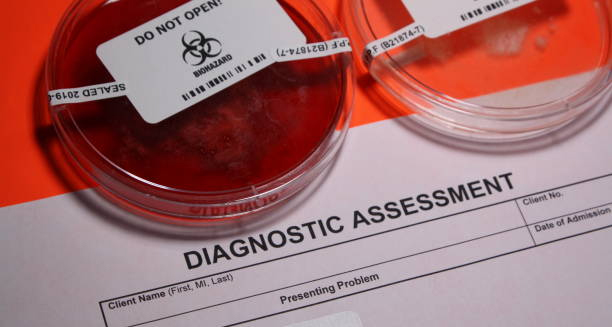
Laboratory diagnostic assessment form alongside sealed biohazard petri dishes, indicating medical testing in progress.

Diagnosis of Cyclical Vomiting Syndrome

Diagnosis of Cyclical Vomiting Syndrome Diagnosis of cyclical vomiting syndrome is largely clinical, based on the patient’s medical history and pattern of symptoms. There is no single test that confirms the diagnosis of cyclical vomiting syndrome, which often leads to delays in identification. Doctors must rule out other causes of recurrent vomiting before confirming CVS. Medical History A thorough history is the cornerstone of diagnosis: Recurrent episodes of vomiting, separated by periods of normal health Each episode follows a similar pattern in terms of duration, frequency, and intensity Triggers such as stress, infections, or specific foods may be identified Family history of migraines or gastrointestinal disorders is common Diagnostic Criteria | Diagnosis of Cyclical Vomiting Syndrome Doctors often use the Rome IV criteria, which are guidelines for diagnosing functional gastrointestinal disorders: At least three episodes in the past year Each episode involves intense nausea and vomiting lasting less than one week Complete resolution between episodes No other condition explains the symptoms These criteria are useful in both children and adults. Physical Examination During the symptom-free phase, physical exams are usually normal. However, during an episode, signs may include: Dehydration Lethargy or weakness Abdominal tenderness Increased heart rate or low blood pressure Tests to Rule Out Other Conditions To exclude other causes of vomiting, the following may be ordered: Blood tests: To check for infection, electrolyte imbalances, or kidney issues Urinalysis: To rule out urinary infections or metabolic disorders Abdominal ultrasound or CT scan: To identify structural problems like blockages Endoscopy: To examine the oesophagus and stomach if reflux or ulcers are suspected Neurological evaluation: Especially if migraines or seizures are part of the history Referral to Specialists Children are often referred to a paediatric gastroenterologist, while adults may be seen by a gastroenterologist or neurologist if migraine association is suspected. In summary, diagnosis of cyclical vomiting syndrome involves recognising consistent symptom patterns and ruling out other medical conditions. Early identification allows for appropriate management and prevention of further complications. [Next: Treatment of Cyclical Vomiting Syndrome →]

Diagnosis of Cyclical Vomiting Syndrome Read More »

Various colourful capsules and medications arranged in compartments, representing pharmaceutical treatment options.

Treatment of Cyclical Vomiting Syndrome

Treatment of Cyclical Vomiting Syndrome Treatment of cyclical vomiting syndrome involves both preventive strategies and acute management during episodes. Because cyclical vomiting syndrome has no definitive cure, the primary aim is to reduce the frequency and severity of episodes while improving the individual’s overall quality of life. Preventive (Prophylactic) Treatment Preventive treatment is essential for people with frequent or severe episodes: Migraine medications such as amitriptyline or propranolol are often effective, particularly if there is a migraine link Anticonvulsants like topiramate may help reduce episodes Coenzyme Q10 and L-carnitine supplements have shown benefit in some children Regular sleep, hydration, and stress reduction are crucial lifestyle components Avoid known triggers such as chocolate, caffeine, or stressful events In children, school adjustments may also be necessary to reduce stress or provide rest during early warning phases. Acute Episode Management | Treatment of Cyclical Vomiting Syndrome When an episode begins, the focus is on symptom relief and hydration: Antiemetics (e.g. ondansetron) to reduce nausea and vomiting IV fluids if the individual cannot keep fluids down Sedatives like lorazepam may help reduce vomiting frequency and allow sleep Pain relief for associated abdominal discomfort In some cases, hospitalisation is required to manage dehydration and complications Early intervention at the onset of the prodrome phase can reduce the severity of the episode. Psychological Support As stress is a known trigger, psychological support can play an important role: Cognitive behavioural therapy (CBT) to manage anxiety Relaxation training or mindfulness techniques Family counselling for children who experience school or social difficulties due to frequent episodes Monitoring and Follow-Up Regular check-ins help monitor the effectiveness of preventive medication, identify new triggers, and adjust treatment plans. In summary, treatment of cyclical vomiting syndrome focuses on preventive medication, lifestyle adjustments, and symptom relief during acute episodes. With a tailored approach, most patients experience fewer and less severe episodes over time. [Next: Complications and Recovery from Cyclical Vomiting Syndrome →]

Treatment of Cyclical Vomiting Syndrome Read More »

A woman clutching her stomach and covering her mouth, showing signs of nausea and discomfort, which may indicate a vomiting episode.

Complications and Recovery from Cyclical Vomiting Syndrome

Complications and Recovery from Cyclical Vomiting Syndrome Complications and recovery from cyclical vomiting syndrome vary depending on how frequently the episodes occur, how well they are managed, and the presence of any underlying health conditions. While cyclical vomiting syndrome itself is not life-threatening, repeated vomiting can lead to a range of complications that impact daily life. Short-Term Complications Dehydration is the most common, especially in children. It can lead to dizziness, dry mouth, and reduced urination Electrolyte imbalances, such as low potassium, can cause muscle weakness or irregular heartbeat Gastrointestinal issues, including acid reflux, oesophagitis, or Mallory-Weiss tears from prolonged vomiting Fatigue and weakness due to disrupted sleep and poor nutritional intake during episodes Long-Term Consequences | Complications and Recovery from Cyclical Vomiting Syndrome Poor school or work attendance, affecting academic and job performance Social isolation due to fear of vomiting in public or sudden onset Anxiety and depression, particularly if the condition is not well managed In rare cases, malnutrition or weight loss may occur if episodes are very frequent Recovery Between Episodes Most individuals return to normal functioning between episodes Appetite and energy typically improve within 24–48 hours of an episode ending Supportive care, hydration, and rest speed up recovery Improving Long-Term Outcomes With proper diagnosis and treatment, many patients: Experience fewer episodes over time Respond well to prophylactic medications Learn to manage triggers and intervene early at the prodrome stage Children may “grow out” of the condition or see it transition into migraine in adolescence or adulthood. Family and Lifestyle Adjustments Families and caregivers can support recovery by: Keeping track of symptoms in a vomiting diary Ensuring prompt access to medication Helping children develop coping strategies for school and social life In conclusion, complications and recovery from cyclical vomiting syndrome depend on timely intervention and long-term management. With awareness, support, and consistent care, individuals with CVS can live active and fulfilling lives. [Next: Back to Overview →]

Complications and Recovery from Cyclical Vomiting Syndrome Read More »

Close-up of a person cleaning a shallow cut on the skin using a cotton pad and antiseptic spray.

Cuts

Cuts – Overview Cuts are common injuries that involve a break in the skin. Caused by sharp objects such as knives, glass, metal, or even paper. Also known as lacerations. They can range from superficial scrapes to deep wounds that penetrate underlying tissues like fat, muscle, or even bone. While most minor cuts can be treated at home, more serious lacerations may require professional medical attention. When the skin is broken, the body responds immediately by trying to stop the bleeding and begin the healing process. Platelets rush to the area to form clots and seal the wound, while white blood cells defend against infection. However, the risk of infection is still present, particularly if the wound was caused by a dirty or rusty object, or if debris remains in the wound. Cuts Cuts may bleed, sting, swell, and scar. The amount of bleeding depends on the location and depth of the injury. For example, facial lacerations often bleed heavily because the face has many blood vessels, while deeper lacerations in the arms or legs can affect tendons or nerves if severe. Though most cuts heal without issue, prompt cleaning and care are essential to prevent complications like infection, scarring, or delayed healing. Tetanus shots may be necessary for deeper or contaminated wounds. In summary, cuts are skin injuries that vary in depth and severity. With proper cleaning, protection, and observation, most will heal on their own, but some may require stitches or additional treatment. Healing and Prevention Proper wound care is essential for promoting healing and preventing complications. This includes cleaning the cut thoroughly, applying antiseptic, and covering it with a sterile bandage. Keeping the wound clean and dry, changing dressings regularly, and watching for signs of infection such as redness, warmth, pus, or increased pain are key steps. For prevention, using protective gear during high-risk activities and handling sharp objects with care can reduce the likelihood of cuts. When to Seek Help While many lacerations are minor and heal without medical intervention, it’s important to recognize when professional care is needed. Seek medical attention for lacerations that are deep, won’t stop bleeding, show signs of infection, or involve foreign objects embedded in the wound. Cuts on the face or joints, or those caused by animal or human bites, also warrant closer examination. Prompt treatment not only improves healing but also helps minimize the risk of complications and scarring. [Next: Causes of Cuts →]

Cuts Read More »

Child’s scraped knee covered with a bandage after a minor cut.

Causes of Cuts

Causes of Cuts Causes of cuts are typically straightforward, involving contact with a sharp or abrasive object that breaks the skin. While many cuts occur during everyday activities, certain environments and occupations present a higher risk. Understanding the common causes can help individuals take precautions to prevent injury. Accidental Injuries One of the most frequent causes is accidental injury: Kitchen accidents involving knives, graters, or broken glass Falls that scrape the skin against sharp objects or rough surfaces Gardening mishaps, such as thorn punctures or cuts from pruning tools DIY or construction accidents involving tools, nails, or power equipment Children and older adults are particularly vulnerable due to reduced coordination or awareness of their surroundings. Workplace Incidents | Causes of Cuts Occupational hazards are a major source of cuts: Factory and warehouse workers may be injured by machinery or sharp packaging Healthcare professionals face risks from scalpels and needles Chefs and kitchen staff regularly handle sharp tools and may experience repetitive minor cuts Employers are responsible for enforcing safety protocols and providing protective equipment. Sports and Outdoor Activities Outdoor recreation also presents a risk: Camping and hiking may involve handling knives or encountering rocks and thorns Contact sports can lead to facial or limb cuts from impact or equipment Cycling accidents often cause abrasions or lacerations from road surfaces Domestic Situations Common household items can easily cause cuts: Opening packages with scissors or box cutters Shattered glass from cups, mirrors, or lightbulbs Handling pets, particularly cats, who may scratch during play Deliberate Self-Harm In some cases, cuts may be self-inflicted as a form of coping with emotional distress. These situations require immediate psychological support and medical attention. In conclusion, causes of cuts include a wide range of accidental and intentional injuries. Taking simple safety measures can significantly reduce the risk of injury in both home and workplace settings. [Next: Symptoms of Cuts →]

Causes of Cuts Read More »

Scroll to Top