Mental Matters

Health Conditions

Find information on various health conditions affecting people of all ages. This category covers causes, symptoms, diagnosis, and management options for physical illnesses and chronic diseases. Get insights to help you understand different health challenges and make informed decisions about your wellbeing.

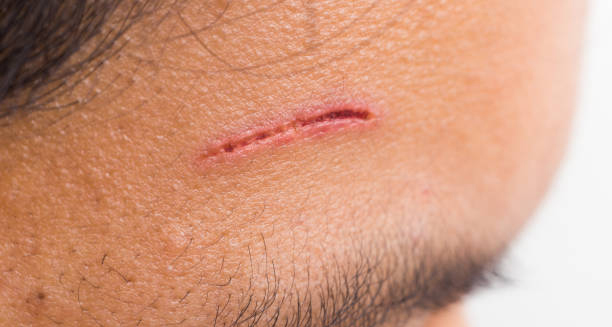
Close-up of a shallow cut on a person’s forehead with mild redness.

Symptoms of Cuts

Symptoms of Cuts Symptoms of cuts vary depending on the depth, size, and location of the wound. Some cuts are so minor they barely bleed or hurt, while others can cause intense pain, significant blood loss, or visible damage to muscles or tendons. Prompt recognition of symptoms helps determine the level of care required. Immediate Symptoms Bleeding: The most immediate and obvious symptom. Shallow cuts may ooze blood, while deeper lacerations can lead to brisk bleeding or even spurting if an artery is affected. Pain or stinging: Nerve endings in the skin respond to the injury, resulting in discomfort that ranges from mild to intense. Visible skin break: The skin will appear torn or split, and in deeper cuts, tissues beneath the skin such as fat, muscle, or bone may be visible. Inflammatory Response | Symptoms of Cuts The body initiates a healing response that can include: Redness around the wound edges Swelling as immune cells rush to the area Warmth near the injury Clear fluid leakage from the wound (plasma) These signs are normal in the early phase of healing but should subside within a few days. Signs of Infection If the wound is not properly cleaned or protected, it may become infected. Symptoms of infection include: Increased redness and swelling Pus or yellowish discharge Pain that worsens instead of improving Fever or chills Red streaks leading away from the wound (a sign of spreading infection) Delayed Healing Chronic health conditions such as diabetes or circulatory problems may delay healing. Cuts that don’t show signs of improvement after 7–10 days should be evaluated by a medical professional. Complications Severe cuts may affect deeper structures: Tendon injuries can reduce movement or strength Nerve damage may cause numbness or tingling Scarring is common, especially with deeper wounds or poor healing In summary, symptoms of cuts range from mild pain and bleeding to more serious signs of infection or nerve damage. Proper care and monitoring are essential to ensure effective healing and prevent complications. [Next: Diagnosis of Cuts →]
Symptoms of Cuts Read More »

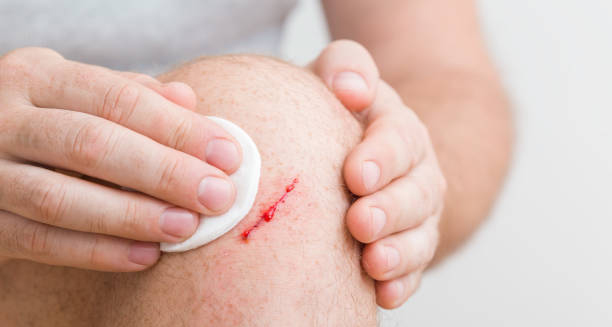
Person cleaning a bleeding cut on their knee with a cotton pad.

Diagnosis of Cuts

Diagnosis of Cuts Diagnosis of cuts is usually straightforward and based on physical examination. Most cuts can be assessed visually, but deeper or more complex wounds may require further evaluation. The goal is to determine the extent of tissue damage, risk of infection, and whether medical intervention such as stitches or antibiotics is needed. Initial Examination When a person presents with a cut, healthcare professionals will assess: Location of the wound and surrounding structures (e.g. joints, tendons, nerves) Size and depth: Surface cuts may be small and shallow, while deep lacerations can reach underlying tissues Bleeding rate: Persistent bleeding may indicate arterial damage Signs of contamination: Dirt, debris, or foreign objects in the wound Signs of infection, especially if the cut is older or improperly cleaned Wounds on the face, hands, genitals, or over joints often require closer attention due to cosmetic and functional concerns. Tetanus Risk Assessment | Diagnosis of Cuts Doctors will ask about the patient’s tetanus vaccination status, especially if the wound was caused by: Rusty metal Animal bites or scratches Soil-contaminated tools A tetanus booster may be administered if the wound is high-risk and the patient hasn’t had a booster within the last 5 to 10 years. Functional Testing For cuts over joints or tendons: Range of motion tests may be performed to check for damage Sensation checks help identify nerve involvement Loss of movement or feeling may indicate deeper injuries that need surgical repair. Imaging Studies Although rare for standard cuts, X-rays or ultrasounds may be used if: A foreign body is suspected (e.g. glass or metal fragment) There’s concern about bone involvement or fractures beneath the wound In some trauma settings, a CT scan may be used to assess complex lacerations or multiple injuries. Wound Classification Wounds are often classified based on: Clean vs contaminated Simple vs complex Superficial vs deep This classification guides the treatment plan, including the need for stitches, antibiotics, or surgical intervention. In summary, diagnosis of cuts involves assessing wound severity, risk of infection, and potential underlying damage. Quick and accurate evaluation ensures appropriate treatment and prevents long-term complications. [Next: Treatment of Cuts →]

Diagnosis of Cuts Read More »

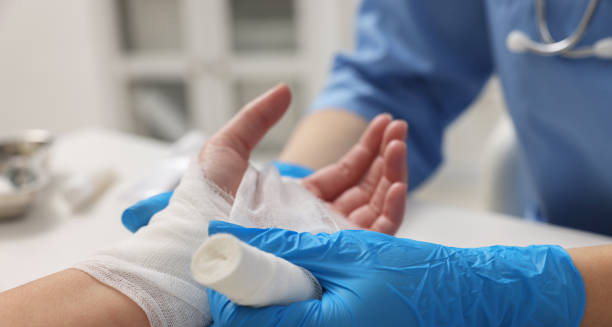
Medical professional applying a bandage to a hand wound.

Treatment of Cuts

Treatment of Cuts Treatment of cuts depends on the size, depth, location, and whether the wound is clean or contaminated. Most minor cuts can be safely managed at home, while more serious lacerations require professional medical care to prevent infection and promote healing. First Aid for Minor Cuts Stop the bleeding: Apply gentle pressure with a clean cloth or bandage Clean the wound: Rinse with lukewarm water to remove dirt or debris Disinfect: Apply an antiseptic such as hydrogen peroxide or iodine Protect: Cover the wound with a sterile plaster or bandage Monitor: Check daily for signs of infection Avoid using cotton wool or alcohol-based solutions, as these may irritate the skin or delay healing. When to Seek Medical Help The cut is deep, longer than 2 cm, or gaping Bleeding does not stop after 10 minutes of pressure There is visible fat, muscle, or bone The wound is located on the face, hands, joints, or genitals The object causing the cut was dirty or rusty The person has not had a tetanus shot in the past 5–10 years Professional Wound Care | Treatment of Cuts Medical treatment may include: Stitches (sutures): For deep or gaping cuts to close the skin and promote proper healing Steri-strips or skin glue: For small, clean lacerations Antibiotics: If the wound is infected or at high risk of infection Tetanus booster: If required based on injury and vaccination history Infected cuts may need to be drained or cleaned more aggressively and left open to heal from the inside out—a process known as healing by secondary intention. Pain and Scar Management Over-the-counter pain relief (e.g. paracetamol or ibuprofen) may be recommended Silicone gel sheets or scar creams can be used during healing to reduce scarring Avoid sun exposure on new scars to prevent discolouration In summary, treatment of cuts ranges from simple first aid to surgical repair. Timely and appropriate wound care reduces the risk of infection and ensures the best cosmetic and functional outcome. [Next: Complications and Recovery from Cuts →]

Treatment of Cuts Read More »

Person applying ointment to a healing cut on the arm.

Complications and Recovery from Cuts

Complications and Recovery from Cuts Complications and recovery from cuts depend on the severity of the wound, how promptly it was treated, and the individual’s overall health. While most cuts heal without issues, poor wound care or underlying health problems can increase the risk of complications such as infection, delayed healing, or excessive scarring. Common Complications Infection: Bacteria can enter the wound, leading to redness, swelling, pus, and sometimes fever Scarring: Deep or poorly treated cuts may result in visible scars, which can be raised (hypertrophic) or wide Tetanus: Though rare, this potentially life-threatening bacterial infection can occur with dirty or puncture wounds Delayed healing: Cuts may take longer to heal in people with diabetes, poor circulation, or on certain medications like steroids Loss of function: If nerves, tendons, or muscles are involved, cuts can lead to reduced movement or feeling Signs of Wound Healing | Complications and Recovery from Cuts A healing cut typically progresses through several stages: Clotting: Bleeding stops as a scab forms Inflammation: Redness and swelling appear as white blood cells clean the area Tissue growth: New skin and tissue begin to regenerate Maturation: Collagen strengthens the new skin and the scar forms Recovery Timeline Minor cuts: Heal in 3–7 days Moderate cuts: May take 10–14 days to close, with scar maturation over several weeks Deep or surgical cuts: Healing may take several weeks to months, especially if stitches were used Wound Aftercare Tips Keep the wound clean and dry Change dressings daily or as directed Avoid picking at scabs, which can delay healing Apply moisturiser or silicone gel once healed to reduce scarring Protect the healing area from sun exposure When to Seek Help Increasing pain or redness Pus or unpleasant smell Fever or swollen lymph nodes Bleeding reoccurs Cut reopens after closure In conclusion, complications and recovery from cuts vary by individual, but most respond well to proper care. Staying vigilant for signs of infection and following wound care instructions ensures smooth healing and minimises scarring. [Next: Back to Overview →]

Complications and Recovery from Cuts Read More »

A concerned woman sitting beside a bed with her hand on her forehead, appearing fatigued or unwell.

Cushing’s Syndrome

Cushing’s Syndrome – Overview Cushing’s syndrome is a hormonal disorder caused by prolonged exposure to high levels of cortisol in the body. Cortisol, often called the “stress hormone,” plays a vital role in regulating blood pressure, metabolism, and immune function. In this syndrome, the excessive presence of cortisol disrupts these processes, leading to a range of physical and emotional symptoms. This condition can be endogenous (caused by the body producing too much cortisol) or exogenous (caused by external sources, such as long-term use of corticosteroid medications). The most common cause of endogenous this syndrome is a pituitary adenoma—a non-cancerous tumour that causes the pituitary gland to release too much adrenocorticotropic hormone (ACTH), which in turn stimulates the adrenal glands to produce more cortisol. Cushing’s syndrome can affect anyone but is more commonly diagnosed in women between the ages of 25 and 40. It may develop gradually, with symptoms often being mistaken for other conditions such as obesity, diabetes, or depression. Cushing’s Syndrome Early diagnosis and treatment are essential to prevent long-term complications, including high blood pressure, diabetes, osteoporosis, and cardiovascular disease. Treatment depends on the underlying cause and may involve medication, radiation, or surgery. In summary, this syndrome is a serious but treatable hormonal disorder resulting from excess cortisol. Recognising its wide-ranging symptoms and addressing the cause is critical for restoring hormonal balance and overall health. [Next: Causes of Cushing’s Syndrome →]

Cushing’s Syndrome Read More »

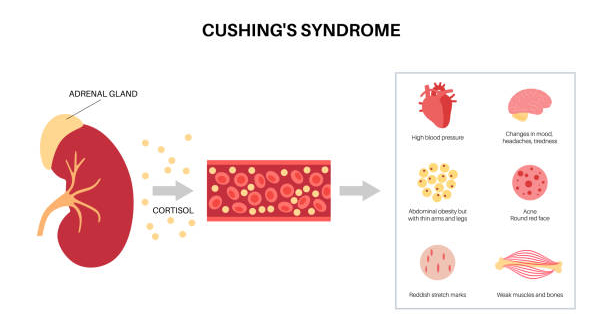
Diagram showing adrenal gland overproducing cortisol leading to symptoms of Cushing’s Syndrome.

Causes of Cushing’s Syndrome

Causes of Cushing’s Syndrome Causes of Cushing’s syndrome are categorised into endogenous (internal) and exogenous (external) sources. Both lead to elevated levels of cortisol, which in excess can negatively impact the body’s normal functions. Understanding the root cause of Cushing’s syndrome is essential for determining the appropriate treatment plan. Exogenous Causes The most common cause of Cushing’s syndrome is long-term use of corticosteroid medications, such as: Prednisone Dexamethasone Hydrocortisone These drugs are often prescribed to manage autoimmune diseases (like lupus or rheumatoid arthritis), asthma, or after organ transplants. When taken over time, they can mimic the body’s natural cortisol and lead to the symptoms of Cushing’s syndrome. Endogenous Causes In these cases, the body itself produces too much cortisol. Main sources include: Pituitary Adenomas (Cushing’s disease) The most frequent endogenous cause A benign tumour in the pituitary gland releases too much ACTH, which stimulates cortisol production by the adrenal glands Adrenal Tumours | Causes of Cushing’s Syndrome Non-cancerous or cancerous growths in the adrenal glands that directly produce excess cortisol These cases are ACTH-independent Ectopic ACTH Syndrome Rare Caused by tumours in other parts of the body (e.g. lungs or pancreas) that produce ACTH Genetic and Familial Factors Though rare, some inherited conditions like Carney complex or Multiple Endocrine Neoplasia (MEN1) can predispose individuals to developing cortisol-secreting tumours. Triggers and Risk Factors Being female Prolonged stress or underlying endocrine issues Use of steroid creams or injections In conclusion, causes of Cushing’s syndrome range from external corticosteroid use to hormone-secreting tumours. Identifying the source is key to developing a targeted treatment strategy and achieving hormonal stability. [Next: Symptoms of Cushing’s Syndrome →]

Causes of Cushing’s Syndrome Read More »

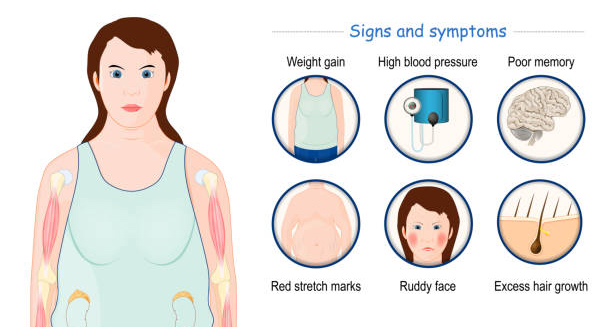
Illustration showing a woman with common symptoms of Cushing’s Syndrome, including weight gain and stretch marks.

Symptoms of Cushing’s Syndrome

Symptoms of Cushing’s Syndrome Symptoms of Cushing’s syndrome can affect nearly every part of the body, making it a particularly difficult condition to diagnose. The impact of excess cortisol extends to physical appearance, emotional well-being, and internal organ function. While this syndrome progresses gradually, the symptoms become increasingly obvious and disruptive over time. Physical Changes Weight gain, particularly around the face (creating a “moon face”), upper back (“buffalo hump”), and abdomen, with slender arms and legs Purple stretch marks (striae) on the abdomen, thighs, breasts, or arms Facial redness Thinning skin that bruises easily Slow wound healing Muscle and Bone Effects Muscle weakness, especially in the upper arms and thighs Osteoporosis, increasing the risk of fractures Back and joint pain Skin and Hair Changes Excessive body or facial hair in women (hirsutism) Acne and oily skin Balding or thinning scalp hair Reproductive and Endocrine Symptoms Menstrual irregularities or missed periods in women Reduced libido Erectile dysfunction in men Infertility in both sexes Emotional and Cognitive Effects Depression, anxiety, or mood swings Poor concentration and memory loss Sleep disturbances or insomnia Metabolic Symptoms High blood pressure Elevated blood glucose levels Increased risk of type 2 diabetes In Children | Symptoms of Cushing’s Syndrome Slowed growth Obesity, especially around the midsection In summary, symptoms of Cushing’s syndrome are broad and often mimic other health issues. Early recognition and medical evaluation are vital to prevent irreversible complications and restore hormonal balance. [Next: Diagnosis of Cushing’s Syndrome →]

Symptoms of Cushing’s Syndrome Read More »

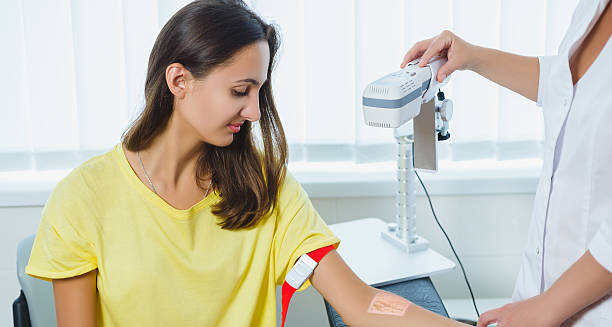
Woman undergoing a medical test on her arm, possibly a skin or blood test, as part of diagnostic procedures for Cushing’s syndrome.

Diagnosis of Cushing’s Syndrome

Diagnosis of Cushing’s Syndrome Diagnosis of Cushing’s syndrome involves a detailed medical history, physical examination, and a series of tests to measure cortisol levels and identify the underlying cause. Because Cushing’s syndrome presents with symptoms that overlap with many other conditions—such as obesity, diabetes, and polycystic ovary syndrome—diagnosis can be complex and often requires input from an endocrinologist. Initial Assessment A doctor will start by reviewing: History of corticosteroid medication use Onset and progression of symptoms Any history of hormone-related illnesses Family history of endocrine disorders A physical exam may reveal characteristic signs such as central obesity, purple stretch marks, high blood pressure, and skin thinning. First-Line Cortisol Testing | Diagnosis of Cushing’s Syndrome The next step is to assess cortisol levels using one or more of the following tests: 24-hour urinary free cortisol test: Measures cortisol in urine collected over a full day. High levels suggest excessive cortisol production. Late-night salivary cortisol test: Cortisol should be low at night; elevated levels suggest Cushing’s. Low-dose dexamethasone suppression test (LDDST): Involves taking dexamethasone at night, which should suppress cortisol production by morning. A failure to suppress cortisol indicates abnormal regulation. These tests are often repeated to confirm the diagnosis. Determining the Cause If excess cortisol is confirmed, further tests determine whether it is ACTH-dependent (due to pituitary or ectopic sources) or ACTH-independent (from adrenal tumours): Blood ACTH levels: Low ACTH suggests an adrenal source; high ACTH suggests a pituitary or ectopic source. High-dose dexamethasone suppression test: Helps distinguish between Cushing’s disease (pituitary cause) and ectopic ACTH production. Imaging Studies To locate the source of hormone overproduction: MRI of the pituitary gland to identify adenomas CT scan or MRI of the adrenal glands for tumours CT scan of the chest or abdomen if ectopic ACTH production is suspected Inferior Petrosal Sinus Sampling (IPSS) In challenging cases, this specialised procedure compares ACTH levels in veins near the pituitary and peripheral blood to determine if the source is pituitary or elsewhere. In summary, diagnosis of Cushing’s syndrome is methodical and involves hormonal testing and imaging. Accurate identification of the cause ensures appropriate treatment and better outcomes. [Next: Treatment of Cushing’s Syndrome →]

Diagnosis of Cushing’s Syndrome Read More »

Notebook with the title “Cushing’s Syndrome” next to a stethoscope and tablets, symbolising medical treatment.

Treatment of Cushing’s Syndrome

Treatment of Cushing’s Syndrome Treatment of Cushing’s syndrome focuses on reducing excess cortisol and addressing the root cause of the hormonal imbalance. The approach depends on whether the condition is caused by corticosteroid medication, a tumour, or another hormonal disorder. With appropriate treatment, most individuals with Cushing’s syndrome can return to normal hormone levels and regain their health. Stopping or Reducing Corticosteroids For individuals whose condition is caused by long-term corticosteroid use: Gradual tapering of the medication under medical supervision is essential The goal is to reduce dosage while still managing the underlying condition (e.g. asthma, lupus) Stopping corticosteroids abruptly can be dangerous, as the body may no longer produce enough natural cortisol Surgery | Treatment of Cushing’s Syndrome If a tumour is causing the excess cortisol, surgery is usually the first-line treatment: Transsphenoidal surgery: A minimally invasive procedure to remove pituitary adenomas Adrenalectomy: Removal of one or both adrenal glands if an adrenal tumour is present Removal of ectopic ACTH-secreting tumours, such as in the lungs or pancreas Radiation Therapy Used if pituitary surgery is unsuccessful or not possible: Stereotactic radiosurgery targets the tumour while sparing surrounding tissue May take months to become effective, requiring interim medication to control cortisol Medications If surgery or radiation isn’t feasible or cortisol levels remain high post-treatment, medications may help: Ketoconazole, metyrapone, or osilodrostat: Suppress cortisol production Mifepristone: A glucocorticoid receptor blocker, useful in controlling symptoms like high blood sugar Regular monitoring is essential due to potential side effects Hormone Replacement After surgery or prolonged suppression, individuals may need temporary or permanent cortisol replacement therapy (e.g. hydrocortisone) to avoid adrenal insufficiency. Supportive Care Management of blood pressure and blood sugar Nutritional support and bone-strengthening therapies Psychological counselling to address mood disorders In summary, treatment of Cushing’s syndrome requires a tailored plan depending on the cause. With the right interventions—be it surgical, medical, or hormonal—most individuals can recover or significantly improve. [Next: Complications and Recovery from Cushing’s Syndrome →]

Treatment of Cushing’s Syndrome Read More »

Woman in a yellow shirt measuring her blood pressure at home, reflecting ongoing health monitoring after Cushing’s syndrome.

Complications and Recovery from Cushing’s Syndrome

Complications and Recovery from Cushing’s Syndrome Complications and recovery from Cushing’s syndrome depend on how long the condition remained untreated, the underlying cause, and the individual’s overall health. The excess cortisol associated with Cushing’s syndrome can cause long-term damage if not addressed promptly, but recovery is often achievable with appropriate intervention. Common Complications If left untreated, high cortisol levels can result in: Hypertension (high blood pressure), increasing the risk of stroke and heart disease Type 2 diabetes, due to insulin resistance Osteoporosis, making bones fragile and prone to fractures Muscle wasting, especially in the arms and legs Immune suppression, leading to recurrent infections Mental health disorders, including depression, anxiety, and cognitive impairment Infertility and menstrual irregularities Post-Treatment Recovery | Complications and Recovery from Cushing’s Syndrome Recovery depends on the method of treatment and how long cortisol levels were elevated: Surgical recovery may be quick if the tumour is successfully removed, but hormonal balance may take time to normalise Steroid-induced cases often resolve with gradual medication tapering Medication-controlled cases require regular follow-ups and blood tests to ensure hormone levels remain stable Patients often report significant improvements in: Energy levels Weight control Mood stability Blood pressure and glucose levels Adrenal Insufficiency After successful treatment, some patients experience temporary or permanent adrenal insufficiency as their body adjusts to lower cortisol levels. Symptoms may include: Fatigue Dizziness Nausea Low blood pressure Hydrocortisone or other glucocorticoid replacement therapy is often prescribed and gradually tapered as the adrenal glands recover. Long-Term Monitoring Regular blood tests to monitor cortisol and ACTH levels Bone density scans to assess for osteoporosis Ongoing mental health support for emotional recovery Lifestyle modifications to reduce cardiovascular risk factors In conclusion, complications and recovery from Cushing’s syndrome can vary widely, but with early diagnosis and proper treatment, most people experience significant improvement. Continued medical follow-up is essential for long-term health and well-being. [Next: Back to Overview →]

Complications and Recovery from Cushing’s Syndrome Read More »

Scroll to Top