Mental Matters

Health Conditions

Find information on various health conditions affecting people of all ages. This category covers causes, symptoms, diagnosis, and management options for physical illnesses and chronic diseases. Get insights to help you understand different health challenges and make informed decisions about your wellbeing.

Young child lying in bed with laboured breathing while a caregiver places a comforting hand on their chest, suggesting symptoms of croup.

Croup

Croup – Overview Croup is a common respiratory condition in young children characterised by a distinctive barking cough, hoarseness, and stridor. A high-pitched, wheezing sound during inhalation. Caused mainly by viral infections, croup results in inflammation and swelling of the upper airway, particularly the larynx (voice box) and trachea (windpipe). It is most frequently seen in children between six months and five years of age. The symptoms of croup are typically worse at night and can come on suddenly. Therefore, causing distress in both children and their caregivers. Although most cases are mild and manageable at home. Some children may develop more severe breathing difficulties requiring urgent medical attention. The illness is usually self-limiting, lasting three to five days. Croup is often caused by the parainfluenza virus, but other viruses such as respiratory syncytial virus (RSV), adenovirus, and influenza can also be responsible. The infection spreads through respiratory droplets when an infected person coughs or sneezes. Children can also contract the virus by touching contaminated surfaces and then touching their nose or mouth. Croup The severity of symptoms depends on the degree of airway narrowing caused by inflammation. In most cases, supportive care is sufficient, including rest, hydration, and calming the child to reduce breathing effort. Additionally, in moderate to severe cases, medications such as steroids or nebulised adrenaline may be needed to reduce airway swelling. In summary, croup is a viral respiratory illness that leads to a barking cough and noisy breathing in young children. While it usually resolves on its own, recognising the symptoms and knowing when to seek medical help is crucial for preventing complications. Prompt Recognition and Care Understanding the hallmark signs of croup. Particularly the barking cough and stridor—can help caregivers respond appropriately and seek medical advice when needed. Most children recover fully with basic home care and reassurance. However, worsening symptoms such as rapid breathing, bluish skin, or difficulty swallowing should prompt immediate medical attention. Early recognition and intervention are essential to ensure the child’s airway remains open and breathing is not compromised. Outlook and Prevention Though croup can be frightening, especially during nighttime episodes, the condition is usually short-lived and treatable. Preventive measures like frequent handwashing. Additionally, avoid contact with sick individuals, and keep up with recommended vaccinations (especially against influenza). As this can reduce the risk of infection. With proper care and monitoring, most children recover without any lasting effects, and recurrences often become less severe as the child grows. [Next: Causes of Croup →]

Croup Read More »

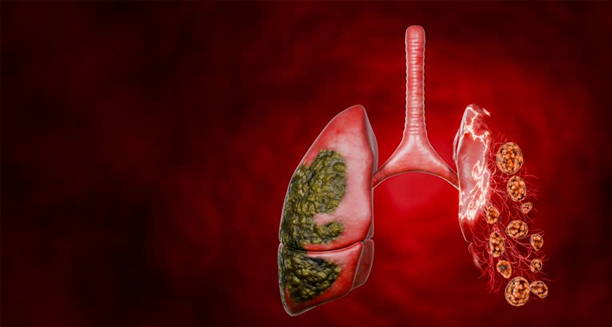
Medical illustration of lungs and trachea affected by viral infection, symbolising the causes of croup in the respiratory tract.

Causes of Croup

Causes of Croup Causes of croup are primarily viral in nature, with inflammation of the larynx and trachea resulting in the hallmark symptoms of barking cough and stridor. Although rare, bacterial infections or allergic reactions can also trigger croup. The vast majority of cases are due to respiratory viruses. Viral Infections The most common viral causes include: Parainfluenza virus types 1 and 2: These are responsible for most cases of croup, particularly in autumn and early winter. Respiratory syncytial virus (RSV): Known for causing bronchiolitis, RSV can also contribute to croup, especially in infants. Influenza virus: Seasonal flu viruses can lead to more severe forms of croup. Adenovirus and rhinovirus: These viruses can sometimes cause croup-like symptoms in toddlers and older children. These viruses transmit through respiratory droplets and by touching infected surfaces. Children in childcare or school settings face higher exposure risk. Immature Immune Systems Young children are more susceptible to developing croup because their airways are smaller and their immune systems are still developing. Even a small amount of inflammation in a young child’s trachea can cause significant breathing difficulty. Environmental Factors | Causes of Croup Croup may also be exacerbated by: Exposure to cold air, which can irritate the airways Dry indoor heating, which dries out the respiratory tract and increases vulnerability to infection Allergens or pollutants: Rarely, croup-like symptoms may be triggered by inhaling smoke or strong fumes Non-Viral Causes Less commonly, bacterial infections such as bacterial tracheitis or epiglottitis can cause similar symptoms to croup but are typically more severe and require hospitalisation. Recurrent Croup Some children experience repeated episodes of croup, often triggered by viral infections or allergic reactions. Recurrent croup may require further investigation to rule out structural airway abnormalities or chronic conditions like asthma. In conclusion, causes of croup are mainly viral, with environmental and anatomical factors influencing susceptibility and severity. Understanding these causes helps parents take preventive measures and seek early treatment. [Next: Symptoms of Croup →]

Causes of Croup Read More »

Young child lying on a couch under a blanket, coughing with tissues nearby, showing signs of respiratory illness such as croup.

Symptoms of Croup

Symptoms of Croup Symptoms of croup are distinctive and often begin suddenly, usually at night. The hallmark feature of croup is a barking cough, which sounds similar to a seal or dog. This is accompanied by other upper airway symptoms caused by inflammation and narrowing of the larynx and trachea. Early Symptoms Croup typically starts with: Cold-like symptoms: Runny nose, sore throat, mild fever Hoarseness: Caused by inflammation of the vocal cords Mild cough: Progresses to the classic barking sound within 24–48 hours Key Signs of Croup Barking cough: Loud, dry, and raspy Stridor: A high-pitched, whistling sound when breathing in, especially during crying or exertion Hoarse voice Laboured breathing: Use of chest and neck muscles to breathe, known as retractions Restlessness or irritability: Due to breathing difficulty These symptoms are typically worse at night and may improve during the day, only to return the next evening. Severity Levels | Symptoms of Croup Croup is often categorised as: Mild: Occasional barking cough, no stridor at rest, normal breathing between episodes Moderate: Frequent barking cough, stridor at rest, some chest retractions Severe: Continuous stridor, significant retractions, poor oxygen intake, or signs of lethargy Red Flags Parents should seek urgent medical attention if the child experiences: Difficulty breathing Bluish lips or skin Drooling or difficulty swallowing Extreme fatigue or listlessness Rapid breathing or pulling in of the skin between ribs In summary, symptoms of croup range from a distinctive barking cough to potentially severe breathing difficulties. Recognising the early signs and knowing when to seek medical care can ensure safe and effective treatment. [Next: Diagnosis of Croup →]

Symptoms of Croup Read More »

Paediatrician using a stethoscope to examine a baby’s back, assessing breathing to help diagnose croup.

Diagnosis of Croup

Diagnosis of Croup Diagnosis of croup is primarily clinical, meaning that it is based on a physical examination and the child’s medical history. Most cases of croup can be diagnosed by a doctor without the need for laboratory tests or imaging. The distinctive barking cough and stridor, along with a recent history of cold-like symptoms, are usually enough to confirm the diagnosis. Clinical Assessment During the consultation, the healthcare provider will: Ask about symptom onset, duration, and severity Listen to the child’s breathing for signs of stridor or wheezing Observe for signs of respiratory distress, such as chest retractions or nasal flaring Check for fever, hydration status, and general behaviour (alertness, irritability) Stridor at rest and chest wall retractions often indicate moderate to severe croup, and these findings help determine the need for medical intervention. Differential Diagnosis | Diagnosis of Croup It is important to differentiate croup from other potentially serious conditions that may present with similar symptoms: Epiglottitis: A medical emergency characterised by drooling, difficulty swallowing, and severe respiratory distress. Unlike croup, it presents with a quiet voice and no cough. Bacterial tracheitis: Can follow a viral illness and leads to thick secretions, high fever, and worsening airway obstruction. Foreign body aspiration: Sudden onset of coughing or stridor, particularly with no history of preceding illness. Allergic reactions or anaphylaxis: May also cause upper airway swelling and require immediate treatment. Imaging and Testing In typical cases, no tests are necessary. However, in uncertain or severe cases, doctors may use: Neck X-rays: To rule out epiglottitis or foreign bodies. Croup may show the “steeple sign”—a narrowing of the upper trachea. Pulse oximetry: To monitor oxygen saturation in moderate to severe cases. Viral swabs: Occasionally done to identify the causative virus, though this rarely changes treatment. When to Refer Referral to hospital or specialist care is required if: The child has severe symptoms or is not responding to initial treatment There is suspicion of an alternative diagnosis Oxygen levels are persistently low In conclusion, diagnosis of croup is based on physical signs and a history of recent viral illness. Most cases can be confidently diagnosed in a clinical setting without the need for invasive tests. [Next: Treatment of Croup →]

Diagnosis of Croup Read More »

Young girl using a nebuliser mask at home, receiving respiratory treatment for croup.

Treatment of Croup

Treatment of Croup Treatment of croup depends on the severity of symptoms. Most mild cases can be managed at home with supportive care, while moderate to severe cases may require medication or hospitalisation. The goal of croup treatment is to reduce airway swelling, ease breathing, and provide comfort to the child. Home Treatment for Mild Croup Calm the child: Anxiety worsens symptoms. Keeping the child calm and upright helps ease breathing. Hydration: Offer small, frequent sips of fluids to prevent dehydration. Cool mist or humidified air: Some parents find that using a humidifier or exposing the child to cool night air helps ease the cough, although evidence is mixed. Paracetamol or ibuprofen: For fever and discomfort, as directed by a healthcare provider. When Medical Treatment is Needed If symptoms worsen or if the child is showing signs of respiratory distress, medical care is essential. Steroids Dexamethasone: A single oral dose reduces airway swelling and is the most common treatment. Prednisolone: Another corticosteroid used when dexamethasone is not available. These medications often provide significant relief within a few hours and shorten the duration of symptoms. Nebulised Adrenaline (Epinephrine) Used in moderate to severe cases, this medication quickly reduces swelling and improves airflow. Its effects are temporary, so observation in a clinical setting is necessary following administration. Hospital Care | Treatment of Croup Children with severe symptoms may need: Oxygen therapy Continuous monitoring Intravenous fluids if they cannot drink Admission for observation, especially if multiple adrenaline doses are needed Avoid Over-the-Counter Cough Medicines These are not effective for croup and can be harmful in young children. In summary, treatment of croup ranges from home care and corticosteroids to emergency interventions like nebulised adrenaline. Most children recover fully with appropriate care and do not experience long-term complications. [Next: Complications and Recovery from Croup →]

Treatment of Croup Read More »

Young girl coughing while being examined by a smiling healthcare provider, symbolising complications and recovery from croup.

Complications and Recovery from Croup

Complications and Recovery from Croup Complications and recovery from croup depend largely on the severity of the illness and the promptness of treatment. In the majority of cases, croup is mild and resolves within a few days without long-term effects. However, severe cases can lead to complications that require closer monitoring or hospitalisation. Typical Recovery Mild cases usually improve within 3 to 5 days Barking cough may linger for a few more days after other symptoms resolve Most children return to normal eating and sleeping patterns quickly Reassurance and rest remain key parts of recovery Possible Complications | Complications and Recovery from Croup Breathing difficulties: Inflammation can worsen suddenly, especially at night Dehydration: Due to reduced fluid intake during illness Secondary infections: Such as pneumonia or ear infections Hospital admission: Needed in around 5–10% of cases for observation or treatment Rare but Serious Complications Bacterial tracheitis: May follow viral croup and cause severe airway obstruction Respiratory failure: Rare but possible if airway obstruction becomes severe and untreated Recurrent croup: Some children may experience multiple episodes, particularly if they have underlying airway abnormalities or allergies When to Seek Urgent Care Parents should seek immediate medical help if the child: Struggles to breathe or makes constant stridor at rest Has blue or pale lips Is unusually drowsy or lethargic Refuses fluids or shows signs of dehydration Prevention and Aftercare Hand hygiene and limiting exposure to sick individuals can help reduce the risk of viral infections Children with recurrent croup may benefit from referral to an ENT specialist or respiratory clinic In conclusion, complications and recovery from croup are minimal for most children, provided symptoms are monitored and managed appropriately. With supportive care and medical treatment when needed, children generally recover fully and resume normal activities quickly. [Next: Back to Overview →]

Complications and Recovery from Croup Read More »

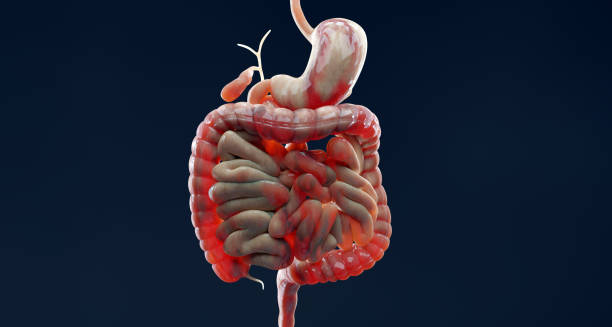
3D medical illustration of the human digestive system highlighting the intestines, representing inflammation linked to Crohn’s disease.

Crohn’s Disease

Crohn’s Disease – Overview Crohn’s disease is a chronic inflammatory bowel disease (IBD) that causes inflammation of the digestive tract, leading to symptoms such as abdominal pain, diarrhoea, fatigue, and weight loss. The inflammation associated with this disease can affect any part of the gastrointestinal tract, from the mouth to the anus, but it most commonly occurs in the end of the small intestine and the beginning of the colon. This disease is a lifelong condition that can vary in severity. In some people, it causes only mild symptoms, while in others, it leads to severe and disabling complications. It tends to develop gradually, although flare-ups may occur suddenly and without warning. These flare-ups are periods when symptoms become active or worsen, followed by periods of remission where symptoms decrease or disappear altogether. Crohn’s Disease – Overview Although the exact cause is not fully understood, Crohn’s disease is believed to result from a combination of genetic predisposition, immune system dysfunction, and environmental triggers. It is not contagious but can run in families, and it typically develops between the ages of 15 and 35. There is currently no cure for this disease, but treatments such as medication, lifestyle changes, and surgery can help manage symptoms and reduce inflammation. Early diagnosis and a personalised treatment plan are essential to improving quality of life and preventing complications. In summary, this disease is a long-term inflammatory condition of the digestive tract that causes recurring symptoms and requires ongoing medical management. With proper treatment, many people can control their symptoms and live full, active lives. [Next: Causes of Crohn’s Disease →]

Crohn’s Disease Read More »

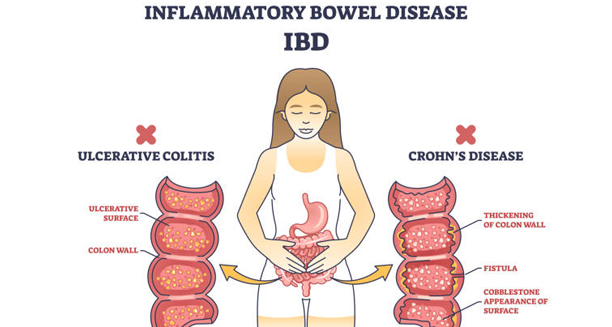
Medical illustration comparing ulcerative colitis and Crohn’s disease as forms of inflammatory bowel disease (IBD), highlighting colon wall changes and inflammation.

Causes of Crohn’s Disease

Causes of Crohn’s Disease Causes of Crohn’s disease are complex and involve a combination of genetic, immune, and environmental factors. Although research is ongoing. It is clear that Crohn’s disease results from an inappropriate immune response that leads to chronic inflammation of the gastrointestinal tract. Genetic Factors Genetics play a key role. People with a family history of Crohn’s disease are more likely to develop the condition. Researchers have identified several genes associated with the disease. Furthermore, most notably the NOD2 gene, which affects immune system function in the gut. While having these genes doesn’t guarantee someone will develop Crohn’s, it significantly raises their risk. Immune System Dysfunction Crohn’s disease is thought to be an autoimmune disorder. Hence, the immune system mistakenly attacks healthy cells in the gastrointestinal tract. This abnormal immune response may be triggered by bacteria, viruses, or other environmental factors, leading to persistent inflammation and damage to the digestive tract. Environmental Triggers Certain environmental influences appear to increase the risk or severity of the disease: Smoking is strongly linked to a higher risk of developing Crohn’s and experiencing more severe symptoms. Diet does not directly cause the disease but may trigger flare-ups in some individuals. High-fat, processed foods and low-fibre diets are often associated with symptom worsening. Urban living and high sanitation levels during childhood have been linked to increased incidence, suggesting reduced early exposure to microbes may affect immune development. Microbiome Imbalance | Causes of Crohn’s Disease An imbalance in gut bacteria—known as dysbiosis—has been observed in many people with Crohn’s disease. This may contribute to ongoing inflammation and poor intestinal health, although it is still unclear whether dysbiosis is a cause or result of the condition. Other Contributing Factors Use of nonsteroidal anti-inflammatory drugs (NSAIDs) may exacerbate inflammation Stress and emotional trauma don’t cause Crohn’s disease but may trigger or worsen symptoms A weakened intestinal barrier may allow bacteria and toxins to leak into underlying tissue, provoking immune reactions In conclusion, causes of Crohn’s disease include a combination of genetic susceptibility, abnormal immune response, environmental exposures, and changes in gut bacteria. Understanding these factors is key to managing the condition and identifying effective treatment options. [Next: Symptoms of Crohn’s Disease →]

Causes of Crohn’s Disease Read More »

Person clutching abdomen with an overlay of the digestive tract, indicating pain and discomfort typical of Crohn’s disease symptoms.

Symptoms of Crohn’s Disease

Symptoms of Crohn’s Disease Symptoms of Crohn’s disease vary greatly between individuals, depending on which part of the gastrointestinal tract is affected and how severe the inflammation is. Crohn’s disease is characterised by unpredictable flare-ups and periods of remission, which makes symptom management a central focus of care. Digestive Symptoms The most common symptoms include: Chronic diarrhoea: Often watery or loose, sometimes with mucus or blood Abdominal pain and cramping: Frequently located in the lower right side of the abdomen Urgency to defecate: A sudden and compelling need to use the toilet Rectal bleeding: Caused by inflammation or small tears in the lining of the bowel Weight loss and reduced appetite: Due to malabsorption of nutrients or loss of interest in food during flare-ups Nausea and vomiting: Particularly when inflammation affects the upper gastrointestinal tract Systemic Symptoms | Symptoms of Crohn’s Disease In addition to gastrointestinal symptoms, it can cause: Fatigue and weakness Fever during active flare-ups Anaemia due to blood loss or poor nutrient absorption Mouth ulcers Joint pain or swelling (enteropathic arthritis) Symptoms in Children In children, Crohn’s disease may also result in: Delayed growth or puberty Poor weight gain General irritability or discomfort Fluctuating Nature Symptoms often appear gradually and may be mistaken for other conditions like irritable bowel syndrome (IBS) or food intolerance. Flare-ups may be triggered by stress, certain foods, infections, or stopping medication. In summary, symptoms of Crohn’s disease can range from mild to severe and may affect many areas beyond the digestive system. Recognising the signs early allows for quicker diagnosis and better symptom control. [Next: Diagnosis of Crohn’s Disease →]

Symptoms of Crohn’s Disease Read More »

Diagnosis of Crohn’s Disease

Diagnosis of Crohn’s Disease

Diagnosis of Crohn’s Disease Diagnosis of Crohn’s disease involves a combination of clinical evaluation, laboratory testing, imaging studies, and endoscopic procedures. Since the symptoms of Crohn’s disease can resemble other gastrointestinal conditions such as ulcerative colitis, coeliac disease, or irritable bowel syndrome (IBS), a thorough and accurate diagnosis is essential. Medical History and Physical Examination Diagnosis begins with a comprehensive review of the patient’s: Symptom history (e.g. duration, frequency, and triggers) Bowel habits and abdominal pain Weight fluctuations and dietary tolerance Family history of inflammatory bowel disease (IBD) During the physical exam, the doctor may check for: Abdominal tenderness or masses Signs of anaemia or weight loss Perianal abnormalities such as skin tags or fistulas Laboratory Tests | Diagnosis of Crohn’s Disease Blood and stool tests help identify inflammation, infection, or nutritional deficiencies: Full blood count (FBC) to detect anaemia or infection C-reactive protein (CRP) and erythrocyte sedimentation rate (ESR) to assess inflammation Stool calprotectin to measure intestinal inflammation and rule out infections Vitamin B12, iron, and folate levels to assess malabsorption Endoscopy and Biopsy To directly examine the digestive tract, doctors may perform: Colonoscopy: Doctors insert a camera through the rectum to examine the colon and terminal ileum. Biopsies are commonly collected and sent for lab analysis. Upper endoscopy (EGD): Used if symptoms suggest upper gastrointestinal involvement. Findings in Crohn’s often include patchy areas of inflammation, ulceration, or strictures, with “skip lesions” being a hallmark feature. Imaging Studies Non-invasive imaging is used to assess the extent and location of disease: Magnetic resonance enterography (MRE) or CT enterography: Visualises inflammation, narrowing, or fistulas in the small intestine Barium studies: Rarely used now but may show strictures or abnormal bowel movement Distinguishing from Other Conditions Crohn’s disease must be differentiated from: Ulcerative colitis: Which affects only the colon and in a continuous pattern Infections: Like salmonella or Clostridium difficile Lactose intolerance or coeliac disease In summary, diagnosis of Crohn’s disease involves a multi-step process combining symptom review, lab tests, imaging, and endoscopic biopsies. Early diagnosis is critical to minimise complications and guide effective treatment. [Next: Treatment of Crohn’s Disease →]

Diagnosis of Crohn’s Disease Read More »

Scroll to Top