Mental Matters

Health Conditions

Find information on various health conditions affecting people of all ages. This category covers causes, symptoms, diagnosis, and management options for physical illnesses and chronic diseases. Get insights to help you understand different health challenges and make informed decisions about your wellbeing.

Whole grain foods including bread, oats, pasta, and seeds spread on a table, beneficial for constipation treatment.

Treatment of Constipation

Treatment of Constipation Treatment of constipation depends on its severity, duration, and underlying causes. While occasional constipation often resolves with simple dietary and lifestyle changes, chronic or severe cases may require medical treatment, prescription drugs, or therapy for underlying functional disorders. The aim is to restore normal bowel habits, relieve discomfort, and prevent recurrence. 1. Lifestyle and Dietary Adjustments For most people, the first approach to treatment is making key adjustments to their daily habits: Fibre intake should be increased gradually to 25–30 grams per day through vegetables, fruits, legumes, and whole grains. Fibre adds bulk to stool and stimulates bowel movements. Hydration is critical. Drinking 6–8 glasses of water a day softens stool and prevents dehydration-related constipation. Physical activity helps stimulate intestinal motility. Even light exercises like walking can significantly improve symptoms. Bowel routine training encourages regularity. Sitting on the toilet at the same time daily, especially after meals, helps train the bowels. Avoiding delay in responding to bowel urges prevents stool from drying out and becoming harder to pass. 2. Laxatives and OTC Treatments | Treatment of Constipation When lifestyle modifications are not enough, over-the-counter products may be recommended: Bulk-forming agents like psyllium absorb water to soften stool Osmotic laxatives such as lactulose draw fluid into the colon Stimulant laxatives like senna and bisacodyl promote muscle contractions Stool softeners help make stool easier to expel, particularly useful post-surgery or childbirth While effective, laxatives should be used cautiously and under medical supervision to avoid dependency or worsening symptoms over time. 3. Prescription Medications For persistent or medically complex constipation, the following may be prescribed: Prucalopride, a serotonin agonist that increases colon motility Lubiprostone or linaclotide, which increase fluid secretion in the intestines Biofeedback therapy, which retrains the pelvic floor muscles in cases of defecation dysfunction 4. Treating Secondary Causes | Treatment of Constipation If another condition is causing constipation—such as hypothyroidism or medication side effects—then adjusting or treating that condition is essential for lasting relief. Ironically, many medications used for unrelated conditions (like painkillers or antidepressants) may require substitution or dosage changes. In summary, treatment of constipation is tailored to the individual. Early intervention with lifestyle changes is often successful, but persistent cases require medical evaluation and possibly ongoing care. Treating the root cause is essential to avoid recurrence and restore normal bowel health. [Next: Complications and Recovery from Constipation →]

Treatment of Constipation Read More »

Woman sitting on a sofa with abdominal pain from constipation

Complications and Recovery from Constipation

Complications and Recovery from Constipation Complications and recovery from constipation vary depending on how quickly the condition is recognised and treated. Although most cases of constipation are mild and resolve with dietary changes or hydration, chronic or severe constipation can lead to significant health issues, some requiring urgent medical attention. 1. Common Complications Haemorrhoids: Straining puts pressure on rectal veins, causing them to swell and become painful or itchy. They may bleed during defecation. Anal fissures: These are small tears in the skin around the anus, often caused by passing hard stools. They can cause sharp pain, especially during and after bowel movements. Faecal impaction: This occurs when dry, hardened stool becomes lodged in the rectum. It may block further passage of stool and can result in pain, nausea, and leakage of liquid stool around the blockage. Rectal prolapse: Repeated straining can cause the rectal wall to slip through the anus, especially in older adults or those with weakened pelvic floor muscles. Overflow incontinence: Liquid stool bypassing a blockage may be mistaken for diarrhoea, particularly in children or the elderly. 2. Psychological Effects | Complications and Recovery from Constipation Constipation can take a toll on emotional well-being. Children may withhold stool due to pain or embarrassment, leading to a cycle of worsening constipation. Adults may avoid social situations, travel, or work due to anxiety about bowel problems. In long-term sufferers, chronic discomfort can reduce quality of life. 3. Recovery Timeline Recovery depends on the cause and how soon treatment begins: Short-term cases often resolve within a few days of increased fluid and fibre intake. Chronic cases may take weeks or months of consistent treatment, especially if related to medication, motility disorders, or mental health. Post-complication recovery, such as after fissures or impaction, may require extended follow-up and pain management. 4. Long-Term Management | Complications and Recovery from Constipation To maintain recovery and prevent future episodes: Continue eating a balanced, high-fibre diet Stay hydrated daily Maintain regular physical activity Respond promptly to the urge to defecate Avoid long-term use of laxatives without medical advice In conclusion, complications and recovery from constipation are closely tied to how quickly the condition is addressed and whether preventive steps are taken. With the right approach, most people recover fully and maintain normal bowel function through simple but consistent habits. [Next: Back to Overview →]

Complications and Recovery from Constipation Read More »

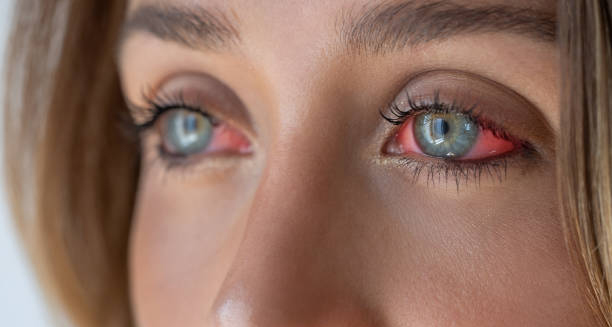
Close-up of irritated eyes with redness due to conjunctivitis

Conjunctivitis

Conjunctivitis – Overview Conjunctivitis is a condition characterised by inflammation of the conjunctiva. The thin and transparent membrane that lines the white part of the eye and the inside of the eyelids. In most cases, this causes redness, irritation, and discharge from one or both eyes. It can affect individuals of all ages and is often referred to as “pink eye”. This is due to the reddish appearance of the affected eye. The condition can result from a variety of causes including bacterial or viral infections. Additionally, allergic reactions or exposure to irritants like smoke, dust, or chlorine. This can be mild and resolve on its own, or it can persist and require medical treatment depending on the underlying cause. Infectious forms, particularly viral and bacterial conjunctivitis, are highly contagious and spread easily in schools, workplaces, and other communal environments. Conjunctivitis Symptoms often include redness, watery or sticky discharge, a gritty or burning sensation, itching, and increased sensitivity to light. While these symptoms are uncomfortable, most cases of conjunctivitis do not result in long-term eye damage, especially when properly managed. Treatment can range from simple self-care remedies and eye drops to prescription antibiotics or antihistamines, depending on the trigger. Newborns and infants may develop this condition within the first few weeks of life, which requires prompt evaluation to prevent complications. Adults and older children, particularly contact lens wearers or allergy sufferers, may be more prone to certain types. In summary, conjunctivitis is a common, often self-limiting condition that causes inflammation of the eye’s outer membrane. Proper diagnosis and treatment, along with good hygiene practices, are essential for effective recovery and preventing spread in the case of infectious conjunctivitis. [Next: Causes of Conjunctivitis →]

Conjunctivitis Read More »

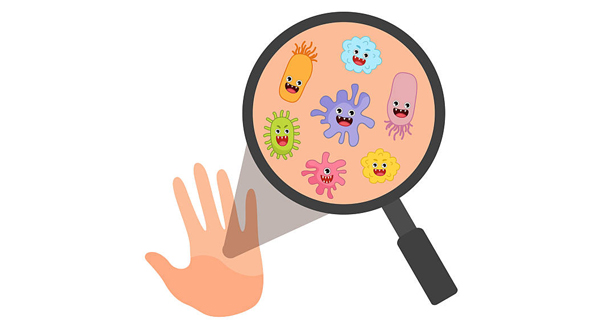
Cartoon germs on hand under magnifying glass illustrating causes of conjunctivitis

Causes of Conjunctivitis

Causes of Conjunctivitis Causes of conjunctivitis can be grouped into infectious and non-infectious categories. Understanding the root cause of conjunctivitis is essential for selecting the right treatment and preventing future occurrences or complications. Each cause leads to inflammation of the conjunctiva, but the symptoms, duration, and level of contagion differ significantly. Infectious Conjunctivitis This form of conjunctivitis is caused by bacteria or viruses and is typically very contagious. Viral conjunctivitis is the most common type, usually linked to adenoviruses. It often accompanies respiratory infections like the common cold or flu. It spreads through respiratory droplets, direct contact, or contaminated surfaces. Bacterial conjunctivitis is caused by bacteria such as Staphylococcus aureus, Streptococcus pneumoniae, or Haemophilus influenzae. It often results in thick, yellow-green discharge and may affect both eyes. This type is common among children and spreads easily in group settings. In both viral and bacterial cases, symptoms can last several days to two weeks and require isolation and hygiene precautions to avoid infecting others. Allergic Conjunctivitis | Causes of Conjunctivitis Non-contagious and triggered by allergens like pollen, pet dander, dust mites, or mould, this type causes itching, watery eyes, and eyelid swelling. It often occurs in people with hay fever or asthma and may be seasonal or chronic, depending on the allergen. Repeated exposure to the trigger can result in recurring symptoms. Chemical and Irritant-Induced Conjunctivitis Exposure to smoke, pollution, chlorine from swimming pools, or chemical sprays may lead to irritation. The reaction is not infectious but can cause significant redness, tearing, and discomfort. It usually resolves once the irritant is removed, though severe cases may require medical attention. Neonatal Conjunctivitis | Causes of Conjunctivitis Newborns may develop conjunctivitis due to blocked tear ducts, irritation from eye drops, or infections acquired during birth, especially if the mother has a sexually transmitted infection like chlamydia or gonorrhoea. Prompt treatment is critical to prevent eye damage. To summarise, causes of conjunctivitis include viruses, bacteria, allergens, chemicals, and irritants. Correct identification of the cause enables effective treatment and helps prevent recurrence, complications, or further transmission in contagious cases. [Next: Symptoms of Conjunctivitis →]

Causes of Conjunctivitis Read More »

Child rubbing irritated eye showing early symptoms of conjunctivitis

Symptoms of Conjunctivitis

Symptoms of Conjunctivitis Symptoms of conjunctivitis can vary depending on the underlying cause, but all involve inflammation of the conjunctiva. This thin membrane reacts to infections, allergens, or irritants by producing redness, discomfort, and discharge. Recognising these signs early is crucial to determining the appropriate course of treatment for conjunctivitis and avoiding spread, especially in infectious cases. General Symptoms Across all types of conjunctivitis, patients typically experience: Redness in one or both eyes A gritty, burning, or stinging sensation Eye discharge, which may be watery or thick and sticky Itching, especially in allergic conjunctivitis Increased tearing or watering Mild swelling of the eyelids Crusting of the eyelashes, particularly after sleep These symptoms may appear suddenly or develop over the course of a few days. In viral and bacterial cases, symptoms often start in one eye before spreading to the other. Viral Conjunctivitis | Symptoms of Conjunctivitis Symptoms include watery discharge, light sensitivity, and swelling of the lymph nodes near the ears. It may occur alongside cold or flu symptoms. Often, the discomfort is mild, but the eye appears very red and irritated. Viral forms are highly contagious and may linger for up to two weeks. Bacterial Conjunctivitis This type presents with a thick, yellow or greenish discharge that can cause the eyelids to stick together, especially upon waking. Redness and discomfort are common, but significant itching is rare. If left untreated, it may worsen or lead to more serious complications. Allergic Conjunctivitis Usually affects both eyes and is characterised by intense itching, watery discharge, and eyelid puffiness. It often coincides with seasonal allergy symptoms like sneezing or nasal congestion. Allergic conjunctivitis is not contagious and may persist as long as exposure to the allergen continues. Irritant-Induced Conjunctivitis | Symptoms of Conjunctivitis Symptoms develop rapidly after exposure to a chemical or physical irritant and usually resolve within hours once the irritant is removed. However, prolonged or repeated exposure can cause persistent discomfort and damage. In summary, symptoms of conjunctivitis range from mild irritation to significant discharge and swelling. Identifying the specific characteristics helps in differentiating between viral, bacterial, allergic, and irritant causes, which guides effective management. [Next: Diagnosis of Conjunctivitis →]

Symptoms of Conjunctivitis Read More »

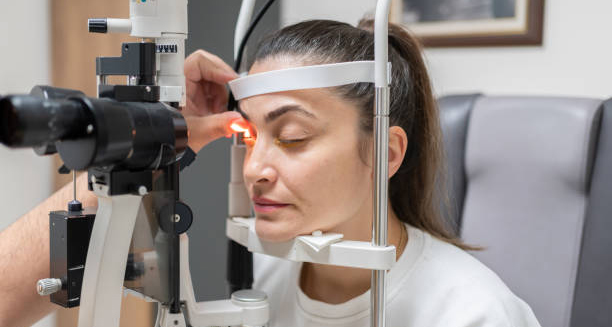
Woman undergoing eye examination for conjunctivitis diagnosis

Diagnosis of Conjunctivitis

Diagnosis of Conjunctivitis Diagnosis of conjunctivitis is typically straightforward and based on clinical evaluation of the symptoms and patient history. In most cases, the appearance of the eye and the type of discharge provide enough information for an accurate diagnosis. However, because conjunctivitis can mimic other eye conditions, careful assessment is necessary to avoid complications or inappropriate treatment. Initial Clinical Assessment The healthcare provider will begin by asking about: Onset and duration of symptoms Type and colour of eye discharge Exposure to others with similar symptoms Presence of allergies or other health issues Use of contact lenses or eye drops This detailed history helps determine whether the conjunctivitis is infectious, allergic, or irritant-related. Physical Examination | Diagnosis of Conjunctivitis Doctors examine the eyes with a light source or slit lamp to evaluate: Redness and location of inflammation Swelling of eyelids or lymph nodes Condition of the cornea Type of eye discharge The examination helps exclude other serious eye problems, such as uveitis, keratitis, or acute glaucoma, which can present similarly but require very different treatments. Swab or Culture Testing If the diagnosis is unclear, if the symptoms are severe, or if the patient is not improving with initial treatment, the doctor may take a swab of the eye discharge for laboratory testing. This helps: Identify the specific virus or bacteria Determine antibiotic sensitivity Rule out sexually transmitted infections in neonatal or adult cases These tests are particularly important for patients who wear contact lenses or those with immune compromise. Allergy Evaluation | Diagnosis of Conjunctivitis If allergic conjunctivitis is suspected, referral to an allergist may be recommended for skin prick tests or blood tests to identify triggers. Knowing the specific allergen can improve treatment outcomes through avoidance strategies or immunotherapy. To conclude, diagnosis of conjunctivitis relies on careful evaluation of symptoms and patient history. When necessary, further testing supports accurate identification and ensures targeted, effective treatment to minimise complications and speed recovery. [Next: Treatment of Conjunctivitis →]

Diagnosis of Conjunctivitis Read More »

Woman applying eye drops for conjunctivitis treatment

Treatment of Conjunctivitis

Treatment of Conjunctivitis Treatment of conjunctivitis depends on the underlying cause—viral, bacterial, allergic, or irritant. Each type of conjunctivitis requires a tailored approach, and accurate diagnosis is essential to avoid unnecessary or ineffective treatment. Most cases are mild and self-limiting, but medical intervention may be required for symptom relief or to prevent complications. Viral Conjunctivitis There is no specific antiviral treatment for the common viruses that cause conjunctivitis. Management focuses on symptom relief: Lubricating eye drops can reduce dryness and discomfort. Cool compresses may soothe inflammation. Strict hygiene practices are essential to prevent spreading the infection.Symptoms usually resolve within 7–14 days. Antiviral medication may be needed if herpes simplex virus is involved. Bacterial Conjunctivitis | Treatment of Conjunctivitis Many cases clear without antibiotics, but topical antibiotic drops or ointments can speed recovery, especially in moderate to severe cases. Common prescriptions include: Chloramphenicol Fusidic acidTreatment typically lasts for 5–7 days. Contact lens wearers should stop using lenses during treatment and may require different antibiotics due to risk of complications like keratitis. Allergic Conjunctivitis | Treatment of Conjunctivitis Treatment focuses on reducing allergic reactions: Antihistamine eye drops (e.g. olopatadine) Mast cell stabilisers (e.g. sodium cromoglicate) Oral antihistamines for systemic symptomsAvoiding known allergens and using air purifiers or keeping windows closed during high pollen seasons can help prevent flare-ups. Irritant-Induced Conjunctivitis Immediate flushing with sterile saline can remove the irritant. If symptoms persist, lubricating drops or anti-inflammatory medications may be prescribed. In cases involving chemical burns, emergency care is needed. General Care Advice Do not use contact lenses until fully recovered. Dispose of or disinfect makeup and contact lens accessories. Avoid touching or rubbing the eyes. Wash hands frequently and avoid sharing towels or pillows. In summary, treatment of conjunctivitis involves a mix of symptom management and targeted medication. With appropriate care and hygiene, most patients recover quickly and completely. [Next: Complications and Recovery from Conjunctivitis →]

Treatment of Conjunctivitis Read More »

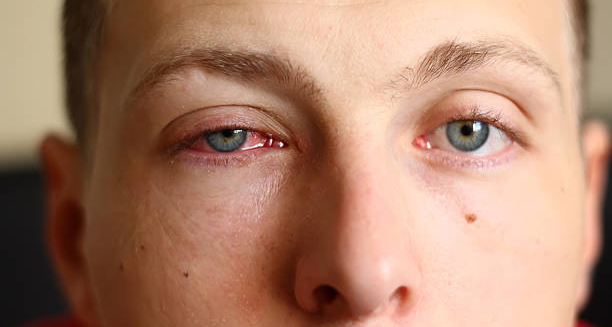
Close-up of a man with conjunctivitis in one eye

Complications and Recovery from Conjunctivitis

Complications and Recovery from Conjunctivitis Complications and recovery from conjunctivitis are generally minimal in most cases, especially when treated early and appropriately. However, certain forms of conjunctivitis, particularly bacterial and viral, can lead to more serious issues if left unmanaged or if the infection spreads. Understanding the potential complications ensures proper care and monitoring. Possible Complications Keratitis: Inflammation of the cornea can result from untreated or severe bacterial or viral conjunctivitis. This may lead to blurred vision, eye pain, and sensitivity to light. Scarring: Rarely, chronic inflammation can cause scarring of the conjunctiva, especially in cases caused by STIs like chlamydia or gonorrhoea. Dry eye syndrome: Persistent irritation can disrupt the tear film, resulting in chronic dryness. Spread of infection: Particularly in contact lens wearers, the infection can extend deeper into the eye, leading to corneal ulcers. Vision impairment: Very rare, but possible in untreated severe cases, especially in vulnerable populations like infants or immunocompromised individuals. Recovery Timeline | Complications and Recovery from Conjunctivitis Viral: Typically resolves within 1–2 weeks without medication. Bacterial: Usually clears in 2–5 days with antibiotics, though symptoms can linger up to 10 days. Allergic: Can resolve quickly with antihistamines or persist as long as exposure continues. Irritant-related: Usually clears within 24–48 hours once the irritant is removed. Post-Recovery Care | Complications and Recovery from Conjunctivitis Avoid reusing contaminated items like towels, eye makeup, or contact lenses. Follow up with an eye specialist if symptoms return or worsen. Consider preventive antihistamines during allergy season if allergic conjunctivitis recurs. Teach children about hand hygiene to prevent school outbreaks. In conclusion, complications and recovery from conjunctivitis are largely preventable. With early diagnosis, proper hygiene, and appropriate treatment, most individuals recover fully and without long-term consequences. [Next: Back to Overview →]

Complications and Recovery from Conjunctivitis Read More »

Doctor holding a red card labelled congenital heart defect

Congenital Heart Disease

Congenital Heart Disease – Overview Congenital heart disease refers to a range of structural problems with the heart that are present from birth. These abnormalities affect the way blood flows through the heart and the rest of the body. This heart disease can vary in severity, from simple issues that may never need treatment to complex malformations requiring immediate surgery after birth. The heart develops early during pregnancy. Sometimes, parts of the heart or its major blood vessels do not form correctly, leading to one or more defects. These may involve holes in the heart walls, poorly formed valves, or incorrect connections between blood vessels. Some babies are born with a combination of defects, which can make diagnosis and treatment more challenging. Thanks to advances in prenatal screening and neonatal care, many congenital heart defects are now diagnosed before or shortly after birth. Some mild conditions may not cause noticeable symptoms and are only discovered during routine examinations in childhood or adulthood. More complex defects may be life-threatening and require urgent medical intervention. Congenital Heart Disease This disease is the most common type of birth defect, affecting nearly 1 in every 100 babies. While the exact cause is often unknown, genetic factors, maternal health conditions, and environmental exposures during pregnancy can increase the risk. In the past, many children with this heart disease did not survive into adulthood. Today, however, medical advancements allow most to live long, healthy lives with appropriate treatment and monitoring. In summary, thisheart disease includes a wide spectrum of heart abnormalities that develop in the womb. Early diagnosis and lifelong care are key to managing this condition and supporting heart health. [Next: Causes of Congenital Heart Disease →]

Congenital Heart Disease Read More »

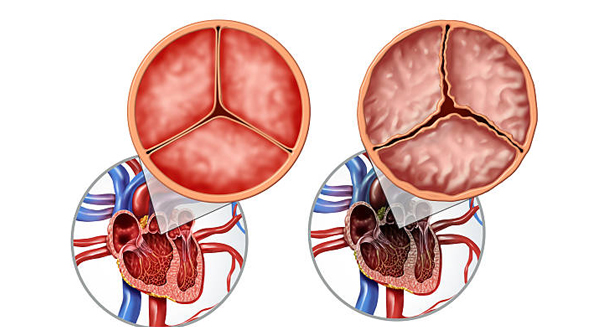
Medical illustration of normal and abnormal heart valve structures linked to congenital heart disease

Causes of Congenital Heart Disease

Causes of Congenital Heart Disease Causes of congenital heart disease are often complex and multifactorial, involving both genetic and environmental components. Although congenital heart disease begins during foetal development, the precise reason why a baby’s heart doesn’t form properly is frequently unknown. Genetic Causes Genetic abnormalities play a significant role in many congenital heart defects. Some are associated with chromosomal disorders such as: Down syndrome Turner syndrome DiGeorge syndrome In these cases, the faulty development of the heart occurs alongside other physical or developmental abnormalities. Occasionally, a child inherits a single gene mutation from a parent, which increases the likelihood of heart defects. These mutations may occur spontaneously or run in families. Maternal Health and Lifestyle Factors A mother’s health during pregnancy can influence the risk of her baby developing congenital heart disease. Higher risk factors include: Poorly controlled diabetes Rubella infection during pregnancy Use of certain medications (e.g. lithium, isotretinoin) Alcohol or drug use Smoking during pregnancy Exposure to environmental toxins or chemicals Good prenatal care, including managing chronic conditions and avoiding harmful substances, can reduce the risk of heart defects. Unknown or Idiopathic Causes In many cases, no specific cause can be identified. The heart is a highly complex organ, and even a minor disruption in its development during early pregnancy can lead to congenital defects. This makes prevention difficult in some instances. Family History | Causes of Congenital Heart Disease A child is more likely to be born with a heart defect if a parent or sibling has had one. This hereditary link prompts screening and monitoring in future pregnancies for families with a history of congenital heart disease. To conclude, the causes of congenital heart disease involve a mix of genetic, environmental, and maternal factors. Understanding these causes enables better screening, prevention strategies, and early detection during pregnancy. [Next: Symptoms of Congenital Heart Disease →]

Causes of Congenital Heart Disease Read More »

Scroll to Top