Mental Matters

Health Conditions

Find information on various health conditions affecting people of all ages. This category covers causes, symptoms, diagnosis, and management options for physical illnesses and chronic diseases. Get insights to help you understand different health challenges and make informed decisions about your wellbeing.

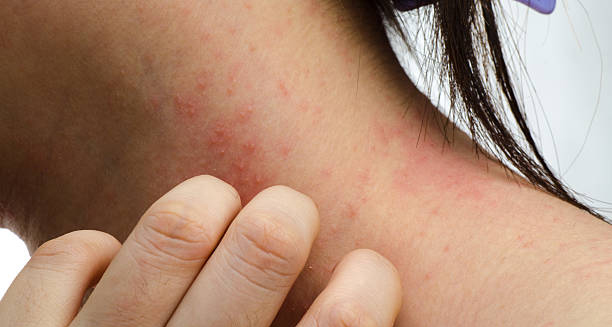
Close-up of a woman's hand scratching inflamed, itchy skin on her neck due to contact dermatitis.

Contact Dermatitis

Contact Dermatitis – Overview Contact dermatitis is a common inflammatory skin condition triggered by direct contact with an irritant or allergen. It results in red, itchy, and sometimes blistered or scaly skin. This can affect people of all ages and may appear on any part of the body, though it is most frequently seen on the hands, arms, face, and neck — areas most likely to come into contact with reactive substances. The condition occurs when the skin’s natural protective barrier is disrupted by either a chemical irritant or an allergen. Irritant this is caused by substances that physically damage the skin, such as detergents, solvents, or acids. Allergic contact dermatitis, on the other hand, occurs when the immune system overreacts to a harmless substance like nickel, fragrances, or certain preservatives, leading to a delayed hypersensitivity reaction. Contact Dermatitis This can develop suddenly or gradually, depending on the intensity and frequency of exposure. Some people may develop symptoms after a single high-dose exposure, while others may become sensitised after repeated contact over time. Though not contagious or life-threatening, the condition can be extremely uncomfortable and affect quality of life, especially if it becomes chronic. Prevention and management involve identifying and avoiding the offending agent, protecting the skin, and using topical treatments to reduce inflammation and itching. With appropriate care, most cases resolve completely within a few days to weeks. In summary, this is an inflammatory skin reaction caused by exposure to irritants or allergens. Early identification and avoidance of triggers are key to successful treatment and preventing recurrence. [Next: Causes of Contact Dermatitis →]
Contact Dermatitis Read More »

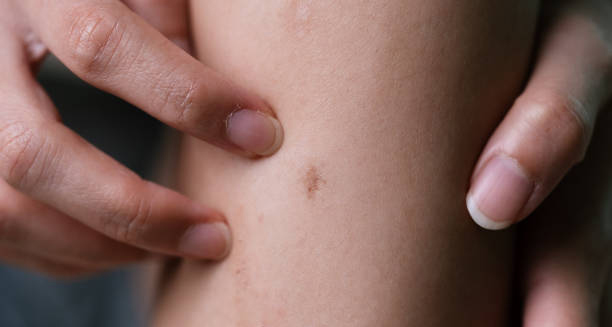
Close-up of a person's fingers scratching irritated skin, highlighting triggers of contact dermatitis.

Causes of Contact Dermatitis

Causes of Contact Dermatitis Causes of contact dermatitis fall into two main categories: irritant and allergic. Understanding the distinction is essential for identifying the specific triggers and developing an effective treatment plan. Both types result in the same visible symptoms, but the underlying mechanisms differ. Contact dermatitis arises when the skin’s barrier is compromised, either through direct injury or immune system activation. Irritant Contact Dermatitis This is the most common type, accounting for around 80% of cases. It occurs when the skin is exposed to substances that directly damage the outer layer of skin cells. These irritants may include: Soaps, detergents, and shampoos Solvents like acetone or alcohol Acids and alkalis Bleach and disinfectants Prolonged contact with water Irritant contact dermatitis tends to affect people in occupations involving frequent hand washing, such as healthcare workers, cleaners, and food handlers. It can occur quickly after a single strong exposure or gradually due to cumulative damage from repeated contact. Allergic Contact Dermatitis | Causes of Contact Dermatitis This form results from an immune reaction to a normally harmless substance, referred to as an allergen. Sensitisation usually takes days, weeks, or even months of exposure before symptoms appear. Common allergens include: Nickel in jewellery or belt buckles Fragrances and preservatives in cosmetics Rubber compounds in gloves or shoes Hair dyes (e.g. paraphenylenediamine or PPD) Certain plants, such as poison ivy or oak Once sensitised, even brief exposure to the allergen can trigger a flare-up. The reaction is typically delayed, appearing 24–72 hours after exposure. Combined Causes | Causes of Contact Dermatitis In some cases, people may suffer from both irritant and allergic contact dermatitis simultaneously. For example, a weakened skin barrier from repeated hand washing can make someone more susceptible to allergen penetration. To summarise, causes of contact dermatitis involve either direct damage from irritants or immune response to allergens. Identifying the specific cause is essential to eliminate exposure and tailor treatment, especially for individuals with occupational risks or chronic skin conditions. [Next: Symptoms of Contact Dermatitis →]

Causes of Contact Dermatitis Read More »

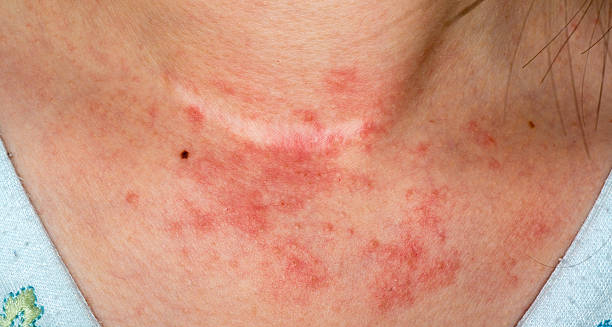
Close-up image of red, inflamed skin rash on the neck, a typical symptom of contact dermatitis

Symptoms of Contact Dermatitis

Symptoms of Contact Dermatitis Symptoms of contact dermatitis can vary in intensity and appearance depending on the severity of the reaction, the area of the body affected, and whether the cause is an irritant or an allergen. Regardless of the trigger, contact dermatitis leads to inflammation of the skin, which can cause significant discomfort and even impact daily activities or sleep in severe cases. General Symptoms Redness (erythema): Often the first visible sign, usually limited to the area of contact Itching (pruritus): Ranges from mild to intense and is especially common in allergic reactions Dryness and flaking: The skin may become rough and scaly, particularly in chronic or repeated exposure Swelling: Localised puffiness is a typical response to inflammation Blistering: In more severe cases, small fluid-filled blisters may form, which can ooze and crust over Burning or stinging sensation: Especially with irritant contact dermatitis The symptoms usually appear within minutes to hours of exposure in irritant contact dermatitis and may take 24–72 hours to develop in allergic contact dermatitis. The affected area is typically well-defined and corresponds to the contact site. For example, reactions from jewellery often appear on the neck, ears, or wrists, while hand dermatitis is common among people exposed to soaps or chemicals. Chronic Symptoms | Symptoms of Contact Dermatitis If the skin is repeatedly exposed to the triggering substance, the dermatitis can become chronic. Chronic contact dermatitis may result in: Thickened skin (lichenification) Cracks or fissures that bleed Pigment changes, with darkening or lightening of the skin Chronic symptoms can also become more widespread and difficult to manage if the inflammation persists or spreads through scratching. Secondary Infections | Symptoms of Contact Dermatitis Open blisters or broken skin may become infected with bacteria such as Staphylococcus aureus, leading to yellow crusting, pain, and swelling. In such cases, antibiotics may be needed. In conclusion, symptoms of contact dermatitis range from mild redness and itching to severe blistering and cracking. Early recognition and avoidance of the offending agent help prevent worsening of the condition and improve quality of life. [Next: Diagnosis of Contact Dermatitis →]

Symptoms of Contact Dermatitis Read More »

Medical professional performing a skin swab test on a patient's hand to diagnose contact dermatitis.

Diagnosis of Contact Dermatitis

Diagnosis of Contact Dermatitis Diagnosis of contact dermatitis begins with a detailed medical history and physical examination. Because contact dermatitis can mimic other skin conditions, such as eczema or psoriasis, accurate analysis is essential for effective treatment. Identifying the specific trigger is the key to managing and preventing future flare-ups. History and Clinical Assessment Your healthcare provider will ask about: Recent exposures to chemicals, cosmetics, plants, or metals Work and hobby-related risks Use of soaps, detergents, and skincare products Onset, duration, and pattern of symptoms Whether the condition improves or worsens with time or certain environments The location and shape of the rash can offer clues. For example, a reaction around the wrist may indicate an allergy to a watch strap, while widespread hand dermatitis may suggest an irritant like soap or detergent. Physical Examination | Diagnosis of Contact Dermatitis The clinician will inspect the skin for signs such as: Erythema (redness) Scaling or dryness Blisters or crusting Sharp boundaries or geometric shapes that suggest external contact Patch Testing Doctors use patch testing as the gold standard when they suspect allergic contact dermatitis. Doctors apply small amounts of common allergens to the skin on the back using adhesive patches. Patches stay on for 48 hours, and doctors monitor the skin for delayed reactions over the following days. Patch testing can help confirm allergies to: Metals (nickel, cobalt) Preservatives (formaldehyde, parabens) Fragrances Rubber and latex Hair dyes (PPD) This test does not diagnose irritant contact dermatitis, which is usually diagnosed based on history and exclusion of allergy. Additional Tests | Diagnosis of Contact Dermatitis If an infection is suspected, a skin swab may be taken to identify bacterial involvement. In rare or difficult cases, a skin biopsy may help rule out other conditions like psoriasis or fungal infections. To summarise, diagnosis of contact dermatitis relies on a detailed history, visual inspection, and testing when necessary. Accurate identification of triggers enables targeted treatment and long-term prevention. [Next: Treatment of Contact Dermatitis →]

Diagnosis of Contact Dermatitis Read More »

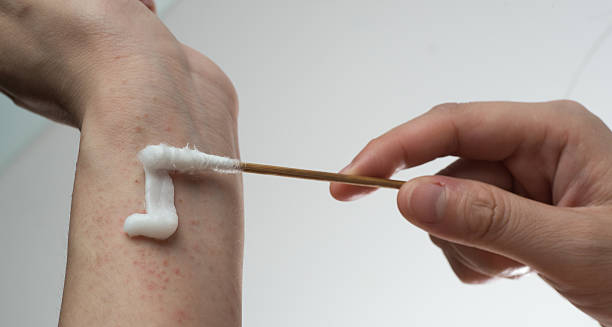
Applying topical cream to an irritated wrist showing signs of contact dermatitis.

Treatment of Contact Dermatitis

Treatment of Contact Dermatitis Treatment of contact dermatitis focuses on relieving symptoms, healing the skin, and preventing future flare-ups. Successful management of contact dermatitis depends largely on identifying and avoiding the triggering substance. Once the source is removed, most cases resolve with appropriate skincare and medical intervention. Avoidance of Triggers The most critical step is identifying the cause and stopping further exposure. This may involve: Replacing metal jewellery with hypoallergenic alternatives Switching to fragrance-free skincare or cleaning products Wearing gloves during exposure to irritants Avoiding specific plants or occupational materials In allergic contact dermatitis, complete avoidance of the allergen is necessary, even in trace amounts. Patch testing results are often used to provide a list of safe products. Topical Treatments | Treatment of Contact Dermatitis For mild to moderate dermatitis, the following treatments are commonly prescribed: Topical corticosteroids (e.g. hydrocortisone or betamethasone): Reduce redness, swelling, and itching Emollients and moisturisers: Restore the skin’s barrier and prevent dryness Barrier creams: Offer protection in occupations with unavoidable exposure It’s essential to apply moisturiser frequently, especially after washing hands or bathing, to prevent skin from cracking or drying out. Oral Medications In more severe cases, oral medications may be necessary: Antihistamines: Help relieve intense itching, especially at night Oral corticosteroids: Used for widespread or blistering dermatitis, but only short-term due to side effects Treating Infections | Treatment of Contact Dermatitis If a secondary bacterial infection develops, antibiotics (topical or oral) may be required. Signs include increased redness, pain, pus, or yellow crusting. Education and Follow-Up Patient education is vital. Understanding how to read product labels, identify potential triggers, and maintain a healthy skincare routine helps prevent recurrences. Regular follow-up is especially important in chronic cases or those affecting work performance. In conclusion, treatment of contact dermatitis is highly effective when combined with avoidance of the offending agent. With the right approach, symptoms can be controlled and skin integrity restored. [Next: Complications and Recovery from Contact Dermatitis →]

Treatment of Contact Dermatitis Read More »

Complications and Recovery from Contact Dermatitis

Complications and Recovery from Contact Dermatitis

Complications and Recovery from Contact Dermatitis Complications and recovery from contact dermatitis depend on the severity of the reaction, the duration of exposure, and how quickly treatment is started. While contact dermatitis is usually a manageable condition, prolonged or repeated exposure can lead to more serious consequences that require ongoing care or medical intervention. Possible Complications Chronic dermatitis: Ongoing inflammation can lead to thickened, cracked skin, known as lichenification, which may persist even after the trigger is removed Secondary infections: Scratching broken skin introduces bacteria, leading to impetigo or cellulitis. Symptoms include increased redness, swelling, pus, or pain Post-inflammatory hyperpigmentation: After healing, some patients experience darkened or lightened patches of skin, particularly in individuals with darker complexions Impaired daily functioning: Severe hand or facial dermatitis may interfere with work, especially in jobs involving frequent contact with water or chemicals In some occupations, chronic contact dermatitis can lead to long-term work restrictions or disability. It may also contribute to psychological stress, anxiety, or embarrassment due to visible skin symptoms. Recovery Timeline Mild cases usually improve within a few days once the irritant or allergen is removed Moderate to severe cases may take 2–4 weeks to heal, depending on the extent of skin damage and whether secondary infection occurs Chronic dermatitis requires long-term management with regular moisturising, barrier protection, and periodic use of topical treatments Preventive Measures | Complications and Recovery from Contact Dermatitis Use mild, fragrance-free soaps and detergents Wear protective gloves or clothing when handling known irritants Apply moisturisers regularly to maintain the skin barrier Read ingredient labels carefully and avoid known allergens Follow a skincare routine that supports healing and prevents recurrence In conclusion, complications and recovery from contact dermatitis can range from minor irritation to chronic skin conditions that significantly affect quality of life. With early treatment and careful management, most people recover fully and can prevent future flare-ups. [Next: Back to Overview →]

Complications and Recovery from Contact Dermatitis Read More »

Illustration of a woman holding her abdomen highlighting an inflamed large intestine, representing constipation discomfort.

Constipation

Constipation – Overview Constipation is a common gastrointestinal condition where bowel movements become infrequent, hard to pass, or incomplete. A person is typically diagnosed with constipation when they have fewer than three bowel movements per week or when passing stools becomes painful, difficult, or accompanied by a sense of incomplete evacuation. While the condition can affect anyone, it is particularly common in older adults, pregnant women, and people with sedentary lifestyles. The colon plays a central role in absorbing water from digested food before it exits the body as waste. If this process slows down, too much water may be absorbed, making the stool dry and hard. This, combined with weak bowel muscle activity or blockages, results in constipation. The condition ranges from occasional inconvenience to a chronic health issue that significantly impacts daily life. Common contributing factors include low fibre intake, insufficient fluid consumption, lack of exercise, stress, and poor bowel habits. Some people ignore the urge to defecate, while others rush toilet time, both of which can disrupt normal bowel rhythms. In addition, some medications and medical conditions can reduce bowel motility, further complicating matters. Constipation Though usually not dangerous, constipation can cause haemorrhoids, anal fissures, faecal impaction, and a decreased quality of life. Long-term sufferers may also develop anxiety related to their bowel movements, creating a cycle of stress and worsening symptoms. Fortunately, the condition is typically manageable with lifestyle changes, proper hydration, and dietary fibre. In more complex cases, medical or surgical interventions may be necessary. In conclusion, constipation refers to slowed or difficult bowel movements that can lead to physical and psychological discomfort. Early recognition and treatment are crucial to relieving symptoms, preventing complications, and maintaining long-term bowel health. [Next: Causes of Constipation →]

Constipation Read More »

Hand holding various pills and capsules, indicating medication as a possible cause of constipation.

Causes of Constipation

Causes of Constipation Causes of constipation vary widely, often involving a combination of dietary, lifestyle, medical, and psychological factors. When stool passes too slowly through the digestive tract, the colon absorbs excessive water from it, resulting in hard, dry waste that is difficult to expel. In most cases, constipation can be attributed to a few modifiable behaviours or conditions, though in others, the root cause may be more complex and require medical evaluation. One of the most common triggers is a low-fibre diet. Fibre helps add bulk and moisture to stool, encouraging more regular and complete bowel movements. Diets lacking in fruits, vegetables, legumes, and whole grains are particularly associated with constipation. Without fibre, the intestines struggle to push stool effectively through the colon, leading to sluggish transit and hardened waste. Another leading factor is dehydration. When the body lacks adequate fluids, the colon compensates by drawing more water from the waste matter, resulting in stools that are dry and more difficult to pass. Likewise, not drinking enough during hot weather, illness, or high-exertion activities can contribute to constipation. Causes of Constipation Physical inactivity is another key contributor. Exercise promotes muscle contractions throughout the body, including the intestinal muscles responsible for moving stool. A sedentary lifestyle slows this process, increasing the likelihood of constipation. Bedridden individuals, those recovering from surgery, and office workers often face this challenge. Medications can also play a significant role. Common offenders include opioid pain relievers, antidepressants, iron supplements, antihistamines, and antacids that contain calcium or aluminium. Many of these drugs reduce intestinal motility or water content in the bowel, directly triggering constipation. In addition, medical conditions such as diabetes, Parkinson’s disease, hypothyroidism, multiple sclerosis, and irritable bowel syndrome can interfere with gut function. Pelvic floor dysfunction, rectal prolapse, and spinal cord injuries may physically disrupt the process of elimination. Causes of Constipation Psychological contributors like stress, anxiety, and depression can also affect bowel patterns. These conditions may reduce gut motility or lead to poor lifestyle habits such as erratic eating or sleep schedules, compounding the issue. To summarise, causes of constipation are multifaceted and often interlinked. Understanding what’s contributing to the problem is essential for determining the right course of treatment and preventing it from becoming a chronic issue. [Next: Symptoms of Constipation →]

Causes of Constipation Read More »

Man clutching his stomach experiencing abdominal discomfort, a common symptom of constipation.

Symptoms of Constipation

Symptoms of Constipation Symptoms of constipation range from minor discomfort to significant bowel obstruction, depending on its severity and duration. While many people recognise infrequent bowel movements as a hallmark of constipation, the condition involves a broader range of physical and even emotional symptoms. These can occur alone or together and may persist for days, weeks, or even longer in chronic cases. The most basic symptom is infrequent stools, defined as fewer than three bowel movements per week. However, frequency alone isn’t enough to diagnose constipation. Many people also experience straining during bowel movements, which can make the act of passing stool uncomfortable or painful. Straining may lead to additional problems like haemorrhoids and anal fissures. Another common sign is hard or lumpy stools. These typically result from prolonged transit time in the colon, which absorbs too much water and leaves the stool dry and compacted. Passing such stool can be extremely uncomfortable and even cause minor tears in the anal lining. Symptoms of Constipation Many individuals report a sensation of incomplete evacuation, where they feel that not all stool has been passed. This can lead to repeated trips to the bathroom and contribute to anxiety about bowel habits. Others may experience bloating, abdominal pain, or excessive gas, all of which are linked to the build-up of stool and fermentation of waste in the colon. In severe cases, faecal impaction may occur, where hardened stool blocks the rectum, making natural defecation nearly impossible. This condition can lead to overflow incontinence, where liquid stool leaks around the impaction, often mistaken for diarrhoea. Impaction may require manual removal or hospital-based treatment. Other symptoms can include: Fatigue or a general sense of unwellness Nausea or loss of appetite Bad breath or body odour from toxin build-up Back pain due to internal pressure Symptoms of Constipation Children may exhibit unusual signs such as irritability, poor appetite, or soiling their underwear due to stool leakage. Older adults might show signs of confusion or reduced mobility caused by general discomfort. In summary, symptoms of constipation go well beyond simply going to the toilet less often. The condition can disrupt digestion, impact mood, and lead to medical complications if not addressed. Recognising the full scope of symptoms ensures timely and appropriate treatment. [Next: Diagnosis of Constipation →]

Symptoms of Constipation Read More »

Doctor holding magnifying glass highlighting a graphic of the intestines, illustrating constipation diagnosis.

Diagnosis of Constipation

Diagnosis of Constipation Diagnosis of constipation starts with a thorough clinical evaluation that includes medical history, lifestyle assessment, physical examination, and possibly diagnostic tests. Because many factors can cause constipation, doctors consider a wide range of possibilities during evaluation. From diet and activity level to underlying medical conditions—pinpointing the root cause is crucial for effective treatment. Doctors typically begin by asking about bowel movement patterns. They assess: How often you go Stool consistency Degree of straining Sensation of incomplete emptying Diet, hydration, and physical activity Use of medications or supplements Any history of abdominal surgery or health conditions They may also ask about “red flag” symptoms such as bleeding, severe pain, weight loss, or a family history of colorectal cancer, which would warrant further investigation. A physical examination follows, including palpation of the abdomen to check for tenderness, bloating, or palpable masses. A digital rectal exam may also be done to evaluate anal tone. Detect faecal impaction, or uncover structural issues like fissures, haemorrhoids, or prolapse. Diagnosis of Constipation If constipation is persistent or unexplained, several tests may be ordered: Blood tests to rule out hypothyroidism, diabetes, or electrolyte imbalance Stool sample analysis if infection or inflammation is suspected Abdominal X-ray or CT scan to check for impaction or obstruction Colonoscopy or sigmoidoscopy to inspect for growths, strictures, or cancer—especially in those over 50 or with alarm symptoms Transit studies, using marker capsules to monitor bowel movement speed via X-ray Anorectal manometry to assess rectal muscle coordination Defecography, an imaging test to observe how the rectum empties Diagnosis of Constipation In children and older adults, behavioural patterns and daily routines are also considered important diagnostic factors. In conclusion, diagnosis of constipation is a systematic process that may include simple observation or more advanced imaging and tests. Early and accurate identification of the cause helps guide the best treatment and reduces the risk of chronic problems. [Next: Treatment of Constipation →]

Diagnosis of Constipation Read More »

Scroll to Top