Mental Matters

Health Conditions

Find information on various health conditions affecting people of all ages. This category covers causes, symptoms, diagnosis, and management options for physical illnesses and chronic diseases. Get insights to help you understand different health challenges and make informed decisions about your wellbeing.

Woman clutching her chest in discomfort, showing a common symptom of coronary heart disease.

Symptoms of Coronary Heart Disease

Symptoms of Coronary Heart Disease Symptoms of coronary heart disease vary depending on how far the disease has progressed. Some individuals may remain asymptomatic for years, while others may experience warning signs early on. In most cases, these symptoms become noticeable when the heart muscle is deprived of enough oxygen-rich blood, especially during physical activity or stress. Common Symptoms Chest pain or discomfort (angina): A hallmark symptom of coronary heart disease, angina often feels like pressure, tightness, or burning in the chest. It may radiate to the arms, neck, jaw, or back and is usually triggered by exertion or stress, resolving with rest. Shortness of breath: Due to reduced blood flow, the heart cannot pump efficiently, leading to breathlessness during activity or while lying flat. Fatigue: As the body compensates for reduced oxygen delivery, individuals may feel tired or weak, particularly after minor exertion. Palpitations: Irregular heartbeats or a racing heart may indicate compromised heart function. Dizziness or lightheadedness: Poor circulation may affect the brain, causing feelings of faintness. Heart Attack Symptoms In more advanced cases, a complete blockage can result in a heart attack (myocardial infarction), which may present with: Intense, persistent chest pain Sweating Nausea or vomiting Severe anxiety or a sense of impending doom Pain radiating to the arm, neck, or jawWomen may experience less typical symptoms such as abdominal pain, extreme fatigue, or back pain. Silent Ischaemia | Symptoms of Coronary Heart Disease Some people—especially those with diabetes—may experience silent coronary heart disease, where reduced blood flow occurs without any pain. These cases are often detected only through routine ECGs or stress tests. In summary, symptoms of coronary heart disease may range from mild discomfort to severe, life-threatening events. Recognising early warning signs is crucial for timely diagnosis and treatment, potentially saving lives. [Next: Diagnosis of Coronary Heart Disease →]
Symptoms of Coronary Heart Disease Read More »

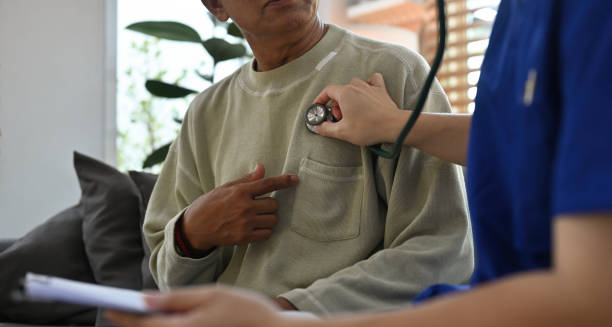
Doctor using a stethoscope to examine an elderly man’s chest, checking for signs of coronary heart disease.

Diagnosis of Coronary Heart Disease

Diagnosis of Coronary Heart Disease Diagnosis of coronary heart disease involves a combination of medical history evaluation, physical examination, blood tests, and advanced cardiac imaging. Since coronary heart disease can be silent in its early stages, routine screening and early detection are essential—especially in individuals with risk factors such as smoking, diabetes, or a family history of heart problems. Medical History and Physical Examination The diagnostic process usually starts with a thorough discussion about: Symptoms such as chest pain, fatigue, or shortness of breath Family history of cardiovascular conditions Lifestyle habits including diet, exercise, smoking, and alcohol intake Existing medical conditions like hypertension or diabetes A physical examination may reveal: High blood pressure Irregular heartbeat Swelling in the legs or ankles due to poor circulation Blood Tests | Diagnosis of Coronary Heart Disease Laboratory testing is used to assess risk and identify underlying contributors: Cholesterol levels: High LDL cholesterol and low HDL cholesterol are significant indicators of atherosclerosis Blood glucose: Elevated levels suggest diabetes or prediabetes High-sensitivity C-reactive protein (hs-CRP): Indicates inflammation that may be associated with plaque formation Electrocardiogram (ECG) An ECG records the heart’s electrical activity and can detect irregular rhythms, previous heart attacks, or current damage to the heart muscle. Exercise Stress Test Also called a treadmill test, this involves monitoring the heart while exercising. It helps identify reduced blood flow to the heart during exertion, which may indicate blocked arteries. Imaging Tests | Diagnosis of Coronary Heart Disease Echocardiogram: Uses ultrasound to create images of the heart’s structure and assess its function Coronary angiography: Involves injecting contrast dye into the coronary arteries and taking X-rays to identify blockages CT coronary angiography: A non-invasive scan that provides detailed images of the arteries and can detect plaque build-up Advanced Tests In some cases, more detailed testing may include MRI, nuclear scans, or blood flow assessments. In summary, diagnosis of coronary heart disease requires a multifaceted approach. Early detection allows for effective intervention to slow disease progression and reduce the risk of serious complications like heart attacks. [Next: Treatment of Coronary Heart Disease →]

Diagnosis of Coronary Heart Disease Read More »

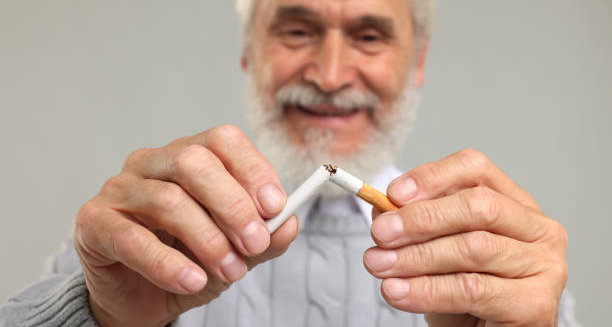
Smiling elderly man breaking a cigarette in half, symbolising smoking cessation as part of coronary heart disease treatment.

Treatment of Coronary Heart Disease

Treatment of Coronary Heart Disease Treatment of coronary heart disease aims to restore blood flow to the heart, manage symptoms, and prevent future complications such as heart attacks or heart failure. Depending on the severity, coronary heart disease can be treated through lifestyle modifications, medication, and in some cases, surgical procedures. The goal is long-term control of risk factors and improved quality of life. Lifestyle Changes Adopting a heart-healthy lifestyle is fundamental: Diet: Reduce intake of saturated fats, trans fats, salt, and processed sugar. Incorporate fruits, vegetables, whole grains, lean proteins, and healthy fats. Exercise: Engage in at least 150 minutes of moderate aerobic activity per week (e.g. brisk walking, cycling). Quit smoking: Stopping tobacco use significantly lowers the risk of further artery damage. Weight management: Maintaining a healthy weight reduces strain on the heart and improves blood pressure and cholesterol levels. Stress reduction: Techniques such as meditation, yoga, and therapy can lower stress hormones that affect heart health. Medications | Treatment of Coronary Heart Disease Several medications are prescribed to manage symptoms and slow disease progression: Statins: Lower cholesterol and stabilise plaque Beta-blockers: Reduce heart rate and lower blood pressure ACE inhibitors: Improve blood flow and reduce strain on the heart Antiplatelets (e.g. aspirin): Prevent blood clots Nitrates: Alleviate angina by dilating blood vessels Surgical and Interventional Procedures For advanced cases, procedures may be required: In angioplasty, doctors use a balloon to open a blocked artery, then insert a stent to keep it open. In coronary artery bypass graft (CABG) surgery, doctors use a healthy artery or vein to bypass a blocked section of a coronary artery. Cardiac Rehabilitation | Treatment of Coronary Heart Disease A supervised programme involving exercise, education, and support to help patients recover and prevent further episodes. In conclusion, treatment of coronary heart disease is multifaceted and requires a combination of lifestyle changes, medications, and in some cases, surgical interventions. With consistent care, many individuals can manage their symptoms and significantly reduce the risk of future cardiac events. [Next: Complications and Recovery from Coronary Heart Disease →]

Treatment of Coronary Heart Disease Read More »

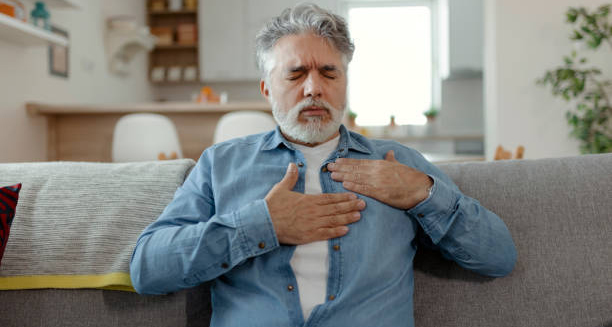
Elderly man clutching his chest in discomfort while sitting on a couch, indicating heart-related complications.

Complications and Recovery from Coronary Heart Disease

Complications and Recovery from Coronary Heart Disease Complications and recovery from coronary heart disease depend on how early the condition is detected and how effectively it is managed. While coronary heart disease can be life-threatening, prompt intervention and long-term care can dramatically improve outcomes and quality of life. Left unmanaged, the condition can progress to severe complications affecting not just the heart but other organs as well. Potential Complications Heart attack (myocardial infarction): A complete blockage of a coronary artery causes heart muscle tissue to die, leading to permanent damage and sometimes sudden death. Heart failure: When the heart becomes too weak to pump blood efficiently, fluid can accumulate in the lungs and extremities. Arrhythmias: Abnormal heart rhythms can cause fainting, dizziness, or even cardiac arrest. Angina: Persistent chest pain that limits physical activity and affects quality of life. Sudden cardiac death: In severe cases, an electrical malfunction in the heart can cause the heart to stop without warning. Recovery After an Event Recovery depends on the type and severity of the event: After a heart attack, hospitalisation and a structured rehabilitation programme are essential. Ongoing medication adherence is crucial to prevent recurrence. Regular monitoring of heart function through follow-up visits, ECGs, and blood tests is part of ongoing care. Lifestyle During Recovery Physical activity should be resumed gradually under medical supervision. A balanced diet and ongoing smoking cessation are vital. Mental health support is often necessary, as heart disease is associated with increased rates of depression and anxiety. Long-Term Management | Complications and Recovery from Coronary Heart Disease Routine check-ups with a cardiologist Blood pressure and cholesterol monitoring Periodic stress testing or imaging if symptoms return In conclusion, complications and recovery from coronary heart disease can range from mild to life-altering. However, with early treatment, medication, and lifestyle adjustments, most individuals can regain normal function and dramatically reduce the risk of future cardiac events. [Next: Back to Overview →]

Complications and Recovery from Coronary Heart Disease Read More »

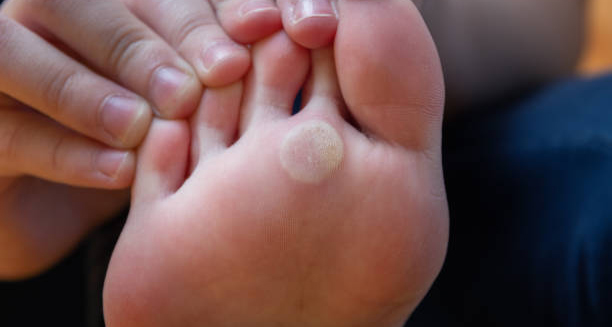
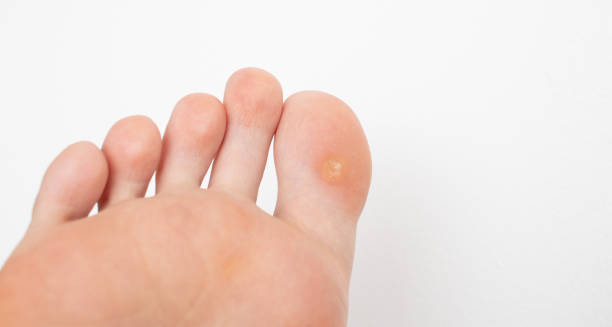
Close-up of a foot with a visible corn on the sole, showing thickened, hardened skin.

Corns

Corns – Overview Corns are thickened areas of skin that develop as a protective response to pressure or friction, typically on the feet or toes. These small, circular areas of hardened skin can be painful when pressed and often form over bony prominences or joints. These are common in people who wear tight shoes, walk frequently, or have underlying foot abnormalities such as bunions or hammer toes. The development of this condition occurs as a result of the body’s natural defence mechanism. When skin experiences repeated friction or pressure, it responds by producing more keratin, a protein that forms a hard layer to protect underlying tissue. Over time, this build-up can become a compact, cone-shaped core that presses into the skin, causing discomfort or pain—especially when walking or wearing shoes. Corns – Overview There are several types of this condition, including hard cases, which are the most common and usually appear on the tops of toes; soft corns, which form between the toes and remain pliable due to moisture; and seed corns, which are tiny and usually painless, found on the bottom of the feet. Corns are not contagious, but they can significantly affect mobility and quality of life if not managed properly. While mild cases may resolve with lifestyle changes and footwear modifications, persistent or painful cases may require medical intervention from a podiatrist or dermatologist. In summary, these are small, painful, thickened areas of skin that form in response to repeated pressure or friction. Preventing this involves proper footwear, foot hygiene, and addressing any underlying foot deformities. [Next: Causes of Corns →]

Corns Read More »

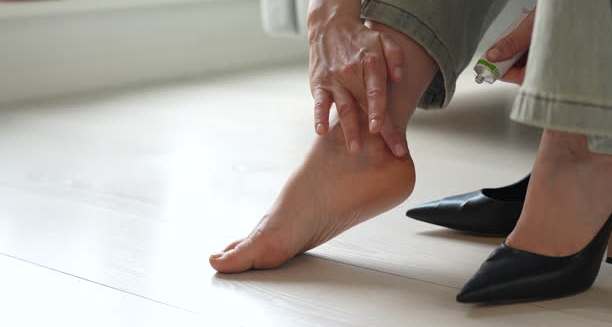
Woman rubbing her foot after removing tight high-heeled shoes, a common cause of corns.

Causes of Corns

Causes of Corns Causes of corns are primarily related to excessive pressure or repeated friction on specific areas of the feet. The skin responds to this mechanical stress by forming a protective layer of thickened skin, which, over time, compacts and develops into a corn. While corns themselves are not a disease, they are often a symptom of an underlying biomechanical issue or poor footwear choices. Footwear One of the most common causes is ill-fitting shoes. Tight shoes, especially those with a narrow toe box or high heels, squeeze the toes and create pressure points. On the other hand, shoes that are too loose may cause the foot to slide around, increasing friction. High-heeled shoes also shift weight to the front of the foot, placing excessive stress on the toes. Foot Abnormalities Foot deformities such as bunions, hammer toes, and claw toes change the alignment of the foot, causing certain areas to bear more pressure. This uneven distribution of weight increases the likelihood of corns forming on protruding joints or overlapping toes. Gait Issues | Causes of Corns People who have an abnormal walking pattern or uneven weight distribution may experience excessive pressure on certain parts of the feet. Over time, this pressure results in localised thickening of the skin. Conditions like flat feet, high arches, or leg length discrepancies may contribute to this imbalance. Manual Labour and Activity Activities that involve prolonged standing, walking, or carrying heavy loads can contribute to corn formation, especially when performed in inadequate footwear. Runners and athletes are also prone to corns due to repetitive stress on specific foot areas. Lack of Socks or Protective Padding | Causes of Corns Wearing shoes without socks or using socks that are too thin or poorly fitted can result in additional friction. Socks serve as a barrier that reduces the rubbing between shoes and the skin. To summarise, causes of corns include improper footwear, foot deformities, biomechanical abnormalities, and repetitive friction or pressure. Identifying and addressing the cause is essential for preventing corns from recurring and for relieving discomfort effectively. [Next: Symptoms of Corns →]

Causes of Corns Read More »

Woman sitting on a couch holding her foot, indicating discomfort commonly caused by corns.

Symptoms of Corns

Symptoms of Corns Symptoms of corns are usually easy to identify due to their distinct appearance and location. While some may be painless, others can cause considerable discomfort or even sharp pain when pressure is applied. The severity of the symptoms often depends on the size and depth of the corn, as well as the underlying cause. For many, corns can affect walking and footwear choices if not properly treated. Visual Characteristics Hardened skin: A raised, thickened bump with a yellowish or grey appearance Small size: Typically no larger than a pencil eraser Central core: A dense, inward-pointing centre that may be visible on close inspection Surrounding skin: Often inflamed or red if the corn is under frequent stress Sensory Symptoms | Symptoms of Corns Pain or tenderness: Especially when walking, standing, or wearing tight shoes Burning sensation: May be present in and around the affected area Soreness: The skin may feel bruised or raw, even when the corn is not directly pressed Throbbing: In more advanced cases, especially if infection or inflammation is involved Location-Specific Symptoms | Symptoms of Corns Hard corns: Found on the tops or sides of toes, particularly where bones press against shoes Soft corns: Form between the toes and tend to be moist, making them prone to infection Seed corns: Appear on the bottom of the feet and may cause mild discomfort when walking Complications If left untreated, corns may become infected or lead to skin breakdown, particularly in individuals with diabetes or poor circulation. Symptoms of infection include: Swelling Redness Pus discharge Fever (in rare, advanced cases) In conclusion, symptoms of corns range from mild cosmetic concerns to painful lesions that interfere with daily activities. Early recognition of these symptoms allows for prompt treatment and prevents worsening of the condition. [Next: Diagnosis of Corns →]

Symptoms of Corns Read More »

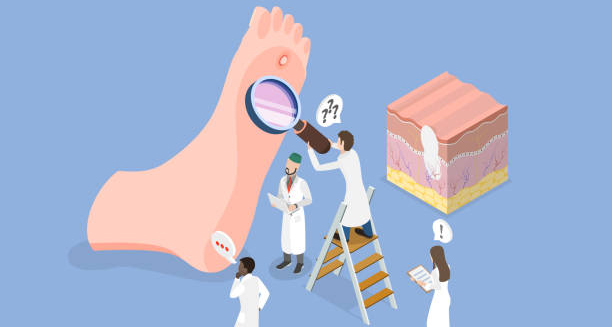
Illustration of doctors examining a foot with a magnifying glass to diagnose a corn, alongside a cross-section of skin.

Diagnosis of Corns

Diagnosis of Corns Diagnosis of corns is typically made through a simple clinical examination and patient history. In most cases, the appearance of the skin lesion and its location provide sufficient information for a correct diagnosis. Since corns can sometimes be confused with other foot conditions, such as calluses or plantar warts, an accurate assessment by a healthcare professional ensures proper treatment and avoids unnecessary complications. Patient History The clinician will ask about: Duration of the lesion and whether it has changed in size or appearance Footwear habits, including the use of tight or high-heeled shoes Activity level, such as prolonged standing or walking Previous treatments attempted Any underlying medical conditions, such as diabetes or arthritis A complete understanding of the patient’s lifestyle and health helps determine whether the corn is a result of mechanical pressure or a secondary issue. Physical Examination | Diagnosis of Corns A visual inspection of the foot is usually sufficient. The healthcare provider will assess: Location of the lesion Size and shape Depth of the hardened tissue Presence of a central core Skin condition around the lesion (e.g., redness, cracking, or moisture) A hard corn presents as a dense, well-defined bump, often over a bony prominence. Soft corns, located between the toes, appear white or grey due to constant moisture and may feel rubbery. Differential Diagnosis | Diagnosis of Corns It’s important to distinguish corns from other conditions: Calluses: Similar in appearance but broader, flatter, and less well-defined. Calluses typically occur on weight-bearing areas like the heels or balls of the feet. Plantar warts: Caused by a viral infection, warts may have black dots (clotted blood vessels) and cause pain when squeezed from the sides rather than pressed directly. Foreign bodies: Sometimes a splinter or embedded material can mimic a corn. If the diagnosis is uncertain or the lesion appears atypical, the doctor may refer the patient to a dermatologist or podiatrist for further evaluation. In rare cases, a skin biopsy might be performed to exclude more serious conditions such as skin cancer or a wart-related growth. In summary, diagnosis of corns relies heavily on clinical assessment. A thorough examination and medical history ensure accurate identification and guide appropriate treatment. [Next: Treatment of Corns →]

Diagnosis of Corns Read More »

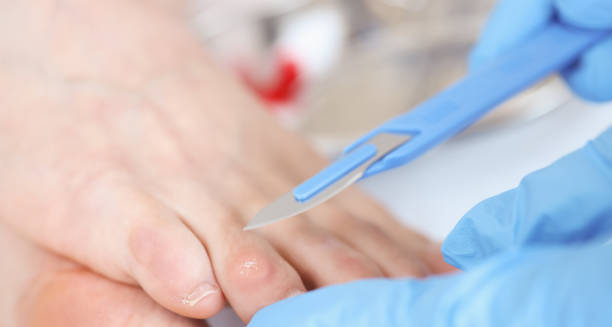
Close-up of a medical professional using a scalpel to remove a corn from a patient’s toe.

Treatment of Corns

Treatment of Corns Treatment of corns focuses on relieving pressure, removing the thickened skin, and preventing recurrence. Although some people try to treat corns at home, professional evaluation is often necessary—especially for those with diabetes, poor circulation, or persistent pain. Treatment may be conservative or, in severe cases, involve medical procedures or footwear changes. Self-Care and Home Treatments For mild or recent corns, the following strategies may help: Soaking the affected foot in warm water for 10–15 minutes to soften the skin Using a pumice stone or foot file to gently reduce the thickened area (avoid over-scraping) Applying moisturisers, especially products with urea, salicylic acid, or lactic acid to soften hardened skin Wearing properly fitting shoes with wide toe boxes to reduce pressure Using cushioned insoles or corn pads to protect the area and redistribute weight It’s important not to cut or shave corns at home, as this can lead to injury or infection, particularly in people with compromised immune systems. Over-the-Counter Treatments | Treatment of Corns There are many non-prescription treatments that can help: Salicylic acid patches or creams to chemically break down hardened skin (use with caution) Foam or silicone toe separators to relieve pressure between toes Protective pads to prevent friction while walking These should be used according to instructions, and any signs of irritation or worsening should prompt discontinuation. Professional Treatments Podiatrists or dermatologists can: Debride the corn using sterile instruments to remove the core and surrounding thick skin Prescribe stronger keratolytic creams for chronic or large corns Treat infections, if present, with antibiotics Provide custom orthotics to correct underlying biomechanical issues causing pressure Surgical Options | Treatment of Corns In rare cases where structural abnormalities cause recurrent corns, minor foot surgery may be recommended to realign bones or correct deformities like hammer toes. In conclusion, treatment of corns involves a combination of pressure relief, topical care, and sometimes professional intervention. Preventing further friction is key to long-term resolution. [Next: Complications and Recovery from Corns →]

Treatment of Corns Read More »

Close-up image of a foot showing a corn on a toe, highlighting potential complications and recovery.

Complications and Recovery from Corns

Complications and Recovery from Corns Complications and recovery from corns depend on their severity, how early treatment begins, and whether the underlying cause is addressed. Most corns are harmless and treatable, but if ignored or poorly managed, they can lead to chronic discomfort, skin breakdown, or secondary infections — particularly in at-risk populations like people with diabetes. Common Complications Pain and restricted mobility: Walking or wearing shoes may become uncomfortable, reducing activity levels and affecting quality of life. Skin breakdown: Persistent pressure and rubbing can cause ulceration or cracks in the skin, especially in elderly individuals or those with thin skin. Secondary infections: Open or poorly treated corns can become infected. Symptoms include increased redness, pus discharge, warmth, or swelling. Spread or recurrence: If the source of friction or pressure remains unaddressed, corns are likely to recur—even after professional removal. Special Considerations | Complications and Recovery from Corns People with diabetes, vascular disease, or nerve damage must take extra precautions. Even a minor corn can escalate into a serious ulcer if left untreated. These patients should avoid self-treatment and seek medical help promptly for any foot lesion. Recovery Timeline Mild cases: Corns may resolve within one to two weeks of pressure relief and skin care. Moderate to severe cases: Recovery may take longer, particularly if the corn is deep, infected, or has been present for an extended period. Post-treatment: After debridement or use of chemical removers, the skin may remain tender and require protection for a few days. Prevention and Long-Term Care | Complications and Recovery from Corns Wear well-fitting shoes with adequate cushioning and toe space Use orthotic supports to redistribute weight evenly Maintain foot hygiene and moisturise daily to prevent dry skin build-up Inspect feet regularly, especially if you are diabetic or have circulatory issues Rotate footwear to avoid constant pressure on the same areas In summary, complications and recovery from corns can be minimised through early treatment, ongoing foot care, and prevention of further friction. When addressed promptly, most people recover fully and enjoy pain-free mobility once again. [Next: Back to Overview →]

Complications and Recovery from Corns Read More »

Scroll to Top