Mental Matters

Health Conditions

Find information on various health conditions affecting people of all ages. This category covers causes, symptoms, diagnosis, and management options for physical illnesses and chronic diseases. Get insights to help you understand different health challenges and make informed decisions about your wellbeing.

Medical professional wearing gloves holding a model of the rib cage with the word “Costochondritis” overlayed.

Treatment of Costochondritis

Treatment of Costochondritis Treatment of costochondritis focuses on relieving pain and inflammation while allowing the cartilage to heal naturally. Since the condition is self-limiting in most cases, conservative therapies are often sufficient. However, persistent or severe cases of costochondritis may require more intensive intervention. Medications Nonsteroidal anti-inflammatory drugs (NSAIDs) such as ibuprofen or naproxen are first-line treatments. They help reduce inflammation and relieve pain. Paracetamol may be used for those who cannot tolerate NSAIDs. Stronger painkillers, such as codeine, may be considered for acute flare-ups but are not recommended for long-term use. Corticosteroid injections may be used in chronic or unresponsive cases to reduce inflammation at the affected joints. Physical Therapy | Treatment of Costochondritis Physiotherapy can help improve posture and reduce strain on the chest wall: Stretching exercises to relieve tightness in the chest muscles Postural correction to address ergonomic causes of costochondritis Breathing exercises to reduce tension in the rib cage Local Treatments Heat or ice packs can provide temporary relief. Apply a warm compress or cold pack for 15–20 minutes at a time to the affected area. Topical anti-inflammatories, such as diclofenac gel, may reduce localised discomfort. Activity Modification | Treatment of Costochondritis Rest and avoiding activities that exacerbate symptoms are key in the early stages. This includes: Avoiding heavy lifting or upper-body workouts Minimising repetitive chest movements Adopting ergonomic positions when sitting or working Alternative Therapies Some individuals find relief with: Acupuncture Chiropractic adjustments Massage therapy While evidence is limited, these may be useful as adjunctive therapies in chronic cases. In summary, treatment of costochondritis aims to relieve symptoms through anti-inflammatory medication, rest, and physiotherapy. Most individuals recover within weeks to a few months, particularly with early intervention and lifestyle adjustments. [Next: Complications and Recovery from Costochondritis →]


Treatment of Costochondritis Read More »

Muscular man clutching his chest with a highlighted rib area, indicating pain from costochondritis.

Complications and Recovery from Costochondritis

Complications and Recovery from Costochondritis Complications and recovery from costochondritis are generally minimal, as the condition is benign and self-limiting in most cases. However, if costochondritis is left untreated or mismanaged, it can lead to persistent pain and reduced quality of life. Fortunately, with appropriate care, recovery is usually complete and long-lasting. Potential Complications | Complications and Recovery from Costochondritis Chronic pain: Although uncommon, some individuals may experience ongoing discomfort for several months, particularly if the inflammation becomes recurrent or is aggravated by physical activity. Reduced mobility: Severe or chronic cases may cause individuals to limit movement, leading to poor posture, muscle stiffness, or deconditioning. Anxiety and misdiagnosis: The chest pain caused by costochondritis often mimics heart disease. This can lead to emotional distress, repeated emergency visits, and unnecessary cardiac tests. When to Seek Medical Attention While costochondritis is not dangerous, it’s important to consult a doctor if: The chest pain is new or severe Pain occurs with exertion or radiates to the arm or jaw There are associated symptoms such as shortness of breath, dizziness, or palpitations These may indicate a more serious cardiac or respiratory condition that requires urgent evaluation. Recovery Timeline Acute cases: Most people recover within 2 to 4 weeks with rest, NSAIDs, and activity modification. Chronic or recurrent cases: May require ongoing physiotherapy or periodic corticosteroid treatment and can last several months. Post-viral cases: Inflammation due to respiratory infections often subsides as the infection resolves, but lingering pain can persist for several weeks. Preventing Recurrence | Complications and Recovery from Costochondritis Maintain good posture and ergonomic workspaces Avoid activities that strain the chest wall Treat respiratory infections promptly Use protective gear during sports or physical labour In conclusion, complications and recovery from costochondritis are usually manageable. With early treatment and appropriate lifestyle modifications, most individuals make a full recovery and return to normal activities without long-term issues. [Next: Back to Overview →]

Complications and Recovery from Costochondritis Read More »

Illustration of a human head made of fragmented ice, symbolising cognitive and neurological decline from corticobasal degeneration.

Corticobasal Degeneration

Corticobasal Degeneration – Overview Corticobasal degeneration is a rare and progressive neurological disorder that affects movement, speech, and cognitive function. It is caused by abnormal deposits of tau protein in certain areas of the brain, leading to nerve cell deterioration. This degeneration typically begins in adults aged between 50 and 70 and gradually worsens over time, affecting one side of the body more than the other in the early stages. This condition falls under the category of atypical parkinsonian syndromes, as it shares some similarities with Parkinson’s disease. However, it presents with a broader and more complex set of symptoms, including stiffness, clumsiness, tremors, and cognitive decline. Over time, individuals may also develop difficulty speaking, swallowing, and performing coordinated movements. Corticobasal Degeneration – Overview The disease is named after the two main brain areas it affects: the cerebral cortex, which is responsible for higher brain functions such as thinking and planning, and the basal ganglia, which helps control voluntary motor movement. Damage to these regions results in a unique combination of motor, sensory, and cognitive symptoms that make diagnosis particularly challenging. Although the condition is rare, it is often misdiagnosed in its early stages because its symptoms overlap with more common conditions like Parkinson’s disease, Alzheimer’s disease, and frontotemporal dementia. There is currently no cure, but symptom management and supportive therapies can help improve quality of life. In summary, this degeneration is a progressive, degenerative brain disorder marked by asymmetric motor problems, cognitive impairment, and speech difficulties. Early diagnosis and supportive care are essential for maintaining dignity and comfort as the disease progresses. [Next: Causes of Corticobasal Degeneration →]

Corticobasal Degeneration Read More »

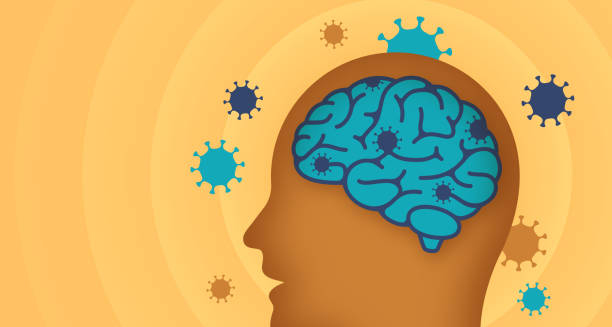
Illustration of a brain with virus-like particles, symbolising unknown and neurological causes of corticobasal degeneration.

Causes of Corticobasal Degeneration

Causes of Corticobasal Degeneration Causes of corticobasal degeneration are not fully understood. However, the condition is strongly associated with the accumulation of abnormal tau protein in the brain. This protein, which normally supports the internal structure of nerve cells. Therefore, becomes misfolded and clumps together, leading to cell dysfunction and death. As corticobasal degeneration progresses, these tau deposits spread through the cerebral cortex and basal ganglia, disrupting motor and cognitive function. Causes of Corticobasal Degeneration Unlike some neurodegenerative disorders that are linked to clear genetic mutations. Most cases of corticobasal degeneration are sporadic, meaning they arise with no known family history or inherited pattern. Although rare familial cases have been reported, no single gene has been consistently associated with the condition. This suggests a complex interplay between genetic predisposition and environmental factors. The build-up of tau protein places corticobasal degeneration within a group of diseases known as tauopathies, which also includes Alzheimer’s disease, progressive supranuclear palsy (PSP), and frontotemporal dementia (FTD). Each of these conditions is characterised by the presence of tau pathology, but the distribution and effects on the brain differ significantly. Some researchers have explored potential environmental or lifestyle risk factors, such as head trauma, exposure to toxins, or infections, but no conclusive link has been established. There is also no evidence that corticobasal degeneration is contagious or caused by an infection. Causes of Corticobasal Degeneration The disease affects certain areas of the brain more severely, including the posterior frontal lobe and parietal lobe, which are involved in movement and spatial awareness. This explains many of the hallmark symptoms such as clumsiness, stiffness, and coordination problems. In summary, causes of corticobasal degeneration involve the abnormal accumulation of tau protein in specific brain regions. While the exact triggers remain unknown, research continues into the genetic and environmental factors that may contribute to its onset. Understanding these mechanisms is crucial for developing future treatments. [Next: Symptoms of Corticobasal Degeneration →] https://mentalmatters.co.za/corticobasal-degeneration/

Causes of Corticobasal Degeneration Read More »

Elderly man sitting on a couch, holding and examining his hand, indicating motor symptoms of corticobasal degeneration.

Symptoms of Corticobasal Degeneration

Symptoms of Corticobasal Degeneration Symptoms of corticobasal degeneration can vary widely among individuals and tend to progress gradually. Early signs are often subtle and may be mistaken for other neurological disorders. As corticobasal degeneration advances, signs typically become more pronounced and disabling, affecting both physical movement and cognitive function. Motor Symptoms | Symptoms of Corticobasal Degeneration One of the earliest and most distinctive symptoms is asymmetrical motor dysfunction, where one side of the body becomes noticeably weaker or stiffer than the other. Common motor symptoms include: Muscle stiffness (rigidity) Tremors or involuntary shaking Slowness of movement (bradykinesia) Poor coordination or clumsiness Dystonia, involving abnormal postures or muscle contractions Apraxia, the inability to perform learned movements despite having the desire and physical ability Individuals may struggle with simple tasks like buttoning a shirt or using cutlery, even when muscle strength appears normal. These problems are often misdiagnosed as functional or psychiatric issues in the early stages. Cognitive and Behavioural Symptoms As the disease progresses, cognitive decline becomes more apparent. Symptoms include: Memory loss Difficulty planning or organising Impaired judgement Language difficulties, such as hesitant speech or difficulty finding words Irritability, apathy, or depression Behavioural changes may resemble those seen in frontotemporal dementia, particularly in the late stages. Speech and Swallowing Difficulties with speech (dysarthria) and swallowing (dysphagia) can also emerge, leading to nutritional issues and increased risk of choking. Voice may become soft, slurred, or monotone. Sensory Disturbances | Symptoms of Corticobasal Degeneration Some people experience numbness or the feeling of a “foreign limb,” where the affected limb feels disconnected or acts involuntarily—a phenomenon called alien limb syndrome. In conclusion, symptoms of corticobasal degeneration are diverse and evolve over time, typically affecting movement first and cognition later. The combination of motor and mental symptoms often makes daily life increasingly challenging, requiring a comprehensive care approach. [Next: Diagnosis of Corticobasal Degeneration →] https://mentalmatters.co.za/corticobasal-degeneration

Symptoms of Corticobasal Degeneration Read More »

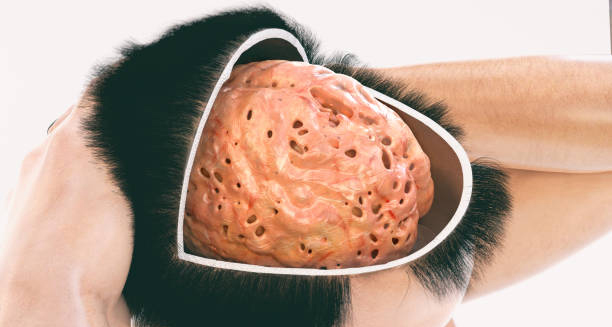
Illustration of a brain with visible atrophy and lesions, symbolising neurological damage from corticobasal degeneration.

Diagnosis of Corticobasal Degeneration

Diagnosis of Corticobasal Degeneration Diagnosis of corticobasal degeneration is often difficult, especially in the early stages, due to the overlap of symptoms with other neurological disorders. There is no single test that can definitively confirm corticobasal degeneration during life. Instead, diagnosis is made through a combination of clinical assessments, neurological examinations, and imaging studies that help rule out other possible conditions. Medical History and Clinical Assessment The process typically begins with a thorough evaluation of: Onset and progression of symptoms Degree of asymmetry in movement difficulties Cognitive and behavioural changes Speech and swallowing problems Doctors will look for the combination of movement and cognitive symptoms that are characteristic of corticobasal degeneration, especially unilateral stiffness, apraxia, and speech changes. Neurological Examination | Diagnosis of Corticobasal Degeneration A neurologist will assess: Muscle tone and reflexes Coordination and balance Ability to perform learned movements Memory, attention, and language function Findings such as limb rigidity, difficulty performing simple tasks despite adequate strength, and alien limb syndrome are suggestive of corticobasal degeneration. Brain Imaging MRI scans may show shrinkage (atrophy) in specific brain areas such as the parietal lobe or frontal cortex, often more pronounced on one side. PET or SPECT scans can assess metabolic activity and highlight regions of the brain that are underactive due to nerve cell damage. These imaging results support the diagnosis and help differentiate corticobasal degeneration from Parkinson’s disease, Alzheimer’s, or progressive supranuclear palsy. Neuropsychological Testing This type of testing evaluates memory, attention, problem-solving, and language skills. It helps identify cognitive decline patterns typical of corticobasal degeneration. Exclusion of Other Conditions | Diagnosis of Corticobasal Degeneration Because symptoms overlap with other disorders, conditions such as Parkinson’s disease, frontotemporal dementia, or stroke must be ruled out. Blood tests and, in rare cases, lumbar puncture may be conducted to exclude other causes. In summary, diagnosis of corticobasal degeneration relies on clinical expertise, symptom observation, and supportive imaging. Due to the lack of a specific test, ongoing reassessment is often necessary to confirm the condition over time. [Next: Treatment of Corticobasal Degeneration →] https://mentalmatters.co.za/corticobasal-degeneration

Diagnosis of Corticobasal Degeneration Read More »

Healthcare professional assisting an elderly man with physical therapy exercises, supporting treatment for corticobasal degeneration.

Treatment of Corticobasal Degeneration

Treatment of Corticobasal Degeneration Treatment of corticobasal degeneration focuses on managing symptoms, as there is currently no cure or disease-modifying therapy. A multidisciplinary approach involving neurologists, physiotherapists, occupational therapists, and speech-language pathologists is essential to address the wide range of issues caused by corticobasal degeneration. Medication Although medications cannot stop disease progression, they can help relieve some of the symptoms: Levodopa or dopamine agonists may offer limited relief from stiffness or tremor but are usually less effective than in Parkinson’s disease. Muscle relaxants or botulinum toxin injections may reduce dystonia or painful muscle contractions. Antidepressants or anxiolytics can be prescribed to manage emotional or behavioural symptoms such as depression or anxiety. Antiepileptic medications are sometimes used to reduce limb jerking or myoclonus. Physical and Occupational Therapy These therapies play a critical role in maintaining mobility and independence: Physiotherapy helps improve balance, gait, and flexibility Occupational therapy focuses on adapting daily activities and using assistive devices to reduce strain and enhance function Hand therapy may help with fine motor tasks and reduce rigidity in the hands Speech and Language Therapy As speech and swallowing become affected, speech therapists assist with: Voice exercises to slow deterioration Alternative communication tools for severe cases Swallowing strategies or modifications to prevent choking Nutritional Support | Treatment of Corticobasal Degeneration Dieticians may recommend food texture changes and nutritional supplements to prevent weight loss or dehydration. In advanced cases, a feeding tube may be considered. Supportive Equipment Walking aids, braces, or adapted utensils improve daily functioning Home modifications such as grab bars or stair lifts may enhance safety Palliative and Emotional Support | Treatment of Corticobasal Degeneration Psychological counselling, social support, and palliative care planning help improve quality of life for both patients and carers. In summary, treatment of corticobasal degeneration is symptom-driven and requires a holistic care team. Though the disease cannot be reversed, consistent therapy and support can prolong independence and comfort. [Next: Complications and Recovery from Corticobasal Degeneration →]

Treatment of Corticobasal Degeneration Read More »

Elderly woman in a wheelchair looking out a window, symbolising mobility challenges related to corticobasal degeneration.

Complications and Recovery from Corticobasal Degeneration

Complications and Recovery from Corticobasal Degeneration Complications and recovery from corticobasal degeneration are influenced by the progressive nature of the disease. While there is no known recovery or reversal of symptoms, targeted interventions can slow functional decline, ease discomfort, and help individuals live as independently as possible. Because corticobasal degeneration affects both movement and cognition, complications can involve nearly every aspect of daily life. Physical Complications | Complications and Recovery from Corticobasal Degeneration Loss of mobility: As stiffness and apraxia worsen, walking becomes difficult, often requiring walking aids or wheelchairs. Falls and injuries: Poor balance and coordination increase the risk of falls, fractures, or head trauma. Contractures: Prolonged muscle tightness can lead to joint deformities and reduced range of motion. Speech and swallowing problems: These can lead to malnutrition, aspiration pneumonia, or communication barriers. Cognitive and Behavioural Decline Memory loss, confusion, or apathy may result in: Difficulty managing finances or medication Wandering or getting lost Emotional distress, affecting both the patient and caregivers Social withdrawal due to embarrassment or frustration Psychological Impact Depression, anxiety, and caregiver burnout are common. Professional counselling and support groups can help families navigate the emotional toll of a progressive illness. Late-Stage Complications In advanced stages, individuals may become bedridden and fully dependent. Common complications include: Infections, such as pneumonia or urinary tract infections Bedsores from prolonged immobility Respiratory failure in extreme cases Life Expectancy and Prognosis On average, individuals live 6 to 8 years after the onset of symptoms, although this varies. While recovery from corticobasal degeneration is not possible, quality of life can be significantly improved through supportive care and proactive management. Long-Term Care Planning | Complications and Recovery from Corticobasal Degeneration Families are encouraged to plan for future care needs early, including legal, financial, and palliative care decisions. Early engagement with neurologists and care teams ensures better preparation for the later stages of the disease. In conclusion, complications and recovery from corticobasal degeneration are part of a gradual decline, but timely interventions and a strong support system can maximise comfort, safety, and dignity throughout the disease journey. [Next: Back to Overview →]

Complications and Recovery from Corticobasal Degeneration Read More »

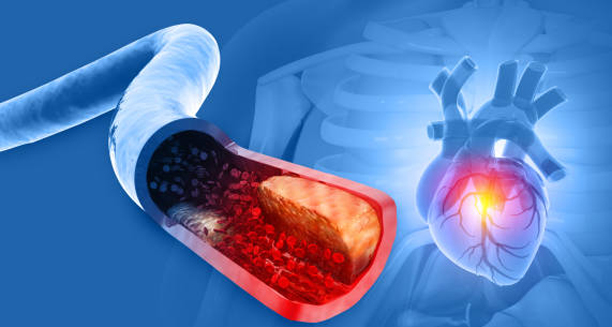
Medical illustration showing plaque buildup in an artery leading to the heart, representing coronary heart disease.

Coronary Heart Disease

Coronary Heart Disease – Overview Coronary heart disease is a condition where the blood vessels supplying the heart muscle—known as the coronary arteries—become narrowed or blocked due to the build-up of fatty deposits called plaque. This restricts blood flow to the heart, which can lead to chest pain, shortness of breath, heart attacks, or even sudden cardiac death. This disease is the leading cause of death globally and a major contributor to illness and disability in both men and women. The heart needs a constant supply of oxygen-rich blood to function efficiently. When plaque—made up of cholesterol, fatty substances, and cellular waste—accumulates on the inner walls of the arteries, it creates a condition known as atherosclerosis. This narrows the artery and reduces blood flow. In some cases, the plaque may rupture, forming a clot that completely blocks the artery, resulting in a heart attack. Coronary Heart Disease Lifestyle factors such as a poor diet, lack of exercise, smoking, and chronic stress play a major role in the development of this disease. Genetic predisposition and underlying medical conditions like diabetes, high blood pressure, and high cholesterol further increase the risk. Symptoms may be silent in the early stages but typically progress over time. Common warning signs include angina (chest pain), fatigue, palpitations, and difficulty breathing during exertion. In summary, this disease refers to the narrowing or blockage of coronary arteries due to plaque build-up. Left untreated, it can have serious and life-threatening consequences. Early diagnosis, lifestyle changes, and proper medical treatment can significantly reduce the risk of complications. [Next: Causes of Coronary Heart Disease →]

Coronary Heart Disease Read More »

Elderly man lying on a couch with a remote control, symbolising inactivity as a risk factor for coronary heart disease.

Causes of Coronary Heart Disease

Causes of Coronary Heart Disease Causes of coronary heart disease are primarily linked to atherosclerosis—a condition where fatty deposits build up on the inner lining of the coronary arteries. These deposits, known as plaques, consist of cholesterol, calcium, and cellular debris. Over time, coronary heart disease develops as these plaques thicken and restrict blood flow to the heart muscle, reducing oxygen supply and increasing the risk of heart attacks. Lifestyle Factors Smoking is one of the most significant preventable causes. It damages the artery walls and accelerates plaque formation. Unhealthy diet, particularly one high in saturated fats, trans fats, and refined sugars, contributes to high cholesterol levels, which directly lead to plaque development. Physical inactivity reduces cardiovascular efficiency and contributes to weight gain and insulin resistance. Chronic stress leads to increased blood pressure and promotes behaviours such as overeating or smoking. Medical Conditions | Causes of Coronary Heart Disease Several pre-existing health issues are known to contribute to the onset of coronary heart disease: High blood pressure puts constant strain on the artery walls, making them more susceptible to damage and plaque accumulation. High cholesterol levels, especially LDL (“bad”) cholesterol, are strongly associated with atherosclerosis. Type 2 diabetes increases inflammation in the arteries and promotes the formation of plaques. Obesity, especially central obesity (fat around the waist), is associated with higher triglyceride levels and insulin resistance. Genetics and Age | Causes of Coronary Heart Disease A family history of coronary heart disease increases individual risk, especially if a close relative was diagnosed at a young age. Ageing naturally stiffens arteries and contributes to wear and tear, raising the likelihood of plaque build-up. Hormonal and Other Factors Postmenopausal women are at increased risk due to a drop in oestrogen levels. Sleep apnoea, autoimmune diseases, and chronic inflammation can also exacerbate the risk. To summarise, causes of coronary heart disease are multifactorial, involving both lifestyle habits and underlying medical conditions. Prevention and early management of these risk factors are critical to reducing the development and progression of the disease. [Next: Symptoms of Coronary Heart Disease →]

Causes of Coronary Heart Disease Read More »

Scroll to Top