Mental Matters

Health Conditions

Find information on various health conditions affecting people of all ages. This category covers causes, symptoms, diagnosis, and management options for physical illnesses and chronic diseases. Get insights to help you understand different health challenges and make informed decisions about your wellbeing.

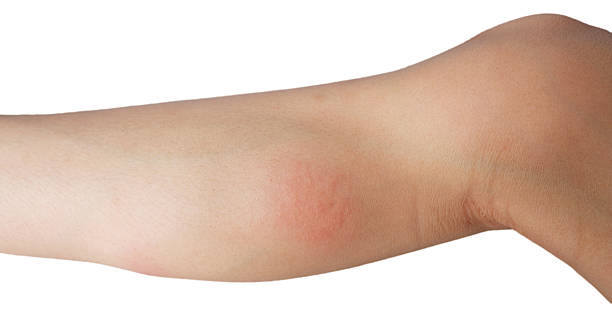
Red inflamed patch on the inner arm, indicating possible complex regional pain syndrome

Complex Regional Pain Syndrome

Complex Regional Pain Syndrome – Overview Complex regional pain syndrome is a chronic neurological condition that causes persistent, excessive pain usually following an injury or surgery. The pain is typically localised to one limb and often out of proportion to the initial trauma. CRPS can affect anyone, although it’s more common in women and typically develops between the ages of 40 and 60. The syndrome is characterised not only by severe pain but also by a range of sensory, motor, autonomic, and trophic symptoms. These may include swelling, temperature changes, altered skin colour, and abnormal hair or nail growth in the affected limb. Over time, the limb may become stiff or even atrophic if not treated appropriately. There are two main types: CRPS-I, formerly known as Reflex Sympathetic Dystrophy (RSD). Which occurs without a confirmed nerve injury; and CRPS-II, previously termed causalgia, which involves a clearly identifiable nerve injury. Both types share similar symptoms and treatment approaches. Complex Regional Pain Syndrome The exact cause is not fully understood. However, it is believed to involve an abnormal response of the nervous system. The syndrome may be triggered by minor injuries such as sprains, fractures, or even injections, making early recognition essential. Diagnosis is often challenging because the symptoms can mimic other conditions such as neuropathy, arthritis, or deep vein thrombosis. A comprehensive clinical evaluation is necessary to confirm the diagnosis and begin treatment. In summary, this condition is a debilitating condition. Marked by chronic pain and changes in skin, muscle, and nerve function. Timely diagnosis and treatment are crucial to managing symptoms and preventing long-term disability. [Next: Causes of Complex Regional Pain Syndrome →]
Complex Regional Pain Syndrome Read More »

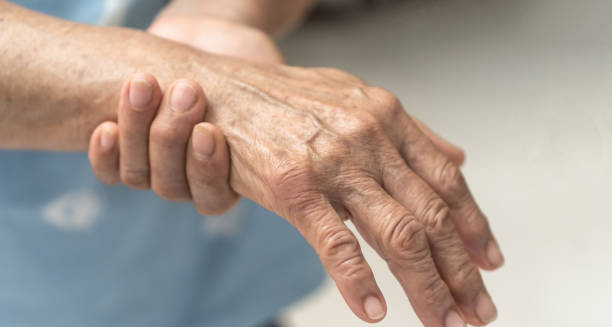
Elderly person holding their hand in pain due to nerve-related discomfort

Causes of Complex Regional Pain Syndrome

Causes of Complex Regional Pain Syndrome Causes of complex regional pain syndrome are not entirely clear, but the condition is thought to arise from an abnormal response to injury or trauma. In most cases, complex regional pain syndrome develops after a seemingly minor event, such as a sprain, fracture, or surgery, where the body’s healing response becomes dysfunctional. At the core of the condition is a disruption in how the peripheral and central nervous systems process pain signals. After an injury, the body naturally initiates inflammation to start healing. However, in people with complex regional pain syndrome, this response becomes exaggerated, prolonged, or misdirected, leading to ongoing pain and autonomic dysfunction. There are two classifications of CRPS: CRPS-I (Reflex Sympathetic Dystrophy): Occurs without identifiable nerve damage. This is the more common form and typically follows soft tissue injuries, immobilisation, or minor surgeries. Causes of Complex Regional Pain Syndrome CRPS-II (Causalgia): Arises from a confirmed injury to a specific nerve. The pain in this form tends to follow the path of the damaged nerve and may be more intense. Factors believed to contribute to the onset include: Nerve damage: Even subtle or partial nerve injuries can trigger abnormal pain processing. Prolonged immobilisation: Keeping a limb immobile after injury or surgery can affect blood flow and nerve signalling. Inflammatory responses: An exaggerated immune response may result in swelling and damage to surrounding tissues. Genetic predisposition: Though not yet confirmed, some studies suggest a potential hereditary link. Psychological stress and anxiety can exacerbate symptoms but are not considered direct causes. Rather, they may influence the body’s pain perception and inflammatory response. Infections, repetitive strain injuries, and in rare cases, injections or blood draws have also been reported to trigger the condition. To summarise, the causes of complex regional pain syndrome involve a misfiring pain system that continues to react long after the initial injury has healed. Understanding these causes is essential for clinicians to identify at-risk individuals and intervene early before symptoms worsen. [Next: Symptoms of Complex Regional Pain Syndrome →]
Causes of Complex Regional Pain Syndrome Read More »

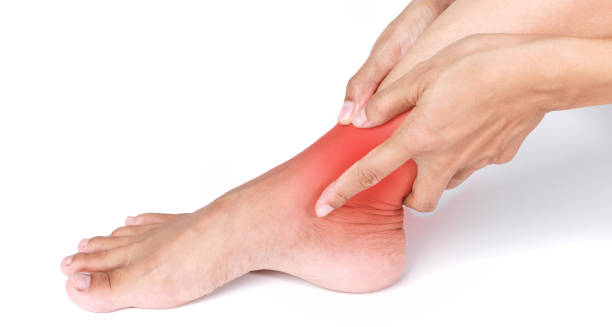
Person holding their inflamed ankle with visible redness indicating pain

Symptoms of Complex Regional Pain Syndrome

Symptoms of Complex Regional Pain Syndrome Symptoms of complex regional pain syndrome are often severe, persistent, and significantly impair daily life. The hallmark of the condition is chronic, intense pain that is disproportionate to the original injury. In most cases, complex regional pain syndrome affects one limb—typically the arm, leg, hand, or foot—and presents a combination of sensory, motor, autonomic, and trophic abnormalities. Sensory Symptoms Burning or shooting pain that may feel like electric shocks Allodynia: Pain caused by stimuli that are normally not painful, such as light touch or temperature change Hyperalgesia: Heightened sensitivity to painful stimuli The pain can be constant or fluctuate and often worsens over time without treatment. Autonomic Symptoms Skin temperature changes: The affected limb may feel colder or warmer than the other Skin colour changes: May appear red, purple, blue, or blotchy Sweating: Excessive sweating or reduced sweating in the affected area These signs reflect dysfunction in the autonomic nervous system, which controls blood flow and skin regulation. Motor and Functional Symptoms Weakness or tremors Muscle spasms Decreased range of motion Joint stiffness These symptoms may limit the use of the affected limb and contribute to further disability. Trophic Changes Changes in skin texture: Skin may become thin, dry, or shiny Abnormal hair or nail growth Swelling or atrophy of muscles and tissues In advanced stages, the limb may appear visibly wasted, and bone density may decrease, leading to fragility fractures. Symptoms of Complex Regional Pain Syndrome CRPS can also lead to insomnia, depression, and anxiety due to the ongoing nature of the pain and its impact on quality of life. To conclude, symptoms of complex regional pain syndrome are diverse and disabling, often affecting not only the physical body but also the emotional and psychological well-being of the individual. Early intervention improves outcomes and may help reverse some of the physical changes before they become permanent. [Next: Diagnosis of Complex Regional Pain Syndrome →]

Symptoms of Complex Regional Pain Syndrome Read More »

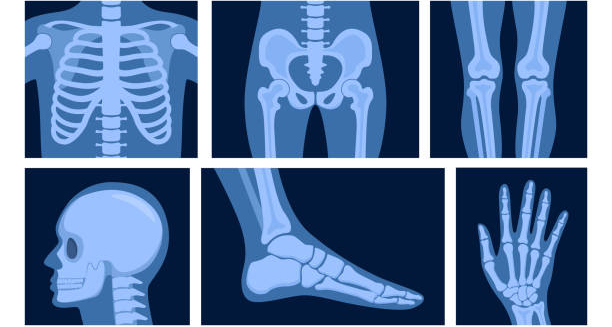
Illustrated X-rays of various body parts including skull, chest, pelvis, limbs, and hand

Diagnosis of Complex Regional Pain Syndrome

Diagnosis of Complex Regional Pain Syndrome Diagnosis of complex regional pain syndrome is primarily clinical, relying on a detailed history, symptom presentation, and physical examination. Because there is no single definitive test, diagnosing complex regional pain syndrome can be challenging and often involves ruling out other potential conditions with similar symptoms. The most widely accepted criteria for diagnosing CRPS are known as the Budapest Criteria, which require: Continuing pain that is disproportionate to any known inciting event At least one symptom in three of the four categories: sensory, vasomotor, sudomotor/oedema, and motor/trophic At least one sign at the time of evaluation in two or more of the same categories Assessment and Examination Doctors will examine: Skin temperature and colour changes Swelling and sweating patterns Sensitivity to touch or movement Range of motion and motor function A thorough history is also essential. Patients are asked about the onset, severity, and progression of symptoms, as well as any recent injuries, surgeries, or immobilisations. Diagnostic Tests | Diagnosis of Complex Regional Pain Syndrome While no test can confirm CRPS definitively, additional investigations help exclude other causes: X-rays or bone scans: May show changes in bone density or structure MRI or ultrasound: Helps assess tissue changes and swelling Thermography: Measures skin temperature differences between limbs Nerve conduction studies: Rule out other nerve conditions In cases of suspected CRPS-II, which involves known nerve damage, nerve studies may help determine the extent of the injury. Because CRPS can mimic other conditions such as neuropathies, arthritis, or infection, a multi-disciplinary approach is often beneficial, involving pain specialists, neurologists, rheumatologists, and physiotherapists. In summary, the diagnosis requires careful clinical judgement and a process of exclusion. Early recognition is vital, as delayed diagnosis can lead to worse outcomes and more entrenched symptoms. [Next: Treatment of Complex Regional Pain Syndrome →]

Diagnosis of Complex Regional Pain Syndrome Read More »

Various blister packs of colourful medication tablets and capsule

Treatment of Complex Regional Pain Syndrome

Treatment of Complex Regional Pain Syndrome Treatment of complex regional pain syndrome aims to reduce pain, restore function, and improve the patient’s quality of life. Since no single treatment is universally effective, management of CRPS is often multidisciplinary, involving a combination of medications, physical therapy, psychological support, and sometimes interventional procedures. Medications Various medications help control CRPS symptoms: Pain relievers: NSAIDs like ibuprofen for inflammation and mild pain Neuropathic pain medications: Amitriptyline, gabapentin, or pregabalin Corticosteroids: Short-term use to reduce inflammation and swelling Bisphosphonates: May help with bone pain and density loss Topical creams: Such as lidocaine or capsaicin for localised relief Opioids are usually avoided due to dependence risks and poor long-term effectiveness. Physical and Occupational Therapy Maintaining movement is crucial. A physiotherapist can help with: Graded exercises to restore strength and flexibility Desensitisation techniques Joint mobilisation and muscle stretchingOccupational therapy focuses on adapting daily activities and improving function. Psychological Support Chronic pain can lead to depression, anxiety, and fear of movement. Cognitive behavioural therapy (CBT) and counselling help patients develop coping strategies and maintain emotional well-being. Interventional Treatments | Treatment of Complex Regional Pain Syndrome For severe cases, interventional options may be explored: Nerve blocks: Temporary relief through local anaesthetic injections Spinal cord stimulation: An implanted device modulates pain signals Sympathectomy: A surgical option, now rarely used, to cut sympathetic nerves Mirror therapy, graded motor imagery, and virtual reality therapies are emerging treatments aimed at retraining the brain’s pain processing. In summary, treatment must be personalised and proactive. Early, multidisciplinary intervention offers the best chance for symptom control and functional recovery. [Next: Complications and Recovery from Complex Regional Pain Syndrome →]
Treatment of Complex Regional Pain Syndrome Read More »

Elderly woman sitting and holding her painful knee in discomfort

Complications and Recovery from Complex Regional Pain Syndrome

Complications and Recovery from Complex Regional Pain Syndrome Complications and recovery from complex regional pain syndrome depend on the severity, timing of diagnosis, and effectiveness of the treatment plan. While many patients experience improvement, others may have long-term symptoms or permanent disability. Complex regional pain syndrome is unpredictable and varies greatly between individuals. Potential Complications Permanent disability: Due to joint stiffness, muscle wasting, or contractures Chronic pain: Persistent discomfort despite treatment Depression and anxiety: Ongoing pain can impact emotional health Sleep disturbances: Pain often interferes with rest and recovery Social and occupational impairment: Difficulties with work, relationships, and independence In severe cases, a person may require mobility aids or long-term support, particularly if the condition affects the dominant limb or spreads to other body parts. Recovery Outlook | Complications and Recovery from Complex Regional Pain Syndrome Recovery varies. Some people achieve full remission, especially if treatment begins early. Others may have partial improvement or continue to experience flare-ups. Chronic cases can be managed with consistent therapy and lifestyle adjustments. Factors that improve recovery include: Early diagnosis and treatment Multidisciplinary care Patient motivation and engagement in therapy Support systems at home and work There is currently no known cure, but many people with CRPS live active, fulfilling lives with the right management strategies in place. Long-Term Management Ongoing physiotherapy, regular check-ups, and mental health support are crucial. Patients may benefit from pacing techniques, relaxation strategies, and community support groups. In summary, complications range from full recovery to long-term disability. Prompt intervention, comprehensive care, and a positive, proactive mindset can significantly influence outcomes. [Next: Back to Overview →]

Complications and Recovery from Complex Regional Pain Syndrome Read More »

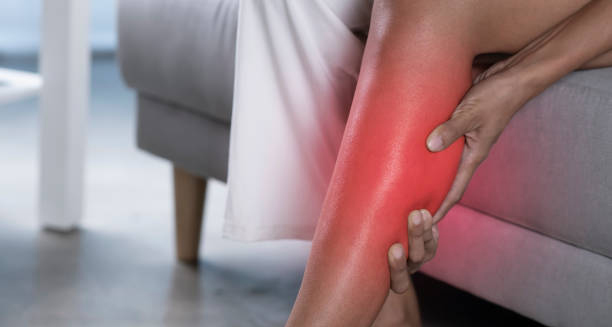
Woman gripping her lower leg in pain with red area indicating inflammation

Compartment Syndrome

Compartment Syndrome – Overview Compartment syndrome is a serious medical condition that occurs when pressure builds up within a closed group of muscles, known as a compartment. This pressure impairs blood flow and tissue function, potentially leading to nerve damage and muscle death. This syndrome is most commonly found in the lower legs, but it can also affect the arms, thighs, feet, and buttocks. Each muscle group is surrounded by a tough layer of tissue called fascia, which does not stretch easily. When bleeding or swelling occurs within this compartment, the pressure can increase rapidly. This pressure interferes with the blood supply to the tissues, depriving them of oxygen and essential nutrients. If left untreated, permanent damage can occur within hours. There are two main types of this syndrome: acute and chronic. Acute compartment syndrome is a medical emergency often caused by trauma such as fractures, crush injuries, or surgery. It progresses quickly and requires immediate intervention. Chronic compartment syndrome, also known as exertional, is typically triggered by repetitive exercise and causes pain and swelling during physical activity. Compartment Syndrome The hallmark symptoms include severe pain, especially when stretching the muscles involved, tingling or numbness, swelling, and a feeling of tightness in the affected limb. In acute cases, the pain may feel out of proportion to the injury and worsen rapidly. If not treated promptly, this syndrome can lead to muscle breakdown, infection, limb deformity, and even amputation. In the most severe cases, it may result in systemic complications like kidney failure due to the release of muscle breakdown products into the bloodstream. In summary, this syndrome is a potentially life-altering condition that demands early recognition and urgent treatment. Awareness of the signs and timely medical response can significantly reduce the risk of long-term damage. [Next: Causes of Compartment Syndrome →]

Compartment Syndrome Read More »

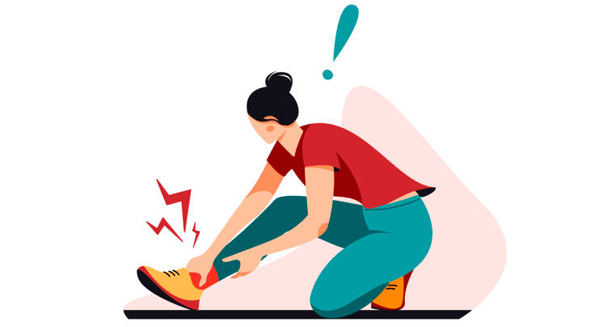
Illustration of a woman holding her lower leg in pain with injury symbols

Causes of Compartment Syndrome

Causes of Compartment Syndrome Causes of compartment syndrome differ depending on whether the condition is acute or chronic. In both types, however, the underlying mechanism is an increase in pressure within a closed muscle compartment that compromises blood flow and tissue function. Compartment syndrome often arises from injury, but it can also occur without direct trauma in specific scenarios. Acute Compartment Syndrome | Causes of Compartment Syndrome Acute compartment syndrome usually results from trauma and is considered a surgical emergency. The most common causes include: Fractures: Particularly of the tibia or forearm, these account for a large percentage of acute cases. Crush injuries: Accidents involving heavy machinery or falls can cause internal bleeding and swelling. Severe bruising or haemorrhage: Bleeding inside the compartment from torn blood vessels increases pressure. Burns: The skin acts as a rigid boundary; swelling underneath it can cause rapid pressure build-up. Constrictive bandages or casts: Tight dressings can increase compartment pressure if not applied correctly. Reperfusion injury: After restoring blood flow to a limb that was previously deprived of oxygen, sudden swelling may occur, triggering the condition. Chronic (Exertional) Compartment Syndrome This form usually affects athletes and occurs during repetitive exercise. Triggers include: Running or cycling: Continuous use of lower limb muscles causes swelling during activity. Overuse injuries: High-intensity or prolonged physical activity causes muscle expansion in compartments with limited capacity. Improper footwear or biomechanics: These may alter muscle workload and aggravate symptoms. Chronic compartment syndrome often presents with recurring pain, tightness, and muscle weakness during exercise, which subsides with rest. Other Contributing Factors | Causes of Compartment Syndrome Certain medical conditions and external factors can also contribute to developing compartment syndrome: Blood clotting disorders Use of anticoagulant medications High-pressure intravenous infusions or injections Recognising the causes of compartment syndrome helps clinicians assess at-risk individuals more effectively. Whether caused by trauma or repetitive activity, prompt diagnosis and intervention are key to preventing irreversible tissue damage. [Next: Symptoms of Compartment Syndrome →]

Causes of Compartment Syndrome Read More »

Woman sitting and holding her painful calf due to compartment syndrome

Symptoms of Compartment Syndrome

Symptoms of Compartment Syndrome Symptoms of compartment syndrome vary depending on whether the condition is acute or chronic, but both share a central theme: increased pressure within a muscle compartment causing pain and functional impairment. Identifying compartment syndrome early—especially in acute cases—is critical to avoid permanent muscle or nerve damage. Symptoms of Acute Compartment Syndrome This form develops quickly and is often associated with trauma. Key symptoms include: Severe, persistent pain: The pain often feels out of proportion to the injury and worsens over time. Pain on passive stretching: Stretching the muscles within the affected compartment intensifies the discomfort. Tingling or numbness: Caused by nerve compression, this can develop early and signal impending nerve damage. Swelling and tightness: The affected limb may feel firm or hard to the touch. Decreased sensation or motor weakness: In later stages, movement becomes limited or impossible. Pale or shiny skin: In advanced cases, reduced blood flow alters skin colour and texture. Absent or diminished pulse: Though rare, this may occur in very late stages and indicates critical circulation loss. These symptoms usually appear within hours of the inciting event. Acute compartment syndrome is a medical emergency, and delays in treatment can lead to permanent disability or limb loss. Chronic Compartment Syndrome Symptoms | Symptoms of Compartment Syndrome This type develops gradually and is triggered by repetitive physical activity. Key features include: Aching or burning pain during exercise Tightness or cramping in the affected muscle group Numbness or tingling that increases with exertion Weakness or a feeling of heaviness in the limb Swelling during activity that resolves with rest Symptoms typically subside within minutes to hours after stopping activity. Unlike acute cases, chronic compartment syndrome is not life-threatening but can significantly impair athletic performance or physical comfort. Recognising the symptoms of compartment syndrome—particularly early signs in trauma patients—can prevent long-term complications. Health professionals must differentiate these symptoms from similar conditions like deep vein thrombosis or shin splints to provide appropriate care. [Next: Diagnosis of Compartment Syndrome →]

Symptoms of Compartment Syndrome Read More »

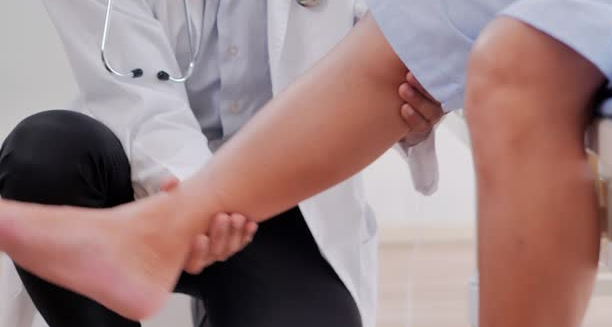
Doctor examining a patient’s leg for compartment syndrome diagnosis

Diagnosis of Compartment Syndrome

Diagnosis of Compartment Syndrome Diagnosis of compartment syndrome is based on clinical signs and, when necessary, confirmed through pressure measurements. Due to the urgent nature of this syndrome, especially in acute cases, prompt diagnosis is essential to prevent irreversible tissue damage and preserve limb function. Clinical Assessment For acute compartment syndrome, finding the cause relies heavily on recognising key symptoms and patient history. Doctors look for the “6 Ps”: Pain: Especially when disproportionate to the injury Pallor: Pale skin suggesting compromised circulation Paresthesia: Tingling or numbness Paralysis: Loss of movement Pulselessness: Absence of distal pulse (rare, late sign) Pressure: A firm, swollen muscle compartment In many cases, pain—particularly on passive stretching of the muscles—is the earliest and most consistent sign. Intracompartmental Pressure Testing | Diagnosis of Compartment Syndrome If the diagnosis is uncertain, a special needle attached to a pressure monitor can be inserted into the muscle compartment to measure internal pressure. A reading of 30 mmHg or higher is considered diagnostic, especially when accompanied by symptoms. Imaging Imaging is not usually required for diagnosis but may be used to rule out other conditions: MRI or ultrasound: Helpful in identifying chronic exertional compartment syndrome or differentiating from tendonitis or stress fractures. X-rays: Used to check for fractures in traumatic injuries. Chronic Compartment Syndrome Diagnosis For exertional cases, a pressure test may be conducted before and after exercise to observe changes. Elevated post-exercise compartment pressures help confirm the diagnosis. Timely and accurate diagnosis of compartment syndrome is critical. In acute cases, even short delays in diagnosis and treatment can lead to lasting damage. Clinical vigilance, especially following trauma or surgery, can save limbs and lives. [Next: Treatment of Compartment Syndrome →]

Diagnosis of Compartment Syndrome Read More »

Scroll to Top