Mental Matters

Health Conditions

Find information on various health conditions affecting people of all ages. This category covers causes, symptoms, diagnosis, and management options for physical illnesses and chronic diseases. Get insights to help you understand different health challenges and make informed decisions about your wellbeing.

Physiotherapist performing rehabilitation exercises for compartment syndrome

Treatment of Compartment Syndrome

Treatment of Compartment Syndrome Treatment of compartment syndrome depends on whether the condition is acute or chronic, with the urgency and method of intervention varying significantly. Acute compartment syndrome requires immediate surgical intervention to prevent permanent damage, while chronic cases may be managed conservatively or electively addressed through surgery. Acute Compartment Syndrome Treatment This is a surgical emergency. The only effective treatment is fasciotomy, a procedure in which the surgeon makes incisions through the fascia to relieve pressure within the muscle compartment. This: Restores blood flow Prevents further muscle and nerve injury Allows swelling to subside The wounds are often left open for 48–72 hours to prevent recurrence of pressure build-up. Skin grafting may be needed to close the wound once swelling reduces. Supportive care includes: Fluid resuscitation to maintain circulation Pain control Monitoring for complications like infection or kidney damage Delay in treatment beyond six hours can lead to irreversible tissue death, requiring limb amputation or resulting in life-threatening systemic complications. Chronic Compartment Syndrome Treatment Initial treatment involves conservative strategies such as: Activity modification Physical therapy Anti-inflammatory medications Orthotics or footwear adjustments When other treatments fail, elective fasciotomy is an option. The surgery is less urgent, well tolerated, and enables most patients to resume sports or activities post-recovery. Post-Treatment Recovery | Treatment of Compartment Syndrome After fasciotomy, patients usually require physiotherapy to regain strength and mobility. Pain and swelling subside gradually, and most people return to normal function within a few weeks to months, depending on severity. To summarise, treatment must be timely and appropriate. While chronic cases allow time for conservative measures, acute syndrome demands rapid surgical intervention to preserve tissue and function. [Next: Complications and Recovery from Compartment Syndrome →]


Treatment of Compartment Syndrome Read More »

Doctor examining patient's leg for complications of compartment syndrome

Complications and Recovery from Compartment Syndrome

Complications and Recovery from Compartment Syndrome Complications and recovery from compartment syndrome depend on how quickly the condition is diagnosed and treated. In acute compartment syndrome, delays can lead to severe outcomes including permanent disability, chronic pain, or limb amputation. Chronic cases tend to have a more favourable prognosis but can still affect long-term mobility and quality of life. Potential If not treated promptly, acute compartment syndrome can result in: Permanent nerve damage: Leading to weakness, numbness, or paralysis Muscle necrosis: Dead muscle tissue may require surgical removal Volkmann’s contracture: A deformity caused by muscle scarring and shortening Chronic pain: Often due to nerve injury Infection: Particularly in open fasciotomy wounds Renal failure: Muscle breakdown products (myoglobin) can overwhelm the kidneys In rare cases, untreated or poorly managed compartment syndrome can be fatal due to systemic complications like sepsis or multi-organ failure. Recovery | Complications and Recovery from Compartment Syndrome Recovery from acute compartment syndrome depends on: Time to surgery: The sooner the fasciotomy, the better the outcome Extent of muscle or nerve damage: Severe injuries may require rehabilitation, skin grafts, or reconstructive surgery Patient age and health: Younger, healthier individuals tend to recover more quickly Most patients require physiotherapy to regain strength, range of motion, and functional independence. In some cases, assistive devices may be needed temporarily. Chronic Compartment Syndrome Recovery Recovery from chronic cases is generally straightforward, especially after surgical treatment. Most athletes return to their pre-injury activity levels, though recurrence is possible if biomechanical or training issues are not addressed. In conclusion, complications and recovery from compartment syndrome can range from minimal to life-altering. Prompt intervention is the best predictor of a successful outcome, highlighting the importance of awareness, early diagnosis, and timely treatment. [Next: Back to Overview →]

Complications and Recovery from Compartment Syndrome Read More »

Woman wrapped in a blanket suffering from the common cold at home

Common Cold

Common Cold – Overview The common cold is a viral infection that primarily affects the nose and throat, also known as the upper respiratory tract. Extremely widespread and typically mild, this cold is one of the most frequent causes of illness in people of all ages, particularly children. Although it’s usually harmless, it can cause a range of annoying symptoms that disrupt daily life and productivity. More than 200 viruses can cause the common cold, but the rhinovirus is the most prevalent. These viruses spread easily from person to person through respiratory droplets when an infected person coughs or sneezes. The virus can also be contracted by touching contaminated surfaces and then touching the face—particularly the nose, eyes, or mouth. Colds are especially common in autumn and winter, though they can occur year-round. Most people recover within seven to ten days without medical treatment. However, this cold can sometimes lead to complications, particularly in infants, the elderly, or those with weakened immune systems. In such cases, it can lead to secondary infections like sinusitis, ear infections, or even bronchitis. Common Cold – Overview Symptoms usually develop one to three days after exposure to the virus. These include a runny or stuffy nose, sneezing, sore throat, mild headache, coughing, and general fatigue. Although it may feel similar to influenza, this cold is typically much milder and doesn’t usually cause high fever or significant body aches. There is no cure for this cold, but symptoms can be managed with rest, fluids, and over-the-counter medications. Preventative measures such as handwashing, using tissues, and avoiding close contact with infected individuals help limit the spread. In summary, the common cold is a contagious yet usually harmless respiratory infection. While symptoms can be irritating, most people recover quickly and without serious consequences. [Next: Causes of Common Cold →]

Common Cold Read More »

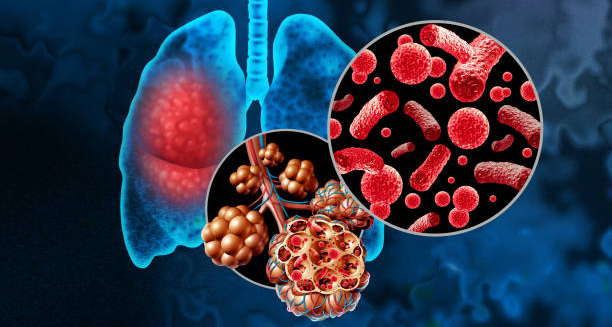
Illustration showing lung infection and virus particles linked to the common cold

Causes of Common Cold

Causes of Common Cold Causes of the common cold are almost exclusively viral, with over 200 different viruses known to trigger the condition. The most common culprit is the rhinovirus, responsible for up to 50% of all colds. Other viruses such as coronavirus (non-COVID), respiratory syncytial virus (RSV), adenovirus, and parainfluenza virus also contribute to seasonal colds. Once the virus enters the body, typically through the nose or mouth, it begins to infect the cells of the upper respiratory tract. The common cold spreads through respiratory droplets released when an infected person sneezes, coughs, or talks. It can also be passed along by touching contaminated surfaces—like doorknobs, keyboards, or mobile phones—and then touching the nose, eyes, or mouth. Viruses can survive on hard surfaces for several hours, making indirect transmission common. People are more susceptible to catching a cold when their immune systems are weakened. This can be due to factors such as: The common cold is also more likely to spread in enclosed environments such as schools, public transport, and offices—particularly in colder months when people spend more time indoors. Dry air from central heating can dry out the nasal passages, making them more vulnerable to infection. Causes of Common Cold Interestingly, cold weather itself does not directly cause colds, but exposure to cold air may suppress immune function slightly and lead to behaviours (such as indoor crowding) that increase transmission risk. Children are especially prone to colds, often experiencing several infections per year. This is due to their developing immune systems and frequent exposure to other children in school or daycare settings. To summarise, the causes of the common cold involve a range of viruses that spread easily through human contact and environmental surfaces. While these viruses are unavoidable, proper hygiene and immune support can reduce the frequency and severity of infections. [Next: Symptoms of Common Cold →]

Causes of Common Cold Read More »

Woman sneezing into a tissue with eyes closed due to cold symptoms

Symptoms of Common Cold

Symptoms of Common Cold Symptoms of the common cold typically appear within one to three days after exposure to the virus and can range from mild to moderately bothersome. In most cases, common cold symptoms develop gradually and resolve without medical treatment within a week or two. The most frequent symptoms include: The early stage of a cold often begins with a scratchy or sore throat, followed by nasal congestion and sneezing. Within a day or two, a runny nose becomes more prominent, sometimes accompanied by clear or coloured mucus. A cough may develop as nasal discharge drips into the throat, especially at night. While a cold may cause mild discomfort, it does not usually lead to serious illness in healthy individuals. However, some people—especially children and the elderly—may also experience muscle aches, reduced appetite, or low energy levels. Infants with a cold may be more irritable, have trouble sleeping, or struggle to feed properly. Symptoms typically peak within two to three days and then begin to improve. Coughs may linger for a week or longer as the respiratory tract continues to heal. In some cases, a lingering cough may persist for several weeks. Symptoms of Common Cold It’s important to distinguish a common cold from more serious illnesses. Unlike flu, the common cold rarely causes a sudden onset of symptoms or high fever. If symptoms worsen or last more than 10–14 days, it may indicate a secondary infection such as sinusitis, bronchitis, or pneumonia. Red flags to watch for include: In summary, symptoms of the common cold are usually mild and self-limiting, but they can vary depending on age, overall health, and the specific virus involved. Knowing what to expect can help guide home treatment and identify when to seek medical advice. [Next: Diagnosis of Common Cold →]

Symptoms of Common Cold Read More »

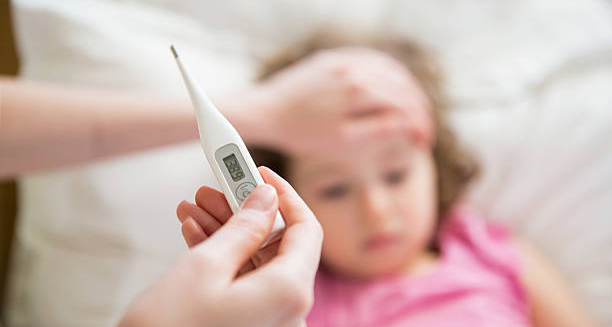
Digital thermometer showing fever in front of a sick child lying in bed

Diagnosis of Common Cold

Diagnosis of Common Cold Diagnosis of the common cold is usually straightforward and based on the patient’s symptoms. Most healthcare providers can identify common cold infections without the need for laboratory tests, as the condition has a distinct pattern of onset and progression. Doctors typically ask about the patient’s medical history and current symptoms, including when they began, how severe they are, and whether they’ve changed over time. They may perform a brief physical examination to: In most cases, this examination is enough to confirm a diagnosis. Additional testing is unnecessary unless the symptoms suggest a different illness or a complication, such as bacterial sinusitis, flu, COVID-19, or strep throat. In more complex or high-risk cases, the doctor might recommend: Diagnosis of Common Cold In children, diagnosis can sometimes be more challenging. Young kids may not describe their symptoms clearly, and cold symptoms can mimic those of other respiratory infections such as RSV or influenza. Parents should report any unusual behaviours like feeding difficulties, persistent crying, or excessive drowsiness. Self-diagnosis is also common, especially among adults who have experienced colds before. However, it’s still important to monitor for worsening symptoms and not to assume all cold-like symptoms are harmless—especially in the context of public health concerns like flu or COVID-19. In conclusion, diagnosis of the common cold is largely clinical and doesn’t require advanced testing in most cases. Recognising symptom patterns helps avoid unnecessary treatments and ensures that more serious conditions are not overlooked. [Next: Treatment of Common Cold →]

Diagnosis of Common Cold Read More »

Woman lying on a couch blowing her nose while surrounded by cold medicine and tea Title: Treatment of Common Cold

Treatment of Common Cold

Treatment of Common Cold Treatment of the common cold focuses on relieving symptoms and supporting the body’s natural healing process. Because the common cold is caused by viruses, antibiotics are not effective and should not be used unless a bacterial complication arises. The main goals of treatment are to ease discomfort, reduce inflammation, and maintain hydration. Common home remedies and over-the-counter treatments include: Rest is essential. The body heals more effectively when energy is conserved. Sleep supports the immune system and shortens recovery time. Staying well-hydrated helps thin mucus and prevent dehydration, especially during a fever. Nutrition also plays a role. Eating a balanced diet with fruits, vegetables, and fluids supports immune function. Warm broths and teas can be comforting and hydrating. Treatment of Common Cold Some people turn to supplements such as vitamin C, zinc, or echinacea. While studies offer mixed results, they may provide mild benefits if taken early in the course of infection. However, they are not a substitute for rest and symptom management. For infants and young children, care should be taken when choosing treatments. Medications like decongestants and cough suppressants are not recommended for children under six years old. Instead, use saline nasal drops, a bulb syringe, or a humidifier to ease breathing. In summary, treatment of the common cold involves symptom relief, rest, hydration, and proper care. Most people recover quickly with home-based management, though medical attention is warranted if complications arise. [Next: Complications and Recovery from Common Cold →]

Treatment of Common Cold Read More »

Middle-aged man blowing his nose while standing by a window

Complications and Recovery from Common Cold

Complications and Recovery from Common Cold Complications and recovery from the common cold are generally uncomplicated for healthy individuals. Most people recover fully within a week to ten days, but for some, common cold symptoms may persist longer or lead to additional health issues—especially in those with underlying medical conditions. Common Complications | Complications and Recovery from Common Cold The most frequent complications of a cold include: While rare, more serious complications like pneumonia or secondary bacterial infections can occur, particularly in elderly adults or those with compromised immune systems. When to Seek Medical Attention Most colds resolve without professional treatment, but medical advice should be sought if: Recovery Tips | Complications and Recovery from Common Cold To speed up recovery: Children and elderly adults may take slightly longer to recover, but complications can be prevented with good care and monitoring. In workplaces and schools, return should only occur once symptoms are improving and the risk of transmission is minimal. Good hygiene, like covering coughs and washing hands frequently, helps prevent spreading the virus. To conclude, complications are usually mild, but proper care is essential to avoid extended illness or secondary infections. With attention to rest, hydration, and symptom management, most people bounce back quickly and without long-term effects. [Next: Back to Overview →]

Complications and Recovery from Common Cold Read More »

Visual simulation of colour blindness through glasses showing a tulip field in greyscale

Colour Blindness

Colour Blindness – Overview Colour blindness is a common visual condition that affects a person’s ability to perceive certain colours accurately. Most individuals with this struggle to differentiate between shades of red and green, although other forms can impair blue and yellow recognition. In very rare cases, a person may not see any colour at all, a condition known as achromatopsia. This condition occurs when the cone cells in the retina—the part of the eye that detects light and colour—do not function properly. There are three types of cone cells, each responsible for detecting red, green, or blue light. If one or more types of cones are missing or defective, colour vision is altered. This can result in difficulty identifying colours, confusion between similar hues, or limited colour perception. The majority of cases are inherited and present from birth. this is usually passed down through the X chromosome, which makes it far more common in males than in females. Approximately 8% of men and 0.5% of women of Northern European descent are born with some form of colour vision deficiency. However, acquired this can also occur later in life due to disease, injury, or exposure to certain medications. Colour Blindness – Overview Colour blindness does not lead to total vision loss, nor does it typically cause other eye issues. However, it can impact daily life in subtle ways—such as selecting ripe fruit, reading colour-coded maps or graphs, interpreting traffic lights, or choosing matching clothes. In children, undiagnosed colour blindness can affect performance in school, especially in early years when colour-based learning is common. Although there is no cure for this inherited condition, many people adapt well using learned coping strategies. Special lenses, mobile apps, and classroom accommodations can help reduce the challenges it presents. In summary, colour blindness is a non-progressive visual difference that limits colour perception. While it can’t be reversed, it is manageable, and those affected can lead entirely normal and productive lives. [Next: Causes of Colour Blindness →]

Colour Blindness Read More »

Eye specialist explaining digital retinal scans to an older male patient

Causes of Colour Blindness

Causes of Colour Blindness Causes of colour blindness are primarily genetic, although the condition can also be acquired later in life. The most common form is inherited colour blindness, which results from mutations in the genes responsible for developing cone cells in the retina. These genes are found on the X chromosome, explaining why colour blindness is more common in men than women. There are three main types of inherited colour blindness: In addition to inherited forms, acquired colour blindness may develop later in life. This can be due to: Causes of Colour Blindness Some cases of acquired colour blindness are temporary and may reverse if the underlying cause is treated. However, long-term damage to the eye or optic nerve can lead to permanent changes in colour perception. Understanding the causes of colour blindness helps determine whether the condition is likely to be stable or progressive. Inherited types are usually lifelong and consistent, while acquired types may require medical attention or lifestyle changes to manage underlying conditions. [Next: Symptoms of Colour Blindness →]

Causes of Colour Blindness Read More »

Scroll to Top