Mental Matters

Health Conditions

Find information on various health conditions affecting people of all ages. This category covers causes, symptoms, diagnosis, and management options for physical illnesses and chronic diseases. Get insights to help you understand different health challenges and make informed decisions about your wellbeing.

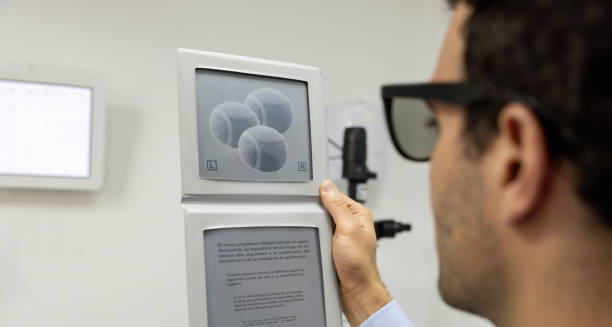
Optometrist using Ishihara test book to check for colour blindness in a patient

Symptoms of Colour Blindness

Symptoms of Colour Blindness Symptoms of colour blindness range from mild confusion between colours to complete inability to perceive any colour. Most people with colour blindness experience partial difficulty distinguishing between certain shades rather than complete colour loss. The symptoms are often subtle, particularly in children, and may go unnoticed until colour-dependent tasks are introduced. The primary symptom is the inability to differentiate between certain colours. In red-green colour blindness, individuals may: Blue-yellow colour blindness leads to difficulty distinguishing blue from green and yellow from violet or grey. Individuals may also see colours as duller than usual or have trouble identifying pastel tones and gradients. Symptoms of Colour Blindness People with complete colour blindness (achromatopsia) see the world in shades of grey. They also often have light sensitivity, poor visual acuity, and may require visual aids. This condition is extremely rare and usually evident from a very early age. In children, symptoms might include: Acquired colour blindness may present differently, with a gradual fading of colours or changes in colour intensity. It often affects both eyes but not always equally. If the change is sudden, it should be treated as a medical concern, as it may be a sign of an underlying neurological or ocular condition. Symptoms of Colour Blindness Diagnosis is often delayed in children because they assume their perception is normal. Teachers and parents are usually the first to notice signs when children struggle with colouring, pattern matching, or using coloured learning materials. To summarise, the symptoms of colour blindness vary in severity and presentation depending on the type. Early identification—especially in educational settings—can help children and adults develop coping strategies and use supportive tools to succeed in daily tasks. [Next: Diagnosis of Colour Blindness →]
Symptoms of Colour Blindness Read More »

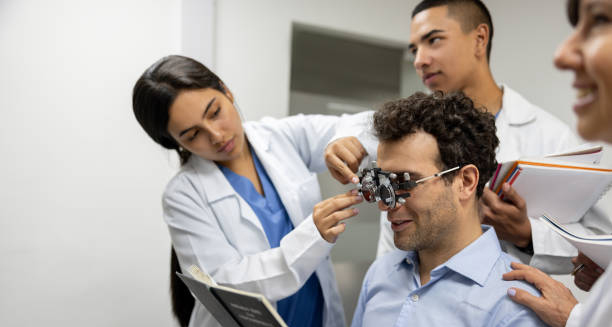
Optometrist performing colour vision test using specialised equipment

Diagnosis of Colour Blindness

Diagnosis of Colour Blindness Diagnosis of colour blindness typically involves a series of visual assessments conducted by an optometrist or ophthalmologist. Since colour blindness often goes unnoticed by the individual, routine eye exams in childhood or before entering certain professions help detect it early. The most common diagnostic tool is the Ishihara colour test, but other methods may be used for detailed evaluation. 1. Ishihara Test | Diagnosis of Colour Blindness The Ishihara test uses a series of coloured dot patterns that form numbers or shapes. Individuals with normal colour vision can read the numbers, while those with red-green colour blindness may see different numbers or none at all. It is a quick and reliable screening tool for the most common types of colour blindness. 2. Farnsworth-Munsell 100 Hue Test This test involves arranging coloured caps or discs in order of hue. It provides more detailed information about the type and severity of colour vision deficiency. It’s often used for occupational screening or in clinical research. 3. Anomaloscope This specialised device is used mainly in research and military settings. It involves matching two colours under controlled conditions to diagnose red-green colour vision deficiency precisely. 4. Genetic Testing | Diagnosis of Colour Blindness In cases where a family history of colour blindness exists, genetic testing may confirm the presence of mutations on the X chromosome. It is especially useful for family planning or confirming a diagnosis in young children. 5. Acquired Colour Vision Testing If a person suddenly develops colour vision changes, doctors may perform additional tests to identify the underlying cause. These may include retinal imaging, visual field testing, or neurological assessments to look for optic nerve damage or brain lesions. Early diagnosis of colour blindness can help people adapt better in their educational, professional, and personal lives. In schools, this might include modifying learning materials, using labels instead of colour codes, or providing tinted lenses to enhance contrast. Knowing one’s colour vision status is also important for career planning. Certain professions—such as pilots, electricians, and graphic designers—may require normal colour perception. In such cases, alternative career options or workplace adjustments can be considered. In summary, the diagnosis of colour blindness is straightforward and usually involves non-invasive visual tests. Accurate detection allows for early intervention, which improves quality of life and helps individuals navigate colour-based environments confidently. [Next: Treatment of Colour Blindness →]

Diagnosis of Colour Blindness Read More »

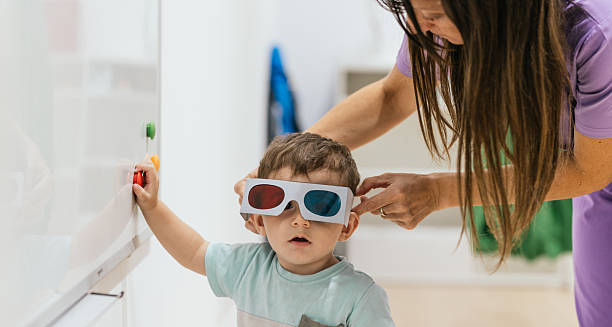
Young child wearing colour correction glasses during vision therapy

Treatment of Colour Blindness

Treatment of Colour Blindness Treatment of colour blindness depends on the type and cause. For inherited forms of colour blindness, there is currently no cure. However, adaptive tools, lenses, and behavioural strategies can help people manage daily challenges. In acquired cases, treating the underlying cause may improve or restore colour vision. 1. Lenses and Glasses Special tinted lenses are available that enhance colour contrast and help some people with red-green colour blindness distinguish between hues. These lenses can be worn as contact lenses or glasses and are particularly useful in specific tasks like identifying traffic lights or choosing ripe fruit. However, they do not restore normal colour vision and may not work for everyone. 2. Assistive Technology | Treatment of Colour Blindness Smartphone apps, digital filters, and screen readers can assist with colour differentiation. Many apps allow users to point a camera at an object to identify its colour. Others adjust on-screen colours for better clarity. These tools are particularly helpful in educational and work environments. 3. Visual Training Some studies have explored colour training programmes to help individuals improve colour identification using memory and pattern recognition. While these don’t change colour perception, they may reduce the functional impact of colour blindness in everyday activities. 4. Genetic Research Gene therapy is a promising field, particularly for inherited red-green colour blindness. Animal studies have shown encouraging results, but clinical trials in humans are still ongoing. If successful, gene therapy could one day offer a permanent solution. 5. Managing Acquired Colour Blindness If colour vision changes are caused by cataracts, glaucoma, or medications, treating the root issue can sometimes restore normal perception. In these cases, managing the disease or stopping the offending drug may halt or reverse the visual changes. 6. Support and Education | Treatment of Colour Blindness Counselling and educational support can help children and adults cope with the emotional impact of colour blindness. Raising awareness among teachers, employers, and families is essential for creating inclusive environments. While the treatment of colour blindness cannot currently offer a cure for inherited forms, the combination of adaptive technology, supportive tools, and workplace or classroom adjustments can make a significant difference. [Next: Complications and Recovery from Colour Blindness →]

Treatment of Colour Blindness Read More »

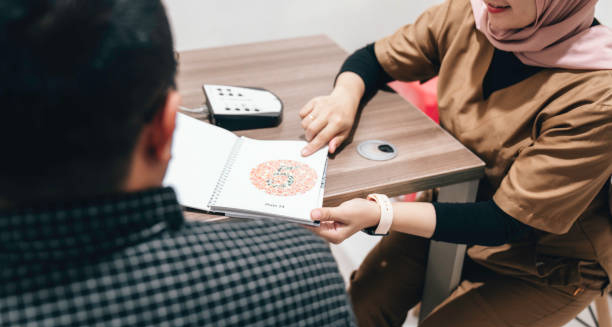
Man viewing a colour blindness test chart during an eye examination

Complications and Recovery from Colour Blindness

Complications and Recovery from Colour Blindness Complications and recovery from colour blindness depend on the type and cause of the condition. While colour blindness does not typically lead to vision loss or serious eye health issues, it can have a psychological and social impact, especially if undiagnosed or misunderstood. 1. Educational Challenges Children with undiagnosed colour blindness may struggle with colour-coded learning materials. They might be mistakenly labelled as inattentive or underperforming, particularly in tasks involving graphs, charts, maps, or artwork. Early diagnosis and educational adaptations can prevent academic setbacks and boost confidence. 2. Career Limitations | Complications and Recovery from Colour Blindness Some jobs require accurate colour vision, such as pilots, electricians, train drivers, and graphic designers. Failing a colour vision test may disqualify applicants from these professions. However, many other careers are accessible, and with the right support, individuals can excel in nearly every industry. 3. Safety Risks Difficulty distinguishing colours can pose safety risks, especially when interpreting traffic signals, warning labels, or hazard signs. In such cases, using shape, position, or brightness cues becomes crucial. Adjusting habits—like memorising the order of traffic lights—can help reduce risks. 4. Emotional and Social Impact People with colour blindness may feel embarrassed or frustrated by their condition. Children may feel isolated or bullied for using “the wrong colours” in drawings. Adults may experience anxiety in social or work situations involving colour-based decisions. 5. Coping and Recovery | Complications and Recovery from Colour Blindness There is no recovery from inherited colour blindness, but many people adapt remarkably well. With the rise of assistive technologies, better public awareness, and inclusion strategies, most individuals with colour vision deficiency live unrestricted, successful lives. In cases of acquired colour blindness, identifying and addressing the cause—whether it’s a disease, medication, or toxin—can restore colour vision if caught early. For instance, cataract surgery often improves colour perception, and managing conditions like glaucoma can slow deterioration. In conclusion, complications and recovery from colour blindness are manageable. Whether inherited or acquired, the condition does not prevent individuals from thriving, especially with access to proper diagnosis, tools, and support systems. [Next: Back to Overview →]

Complications and Recovery from Colour Blindness Read More »

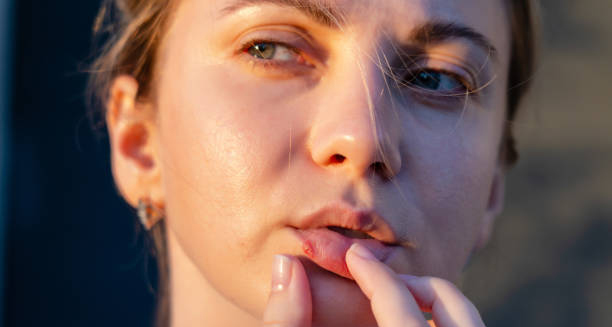
Woman touching her lip with visible cold sore

Cold Sores

Cold Sores – Overview Cold sores are small, fluid-filled blisters that typically appear on or around the lips and mouth. Caused primarily by the herpes simplex virus type 1 (HSV-1). These are highly contagious and tend to recur periodically throughout a person’s life. Although not dangerous in most healthy individuals. Cold sores can cause considerable discomfort and distress, particularly because they appear in visible areas of the face. These blisters often begin with a tingling, itching, or burning sensation before becoming red and inflamed. Over the course of several days, the blisters burst, crust over, and eventually heal—usually within 7 to 10 days. Once someone has been infected with the herpes simplex virus, it remains in the body in a dormant state and may reactivate later under certain conditions. These sores are extremely common, with an estimated 70–90% of people worldwide exposed to HSV-1 by adulthood. Not everyone develops symptoms, but those who do may experience periodic outbreaks throughout their lives. Common triggers include stress, illness, sunlight, hormonal changes, or a weakened immune system. Cold Sores While cold sores are most commonly found on the lips and surrounding areas, they can also appear on the nose, chin, cheeks, or even inside the mouth. They are most contagious during the blistering and weeping stages but can still be transmitted before visible symptoms appear. Though these sores are not curable, various treatments exist to shorten the duration of an outbreak. Ease discomfort and reduce the frequency of recurrences. These include antiviral medications, soothing topical creams, and preventive strategies like sun protection and stress management. In summary, these sores are a widespread and often recurring skin condition caused by HSV-1. With appropriate care and awareness of triggers, most individuals can manage symptoms effectively and reduce their frequency of outbreaks. [Next: Causes of Cold Sores →]

Cold Sores Read More »

Woman holding smiling and frowning face icons in front of her mouth

Causes of Cold Sores

Causes of Cold Sores Causes of cold sores are rooted in infection with the herpes simplex virus, most commonly HSV-1. Once a person is infected with HSV-1, the virus establishes a permanent presence in the body. Typically residing in the nerve ganglia near the spine. Cold sores develop when the virus becomes active and travels down nerve pathways to the skin’s surface, where it causes a blistering reaction. The primary method of HSV-1 transmission is through direct skin-to-skin contact. Kissing, sharing utensils, or touching infected areas and then touching another person are all common ways the virus spreads. Infection is often contracted in childhood through non-sexual contact . With parents or other close relatives who may not even know they carry the virus. After the initial infection, the virus enters a dormant stage. For reasons not fully understood, it can become reactivated at any time. Certain factors are known to trigger this reactivation, including: Causes of Cold Sores These triggers often weaken the immune system or create localised inflammation. Giving the virus an opportunity to resurface and cause a cold sore outbreak. Although HSV-1 is most often responsible for oral cold sores. HSV-2, the virus commonly linked to genital herpes, can also cause oral infections, especially through oral-genital contact. In such cases, the infection may follow a similar pattern of recurrence. Some individuals are more prone to frequent outbreaks due to genetic factors. An immune system that struggles to suppress viral activity. For those with compromised immune systems. Such as people undergoing chemotherapy, organ transplant recipients, or individuals living with HIV—the virus can cause more widespread or severe cold sores, requiring more aggressive treatment. Causes of Cold Sores In infants, HSV can cause dangerous infections, especially if acquired during birth or shortly after. For this reason, adults with active cold sores are advised to avoid kissing newborns or sharing close contact during outbreaks. Ultimately, the causes of cold sores lie in initial HSV-1 infection. Followed by future reactivations triggered by internal or external factors. Understanding what triggers your outbreaks can help minimise their frequency and duration.[Next: Symptoms of Cold Sores →]

Causes of Cold Sores Read More »

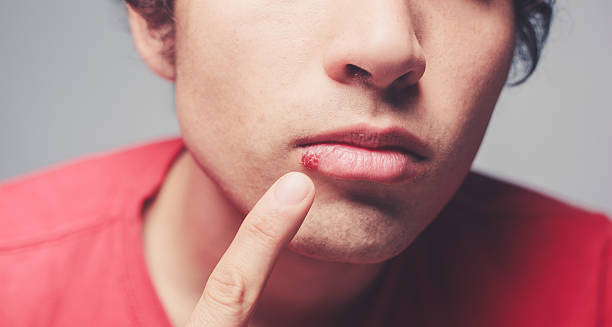
Close-up of a man pointing to a cold sore on his lip

Symptoms of Cold Sores

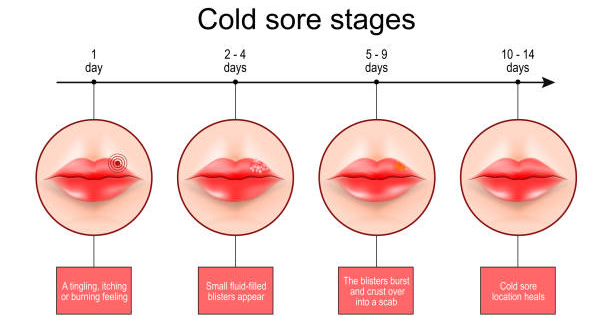
Symptoms of Cold Sores Symptoms of cold sores often develop in a well-defined sequence, making them relatively easy to identify, particularly in individuals who have experienced previous outbreaks. The initial indication of an oncoming sore is a tingling, itching, or burning sensation at the site where the blister will eventually form. This pre-blister phase, called the prodrome, may last several hours or up to a day. Shortly after the prodrome, small, fluid-filled blisters begin to appear—typically on the lips, corners of the mouth, or the skin surrounding the mouth. These blisters may be painful and tender to the touch. Over the next few days, the blisters rupture, leaking fluid and forming shallow, painful sores. These open sores then dry out, crust over with a yellow or brown scab, and gradually heal without scarring. Typical cold sores follow this cycle over the course of 7 to 10 days: Accompanying symptoms may include: These additional symptoms are more common during a person’s first outbreak, which is typically more severe than subsequent ones. Symptoms of Cold Sores In some cases, cold sores may occur inside the nose, on the gums, or on the roof of the mouth. These can be mistaken for canker sores, but the two conditions are different—canker sores are non-viral, non-contagious, and usually occur inside the mouth only. People with weakened immune systems may experience larger or longer-lasting outbreaks, and in rare cases, the virus can spread to the eyes (causing ocular herpes) or brain (causing encephalitis). Such complications are serious and require immediate medical attention. Symptoms of Cold Sores Cold sores can also affect psychological well-being, especially when outbreaks occur frequently or affect appearance. Many individuals report embarrassment, anxiety, or lowered self-esteem during visible outbreaks. In conclusion, the symptoms of cold sores follow a predictable pattern that includes early warning signs, blistering, and healing. Recognising the stages allows for timely intervention, which can reduce both the severity and duration of outbreaks. [Next: Diagnosis of Cold Sores →]

Symptoms of Cold Sores Read More »

Cold sore development stages on lips over 14 days

Diagnosis of Cold Sores

Diagnosis of Cold Sores Diagnosis of cold sores is usually made through visual examination and a review of symptoms. In most cases, doctors can identify cold sores based on their appearance, location, and progression without needing lab tests. The presence of tingling or burning before the outbreak. Combined with recurring lesions on or near the lips, makes the diagnosis straightforward. During a clinical evaluation, the healthcare provider may ask about previous occurrences, known triggers, and the duration of symptoms. They’ll also ask whether the patient is immunocompromised or if there’s any risk of severe complications. Especially in children, pregnant women, or people with weakened immune systems. In certain cases—particularly when the sores are atypical in appearance, severe, or resistant to treatmen. Lab tests may be ordered to confirm the diagnosis. These tests include: Diagnosis of Cold Sores Serological blood tests can detect antibodies to HSV-1 or HSV-2, which may be useful in some cases, especially if the patient is unsure whether they’ve been previously exposed to the virus. However, blood tests cannot determine the exact site of infection or confirm whether the virus is causing the current symptoms. For individuals with frequent outbreaks, identifying personal triggers can be part of the diagnostic process. Keeping a symptom diary that includes diet, stress levels, weather exposure, and sleep habits can help pinpoint specific reactivation causes. Diagnosis of Cold Sores In immunocompromised individuals or those with complications like ocular herpes, more in-depth diagnostic procedures may be necessary, including ophthalmological exams or referral to a specialist. Ultimately, the diagnosis of cold sores relies heavily on recognising patterns and symptoms, with testing reserved for complicated or uncertain cases. Early diagnosis ensures faster treatment, reduces the chance of spreading the virus, and can prevent serious complications in at-risk groups. [Next: Treatment of Cold Sores →]

Diagnosis of Cold Sores Read More »

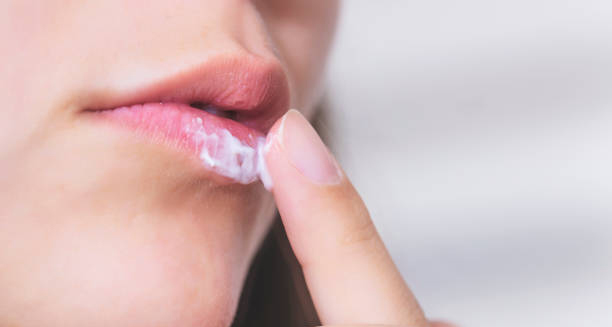
Woman applying cream to cold sore on lip

Treatment of Cold Sores

Treatment of Cold Sores Treatment of cold sores aims to relieve symptoms, speed up healing, and reduce the risk of future outbreaks. Although there is no cure for HSV-1, effective treatments exist that can shorten the duration of symptoms and provide long-term management for recurrent cold sores. Topical treatments are often the first choice. These include antiviral creams like aciclovir or penciclovir, which work best when applied at the first sign of tingling or itching. When started early, they can reduce blister formation and speed up healing. Over-the-counter options containing ingredients like lidocaine or benzocaine may also help relieve pain and discomfort. Treatment of Cold Sores Oral antiviral medications, such as aciclovir, valaciclovir, and famciclovir, are more effective for moderate to severe cases or for those who suffer frequent outbreaks. These tablets may be prescribed during an active outbreak or used preventively for those with recurring cold sores. Long-term daily suppressive therapy can be highly beneficial for individuals with more than six outbreaks per year. Supportive measures also play a vital role. These include: Preventing the spread of cold sores is equally important. Patients should avoid kissing, sharing utensils, or engaging in oral sex during outbreaks. Hand hygiene is crucial, as the virus can spread through contact with sores or contaminated surfaces. Treatment of Cold Sores Emerging treatments such as laser therapy and immune-boosting supplements are being explored, though more research is needed to confirm their effectiveness. Some natural remedies, including lemon balm and lysine supplements, have shown promise for mild cases, but they should never replace proven medical treatments. In conclusion, the treatment of cold sores is focused on antiviral medications, topical relief, and trigger management. When approached early and with consistency, most people can manage outbreaks effectively and reduce both frequency and intensity. [Next: Complications and Recovery from Cold Sores →]

Treatment of Cold Sores Read More »

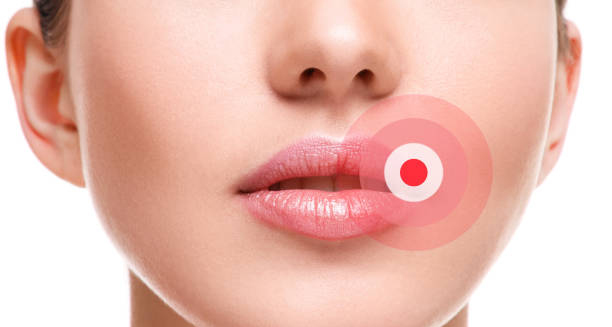
Close-up of a woman’s lips with highlighted cold sore area

Complications and Recovery from Cold Sores

Complications and Recovery from Cold Sores Complications and recovery from cold sores are usually straightforward in healthy individuals, but cold sores can cause more serious problems under certain conditions. While most people recover fully within 7 to 10 days without any treatment, some face complications that require medical intervention. The most common complication is secondary bacterial infection. If a cold sore is scratched, picked at, or exposed to bacteria, the skin can become infected. This may lead to increased redness, pus, swelling, and delayed healing. In such cases, antibiotics may be prescribed to clear the infection. Complications and Recovery from Cold Sores In rare cases, HSV-1 can spread to other areas, including the eyes, fingers (herpetic whitlow), or brain. Ocular herpes can cause vision-threatening conditions like corneal ulcers, requiring urgent specialist care. Herpes encephalitis, though extremely rare, can be life-threatening and requires immediate hospitalisation and intravenous antiviral treatment. For people with weakened immune systems, including those with HIV, undergoing chemotherapy, or post-organ transplant, cold sores can be more extensive, persistent, and painful. These individuals may need intravenous antivirals and closer medical supervision. Babies under six weeks of age are also at higher risk of severe complications if exposed to HSV-1. Neonatal herpes can affect the brain, liver, and lungs, and is considered a medical emergency. Caregivers with active cold sores should avoid kissing newborns or handling them without washing their hands. Complications and Recovery from Cold Sores Recovery from cold sores typically occurs in phases: prodrome, blistering, rupture, crusting, and healing. Most sores heal without scarring unless the area is scratched or becomes infected. Moisturising creams and lip balms can aid healing and reduce cracking. To avoid recurrence, individuals should: In summary, complications and recovery from cold sores are usually uncomplicated for healthy individuals. However, those with underlying health issues must be more cautious. With proper care, most outbreaks resolve quickly, and future ones can often be prevented or minimised through lifestyle management and early treatment. [Next: Back to Overview →]

Complications and Recovery from Cold Sores Read More »

Scroll to Top