Mental Matters

Health Conditions

Find information on various health conditions affecting people of all ages. This category covers causes, symptoms, diagnosis, and management options for physical illnesses and chronic diseases. Get insights to help you understand different health challenges and make informed decisions about your wellbeing.

Man sitting on ergonomic cushion to relieve coccyx pain

Treatment of Coccyx Pain

Treatment of Coccyx Pain Treatment of coccyx pain often starts with conservative measures and rarely requires surgery. Most people with coccyx pain experience relief with lifestyle modifications, physical therapy, and pain management. 1. Self-Care Measures 2. Pain Relief Medications 3. Physical Therapy | Treatment of Coccyx Pain A physiotherapist may teach: 4. Injections 5. Psychological Support Chronic pain can lead to anxiety or depression. Cognitive behavioural therapy (CBT) and mindfulness techniques can help patients manage discomfort and improve coping mechanisms. 6. Surgery (Coccygectomy) Surgical removal of the coccyx is rare and only considered when all other treatments fail. This procedure has a moderate success rate and requires careful consideration due to recovery time and risk of complications. Overall, the treatment of coccyx pain is highly individual. A step-by-step approach combining multiple therapies typically yields the best outcomes. [Next: Complications and Recovery from Coccyx Pain →]

Treatment of Coccyx Pain Read More »

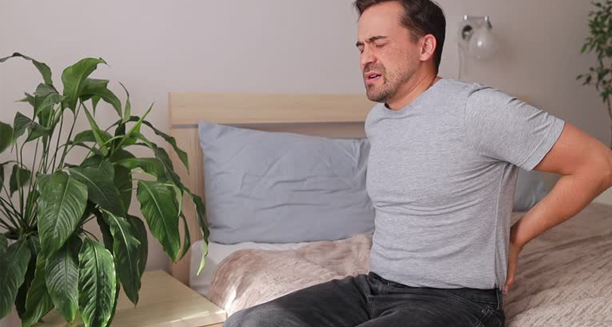
Man sitting on bed in visible discomfort from coccyx pain

Complications and Recovery from Coccyx Pain

Complications and Recovery from Coccyx Pain Complications and recovery from coccyx pain vary depending on the underlying cause and effectiveness of treatment. While most cases of coccyx pain resolve with conservative care, some individuals experience persistent or chronic discomfort. 1. Chronic Pain In some cases, the pain does not resolve after months of treatment, evolving into chronic coccydynia. This can affect mobility, mood, and overall quality of life. 2. Impact on Daily Activities Persistent pain can interfere with: 3. Emotional Distress Long-term pain often leads to anxiety, depression, or irritability. These emotional factors may amplify pain perception and complicate recovery. 4. Side Effects of Medication Long-term NSAID use can cause gastrointestinal issues, while steroid injections carry a risk of tissue thinning or infection. 5. Post-Surgical Complications Coccygectomy, though rarely performed, carries risks such as infection, delayed healing, or no improvement in symptoms. Recovery Timeline | Complications and Recovery from Coccyx Pain 6. Prevention of Recurrence To prevent recurrence: In conclusion, complications depend on early diagnosis, consistent treatment, and lifestyle adjustments. With the right approach, most individuals achieve full relief and return to normal activities. [Next: Back to Overview →]

Complications and Recovery from Coccyx Pain Read More »

Man in severe pain covering his face due to cluster headache

Cluster Headaches

Cluster Headaches – Overview Cluster headaches are a rare but extremely painful type of headache that occur in cyclical patterns or “clusters.” Unlike migraines or tension headaches. These headaches are distinguished by their sudden onset, severe intensity, and tendency to strike the same side of the head. The pain is often described as burning, piercing, or excruciating, typically centred around one eye or temple. These headaches occur in bouts that can last for weeks or months. Followed by periods of remission where no headaches occur. Some people experience cluster periods seasonally, often during spring or autumn. The attacks usually happen at the same time each day, and may even wake sufferers from sleep, earning them the nickname “alarm clock headaches.” Although the cause is not fully understood, these headaches are thought to be related to abnormal activity in the hypothalamus, the part of the brain that regulates biological rhythms. They affect more men than women and typically begin between the ages of 20 and 50. Cluster Headaches – Overview Cluster headaches are not life-threatening but are considered one of the most painful medical conditions known. They can significantly impair quality of life and lead to anxiety, depression, or sleep disturbances if not properly managed. In summary, these headaches are a serious neurological disorder characterised by sudden, severe head pain in recurring cycles. While the condition is rare, its impact can be devastating without timely diagnosis and appropriate treatment. [Next: Causes of Cluster Headaches →]

Cluster Headaches Read More »

Person smoking excessively, potentially causing a cluster headache

Causes of Cluster Headaches

Causes of Cluster Headaches Causes of cluster headaches remain a subject of ongoing research, but current evidence points to dysfunction in the brain’s hypothalamus. While the exact mechanisms are unclear, cluster headaches are believed to result from a combination of neurological, genetic, and environmental factors. 1. Hypothalamic Dysfunction The hypothalamus is the part of the brain that regulates the body’s biological clock, or circadian rhythms. Imaging studies have shown increased activity in this region during cluster attacks. This may explain why the headaches follow regular daily patterns and are often tied to specific seasons. 2. Trigeminal Nerve Activation The trigeminal nerve, responsible for facial sensation and pain, becomes activated during a cluster attack. This causes severe pain around the eye and temple and may also trigger related symptoms such as tearing, nasal congestion, and facial sweating. 3. Genetic Factors | Causes of Cluster Headaches While not as strongly hereditary as migraines, there is some evidence that cluster headaches run in families. First-degree relatives of people with cluster headaches are at a slightly higher risk of developing the condition. 4. Alcohol and Smoking Alcohol is a well-known trigger during active cluster periods, although it does not cause the condition itself. Similarly, smoking is more prevalent among those who suffer from cluster headaches, although the link remains unclear. 5. Changes in Sleep Patterns Disruptions to sleep, such as those caused by shift work or jet lag, may trigger or worsen cluster headaches. This further supports the role of circadian rhythm dysfunction in the disease process. 6. Histamine and Serotonin | Causes of Cluster Headaches Abnormalities in the regulation of histamine and serotonin, chemicals involved in pain signalling and blood vessel regulation, may contribute to the onset of attacks. While the causes of cluster headaches are not fully understood, the combination of neurological and lifestyle factors underscores the importance of tailored, comprehensive care. Identifying personal triggers and maintaining a stable routine can play a key role in preventing episodes. [Next: Symptoms of Cluster Headaches →]

Causes of Cluster Headaches Read More »

Man clutching head in pain with red highlighted area indicating cluster headache

Symptoms of Cluster Headaches

Symptoms of Cluster Headaches Symptoms of cluster headaches are distinct and highly characteristic, making them easier to recognise than other headache types. The key feature of cluster headaches is their sudden, intense pain, usually centred around one eye. This pain is often described as a sharp, stabbing, or burning sensation that reaches its peak within minutes and can last from 15 minutes to 3 hours. 1. Severe, One-Sided Pain The hallmark symptom is severe pain on one side of the head, typically in or around the eye, temple, or forehead. The pain can radiate to the jaw, neck, or even the shoulder, and is often so intense that it drives people to pace, rock back and forth, or even harm themselves out of desperation. 2. Eye Symptoms | Symptoms of Cluster Headaches The affected eye may show: These symptoms almost always occur on the same side as the headache and resolve once the attack ends. 3. Nasal Symptoms Nasal congestion or a runny nose is common, again usually confined to the affected side. Some people also experience facial sweating or flushing. 4. Restlessness Unlike migraine sufferers, who often lie down in dark rooms, people with cluster headaches are usually agitated and physically restless during an attack. This reaction is thought to be due to the sheer intensity of the pain. 5. Predictable Timing | Symptoms of Cluster Headaches Attacks often occur at the same time each day or night, sometimes waking individuals from sleep. This regularity is linked to the hypothalamus, which governs circadian rhythms. 6. Cluster Periods and Remission Attacks come in clusters, typically lasting weeks or months, followed by remission periods that may last months or years. Some people experience chronic cluster headaches with little to no remission. Recognising the symptoms of cluster headaches is essential for accurate diagnosis and effective management. Their distinct pattern of intense, one-sided pain and autonomic symptoms set them apart from other headache disorders. [Next: Diagnosis of Cluster Headaches →]

Symptoms of Cluster Headaches Read More »

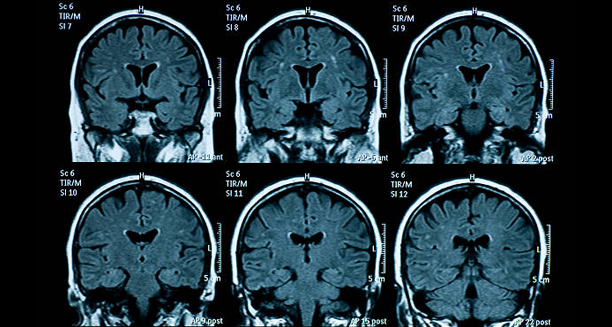
MRI brain scans used to rule out underlying causes of cluster headaches

Diagnosis of Cluster Headaches

Diagnosis of Cluster Headaches Diagnosis of cluster headaches is based on clinical evaluation, as there is no specific test to confirm the condition. Because cluster headaches are rare and often misdiagnosed as migraines or sinus problems, it is vital for healthcare providers to conduct a detailed history and symptom review. 1. Patient History Doctors start by asking about the nature, location, timing, and duration of the headaches. Key features that point to cluster headaches include: 2. Diagnostic Criteria | Diagnosis of Cluster Headaches According to the International Classification of Headache Disorders (ICHD), cluster headaches are diagnosed when the pattern of pain and associated symptoms meet specific criteria. These include repeated one-sided headaches accompanied by autonomic symptoms and occurring in regular bouts. 3. Neurological Examination A neurological exam is conducted to rule out secondary causes of head pain. The exam is usually normal in cases of cluster headaches, but any abnormalities may suggest further testing is needed. 4. Imaging Tests MRI or CT scans of the brain may be ordered to exclude other serious conditions such as: Imaging is especially important in first-time or atypical cases. 5. Differentiation from Other Headaches | Diagnosis of Cluster Headaches Cluster headaches must be distinguished from migraines, trigeminal neuralgia, and sinus infections. Their shorter duration, rapid onset, and regular timing help differentiate them. A timely and accurate diagnosis of cluster headaches is crucial, as early treatment improves outcomes and reduces the risk of chronicity. Referral to a neurologist may be necessary for complex or treatment-resistant cases. [Next: Treatment of Cluster Headaches →]

Diagnosis of Cluster Headaches Read More »

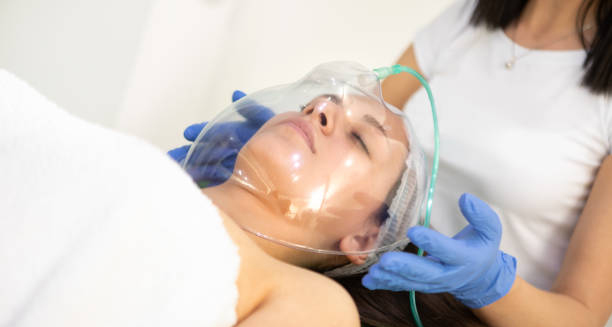
Woman receiving oxygen therapy through a face mask for cluster headache relief

Treatment of Cluster Headaches

Treatment of Cluster Headaches Treatment of cluster headaches focuses on relieving pain quickly during an attack and preventing future episodes. Because cluster headaches are so intense, immediate and effective intervention is essential. There are three main pillars of management: acute treatment, preventive treatment, and lifestyle modifications. 1. Acute Treatments (Abortive Therapy) The goal is to stop pain rapidly once an attack begins: 2. Preventive Treatments | Treatment of Cluster Headaches These are started at the onset of a cluster period to reduce frequency and severity: 3. Newer and Surgical Options For resistant cases, options include: 4. Lifestyle Changes | Treatment of Cluster Headaches Although not causes, triggers such as alcohol, strong smells, and irregular sleep can worsen symptoms. Maintaining a consistent daily routine and avoiding known triggers during active periods is essential. With the right combination of abortive and preventive therapies, the treatment of cluster headaches can significantly improve quality of life. Early intervention and specialist care are crucial for long-term success. [Next: Complications and Recovery from Cluster Headaches →]

Treatment of Cluster Headaches Read More »

Man in glasses grimacing with pain and holding his forehead during a cluster headache

Complications and Recovery from Cluster Headaches

Complications and Recovery from Cluster Headaches Complications and recovery from cluster headaches depend on the severity and duration of the condition. While cluster headaches are not life-threatening, they can cause substantial personal and social disruption, especially without adequate treatment. Many patients report that the condition affects every aspect of their lives—from relationships to employment. 1. Psychological Effects | Complications and Recovery from Cluster Headaches The intensity and unpredictability of attacks can lead to: Some sufferers feel isolated or misunderstood due to the rarity of the condition, which may impact their mental health. 2. Medication Side Effects Long-term use of preventive medications like verapamil or lithium requires regular monitoring due to potential side effects, such as cardiac issues or kidney dysfunction. 3. Work and Daily Life Disruption Frequent attacks can make it difficult to hold a job or maintain a social life. Night-time attacks may lead to chronic sleep deprivation, further affecting mood and concentration. 4. Risk of Chronic Cluster Headaches In a minority of cases, the condition becomes chronic, meaning attacks occur without significant remission periods. This form is harder to manage and may require more aggressive treatment strategies. 5. Recovery Outlook While there is no cure, most people with episodic cluster headaches experience periods of remission. With proper treatment, they can lead full and active lives. Adherence to treatment plans, regular check-ups, and support from healthcare professionals and patient groups can make a significant difference. 6. Support and Education Connecting with others through support groups and education empowers patients. Learning how to recognise early signs of a cluster period and having a treatment plan in place improves confidence and reduces the emotional burden. In conclusion, complications and recovery from cluster headaches centre on managing both the physical symptoms and emotional impact. With the right support and treatment, many patients find relief and regain control over their lives. [Next: Back to Overview →]

Complications and Recovery from Cluster Headaches Read More »

Club Foot

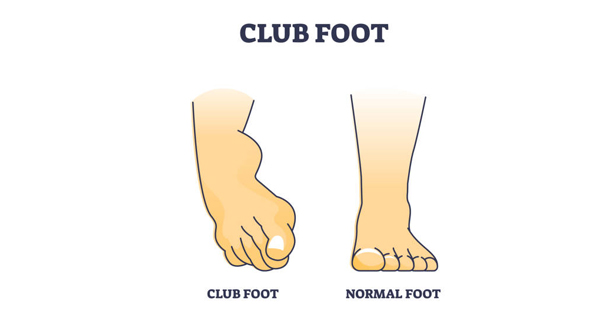
Club Foot – Overview Club foot is a congenital condition in which a baby’s foot or feet are twisted out of their normal position. The term talipes equinovarus describes a deformity where the foot points downward and inward, often resembling the shape of a golf club. It can affect one or both feet and occurs in roughly 1 in every 1,000 live births, making it one of the most common musculoskeletal birth defects. This condition develops during pregnancy and is typically detected at birth or during prenatal scans. The bones, muscles, tendons, and blood vessels of the affected foot are abnormally shaped or positioned, making it difficult or impossible for the child to walk normally without treatment. Although the condition itself is not painful, if left untreated, it can lead to long-term disability, difficulty in walking, and social or psychological issues due to visible deformity. Club Foot Fortunately, with early diagnosis and proper intervention, the outcomes for children with talipes equinovarus are excellent. Most babies respond well to non-surgical treatment methods, particularly the Ponseti method, which involves gentle manipulation, casting, and bracing. In more severe or resistant cases, surgical intervention may be required. In summary, club foot is a treatable birth defect involving the abnormal positioning of the foot or feet. Early treatment leads to good outcomes, allowing children to walk, run, and lead active lives without restrictions. Hope Through Early Treatment Early diagnosis and intervention are key to correcting it and ensuring normal mobility. With prompt and consistent treatment — particularly in infancy — most children regain full function and experience no lasting limitations. Techniques like the Ponseti method have transformed the prognosis for affected children, offering non-invasive solutions with high success rates. Looking Ahead Ongoing care, including follow-ups and bracing, plays a vital role in preventing relapse. Education and support for parents are also crucial, as managing club foot requires commitment and consistency in the early years. With the right care, children born with it can look forward to healthy, active lives without physical or social barriers. [Next: Causes of Club Foot →]

Club Foot Read More »

Medical illustration comparing a club foot to a normal foot

Causes of Club Foot

Causes of Club Foot Causes of club foot are not entirely understood, though several genetic and environmental factors appear to contribute to its development. While club foot often occurs in otherwise healthy infants, some cases are associated with other conditions or syndromes. Understanding the causes of club foot helps guide research and improve early detection strategies. 1. Genetic Factors Evidence suggests a strong genetic component. If a parent had club foot, there is a significantly increased chance their child may inherit the condition. The risk is also higher if a sibling is affected. Several genes associated with muscle and skeletal development have been implicated, though no single gene has been identified as the sole cause. 2. Position in the Womb | Causes of Club Foot Limited space in the uterus may affect foetal positioning, especially in the third trimester. Club foot can develop when the foot is compressed or restrained, particularly in cases of multiple births or low amniotic fluid levels. 3. Neuromuscular Conditions Some babies are born with club foot as part of a wider syndrome involving the nervous or muscular system. Conditions like spina bifida or arthrogryposis are examples where club foot may occur alongside other abnormalities. 4. Environmental Factors Although harder to pinpoint, maternal smoking, infections during pregnancy, or certain medications may slightly increase the risk of club foot. Poor maternal nutrition and exposure to harmful substances during early foetal development have also been suggested as contributing factors. 5. Idiopathic Cases | Causes of Club Foot In most cases, club foot appears without any associated health problems or identifiable cause. These are referred to as idiopathic club feet and account for the majority of cases. Despite the unknown cause, these cases usually respond very well to treatment. The causes are likely multifactorial, involving a combination of genetic predisposition and environmental influence. Ongoing research aims to uncover more precise mechanisms and improve prevention and early intervention strategies. [Next: Symptoms of Club Foot →]

Causes of Club Foot Read More »

Scroll to Top