Mental Matters

Health Conditions

Find information on various health conditions affecting people of all ages. This category covers causes, symptoms, diagnosis, and management options for physical illnesses and chronic diseases. Get insights to help you understand different health challenges and make informed decisions about your wellbeing.

Close-up of a newborn’s foot showing signs of club foot deformity

Symptoms of Club Foot

Symptoms of Club Foot Symptoms of club foot are usually visible at birth or detected on prenatal scans. The condition affects the structure and position of the foot or feet, and though club foot itself is not painful in infants, its visual and physical effects are clear and distinct. 1. Foot Positioning | Symptoms of Club Foot The most noticeable symptom is the abnormal inward and downward rotation of the foot. In classic club foot: Both feet can be affected (bilateral club foot), although one-sided cases are also common. 2. Tightness and Stiffness The Achilles tendon at the back of the heel is typically tight and shortened, which contributes to the downward positioning of the heel. The calf muscles may also be underdeveloped, giving the lower leg a thinner appearance on the affected side. 3. Limited Range of Motion | Symptoms of Club Foot The foot has restricted movement. Attempts to move the foot into a normal position are met with resistance, though the condition is not painful for the newborn. 4. Associated Changes in Leg Shape In some cases, the shin may appear slightly curved or shortened. The affected foot and leg can be smaller than the unaffected side, especially in unilateral cases. 5. Walking Difficulties (if Untreated) Without treatment, club foot leads to problems with mobility: Early identification of the symptoms of club foot allows for prompt treatment, which can begin within the first weeks of life. With appropriate care, most children achieve full mobility without pain or long-term disability. [Next: Diagnosis of Club Foot →]
Symptoms of Club Foot Read More »

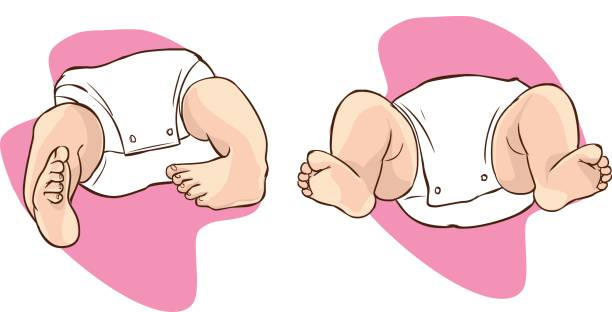
Medical illustration comparing baby with club foot and normal foot position

Diagnosis of Club Foot

Diagnosis of Club Foot Diagnosis of club foot is usually straightforward, as the condition is visible at birth. Routine prenatal ultrasounds may reveal club foot in some cases. Allowing for early planning and referral to specialists. An accurate and timely diagnosis is essential for starting treatment as early as possible. 1. Physical Examination at Birth Doctors typically identify club foot immediately after birth through visual assessment. The position and flexibility of the foot are evaluated. Clinicians use the Pirani and Dimeglio scales to grade deformity severity. These tools help assess the likelihood of treatment success and the need for surgery. 2. Prenatal Diagnosis | Diagnosis of Club Foot High-resolution ultrasound imaging can detect club foot during pregnancy, usually between 18 and 22 weeks of gestation. Once confirmed, parents meet an orthopaedic specialist to receive counseling and plan post-birth treatment. 3. Distinguishing Between Types It’s important to determine whether the club foot is: Further investigations, including genetic tests or MRI scans, help diagnose suspected abnormalities in complex cases. 4. Monitoring During Growth After initial treatment begins, regular follow-up appointments and imaging (usually X-rays) help monitor progress. To maintain proper correction, doctors regularly check foot positioning, bone growth, and joint flexibility. 5. Parental Education | Diagnosis of Club Foot Parents are often involved in early treatment, especially when bracing is required. Diagnosis includes education about the importance of compliance with home care routines, casting schedules, and potential long-term follow-up. A precise diagnosis of club foot sets the foundation for successful treatment. Early intervention, guided by an experienced orthopaedic team, leads to excellent outcomes in the vast majority of cases. [Next: Treatment of Club Foot →]

Diagnosis of Club Foot Read More »

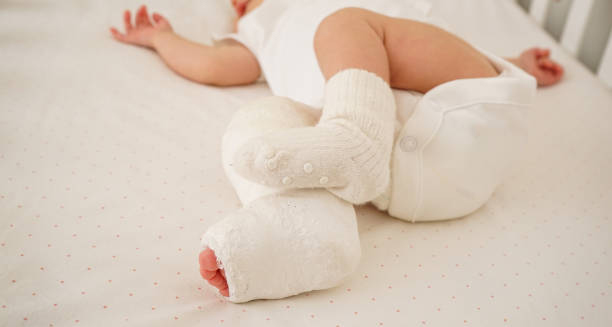
Infant in white onesie with both feet in corrective plaster casts for club foot

Treatment of Club Foot

Treatment of Club Foot Treatment of club foot aims to correct the position of the foot and ensure long-term function, mobility, and comfort. Thanks to advances in medical techniques, most children with club foot grow up to walk, run, and play without any significant restrictions. The key to success is early, consistent, and specialised intervention. 1. Ponseti Method The Ponseti method is the gold standard for treating club foot and has revolutionised outcomes worldwide. It involves: This method is over 90% effective when parents follow the bracing regimen carefully. 2. French Functional Method This approach involves daily stretching, taping, and physiotherapy. While less common than Ponseti, it may be used in specific cases or cultural contexts. 3. Surgical Treatment | Treatment of Club Foot Surgery is considered when non-surgical methods fail or if the club foot is extremely rigid. Procedures may involve: Surgery can carry risks like stiffness or overcorrection, so it’s reserved for resistant cases. 4. Parental Involvement Success relies heavily on parental commitment to the bracing phase. Education and support are vital to ensure compliance and reduce relapse. 5. Long-Term Monitoring | Treatment of Club Foot Children with corrected club foot need periodic assessments during early growth to catch any recurrence early. Footwear modifications, orthotics, or physiotherapy may be recommended to support long-term function. In short, treatment of club foot is most effective when started early—preferably within the first few weeks of life. With modern methods, children typically go on to live active, healthy lives without any visible deformity. [Next: Complications and Recovery from Club Foot →]

Treatment of Club Foot Read More »

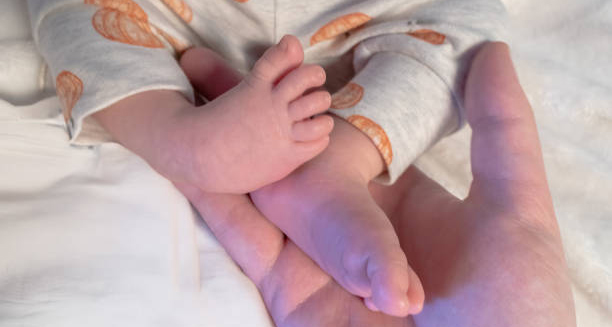
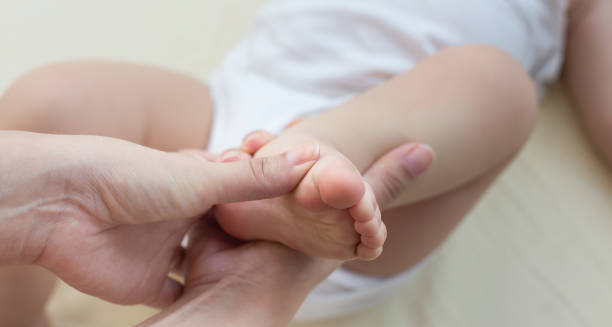
Adult hand supporting the feet of an infant with club foot

Complications and Recovery from Club Foot

Complications and Recovery from Club Foot Complications and recovery from club foot depend largely on the timing and quality of treatment. When properly managed, club foot has an excellent prognosis, but delayed or incomplete care can lead to physical limitations and social challenges. Understanding the possible complications ensures that parents and clinicians remain vigilant during recovery. 1. Risk of Recurrence The most common complication is recurrence, which typically happens due to poor adherence to bracing routines after initial casting. Without continued use of the brace as recommended, the foot can revert to its abnormal position. 2. Stiffness and Reduced Range of Motion In some cases, especially after surgery, the corrected foot may become stiff. While children often adapt well, slight limitations in movement or foot flexibility may remain, particularly during activities requiring a full range of motion. 3. Unequal Leg Size | Complications and Recovery from Club Foot Mild discrepancies in leg length or foot size are common, especially in unilateral club foot. These differences are usually minimal and do not affect walking ability. 4. Pain and Arthritis Although rare, untreated or poorly treated club foot can result in chronic pain or early-onset arthritis in the foot or ankle due to abnormal joint development. 5. Need for Additional Surgery If relapse occurs or the initial correction was incomplete, additional procedures may be required. Secondary surgeries are often minor but may include tendon transfers or revision casting. Recovery and Outlook | Complications and Recovery from Club Foot Recovery begins with correction in infancy and continues with bracing through toddlerhood. Most children: By school age, many children show no visible signs of ever having had club foot. Emotional and social development is typically unaffected when treatment is prompt and successful. Parental Support and Education Support groups, education, and regular follow-ups help families stay engaged in care. Understanding the importance of long-term bracing and appointments is crucial for avoiding setbacks. In conclusion, complications and recovery from club foot are manageable when addressed early. With dedication and proper medical guidance, children with club foot almost always lead full, active, and pain-free lives. [Next: Back to Overview →]

Complications and Recovery from Club Foot Read More »

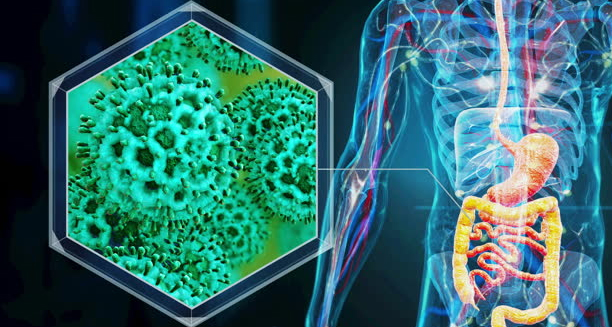
Microscopic view of Clostridium difficile bacteria and human digestive system

Clostridium difficile

Clostridium difficile – Overview Clostridium difficile, often referred to as C. difficile or C. diff. A type of bacteria that causes inflammation of the colon, a condition known as colitis. A CDI infection typically occurs after antibiotic use. Which disrupts the normal balance of bacteria in the gut and allows C. difficile to multiply and release toxins. These toxins damage the intestinal lining, leading to symptoms such as diarrhoea, abdominal pain, and fever. C. difficile is found naturally in the environment and can be present in small numbers in the intestines of healthy individuals. However, in the right conditions—particularly when protective gut bacteria are eliminated by antibiotics—it can rapidly grow and cause illness. Older adults, hospitalised patients, and those with weakened immune systems are especially vulnerable. Clostridium difficile – Overview The infection ranges from mild diarrhoea to life-threatening inflammation of the bowel. In some cases, complications such as toxic megacolon, sepsis, or even death may occur. C. difficile is highly contagious, spreading via spores that can survive for months on surfaces such as bed rails, toilet seats, and hands. Due to its association with healthcare environments, C. difficile has become a major concern in hospitals and care facilities. Rigorous hygiene protocols and antimicrobial stewardship are essential to preventing its spread. In summary, Clostridium difficile is a dangerous bacterial infection that often follows antibiotic use and poses significant risks in medical settings. Early detection, isolation, and treatment are vital to preventing serious outcomes and limiting transmission. [Next: Causes of Clostridium difficile →]

Clostridium difficile Read More »

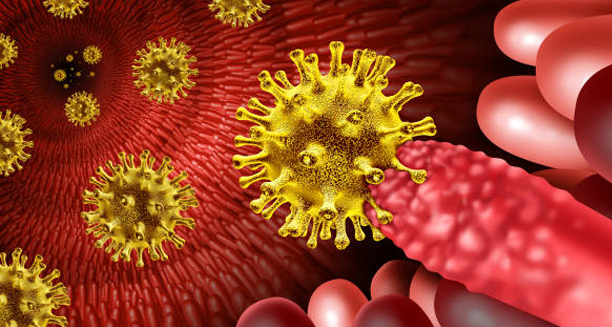
3D illustration of Clostridium difficile bacteria invading intestinal tissue

Causes of Clostridium difficile

Causes of Clostridium difficile Causes of Clostridium difficile infection are primarily linked to the disruption of the normal gut microbiome. Most commonly through antibiotic use. Loss of healthy gut bacteria allows Clostridium difficile to grow unchecked and produce toxins. Causing inflammation and damage to the intestines. 1. Antibiotic Use The most significant cause is the use of broad-spectrum antibiotics. Doctors have closely linked clindamycin, fluoroquinolones, cephalosporins, and penicillins to an increased risk of CDI. These antibiotics kill beneficial gut bacteria, reducing the natural competition that keeps C. difficile in check. 2. Hospital or Care Facility Stay C. difficile is commonly acquired in hospitals, nursing homes, and other care facilities where antibiotics are frequently used and close contact between patients facilitates spread. The bacteria are passed through spores that can contaminate hands, surfaces, and equipment. 3. Weakened Immune System | Causes of Clostridium difficile People with compromised immune systems—such as cancer patients, transplant recipients, or those on immunosuppressive drugs—are more susceptible to infection and complications due to their reduced ability to fight off bacterial overgrowth. 4. Gastrointestinal Procedures Surgical interventions involving the digestive system, as well as the use of feeding tubes or prolonged use of proton pump inhibitors (PPIs), can increase the risk of developing CDI. PPIs may alter stomach acidity, allowing more bacteria to survive and reach the intestines. 5. Age and Comorbidities Older adults are significantly more at risk. People over 65 account for a large proportion of CDI cases, especially those with other chronic conditions like diabetes or kidney disease. 6. Previous CDI | Causes of Clostridium difficile Having had a C. difficile infection in the past greatly increases the risk of recurrence, especially within 2–3 months after the initial episode. Recurrent infections are often more difficult to treat. The causes of Clostridium difficile reflect a complex interplay of antibiotic exposure, environmental contamination, and host vulnerability. Awareness of these risk factors is key to both prevention and early intervention. [Next: Symptoms of Clostridium difficile →]

Causes of Clostridium difficile Read More »

Woman clutching stomach in pain, a symptom of Clostridium difficile infection

Symptoms of Clostridium difficile

Symptoms of Clostridium difficile Symptoms of Clostridium difficile infection can range from mild to severe, with complications arising rapidly if not addressed. Most people with Clostridium difficile experience diarrhoea and abdominal discomfort, but serious cases can lead to life-threatening bowel conditions. 1. Diarrhoea Frequent, watery stools—often more than three times per day—are the most common early symptom. The diarrhoea typically has a distinctive foul odour and may contain mucus or, less commonly, blood. 2. Abdominal Pain and Cramping Patients often report lower abdominal pain, bloating, and cramping. The discomfort can vary from mild to severe and may intensify after eating or during bowel movements. 3. Fever | Symptoms of Clostridium difficile A moderate fever (38°C or above) is a common systemic symptom, signalling the body’s immune response to infection and inflammation of the colon. 4. Nausea and Loss of Appetite C. difficile may cause gastrointestinal upset, leading to nausea, reduced appetite, and weight loss. These symptoms often accompany diarrhoea and may lead to dehydration. 5. Dehydration Due to fluid loss from persistent diarrhoea, dehydration can become a serious issue. Symptoms include dry mouth, dark urine, dizziness, and confusion, particularly in older patients. 6. Severe Complications In advanced cases, patients may develop: 7. Recurrent Symptoms | Symptoms of Clostridium difficile Up to 25% of patients experience recurrence within weeks of initial treatment. These episodes are often more resistant to antibiotics and may require alternative therapies. The symptoms of Clostridium difficile should never be ignored, particularly in recently hospitalised patients or those taking antibiotics. Early treatment significantly reduces the risk of serious complications and improves recovery outcomes. [Next: Diagnosis of Clostridium difficile →]

Symptoms of Clostridium difficile Read More »

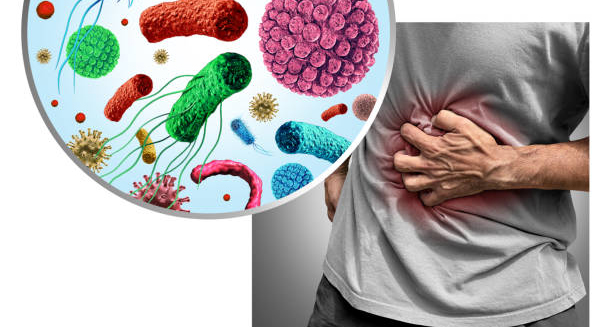
Illustration of Clostridium difficile bacteria causing abdominal pain in a patient

Diagnosis of Clostridium difficile

Diagnosis of Clostridium difficile Diagnosis of Clostridium difficile involves clinical evaluation combined with laboratory testing of stool samples. Because the symptoms overlap with other gastrointestinal conditions, a prompt and accurate diagnosis is essential to ensure correct treatment and infection control. 1. Clinical Assessment Doctors start by reviewing symptoms—particularly recent diarrhoea—and medical history, with a focus on recent antibiotic use or hospitalisation. The timing and frequency of stools, presence of fever, and abdominal pain all provide important clues. 2. Stool Testing | Diagnosis of Clostridium difficile Several laboratory tests are used to confirm CDI: A combination of these tests is typically used to improve accuracy. 3. Colonoscopy or Sigmoidoscopy In cases where stool testing is inconclusive or severe disease is suspected, a colonoscopy may be performed. This can reveal characteristic yellow-white plaques (pseudomembranes) on the colon lining, confirming pseudomembranous colitis. 4. Imaging Doctors act quickly if they suspect toxic megacolon or bowel perforation. CT scans and X-rays help doctors evaluate colon dilation and inflammation. 5. Blood Tests | Diagnosis of Clostridium difficile Routine blood work may show: 6. Recurrence Confirmation In recurrent cases, doctors may order additional tests to distinguish between reinfection and treatment failure. Stool PCR and toxin testing can help guide follow-up care. A timely and accurate diagnosis of Clostridium difficile not only guides treatment but also triggers infection control measures, helping to prevent transmission to other patients or caregivers. [Next: Treatment of Clostridium difficile →]

Diagnosis of Clostridium difficile Read More »

Probiotic treatment targeting Clostridium difficile and supporting good gut bacteria

Treatment of Clostridium difficile

Treatment of Clostridium difficile Treatment of Clostridium difficile depends on the severity of the infection, whether it’s a first occurrence or a recurrence, and the overall health of the patient. Timely and appropriatetreatment can significantly reduce symptoms, prevent complications, and limit the spread of infection. 1. Discontinuing the Inciting Antibiotic If the infection follows recent antibiotic use, the first step is to stop the offending antibiotic. This often allows the gut microbiota to begin restoring itself naturally. 2. First-Line Antibiotics | Treatment of Clostridium difficile Targeted antibiotics treat C. difficile infections: 3. Hydration and Electrolyte Replacement Patients must stay hydrated, especially those with ongoing diarrhoea. Oral rehydration or IV fluids treat fluid loss and electrolyte imbalances. 4. Treatment of Severe or Recurrent Cases 5. Avoiding Anti-Diarrhoeal Agents Avoid medications like loperamide—they slow bowel movements and trap toxins, which can worsen the condition. 6. Infection Control | Treatment of Clostridium difficile Healthcare providers isolate patients during treatment to stop spore transmission. Rigorous hand hygiene and environmental cleaning with sporicidal agents are mandatory. Effective treatment of Clostridium difficile requires a combination of antimicrobial therapy, supportive care, and strict infection prevention. Early intervention helps limit damage, especially in vulnerable or elderly patients. [Next: Complications and Recovery from Clostridium difficile →]

Treatment of Clostridium difficile Read More »

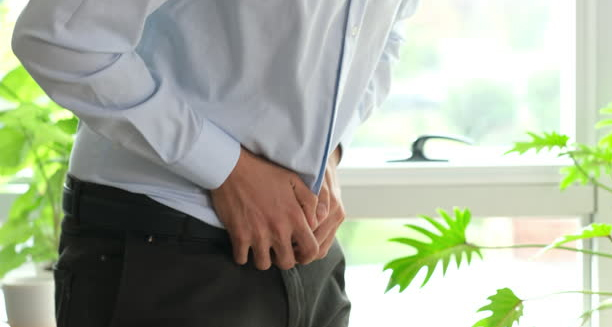
Man clutching stomach in pain from Clostridium difficile infection

Complications and Recovery from Clostridium difficile

Complications and Recovery from Clostridium difficile Complications and recovery from Clostridium difficile vary from patient to patient, depending on the severity of infection, response to treatment, and underlying health. While many cases resolve with antibiotics, Clostridium difficile can cause long-term health issues or life-threatening complications, especially if untreated or mismanaged. 1. Complications | Complications and Recovery from Clostridium difficile 2. Emotional and Psychological Impact Chronic illness, prolonged hospitalisation, and fear of recurrence can cause anxiety and depression. Patients often worry about reinfection or spreading the disease to others. 3. Recovery Timeline 4. Preventing Recurrence Patients are encouraged to: 5. Infection Control After Recovery C. difficile spores can linger on surfaces even after symptoms have resolved. Regular cleaning and careful hygiene remain important, especially in shared living environments. In conclusion, complications and recovery from Clostridium difficile demand ongoing care, especially in vulnerable populations. With proper treatment, lifestyle adjustments, and medical follow-up, most individuals can recover fully and avoid future infections. [Next: Back to Overview →]

Complications and Recovery from Clostridium difficile Read More »

Scroll to Top