Treatment of Cirrhosis
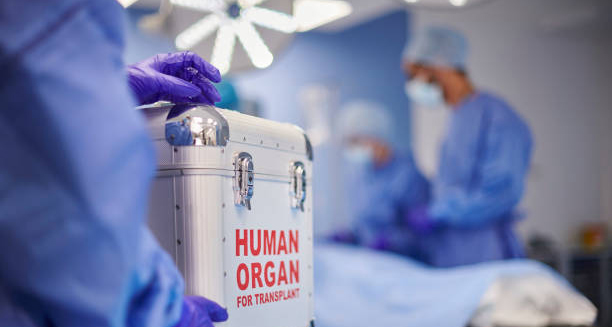
Treatment of Cirrhosis Treatment of cirrhosis focuses on stopping the cause, managing symptoms, and preventing or treating complications. Because cirrhosis causes irreversible liver scarring, therapies aim to halt progression and maintain liver function for as long as possible. 1. Treating Underlying Causes 2. Lifestyle Changes | Treatment of Cirrhosis Patients should avoid alcohol, eat a well-balanced, low-sodium diet, stay physically active, and maintain a healthy weight. Get vaccinated against hepatitis A, B, and influenza. 3. Managing Symptoms and Complications 4. Medications Cirrhosis limits the liver’s ability to process drugs. Review and adjust medications to avoid toxicity and protect the liver. 5. Regular Monitoring Routine ultrasounds and blood tests are needed to monitor liver cancer risk and overall health. Early detection of hepatocellular carcinoma can allow curative treatment. 6. Liver Transplant | Treatment of Cirrhosis In cases of liver failure or recurrent complications, transplant is the only curative option. Eligibility depends on MELD score and overall health status. Overall, treatment of cirrhosis must be tailored to the individual, with regular specialist follow-up to adapt care as the disease progresses. [Next: Complications and Recovery from Cirrhosis →]