Mental Matters

Health Conditions

Find information on various health conditions affecting people of all ages. This category covers causes, symptoms, diagnosis, and management options for physical illnesses and chronic diseases. Get insights to help you understand different health challenges and make informed decisions about your wellbeing.

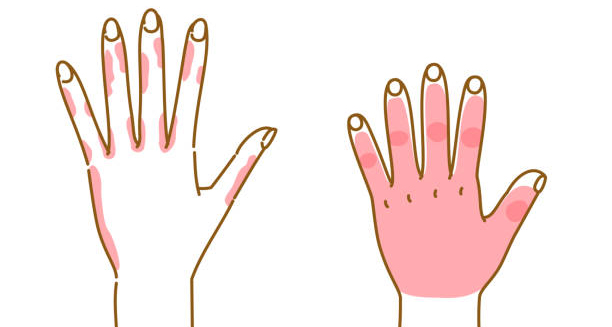
Illustration of hands with red swollen areas showing symptoms of chilblains

Chilblains

Chilblains – Overview Chilblains are small, itchy, and painful swellings that develop on the skin in response to cold temperatures. This typically affect the extremities — such as fingers, toes, ears, and nose — and are more common in the winter months. While not usually serious, they can be uncomfortable and sometimes lead to skin ulcers or infections if left untreated. Rapid rewarming after cold exposure causes this reaction in the skin. The sudden temperature change can cause the small blood vessels under the skin to expand more rapidly than nearby larger vessels can accommodate. This leads to a backup of blood and leakage into surrounding tissues, resulting in inflammation and the familiar red or purple patches. Chilblains are more common in women, children, and individuals with poor circulation or low body fat. People with autoimmune conditions like lupus or Raynaud’s disease are also at greater risk. Although anyone can develop them, these reactions occur more often in colder climates and among people who spend time outdoors or in unheated environments. Chilblains Symptoms usually appear a few hours after exposure to cold and typically resolve on their own within 1–3 weeks. Preventative measures — such as keeping warm, avoiding rapid heating, and using moisturisers — are often effective. Although chilblains are not dangerous in most cases, people with persistent or recurrent lesions should see a doctor to rule out underlying vascular or autoimmune conditions. [Next: Causes of Chilblains →]

Chilblains Read More »

Snow-covered mountains and icy landscape under cold blue twilight

Causes of Chilblains

Causes of Chilblains Causes of chilblains are primarily linked to abnormal reactions of the body’s blood vessels to cold temperatures. While chilblains are not fully understood, several known triggers and contributing factors can help explain their development and recurrence. 1. Cold Exposure The most direct cause is prolonged exposure to cold, damp, or windy conditions. When skin becomes chilled, blood vessels near the surface constrict to preserve heat. If the area is then rapidly rewarmed — for instance, by placing cold hands near a heater — the blood vessels may expand too quickly, causing blood to leak into nearby tissues. This sudden change can lead to inflammation, redness, and the painful swelling associated with chilblains. 2. Poor Circulation | Causes of Chilblains People with poor peripheral circulation are more susceptible to chilblains. Reduced blood flow means the body has a harder time adapting to temperature changes, increasing the risk of vessel damage and inflammation. 3. Repeated Exposure Frequent or repeated exposure to cold environments, especially without proper protective clothing, can lead to recurring episodes. Manual workers, outdoor labourers, and those living in poorly heated homes are at higher risk. 4. Skin Sensitivity Some individuals have more sensitive skin or thinner layers of subcutaneous fat, which makes their extremities less insulated and more vulnerable to cold damage. 5. Underlying Medical Conditions | Causes of Chilblains Certain health conditions are associated with a higher incidence of chilblains, including: These conditions can affect how blood vessels respond to temperature, increasing susceptibility to chilblains. 6. Nutritional Deficiencies and Lifestyle Poor nutrition, smoking, and a sedentary lifestyle may also contribute by impairing vascular health and the body’s ability to regulate temperature effectively. Understanding the causes of chilblains allows at-risk individuals to take steps to protect themselves, especially during colder months or in drafty environments. [Next: Symptoms of Chilblains →]

Causes of Chilblains Read More »

Person sitting on bed rubbing itchy toes due to chilblains

Symptoms of Chilblains

Symptoms of Chilblains Symptoms of chilblains often develop within a few hours after exposure to cold and can vary in severity from mild irritation to more painful and disruptive swelling. While chilblains are usually self-limiting, the symptoms can be uncomfortable and may affect mobility and quality of life. 1. Red or Purple Patches The most visible symptom is the appearance of small, red or purple discoloured areas on the skin. These patches typically occur on: The skin may appear blotchy or inflamed and may be warm to the touch. 2. Itching and Burning Chilblains are often extremely itchy. The affected areas may also sting or burn, particularly during the rewarming process or when rubbed. This intense irritation can lead to scratching, which risks further skin damage or secondary infection. 3. Swelling | Symptoms of Chilblains The affected areas usually swell, making it uncomfortable to wear shoes, gloves, or tight clothing. Swelling may feel spongy or tender and can worsen with movement. 4. Blisters or Ulcers In more severe or prolonged cases, the skin may blister or even break open, forming ulcers. These are especially common if the skin is scratched or irritated. Open sores increase the risk of bacterial infection. 5. Skin Cracking or Dryness As the lesion heals, the skin may become dry and start to crack or peel. This can prolong the recovery period and result in recurring symptoms if the area remains exposed to cold. 6. Recurrence | Symptoms of Chilblains Chilblains tend to recur seasonally in susceptible individuals. Some people experience repeated flare-ups every winter, particularly if preventive steps are not taken. The symptoms of chilblains are usually temporary and improve with warming and protective care. However, persistent or spreading symptoms should be evaluated to exclude other underlying health issues. [Next: Diagnosis of Chilblains →]

Symptoms of Chilblains Read More »

Doctor discussing chilblains diagnosis with a patient in a clinic

Diagnosis of Chilblains

Diagnosis of Chilblains Diagnosis of chilblains is typically clinical, meaning it is based on physical examination and symptom history rather than lab tests. While chilblains are relatively straightforward to recognise, it’s important to rule out other skin and circulatory conditions that may look similar. 1. Clinical Examination A doctor will begin by examining the affected area. Hallmark signs that suggest chilblains include: The presence of itchy or burning lesions that appear after cold weather and resolve with warmth is usually diagnostic. 2. Medical History | Diagnosis of Chilblains Doctors will ask about: They may also ask whether symptoms reappear during specific seasons, particularly winter. 3. Rule Out Other Conditions Other skin and vascular conditions may mimic chilblains, including: If an autoimmune or connective tissue disorder is suspected, blood tests may be ordered. 4. Biopsy (Rare) | Diagnosis of Chilblains A skin biopsy is rarely needed, but may be performed in atypical or unresponsive cases to confirm diagnosis or exclude other causes. Timely and accurate diagnosis of chilblains ensures patients receive the appropriate care and don’t suffer unnecessarily from avoidable flare-ups or complications. [Next: Treatment of Chilblains →]

Diagnosis of Chilblains Read More »

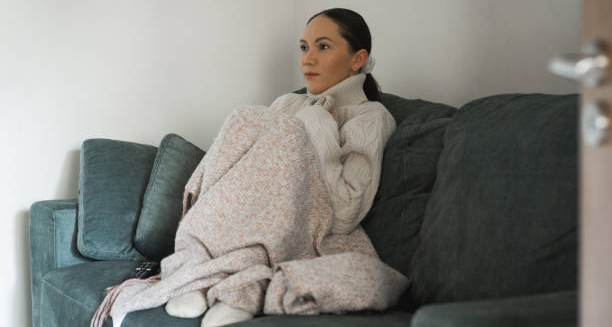
Woman wrapped in a blanket sitting on a couch to treat chilblains

Treatment of Chilblains

Treatment of Chilblains Treatment of chilblains focuses on relieving symptoms, promoting skin healing, and preventing recurrence. While chilblains often resolve on their own in one to three weeks, targeted care can reduce discomfort and speed recovery. 1. Warmth and Protection The most important treatment is gently warming the affected areas: 2. Topical Treatments | Treatment of Chilblains Several creams and ointments can reduce irritation and aid healing: These should be applied gently and regularly until the skin returns to normal. 3. Oral Medications In persistent or severe cases, doctors may prescribe: Nifedipine is especially useful for people with recurring or severe chilblains. 4. Wound Care | Treatment of Chilblains If the skin blisters or breaks, proper wound care is essential to prevent infection: 5. Lifestyle and Home Remedies Prompt treatment of chilblains can greatly reduce symptom duration and help individuals avoid seasonal discomfort. If symptoms don’t improve or worsen, medical advice is essential. [Next: Complications and Recovery from Chilblains →]

Treatment of Chilblains Read More »

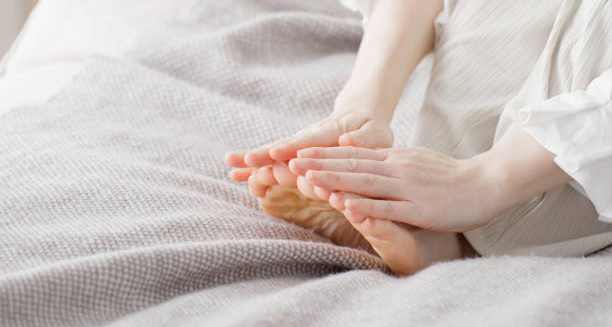
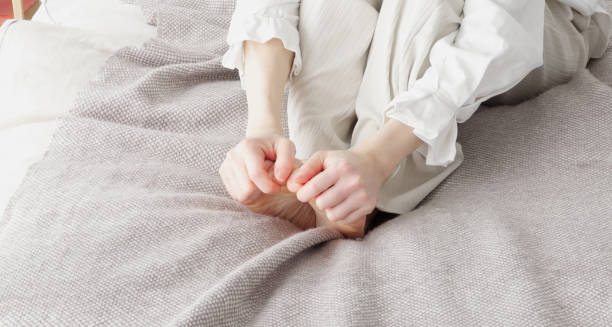
Person gently touching feet affected by chilblains while resting in bed

Complications and Recovery from Chilblains

Complications and Recovery from Chilblains Complications and recovery from chilblains depend on how quickly they are recognised and treated. While most cases of chilblains resolve without issue, ignoring symptoms or delaying care can lead to avoidable complications, especially for those with poor circulation or chronic conditions. 1. Skin Infection One of the most common complications is bacterial infection of broken or scratched skin. Signs include: Antibiotic treatment may be required to prevent spreading or worsening. 2. Ulceration and Scarring Persistent or untreated chilblains can lead to skin ulcers that are slow to heal. These open sores may result in long-term scarring or pigment changes, especially if repeatedly scratched or exposed to cold again. 3. Chronic Chilblains | Complications and Recovery from Chilblains In some individuals, chilblains may recur every winter or remain unresolved for weeks. Chronic cases may signal an underlying condition like: These should be investigated if symptoms persist or are unusually severe. 4. Impact on Quality of Life Chronic pain, swelling, and irritation can interfere with daily activities, particularly those involving the hands or feet. In children, itching may affect sleep and mood. 5. Recovery Timeline With proper care: Avoiding cold exposure and maintaining good skin care throughout the winter helps prevent recurrences. 6. Preventive Measures | Complications and Recovery from Chilblains To reduce the chance of complications: Managing complications and recovery from chilblains is straightforward in most cases — with vigilance, care, and early action preventing long-term issues. [Next: Back to Overview →]

Complications and Recovery from Chilblains Read More »

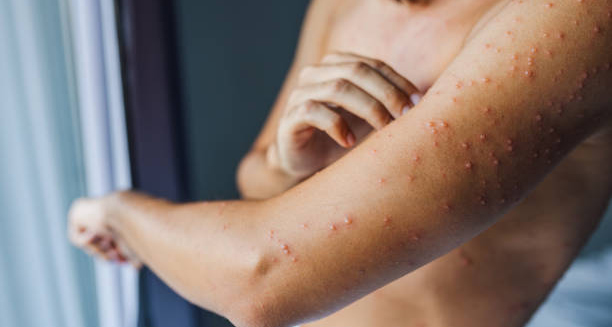
Adult with visible chickenpox rash on arm and torso

Chickenpox

Chickenpox – Overview Chickenpox is a highly contagious viral infection caused by the varicella-zoster virus (VZV). Most commonly seen in children, it presents as an itchy, blister-like rash that usually spreads across the face, chest, and back, before affecting the rest of the body. While it is generally mild in healthy children, chickenpox can cause serious complications in adults, infants, pregnant women, and people with weakened immune systems. The infection typically starts with flu-like symptoms such as fever, fatigue, and loss of appetite, followed by the appearance of red spots that quickly turn into fluid-filled blisters. These blisters eventually burst, scab over, and heal within one to two weeks. This condition spreads easily through respiratory droplets (coughing or sneezing), direct contact with an infected person, or touching items contaminated by the fluid from blisters. It is contagious from about 48 hours before the rash appears until all spots have crusted over. Chickenpox Although a single infection usually provides lifelong immunity, the virus remains dormant in the body and can reactivate years later as shingles, a painful rash that occurs along nerve lines. Vaccination has significantly reduced the number of these cases worldwide. In countries where the varicella vaccine is routine, outbreaks are rare, and those infected typically experience a milder illness. Chickenpox is uncomfortable but manageable for most people. Prompt diagnosis and supportive care help reduce symptoms and prevent complications. [Next: Causes of Chickenpox →]

Chickenpox Read More »

3D illustration of varicella-zoster virus causing chickenpox

Causes of Chickenpox

Causes of Chickenpox Causes of chickenpox stem from infection with the varicella-zoster virus (VZV), a member of the herpesvirus family. The virus is extremely contagious and primarily affects children, although anyone who hasn’t had chickenpox or received the vaccine is at risk. Understanding the causes of chickenpox is crucial for prevention and control. 1. Varicella-Zoster Virus (VZV) VZV is the single cause of chickenpox. Once a person is exposed, the virus enters through the respiratory tract or conjunctiva (eye lining), then spreads through the bloodstream to the skin, where it causes the characteristic rash. 2. Transmission | Causes of Chickenpox Chickenpox is spread through: The virus is most contagious from 1–2 days before the rash appears until all blisters have crusted over — typically 5–7 days after rash onset. 3. At-Risk Groups While chickenpox is most common in children under the age of 10, certain groups are more susceptible to severe disease: 4. Reactivation: Shingles Even after recovery, VZV stays dormant in the nervous system. It can reactivate years later as shingles (herpes zoster), especially in older adults or people with weakened immunity. Shingles is not chickenpox but can cause chickenpox in unexposed individuals. 5. Vaccine Failure | Causes of Chickenpox Rarely, vaccinated individuals can develop a mild form of chickenpox known as “breakthrough chickenpox.” These cases tend to have fewer spots, little to no fever, and a quicker recovery. By understanding the causes of chickenpox, people can take proper steps to protect vulnerable individuals, reduce transmission, and ensure vaccination coverage is maintained. [Next: Symptoms of Chickenpox →]

Causes of Chickenpox Read More »

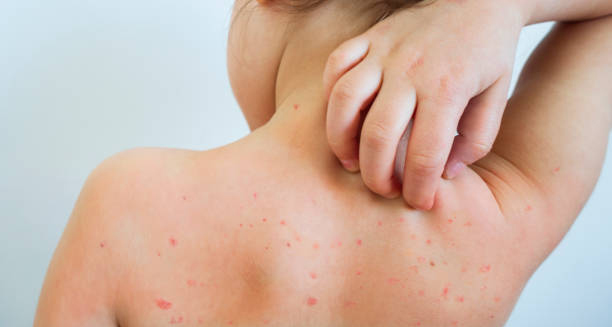
Child scratching red chickenpox rash on back and shoulders

Symptoms of Chickenpox

Symptoms of Chickenpox Symptoms of chickenpox typically appear 10 to 21 days after exposure to the varicella-zoster virus. While the hallmark feature is a widespread rash, chickenpox also causes systemic symptoms that affect the whole body. Knowing the symptoms helps with early detection, proper care, and limiting the spread of the virus. 1. Early Symptoms In the early phase (1–2 days before the rash), people may experience: These flu-like symptoms are often subtle in children but may be more pronounced in adults. 2. The Rash The rash is the most recognisable feature of chickenpox and usually progresses in three distinct stages: New spots appear in waves, so all three stages may be visible at once. The rash can cover the entire body, including the scalp, mouth, eyelids, and genitals. 3. Itching and Discomfort | Symptoms of Chickenpox The rash is extremely itchy and can lead to discomfort and sleep disturbances. Scratching increases the risk of skin infections and scarring, particularly if fingernails are untrimmed. 4. Other Symptoms In some individuals, especially adults, chickenpox can cause: 5. Duration | Symptoms of Chickenpox The full illness typically lasts 5 to 10 days. Most people recover without complications, though adults and immunocompromised individuals may experience more severe symptoms. Recognising the symptoms of chickenpox early — particularly the pre-rash phase — is important for isolation, preventing spread, and managing symptoms effectively. [Next: Diagnosis of Chickenpox →]

Symptoms of Chickenpox Read More »

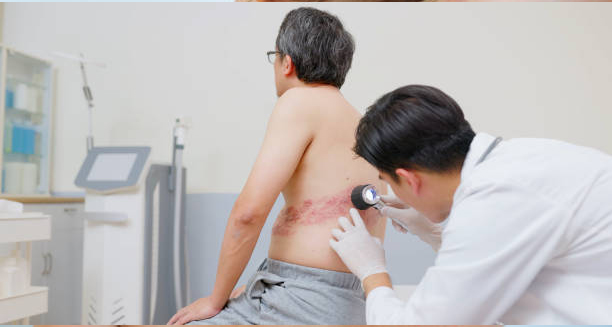
Doctor examining red rash on a male patient's back for chickenpox diagnosis

Diagnosis of Chickenpox

Diagnosis of Chickenpox Diagnosis of chickenpox is often clinical — based on the characteristic rash and symptoms — but additional tests may be used in uncertain or severe cases. Accurate diagnosis of chickenpox ensures appropriate care and helps prevent complications, especially in vulnerable patients. 1. Clinical Examination Doctors usually diagnose chickenpox by: The presence of lesions in different stages (red spots, blisters, scabs) is highly suggestive of chickenpox. 2. Patient History | Diagnosis of Chickenpox A thorough history is essential, especially to determine: In vaccinated individuals, breakthrough chickenpox can be harder to recognise due to milder symptoms. 3. Laboratory Tests (if needed) Although usually not necessary, the following tests may be used in complex or hospitalised cases: These tests are especially useful in adults, pregnant women, or immunocompromised individuals where chickenpox could be mistaken for other illnesses. 4. Differential Diagnosis | Diagnosis of Chickenpox Other conditions that may resemble chickenpox include: An experienced healthcare provider can usually differentiate these based on history and clinical signs. A confident diagnosis of chickenpox helps avoid unnecessary medications, ensures timely treatment, and supports effective infection control in households and healthcare settings. [Next: Treatment of Chickenpox →]

Diagnosis of Chickenpox Read More »

Scroll to Top