Mental Matters

Health Conditions

Find information on various health conditions affecting people of all ages. This category covers causes, symptoms, diagnosis, and management options for physical illnesses and chronic diseases. Get insights to help you understand different health challenges and make informed decisions about your wellbeing.

Man holding groin area indicating pain from chlamydia symptoms

Symptoms of Chlamydia

Symptoms of Chlamydia Symptoms of chlamydia can be difficult to recognise because the infection often causes no noticeable signs. In fact, up to 70% of women and 50% of men with chlamydia may have no symptoms at all. Still, understanding the possible signs is essential for early diagnosis and preventing serious complications. 1. Symptoms in Women When symptoms do appear in women, they may include: If untreated, chlamydia can spread to the uterus and fallopian tubes, leading to pelvic inflammatory disease (PID), which can cause chronic pain, infertility, or ectopic pregnancy. 2. Symptoms in Men Symptoms of Chlamydia In men, signs of chlamydia may include: Men are less likely to suffer long-term reproductive complications, but untreated infection can lead to conditions like epididymitis (inflammation of the tube behind the testicles). 3. Rectal and Throat Infections Chlamydia can also infect the rectum or throat: 4. Symptoms in Newborns | Symptoms of Chlamydia Babies infected during childbirth may show: Recognising the symptoms of chlamydia is tricky due to its silent nature. Routine testing, especially after unprotected sex or partner change, is often the only way to detect the infection early. [Next: Diagnosis of Chlamydia →]


Symptoms of Chlamydia Read More »

Chlamydia infection diagnosis with syringe and medication

Diagnosis of Chlamydia

Diagnosis of Chlamydia Diagnosis of chlamydia is straightforward and widely available, using simple and non-invasive tests. Due to the high number of asymptomatic cases, regular testing plays a crucial role in detecting chlamydia early and preventing complications or transmission. 1. Nucleic Acid Amplification Test (NAAT) The most accurate and commonly used test is the NAAT, which detects the genetic material of Chlamydia trachomatis. Doctors can perform the procedure on: NAATs are highly sensitive and specific, making them the gold standard for chlamydia testing. 2. Who Should Be Tested | Diagnosis of Chlamydia Doctors routinely screen patients for: People who’ve had unprotected sex or suspect exposure should also get tested, even if they have no symptoms. 3. Home Testing Kits | Diagnosis of Chlamydia Self-sampling kits are available through clinics, pharmacies, and online. These allow users to collect samples at home and send them to a lab. They’re discreet and effective, encouraging wider testing. 4. Testing After Exposure If you believe you’ve been exposed, it’s best to wait 1 to 2 weeks after the encounter before testing to ensure the bacteria can be detected. 5. Partner Notification and Testing If diagnosed, it’s important that all sexual partners from the last 6 months are notified and tested. Clinics can help with anonymous partner notification if needed. An early and accurate diagnosis of chlamydia allows for timely treatment, reducing the risk of long-term complications and limiting spread to others. [Next: Treatment of Chlamydia →]

Diagnosis of Chlamydia Read More »

Gloved hands holding a swab and test tube for chlamydia treatment

Treatment of Chlamydia

Treatment of Chlamydia Treatment of chlamydia is simple and highly effective. Once diagnosed, a short course of antibiotics usually clears the infection completely. With early treatment of chlamydia, most people recover quickly and without lasting effects. 1. First-Line Antibiotics Current treatment guidelines recommend: This is considered the most effective option and is preferred in most cases, including rectal infections. 2. Alternatives | Treatment of Chlamydia If doxycycline is not suitable — such as during pregnancy — alternatives include: 3. Abstain From Sex Patients should avoid all sexual contact for at least 7 days after starting treatment — and until their partners have completed treatment — to prevent reinfection or spreading the infection. 4. Partner Treatment It is crucial that all recent sexual partners are also treated. Reinfection is common if only one partner is treated. Clinics often offer expedited partner therapy to assist with this process. 5. Follow-Up Testing 6. Managing Complications | Treatment of Chlamydia If complications like pelvic inflammatory disease (PID) are present, a longer course of antibiotics and hospital care may be required. Treatment of chlamydia is quick, affordable, and highly effective — but only if the infection is caught in time and partners are managed appropriately. [Next: Complications and Recovery from Chlamydia →]

Treatment of Chlamydia Read More »

Doctor consulting a couple about chlamydia treatment

Complications and Recovery from Chlamydia

Complications and Recovery from Chlamydia Complications and recovery from chlamydia are closely linked to whether the infection is treated promptly. While most people recover completely, untreated chlamydia can cause serious health problems, especially in women. 1. Pelvic Inflammatory Disease (PID) In women, untreated chlamydia can spread to the uterus and fallopian tubes, causing PID. This may lead to: PID may require hospitalisation and long-term antibiotics. 2. Epididymitis in Men | Complications and Recovery from Chlamydia Chlamydia can infect the epididymis — the tube that carries sperm — causing: If left untreated, it may impact fertility or cause testicular damage. 3. Reactive Arthritis In some people, particularly men, chlamydia can trigger a condition called reactive arthritis, causing joint pain, swelling, and inflammation of the eyes or urinary tract. 4. Neonatal Complications Babies born to untreated mothers may develop: These conditions require antibiotics and medical supervision. 5. Psychological and Relationship Impacts A diagnosis can cause emotional distress or strain relationships. Counselling and clear communication with partners can help address stigma and reduce anxiety. 6. Recovery and Long-Term Outlook Preventing complications and recovery from chlamydia depends on awareness, early testing, and consistent protection. With the right care, chlamydia is one of the most manageable STIs. [Next: Back to Overview →]

Complications and Recovery from Chlamydia Read More »

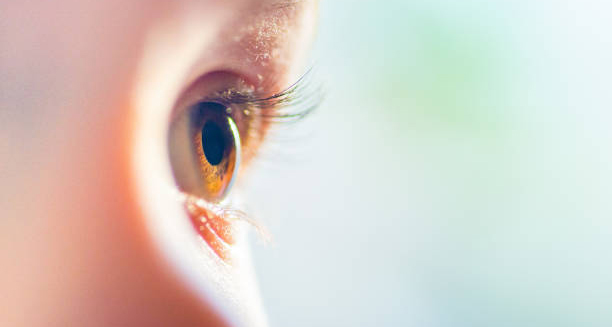
Close-up of a child's eye with visible light reflection

Childhood Cataracts

Childhood Cataracts – Overview Childhood cataracts are clouding of the eye’s natural lens that occur in infants or young children. Unlike age-related cataracts in adults, it can interfere with normal visual development and. Furthermore, if left untreated, may lead to permanent vision impairment or even blindness. The lens of the eye is meant to be clear. Hereby, allowing light to pass through and focus properly on the retina. In children with cataracts, this lens becomes partially or completely opaque, blocking the formation of a sharp image. This can significantly affect how the brain processes visual information during the critical years of development. This condition can be congenital (present at birth) or acquired (developing later due to illness, trauma, or medication). They may affect one eye (unilateral) or both eyes (bilateral). Additionally, the level of vision loss can vary based on the size, location, and density of the clouding. Childhood Cataracts While this condition is rare compared to adult cataracts, they are one of the leading causes of treatable childhood blindness globally. Early detection, typically through newborn screening or routine eye exams, is key. In many cases, surgery followed by visual rehabilitation can restore useful vision. Because normal visual development depends on clear images reaching the brain, any delay in treating this can result in amblyopia (lazy eye) or other permanent deficits. Timely diagnosis and coordinated care are essential to give children the best visual outcome. [Next: Causes of Childhood Cataracts →]

Childhood Cataracts Read More »

Illustration of viruses and infections affecting a developing foetus

Causes of Childhood Cataracts

Causes of Childhood Cataracts Causes of childhood cataracts vary widely, ranging from genetic mutations to maternal infections during pregnancy. Understanding the causes helps with diagnosis, treatment planning, and counselling of affected families. 1. Congenital Causes Many children are born with cataracts due to: These are typically detected during early infancy, either through abnormal red reflex screening or parental concern about white pupils. 2. Acquired Causes | Causes of Childhood Cataracts Some cataracts develop after birth and are known as acquired childhood cataracts. Causes include: 3. Idiopathic In many cases, no clear cause is found. These are classified as idiopathic, and though challenging to explain, the treatment approach remains the same. 4. Risk Factors Additional risk factors that may increase the likelihood of developing childhood cataracts include: 5. Syndromic Association | Causes of Childhood Cataracts Cataracts can also form part of broader genetic syndromes such as: Identifying the causes supports early intervention, genetic counselling, and informed decisions about future pregnancies or family planning. [Next: Symptoms of Childhood Cataracts →]

Causes of Childhood Cataracts Read More »

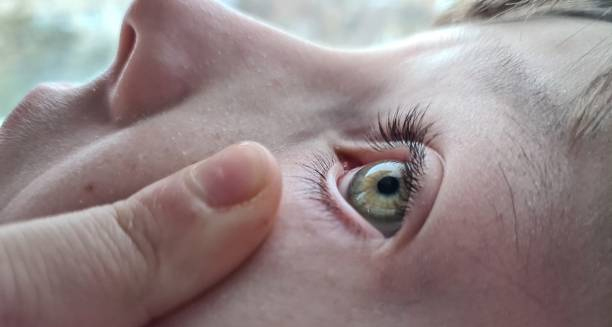
Close-up of a child's eye showing early symptoms of childhood cataracts

Symptoms of Childhood Cataracts

Symptoms of Childhood Cataracts Symptoms of childhood cataracts depend on the size, location, and whether one or both eyes are affected. Some are subtle and only discovered through routine eye exams, while others present early and clearly. Recognising symptoms allows for early treatment and improved visual development. 1. White Pupillary Reflex (Leukocoria) A common and visible sign is a white or grey reflection in the pupil, especially noticeable in flash photographs. Instead of the typical “red eye” effect, the pupil may appear milky or white. 2. Poor Visual Response | Symptoms of Childhood Cataracts Infants may not follow faces or toys as expected. This lack of visual attention or eye contact can signal vision impairment, particularly in bilateral cataracts. 3. Nystagmus (Wobbling Eyes) Uncontrolled eye movements may develop if vision is severely impaired in early infancy. Nystagmus typically indicates that visual development is not progressing normally. 4. Strabismus (Crossed Eyes) Misalignment of the eyes is often associated with unilateral cataracts, as one eye fails to receive clear visual input and falls out of sync with the other. 5. Sensitivity to Light | Symptoms of Childhood Cataracts Children with cataracts may squint, turn away from bright lights, or seem uncomfortable in well-lit environments. This occurs when light scatters through the cloudy lens. 6. Delayed Motor Development Because vision plays a role in motor skills, delayed crawling or walking may be linked to undiagnosed cataracts. 7. Blurred or Distorted Vision (in Older Children) In children old enough to verbalise, symptoms may include: Symptoms of childhood cataracts often emerge in infancy, but parents and caregivers must remain vigilant as some may only present later. Early ophthalmic screening is essential, especially in high-risk babies. [Next: Diagnosis of Childhood Cataracts →]

Symptoms of Childhood Cataracts Read More »

Young girl undergoing eye examination for childhood cataracts

Diagnosis of Childhood Cataracts

Diagnosis of Childhood Cataracts Diagnosis of childhood cataracts is typically made through a combination of physical examination and imaging studies. Because early intervention is critical, prompt diagnosis of childhood cataracts leads to better visual outcomes and prevents long-term developmental issues. 1. Red Reflex Test Performed shortly after birth, this non-invasive test checks for the reflection of light in the baby’s eyes. A normal red glow indicates a clear path through the eye. An abnormal or absent red reflex suggests a cataract or other obstruction. This test is simple but effective, and is part of newborn screening in many countries. 2. Visual Behaviour Observation Doctors observe whether the child follows objects, makes eye contact, or tracks movement. Any delay or avoidance of visual stimuli may indicate visual problems. 3. Slit Lamp Examination | Diagnosis of Childhood Cataracts In older infants and children, an eye specialist uses a slit lamp microscope to inspect the lens for opacity. This allows for detailed examination of the cataract’s location, density, and potential for light obstruction. 4. Dilated Fundus Examination Eye drops dilate the pupils, enabling a full view of the lens and retina. This helps rule out other eye conditions such as retinal detachment or glaucoma. 5. Ultrasound of the Eye If the cataract blocks visualisation of the retina, an ocular ultrasound may be performed to evaluate eye structure behind the lens. 6. Genetic and Metabolic Testing If the cataracts are bilateral or associated with other symptoms, further testing may include: 7. Systemic Evaluation | Diagnosis of Childhood Cataracts Paediatricians may assess growth, development, and signs of underlying syndromes if cataracts are part of a broader condition. A comprehensive diagnosis ensures the right treatment path is chosen — from surgery to visual rehabilitation and long-term follow-up. [Next: Treatment of Childhood Cataracts →]

Diagnosis of Childhood Cataracts Read More »

Child undergoing vision therapy with eye patch for cataract treatment

Treatment of Childhood Cataracts

Treatment of Childhood Cataracts Treatment of childhood cataracts aims to restore clear vision and support normal visual development. The exact approach depends on the severity, age of diagnosis, and whether one or both eyes are affected. Prompt and effective treatment can significantly improve long-term visual outcomes. 1. Surgical Removal Surgery is the primary treatment for visually significant cataracts in children. It involves removing the cloudy lens to allow light to properly reach the retina. 2. Visual Rehabilitation | Treatment of Childhood Cataracts After surgery, it is essential to provide the eye with a clear visual image. This may include: 3. Anti-inflammatory and Antibiotic Drops Used postoperatively to prevent inflammation and infection. 4. Long-Term Monitoring Children require regular eye exams to monitor for: 5. Supportive Therapies | Treatment of Childhood Cataracts Treatment of childhood cataracts is not a one-time fix. It requires ongoing care, visual support, and multidisciplinary collaboration to ensure optimal development and learning. [Next: Complications and Recovery from Childhood Cataracts →]

Treatment of Childhood Cataracts Read More »

Close-up of a smiling child after cataract treatment with clear blue eyes

Complications and Recovery from Childhood Cataracts

Complications and Recovery from Childhood Cataracts Complications and recovery from childhood cataracts depend on the timing of treatment, type of surgery, and post-operative care. While early intervention greatly improves outcomes, untreated or poorly managed childhood cataracts can result in permanent vision loss. 1. Amblyopia (Lazy Eye) This is the most common complication. If the brain does not receive a clear image from one or both eyes during early development, it may “ignore” that input, leading to reduced vision even after surgery. 2. Glaucoma | Complications and Recovery from Childhood Cataracts Up to 15–20% of children who undergo cataract surgery may develop glaucoma later, especially if operated on in infancy. Regular pressure checks are essential. 3. Posterior Capsule Opacification (PCO) Even after surgery, a thin membrane behind the lens implant can become cloudy. This is treated with a minor laser procedure or surgical cleaning. 4. Intraocular Lens (IOL) Complications In rare cases, the IOL may become displaced or not focus correctly as the eye grows. Follow-up refraction and lens adjustment may be needed. 5. Visual Development Challenges Delayed or limited visual stimulation in early life can impact: These issues can be minimised with timely support and therapy. 6. Emotional and Social Impacts Children with visible eye conditions or glasses may feel self-conscious. Support groups, counselling, and positive reinforcement from parents and teachers play a crucial role in psychosocial recovery. 7. Long-Term Prognosis | Complications and Recovery from Childhood Cataracts With prompt treatment and follow-up: By understanding and managing the complications, families can help ensure children reach their full potential with minimal visual limitations. [Next: Back to Overview →]

Complications and Recovery from Childhood Cataracts Read More »

Scroll to Top