Mental Matters

Health Conditions

Find information on various health conditions affecting people of all ages. This category covers causes, symptoms, diagnosis, and management options for physical illnesses and chronic diseases. Get insights to help you understand different health challenges and make informed decisions about your wellbeing.

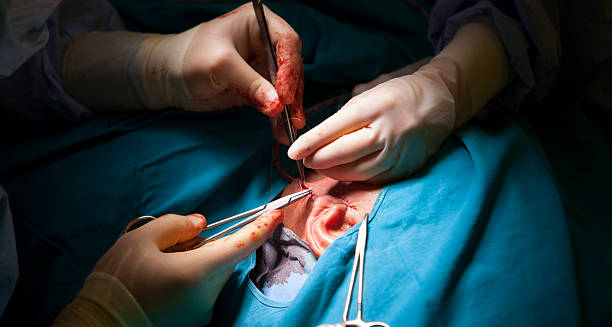
Surgeon performing cholesteatoma removal surgery on a patient’s ear

Treatment of Cholesteatoma

Treatment of Cholesteatoma Treatment of cholesteatoma involves surgical removal, as medication alone cannot eliminate the condition. Although non-cancerous, a cholesteatoma behaves aggressively — expanding and destroying delicate middle ear structures. Prompt surgery is therefore critical to remove the lesion, prevent complications, and restore or preserve hearing. The most common procedure is a mastoidectomy, performed under general anaesthesia. This involves removing the cholesteatoma and any infected or eroded tissue from the mastoid bone and middle ear. The surgery may be done in one of two approaches: Often, the surgery is combined with tympanoplasty, where the eardrum is reconstructed using graft material, usually taken from the patient’s own tissue (e.g., temporalis fascia or cartilage). If the ossicles have been damaged, ossiculoplasty may also be performed, using prosthetic implants or reshaped natural bone to reconnect the hearing chain. Treatment of Cholesteatoma In severe cases or when total removal is uncertain, a second-look procedure is scheduled six to twelve months later. This allows the surgeon to inspect the ear for any residual cholesteatoma and perform further reconstruction if necessary. Pre-surgical preparation may involve treating infections with antibiotics or ear drops to reduce inflammation. Patients are also advised to avoid getting water into the ear and to cease smoking, which can impair healing and Eustachian tube function. Post-operatively, the ear is packed and bandaged. Recovery is typically smooth, with most patients discharged within 24–48 hours. Regular follow-up is essential to monitor healing, ensure no recurrence, and assess hearing improvement. Hearing outcomes vary. Some patients experience full restoration, especially when ossicles are preserved or reconstructed. Others may need a hearing aid post-surgery. If the inner ear was affected, partial or complete hearing loss may be permanent. Treatment of Cholesteatoma Rehabilitation includes keeping the ear dry, avoiding flights or diving during recovery, and attending all follow-up appointments. In canal wall-down procedures, patients may require periodic ear cleaning to maintain hygiene in the surgically created cavity. Because cholesteatomas can recur — even years later — long-term surveillance with otoendoscopy or MRI is important, especially in children or high-risk adults. In summary, treatment of cholesteatoma is a surgical priority. With skilled care and regular monitoring, most patients recover well, regain hearing, and avoid long-term complications. [Next: Complications and Recovery from Cholesteatoma →]

Treatment of Cholesteatoma Read More »

Surgical treatment of cholesteatoma being performed on a patient’s ear

Complications and Recovery from Cholesteatoma

Complications and Recovery from Cholesteatoma Complications and recovery from cholesteatoma depend on how soon the condition is diagnosed and how extensively it has spread. Although cholesteatoma is not cancerous, its destructive nature can lead to irreversible damage if treatment is delayed. Early surgery significantly improves prognosis and reduces the likelihood of long-term issues. Potential Complications | Complications and Recovery from Cholesteatoma Recovery Process | Complications and Recovery from Cholesteatoma Recovery after surgery is generally smooth, provided the ear remains dry and clean. Most patients are advised to: Hearing often improves within weeks or months. In cases with severe ossicle damage, further surgery may be planned after the ear has healed. Children and patients who had canal wall-down procedures will need more regular inspections. Complications are rare with early treatment, but delays can lead to irreversible damage. Therefore, educating patients about signs of recurrence — such as discharge or hearing decline — is vital. In summary, complications and recovery from cholesteatoma are determined by the timing and completeness of treatment. With appropriate surgery and long-term care, most patients enjoy excellent outcomes and restored hearing function. [Next: Back to Overview →]

Complications and Recovery from Cholesteatoma Read More »

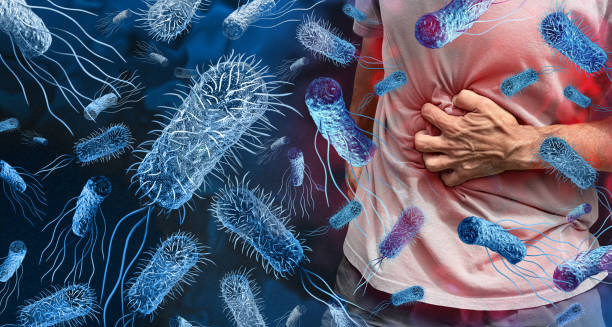
Illustration of bacteria causing cholera and a person clutching their stomach in pain

Cholera

Cholera – Overview The Cholera disease is a severe bacterial infection of the small intestine caused by ingesting water or food contaminated with Vibrio cholerae. This condition can cause rapid and life-threatening dehydration due to profuse diarrhoea and vomiting. Without prompt treatment, it can lead to shock, organ failure, and death within hours — but with timely care, most people recover fully. The disease spreads through contaminated water or food, particularly in areas with poor sanitation, overcrowding, or lack of access to clean drinking water. Cholera is especially dangerous during humanitarian crises, natural disasters, or in regions without proper sewage infrastructure. Although this condition is rare in many developed countries, it remains a significant public health concern in parts of Africa, South Asia, and Latin America. Globally, it causes an estimated 1.3 to 4 million cases and up to 143,000 deaths annually, according to the World Health Organization. Cholera Symptoms can range from mild to severe, but the hallmark sign is a sudden onset of watery diarrhoea that resembles rice water. Rapid fluid loss can result in electrolyte imbalances, muscle cramps, and circulatory collapse. This can be fatal, especially in children, the elderly, and immunocompromised individuals. Prevention focuses on access to safe drinking water, proper sanitation, hygiene practices, and, in some areas, oral cholera vaccines. With fast rehydration therapy, antibiotics (when needed), and supportive care, most patients make a full recovery. [Next: Causes of Cholera →]

Cholera Read More »

Hand in glove collecting water sample from contaminated natural source

Causes of Cholera

Causes of Cholera Causes of cholera centre around the ingestion of food or water contaminated with the bacterium Vibrio cholerae. Once inside the body, the bacteria multiply and release a toxin that causes severe diarrhoea. Understanding the causes of cholera is essential for controlling outbreaks and preventing transmission. 1. Contaminated Water The most common source is drinking or using water that contains Vibrio cholerae. This contamination often results from: In regions with inadequate sanitation, the risk of contamination is especially high during floods or after natural disasters. 2. Contaminated Food | Causes of Cholera Food can also become contaminated if: Improper food hygiene contributes significantly to cholera transmission in both households and street food settings. 3. Person-to-Person Spread (Rare) Direct person-to-person transmission of cholera is uncommon, but sharing contaminated food or surfaces can still spread the bacteria. 4. Poor Sanitation and Hygiene Environments without proper toilet facilities, hand-washing infrastructure, or waste disposal systems are ideal for cholera to spread. Refugee camps, crowded urban slums, and disaster zones are high-risk areas. 5. Travel to Affected Areas Travellers to regions experiencing cholera outbreaks are at risk if they consume unboiled water, raw fruits or vegetables, or uncooked seafood. 6. Asymptomatic Carriers | Causes of Cholera Some people infected with cholera may show no symptoms but still shed the bacteria in their stool, silently contributing to its spread. Recognising the causes of cholera helps public health workers implement effective containment strategies, including clean water provision, hygiene promotion, and food safety education. [Next: Symptoms of Cholera →]

Causes of Cholera Read More »

Woman holding stomach in discomfort during outdoor hike near waterfall

Symptoms of Cholera

Symptoms of Cholera Symptoms of cholera can develop within hours or days of exposure, ranging from mild diarrhoea to severe dehydration and death. Recognising cholera symptoms early is crucial, especially in outbreak settings where rapid response can save lives. 1. Profuse Watery Diarrhoea The most distinctive symptom is sudden, painless, watery diarrhoea, often described as: This diarrhoea is caused by the cholera toxin triggering the release of water and electrolytes from intestinal cells. 2. Vomiting | Symptoms of Cholera Severe vomiting may accompany diarrhoea, contributing further to fluid and electrolyte loss. It usually appears early in the illness and can be forceful. 3. Rapid Dehydration Due to the extreme fluid loss, patients may quickly show signs of dehydration, including: In children, dehydration may present as lethargy, sunken fontanelle, and crying without tears. 4. Muscle Cramps The loss of sodium, potassium, and other electrolytes can cause painful muscle cramps, particularly in the legs and abdomen. 5. Shock and Collapse | Symptoms of Cholera Without immediate treatment, the body may go into hypovolaemic shock, where blood volume drops so low that organs can’t function. Symptoms include: This is a life-threatening emergency that requires urgent care. 6. Mild or Asymptomatic Cases Some people infected with this condition may only have mild diarrhoea or no symptoms at all. However, they can still spread the bacteria through contaminated stool. Recognising the symptoms of cholera early — particularly in children or vulnerable populations — allows for lifesaving rehydration and reduces transmission. [Next: Diagnosis of Cholera →]

Symptoms of Cholera Read More »

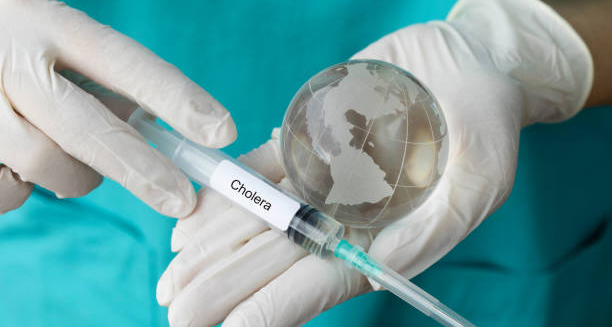
Cholera-labelled syringe held by gloved hands next to a transparent globe

Diagnosis of Cholera

Diagnosis of Cholera Diagnosis of cholera relies on clinical assessment during an outbreak, supported by laboratory confirmation. In high-risk settings, early recognition of cholera ensures rapid intervention and limits further spread. 1. Clinical Diagnosis In outbreak situations or endemic regions, a suspected case is defined as: Doctors may make a provisional diagnosis based on these signs, especially if multiple cases emerge in a short time in the same area. 2. Stool Sample Analysis | Diagnosis of Cholera To confirm cholera, a stool culture or rectal swab is tested in a laboratory for the presence of Vibrio cholerae. Techniques include: While confirmation helps track outbreaks, treatment usually starts based on symptoms before lab results are available. 3. Testing for Dehydration Doctors also assess the severity of dehydration using: This assessment guides the type and speed of rehydration therapy. 4. Public Health Reporting | Diagnosis of Cholera Suspected or confirmed cholera cases must be reported to health authorities. Early identification of cases can prevent larger outbreaks and direct emergency resources to the area. In resource-limited or crisis environments, the diagnosis of cholera often hinges on recognising symptoms quickly and starting treatment without delay. Confirmation helps contain the outbreak but is secondary to saving lives. [Next: Treatment of Cholera →]

Diagnosis of Cholera Read More »

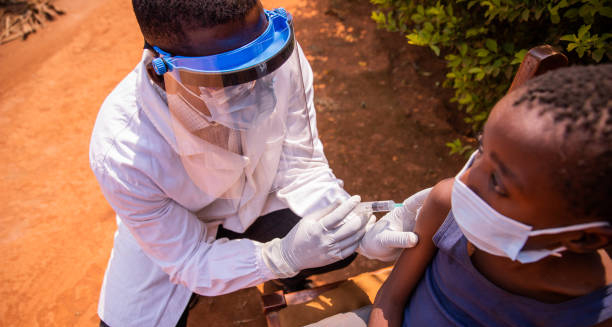
Healthcare worker administering cholera vaccine to a child wearing a face mask

Treatment of Cholera

Treatment of Cholera Treatment of cholera is centred on rapid rehydration. Timely and effective cholera management saves lives, even in severe cases, and is especially important in resource-poor settings or during outbreaks. 1. Oral Rehydration Therapy (ORT) The cornerstone of cholera treatment is oral rehydration salts (ORS), which replace lost fluids and electrolytes. ORS packets are dissolved in clean water and taken frequently in small sips. Homemade solutions with salt, sugar, and water may be used when ORS isn’t available. 2. Intravenous (IV) Fluids For patients who are severely dehydrated or unable to drink, IV fluids are essential. Ringer’s lactate solution is preferred due to its electrolyte content. 3. Antibiotics | Treatment of Cholera Antibiotics are not always necessary but may shorten illness and reduce bacterial shedding. Common choices include: They are most often used in severe cases, during outbreaks, or in vulnerable individuals. 4. Zinc Supplementation In children, zinc reduces the duration and severity of diarrhoea. It is often given alongside ORS. 5. Nutrition and Ongoing Care Patients should resume eating as soon as possible to aid recovery. Continued breastfeeding is encouraged for infants. 6. Hospitalisation Criteria | Treatment of Cholera Admission is required if the patient: Proper treatment of cholera, particularly aggressive rehydration, can bring full recovery within days and prevent fatalities — even in high-risk cases. [Next: Complications and Recovery from Cholera →]

Treatment of Cholera Read More »

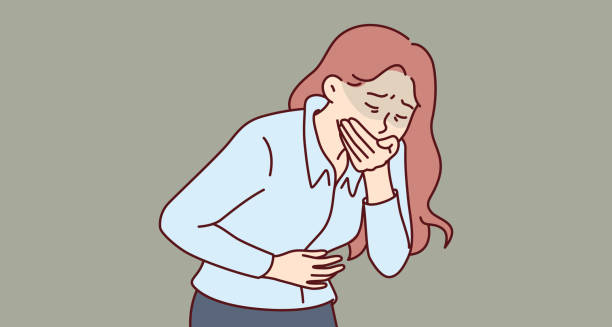
Illustration of a woman feeling nauseous and clutching her stomach due to cholera

Complications and Recovery from Cholera

Complications and Recovery from Cholera Complications and recovery from cholera depend largely on how quickly treatment is started. With timely intervention, most people with cholera recover completely within a week. However, delays or lack of access to medical care can result in serious, life-threatening outcomes. 1. Severe Dehydration and Shock The most dangerous complication is hypovolaemic shock, where fluid loss leads to dangerously low blood pressure and organ failure. It can cause: 2. Electrolyte Imbalances As the body loses potassium, sodium, and chloride through diarrhoea and vomiting, symptoms may include: Electrolyte correction through ORS or IV therapy is critical. 3. Kidney Damage | Complications and Recovery from Cholera In prolonged or untreated cases, the kidneys may fail due to poor blood flow. This condition, known as acute renal failure, may require dialysis. 4. Malnutrition Children with cholera may suffer long-term nutritional setbacks, especially if diarrhoea lasts more than a few days or is recurrent. 5. Death Without treatment, cholera has a fatality rate of up to 50%. With treatment, that drops to under 1% — highlighting the importance of rapid medical care. 6. Recovery Timeline | Complications and Recovery from Cholera With proper treatment: 7. Preventing Future Infections Recovery does not offer long-term immunity. Preventative strategies include: Understanding the complications and recovery from cholera is vital — not just for managing patients, but also for controlling outbreaks and preventing future deaths. [Next: Back to Overview →]

Complications and Recovery from Cholera Read More »

Woman experiencing abdominal pain due to chlamydia infection

Chlamydia

Chlamydia – Overview   Chlamydia is a common sexually transmitted infection (STI) caused by the bacterium Chlamydia trachomatis. This often shows no symptoms, which means many people carry and spread the infection without realising they have it. Despite its silent nature, if left untreated, it can lead to serious reproductive health problems — especially in women. This condition is primarily transmitted through unprotected vaginal, anal, or oral sex. It can affect both men and women and is particularly prevalent among sexually active teenagers and young adults under the age of 25. The infection can also be passed from mother to child during childbirth, potentially leading to eye infections or pneumonia in newborns. Because symptoms are often absent, regular STI screening is essential for sexually active individuals. When symptoms do appear, they may include pain during urination, unusual genital discharge, pelvic pain, and testicular swelling. Chlamydia Fortunately, this is easily treated with antibiotics, usually a single dose or short course of oral medication. Once detected and treated, the infection typically clears up without long-term complications. However, untreated it can cause pelvic inflammatory disease (PID), infertility, and an increased risk of ectopic pregnancy in women. Chlamydia is preventable through consistent condom use, regular screening, and prompt treatment of sexual partners. Education and open conversations about sexual health play a crucial role in reducing its spread. [Next: Causes of Chlamydia →]

Chlamydia Read More »

Woman sitting on bed after sexual activity representing chlamydia transmission

Causes of Chlamydia

Causes of Chlamydia Causes of chlamydia are directly related to transmission of the bacterium Chlamydia trachomatis. Understanding the causes of chlamydia is important not only for preventing infection but also for reducing the risk of complications and reinfection. 1. Sexual Transmission The primary cause of chlamydia is unprotected sexual activity. The bacteria are spread through: Even if ejaculation does not occur, the infection can still be transmitted through genital contact. 2. Lack of Condom Use | Causes of Chlamydia Condoms provide a barrier that reduces the risk of transmission. Not using protection during sexual activity — particularly with new or multiple partners — significantly increases the risk. 3. Multiple Sexual Partners The more sexual partners an individual has, the greater the chance of encountering someone with chlamydia, especially if regular screening and protection are not in place. 4. Transmission During Childbirth An infected mother can pass the bacteria to her baby during delivery. This can result in serious complications for the newborn, such as: 5. Re-infection | Causes of Chlamydia Having chlamydia once does not protect you from getting it again. Re-infection is common, especially if sexual partners are not treated at the same time. It’s important to abstain from sex until treatment is completed by both partners. 6. Shared Sex Toys Using sex toys without proper cleaning or condom use can also spread chlamydia from one person to another. 7. Social and Demographic Factors Younger age, limited access to healthcare, and lack of sexual health education are all associated with higher rates of infection. The causes of chlamydia revolve around sexual transmission, but the real challenge lies in its silent spread. Promoting screening, communication, and safe sex practices are key in controlling the infection. [Next: Symptoms of Chlamydia →]

Causes of Chlamydia Read More »

Scroll to Top