Mental Matters

Health Conditions

Find information on various health conditions affecting people of all ages. This category covers causes, symptoms, diagnosis, and management options for physical illnesses and chronic diseases. Get insights to help you understand different health challenges and make informed decisions about your wellbeing.

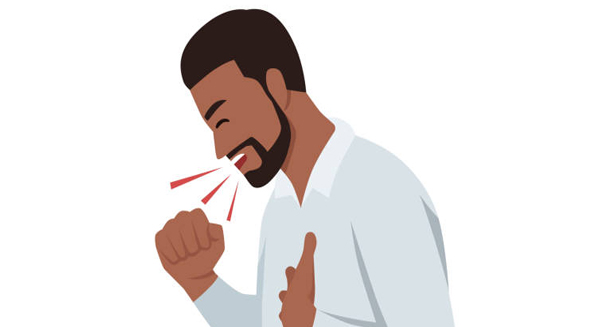
Illustration of a man coughing with hand on chest

Symptoms of Chest Infection

Symptoms of Chest Infection Symptoms of chest infection can range from mild to severe, depending on the cause, the individual’s overall health, and whether the infection is located in the upper airways or deep in the lungs. Recognising the symptoms of chest infection early allows for appropriate treatment and better outcomes. 1. Cough A persistent cough is one of the most common symptoms. It may be: The mucus may be clear, yellow, green, or even contain streaks of blood. 2. Chest Pain or Discomfort Many people experience pain or a heavy feeling in the chest. This may: Chest pain may be more prominent in pneumonia than in bronchitis. 3. Fever and Chills | Symptoms of Chest Infection Fever is a sign that the body is fighting an infection. Chills and shivering may accompany it. A high temperature, especially over 38.5°C, often indicates a bacterial infection. 4. Shortness of Breath Difficulty breathing is more common in pneumonia or in people with underlying lung conditions. It may be accompanied by rapid, shallow breaths or wheezing. 5. Fatigue and Weakness The immune response to infection can leave people feeling drained and tired. Fatigue may persist even after other symptoms improve. 6. Other Symptoms Depending on the severity and type of infection, other signs may include: Because symptoms of chest infection overlap with other conditions like COVID-19 or heart problems, it’s important to consult a doctor if breathing becomes difficult or symptoms worsen rapidly. [Next: Diagnosis of Chest Infection →]

Symptoms of Chest Infection Read More »

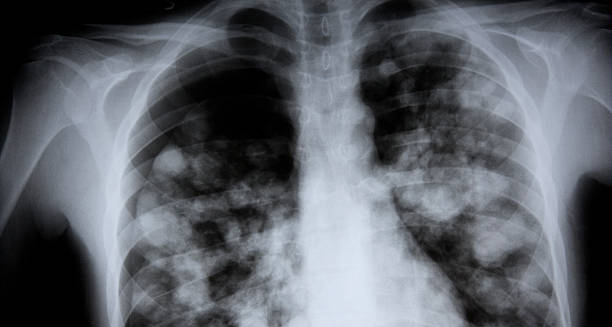
Chest X-ray showing signs of lung infection

Diagnosis of Chest Infection

Diagnosis of Chest Infection Diagnosis of chest infection involves a detailed medical history, physical examination, and sometimes imaging or lab tests. Determining the cause and severity of the chest infection helps guide treatment — especially when deciding between home care and hospital admission. 1. Medical History The doctor will ask about: 2. Physical Examination During the exam, the doctor will: 3. Chest X-Ray | Diagnosis of Chest Infection A chest X-ray is often used to detect pneumonia and differentiate it from bronchitis or other lung conditions. Pneumonia appears as areas of opacity or consolidation on the scan. 4. Blood Tests These tests help assess the severity and likely cause (bacterial or viral) of the infection. 5. Sputum Tests If a productive cough is present, a sputum sample can be collected and analysed to identify the organism causing the infection and determine its sensitivity to antibiotics. 6. Pulse Oximetry and Arterial Blood Gases To assess oxygen levels in the blood, especially if breathlessness is a major symptom. Low oxygen saturation may suggest a more serious infection requiring oxygen therapy. A thorough diagnosis of chest infection allows doctors to tailor treatment and avoid unnecessary antibiotics, which are ineffective against viral infections. [Next: Treatment of Chest Infection →]

Diagnosis of Chest Infection Read More »

Healthcare worker examining elderly man's lungs with stethoscope

Treatment of Chest Infection

Treatment of Chest Infection Treatment of chest infection depends on the cause — viral or bacterial — and the severity of the symptoms. Most mild chest infections can be managed at home, but some cases, particularly pneumonia, require medical intervention and sometimes hospital care. 1. Rest and Hydration Regardless of the cause, rest and fluids are essential. Staying well-hydrated helps loosen mucus in the lungs, making it easier to cough up. Rest allows the body to focus energy on fighting the infection. 2. Medication for Viral Infections | Treatment of Chest Infection For viral bronchitis or viral pneumonia: Antibiotics are not effective against viruses and should not be used unnecessarily. 3. Antibiotics for Bacterial Infections If a bacterial infection is suspected or confirmed (especially in pneumonia), doctors will prescribe: It’s vital to complete the entire antibiotic course even if symptoms improve. 4. Hospital Treatment People with severe chest infections may require: Hospitalisation is more likely for the elderly, those with pre-existing illnesses, or if oxygen levels are dangerously low. 5. Smoking Cessation and Preventive Care Quitting smoking improves lung health and reduces the risk of future infections. Flu and pneumococcal vaccines are recommended for vulnerable individuals. With proper care, most cases resolve within 7–10 days, although fatigue and a mild cough may persist for weeks. Treatment of chest infection is usually successful, especially when started early. Seek medical attention if symptoms worsen or breathing becomes difficult. [Next: Complications and Recovery from Chest Infection →]

Treatment of Chest Infection Read More »

Man coughing with hand on chest showing signs of discomfort

Complications and Recovery from Chest Infection

Complications and Recovery from Chest Infection Complications and recovery from chest infection depend on the individual’s overall health, the type of infection, and how early treatment begins. While most people recover fully, chest infection can lead to serious complications, especially in high-risk groups. 1. Common Complications 2. Recovery Timeline | Complications and Recovery from Chest Infection Most people start to feel better within: A lingering cough or fatigue is normal and usually improves gradually. 3. Managing Ongoing Symptoms 4. Red Flags Seek medical help immediately if you experience: 5. Preventing Recurrence Although chest infections can be frightening, especially when breathing is affected, early diagnosis and treatment usually result in a good outcome. With support and rest, recovery from chest infection is possible for most people within weeks. [Next: Back to Overview →]

Complications and Recovery from Chest Infection Read More »

Man with visual impairment sitting against a plain backdrop

Charles Bonnet Syndrome

Charles Bonnet Syndrome – Overview Charles Bonnet syndrome is a condition in which individuals with significant vision loss experience visual hallucinations. Although the person is mentally healthy, this syndrome causes them to see things that aren’t there — often in vivid detail. These hallucinations are not caused by mental illness or dementia but are a response to the brain’s reduced visual input. The condition was first described in 1760 by Swiss philosopher Charles Bonnet, who noted the phenomenon in his grandfather. People with this syndrome may see patterns, people, animals, or complex scenes, even though they are fully aware the images are not real. This syndrome typically occurs in individuals who have lost at least part of their vision due to eye diseases like age-related macular degeneration, glaucoma, diabetic retinopathy, or cataracts. As the eyes stop sending full signals to the brain, the visual cortex fills in the gaps by creating its own images, leading to hallucinations. Charles Bonnet Syndrome These visual experiences vary in frequency and intensity. Some people see hallucinations several times a day, while others experience them occasionally. Importantly, individuals with this condition do not lose touch with reality — they know that what they’re seeing isn’t actually present. Though the hallucinations can be distressing, this syndrome is not dangerous. Raising awareness of the condition helps reduce anxiety in those affected and encourages them to seek medical advice without fear of being misdiagnosed with a psychiatric illness. [Next: Causes of Charles Bonnet Syndrome →]

Charles Bonnet Syndrome Read More »

Causes of Charles Bonnet Syndrome

Causes of Charles Bonnet Syndrome

Causes of Charles Bonnet Syndrome Causes of Charles Bonnet syndrome are related to significant vision loss, which disrupts normal communication between the eyes and the brain. When the brain receives fewer signals from the eyes, it may begin to “fill in the blanks” by generating images on its own. This leads to the vivid hallucinations that define Charles Bonnet syndrome. 1. Visual Deprivation The primary trigger is visual deprivation. When the brain’s visual cortex isn’t stimulated due to loss of sight, it becomes hyperactive and may begin to create its own images. This phenomenon is similar to the way the brain compensates in phantom limb syndrome by creating the illusion of sensation in an amputated limb. 2. Eye Conditions That Lead to Vision Loss Several eye conditions are linked to Charles Bonnet syndrome, including: While not everyone with these conditions develops hallucinations, those with severe vision loss are more at risk. 3. Sudden or Progressive Vision Loss | Causes of Charles Bonnet Syndrome Charles Bonnet syndrome may develop after both sudden and gradual vision loss. Some people experience hallucinations shortly after losing sight, while others notice them years later. The exact threshold of vision loss required to trigger the condition is unclear, but most individuals retain some limited vision. 4. Brain Response to Sensory Loss Research shows that the visual cortex remains active even when not receiving input. In the absence of real images, it may create visual hallucinations using stored memories or creative processes. This activity is involuntary and has no link to mental health problems. 5. Age and Cognitive Awareness Older adults are more likely to experience Charles Bonnet syndrome, particularly those over 70. It is also more common in people who are cognitively intact — that is, they are mentally healthy and aware that the hallucinations aren’t real. Understanding the causes of Charles Bonnet syndrome helps remove the stigma often associated with hallucinations and reassures patients that the condition is neurological rather than psychiatric. [Next: Symptoms of Charles Bonnet Syndrome →]

Causes of Charles Bonnet Syndrome Read More »

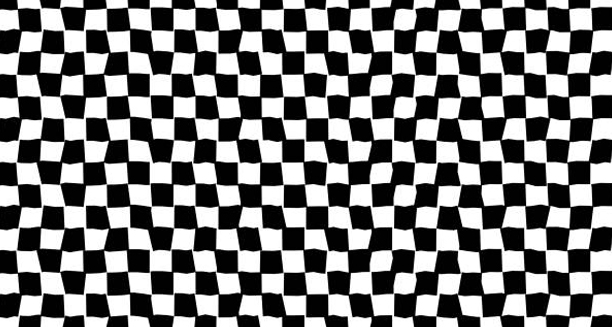
Distorted black and white checkerboard illusion pattern

Symptoms of Charles Bonnet Syndrome

Symptoms of Charles Bonnet Syndrome Symptoms of Charles Bonnet syndrome are unique in that they involve vivid, recurring visual hallucinations in individuals with impaired vision. What sets these hallucinations apart is that people experiencing them are fully aware that the images are not real. Recognising the symptoms of Charles Bonnet syndrome can help patients seek help early and avoid unnecessary fear or confusion. 1. Visual Hallucinations The core symptom is seeing things that aren’t there. These can range from simple to complex: Hallucinations often appear in colour and can be startlingly detailed. Some people report seeing Victorian-style clothing, brick walls, or unfamiliar faces. 2. Frequency and Duration | Symptoms of Charles Bonnet Syndrome Hallucinations may last for a few seconds or several minutes. In some cases, they continue for hours. They may occur once a day or multiple times throughout the day. Some individuals experience them for weeks or months before they fade. 3. Lack of Sound or Movement Hallucinations in Charles Bonnet syndrome are purely visual. They do not involve sound, smell, or physical sensation. The images are usually silent and often fade away when the person blinks, moves their eyes, or changes their environment. 4. Triggers and Patterns Certain conditions may increase the likelihood of hallucinations: 5. Insight and Awareness Unlike hallucinations caused by mental illness, individuals with Charles Bonnet syndrome understand that the images aren’t real. This awareness helps differentiate the condition from psychosis, dementia, or delirium. 6. Emotional Impact Although the condition itself is not dangerous, the hallucinations can be distressing. Some people fear they are “losing their mind” or developing dementia. Reassurance and proper diagnosis can reduce anxiety significantly. Identifying the symptoms of Charles Bonnet syndrome early allows patients to receive support and understand that they are not alone — and not mentally ill. Education is key to easing the emotional burden of this often-overlooked condition. [Next: Diagnosis of Charles Bonnet Syndrome →]

Symptoms of Charles Bonnet Syndrome Read More »

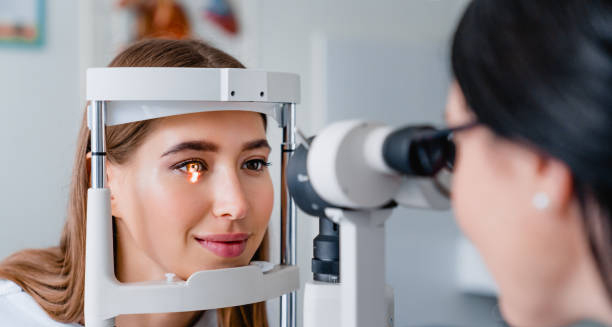
Woman undergoing an eye examination using a slit lamp

Diagnosis of Charles Bonnet Syndrome

Diagnosis of Charles Bonnet Syndrome Diagnosis of Charles Bonnet syndrome is based on clinical evaluation and a careful review of the patient’s medical history. There is no specific test for Charles Bonnet syndrome, so healthcare professionals rely on recognising the symptoms and ruling out other causes of hallucinations. 1. Medical History Doctors begin by asking about the nature of the hallucinations: These questions help distinguish Charles Bonnet syndrome from conditions like dementia, schizophrenia, or delirium. 2. Vision Assessment | Diagnosis of Charles Bonnet Syndrome A detailed eye examination is essential. The clinician will look for underlying conditions such as: If the patient has known vision loss and vivid visual hallucinations without signs of cognitive decline, Charles Bonnet syndrome becomes a likely diagnosis. 3. Cognitive Testing To rule out mental health conditions, basic cognitive screening tests such as the Mini-Mental State Examination (MMSE) or Montreal Cognitive Assessment (MoCA) may be performed. If these tests show no signs of cognitive impairment, psychiatric conditions are less likely. 4. Neurological Examination A neurological assessment ensures there are no signs of stroke, brain tumours, or neurological diseases that could also cause visual hallucinations. If needed, an MRI or CT scan may be performed, especially in new or unexplained cases. 5. Psychiatric Assessment (If Necessary) If there’s any concern that hallucinations might be caused by a psychiatric disorder, referral to a mental health specialist may be made. However, in Charles Bonnet syndrome, there are no delusions or confusion, and the individual remains rational. 6. Diagnosis by Exclusion Charles Bonnet syndrome is diagnosed by excluding other causes. When the patient has visual hallucinations, normal cognition, and significant vision loss — with no psychiatric or neurological explanation — the diagnosis is confirmed. Timely diagnosis of Charles Bonnet syndrome reassures the patient and family, prevents unnecessary treatment, and allows healthcare providers to offer appropriate support and education. [Next: Treatment of Charles Bonnet Syndrome →]

Diagnosis of Charles Bonnet Syndrome Read More »

Elderly woman undergoing eye test with a nurse assisting her

Treatment of Charles Bonnet Syndrome

Treatment of Charles Bonnet Syndrome Treatment of Charles Bonnet syndrome focuses on managing symptoms and providing reassurance, as there is currently no cure or medication specifically approved for the condition. However, many people find that the hallucinations fade over time. With the right support, Charles Bonnet syndrome can become much easier to live with. 1. Reassurance and Education The most important part of treatment is reassurance. Knowing that the hallucinations are not a sign of mental illness or dementia can bring immense relief. Patients should be told: Understanding the syndrome helps reduce fear, anxiety, and social withdrawal. 2. Managing Triggers | Treatment of Charles Bonnet Syndrome Hallucinations often worsen with low lighting, fatigue, or boredom. Simple strategies may reduce frequency: 3. Visual Techniques Some people find relief through visual exercises: These techniques can interrupt hallucinations or make them fade. 4. Medical Interventions (in Severe Cases) In rare cases where hallucinations are extremely distressing, doctors may consider: However, these are generally reserved for severe cases and are not routine treatment. 5. Vision Rehabilitation Improving remaining vision may reduce symptoms: The better the visual input, the less likely hallucinations are to occur. Overall, treatment of Charles Bonnet syndrome aims to reduce fear and give patients the tools to manage their experiences. With support, most people adjust well and may eventually stop seeing hallucinations altogether. [Next: Complications and Recovery from Charles Bonnet Syndrome →]

Treatment of Charles Bonnet Syndrome Read More »

Anatomical diagram of the human nervous system with labelled peripheral nerves

Charcot-Marie-Tooth Disease

Charcot-Marie-Tooth Disease – Overview Charcot-Marie-Tooth disease is a group of inherited neurological disorders that affect the peripheral nerves — the nerves outside the brain and spinal cord. Also known as CMT, cmt disease leads to progressive muscle weakness, particularly in the feet, lower legs, hands, and forearms, along with loss of sensation and foot deformities. CMT affects approximately 1 in 2,500 people worldwide, making it one of the most common inherited neurological conditions. Despite its name, the disease is not related to tooth problems — it is named after the three physicians who first described it in 1886: Jean-Martin Charcot, Pierre Marie, and Howard Henry Tooth. The condition is caused by genetic mutations that affect the structure or function of peripheral nerves. These nerves control muscle movement and relay sensory information like touch, pain, and temperature. When these nerves become damaged or don’t function properly, muscles weaken and waste away over time. Charcot-Marie-Tooth Disease Most people with CMT disease start showing symptoms during adolescence or early adulthood, but the severity and age of onset can vary widely. Some individuals may live relatively unaffected lives, while others may require mobility aids and supportive therapies throughout their life. Although there is no cure for CMT, treatment focuses on managing symptoms, improving mobility, and maintaining independence. Physiotherapy, occupational therapy, orthotic devices, and pain management are commonly used. CMT disease progresses slowly, and while it is not considered life-threatening, it can significantly impact a person’s quality of life. Ongoing support and medical care can help manage its effects and maintain function. Living with CMT Living with CMT disease requires ongoing adaptation, but many individuals lead active, meaningful lives with the right support. Early diagnosis and a multidisciplinary approach — involving physiotherapists, neurologists, orthopaedic specialists, and occupational therapists — can significantly improve mobility and independence. Regular monitoring also helps manage complications such as joint deformities or pain. The Importance of Awareness Increasing public and clinical awareness of CMT disease is essential to reducing delays in diagnosis and treatment. Since CMT is a genetic condition, family screening and genetic counselling can also help at-risk individuals understand their likelihood of developing or passing on the condition. With continued research and advancements in supportive care, the outlook for people with CMT continues to improve. [Next: Causes of Charcot-Marie-Tooth Disease →]

Charcot-Marie-Tooth Disease Read More »

Scroll to Top