Mental Matters

Health Conditions

Find information on various health conditions affecting people of all ages. This category covers causes, symptoms, diagnosis, and management options for physical illnesses and chronic diseases. Get insights to help you understand different health challenges and make informed decisions about your wellbeing.

Man holding neck in pain due to cervical discomfort

Complications and Recovery from Cervical Spondylosis

Complications and Recovery from Cervical Spondylosis Complications and recovery from cervical spondylosis depend on the severity of the condition, treatment approach, and individual response. While many people improve with conservative care, cervical spondylosis can lead to long-term problems if left untreated. 1. Nerve Root Compression When bone spurs or disc degeneration compress a spinal nerve root, symptoms like shooting pain, tingling, or weakness in the arms and hands can result. In severe cases, this may affect hand function and grip strength. 2. Cervical Myelopathy This is a serious complication where the spinal cord itself becomes compressed. It can cause: Cervical myelopathy requires urgent treatment, often surgical. 3. Chronic Pain | Complications and Recovery from Cervical Spondylosis Long-term neck pain and stiffness can affect sleep, mood, and concentration. Chronic discomfort may interfere with work, physical activity, and social life. 4. Muscle Atrophy Without proper management, reduced nerve signals can lead to wasting of the muscles in the arms or hands. This is usually avoidable with early intervention and physiotherapy. 5. Emotional Effects Living with ongoing neck pain can cause anxiety, depression, or frustration — especially when daily tasks become difficult. Counselling or support groups may help. Recovery Process | Complications and Recovery from Cervical Spondylosis With early diagnosis and consistent care, most people recover well. The goal is to manage pain, restore function, and prevent progression. Monitoring symptoms and adjusting treatment as needed are key to managing recovery effectively. [Next: Back to Overview →]

Complications and Recovery from Cervical Spondylosis Read More »

Cerebral Palsy

Cerebral Palsy

Cerebral Palsy – Overview Cerebral palsy is a lifelong neurological condition that affects movement, muscle tone, and posture. Caused by damage to the developing brain, usually before or during birth, this condition is the most common motor disability in childhood. It affects each individual differently, ranging from mild motor difficulties to severe physical and intellectual impairments. The condition results from abnormal development or injury to the parts of the brain that control movement, balance, and coordination. While the brain injury does not worsen over time, the effects on the body can change as a child grows. Some people with palsy walk independently, while others rely on mobility aids or full-time care. This condition can also affect other functions, including speech, vision, hearing, swallowing, and cognition. Seizures, learning difficulties, and behavioural challenges are common in more complex cases. The impact varies widely — no two individuals with cerebral palsy are exactly alike. There are four main types: spastic (most common, causing stiff muscles), dyskinetic (involuntary movements), ataxic (balance and coordination issues), and mixed (a combination of symptoms). Early signs include delayed motor milestones, unusual muscle tone, or poor coordination. Cerebral Palsy Although there is no cure for this condition, therapies, medical treatments, and assistive technologies can greatly improve quality of life. With the right support, many individuals with palsy attend school, hold jobs, and lead fulfilling lives. Understanding palsy is key to supporting affected children and families. Early diagnosis and a tailored care plan help manage symptoms and foster independence from an early age. [Next: Causes of Cerebral Palsy →]

Cerebral Palsy Read More »

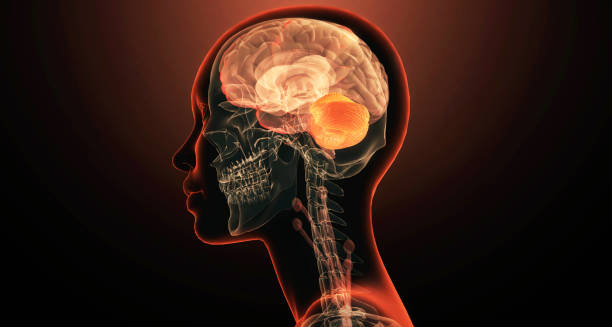
Medical illustration of a human head and brain in profile with highlighted cerebellum

Causes of Cerebral Palsy

Causes of Cerebral Palsy Causes of cerebral palsy are rooted in injury or abnormal development of the brain during pregnancy, birth, or shortly after delivery. While not all causes can be pinpointed, the underlying issue is always related to disrupted development of brain areas that control movement. Understanding the causes of cerebral palsy can help with prevention in some cases and improve awareness for early diagnosis. 1. Prenatal Causes (Before Birth) Most cases of cerebral palsy are due to factors that affect the brain while the baby is still in the womb. These include: 2. Perinatal Causes (During Birth) | Causes of Cerebral Palsy Labour and delivery complications may also contribute to cerebral palsy, especially when there’s: Although oxygen deprivation during birth was once believed to be the primary cause, newer research suggests it accounts for a smaller percentage of cases than previously thought. 3. Postnatal Causes (After Birth) In the early weeks or months after birth, brain injuries may still lead to cerebral palsy. These include: Despite these known causes, in up to 30% of cases, no specific reason is identified. These are classified as idiopathic, but the effects on the child remain the same. Causes of Cerebral Palsy Recognising the causes of cerebral palsy helps guide early intervention, especially in high-risk infants, and informs parents and healthcare providers about how best to support development. [Next: Symptoms of Cerebral Palsy →]

Causes of Cerebral Palsy Read More »

Young man in a motorised wheelchair smiling outdoors

Symptoms of Cerebral Palsy

Symptoms of Cerebral Palsy Symptoms of cerebral palsy vary significantly depending on the type and severity of brain injury. While some children have mild motor issues, others may experience profound movement difficulties and multiple associated conditions. The first signs of cerebral palsy often become evident in infancy or early childhood as delays in physical or motor development. 1. Motor Symptoms The core symptoms involve problems with movement and muscle tone. These may include: Some children may appear to use one side of the body more than the other, an early sign of hemiplegia. 2. Posture and Reflexes Babies with cerebral palsy may display: 3. Feeding and Speech Difficulties | Symptoms of Cerebral Palsy Because cerebral palsy can affect the muscles used in speaking and swallowing, symptoms may include: 4. Cognitive and Behavioural Issues Not all children with cerebral palsy have intellectual impairments, but some may show: 5. Vision and Hearing Problems Children may have strabismus (crossed eyes), poor depth perception, or hearing loss, which further affect development and learning. Symptoms of Cerebral Palsy Because symptoms can appear gradually, early screening and observation are crucial. Noticing and acting on developmental concerns ensures faster referral to specialists and a better chance at maximising the child’s abilities. [Next: Diagnosis of Cerebral Palsy →]

Symptoms of Cerebral Palsy Read More »

Medical professional analysing brain scans on a screen

Diagnosis of Cerebral Palsy

Diagnosis of Cerebral Palsy Diagnosis of cerebral palsy usually begins when parents or healthcare providers notice delayed milestones or abnormal movement patterns. While cerebral palsy can be diagnosed in infancy, many children are not formally diagnosed until 1–3 years of age. Early diagnosis allows for timely intervention, which can dramatically improve long-term outcomes. 1. Developmental Monitoring Paediatricians routinely monitor a child’s growth and development during well-baby visits. Signs like delayed rolling, crawling, or walking may trigger further investigation. If a child consistently misses motor milestones or displays abnormal muscle tone or posture, the doctor may suspect cerebral palsy. 2. Physical and Neurological Examination A detailed neurological exam evaluates muscle tone, strength, reflexes, coordination, and movement. Doctors look for: These assessments help identify which areas of the brain may be affected. 3. Brain Imaging | Diagnosis of Cerebral Palsy To confirm the diagnosis and assess the extent of brain damage, doctors may order imaging studies: These tests help determine when and where the injury occurred and assist in ruling out other neurological disorders. 4. Additional Testing Other assessments may include: 5. Differential Diagnosis Doctors may need to rule out other conditions like muscular dystrophy, metabolic disorders, or genetic syndromes. This ensures accurate diagnosis and tailored treatment. Diagnosis of Cerebral Palsy A confirmed diagnosis of cerebral palsy opens the door to therapy, educational planning, and medical management. Early identification enables children to access support services, start physiotherapy, and maximise their developmental potential from a young age. [Next: Treatment of Cerebral Palsy →]

Diagnosis of Cerebral Palsy Read More »

Child receiving physical therapy with walking aids and therapist in a playroom

Treatment of Cerebral Palsy

Treatment of Cerebral Palsy Treatment of cerebral palsy focuses on improving function, independence, and quality of life. There is no cure, but a combination of therapies, medication, and assistive technology can significantly help manage the symptoms of cerebral palsy throughout a person’s life. 1. Physiotherapy Physiotherapy is a cornerstone of cerebral palsy treatment. It aims to improve mobility, balance, strength, and motor skills. Therapists use exercises, stretches, and play-based activities to help children reach developmental milestones and maintain flexibility. 2. Occupational Therapy Occupational therapy supports daily living skills such as dressing, feeding, and using assistive devices. It helps children gain independence and adapt to their environment by improving hand function and coordination. 3. Speech and Language Therapy For those with communication or swallowing issues, speech therapy helps improve: 4. Medications | Treatment of Cerebral Palsy Doctors may prescribe: 5. Orthopaedic and Neurosurgical Interventions Some children benefit from surgery to address joint deformities, tendon contractures, or hip dislocations. Neurosurgical procedures like selective dorsal rhizotomy (SDR) may reduce spasticity by cutting specific nerve roots. 6. Assistive Devices Depending on the level of mobility and motor function, aids may include: 7. Educational and Psychological Support Tailored educational plans (IEPs), inclusive schooling, and behavioural therapy help children with learning or emotional challenges succeed in school and life. The goal of treatment of cerebral palsy is to support the child’s unique needs and enable them to participate fully in their family and community. Ongoing evaluation and an individualised care plan ensure the best possible outcomes. [Next: Complications and Recovery from Cerebral Palsy →]

Treatment of Cerebral Palsy Read More »

Child in a wheelchair smiling with caregiver in a sunny park

Complications and Recovery from Cerebral Palsy

Complications and Recovery from Cerebral Palsy Complications and recovery from cerebral palsy depend on the severity of the condition and access to long-term support. While the brain injury that causes cerebral palsy does not worsen over time, its physical and emotional consequences can evolve. Proper care and management are vital in minimising complications and promoting independence. 1. Musculoskeletal Complications Over time, children with cerebral palsy may experience: Regular physiotherapy and orthopaedic monitoring help address these issues early. 2. Feeding and Nutritional Issues Feeding difficulties can lead to poor weight gain, malnutrition, or aspiration (inhaling food into the lungs). These issues require: Nutrition support is essential to promote growth and energy. 3. Seizures and Epilepsy | Complications and Recovery from Cerebral Palsy Up to 50% of children with cerebral palsy develop epilepsy. Seizures can be managed with medications, but they may impact schooling and safety. 4. Vision, Hearing, and Communication Problems Untreated sensory impairments can affect learning and socialisation. Regular screening and assistive devices like glasses, hearing aids, or communication boards are often needed. 5. Emotional and Behavioural Impact Some children experience anxiety, frustration, or depression — especially during adolescence. Psychological support, peer engagement, and family therapy can improve resilience and wellbeing. 6. Recovery and Long-Term Outlook Recovery is a lifelong process focused on optimising function, not curing the condition. Key elements include: While some individuals remain dependent on full-time care, others pursue higher education, employment, and independent living. Complications and Recovery from Cerebral Palsy With the right interventions and family support, people with cerebral palsy can lead rich, fulfilling lives. Managing the complications and recovery from cerebral palsy is an ongoing journey — one that is made easier through early intervention and personalised care. [Next: Back to Overview >]

Complications and Recovery from Cerebral Palsy Read More »

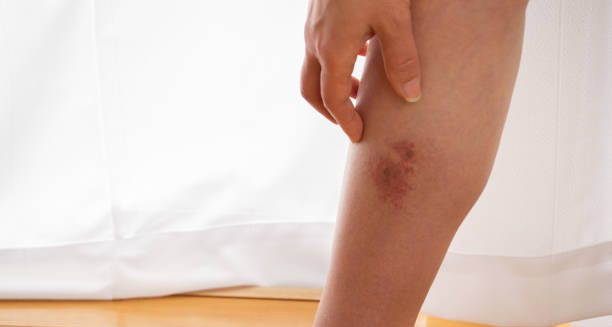
Person touching an inflamed red patch on the lower leg

Cellulitis

Cellulitis – Overview This condition Cellulitis is a common and potentially serious bacterial skin infection. That affects the deeper layers of the skin and underlying tissues. This usually appears suddenly, causing redness, swelling, warmth, and pain in the affected area. Although it can occur anywhere on the body, it most commonly affects the lower legs. The infection typically begins when bacteria enter the skin through a cut. Furthermore, a graze, insect bite, or another break in the skin barrier. Streptococcus and Staphylococcus bacteria are the most common culprits, including methicillin-resistant Staphylococcus aureus (MRSA), which can be more difficult to treat. Cellulitis is not contagious, but the bacteria that cause it can be spread through direct contact, especially in communal settings. The condition can become severe if left untreated, as the infection may spread to the bloodstream or lymph nodes, potentially leading to life-threatening complications such as sepsis. While mild cases of this condition may be treated at home with oral antibiotics, more severe infections may require hospital admission for intravenous treatment. Prompt recognition and intervention are essential to prevent the spread of infection and avoid long-term damage. Cellulitis Individuals with weakened immune systems, diabetes, poor circulation, or chronic skin conditions like eczema or athlete’s foot are at increased risk. Obesity and older age also raise the likelihood of developing cellulitis. Cellulitis should always be taken seriously. With early medical attention and the correct antibiotic treatment, most cases resolve quickly without complications. However, recurring infections are possible and often related to underlying risk factors that need to be managed. [Next: Causes of Cellulitis →]

Cellulitis Read More »

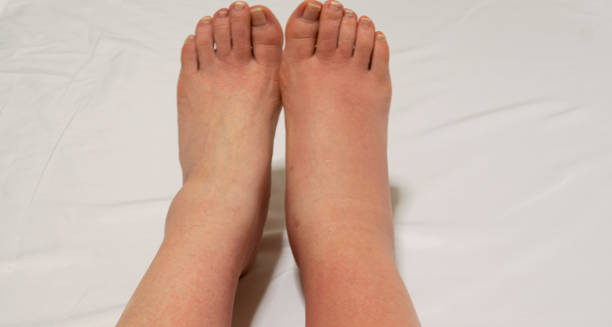
Swollen and inflamed right foot compared to a normal left foot

Causes of Cellulitis

Causes of Cellulitis Causes of cellulitis are primarily bacterial, with most infections resulting from streptococcal or staphylococcal bacteria entering the body through a break in the skin. Understanding the causes of cellulitis helps in both prevention and timely treatment. 1. Skin Injuries and Entry Points Any opening in the skin, no matter how small, can serve as an entry point for bacteria. This includes: Even skin conditions like eczema or psoriasis can create vulnerable areas prone to infection. 2. Underlying Medical Conditions People with diabetes, particularly those with poor blood sugar control, are more susceptible to cellulitis due to weakened immune responses and reduced blood circulation. Poor circulation also contributes to delayed healing and increased risk of skin breakdown, which can promote infection. Individuals with lymphoedema, a condition that causes fluid retention and swelling, have a compromised lymphatic system, which impairs their ability to fight infections. This makes cellulitis both more likely and more difficult to treat. 3. Weakened Immune System | Causes of Cellulitis People undergoing chemotherapy, taking immunosuppressive medications (like corticosteroids or after organ transplants), or living with conditions such as HIV/AIDS are at a higher risk of infections, including cellulitis. Their immune systems are less able to combat bacterial invasions. 4. Obesity and Poor Hygiene Excess body weight contributes to skin folds, which are warm, moist areas where bacteria thrive. Obesity can also impair circulation and mobility, making regular hygiene more difficult and increasing the risk of unnoticed injuries or ulcers. 5. Chronic Fungal Infections Conditions like athlete’s foot or fungal nail infections create cracks in the skin that can harbour bacteria. These minor infections often go unnoticed but can provide the ideal environment for cellulitis to develop. Causes of Cellulitis In most cases, cellulitis results from a combination of factors — a break in the skin, an underlying condition, and bacterial exposure. Reducing these risk factors through good skincare, managing medical conditions, and maintaining hygiene can go a long way toward prevention. [Next: Symptoms of Cellulitis →]

Causes of Cellulitis Read More »

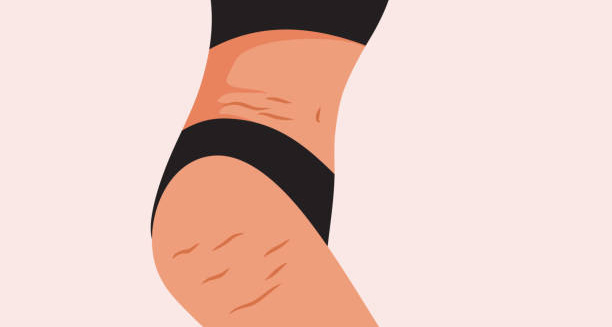
Illustration of a woman’s hip and thigh showing skin inflammation

Symptoms of Cellulitis

Symptoms of Cellulitis Symptoms of cellulitis usually develop quickly and can worsen rapidly without treatment. The main signs of cellulitis include redness, swelling, warmth, and pain in the affected area — often accompanied by systemic symptoms such as fever and fatigue. 1. Skin Changes The first visible sign is often a red, swollen area of skin that feels warm and tender to the touch. The redness may expand over time and often has an indistinct edge, meaning it gradually blends into surrounding skin rather than having a clear border. The skin may also appear shiny or tight due to swelling. As the condition progresses, blisters or small abscesses may form. In some cases, the skin may peel or ooze. If cellulitis becomes severe, the area may take on a darkened appearance, indicating tissue damage. 2. Pain and Tenderness The affected area is usually painful and may throb or ache. The pain tends to worsen with touch or movement and can interfere with walking or mobility, especially when the lower legs are involved. 3. Warmth and Swelling | Symptoms of Cellulitis Inflammation causes the infected area to feel noticeably warmer than surrounding skin. Swelling may be significant and can lead to tightness or a feeling of pressure in the skin. 4. Fever and General Malaise Systemic symptoms include fever, chills, sweats, and a general feeling of being unwell. These signs suggest that the infection is spreading beyond the localised area and may be affecting the bloodstream or lymph nodes. 5. Lymph Node Involvement Swollen or tender lymph nodes near the site of infection may be noticed, often in the groin or under the arms. Red streaks extending from the infected area towards the nearest lymph nodes can be a warning sign of spreading infection. Symptoms of Cellulitis Anyone experiencing these symptoms of cellulitis — especially if the condition worsens or includes fever — should seek immediate medical care. Early treatment significantly reduces the risk of complications and promotes faster recovery. [Next: Diagnosis of Cellulitis →]

Symptoms of Cellulitis Read More »

Scroll to Top