Mental Matters

Health Conditions

Find information on various health conditions affecting people of all ages. This category covers causes, symptoms, diagnosis, and management options for physical illnesses and chronic diseases. Get insights to help you understand different health challenges and make informed decisions about your wellbeing.

Medical professional examining a patient's arm for signs of cellulitis

Diagnosis of Cellulitis

Diagnosis of Cellulitis Diagnosis of cellulitis is usually based on clinical evaluation, but in certain cases, additional tests may be needed to rule out other conditions or assess the severity. Recognising the signs early is crucial, as cellulitis can quickly become dangerous without timely treatment. 1. Medical History and Physical Examination A doctor will begin by reviewing your medical history and symptoms. They’ll ask when the symptoms started, whether the area has changed in size or appearance, and if there has been recent trauma or injury to the skin. Conditions like diabetes, lymphoedema, or immune suppression are also relevant. During the physical exam, the healthcare provider will inspect the affected area for: 2. Blood Tests | Diagnosis of Cellulitis While not always necessary in mild cases, blood tests can help confirm infection severity or identify complications. Common tests include: Elevated markers may suggest a more serious or systemic infection, prompting more aggressive treatment or hospital admission. 3. Wound Cultures If there is an open wound, ulcer, or blister that is leaking fluid, a swab may be taken to determine which bacteria are present and which antibiotics will be most effective. 4. Imaging Imaging studies like ultrasound, X-ray, or MRI may be used if the diagnosis is uncertain or if there’s concern about an abscess, deep tissue infection, or bone involvement (osteomyelitis). These are more commonly ordered in patients who don’t improve after initial treatment. 5. Differential Diagnosis Cellulitis can sometimes be mistaken for other conditions such as deep vein thrombosis (DVT), eczema, contact dermatitis, or venous stasis. A careful diagnosis is essential to avoid inappropriate treatment. Diagnosis of Cellulitis Doctors can start the correct antibiotic therapy promptly once they make an accurate diagnosis of cellulitis. This reduces the risk of complications and speeds up recovery. [Next: Treatment of Cellulitis →]


Diagnosis of Cellulitis Read More »

Person holding white capsules and a glass of water, preparing to take medication for cellulitis

Treatment of Cellulitis

Treatment of Cellulitis Treatment of cellulitis focuses on eradicating the infection, relieving symptoms, and preventing complications or recurrence. Mild cases of cellulitis may be managed at home with oral antibiotics, while more severe infections require hospital-based treatment. 1. Antibiotics The primary treatment is antibiotics, which are usually started as soon as cellulitis is suspected. For uncomplicated cases, oral antibiotics such as flucloxacillin, amoxicillin, or clindamycin are prescribed for 5–10 days. If the infection is more severe or the person has other health concerns, intravenous antibiotics may be needed. These are typically given in hospital but can sometimes be arranged through outpatient IV therapy services. If MRSA is suspected, antibiotics like doxycycline, vancomycin, or linezolid may be used. 2. Pain Relief and Anti-Inflammatory Medication Paracetamol or ibuprofen can be taken to manage pain, reduce inflammation, and lower fever. Elevating the affected limb and applying cool compresses may also help ease swelling and discomfort. 3. Wound Care | Treatment of Cellulitis If there are blisters, ulcers, or areas of broken skin, proper wound care is essential. Keeping the area clean and covered helps prevent secondary infections and supports healing. 4. Rest and Elevation Reducing movement and elevating the affected area (particularly in leg cellulitis) helps reduce swelling and improve circulation. This speeds up recovery and decreases pain. 5. Monitoring and Follow-Up Patients are typically reviewed within 48–72 hours of starting antibiotics to check for improvement. If symptoms worsen or fail to improve, hospital admission and further investigations may be needed. Preventative measures may be recommended for individuals with recurrent cellulitis. These may include long-term low-dose antibiotics, treating underlying skin conditions like athlete’s foot, or managing chronic swelling through compression therapy. Treatment of Cellulitis With the right treatment, most cases of cellulitis resolve without complications. However, it’s important to complete the full course of antibiotics and follow any advice on wound care or prevention to reduce the chance of recurrence. [Next: Complications and Recovery from Cellulitis →]

Treatment of Cellulitis Read More »

Complications and Recovery from Cellulitis

Complications and Recovery from Cellulitis

Complications and Recovery from Cellulitis Complications and recovery from cellulitis vary depending on the severity of the infection and how early treatment is started. Most people with cellulitis recover fully, but serious complications can occur if the infection is ignored or improperly managed. 1. Immediate Complications 2. Chronic and Recurring Cellulitis Some individuals, particularly those with lymphoedema or chronic ulcers, may experience recurrent cellulitis. Each episode can cause further damage to the lymphatic system, increasing the risk of future infections. 3. Long-Term Skin Changes After recovery, the skin may remain discoloured, thickened, or swollen for weeks or months. In some cases, chronic swelling or pain persists, particularly after repeated infections. 4. Emotional and Physical Impact Repeated or severe infections can affect mobility, confidence, and independence. This is particularly relevant in older adults or those with existing disabilities. 5. Recovery Timeline | Complications and Recovery from Cellulitis Supporting recovery involves: Complications and Recovery from Cellulitis With timely care and continued attention to skin health, complications and recovery from cellulitis can be well managed. Most people go on to make a complete recovery and avoid further problems by addressing any underlying risk factors. [Next: Back to Overview →]

Complications and Recovery from Cellulitis Read More »

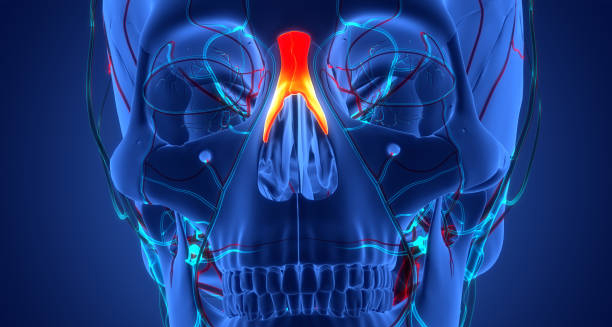
3D medical illustration of facial venous system highlighting the cavernous sinus

Cavernous Sinus Thrombosis

Cavernous Sinus Thrombosis – Overview Cavernous sinus thrombosis is a rare but life-threatening condition that occurs when a blood clot forms in the sinus. A vein located at the base of the brain, behind the eyes. CST is usually caused by a bacterial infection spreading from the face or sinuses. Additionally, it can result in serious complications if not treated promptly. The cavernous sinuses are two large veins that drain blood from the brain and face. They are positioned on either side of the pituitary gland . Receive blood from important areas like the eyes and upper cheeks. If an infection from the face, nose, or sinuses spreads into this region. It can cause inflammation and lead to clot formation within the sinus. This clot restricts blood flow and can damage the surrounding nerves and brain tissue. This condition is considered a medical emergency because it can quickly escalate, leading to stroke, meningitis, or brain abscesses. Early diagnosis and immediate treatment are essential to reduce the risk of permanent damage or death. Cavernous Sinus Thrombosis – Overview Common symptoms include swelling around the eyes, bulging of the eyes (proptosis), double vision, fever, headache, and reduced eye movement. These signs often develop rapidly and may affect both eyes even if the infection started on just one side of the face. This may be caused by skin infections (like boils or acne) in the danger triangle of the face — the area from the corners of the mouth to the bridge of the nose. Because veins in this area communicate directly with the brain, infections can spread more easily than in other parts of the body. Although extremely rare today due to modern antibiotics, cavernous sinus thrombosis remains a critical diagnosis that demands urgent hospital care. With aggressive treatment, including antibiotics and sometimes surgery or anticoagulants, many patients make a good recovery. [Next: Causes of Cavernous Sinus Thrombosis →]

Cavernous Sinus Thrombosis Read More »

Close-up of two people exchanging a syringe filled with liquid

Causes of Cavernous Sinus Thrombosis

Causes of Cavernous Sinus Thrombosis Causes of cavernous sinus thrombosis are usually rooted in infections that spread from the face, nose, sinuses, or ears into the venous system of the brain. The most common trigger is a bacterial infection, but other risk factors can also contribute. Understanding the causes of CST is key to recognising who may be at risk and how to intervene early. 1. Facial Infections The majority of cases arise from facial infections, especially in the so-called “danger triangle” — the area stretching from the corners of the mouth to the bridge of the nose. Infections such as furuncles (boils), infected acne, or cellulitis in this region can enter the venous system and travel to the cavernous sinus via valveless veins. These veins allow for direct blood flow to the brain, making this area particularly susceptible. 2. Sinus Infections | Causes of Cavernous Sinus Thrombosis Acute bacterial sinusitis, particularly in the ethmoid or sphenoid sinuses, is a common cause. If left untreated or inadequately treated, the infection can erode through the sinus wall and reach the cavernous sinus, where it causes inflammation and clot formation. 3. Ear Infections and Dental Abscesses Though less common, middle ear infections (otitis media), mastoiditis, and severe dental abscesses can also spread to the cavernous sinus. This often occurs through indirect pathways of venous drainage or through contiguous spread in severe cases. 4. Trauma and Surgery Facial or cranial trauma that damages the veins around the cavernous sinus may lead to clot formation. Additionally, neurosurgical or ENT procedures can, in rare cases, introduce infections or directly injure the sinus, resulting in thrombosis. 5. Blood Clotting Disorders People with inherited or acquired hypercoagulable states, such as those with antiphospholipid syndrome, factor V Leiden mutation, or certain autoimmune conditions, may be more likely to develop cavernous sinus thrombosis, even in the absence of infection. 6. Intravenous Drug Use Although rare, intravenous drug use may increase the risk of bloodstream infections that could spread to the brain’s venous system, particularly if unclean needles are used. Recognising the causes of cavernous sinus thrombosis is critical in both prevention and early diagnosis. Prompt treatment of facial infections, sinusitis, and ear infections, particularly in vulnerable individuals, can significantly reduce the risk of this dangerous complication. [Next: Symptoms of Cavernous Sinus Thrombosis →]

Causes of Cavernous Sinus Thrombosis Read More »

Elderly man experiencing eye pain and holding his glasses

Symptoms of Cavernous Sinus Thrombosis

Symptoms of Cavernous Sinus Thrombosis Symptoms of cavernous sinus thrombosis often appear suddenly and progress rapidly, making it essential to act quickly. The classic presentation of CST includes symptoms related to eye function, facial swelling, and systemic infection. However, the exact symptoms can vary depending on the speed and severity of the clot development. 1. Eye-Related Symptoms One of the first and most striking symptoms is swelling around one or both eyes, known as periorbital oedema. As the condition progresses, the eyes may become bulging (proptosis) due to pressure behind the eye socket. Patients may also develop painful or restricted eye movements, blurred or double vision, and in severe cases, vision loss. 2. Cranial Nerve Involvement | Symptoms of Cavernous Sinus Thrombosis The cavernous sinus is home to several cranial nerves — including the third (oculomotor), fourth (trochlear), and sixth (abducens) nerves — that control eye movement. If these nerves are affected, patients may develop: The fifth cranial nerve (trigeminal) may also be involved, causing facial numbness or pain, particularly around the cheeks and forehead. 3. Headache and Fever A sudden, severe headache is a hallmark symptom. This is typically constant and located behind the eyes or forehead. The headache may be accompanied by high fever, chills, and general signs of infection, including malaise and fatigue. 4. Neurological Symptoms As the condition worsens, patients may become confused, drowsy, or even unconscious due to brain swelling, increased intracranial pressure, or complications like meningitis or brain abscesses. 5. Bilateral Progression | Symptoms of Cavernous Sinus Thrombosis Although symptoms may begin on one side of the face or head, they frequently become bilateral due to the interconnected nature of the cavernous sinuses. This is a key distinguishing feature from other conditions like orbital cellulitis, which typically remains one-sided. Recognising the symptoms of cavernous sinus thrombosis early can save lives. Anyone experiencing eye pain, swelling, fever, and difficulty moving their eyes — particularly after a recent facial or sinus infection — should seek emergency medical care without delay. [Next: Diagnosis of Cavernous Sinus Thrombosis →]

Symptoms of Cavernous Sinus Thrombosis Read More »

Medical diagram showing veins connected to the cavernous sinus around the eye and face

Diagnosis of Cavernous Sinus Thrombosis

Diagnosis of Cavernous Sinus Thrombosis Diagnosis of cavernous sinus thrombosis requires urgent investigation and typically begins with a thorough clinical assessment followed by imaging studies. Because CST is a medical emergency, speed and accuracy in diagnosis are crucial to initiate treatment as soon as possible. 1. Medical History and Physical Exam Doctors will begin by taking a detailed history, including recent infections (such as sinusitis or facial boils), current symptoms, and underlying health conditions. The physical exam will focus on: The presence of periorbital swelling, proptosis, cranial nerve palsies, and fever strongly raises suspicion for cavernous sinus thrombosis. 2. Blood Tests | Diagnosis of Cavernous Sinus Thrombosis Initial blood work includes: These tests support the diagnosis and guide antibiotic therapy but are not diagnostic on their own. 3. Imaging The most critical component of diagnosis is imaging of the brain and sinuses, typically using: These scans help confirm the presence of a clot, assess for complications such as stroke or brain abscess, and detect the source of infection. 4. Lumbar Puncture | Diagnosis of Cavernous Sinus Thrombosis If meningitis is suspected, a lumbar puncture may be performed to examine cerebrospinal fluid. This is only done if safe — after ruling out high intracranial pressure via imaging. A timely and accurate diagnosis of cavernous sinus thrombosis allows for immediate treatment, which is vital for preventing life-altering complications. Delay in diagnosis significantly worsens the prognosis. [Next: Treatment of Cavernous Sinus Thrombosis →]

Diagnosis of Cavernous Sinus Thrombosis Read More »

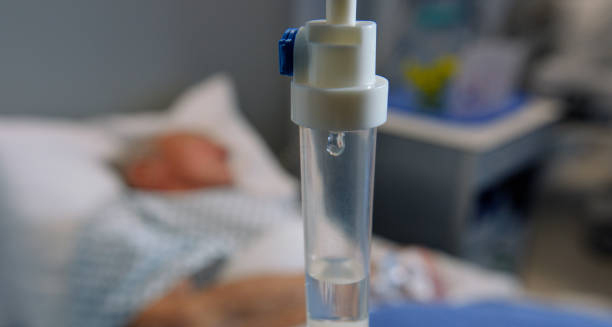
IV drip in focus with patient lying in hospital bed for treatment of cavernous sinus thrombosis

Treatment of Cavernous Sinus Thrombosis

Treatment of Cavernous Sinus Thrombosis Treatment of cavernous sinus thrombosis is a medical emergency that requires immediate hospitalisation, intravenous antibiotics, and sometimes surgical intervention. The main goals of CST treatment are to eliminate the infection, prevent further clotting, and reduce pressure on the brain and cranial nerves. 1. Intravenous Antibiotics Prompt administration of broad-spectrum intravenous antibiotics is the cornerstone of treatment. These are usually started immediately after blood cultures are drawn and before imaging is complete. Once the causative organism is identified, antibiotics may be adjusted accordingly. Common initial options include: Treatment generally continues for 3–4 weeks or longer depending on severity and complications. 2. Anticoagulation Therapy | Treatment of Cavernous Sinus Thrombosis In selected cases, anticoagulants such as heparin are used to prevent the clot from expanding or to reduce the risk of new clot formation. Although controversial, studies have shown this can improve outcomes without significantly increasing the risk of bleeding in many patients. 3. Surgical Drainage If the source of infection is a sinus or facial abscess, surgical drainage may be necessary to remove the infected material. ENT surgeons often perform sinus surgery to improve drainage and reduce bacterial load. 4. Steroid The use of corticosteroids is debated but may be considered to reduce inflammation and swelling, especially in cases involving severe cranial nerve impairment. 5. Supportive Care Patients may require additional support such as pain control, anti-seizure medication, fluids, or treatment for complications like meningitis or sepsis. Intensive care admission may be necessary in severe cases. With rapid diagnosis and treatment, the prognosis has improved significantly in recent years. However, without intervention, cavernous sinus thrombosis can lead to coma, stroke, or death. Therefore, early and aggressive treatment of cavernous sinus thrombosis is critical to survival and recovery. [Next: Complications and Recovery from Cavernous Sinus Thrombosis →]

Treatment of Cavernous Sinus Thrombosis Read More »

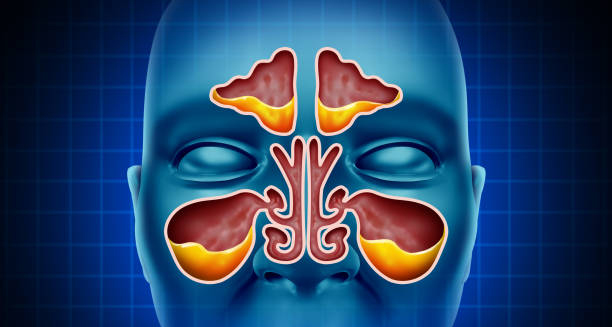
Medical illustration of sinus inflammation and nasal passages showing complications of cavernous sinus thrombosis

Complications and Recovery from Cavernous Sinus Thrombosis

Complications and Recovery from Cavernous Sinus Thrombosis Complications and recovery from cavernous sinus thrombosis depend on how quickly treatment is initiated and the extent of neurological damage. While many patients now recover well with modern care, CST remains a dangerous condition with potential for long-term effects. 1. Immediate Complications Prompt antibiotic treatment greatly reduces the risk of these complications. 2. Long-Term Neurological Issues Physical therapy, occupational therapy, and neurology follow-up help manage these effects and support recovery. 3. Eye and Facial Issues | Complications Even after successful treatment, patients may experience: Ophthalmologists often provide specialist care and may recommend corrective surgery or prism lenses to manage double vision. 4. Mental Health and Emotional Impact Surviving a life-threatening illness can be traumatic. Patients may experience anxiety, depression, or post-traumatic stress. Psychological support is often a vital part of full recovery. 5. Recovery Timeline Complications and Recovery from Cavernous Sinus Thrombosis Early intervention drastically improves outcomes. With modern medicine, most patients make a full or partial recovery from cavernous sinus thrombosis, though follow-up and rehabilitation are often needed. [Next: Back to Overview →]

Complications and Recovery from Cavernous Sinus Thrombosis Read More »

Woman sneezing into a tissue due to catarrh symptoms

Catarrh

Catarrh – Overview Catarrh is a common yet often misunderstood condition that causes a build-up of mucus in the nose, throat, or sinuses. It typically occurs when the lining of the airways becomes inflamed, producing excess mucus in response to infection, allergens, or environmental irritants. Catarrh itself is not a disease, but rather a symptom associated with underlying conditions such as colds, flu, sinusitis, or allergic rhinitis. The body produces mucus as a defence mechanism. It helps trap dust, microbes, and allergens, preventing them from reaching the lungs. However, when production becomes excessive or the mucus thickens, it can lead to congestion, discomfort, and impaired breathing. The resulting build-up may cause a blocked nose, throat irritation, a persistent cough, or a sensation of mucus dripping down the back of the throat — known as postnasal drip. Catarrh is often short-lived, particularly when caused by a viral infection. However, for some people, especially those with allergies or chronic sinus problems, it can become persistent. This chronic condition can interfere with sleep, reduce quality of life, and affect concentration and mood. Catarrh – Overview While catarrh can affect anyone, people with asthma, nasal polyps, or who are frequently exposed to smoke, dust, or pollution are more prone to experiencing recurring episodes. Managing these triggers, maintaining good hydration, and practising nasal hygiene can help alleviate symptoms. Treatment varies depending on the cause. For many, over-the-counter decongestants, antihistamines, saline nasal sprays, or steam inhalation provide relief. If the symptoms are persistent or linked to an underlying issue like sinusitis or allergies, medical intervention may be necessary. Although not usually dangerous, chronic catarrh can be frustrating and impact daily life. A better understanding of its causes and treatment options can help individuals take control of their symptoms and breathe easier. [Next: Causes of Catarrh →]

Catarrh Read More »

Scroll to Top