Mental Matters

Health Conditions

Find information on various health conditions affecting people of all ages. This category covers causes, symptoms, diagnosis, and management options for physical illnesses and chronic diseases. Get insights to help you understand different health challenges and make informed decisions about your wellbeing.

Woman sneezing in a field of flowers due to seasonal allergies

Causes of Catarrh

Causes of Catarrh Causes of catarrh generally stem from inflammation in the mucous membranes that line the nose, throat, and sinuses. When these membranes become irritated, they produce more mucus than usual, leading to congestion and the classic symptoms associated with catarrh. Understanding the underlying cause is essential for effective treatment, especially in chronic or recurrent cases. The most common cause is a viral infection. During a cold or the flu, the body responds to the virus by inflaming nasal tissues and increasing mucus production. This is a protective mechanism, but it often results in blocked or dripping nasal passages, postnasal drip, and throat discomfort. In most cases, this type of catarrh clears up within a week or two. Causes of Catarrh Allergies are another major contributor. In people with allergic rhinitis or hay fever, the immune system overreacts to harmless substances like pollen, dust mites, pet dander, or mould. This immune response causes inflammation and mucus build-up. Unlike infections, allergy-related catarrh can be seasonal or year-round, depending on the trigger. Environmental irritants like smoke, pollution, perfumes, or chemical fumes can also lead to catarrh. These substances irritate the nasal lining, particularly in individuals with sensitive airways, and can cause persistent symptoms if exposure continues. Sinusitis, both acute and chronic, can cause long-term catarrh. Inflammation of the sinus cavities leads to poor drainage and trapped mucus, which can thicken and become infected. This is often accompanied by facial pain, pressure, and a reduced sense of smell. Other causes include gastro-oesophageal reflux disease (GORD), where stomach acid reaches the throat and irritates the upper airways. This type of catarrh often occurs in the morning and is commonly mistaken for sinus-related issues. Causes of Catarrh Structural problems such as a deviated nasal septum, nasal polyps, or enlarged adenoids can obstruct normal mucus drainage and result in chronic catarrh. These conditions may require surgical correction if they cause persistent symptoms. In some cases, the cause of catarrh is idiopathic, meaning no specific underlying problem is identified. In these cases, treatment focuses on symptom relief and lifestyle management. Identifying the causes of catarrh helps healthcare providers recommend the most appropriate interventions — from antihistamines and nasal sprays to surgery in more severe cases. [Next: Symptoms of Catarrh →]


Causes of Catarrh Read More »

Man sneezing outdoors due to nasal congestion

Symptoms of Catarrh

Symptoms of Catarrh Symptoms of catarrh typically involve excessive mucus build-up in the nose or throat, causing discomfort and irritation. While often associated with a common cold, catarrh can persist in some individuals and significantly affect their daily life, especially when it becomes chronic. The most noticeable symptom is nasal congestion. This can feel like a blocked or stuffy nose and may cause difficulty breathing through the nostrils. For some, this blockage alternates between nostrils or feels worse at night, disrupting sleep and increasing fatigue. Postnasal drip is another hallmark symptom. This occurs when mucus runs down the back of the throat, triggering frequent swallowing or coughing. It can lead to a sore throat, hoarseness, or the constant need to clear the throat, especially in the morning. Mucus overproduction may present as a runny nose, often clear in viral infections or allergies, but can become yellow or green if there’s a bacterial component. The mucus may be thick, sticky, and difficult to expel, contributing to a sensation of heaviness in the face or head. A reduced sense of smell and taste is common in people with catarrh. This occurs because the swollen nasal tissues and excess mucus block odour molecules from reaching the olfactory nerves in the nose. Other common symptoms include: Symptoms of Catarrh In chronic cases, these symptoms can be constant or fluctuate over weeks and months. People with long-standing catarrh often report fatigue, irritability, and difficulty concentrating, which stem from poor sleep and constant discomfort. Recognising the symptoms of catarrh allows for early treatment and prevention of complications such as sinus infections or middle ear problems. If symptoms persist for more than 12 weeks, medical evaluation is advised to rule out structural or allergy-related causes. [Next: Diagnosis of Catarrh →]

Symptoms of Catarrh Read More »

Pharmacist consulting a woman with nasal symptoms

Diagnosis of Catarrh

Diagnosis of Catarrh Diagnosis of catarrh starts with a detailed assessment of symptoms, medical history, and possible triggers. While catarrh is often diagnosed clinically based on reported issues like nasal congestion, postnasal drip, and throat clearing, identifying the underlying cause is essential for long-term relief — especially if symptoms have persisted for several weeks. The first step is a consultation with a GP, who will ask about: A physical examination typically follows, where the doctor will inspect the nasal passages and throat. Using a nasal speculum and light source, they may look for signs of inflammation, mucus build-up, polyps, or anatomical abnormalities. If allergic catarrh is suspected, allergy testing might be recommended. This can involve: Doctors may refer patients to an ENT specialist if they suspect chronic sinusitis or structural issues like nasal polyps. This allows for: Doctors may refer children or adults with hearing issues linked to catarrh to an audiologist to assess middle ear function and check for glue ear or fluid build-up. Diagnosis of Catarrh If doctors suspect acid reflux is causing the symptoms, they may recommend a gastrointestinal assessment for further investigation. This might include lifestyle evaluation, pH testing, or referral to a gastroenterologist. Doctors match the treatment to the cause once they make a clear diagnosis of catarrh. Furthermore, whether that’s allergy, infection, anatomical blockage, or environmental irritation — leading to faster and more effective symptom relief. [Next: Treatment of Catarrh →]

Diagnosis of Catarrh Read More »

Person holding tablets and a glass of water

Treatment of Catarrh

Treatment of Catarrh Treatment of catarrh is aimed at reducing inflammation, clearing mucus, and addressing the underlying cause. The right approach depends on whether catarrh is acute, chronic, allergy-related, or linked to sinus or structural issues. Often, a combination of remedies provides the best results. 1. Home Remedies and Self-Care For mild or short-term catarrh, simple measures can be very effective: Avoiding triggers like smoke, allergens, and pollution is also crucial, particularly for those with chronic symptoms. 2. Over-the-Counter Medications 3. Prescription Treatments | Treatment of Catarrh In more stubborn or chronic cases, doctors may prescribe: 4. Long-Term Solutions If structural issues are to blame — such as a deviated septum or nasal polyps — surgical correction may be considered. Procedures like septoplasty or endoscopic sinus surgery can improve drainage and reduce mucus build-up. 5. Alternative Therapies Some find relief from herbal remedies, acupuncture, or essential oils, although evidence is limited. These may be used alongside conventional treatment, with medical supervision. Treatment of Catarrh Treatment of catarrh should be personalised. For recurring symptoms, a long-term management plan — possibly involving an allergist or ENT specialist — can make a significant difference in comfort and quality of life. [Next: Complications and Recovery from Catarrh →]

Treatment of Catarrh Read More »

Woman sneezing outdoors during allergy season

Complications and Recovery from Catarrh

Complications and Recovery from Catarrh Complications and recovery from catarrh are typically straightforward for short-term cases, but chronic or untreated catarrh can lead to persistent discomfort and further health issues. The longer catarrh lingers, the more likely it is to interfere with sleep, concentration, or cause secondary infections. 1. Common Complications 2. Emotional Impact | Complications and Recovery from Catarrh Chronic catarrh can affect quality of life. People may feel embarrassed about throat clearing, frustrated by poor sleep, or anxious when symptoms persist despite treatment. Addressing these concerns is essential, particularly when symptoms are linked to allergies or stress. 3. Recovery Timeline 4. Supporting Recovery | Complications and Recovery from Catarrh In stubborn cases, ongoing ENT support or allergy therapy may be necessary to prevent complications and promote lasting relief. With timely care and consistency, complications and recovery from catarrh are usually well managed. Early treatment not only eases symptoms but also helps avoid prolonged discomfort, sleep issues, and further infections. [ Next: Back to Overview > ]

Complications and Recovery from Catarrh Read More »

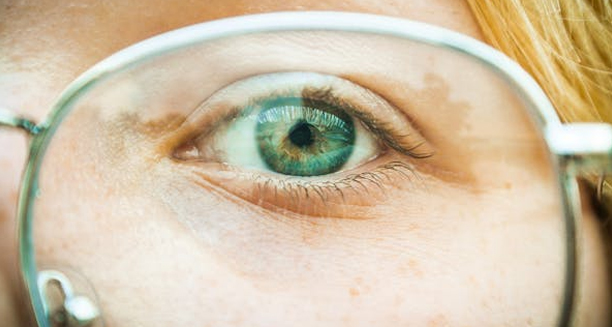
Close-up of a child’s eye wearing glasses with visible reflection

Cataracts in Children

Cataracts in Children – Overview Cataracts in children are a rare but serious condition where the normally clear lens of the eye becomes clouded, leading to vision impairment. While cataracts are most often associated with older adults, cataracts in children can occur from birth or develop later in childhood due to trauma, medical conditions, or genetic factors. Early detection and treatment are essential, as untreated cataracts can permanently affect a child’s vision and visual development. The lens plays a crucial role in focusing light onto the retina, allowing us to see clearly. When this lens becomes clouded by cataracts, the light is scattered or blocked, resulting in blurred or distorted vision. In children, this disruption can affect how the brain learns to process images during critical developmental periods, particularly within the first few months and years of life. Cataracts in children can be unilateral (affecting one eye) or bilateral (affecting both eyes), and they may vary in size and location within the lens. Some are dense and require immediate surgical intervention, while others may be small and monitored closely over time. Common symptoms include white or cloudy pupils, misaligned eyes, poor visual focus, and delayed visual milestones. Treatment usually involves surgical removal of the cataract, typically followed by correction with glasses, contact lenses, or intraocular lenses (IOLs). Unlike in adults, children may need extensive post-operative care, including patching therapy and visual rehabilitation, to ensure the brain develops proper connections with the eyes. Cataracts in Children Early intervention is critical. The longer a cataract remains untreated during infancy or early childhood, the higher the risk of amblyopia (lazy eye), permanent vision impairment, or even blindness. Paediatricians and parents must work closely to observe and address any visual concerns in a child’s early years. Despite their complexity, cataracts in children are treatable. With prompt diagnosis, skilled surgical care, and diligent follow-up, many children regain excellent vision and achieve normal development. Education and awareness remain key to ensuring early signs are not missed and long-term outcomes are optimised. [Next: Causes of cataracts in children >]

Cataracts in Children Read More »

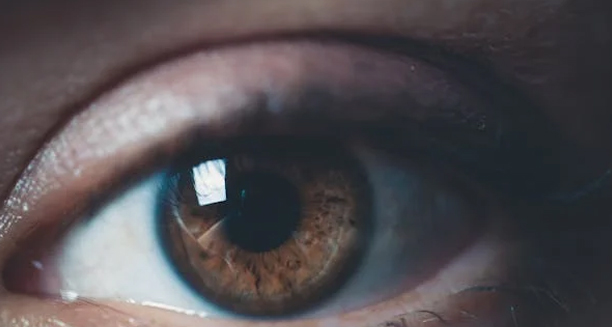
Close-up of a child's eye with natural brown iris

Causes of Cataracts in Children

Causes of Cataracts in Children Causes of cataracts in children are more diverse than in adults and often involve developmental issues, infections, metabolic disorders, trauma, or inherited conditions. Understanding the causes of cataracts in children is essential for early diagnosis, effective treatment, and in many cases, preventing recurrence or related complications. 1. Congenital Cataracts Congenital cataracts are present at birth or develop within the first year of life. They may result from genetic mutations, hereditary factors, or intrauterine environmental influences. Around one-third of congenital cataracts are inherited, often in an autosomal dominant pattern. If one parent had cataracts during childhood, the likelihood of their child being affected increases. In some cases, cataracts develop spontaneously due to errors in lens protein formation during embryonic development. Structural abnormalities in the eye or chromosomal conditions such as Down syndrome may also contribute. 2. Infections During Pregnancy | Causes of Cataracts in Children Maternal infections such as rubella, cytomegalovirus (CMV), toxoplasmosis, herpes simplex virus, or syphilis during pregnancy can interfere with foetal eye development. Rubella is particularly associated with dense, bilateral cataracts. These infections are often preventable through vaccination and antenatal screening. 3. Metabolic and Systemic Conditions Rare metabolic disorders like galactosaemia, Lowe syndrome, and hypoglycaemia can cause cataracts in infancy. These conditions affect the way the body processes certain substances, leading to toxic accumulation in the lens. In addition, systemic diseases like juvenile arthritis or skin conditions such as eczema treated with long-term steroids may increase the risk of cataracts in later childhood. 4. Trauma | Causes of Cataracts in Children Blunt force trauma, penetrating injuries, or radiation exposure can result in acquired cataracts in children. Traumatic cataracts can develop immediately or take weeks to months to appear. In many cases, these cataracts are unilateral and require prompt surgical attention. 5. Unknown Causes In a significant number of cases, no definitive cause is found. These idiopathic cataracts still require full evaluation to exclude associated systemic conditions or subtle genetic factors. Identifying the causes of cataracts in children helps guide both treatment and ongoing monitoring. It also enables doctors to offer genetic counselling and screen for additional abnormalities that could impact the child’s health and development. [Next: Symptoms of cataracts in children >]

Causes of Cataracts in Children Read More »

Child with blurred visual effect representing vision problems

Symptoms of Cataracts in Children

Symptoms of Cataracts in Children Symptoms of cataracts in children vary depending on the age of the child, the size and location of the cataract, and whether one or both eyes are affected. Because young children cannot easily communicate their vision issues, recognising symptoms of cataracts in children relies heavily on careful observation by parents, paediatricians, and early childcare providers. 1. Cloudy or White Pupils One of the most visible signs of cataracts is a white or grey pupil, also known as leukocoria. This may be noticeable in certain lighting conditions or appear in flash photography, where the typical red-eye reflex is absent. Any observation of a white pupil warrants immediate medical attention, as it can also signal other serious eye conditions such as retinoblastoma. 2. Poor Focus or Eye Contact | Symptoms of Cataracts in Children Infants with cataracts may not fixate on or track faces and objects by the expected age of 6 to 8 weeks. A lack of eye contact or visual engagement is often a first clue that something is affecting the baby’s vision. 3. Misaligned Eyes (Strabismus) If one eye is more affected than the other, the brain may favour the better-seeing eye, causing the weaker eye to drift. This misalignment can present as a constant or intermittent squint and may be the first external indicator of an underlying cataract. 4. Delayed Development | Symptoms of Cataracts in Children Children with significant visual impairment may miss key developmental milestones. They might not reach for toys, recognise familiar people, or explore their environment like their peers. These developmental delays may first present as a behavioural concern. 5. Light Sensitivity and Nystagmus Some children may show signs of photophobia (sensitivity to light) or involuntary eye movement (nystagmus), especially in cases where the cataract significantly reduces clarity. These movements are the brain’s attempt to search for clearer visual input. Because the brain’s visual pathways are still developing, it’s critical to recognise symptoms of cataracts in children early. Left untreated, cataracts can lead to permanent amblyopia or irreversible vision loss, even if surgery is performed later. Parental awareness, routine eye screenings, and referrals to paediatric ophthalmologists ensure timely diagnosis and better outcomes. [Next: Diagnosis of cataracts in children >]

Symptoms of Cataracts in Children Read More »

Child undergoing eye examination for cataracts

Diagnosis of Cataracts in Children

Diagnosis of Cataracts in Children Diagnosis of cataracts in children is a multi-step process involving clinical evaluation, imaging, and sometimes laboratory testing. Early and accurate diagnosis of cataracts in children is essential for initiating treatment before visual development is compromised, particularly in the critical early months of life. 1. Screening at Birth All newborns should undergo a red reflex test within the first 48 hours of life and again during routine follow-ups. This simple test involves shining a light into the eyes to check for a reddish reflection from the retina. An absent or white reflex suggests a potential problem and requires urgent ophthalmological referral. 2. Comprehensive Eye Exam | Diagnosis of Cataracts in Children A paediatric ophthalmologist will perform a detailed examination, including: In preverbal children, the use of preferential looking tests or fixation preference assessments help determine visual acuity in each eye. 3. Imaging and Diagnostics Ultrasound of the eye may be required if the view to the back of the eye is blocked. Ocular coherence tomography (OCT) and B-scan ultrasonography help assess the retina and optic nerve when cataracts obscure direct examination. If systemic or genetic conditions are suspected, further testing may include: 4. Functional Vision Assessment | Diagnosis of Cataracts in Children Beyond the structural exam, determining how much the child is using their vision is key to deciding on urgency and treatment plans. The younger the child, the shorter the window for intervention due to the sensitivity of the visual development process. A prompt and thorough diagnosis of cataracts in children ensures not only timely surgery but also appropriate follow-up with low-vision specialists, orthoptists, and therapists to support the child’s visual development and learning. [Next: Treatment of cataracts in children >]

Diagnosis of Cataracts in Children Read More »

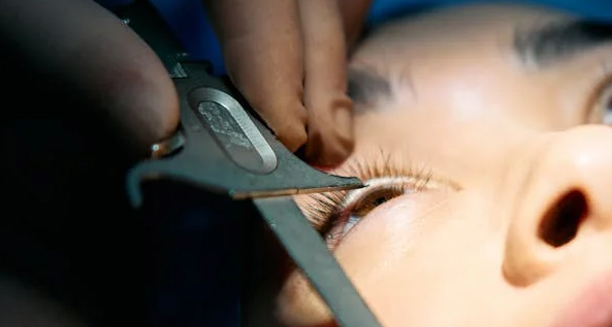
Child undergoing cataract eye surgery

Treatment of Cataracts in Children

Treatment of Cataracts in Children Treatment of cataracts in children is a complex process that often involves surgery followed by long-term visual rehabilitation. Unlike adults, where treatment is usually straightforward, treatment of cataracts in children requires careful coordination to support ongoing eye and brain development. 1. Surgical Removal Doctors usually recommend surgery for visually significant cataracts as early as possible — ideally within the first few weeks or months of life — to prevent long-term vision impairment and support normal visual development. The operation involves removing the cloudy lens under general anaesthetic. In younger children, especially infants, doctors often delay implanting an artificial lens. Instead, they may use contact lenses or glasses until the child is older and better suited for intraocular lens placement. In children over two years of age, intraocular lens (IOL) implantation may be considered. The decision depends on factors such as the child’s eye size, level of development, and long-term visual prognosis. 2. Post-Surgical Correction | Treatment of Cataracts in Children After lens removal, children will need optical correction. This may include: These options help focus light onto the retina, restoring visual input to the brain. Even small lapses in wearing corrective lenses can lead to amblyopia, especially in younger children. 3. Patching and Visual Therapy In unilateral cataracts or where one eye is weaker, occlusion therapy (patching the stronger eye) is necessary to force the brain to use the weaker eye. This encourages balanced visual development and helps prevent amblyopia. 4. Ongoing Monitoring | Treatment of Cataracts in Children Follow-up care is lifelong. Regular eye exams ensure the eye is growing properly, that refractive errors are corrected, and that secondary complications like glaucoma or posterior capsular opacification are addressed. Parental education is critical. Ensuring that patching, medication, and lens correction are consistently followed is often the difference between full recovery and lifelong vision impairment. Treatment of cataracts in children is a multidisciplinary effort involving surgeons, orthoptists, optometrists, therapists, and parents. With dedication, even children with dense cataracts at birth can develop strong, functional vision and lead active lives. [Next: Complications and recovery from cataracts in children >]

Treatment of Cataracts in Children Read More »

Scroll to Top