Mental Matters

Health Conditions

Find information on various health conditions affecting people of all ages. This category covers causes, symptoms, diagnosis, and management options for physical illnesses and chronic diseases. Get insights to help you understand different health challenges and make informed decisions about your wellbeing.

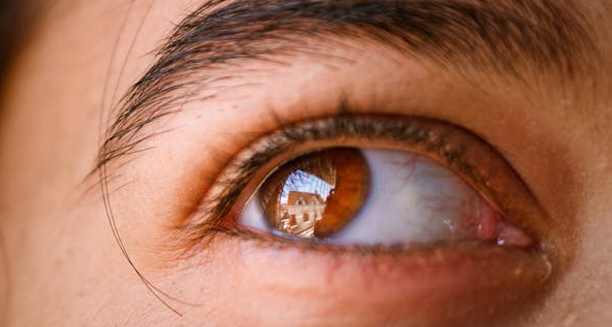
Close-up of a child’s eye showing signs of cataracts

Complications and Recovery from Cataracts in Children

Complications and Recovery from Cataracts in Children Complications and recovery from cataracts in children are more complex than in adults due to the ongoing development of the eye and visual pathways. While surgery is usually successful, managing complications of cataracts in children requires long-term care and support. 1. Amblyopia The most common complication is amblyopia or “lazy eye,” where the brain suppresses signals from the weaker eye. This happens when the brain receives limited or inconsistent visual input during a critical period of early development, which can affect normal visual processing. Without prompt treatment, amblyopia can result in permanent vision loss, even if the eye appears structurally healthy. 2. Glaucoma Post-operative glaucoma is more common in children than adults. It can occur months or years after cataract surgery. Regular monitoring of intraocular pressure is essential. If doctors detect glaucoma early, they can manage it effectively using prescription eye drops, laser treatments, or surgical procedures to lower eye pressure and prevent vision loss. 3. Posterior Capsule Opacification (PCO) Even after successful lens removal, residual lens cells may cause the posterior capsule to become cloudy, affecting vision. This can usually be treated with a laser or a secondary surgical procedure, depending on the child’s age and cooperation level. 4. Infection and Inflammation Though rare, infection (endophthalmitis) and significant inflammation can occur post-surgery. These are managed with intensive eye drops and sometimes oral medication. Children’s immune responses differ from adults, so close follow-up is vital. 5. Refractive Changes | Complications and Recovery from Cataracts in Children As the child grows, the shape of the eye changes, affecting visual focus. Frequent prescription changes are common. Refractive surgery is not typically performed in children, so glasses or contact lenses are adjusted as needed. Recovery Timeline Complications and Recovery from Cataracts in Children Long-term outcomes depend on early intervention and how well the child and caregivers adhere to treatment and follow-up schedules. With diligence, complications and recovery from cataracts in children can be managed successfully, giving children the best chance at lifelong healthy vision. [ Next: Back to Overview > ]

Complications and Recovery from Cataracts in Children Read More »

Woman with teal awareness ribbon symbolising cervical cancer awareness

Cervical Cancer

Cervical Cancer – Overview We’re learn that Cervical cancer is a type of cancer that begins in the cells of the cervix — the lower part of the uterus that connects to the vagina. Persistent infection with high-risk types of human papillomavirus (HPV) is the leading cause of this cancer. This cancer is highly preventable and treatable, yet it remains a major health concern in developing countries due to limited access to screening and HPV vaccination. The cervix plays a critical role in reproductive health, acting as both a gateway and barrier between the uterus and vagina. When abnormal cells develop on its surface and begin to multiply uncontrollably, they may form pre-cancerous changes that can progress to this cancer over time if left untreated. Most cases of cervical cancer are squamous cell carcinomas, originating in the outer part of the cervix. A smaller proportion are adenocarcinomas, which develop from glandular cells in the cervical canal. It usually takes years for this cancer to develop, which is why regular screening is so effective at detecting it early. Cervical Cancer The introduction of the HPV vaccine has significantly reduced the cancer rates in younger populations. However, routine Pap smears (or liquid-based cytology) and HPV testing remain the cornerstone of early detection. Symptoms often don’t appear until the disease is advanced, so preventative screening is crucial. Although once a leading cause of cancer deaths in women, increased awareness, better screening, and HPV vaccination have drastically improved outcomes. With early diagnosis and prompt treatment, most cases of these cancers are highly treatable. [Next: Causes of Cervical Cancer →]

Cervical Cancer Read More »

Woman experiencing discomfort in pelvic area while holding toilet paper

Causes of Cervical Cancer

Causes of Cervical Cancer Causes of cervical cancer are closely linked to long-term infection with high-risk types of HPV, a sexually transmitted virus that affects nearly all sexually active individuals at some point. However, not all HPV infections lead to cervical cancer, and several other risk factors influence its development. 1. Human Papillomavirus (HPV) Persistent infection with high-risk strains of HPV — particularly types 16 and 18 — is the leading cause of cervical cancer. The virus interferes with cell DNA and can lead to uncontrolled cell growth in the cervix. Most HPV infections are cleared naturally by the immune system, but when they persist, they may cause precancerous changes. 2. Smoking Women who smoke are twice as likely to develop cervical cancer. Tobacco by-products can damage cervical cells and impair immune function, making it harder for the body to clear HPV infections. 3. Weakened Immune System | Causes of Cervical Cancer Conditions like HIV/AIDS or the use of immunosuppressive medications (e.g., after organ transplantation) increase susceptibility to HPV infection and reduce the body’s ability to stop abnormal cell changes. 4. Early Sexual Activity and Multiple Partners Starting sexual activity at a young age or having multiple sexual partners increases the likelihood of HPV exposure. This is not about judgment — it simply increases the chance of encountering the virus, especially if partners have also had previous exposure. 5. Long-Term Use of Oral Contraceptives Some studies suggest that using birth control pills for more than five years may slightly increase cervical cancer risk. The exact reason is unclear, but hormonal changes might make cervical tissue more vulnerable to HPV. 6. Not Attending Screening | Causes of Cervical Cancer Women who do not undergo routine cervical screening (Pap tests or HPV tests) are at higher risk of developing cervical cancer. Screening identifies abnormal cells early, often before they turn into cancer. Understanding the causes of cervical cancer empowers individuals to take proactive steps in prevention — including vaccination, regular screening, and lifestyle changes. These measures drastically reduce the risk of ever developing the disease. [Next: Symptoms of Cervical Cancer →]

Causes of Cervical Cancer Read More »

Woman experiencing abdominal pain while sitting on a couch

Symptoms of Cervical Cancer

Symptoms of Cervical Cancer Symptoms of cervical cancer often go unnoticed in the early stages, which is why regular screening is so important. When signs do appear, they usually relate to changes in vaginal bleeding, discharge, or pelvic discomfort. Recognising the symptoms can lead to faster diagnosis and more effective treatment. 1. Abnormal Vaginal Bleeding The most common early symptom is unusual vaginal bleeding. This may include: Any unexpected bleeding should be investigated, even if it seems minor. 2. Unusual Vaginal Discharge A watery, pink, or foul-smelling discharge may indicate changes in the cervix. While vaginal discharge is common, sudden changes in smell, colour, or volume are worth discussing with a healthcare provider. 3. Pelvic or Lower Back Pain | Symptoms of Cervical Cancer Pain in the lower abdomen or back may develop as the cancer grows and presses on nearby organs or nerves. This is more common in advanced cases. 4. Pain During Intercourse Discomfort or pain during sex (dyspareunia) can be an early warning sign, especially when combined with bleeding after intercourse. 5. Urinary or Bowel Changes As the cancer spreads, it may affect the bladder or rectum. Symptoms can include: 6. Swelling and Fatigue | Symptoms of Cervical Cancer In advanced stages, cervical cancer may lead to swelling of the legs, unexplained fatigue, or weight loss. These are signs that the disease may have spread to lymph nodes or other organs. Because symptoms of cervical cancer often do not appear until the disease is advanced, preventative screening is essential. Early-stage cervical cancer is usually asymptomatic, which makes Pap tests and HPV testing life-saving tools. [Next: Diagnosis of Cervical Cancer →]

Symptoms of Cervical Cancer Read More »

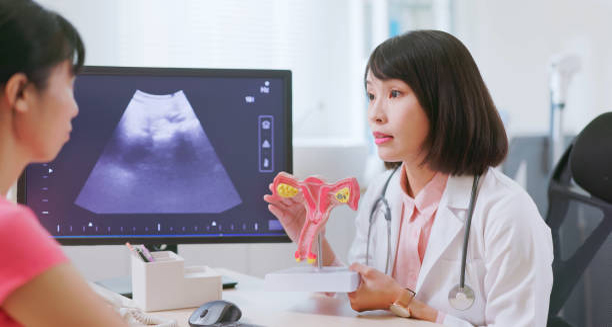
Female doctor explaining cervical anatomy and cancer diagnosis

Diagnosis of Cervical Cancer

Diagnosis of Cervical Cancer Diagnosis of cervical cancer begins with abnormal findings on a routine screening test, followed by further evaluation to confirm the presence and stage of the disease. Early diagnosis drastically improves treatment outcomes and survival rates. 1. Cervical Screening (Pap Smear and HPV Test) Routine cervical screening is the first line of defence. In South Africa and many other countries, women aged 25–65 are encouraged to have regular Pap smears. These tests detect abnormal cells before they become cancerous. An HPV test checks for the presence of high-risk strains of the virus that cause most cervical cancers. Combined Pap/HPV testing increases accuracy. 2. Colposcopy | Diagnosis of Cervical Cancer If abnormal cells are found, the next step is usually a colposcopy. This is a simple outpatient procedure where a specialist uses a microscope to examine the cervix more closely. A mild vinegar solution highlights abnormal areas. If anything concerning is seen, a biopsy is taken — a small sample of tissue sent to a lab to check for cancer cells. 3. Imaging Tests If cancer is confirmed, imaging helps determine how far it has spread (staging): 4. Blood Tests While no blood test can diagnose cervical cancer directly, general blood work helps assess organ function and prepare for treatment. 5. Staging | Diagnosis of Cervical Cancer Staging ranges from Stage 0 (pre-cancer) to Stage IV (cancer has spread). Knowing the stage helps guide treatment choices and provides insight into prognosis. Prompt diagnosis of cervical cancer allows for early treatment, often before symptoms ever develop. That’s why screening, follow-up, and good gynaecological care are so important for every woman’s health. [Next: Treatment of Cervical Cancer →]

Diagnosis of Cervical Cancer Read More »

Woman consulting a doctor about cervical cancer treatment

Treatment of Cervical Cancer

Treatment of Cervical Cancer Treatment of cervical cancer depends on the stage of the disease, the patient’s age, overall health, and future fertility desires. The goal of this treatment is to eliminate the cancer while preserving as much normal function as possible. Modern approaches often involve a combination of surgery, radiation, and chemotherapy. 1. Early-Stage Treatment For very early stages (such as CIN3 or Stage 0), treatment may involve removing just the affected tissue: These procedures remove precancerous or very early cancerous cells without removing the uterus. 2. Surgery | Treatment of Cervical Cancer If the cancer is slightly more advanced but still confined to the cervix: 3. Radiation Therapy Used for more advanced stages or when surgery isn’t suitable. It can be: Radiation is often combined with chemotherapy to increase effectiveness. 4. Chemotherapy | Treatment of Cervical Cancer Chemo drugs like cisplatin may be used: 5. Targeted Therapy and Immunotherapy For advanced or recurrent cervical cancer, newer treatments like bevacizumab (targeting tumour blood supply) and immunotherapies (e.g., pembrolizumab) are showing promise. 6. Supportive Care Nutrition, pain management, emotional counselling, and physiotherapy form a vital part of recovery. Gynaecological cancer care teams often include psychologists and social workers to support patients through treatment. Treatment of cervical cancer can be curative in most early-stage cases. With access to quality care and regular follow-up, long-term survival is increasingly common, even in more advanced diagnoses. [Next: Complications and Recovery from Cervical Cancer →]

Treatment of Cervical Cancer Read More »

Complications and Recovery from Cervical Cancer

Complications and Recovery from Cervical Cancer

Complications and Recovery from Cervical Cancer Complications and recovery from cervical cancer vary depending on the stage of disease and the type of treatment received. While many women recover fully, some experience lasting physical and emotional effects. Support, follow-up care, and lifestyle changes play a vital role in managing cervical cancer long term. 1. Physical Complications Women should speak openly with healthcare providers about managing these issues. Pelvic physiotherapy, lubricants, and counselling can help improve quality of life. 2. Emotional and Mental Health Coping with a cancer diagnosis can cause anxiety, depression, and fear of recurrence. These emotions are normal, and psychological support is essential. Support groups and therapy help women adjust and regain confidence after treatment. 3. Recurrence | Complications and Recovery from Cervical Cancer Although rare in early-stage cervical cancer, recurrence is possible. Follow-up includes: Early detection of recurrence improves treatment outcomes. 4. Survivorship and Rehabilitation Recovery focuses on: Survivorship care plans help coordinate follow-up, mental health, contraception, and lifestyle support. 5. Prevention of Further Issues | Complications and Recovery from Cervical Cancer Regular HPV testing and vaccination for younger family members reduce future cancer risk. Maintaining a healthy diet, quitting smoking, and staying active also support recovery and prevent other illnesses. With compassionate care, community support, and ongoing follow-up, most women experience a successful recovery from cervical cancer and return to full, meaningful lives. [Next: Back to Overview >]

Complications and Recovery from Cervical Cancer Read More »

Elderly man with light blue eyes gazing next to a dark horse

Cataracts in Adults

Cataracts in Adults – Overview Cataracts in adults are a leading cause of visual decline across the globe, particularly in individuals aged 60 and older. This condition occurs when the natural lens of the eye becomes cloudy, making it harder to see clearly. Cataracts in adults often develop gradually and can significantly interfere with day-to-day tasks. For example, reading, driving at night, recognising faces, and watching television. The eye’s lens is designed to be clear and flexible. Furthermore, allowing light to pass through and focus sharply on the retina. Over time, the proteins within the lens can begin to clump together, forming cloudy patches that distort or blur vision. This clouding doesn’t happen overnight — it typically progresses slowly. Which is why many adults only notice a problem when the cataract has already affected their ability to function normally. While ageing is the primary driver, lifestyle factors such as prolonged sun exposure, smoking, alcohol use, and certain health conditions like diabetes can speed up cataract development. Medications, particularly corticosteroids, may also play a role. Because the condition develops over time, early symptoms may be subtle, such as difficulty reading in dim light or increased glare from oncoming headlights. Fortunately, cataracts are highly treatable. Cataract surgery, which involves removing the cloudy lens and replacing it with a clear artificial intraocular lens (IOL), is one of the most common and successful procedures in modern medicine. Most patients experience dramatic improvements in vision, often within days of the operation. Cataracts in Adults It’s important to note that cataracts in adults can be prevented or delayed through proactive eye care. Regular eye exams, especially from the age of 50 onward, wearing UV-protective sunglasses, maintaining a healthy diet, and managing chronic illnesses like diabetes can all reduce the risk. Early detection is key to preventing long-term complications. For many adults, the onset of cataracts marks a turning point in their visual health, but it doesn’t have to mean permanent vision loss. With the right awareness and timely treatment, clear sight can be restored — and quality of life greatly improved. [Next: Causes of Cataracts in Adults →]

Cataracts in Adults Read More »

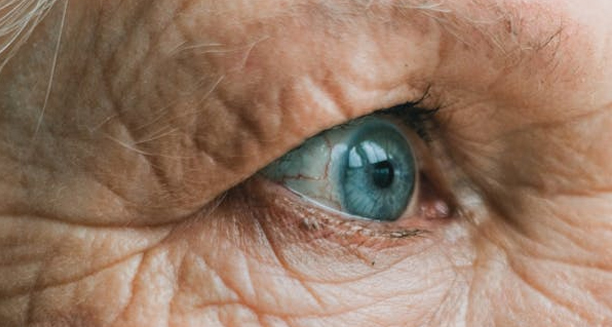
Close-up of an elderly person's eye with visible signs of cataract

Causes of Cataracts in Adults

Causes of Cataracts in Adults Causes of cataracts in adults vary from biological ageing to external lifestyle and environmental factors. While age-related changes remain the most common cause, several other conditions and exposures contribute to the onset of this condition. Understanding the causes of cataracts in adults is essential to delay progression and implement preventative strategies. The most significant factor is the natural ageing process. As we age, the proteins in the lens of the eye begin to break down and form cloudy clumps. These protein deposits increase over time, gradually clouding more of the lens and disrupting the passage of light. Most people over the age of 60 will begin to develop some level of cataract, although symptoms may not appear immediately. Health conditions also play a substantial role. Diabetes is one of the most well-documented medical contributors. High blood sugar levels alter the metabolism within the lens, increasing the risk of cataracts at a younger age. Adults with poorly managed diabetes are especially prone to faster cataract development. Long-term use of corticosteroid medications, often prescribed for asthma, arthritis, or autoimmune diseases, has been linked to the development of posterior subcapsular cataracts. These types form near the back of the lens and tend to interfere with reading vision and cause glare. Exposure to ultraviolet (UV) light from the sun contributes to lens damage over time. Adults who spend significant time outdoors without proper eye protection are at higher risk. UVB rays, in particular, are harmful to lens proteins, promoting oxidative stress and speeding up degeneration. Lifestyle habits also contribute. Smoking increases oxidative stress and decreases the concentration of antioxidants in the eye, creating a breeding ground for cataracts. Excessive alcohol intake similarly promotes protein damage and impairs the body’s natural defence mechanisms. Causes of Cataracts in Adults Other causes include previous eye injuries or surgeries. Trauma can disrupt the lens capsule and lead to clouding, sometimes years after the incident. A family history of early cataracts may also suggest a genetic predisposition, making earlier screening worthwhile. By understanding these causes of cataracts in adults, people can take active steps to lower their risk. Wearing UV-protective eyewear, eating a diet rich in antioxidants, avoiding tobacco, managing chronic diseases, and attending regular eye check-ups are simple but powerful ways to protect long-term vision. [Next: Symptoms of Cataracts in Adults →]

Causes of Cataracts in Adults Read More »

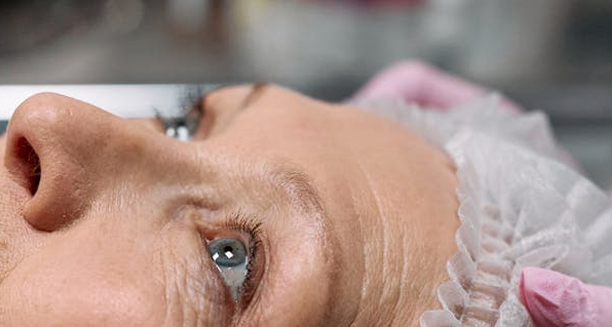
Adult woman with visible signs of cataracts in her eyes

Symptoms of Cataracts in Adults

Symptoms of Cataracts in Adults Symptoms of cataracts in adults typically begin subtly and worsen over time, often going unrecognised in the early stages. Many people attribute early visual changes to general ageing or prescription issues, but in fact, these can be early warning signs. Recognising the symptoms of cataracts in adults early can prompt timely treatment and avoid significant vision loss. The first and most common symptom is blurry or cloudy vision. This blurring may come and go initially but gradually becomes constant. Objects may appear out of focus, even when wearing glasses, and fine details — such as small text or facial features — become harder to see. Many patients describe the sensation as if looking through a fogged-up window or wax paper. Glare sensitivity is another early symptom. Oncoming headlights, sunlight, or even indoor lighting may feel too bright or cause discomfort. Night driving often becomes a struggle, as glare and haloes around lights intensify, posing safety risks. Colour changes are also common. Colours begin to appear faded or yellowed. Bright whites may seem more beige, and blues and purples can be difficult to distinguish. This change tends to develop slowly, so many adults don’t realise the full extent of the distortion until after surgery restores their original colour perception. Frequent changes in eyeglass or contact lens prescriptions are another sign. Individuals may visit their optometrist often, hoping that a stronger prescription will restore clarity — but as the cataract worsens, new lenses offer diminishing improvement. Some adults experience double vision in one eye, especially when the clouding is irregular. This effect is disorienting and may make reading or watching TV more difficult. Others report trouble with contrast, making it harder to see objects clearly in low-light settings. Symptoms of Cataracts in Adults As the condition progresses, it may become difficult to read road signs, recognise people from a distance, or enjoy hobbies such as needlework, painting, or photography. People with advanced cataracts may feel more socially isolated or dependent on others for routine tasks. These symptoms of cataracts in adults can severely affect quality of life, but they don’t have to be permanent. With early recognition and a structured plan for surgical intervention, most adults regain full visual clarity and confidence in their daily routines. [Next: Diagnosis of Cataracts in Adults →]

Symptoms of Cataracts in Adults Read More »

Scroll to Top