Mental Matters

Health Conditions

Find information on various health conditions affecting people of all ages. This category covers causes, symptoms, diagnosis, and management options for physical illnesses and chronic diseases. Get insights to help you understand different health challenges and make informed decisions about your wellbeing.

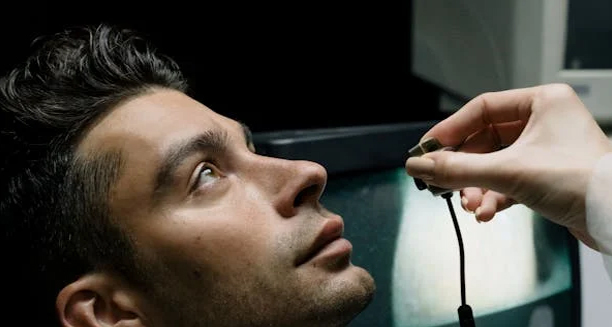
Eye doctor performing cataract test on adult patient

Diagnosis of Cataracts in Adults

Diagnosis of Cataracts in Adults Diagnosis of cataracts in adults is usually made during a routine eye examination and involves a series of non-invasive, painless tests. A timely diagnosis of cataracts in adults ensures appropriate treatment planning and helps prevent unnecessary deterioration of sight and quality of life. The process begins with a comprehensive review of your vision history and symptoms. Your eye care provider will ask about recent changes in eyesight, such as blurriness, glare, colour distortion, or trouble reading. They’ll also consider risk factors, including age, diabetes, medication use, or previous eye injuries. The visual acuity test is the first step. This familiar eye chart test evaluates how well you can see at various distances. Adults with cataracts usually have reduced sharpness and may struggle with reading smaller letters even with corrective lenses. A slit-lamp examination follows. This specialised microscope allows the optometrist or ophthalmologist to examine the structures at the front of the eye in detail. Using a bright, narrow beam of light, they can identify the size, location, and type of cataract present. This exam is especially useful for detecting early lens changes before symptoms become severe. Pupil dilation is often necessary to examine the lens and retina more thoroughly. Eye drops are used to widen the pupils, making it easier to inspect the back of the eye. This helps rule out other causes of visual decline, such as age-related macular degeneration or retinal detachment. Tonometry, a test that measures intraocular pressure, is also commonly included. Although it does not diagnose cataracts directly, it is vital for identifying glaucoma, which may exist alongside cataracts and require separate management. Diagnosis of Cataracts in Adults In some cases, additional tests like optical coherence tomography (OCT) may be used to examine the retina in greater detail, especially if other eye diseases are suspected. If cataracts are confirmed and vision is significantly impaired, the doctor will discuss whether cataract surgery is the best next step. They’ll also evaluate both eyes, even if only one shows symptoms, to anticipate future needs. A well-executed diagnosis of cataracts in adults is the foundation for successful treatment. It enables doctors and patients to develop a plan that supports long-term vision and lifestyle goals, ensuring the best possible outcome. [Next: Treatment of Cataracts in Adults →]

Diagnosis of Cataracts in Adults Read More »

Treatment of Cataracts in Adults

Treatment of Cataracts in Adults

Treatment of Cataracts in Adults Treatment of cataracts in adults aims to restore clear vision and improve daily function. While glasses and other non-surgical methods can manage early symptoms, the definitive treatment of cataracts in adults is surgery — a safe, highly effective procedure that replaces the cloudy natural lens with a clear artificial one. In the early stages of cataracts, many people benefit from: These non-surgical methods can temporarily improve vision but won’t stop cataract progression. Eventually, when blurred vision interferes with work, hobbies, or driving, surgery becomes necessary. Cataract surgery is one of the most common operations in the world. It is typically performed as an outpatient procedure under local anaesthetic. The surgeon removes the clouded lens through a tiny incision and replaces it with an intraocular lens (IOL). There are several types of IOLs available: Your ophthalmologist will help you decide on the best lens based on your visual needs and lifestyle. Recovery from surgery is typically quick. Most people return to light activities within 24–48 hours and experience noticeable improvement in vision within a few days. Eye drops are prescribed to prevent infection and inflammation during the healing period. Treatment of Cataracts in Adults Follow-up appointments ensure that the eye is healing correctly and that the chosen IOL is providing the intended benefits. If cataracts are present in both eyes, the second eye is usually operated on a few weeks after the first. Proper treatment of cataracts in adults restores confidence and independence. Whether it’s the ability to drive safely, read without strain, or recognise loved ones’ faces clearly, cataract surgery offers transformative outcomes that vastly improve quality of life. [Next: Complications and Recovery from Cataracts in Adults →]

Treatment of Cataracts in Adults Read More »

Elderly man wearing a hat and face mask with visible eye complications

Complications and Recovery from Cataracts in Adults

Complications and Recovery from Cataracts in Adults Complications and recovery from cataracts in adults are generally mild and manageable. Most patients experience a smooth recovery and enjoy significant improvements in vision within days. However, it’s important to understand that even routine surgery carries some risk. Understanding the potential complications of cataracts in adults helps set realistic expectations and ensures better outcomes. Immediately after surgery, mild irritation, watery eyes, or blurred vision are common. These effects usually resolve within 48 to 72 hours. It’s also normal for vision to fluctuate slightly as the eye adjusts to the new intraocular lens. Patients are typically prescribed antibiotic and anti-inflammatory eye drops for several weeks. It’s crucial to use them as directed to reduce the risk of infection or inflammation. Protective eyewear should be worn while sleeping to avoid accidental rubbing or pressure on the healing eye. The most common post-operative complication is posterior capsule opacification (PCO) — sometimes referred to as a secondary cataract. This occurs when the lens capsule, which holds the IOL in place, becomes cloudy over time. It may happen weeks or even months after surgery but is easily corrected with a painless outpatient laser procedure called YAG capsulotomy. Less common but more serious complications include: Most of these complications are rare and treatable when caught early. Patients are advised to report any severe pain, sudden vision loss, flashes of light, or an increase in floaters immediately. Complications and Recovery from Cataracts in Adults The full recovery timeline for cataracts in adults typically spans 4 to 6 weeks, although most people notice major improvements within the first week. During this time, strenuous activities, swimming, and eye rubbing should be avoided. For the majority, complications and recovery from cataracts in adults involve a short adjustment period followed by long-lasting clarity. With proper aftercare and medical follow-up, vision is restored and life returns to normal — often with better sight than in years past. [Next: Back to Overview >]

Complications and Recovery from Cataracts in Adults Read More »

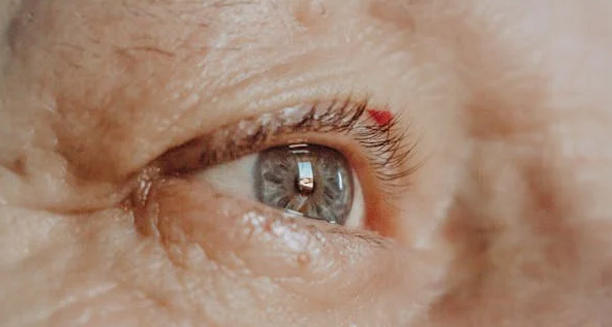
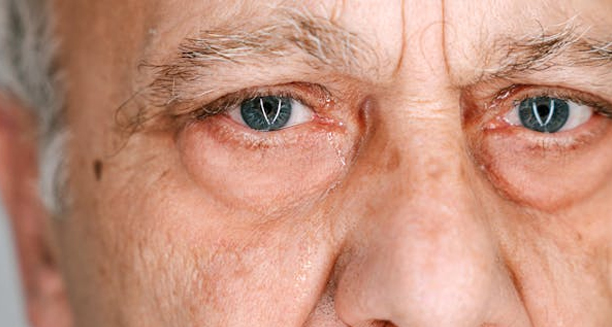
Close-up of an elderly person's eye with visible cataract signs

Cataracts

Cataracts – Overview We’ll learn that Cataracts are one of the most common causes of vision impairment, especially among older adults. This occurs when the clear lens inside the eye becomes cloudy, leading to blurred, foggy, or distorted vision. This progressive condition can affect one or both eyes, reducing the ability to see clearly and making daily activities like reading, driving, or recognising faces more difficult. The lens of the eye focuses light onto the retina, allowing for sharp, detailed vision. When cataracts develop, the proteins in the lens clump together and scatter light, causing vision to appear dim or blurry. The condition tends to develop slowly, which means people may not notice symptoms until vision is significantly affected. While ageing is the primary cause, this can also result from injuries, certain medications, eye surgeries, or medical conditions such as diabetes. Lifestyle factors like smoking, prolonged sun exposure, and poor diet can also increase the risk. As cataracts worsen, they can interfere with quality of life and independence. Colours may seem faded, lights may appear too bright or produce glare, and night vision becomes particularly challenging. Without treatment, this can eventually lead to significant visual disability. Cataracts Fortunately, cataracts are treatable. Surgery to remove the clouded lens and replace it with an artificial intraocular lens (IOL) is highly effective, with a success rate of over 95%. Cataract surgery is one of the most commonly performed procedures worldwide and typically restores vision quickly and safely. Raising awareness about cataracts, recognising early symptoms, and scheduling regular eye exams can help prevent vision loss and support lifelong eye health. Cataracts – Overview Cataracts are one of the most common causes of vision impairment, particularly among older adults. They occur when the clear lens inside the eye becomes cloudy, leading to blurred, foggy, or distorted vision. This progressive condition can affect one or both eyes and often makes daily activities like reading, driving, or recognising faces more difficult. The lens of the eye focuses light onto the retina, enabling sharp and detailed vision. When this develop, the proteins in the lens clump together, scattering light and causing vision to appear dim or blurry. Since the condition usually progresses slowly, many people may not notice symptoms until their vision is significantly impaired. Cataracts While ageing is the most common cause, cataracts can also result from eye injuries, certain medications, previous eye surgeries, or medical conditions like diabetes. Lifestyle factors such as smoking, excessive sun exposure, and poor diet also contribute to increased risk. As cataracts advance, they can severely impact quality of life. Colours may appear faded, lights may cause glare, and night vision deteriorates. If left untreated, cataracts can lead to substantial visual disability. Fortunately, cataract surgery — which replaces the clouded lens with an artificial intraocular lens (IOL) — is highly effective, boasting a success rate above 95%. Regular eye exams, early detection, and timely treatment are key to preventing vision loss and maintaining lifelong eye health. [Next: Causes of Cataracts →]

Cataracts Read More »

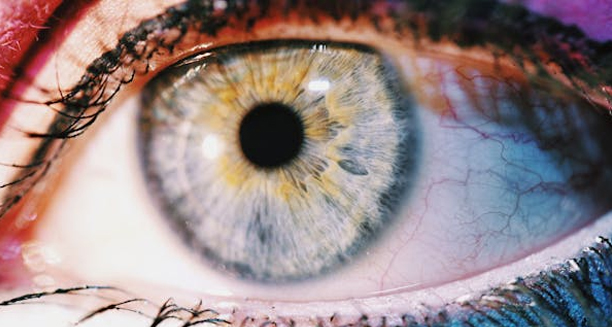
Close-up of human eye showing potential cataract development

Causes of Cataracts

Causes of Cataracts Causes of cataracts are diverse and range from age-related changes to environmental and medical influences. The most frequent causes of cataracts include natural ageing, trauma, underlying health conditions, medication side effects, and lifestyle factors. The primary and most common cause is ageing. As people get older, the proteins in the lens naturally begin to break down and clump together. These changes gradually lead to clouding of the lens — the hallmark of age-related cataracts. Most individuals over the age of 60 will show some signs of lens clouding, even if vision isn’t yet affected. Eye injuries can also lead to traumatic cataracts. A direct blow or penetrating injury may damage the lens, and sometimes, cataracts appear years after the incident. Inflammatory eye diseases such as uveitis can also trigger cataract formation by altering the internal eye environment. Certain systemic illnesses significantly increase the risk. For example, people with diabetes are more likely to develop cataracts at a younger age. High blood sugar levels cause chemical changes in the eye that accelerate lens clouding. Long-term use of corticosteroids, especially in oral or eye-drop form, is a known risk factor for posterior subcapsular cataracts — a type that forms at the back of the lens and can progress rapidly. Other medications, including some used in cancer treatment or for treating autoimmune diseases, can also affect the lens. Exposure to ultraviolet (UV) light over many years is another major contributor. People who spend a lot of time outdoors without wearing UV-protective eyewear are more susceptible. Similarly, smoking and excessive alcohol consumption increase oxidative stress on the eye and are linked to earlier cataract development. Causes of Cataracts Some people are born with congenital cataracts, usually due to genetic conditions or infections passed from mother to baby during pregnancy. These may affect vision immediately or progress over time. By understanding the various causes of cataracts, individuals can take preventive steps — such as protecting their eyes from sunlight, managing chronic illnesses, and avoiding smoking — to reduce the risk of early onset or progression. [Next: Symptoms of Cataracts →]

Causes of Cataracts Read More »

Eye examination showing symptoms of cataracts

Symptoms of Cataracts

Symptoms of Cataracts Symptoms of cataracts often begin subtly and worsen gradually, which can delay diagnosis. The most common symptoms of cataracts include blurry or cloudy vision, increased glare sensitivity, dullness in colour perception, and difficulty seeing at night. Blurry vision is typically the earliest sign. People describe it as though they’re looking through a frosted or dirty window. Reading small text, recognising faces, or seeing distant objects becomes harder, even with glasses. As the clouding progresses, these visual changes become more noticeable. Light sensitivity is also common. Glare from the sun or oncoming headlights during night driving becomes uncomfortable. Many people notice a halo effect or starburst pattern around lights. This not only affects comfort but also poses a safety risk, especially while driving in low-light conditions. Colour perception changes with cataracts as well. Colours may look faded or yellowed, making it harder to distinguish between shades. Whites may take on a beige tone, and blues often appear more muted. Night vision deteriorates significantly, particularly with nuclear cataracts — the type that forms in the centre of the lens. People may find that they need more light to read, or they may avoid driving at night altogether. Some individuals experience double vision in one eye (monocular diplopia), caused by irregular light refraction through the cloudy lens. Others find they need frequent changes to their glasses prescription, only to find that new lenses don’t provide lasting improvement. Symptoms of Cataracts As cataracts advance, symptoms can become constant and interfere with everyday life. Tasks like reading, cooking, working, or watching TV may become increasingly frustrating. In some cases, people may stop engaging in favourite hobbies because of declining vision. Recognising the symptoms of cataracts and acting early can help preserve independence. With routine eye exams, especially after the age of 60, cataracts can be detected before they cause significant disruption. [Next: Diagnosis of Cataracts →]

Symptoms of Cataracts Read More »

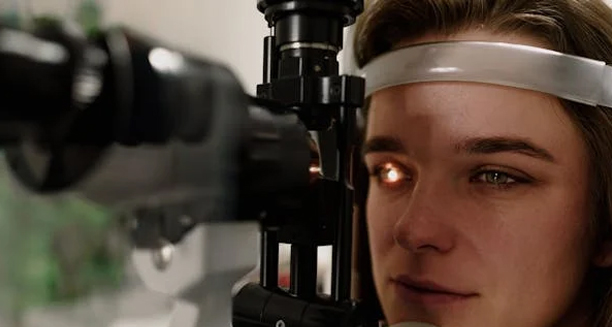
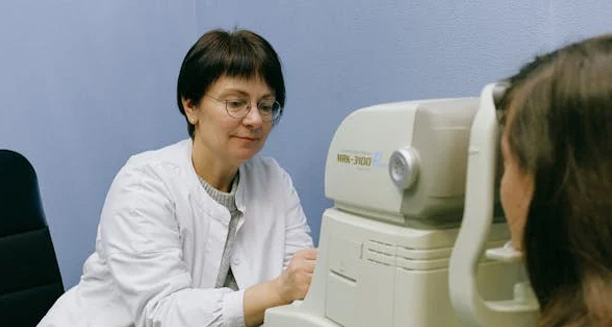
Eye examination using slit-lamp for cataract diagnosis

Diagnosis of Cataracts

Diagnosis of Cataracts Diagnosis of cataracts is typically made during a routine eye exam, often before symptoms become bothersome. A detailed diagnosis of cataracts confirms the presence, type, and severity of the lens clouding and helps plan treatment. The process begins with a visual acuity test, using a standard eye chart. This determines how well you can see at different distances. Cataracts usually reduce contrast and clarity, making it difficult to read fine print or recognise letters clearly, even with corrective lenses. A slit-lamp examination allows the eye doctor to closely inspect the eye’s structures under magnification. Using a bright light and microscope, they examine the lens for cloudiness, noting its location and density. This is one of the most accurate ways to assess cataracts. Retinal examination is another key step. After dilating your pupils with special eye drops, the doctor uses an ophthalmoscope to look through the lens and check the retina at the back of the eye. This also helps rule out other eye conditions, such as macular degeneration or diabetic retinopathy, which may also impair vision. Tonometry, a test that measures intraocular pressure, is not used to diagnose cataracts directly but is important in checking for coexisting conditions like glaucoma. Refraction testing is used to see if changing your prescription lenses will improve your vision. If not, and the cloudiness is the limiting factor, cataract surgery may be recommended. Diagnosis of Cataracts In cases where the diagnosis is unclear or when secondary cataracts are suspected (such as after previous eye surgery), ocular coherence tomography (OCT) or other imaging may be used for further insight. A professional diagnosis of cataracts allows patients and doctors to make an informed decision about the timing of surgery. Early detection through regular eye exams ensures cataracts are managed before they severely impact daily life or cause injury from reduced vision. [Next: Treatment of Cataracts →]

Diagnosis of Cataracts Read More »

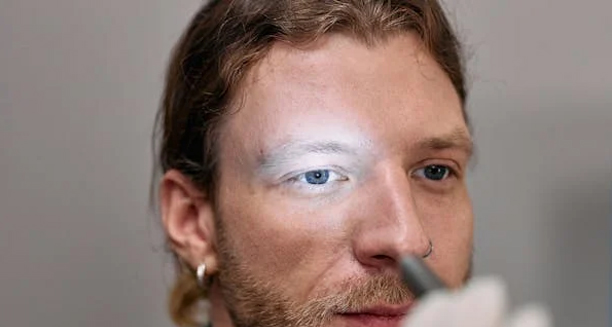
Eye examination before cataract surgery

Treatment of Cataracts

Treatment of Cataracts Treatment of cataracts focuses on restoring clear vision and improving daily functioning. While early treatment of cataracts may involve adjusting lifestyle or eyeglasses, the only effective cure is surgery to replace the cloudy lens with a clear artificial one. In the early stages, symptoms can be managed with simple strategies: These adjustments can help you maintain function while cataracts are still mild. However, they don’t stop the progression. When vision becomes significantly impaired and interferes with activities like driving, reading, or working, cataract surgery is recommended. It’s one of the safest and most successful surgeries performed worldwide. During surgery: Types of IOLs available: Patients can usually go home the same day and return to light activities within a few days. Full visual recovery often occurs within 4–6 weeks. Complications are rare, but as with any surgery, risks include infection, bleeding, retinal detachment, or lens dislocation. Most are treatable with prompt care. Treatment of Cataracts In addition to surgery, post-operative care is crucial. This includes using prescribed eye drops, protecting the eye from injury, and attending follow-up appointments to monitor healing and vision improvement. With early planning and proper care, treatment of cataracts can significantly enhance quality of life, independence, and overall well-being. [Next: Complications and Recovery from Cataracts →]

Treatment of Cataracts Read More »

Close-up of elderly man's eyes after cataract surgery

Complications and Recovery from Cataracts

Complications and Recovery from Cataracts Complications and recovery from cataracts are usually straightforward, especially with modern surgical techniques. Although rare, some complications can affect recovery and should be addressed quickly to preserve vision. Short-Term Recovery After surgery, most people experience mild discomfort, blurry vision, or light sensitivity for a few days. These effects are temporary. Vision typically starts to improve within 24–72 hours. It’s important to: Common Short-Term Complications These resolve within days and are managed easily with medication and care. Posterior Capsule Opacification (PCO) One of the most common long-term complications is PCO, where the lens capsule becomes cloudy after surgery. It may occur weeks to years later but is treatable with a quick, painless laser procedure called YAG capsulotomy, which restores clear vision almost instantly. Rare but Serious Complications Full Recovery Timeline Complications and Recovery from Cataracts Most patients achieve excellent results. With care and follow-up, complications and recovery from cataracts are well managed, and long-term vision is significantly improved — often permanently. Next > Back to Overview

Complications and Recovery from Cataracts Read More »

Person holding wrist in pain

Carpal Tunnel Syndrome

Carpal Tunnel Syndrome – Overview We will learn that Carpal tunnel syndrome is a condition caused by compression of the median nerve as it passes through this syndrome in the wrist. CPS leads to numbness, tingling, pain, and weakness in the hand and fingers, often worsening at night or during repetitive wrist activities. The carpal tunnel is a narrow passageway at the base of the hand, formed by bones and ligaments. The median nerve travels through this space. Furthermore, it provides sensation to the thumb, index finger. Additionally, the middle part of the ring finger, as well as controlling some hand muscles. When swelling, inflammation, or pressure builds up in the tunnel. Often due to repetitive strain, injury, or underlying conditions, the nerve becomes compressed, triggering symptoms. This syndrome is common in office workers, manual labourers, musicians, and people who perform repetitive wrist motions daily. Carpal Tunnel Syndrome This condition can develop slowly and worsen over time. If left untreated, it can lead to permanent nerve damage or muscle atrophy in the hand. Treatment ranges from wrist splints and physiotherapy to corticosteroid injections or surgery in more severe cases. Early diagnosis is key to managing symptoms and preventing long-term damage from CPS . Carpal Tunnel Syndrome – Overview This syndrome is a condition caused by compression of the median nerve as it passes through the carpal tunnel — a narrow passageway in the wrist. This compression leads to numbness, tingling, pain, and weakness in the hand and fingers, especially during the night or with repetitive wrist movements. The carpal tunnel is formed by bones and ligaments at the base of the hand. The median nerve travels through this space, providing sensation to the thumb, index finger, middle finger, and part of the ring finger, while also controlling certain hand muscles. When swelling, inflammation, or pressure builds up in the tunnel — often due to repetitive strain, injury, or medical conditions — the nerve becomes compressed, triggering symptoms. Carpal Tunnel Syndrome This condition tends to develop gradually and may worsen over time. If left untreated, it can result in permanent nerve damage or muscle atrophy in the hand. This syndrome is commonly seen in office workers, manual labourers, musicians, and individuals who perform repetitive wrist tasks. Treatment options include wrist splints, physiotherapy, corticosteroid injections, and, in more severe cases, surgery to relieve pressure on the nerve. Early diagnosis and intervention are crucial to managing symptoms effectively and preventing long-term complications. [Next: Causes of Carpal Tunnel Syndrome →]

Carpal Tunnel Syndrome Read More »

Scroll to Top