Mental Matters

Health Conditions

Find information on various health conditions affecting people of all ages. This category covers causes, symptoms, diagnosis, and management options for physical illnesses and chronic diseases. Get insights to help you understand different health challenges and make informed decisions about your wellbeing.

Overview of Low White Blood Cell Count

Low White Blood Cell Count

Overview of Low White Blood Cell Count A low white blood cell count, medically called leukopenia, means there are fewer white blood cells (WBCs) in the bloodstream than normal. White blood cells are vital to the immune system—they detect and fight infections, foreign substances, and abnormal cells like cancer. When WBC levels fall below the usual range, the body becomes more vulnerable to infections, inflammation, and other health problems that can slow healing and affect overall wellbeing. Normally, a healthy white blood cell count ranges between 4,000 and 11,000 cells per microlitre of blood. Leukopenia is diagnosed when the count drops below 4,000. This decrease can affect all white blood cells or specific types, such as: Leukopenia is not a disease itself but a sign of an underlying problem. Causes can include issues with bone marrow production, increased destruction of white cells, infections, immune system disorders, medications, or nutritional deficiencies. Identifying the cause is crucial for proper treatment. The Role of White Blood Cells in the Immune System White blood cells are made in the bone marrow and travel through the bloodstream and lymphatic system. Each type plays a specific role in protecting the body: A significant drop in any of these cells weakens the immune system, increasing infection risk and slowing recovery from illness or injury. Who Is at Risk? Anyone can develop leukopenia, but these groups are at higher risk: For these individuals, regular monitoring of white blood cell counts is essential. Classifications of Leukopenia Leukopenia can be further classified by the type of white blood cell affected: These distinctions help doctors find the cause and decide on treatment. When Is It a Medical Emergency? Leukopenia becomes urgent when it causes febrile neutropenia—fever with dangerously low neutrophils. This condition signals high infection risk and requires immediate care because the body’s usual defense signs might be weak. Seek urgent medical help if you have: In hospitals, especially during chemotherapy, white blood cell counts are closely watched. Preventative treatments like antibiotics or growth factors (e.g., G-CSF) may be used. Impact on Daily Life Living with a low white blood cell count means taking steps to avoid infection, such as: Treatment plans might also be delayed or adjusted if leukopenia worsens, which can affect overall health outcomes. Monitoring and Management Because leukopenia usually signals another condition, ongoing monitoring is key. Blood tests like a complete blood count (CBC) track white cell levels over time. Nutritional support with folate, vitamin B12, or zinc may be recommended to boost blood cell production. If medications cause the problem, doctors may adjust doses or change therapies. Understanding leukopenia helps patients and doctors take early action to prevent infections, manage symptoms, and support immune health. [Next: Causes of Low White Blood Cell Count →]

Low White Blood Cell Count Read More »

Causes of Low White Blood Cell Count

Causes of Low White Blood Cell Count

Low white blood cell count, also called leukopenia, can happen for many reasons. It occurs when the body makes too few white blood cells, destroys them too fast, or uses them up quicker than it can replace them. Since white blood cells help fight infections, finding out the cause is important to understand risks and choose the right treatment. Bone Marrow Problems The most common cause is a problem in the bone marrow, where white blood cells are made. Bone marrow may stop working well because of infections, cancers, autoimmune diseases, or exposure to harmful substances. For example, chemotherapy often damages bone marrow, lowering white blood cell production. This type of leukopenia is usually temporary but needs careful monitoring. Autoimmune Diseases Autoimmune diseases, like lupus or rheumatoid arthritis, cause the immune system to attack the body’s own white blood cells or bone marrow. This self-attack makes the immune system weak and leads to frequent infections. Nutritional Deficiencies Not getting enough vitamins and minerals—especially folate, vitamin B12, copper, and zinc—can reduce white blood cell production. These nutrients help cells grow and divide, so a lack of them harms the bone marrow. Poor diet, heavy drinking, or digestive problems like Crohn’s disease can cause these shortages. Viral Infections Many viruses, including HIV, hepatitis, flu, and Epstein-Barr, can lower white blood cell counts. They may either suppress the bone marrow or attack the white blood cells directly. Usually, counts return to normal after recovery, but long or repeated infections can cause lasting problems, especially in people with weak immune systems. Medications Certain medicines can cause leukopenia as a side effect. These include: The severity varies, but stopping the medicine often helps restore white blood cell levels. People on these drugs need regular blood tests to stay safe. Bone Marrow Disorders Diseases such as leukemia, myelodysplastic syndromes, and aplastic anemia directly damage the bone marrow’s ability to make healthy blood cells. These illnesses often last a long time and require treatments like chemotherapy, immunotherapy, or bone marrow transplant. Severe Infections (Sepsis) Sepsis is a serious infection that spreads through the body and causes widespread inflammation. It uses up white blood cells quickly and harms bone marrow and organs, making the immune system weaker and increasing infection risk. Genetic Conditions Some inherited disorders, like congenital neutropenia or Kostmann syndrome, cause very low levels of certain white blood cells from birth. These children need lifelong care and often receive medicines such as granulocyte colony-stimulating factor (G-CSF) to boost white blood cell production. Spleen Problems The spleen helps filter blood and manage blood cells. When it becomes enlarged (splenomegaly), it can trap or destroy too many white blood cells. This is common in liver disease, certain infections, and blood cancers. Environmental Exposures Exposure to radiation, chemicals like benzene, pesticides, or industrial solvents can damage bone marrow, causing low white blood cells. People working with these substances need proper safety measures to avoid harm. Pregnancy Pregnancy can sometimes cause mild leukopenia because of hormonal changes and increased blood volume. Usually, this is harmless and temporary, but significant drops in white blood cells during pregnancy need to be checked for infections or other problems. Chronic Stress Long-term stress may weaken the immune system and reduce white blood cell production indirectly. While it is not a main cause, stress can worsen existing health issues. Summary In short, low white blood cell count can be caused by many different factors, including infections, medical treatments, autoimmune activity, poor nutrition, genetics, and environment. Finding the exact cause helps doctors treat the problem properly. Quick and accurate diagnosis can restore white blood cells and prevent serious complications. [Next: Symptoms of Low White Blood Cell Count →]

Causes of Low White Blood Cell Count Read More »

Diagnosis of Low White Blood Cell Count

Diagnosis of Low White Blood Cell Count

Diagnosing a low white blood cell count is an important first step to find out why leukopenia is happening and to decide the best treatment. Since a low white blood cell count is usually a symptom—not a disease itself—doctors need to check many possible causes. These can include infections, medications, bone marrow problems, and autoimmune diseases. The diagnosis process usually involves a medical exam, lab tests, and sometimes more specialized checks to find the exact cause and how serious it is. How Diagnosis Begins The process often starts when a routine blood test, called a complete blood count (CBC), shows a white blood cell (WBC) count below normal. In healthy adults, a normal WBC count ranges from about 4,000 to 11,000 cells per microliter of blood. When the count stays below 4,000, it may mean leukopenia, especially if symptoms appear. However, since WBC counts can change a little because of stress, the time of day, or recent illness, doctors look at the whole picture before making a diagnosis. Next, a More Detailed Blood Test After finding a low WBC count, doctors usually order a differential count. This test shows the amounts of different types of white blood cells, such as: Knowing which type is low helps doctors guess what might be causing the problem. For example, low neutrophils (called neutropenia) may point to bacterial infections, chemotherapy effects, or inherited problems. Low lymphocytes (lymphopenia) might suggest viral infections or autoimmune diseases. Medical History and Physical Exam A detailed medical history is very important. Doctors ask questions like: Answers help doctors understand the test results better and decide what to check next. During a physical exam, doctors look for signs like infections, swollen lymph nodes, bruises, mouth sores, or a large spleen. These clues can point to the cause of leukopenia. Additional Blood Tests Doctors often order more blood tests to get a clearer picture. These may include: Bone Marrow Biopsy for Complex Cases If the cause is still unclear or the problem is serious, a bone marrow biopsy may be done. This means taking a small sample of bone marrow—usually from the hip bone—for closer study under a microscope. This test helps diagnose: Bone marrow tests show whether the marrow is making fewer white blood cells or if something else is causing the low count. Medication Review It is also important to review all medications a patient is taking. Some drugs, like certain antibiotics (e.g., chloramphenicol), antipsychotics (e.g., clozapine), and anticonvulsants, can lower white blood cells. In these cases, stopping or changing the medication might be enough, but always under a doctor’s care. Monitoring in Cancer Patients For cancer patients, low white blood cell counts usually happen after chemotherapy or radiation. Oncologists watch these levels closely and know when the count will be at its lowest. They often give medicines like granulocyte colony-stimulating factor (G-CSF) to prevent severe drops. When No Symptoms Are Present If a person has a low white blood cell count but no symptoms, doctors often repeat tests over weeks or months. This helps see if the low count is temporary, stable, or getting worse. Short drops caused by viruses or stress usually get better on their own, but chronic leukopenia needs more tests. Special Considerations for Children Children’s white blood cell counts change as they grow. Pediatricians use age-based ranges and consider the child’s overall health, growth, and infection history before ordering more tests. Imaging Tests Imaging is not usually needed to diagnose leukopenia itself but may help find diseases causing it. For example: Genetic Testing In some cases, especially in children or young adults with unexplained long-term leukopenia, genetic tests may be done. These can find inherited problems like congenital neutropenia or bone marrow failure syndromes. Classifying Severity Finally, doctors classify leukopenia as mild, moderate, or severe based on white blood cell counts. Counts below 1,000 cells/μL are considered severe and require urgent care because of high infection risk. Summary Diagnosing low white blood cell count involves many steps: blood tests, medical history, exams, and sometimes advanced tests. This helps doctors find the cause, understand risks, and plan the right treatment to protect the patient from infections and other problems. [Next: Treatment of Low White Blood Cell Count →]
Diagnosis of Low White Blood Cell Count Read More »

Treatment of Low White Blood Cell Count

Treatment of Low White Blood Cell Count

Treating a low white blood cell count depends on what causes it and how severe it is. Since many things can cause this problem—like infections, autoimmune diseases, medicines, or bone marrow problems—the treatment often needs to be personalized. The main goals are to fix the cause, lower the chance of infection, and help the immune system get stronger. Find and Fix the Cause First, doctors try to find what is causing the low white blood cell count. For example, if a virus is the reason, the body may get better on its own with rest and simple care. However, if the problem lasts or is serious, more focused treatment is needed. If medicine is causing the problem, doctors might stop it or switch to another drug. Some antibiotics, antipsychotics, and chemotherapy medicines can lower white blood cells. But, any change must be done carefully with a doctor’s guidance, especially if the medicine is very important. Help the Body Make More White Blood Cells In cancer patients, chemotherapy often lowers white blood cells. To help with this, doctors may give special medicines called colony-stimulating factors (CSFs), such as: These medicines help the bone marrow make more neutrophils, a type of white blood cell. Usually, they are given a day or two after chemotherapy. This helps shorten the time white blood cells are low and lowers infection risk. Treat Infections Quickly If someone with low white blood cells shows signs of infection or fever, doctors start antibiotics right away. This is very important, especially in a condition called febrile neutropenia, where fever might mean a serious infection. At first, doctors use broad antibiotics, then change them once lab tests show which germ is causing the problem. Control Autoimmune Problems Sometimes, autoimmune diseases like lupus or rheumatoid arthritis cause the body to attack its own white blood cells. To help, doctors give medicines that lower the immune system’s attack, such as corticosteroids or DMARDs. However, this is tricky because the immune system must be controlled but still able to fight germs. Fix Nutrient Shortages Lack of certain vitamins and minerals like vitamin B12, folate, or copper can make white blood cells drop. If tests show these shortages, patients get supplements such as: Other Ways to Support Treatment For people born with or having long-term low white blood cells, doctors may give growth factor therapy to keep the levels safer. When the bone marrow is badly damaged, bone marrow or stem cell transplants might be needed. People with HIV/AIDS may have low white blood cells due to the virus or their treatment. In such cases, doctors adjust their anti-HIV medicines and add treatments to boost the immune system. Lifestyle Changes Help Too When white blood cells are only a little low or go up and down, lifestyle can make a big difference. For example: Sometimes, doctors prescribe antibiotics or antifungals to prevent infections in people with very low white blood cells. Also, vaccinations may be updated, but live vaccines are usually avoided for safety. Watch Closely and Take Special Care Doctors regularly check blood counts to see how treatment is working. They want white blood cell counts to stay above a safe level to keep infections away. Children need extra careful treatment and monitoring. Specialists adjust medicines based on their age and growth. Before surgeries or medical procedures, doctors treat low white blood cell counts to avoid infections afterward. They may give temporary growth factors or antibiotics before the operation. Teach Patients and Provide Support It is very important to teach patients how to spot early infection signs like fever, chills, or mouth sores. Patients should know to get help quickly if these symptoms appear. Also, patients are advised to: In short, treating low white blood cell count takes many steps. It includes fixing causes, helping the immune system, preventing infections, and careful watching. With the right treatment and support, most people can keep their white blood cells at safer levels and stay healthier. [Next: Complications of Low White Blood Cell Count →]

Treatment of Low White Blood Cell Count Read More »

Complications of Low White Blood Cell Count

Complications of Low White Blood Cell Count

Complications of low white blood cell count can be life-threatening. When the immune defense drops to critical levels, the body struggles to fight infections. Low white blood cell count, also called leukopenia, lowers the body’s ability to defend against bacteria, viruses, and fungi. Often, doctors focus on the cause of leukopenia. However, the real danger lies in the complications that follow when the immune system weakens. Infection Risks The most serious complication is infection. White blood cells help find and destroy harmful germs. Without enough of these cells, even common infections can become severe. What might cause a mild fever in a healthy person can lead to pneumonia, sepsis, or meningitis in someone with neutropenia. Neutropenia is a type of leukopenia where neutrophils, a key type of white blood cell, are very low. Infection risk rises sharply when the absolute neutrophil count (ANC) falls below 1,000 cells per microliter. It becomes critical when it drops under 500. In these cases, a person may develop febrile neutropenia. This is a medical emergency where fever appears but no infection source shows. The immune system may fail to produce pus or swelling, which makes diagnosis harder. Sepsis is another dangerous complication. It happens when the body overreacts to an infection, causing widespread inflammation, organ failure, and very low blood pressure. In people with leukopenia, sepsis can develop fast and without usual warning signs. Treating it often needs hospital care, IV antibiotics, and sometimes intensive care. Delayed treatment raises death risk in patients with weak immune systems. Opportunistic Infections and Recurring Illness People with leukopenia may also get opportunistic infections. These infections happen from microbes that usually do not harm healthy people. Examples include fungal infections like thrush or Aspergillus, viral reactivations like herpes or cytomegalovirus, and rare bacteria like Pseudomonas. These germs thrive when immune defenses are low and often resist treatment. Chronic leukopenia can cause repeated infections. These include sinus infections, bronchitis, skin infections, and urinary tract infections. Over time, repeated illness lowers quality of life, raises antibiotic resistance, and may cause long-term damage like scarring in lungs or kidneys. Healing and Treatment Challenges Low white blood cells also slow healing. Neutrophils and macrophages help repair tissues. When they are low, recovery after injury, surgery, or illness takes longer. Even small wounds may stay open for weeks, increasing infection risk. Patients undergoing chemotherapy or radiation often develop leukopenia. This may force doctors to delay or reduce cancer treatment doses. While this protects patients from infection, it can reduce treatment success. Doctors balance risks carefully and may use drugs called colony-stimulating factors to boost blood cell production. [Next: Back to Overview →]

Complications of Low White Blood Cell Count Read More »

Overview of Low Sperm Count

Low Sperm Count

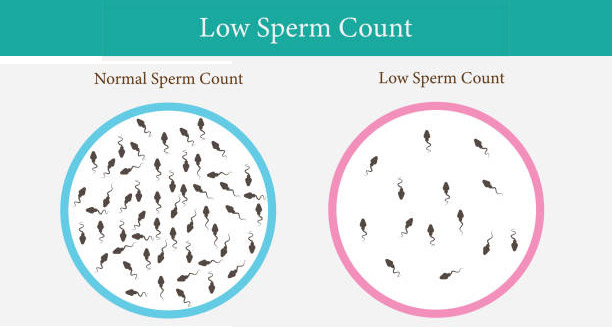
Overview of Low Sperm CountThe overview of low sperm count highlights a condition that affects male fertility and can have far-reaching implications for reproductive health, emotional wellbeing, and family planning. Also known as oligospermia, this problem means semen has fewer sperm cells than normal. According to the World Health Organization, sperm levels below 15 million per millilitre count as low sperm count. This condition does not always mean infertility, but it can make conception harder. It may also signal health issues that need attention. How Sperm is Made and Why Count Matters To understand low sperm count, you must first know how sperm is made. The testicles produce sperm, which then moves to the epididymis for storage until ejaculation. Hormones like follicle-stimulating hormone (FSH), luteinising hormone (LH), and testosterone control this process. Medical problems, environment, or lifestyle can upset this balance and lower sperm numbers or quality. Even if some sperm is made, fewer sperm reduce the chances of fertilisation. Doctors often find low sperm count during fertility checks when couples struggle to conceive. It causes almost half of male infertility cases. Many men have no other signs, so fertility tests become vital if pregnancy does not happen after about a year of trying. Why Sperm Count Isn’t the Whole Story Sperm count alone does not decide fertility. Other factors matter, like sperm movement (motility), shape (morphology), and semen volume. A man with this problem might still father a child if his sperm moves well and is healthy. On the other hand, a man with normal sperm numbers might face fertility issues if sperm function is poor. Causes of Low Sperm Count: What You Should Know Many things cause this problem. Genetic conditions like Klinefelter syndrome, infections, undescended testicles, and varicocele (swollen veins in the scrotum) are common causes. Hormonal imbalances and problems in the reproductive tract can also affect sperm numbers. Lifestyle habits play a big role too. Drinking too much alcohol, smoking, obesity, poor diet, drug use, and exposure to toxins like pesticides or heavy metals can all lower sperm count. Sometimes this issue is temporary. Stress, illness, or medication may cause sperm levels to drop for a while. Usually, sperm numbers bounce back over time. But in some cases, the problem lasts or worsens, especially if linked to untreated health issues or permanent damage. Age and Low Sperm Count Age also affects sperm count and quality. Unlike women, men don’t have a clear fertility cut-off age. But after 40, sperm movement and DNA quality usually drop. This decline can make fertility problems worse, especially if the partner also faces age-related reproductive changes. Emotional Impact of Low Sperm Count Low sperm count can cause emotional struggles. Men often feel frustrated, anxious, or depressed. It can hurt relationships and make men feel less confident or less masculine. Fertility is closely tied to a man’s identity, so a diagnosis can bring complex feelings. Doctors and partners should recognize these emotions and support men fully. Low sperm count does not just affect natural conception chances. It can also impact success with assisted reproductive methods like intrauterine insemination (IUI) or in vitro fertilisation (IVF). Sometimes, men need advanced techniques such as intracytoplasmic sperm injection (ICSI). In ICSI, a single sperm is injected into an egg. This helps especially when this issue is extremely low or zero (called azoospermia). Managing Low Sperm Count for Better Outcomes Despite challenges, many causes of low sperm count can improve with treatment. Lifestyle changes, medicines, surgery, and assisted reproduction help many men father children. Regular health checks, early diagnosis, and fast treatment boost the chances of success and protect long-term fertility. Education matters a lot. Many men do not know their fertility status until they try to conceive. Social stigma may stop open talks about male infertility. Sharing knowledge about sperm health and encouraging testing can help men protect their fertility. In summary, the overview of low sperm count shows a condition with many biological, emotional, and social effects. It causes many male infertility cases but does not stop men from becoming dads forever. With clear diagnosis, proper care, and healthy habits, men with low sperm count often have healthy children. Understanding this condition is the first step to good treatment, emotional strength, and hopeful future planning. [Next: Causes of Low Sperm Count →]

Low Sperm Count Read More »

Causes of Low Sperm Count

Causes of Low Sperm Count

The causes of low sperm count are varied and often complex, spanning medical, environmental, hormonal, and lifestyle factors. Understanding these causes is crucial in addressing male infertility, as sperm production is sensitive to numerous internal and external influences. What Causes Low Sperm Count? Low sperm count means fewer than 15 million sperm per millilitre of semen, according to the World Health Organization. When sperm numbers drop below this, it becomes much harder to conceive. Knowing the causes helps doctors give better treatment. It also helps men make smart choices to improve their reproductive health. At the biological level, problems in the testicles often cause low sperm count. The testicles make sperm, and when they don’t work well, sperm numbers drop. One common cause is varicocele, which means swollen veins in the scrotum. This condition raises the testicle temperature and harms sperm production and quality. Varicocele affects up to 40% of men with fertility problems and is treatable. Another issue is undescended testicles. This happens when one or both testicles do not move down into the scrotum before birth. If doctors do not fix this early, it can cause low sperm count in grown men. Infections That Lower Sperm Count Infections can damage sperm-producing organs or block sperm from moving. Sexually transmitted infections like gonorrhoea and chlamydia cause inflammation or scarring. Mumps, especially after puberty, can also cause damage. Inflammation in the testicles (orchitis), epididymis (epididymitis), or prostate (prostatitis) reduces sperm numbers. If infections are not treated quickly, they may cause lasting harm. Hormones and Low Sperm Count The hormones control sperm production. Hormones like luteinising hormone (LH), follicle-stimulating hormone (FSH), and testosterone are key players. Problems in the pituitary gland, hypothalamus, or thyroid can stop the right signals from reaching the testicles. For example, hypogonadism means low testosterone levels. This condition hurts sperm production and lowers sex drive. Genetic issues like Klinefelter syndrome or problems like pituitary tumors and long-term steroid use can cause this hormonal imbalance. Genetic Causes of Low Sperm Count Genetics also play a big role in low sperm count. Some men have extra or missing chromosomes. For instance, Klinefelter syndrome adds an extra X chromosome. This causes small testicles and poor sperm production. Another cause is Y chromosome microdeletions. These are tiny missing parts on the Y chromosome that affect sperm growth. Doctors usually find these genetic problems through special tests. Men with these conditions often need assisted reproduction to have children. Blockages That Affect Sperm Count Sometimes sperm production is normal, but sperm can’t reach the semen. Blockages or missing tubes in the reproductive tract cause this. The vas deferens is the tube that carries sperm. It may be blocked by infections, surgeries like hernia repair, injuries, or it may be missing from birth. This blockage is called obstructive azoospermia. Here, sperm count looks very low or zero, but the testicles still make sperm normally. Environmental Causes of Low Sperm Count Environmental toxins can harm sperm production. Pesticides, heavy metals like lead and mercury, and industrial chemicals disrupt sperm growth. People working in farming, painting, or factories face higher risks. Some everyday items, such as plastics that release BPA (bisphenol A), can also change hormones and lower sperm count. Lifestyle and Low Sperm Count Lifestyle choices affect sperm health a lot. Smoking reduces sperm count, movement, and shape. It causes oxidative stress, which harms sperm. Drinking too much alcohol changes testosterone and hurts liver function, which affects hormones. Using drugs like steroids, marijuana, or cocaine lowers sperm quality too. Some prescription medicines, like testosterone therapy, chemotherapy, and antidepressants, can also reduce sperm production as a side effect. How Obesity Affects Sperm Count Obesity is another cause of low sperm count. Fat cells raise estrogen and lower testosterone. This hormonal change harms sperm production. Fat also creates inflammation that may damage sperm DNA. Obese men often have diabetes or metabolic syndrome. These health problems also lower fertility. Heat and Sperm Production Sperm needs a temperature below body heat to grow well. Using hot tubs, saunas, wearing tight underwear, or sitting long hours (like truck drivers or office workers) can heat the scrotum. This heat can cut sperm output. Stress and Nutrition Impact on Sperm Count Stress, both emotional and physical, can stop the body from releasing the hormones needed for sperm growth. Long-term stress also leads to poor habits like bad sleep, unhealthy food, and smoking, which lower fertility further. A lack of important nutrients—such as zinc, folate, selenium, and antioxidants like vitamins C and E—also hurts sperm count and health. Rare Causes: Autoimmune Reactions In rare cases, the body attacks its own sperm. This autoimmune response makes antibodies that stick to sperm. These antibodies stop sperm from moving well or fertilising an egg. Causes of Low Sperm Count are wide-ranging and often linked. Some causes improve with lifestyle changes or medical care. Others need advanced treatment. Knowing the causes is the first step to better reproductive health. It helps men take control and fight male infertility in a full and active way. [Next: Symptoms of Low Sperm Count →]

Causes of Low Sperm Count Read More »

Symptoms of Low Sperm Count

Symptoms of Low Sperm Count

The symptoms of low sperm count are often subtle and may go unnoticed until a couple faces difficulties with conception. For many men, there are no clear outward signs. Because of this, the condition can remain hidden until fertility tests reveal it. If a couple has tried to get pregnant for a year without success, knowing these signs can help start testing sooner. Early action can lead to better results. Inability to Conceive The most common and defining sign of low sperm count is the inability to get pregnant despite ongoing efforts. In many cases, this is the only clue. A man may feel healthy and notice no problems. Yet, after months or even years of trying, pregnancy does not happen. At this stage, doctors usually test both partners. A semen analysis then often confirms the low count. Other Possible Signs from Hormonal Problems Low sperm count may also happen because of hormonal or medical issues. These problems can cause other symptoms, even though the sperm count itself does not directly cause them. For example, men with low testosterone from hypogonadism may notice: These signs may appear along with fertility struggles and can point to hormone testing. Signs from Structural Problems Some men have physical problems in the reproductive system that lower sperm count. A common example is a varicocele, or enlarged veins in the scrotum. This can lead to: Varicoceles are a leading reversible cause of low sperm count. They can also lower sperm movement and shape quality, making conception harder. Signs from Infections Infections in the reproductive tract can harm sperm production or block sperm flow. These may include: These problems may point to inflammation or infection in the testicles, epididymis, or prostate. Other Medical Clues Some men may have undescended testicles that were never corrected in childhood. This may only be found during a check-up. In rare cases, genetic issues like Klinefelter syndrome may also be present. These can cause: No Visible Signs but Emotional Impact Sometimes, there are no physical signs at all. In these cases, only a semen analysis can confirm the diagnosis. Still, the emotional effects can be strong. Men may feel guilt, shame, or stress. These feelings can affect relationships and mental health. Talking to a counsellor or therapist can help. In short, the symptoms of low sperm count often stay hidden. Infertility may be the only clear sign. Yet, related hormonal, infection, or structural problems can offer clues. Knowing them early can guide men toward testing and treatment. [Next: Diagnosis of Low Sperm Count →]

Symptoms of Low Sperm Count Read More »

Diagnosis of Low Sperm Count

Diagnosis of Low Sperm Count

The diagnosis of low sperm count is an essential step in checking male fertility. It is especially important when a couple has been trying to conceive for at least a year without success. Many men with low sperm count show no clear signs. This makes medical tests the only dependable way to find it. A full diagnosis also helps uncover the cause, so treatment can start in the right way. Medical History and Lifestyle Check The first step is a detailed medical and reproductive history. The doctor will ask about: These questions help point to possible factors that affect sperm production. Physical Examination Next, the doctor does a physical check of the genital area. They look for: These signs can suggest conditions like Klinefelter syndrome or hypogonadism. Semen Analysis The main test for low sperm count is a semen analysis. It measures the number and quality of sperm in the semen. How it works: The test looks at: To be sure of the results, doctors often check at least two samples, taken weeks apart. A sperm count below 15 million per millilitre is low (oligospermia). No sperm means azoospermia. Extra Tests for Cause If the count is low, more tests help find the reason. Hormone tests check testosterone, LH, FSH, prolactin, and thyroid hormones. These can show if there are hormone problems affecting sperm. Scans such as scrotal ultrasound can spot varicocele, blockages, tumours, or other changes in the reproductive organs. A transrectal ultrasound (TRUS) can look for blockages in the seminal vesicles or ejaculatory ducts. Genetic tests may be used for very low counts or azoospermia. These can include: Other special tests can include: Testicular biopsy may be needed if other tests cannot give answers. In this, a small tissue sample is taken to check sperm production and, if possible, collect sperm for assisted reproduction. Partner Assessment Often, fertility problems come from both partners. Because of this, doctors usually check the female partner at the same time. This gives a full picture and avoids delays in starting treatment. Final Thoughts Diagnosing low sperm count is a step-by-step process. It starts with questions and a physical check. Then, it moves to semen testing and sometimes hormone, scan, or genetic tests. The sooner this is done, the better the chance of finding and fixing the cause. For couples facing fertility struggles, this careful approach offers answers, a plan, and hope. [Next: Treatment of Low Sperm Count →]

Diagnosis of Low Sperm Count Read More »

Treatment of Low Sperm Count

Treatment of Low Sperm Count

The treatment of low sperm count depends on the underlying cause, the severity of the condition, and the couple’s overall fertility goals. Some men may only need lifestyle changes, while others may require medical or surgical treatment. Today, advances in reproductive medicine make it possible for many men with low sperm count — even those with severe fertility problems — to father biological children through different therapies and assisted reproductive technologies (ART). Lifestyle Changes for Better Sperm Health A good plan for the treatment of low sperm count often starts with lifestyle changes. These are usually the first step and can improve both sperm count and quality. Key changes include: Medical Treatments for Low Sperm Count When lifestyle changes are not enough, medical options may help. Hormone treatments are useful when the cause is linked to hormone problems. Depending on the case, doctors may prescribe: If infections in the reproductive tract reduce sperm production or block sperm flow, antibiotics can treat the infection. Early treatment of conditions like epididymitis or prostatitis may prevent lasting harm, though it cannot repair damage already done to sperm-producing tissue. Surgical Options and Sperm Retrieval Some men need surgery to correct structural problems. One common procedure is: Other surgical methods include: When no sperm are found in the ejaculate (azoospermia), sperm retrieval techniques may be used for ART: These methods take sperm directly from the testes for use in IVF with intracytoplasmic sperm injection (ICSI). Assisted Reproductive Technologies (ART) For many couples, ART gives the best chance of success. Options include: When sperm quality or count is extremely low, or when genetic risks are high, donor sperm may be considered. This is a personal choice that often involves counselling and legal advice to ensure both partners agree emotionally and ethically. Genetic Causes and Counselling If the low sperm count comes from a genetic condition like Y chromosome microdeletion or Klinefelter syndrome, treatment options are fewer. ART with sperm retrieval may still be possible, but genetic counselling is important to understand risks to future children. Emotional Support and Mental Health Throughout the treatment of low sperm count, mental health care is essential. The diagnosis can cause embarrassment, low self-worth, or depression. Stress from fertility problems can strain relationships. Counsellors or therapists can help couples handle the emotional pressure and make informed decisions. Final Thoughts on the Treatment of Low Sperm Count Treatment of low sperm count is personal and depends on the cause, level of sperm problem, couple’s goals, age, and readiness for advanced fertility options. Many men once thought infertile have become fathers with the right mix of care, persistence, and medical help. [Next: Complications of Low Sperm Count →]

Treatment of Low Sperm Count Read More »

Scroll to Top