Mental Matters

Health Conditions

Find information on various health conditions affecting people of all ages. This category covers causes, symptoms, diagnosis, and management options for physical illnesses and chronic diseases. Get insights to help you understand different health challenges and make informed decisions about your wellbeing.

Symptoms of Lymphoma

Symptoms of Lymphoma

Recognising the symptoms of lymphoma early can greatly improve diagnosis and treatment outcomes. However, many symptoms are subtle, vague, and can look like common illnesses such as infections or the flu. Since lymphoma affects the lymphatic system—a key part of the immune system—symptoms may appear in different body areas and develop slowly. Knowing the early warning signs helps with timely diagnosis and reduces complications of lymphoma. Common Symptoms: Swollen Lymph Nodes and B Symptoms The most common symptom of lymphoma is painless swelling of the lymph nodes. These lumps often appear in the neck, armpits, or groin. They feel firm, rubbery, and usually do not hurt. Unlike swollen nodes from infections, lymphoma nodes don’t go away on their own. Sometimes, they grow slowly or stay the same size for months. People often notice them while grooming or getting dressed. Another important group of symptoms is called “B symptoms.” These show the lymphoma may be more advanced and help doctors stage the disease. B symptoms include: These symptoms often signal a more aggressive lymphoma and may affect treatment plans. Fatigue and Site-Specific Symptoms Many patients feel persistent fatigue or weakness that doesn’t improve with rest. This tiredness reflects the body fighting the lymphoma and the energy demands of cancer cell growth. Symptoms can also depend on where lymphoma develops in the body: A rare but unique symptom in some Hodgkin lymphoma patients is pain in lymph nodes after drinking alcohol, which can be an early clue. Bone and Blood Symptoms The bone pain, especially in the lower back or pelvis, may mean the lymphoma has spread to the bone marrow. Bone marrow involvement can cause anemia, leading to paleness, shortness of breath, and a fast heartbeat. Low platelet or white blood cell counts may cause easy bruising, bleeding, or repeated infections. Symptoms in Children and Adolescents In younger patients, lymphoma symptoms can be hard to spot because they resemble common childhood illnesses. Persistent fatigue, poor appetite, ongoing viral symptoms, or swollen lymph nodes should be checked carefully. Variations in Symptoms and Risk of Misdiagnosis Symptoms vary based on lymphoma type and aggressiveness. Indolent lymphomas like follicular lymphoma often cause few symptoms for years and may be found by chance on scans. Aggressive lymphomas like diffuse large B-cell lymphoma cause rapid symptom onset and progression. Because symptoms often overlap with other conditions, lymphoma can be missed or diagnosed late. Patients may be treated multiple times for infections or inflammation before biopsy confirms lymphoma. This delay can increase the risk of complications of lymphoma and worsen prognosis. Psychological and Asymptomatic Cases Lymphoma can also cause anxiety, low mood, or difficulty concentrating, especially if symptoms interfere with daily life. These issues complicate early diagnosis and should be addressed in clinical care. Some patients have no symptoms early on. Their lymphoma may be found through routine blood tests or imaging done for other reasons. Even mild symptoms like slight fatigue or occasional lymph node swelling should not be ignored. Recognising and Managing Complications of Lymphoma Early In summary, lymphoma symptoms are diverse and often subtle. Early warning signs include painless lymph node swelling, fatigue, fever, night sweats, and weight loss. Recognising these symptoms and seeking timely medical advice reduces complications of lymphoma and improves outcomes. Healthcare providers should always consider lymphoma when symptoms persist or do not respond to usual treatments. Early diagnosis means better chances of successful therapy and fewer complications of lymphoma. [Next: Diagnosis of Lymphoma →]

Symptoms of Lymphoma Read More »

Diagnosis of Lymphoma

Diagnosis of Lymphoma

Early and accurate identification of the diagnosis of lymphoma is crucial for determining the most appropriate treatment strategy and improving long-term outcomes. Diagnosing lymphoma can be tricky. It often looks like infections, autoimmune diseases, or other cancers that cause similar symptoms. Since lymphoma can appear almost anywhere in the body and includes over 70 types, doctors follow a clear step-by-step approach. Clinical Evaluation and Imaging Doctors begin the diagnosis of lymphoma with a detailed clinical evaluation. They ask about symptoms like unexplained weight loss, constant tiredness, fever, night sweats, or swollen lymph nodes. Then, they carefully check the body for swollen nodes in the neck, armpits, or groin. They also look for signs of organ swelling or skin changes. If lymphoma seems likely, doctors order imaging tests to find the location and spread of the disease. These tests include: Even though imaging helps locate lymphoma, it cannot confirm the diagnosis. Biopsy and Laboratory Testing Doctors need to remove tissue for a definite diagnosis. Usually, they perform a lymph node biopsy. The best method is an excisional biopsy, which removes the whole lymph node. This gives enough tissue to study. If this is not possible, a core needle biopsy removes part of the node, but it may be less clear. A pathologist studies the tissue under a microscope. They look at cell size, shape, and arrangement. This helps tell apart Hodgkin lymphoma, which has special Reed-Sternberg cells, from non-Hodgkin lymphoma, which does not. Doctors also use immunophenotyping tests like flow cytometry or immunohistochemistry. These tests identify markers on the surface of cancer cells, such as CD20 on B-cell lymphomas or CD3 on T-cell lymphomas. These details help classify the lymphoma subtype and guide treatment. Genetic and Molecular Tests Genetic tests check for changes like translocations or mutations in lymphoma cells. For example, the t(14;18) translocation is common in follicular lymphoma, and t(11;14) appears in mantle cell lymphoma. Tests such as FISH (fluorescence in situ hybridisation) and PCR (polymerase chain reaction) detect these changes accurately. Blood tests also play a key role. These include: Sometimes, doctors take a bone marrow sample if they suspect the disease has spread there. This involves drawing marrow from the pelvic bone to assess the cancer’s reach. If lymphoma might involve the brain or spinal cord, especially in aggressive forms or when neurological signs appear, doctors perform a lumbar puncture (spinal tap). Staging and Multidisciplinary Review After gathering all the information, doctors stage the lymphoma using the Ann Arbor Staging System. This system helps show if the disease is localised or widespread and notes the presence of B symptoms (fever, weight loss, night sweats): Each stage gets an “A” if no B symptoms are present or “B” if they are. Finally, a team of specialists—haematologists, oncologists, pathologists, and radiologists—reviews the case. They confirm the diagnosis of lymphoma and plan the best treatment based on type, stage, and patient health. Summary: The Role of Early Diagnosis in Managing Complications of Lymphoma The diagnosis of lymphoma requires careful steps: clinical checks, imaging, biopsy, lab tests, and staging. Early and accurate diagnosis leads to better treatment and improved outcomes. It also helps doctors anticipate and manage complications of lymphoma during treatment. With new diagnostic tools and genetic profiling, doctors can identify even rare lymphoma types and personalise care. This progress marks a new era in fighting lymphoma and its complications. [Next: Treatment of Lymphoma →]

Diagnosis of Lymphoma Read More »

Treatment of Lymphoma

Treatment of Lymphoma

A timely and well-planned treatment of lymphoma is critical to achieving remission and improving survival rates. Lymphoma includes many types of blood cancers, mainly Hodgkin lymphoma (HL) and non-Hodgkin lymphoma (NHL). Because of this, doctors must tailor the treatment of lymphoma to each patient. The choice depends on the type, stage, patient’s age, overall health, and symptoms. Thanks to new medical advances, many lymphomas are now treatable and sometimes curable. Chemotherapy and Immunotherapy in the Treatment of Lymphoma The most common and effective treatment is chemotherapy. Doctors use chemotherapy alone or with other therapies. These drugs kill fast-growing cells, including cancerous lymphocytes. For Hodgkin lymphoma, the usual chemotherapy is ABVD, which includes Adriamycin, Bleomycin, Vinblastine, and Dacarbazine. Doctors give this treatment in cycles over several months. For non-Hodgkin lymphoma, doctors often use CHOP (Cyclophosphamide, Doxorubicin, Vincristine, and Prednisone). Sometimes they add monoclonal antibodies like rituximab. This combo is called R-CHOP and works well for B-cell lymphomas. Immunotherapy has changed how we treat lymphoma, especially for certain types or when the disease comes back. Monoclonal antibodies like rituximab attack specific proteins on lymphoma cells. This helps the immune system spot and kill these cancer cells. Another group of drugs, called checkpoint inhibitors (for example, nivolumab or pembrolizumab), helps the immune system fight better by blocking signals that hide cancer cells. These are often easier to tolerate than chemotherapy. Radiotherapy and Stem Cell Transplantation Radiotherapy uses high-energy X-rays to kill cancer cells in a focused area. It plays an important role, especially for localised lymphoma. In Hodgkin lymphoma, doctors may give radiotherapy after chemotherapy to target leftover cancer. Sometimes, they use radiotherapy alone for early stages or to ease symptoms like pain or swelling. For aggressive or returning lymphoma, stem cell transplantation may be needed. There are two types: Stem cell transplants carry risks, including infections and graft-versus-host disease (GVHD) in donor transplants, where donor cells attack the patient’s tissues. Advanced Treatments and Watchful Waiting A newer treatment, CAR T-cell therapy, engineers a patient’s own immune cells to find and kill lymphoma cells. This treatment works well for some hard-to-treat B-cell lymphomas. Although it is still costly and less available, its use is growing worldwide. Sometimes, doctors choose watchful waiting or active surveillance, especially for slow-growing lymphomas like follicular lymphoma or small lymphocytic lymphoma. These patients do not need immediate treatment but get regular check-ups with blood tests and scans. This approach avoids side effects and helps maintain quality of life. Supportive Care and Special Considerations Supportive care helps manage side effects such as nausea, tiredness, and infections. It also includes psychological support and nutritional help. Doctors may give antibiotics or antiviral drugs to prevent infections during immune-weakening treatments. Preserving fertility is very important, especially for younger patients. Options include sperm banking, egg freezing, or protecting ovaries during radiation. Patients should discuss these before starting treatment. For older or frail patients, doctors adjust treatment doses to balance effectiveness with safety. Modified protocols help keep therapy safe and manageable. Children with lymphoma receive different care than adults. They often get stronger treatment with close follow-up for long-term effects. Luckily, many children have very good chances of cure, with survival rates over 90% in many types. Clinical Trials and Follow-Up Care Patients with hard-to-treat lymphoma or those seeking new options should consider clinical trials. These studies offer access to the latest treatments and help improve care for everyone. After treatment, regular follow-up is crucial. Doctors perform physical exams, blood tests, and imaging to watch for relapse and late side effects like new cancers or heart and lung issues. Survivorship plans may also include counselling, rehab, and health checks based on individual risk. Summary: Managing the Treatment and Complications of Lymphoma The treatment of lymphoma has improved a lot in recent years. Chemotherapy, immunotherapy, radiotherapy, stem cell transplantation, and CAR T-cell therapy all help doctors fight this complex disease. Because lymphoma varies so much, personalising treatment is key. With ongoing research and new tools, patients’ outlook keeps getting better. Managing the complications of lymphoma throughout treatment also remains vital for the best outcomes. [Next: Complications of Lymphoma →]

Treatment of Lymphoma Read More »

Complications of Lymphoma

Complications of Lymphoma

While advances in treatment have improved survival rates, the complications of lymphoma remain a critical concern in both the short and long term. These complications can come from the disease itself, its effect on the immune system, or the side effects of treatment. It’s important to understand the complications of lymphoma so that patients and healthcare teams can act early. This can help lower risks and improve the patient’s overall quality of life. Immune System Weakness and Blood Cell Problems One of the most serious complications of lymphoma is a weak immune system. Since lymphomas start in the lymphatic system, which helps protect the body, the disease and its treatments can weaken this defence. Chemotherapy and immunotherapy often lower the body’s ability to fight germs. As a result, patients face a higher risk of infections from bacteria, viruses, and fungi. These infections may include pneumonia, shingles, and sepsis. In some cases, patients may also develop neutropenic fever. This life-threatening issue happens when white blood cell counts drop too low during chemotherapy. Lymphoma can also cause anaemia. This may happen when cancer spreads into the bone marrow or as a result of treatment. Anaemia causes tiredness, weakness, and shortness of breath. A low platelet count, called thrombocytopenia, can also occur. This raises the chance of bruising and bleeding. Doctors often need to adjust treatment, delay it, or give blood transfusions to manage these problems. Organ Involvement and Secondary Cancers In more advanced types of lymphoma, cancer can spread to major organs. This includes the liver, lungs, brain, kidneys, or the digestive tract. When this happens, the effects can be serious. For example, lymphoma in the brain may lead to memory loss, confusion, or seizures. In the gut, it may cause blockages or bleeding. These issues make treatment more complex and often lower the chances of recovery. Another long-term risk for survivors is developing a second type of cancer. While chemotherapy and radiation save lives, they can harm healthy cells. Over time, this damage can raise the risk of getting another cancer. Some of the most common second cancers include leukaemia, lung cancer, and breast cancer. Women who had chest radiation for Hodgkin lymphoma face a higher risk of breast cancer later on. Heart Damage and Transplant Risks Heart problems are also among the complications of lymphoma. This is especially true for people treated with drugs like doxorubicin. These medications can weaken the heart muscle and lead to heart failure or rhythm problems. Doctors usually check heart function often during treatment, especially if the patient already has heart issues. Stem cell transplants can also cause serious side effects. These risks are higher in both autologous (self-donor) and allogeneic (donor) transplants. In donor transplants, the immune cells from the donor may attack the patient’s tissues. This leads to a condition called graft-versus-host disease (GVHD). Symptoms can include skin rashes, liver issues, and stomach problems. Patients also remain at higher risk of infection for a long time after a transplant. Mental Health, Fertility, and Childhood Impacts Mental health is another big challenge. Many patients feel anxiety, sadness, or trauma from their diagnosis and treatment. They may worry about the future or struggle with the stress of long treatments. Some people experience “chemo brain,” where thinking becomes slower or memory feels foggy. Psychological care and counselling can help patients and families manage these effects. Infertility is another major concern. Chemotherapy and radiation may damage the ability to have children. Doctors often talk with patients about sperm banking, egg freezing, or embryo storage before starting treatment. For women, early menopause may happen due to hormone changes caused by treatment. Children with lymphoma face unique risks. The treatment or disease may affect their brain growth or learning. They may have delays in school or need extra help. Regular checkups with child development experts can support their long-term growth. Disease Changes, Poor Nutrition, and Relapse Some slow-growing lymphomas may change over time and become fast-growing. This change needs urgent care. Signs include fast-growing lumps, fever with no known reason, or major weight loss. Doctors must act quickly to stop the disease from spreading. Nutrition often suffers during treatment. Patients may lose their appetite or feel sick. They may also develop mouth sores that make eating hard. Poor nutrition makes it harder for the body to heal, fight infections, or handle strong medicines. Eating well and getting help from dietitians can reduce these complications of lymphoma. Sadly, relapse remains one of the most feared complications of lymphoma. Even after a period of remission, the disease can return. When this happens, it may be harder to treat. However, new treatments like targeted therapies and advanced drug plans are helping more people recover, even after relapse. Financial and Social Challenges Money and daily life challenges are also common. In many places, the cost of treatment is high. Patients may lose income because they need to stop working. Some struggle to afford transport to the hospital or pay for support care. This financial stress can affect mental health and cause delays in care. Reducing this burden with support services can make a big difference. Living Beyond the Complications of Lymphoma To sum up, the complications of lymphoma affect the body, mind, and everyday life. These include infections, organ damage, heart problems, mental health issues, and money troubles. Yet with the right care, many of these problems can be prevented or treated. A team approach — with doctors, nurses, mental health experts, and support staff — helps people not only live through cancer but live well after it. [Next: Back to Overview →]

Complications of Lymphoma Read More »

Overview of Lymphoedema

Lymphoedema

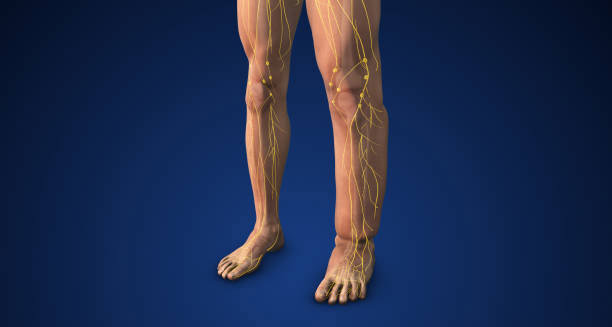
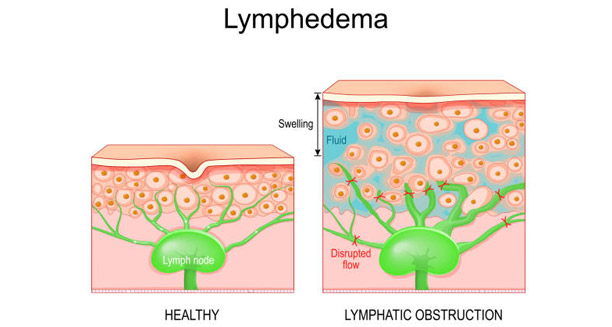
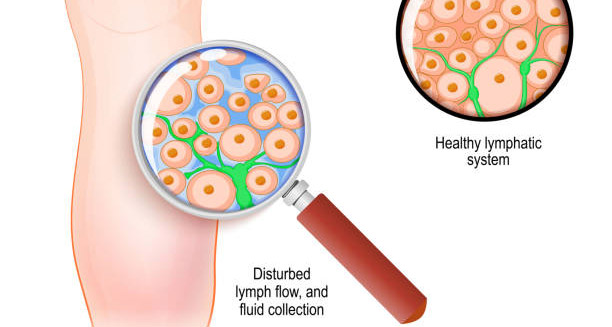
Overview of Lymphoedema Lymphoedema is a long-term condition where lymphatic fluid builds up in body tissues, causing swelling. It most commonly affects the arms or legs but can also occur in other areas like the chest, abdomen, or face. This happens when the lymphatic system — which supports both the immune and circulatory systems — cannot properly drain lymph fluid. Lymph is a clear fluid that carries white blood cells, proteins, and waste. When it can’t flow freely, the excess fluid remains trapped, leading to inflammation and swelling. Types of Lymphoedema There are two main types of lymphoedema: Both types result in similar symptoms and complications, but the underlying cause determines treatment and management strategies. Why Early Diagnosis Matters Lymphoedema is a progressive condition. If left untreated, it can lead to worsening swelling, skin infections, thickened tissues (fibrosis), and reduced movement. Early diagnosis and consistent care can prevent these complications and improve long-term outcomes. Symptoms may begin slowly, starting with mild puffiness, or may appear suddenly after surgery or infection. Common signs include swelling, a heavy feeling in the limb, reduced flexibility, and frequent skin infections. Who Is Affected Many people develop lymphoedema after cancer treatment — particularly breast cancer patients who have had lymph nodes removed or radiated. However, lymphoedema can affect anyone, regardless of age, gender, or general health. Risk increases with obesity, poor mobility, or a history of infections. Living With Lymphoedema While there is currently no cure, lymphoedema can be managed effectively. Treatment focuses on reducing swelling, preventing complications, and improving quality of life. Common therapies include: Patient education and support are just as important as physical care. With the right tools and knowledge, people living with lymphoedema can lead full, active lives. Summary This overview of lymphoedema explains the basics of a complex condition that affects fluid balance and immune function. In the next sections, we’ll look closely at the causes, symptoms, diagnostic steps, treatments, and possible complications associated with this condition. [Next: Causes of Lymphoedema →]

Lymphoedema Read More »

Causes of Lymphoedema

Causes of Lymphoedema

The causes of lymphoedema come from damage or disruption to the lymphatic system. This system is responsible for collecting and returning lymph — a fluid rich in protein — back to the bloodstream. When it no longer works properly, fluid builds up in body tissues, leading to chronic swelling. The most common areas affected are the arms or legs. There are two main categories for the causes of lymphoedema: primary lymphoedema and secondary lymphoedema. While the origins are different, both types result in poor lymph drainage and fluid retention. Primary Lymphoedema (Congenital or Inherited) Primary lymphoedema happens due to abnormalities in the lymphatic system’s development. It may appear at birth, during puberty, or in adulthood. Although it is rare, it often runs in families and may involve genetic mutations. Common causes of primary lymphoedema include: In all cases, the lymph vessels may be too small, missing, or not functioning properly, which leads to fluid build-up over time. Secondary Lymphoedema (Acquired) Secondary lymphoedema is more common and results from damage to the lymphatic system. This damage is usually caused by a separate medical issue, treatment, or injury. The most common causes of secondary lymphoedema include: a) Cancer TreatmentCancer-related procedures are a leading cause of lymphoedema. These include: b) InfectionInfections can directly damage lymph vessels. In tropical regions, filariasis, a parasitic disease caused by mosquito-borne worms, is a major cause of lymphoedema. In other settings, cellulitis — a recurring bacterial skin infection — can scar lymphatic tissues and worsen swelling. c) Injury or SurgeryAccidents or surgical trauma to the lymphatic system may also trigger swelling. Burns, cuts, or blunt injuries can disrupt drainage pathways. Even surgeries not related to cancer can put someone at risk. d) Chronic Venous InsufficiencyWhen veins fail to return blood properly from the lower legs, pressure builds up. This forces fluid into the surrounding tissues. Over time, the lymphatic system becomes overwhelmed, leading to combined venous and lymphatic swelling. e) ObesityExcess weight compresses lymph vessels and increases inflammation, especially in the lower limbs. Severe obesity is now a recognised independent cause of lymphoedema. f) ImmobilityMuscle movement helps lymph fluid flow. Being inactive for long periods — such as after surgery, stroke, or hospitalisation — can reduce this pumping effect and cause swelling to start or worsen. Less Common Causes of Lymphoedema While less frequent, some other medical problems may also cause lymphoedema. These include: Even though these are rare, they can combine with other risk factors to increase the chance of developing lymphoedema. Understanding Risk Factors Knowing what causes lymphoedema also means knowing who is at risk. You may be more likely to develop the condition if you: Being aware of these risks helps with prevention and early action. Summary The causes of lymphoedema include both inherited and acquired problems in the lymphatic system. Whether due to faulty development, cancer treatment, infections, or injury, the result is the same — fluid that can’t drain properly. Understanding these causes is key to identifying the condition early and avoiding long-term complications. [Next: Symptoms of Lymphoedema →]

Causes of Lymphoedema Read More »

Symptoms of Lymphoedema

Symptoms of Lymphoedema

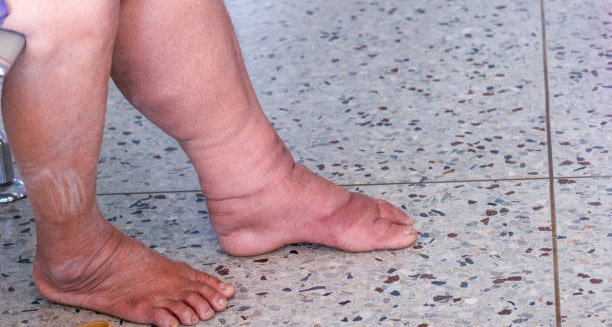
Symptoms of lymphoedema typically develop gradually and can vary in severity depending on the underlying cause, the stage of the condition, and the area affected. The hallmark symptom is persistent swelling, most often in the arms or legs, though other parts of the body such as the chest, face, abdomen, or genitals can also be affected. Understanding the symptoms of lymphoedema is essential for early diagnosis and effective treatment, as timely intervention can prevent complications and improve long-term outcomes. Swelling Swelling is the most noticeable and earliest symptom of lymphoedema. It usually starts in one limb or area and may be mild at first. In early stages, the swelling might come and go during the day. Heat, overuse, or long periods of standing often make it worse. As lymphoedema advances, the swelling becomes constant. Elevating the limb stops helping. At first, the swollen area feels soft and leaves a dent when pressed (called pitting). But over time, the skin and tissue harden, making it harder to reduce the swelling using massage or compression. Heaviness, Tightness, and Discomfort People often say the affected limb feels heavy or tight. This sensation may show up even before any swelling is visible. Retained fluid adds weight, making normal movements harder. For instance, lifting or using a swollen arm might feel awkward or tiring. Everyday tasks like writing or cooking can become frustrating. Discomfort is also common. Some people feel a dull ache, tingling, or even burning in the swollen area. This can happen due to extra pressure on the tissues or nerves. Stiffness and Movement Problems Another key symptom of lymphoedema is a reduced ability to move nearby joints. Swelling around the elbow, knee, wrist, or ankle can make bending and straightening hard. If ignored, stiffness may lead to weak muscles or sore joints. Regular movement and therapy can help prevent these problems. Skin Changes As symptoms of lymphoedema get worse, the skin also changes. You might notice: In later stages, the skin gets weaker and breaks more easily. This raises the risk of infections like cellulitis, which makes the swelling worse. Repeated infections damage the lymphatic system even more. Infections and Hard Skin Recurring skin infections are a serious symptom of lymphoedema. Since lymph fluid is rich in proteins, it creates an ideal place for bacteria to grow. Small cuts, bites, or cracks in the skin can lead to fast-spreading infections. Watch for signs such as: Getting antibiotics quickly is crucial. Many people with long-term lymphoedema keep emergency antibiotics at home or have fast access to their doctor. In severe cases, long-standing inflammation leads to thick, wart-like skin growths called papillomatosis. These raised patches can crack and cause even more problems. Emotional and Mental Effects The symptoms of lymphoedema don’t just affect the body — they affect the mind too. Changes in appearance, limited movement, and the need for daily care can all take a toll. Some common emotional effects include: Support groups, counselling, and mental health care can help people cope. Managing the emotional side is just as important as managing the physical symptoms. Signs in Clothing and Slow Healing Sometimes, the first clue comes from something small — like a ring that feels tight or a shoe that won’t fit one foot. This can be an early sign of swelling on just one side. Paying attention to these clues helps catch the condition early. Cuts and bruises also take longer to heal in areas with lymphoedema. Slower healing happens because the lymph system can’t clear waste or fight infection as well. That’s why good skin care is key. Summary The symptoms of lymphoedema range from mild swelling and heaviness to serious skin changes, infections, and movement problems. Many early signs — like tight clothing or discomfort — can go unnoticed. But catching them early is critical. Recognising symptoms of lymphoedema early allows for quicker treatment, better symptom control, and fewer long-term issues. Emotional effects matter too, and a complete care plan should include both physical and mental health support. [Next: Diagnosis of Lymphoedema →]

Symptoms of Lymphoedema Read More »

Diagnosis of Lymphoedema

Diagnosis of Lymphoedema

Diagnosis of lymphoedema is a clinical process that involves evaluating a patient’s symptoms, physical appearance, medical history, and risk factors. Because the condition shares similarities with other types of swelling (such as venous insufficiency, deep vein thrombosis, or lipedema), it’s vital to make a precise diagnosis to ensure appropriate treatment. Early and accurate diagnosis of lymphoedema can significantly improve quality of life and reduce the risk of complications. Clinical History and Physical Examination Diagnosis of lymphoedema usually starts with a full medical history and physical exam. The healthcare provider will ask about: During the exam, the doctor looks for signs such as: These findings help guide the next steps. Ruling Out Other Causes Before confirming lymphoedema, doctors need to rule out other possible reasons for the swelling. Conditions that look similar include: Tests such as blood work, urine tests, and vein scans using Doppler ultrasound help exclude other causes. Imaging Tests in the Diagnosis of Lymphoedema When a physical exam doesn’t give clear answers, imaging tests help confirm diagnosis of lymphoedema. These tests show if there are problems with the lymph system. a) LymphoscintigraphyThis is the most trusted test for checking lymph flow. A small amount of dye is injected under the skin. A special camera tracks how the dye moves through the lymph vessels. This test can show blocked vessels or missing lymph nodes. b) UltrasoundDoppler ultrasound helps rule out blood clots or vein issues. Although it doesn’t show the lymph system itself, it’s helpful in excluding other problems and may show thick tissue in swollen areas. c) MRI or CT ScanDoctors use these scans to look at soft tissues and check for fluid, fibrotic tissue, or tumours pressing on lymph vessels. d) Indocyanine Green (ICG) LymphographyThis newer test uses a glowing dye and a special camera to see lymph vessels near the skin. It gives detailed images and helps plan surgery when needed. Bioimpedance Spectroscopy This non-invasive test checks how well tissues resist electrical current. Fluid changes how the current moves, so the test can detect swelling early — even before it’s visible. Doctors often use it in cancer clinics to monitor patients at risk. It’s especially useful in detecting early lymphoedema in breast cancer survivors. Limb Volume Measurement Measuring limb size helps track swelling and monitor progress over time. Doctors may use: These measurements support both diagnosis and treatment planning. Primary vs Secondary Lymphoedema Once lymphoedema is confirmed, it’s important to find out if it’s primary (from birth or inherited) or secondary (caused by something else). Doctors may diagnose primary lymphoedema when: Secondary lymphoedema is more common and linked to: In rare cases, genetic tests can help diagnose primary lymphoedema, especially when there are other unusual features. Referral to a Specialist Because the condition is complex, many patients need to see a lymphoedema or vascular specialist. These experts can read imaging results, assess risks, and create a treatment plan. A full team approach often includes physiotherapists, skin specialists, and oncology professionals. Working together gives patients the best care. Summary The diagnosis of lymphoedema uses a careful mix of history, physical exams, and imaging tests. Ruling out other causes is essential. Early diagnosis helps prevent swelling from getting worse and lowers the risk of infection or hard tissue build-up. With a proper diagnosis, patients can start a care plan that improves comfort, function, and daily life. [Next: Treatment of Lymphoedema →]

Diagnosis of Lymphoedema Read More »

Treatment of Lymphoedema

Treatment of Lymphoedema

Treatment of lymphoedema is aimed at reducing swelling, preventing complications, and improving a patient’s quality of life. Although lymphoedema is a chronic condition with no definitive cure, early intervention and ongoing management can significantly control symptoms and halt progression. The most effective care involves a combination of physical therapies, lifestyle changes, and, in some cases, surgical or pharmacological interventions. Complete Decongestive Therapy (CDT) in Treatment of Lymphoedema The best approach for treatment of lymphoedema is Complete Decongestive Therapy (CDT). This non-surgical method uses several steps to manage swelling. CDT works in two main stages: a) Intensive PhaseDuring this phase, a trained therapist helps the patient daily using these methods: b) Maintenance PhaseAfter the swelling goes down, patients move into self-care. This includes: CDT helps reduce swelling and improves symptoms at every stage of the condition. Compression Therapy Compression is a key part of treatment of lymphoedema. It helps the fluid move out of the affected area and prevents it from coming back. There are a few types of compression tools: Correct fit is very important. Ill-fitting garments can cause harm, so regular checks are needed. Manual Lymphatic Drainage (MLD) MLD is a gentle massage technique. It follows natural lymph flow paths to help drain blocked areas. This massage: Trained therapists usually perform MLD. However, patients can learn how to do it themselves as part of long-term care. Exercise and Movement Exercise keeps the lymph system working well. Muscles act like pumps to move the fluid. Patients should always wear compression garments during activity. A lymphoedema therapist can suggest a safe routine. Suitable exercises include: The goal is to stay active without putting too much strain on the limb. Skin Care and Infection Prevention Skin care plays a big role in preventing serious problems like cellulitis. Infected skin can make swelling worse. Good habits include: Teaching these habits is a big part of any treatment plan. Surgical Options in Treatment of Lymphoedema Sometimes, therapy alone isn’t enough. In advanced or hard-to-treat cases, surgery may help. a) Lymphaticovenous Anastomosis (LVA)Doctors connect lymph vessels to nearby veins so fluid can bypass blockages. This works best in early cases. b) Vascularised Lymph Node Transfer (VLNT)Surgeons move healthy lymph nodes from another part of the body to the swollen area. This helps restart drainage. c) LiposuctionWhen tissue becomes hard and fatty, liposuction can remove it. Even after surgery, patients still need to wear compression garments. These surgeries are only done in special centres and are for severe cases. Medications There is no drug that cures lymphoedema. But some medicines help with problems linked to the condition: Scientists are still studying new drugs to help repair the lymph system. Emotional Support and Mental Health Treatment of lymphoedema isn’t only physical. It also affects how people feel about themselves. Many patients deal with: Support groups, counselling, and education help people manage these feelings. Mental health care is an important part of the full treatment plan. Lifestyle Modifications to Support Treatment of Lymphoedema Changing daily habits makes a big difference. These changes help control swelling and stop it from getting worse. Lifestyle education is key to staying healthy in the long term. Summary The treatment of lymphoedema includes many steps and must be ongoing. Most patients start with non-surgical therapies like Complete Decongestive Therapy, compression, massage, exercise, and skin care. In harder cases, surgery may help. Mental health and daily habits are just as important. With the right care plan, patients can feel better, move easier, and enjoy a higher quality of life. [Next: Complications of Lymphoedema →]

Treatment of Lymphoedema Read More »

Complications of Lymphoedema

Complications of Lymphoedema

Complications of lymphoedema can be both physical and psychological, significantly affecting a patient’s overall health, mobility, and quality of life. As a chronic, progressive condition, lymphoedema must be carefully managed to avoid deterioration and potentially serious consequences. If left untreated or poorly controlled, lymphoedema can lead to irreversible tissue changes, recurrent infections, and even life-threatening complications. Recurrent Infections Infections happen often and are one of the most serious complications of lymphoedema. Cellulitis and lymphangitis are the most common types. Cellulitis happens when bacteria enter through cuts or dry cracks in the skin. The area becomes red, warm, swollen, and painful. Fever and chills may follow soon after. Lymphangitis is the swelling of the lymph vessels. It usually comes with cellulitis. These infections hurt the lymph system more, which increases swelling and creates a cycle of ongoing inflammation. Doctors treat these infections quickly with antibiotics. To help prevent them, patients should clean their skin regularly, use moisturisers to stop cracking, and care for even small cuts right away. Skin Changes and Fibrosis Ongoing lymphoedema leads to permanent changes in the skin and the tissue under it. These changes reduce movement and make the limb harder to treat. The skin becomes easier to damage. Once the tissue becomes fibrotic, it usually stays that way unless treated with surgery. Lymphorrhoea Lymphorrhoea happens when lymph fluid leaks out through the skin. It starts when the skin stretches too much and breaks open. This problem: To treat this, doctors focus on controlling the complications of lymphoedema. Patients also need dressings to protect the skin. Moisturising and proper compression help stop the skin from breaking. Reduced Mobility and Function As swelling grows and tissues harden, moving joints becomes harder. The knees, ankles, wrists, or fingers often get stiff. Over time, the swollen limb gets heavy, and flexibility drops. This can: Physical and occupational therapy helps patients keep their strength. In later stages, tools or devices may help with daily tasks. Psychological and Social Impact of Lymphoedema The emotional and social complications of lymphoedema are just as serious as the physical ones. Many people feel upset because of: These feelings can lead to skipping treatments or avoiding care. Support groups, therapy, and mental health care help people cope and feel better. Lymphangiosarcoma: A Rare but Deadly Complication Although rare, lymphangiosarcoma is one of the most dangerous complications of lymphoedema. This cancer grows in long-term, untreated lymphoedema. Doctors also call it Stewart-Treves syndrome. It often appears after breast cancer surgery and affects the swollen arm. The skin shows dark purple patches that look like bruises. It grows quickly and needs cancer treatment right away. Patients with severe or long-term lymphoedema should check their skin often to catch signs early. Deep Vein Thrombosis (DVT) In some cases, people with lymphoedema may get deep vein thrombosis (DVT), especially if they move less or have severe swelling. Signs include: If DVT is suspected, the person needs fast medical help. Blood clots can move to the lungs, causing a deadly condition called pulmonary embolism. Loss of Limb Use in Advanced Cases When lymphoedema becomes very severe and stays untreated, a person may lose the use of their limb. The arm or leg may become: In extreme cases, doctors may suggest amputation if infections or wounds can’t be controlled and the person’s health suffers. Secondary Health Conditions Linked to Lymphoedema The long-term complications of lymphoedema can cause other health problems too. These include: People should try to stay active, eat well, and get regular check-ups to avoid these added problems. Summary The complications of lymphoedema are serious and wide-reaching, especially without proper care. Infections, hardened skin, loss of movement, and rare cancers are just some of the risks. These problems can also cause stress, sadness, and even other health conditions. But with early diagnosis and ongoing care, people can lower their risk. A full treatment plan — including medical help, physical therapy, mental support, and healthy habits — offers the best way to protect health and improve life. [Next: Back to Overview →]

Complications of Lymphoedema Read More »

Scroll to Top