Mental Matters

Health Conditions

Find information on various health conditions affecting people of all ages. This category covers causes, symptoms, diagnosis, and management options for physical illnesses and chronic diseases. Get insights to help you understand different health challenges and make informed decisions about your wellbeing.

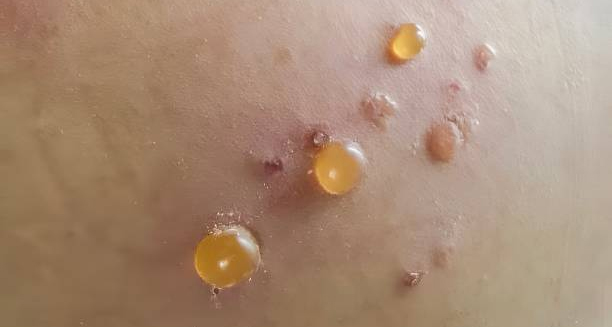
Cluster of fluid-filled blisters on inflamed skin caused by bullous pemphigoid

Bullous Pemphigoid

Bullous Pemphigoid – Overview Bullous pemphigoid is a rare autoimmune skin condition that causes large, fluid-filled blisters to form on areas of the skin that often flex — such as the abdomen, arms, legs, and groin. This is most commonly affects older adults and can range from mild to severely disabling depending on the extent and location of the blisters. This chronic condition occurs when the body’s immune system mistakenly attacks the basement membrane — the thin layer of tissue that anchors the outer layer of skin (epidermis) to the underlying dermis. As a result, inflammation develops and the skin layers separate, forming blisters. The blisters are usually firm, dome-shaped, and filled with clear fluid. They do not rupture easily and are often very itchy. In some cases, redness and welts appear before blistering begins. The condition typically lasts for months or even years, with periods of flare-ups and remission. Bullous pemphigoid While not contagious or cancerous, this condition can significantly affect a person’s quality of life. Scratching and broken blisters may lead to infections, scarring, or skin thickening. Treatment usually involves corticosteroids and immunosuppressants to calm the immune response, along with topical ointments to manage itching and inflammation. With proper care, most individuals can control the disease and reduce symptoms over time. [Next: Causes of Bullous Pemphigoid →]
Bullous Pemphigoid Read More »

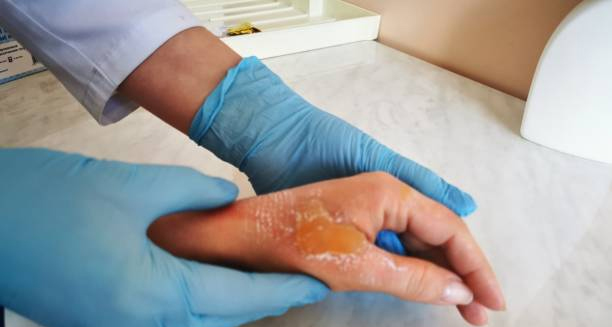
Doctor examining a large blister on a patient's hand wearing blue gloves

Causes of Bullous Pemphigoid

Causes of Bullous Pemphigoid Causes of bullous pemphigoid stem from an autoimmune malfunction, though the exact trigger is not always clear. The most well-established causes of bullous pemphigoid include age-related immune system changes, certain medications, underlying illnesses, and skin trauma. In this condition, the immune system produces antibodies against proteins in the basement membrane zone of the skin. Specifically, it targets two proteins — BP180 and BP230 — which help bind the epidermis to the dermis. When these proteins are attacked, it causes inflammation and fluid accumulation between the skin layers, leading to blister formation. Age is the most significant risk factor. Bullous pemphigoid mainly affects individuals over the age of 60 and becomes more common with advancing age. This suggests that immune dysregulation in older adults plays a key role. Certain medications have been linked to triggering bullous pemphigoid in some people. These include diuretics (like furosemide), antibiotics (like penicillin), and drugs used to treat diabetes (such as DPP-4 inhibitors). Reactions can occur weeks or even months after starting the medication. Causes of bullous pemphigoid Skin trauma — such as surgery, burns, radiation therapy, or chronic wounds — can also precede the onset of bullous pemphigoid in affected individuals. Physical stress to the skin may provoke an immune response that targets the skin’s structural proteins. There is also evidence that some neurological diseases like Parkinson’s disease, multiple sclerosis, and dementia are associated with a higher risk of developing bullous pemphigoid. The exact link is not fully understood but may relate to overlapping immune system dysfunction. Genetic predisposition appears to play a minor role, and bullous pemphigoid is generally not inherited. Environmental triggers, infections, and seasonal changes have also been proposed, but more research is needed to confirm their influence. Understanding the causes of bullous pemphigoid helps guide prevention strategies, especially in high-risk individuals — such as avoiding known drug triggers and monitoring for early symptoms. [Next: Symptoms of Bullous Pemphigoid →]

Causes of Bullous Pemphigoid Read More »

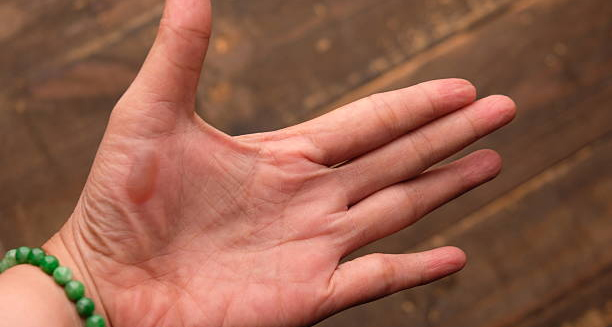
Close-up of a hand with a large blister on the palm

Symptoms of Bullous Pemphigoid

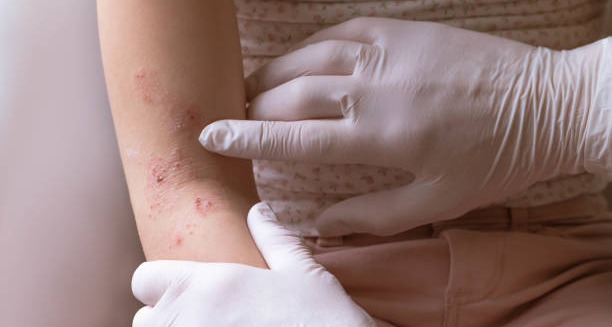
Symptoms of Bullous Pemphigoid Symptoms of bullous pemphigoid often begin subtly before progressing to widespread blistering. The most common symptoms of bullous pemphigoid include intense itching, red or raised skin, and large, fluid-filled blisters that typically do not rupture easily. In many patients, the disease starts with itching and redness, sometimes mistaken for eczema or hives. This phase may last for days or even weeks before any visible blisters appear. The skin may feel sore or tight, and small urticarial (hive-like) patches may develop. Blisters then form on the affected areas. These are usually 1–5 cm in diameter, tense (due to being deep within the skin), and filled with clear or sometimes blood-tinged fluid. Unlike blisters in other skin conditions, bullous pemphigoid blisters tend to remain intact for longer and rupture less easily. The most common sites include the lower abdomen, groin, inner thighs, armpits, and flexural surfaces like the elbows and knees. In some cases, the blisters may be widespread, covering the trunk and limbs. The palms and soles can also be involved, and the affected skin may become thickened or crusted over time. Itching is often intense and persistent, causing considerable discomfort. In people with fragile skin, scratching may lead to skin tears or secondary bacterial infections. Symptoms of Bullous Pemphigoid In rarer cases, the mucous membranes (inside the mouth, nose, or genitals) may be affected, leading to painful ulcers or erosions. However, this is less common in bullous pemphigoid than in similar disorders such as mucous membrane pemphigoid. People with severe or prolonged disease may also experience fatigue, weight loss, or low mood due to chronic discomfort and disrupted sleep. Because the appearance of symptoms of bullous pemphigoid can vary, especially in the early stages, a skin biopsy and blood tests are often required to confirm the diagnosis and differentiate it from other blistering diseases. [Next: Diagnosis of Bullous Pemphigoid →]

Symptoms of Bullous Pemphigoid Read More »

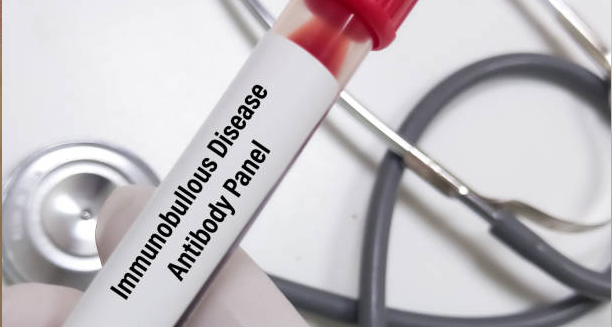
Blood sample labelled "Immunobullous Disease Antibody Panel" with stethoscope in background

Diagnosis of Bullous Pemphigoid

Diagnosis of Bullous Pemphigoid Diagnosis of bullous pemphigoid involves a combination of clinical examination, skin biopsy, and laboratory testing. A confirmed diagnosis of bullous pemphigoid ensures appropriate treatment. Additionally, helps rule out other similar skin conditions, such as pemphigus vulgaris or dermatitis herpetiformis. The diagnostic process begins with a full medical history and visual inspection of the skin. A dermatologist will look for the pattern, size, and location of the blisters. As well as the condition of the surrounding skin. The presence of firm, fluid-filled blisters on red, itchy skin — particularly in older adults — raises suspicion. To confirm the diagnosis, a skin biopsy is performed. A small sample of blistered or inflamed skin is removed and examined under a microscope. This helps determine the level at which the skin layers are separating and whether immune cells are present. Direct immunofluorescence testing is also done on skin tissue. This test detects deposits of antibodies (IgG) and complement proteins (C3) at the junction between the epidermis and dermis. The presence of a linear pattern of these immune proteins is highly characteristic of bullous pemphigoid. Diagnosis of Bullous Pemphigoid Blood tests can also be helpful. An ELISA test may be used to detect circulating autoantibodies to BP180 and BP230 — the proteins targeted by the immune system. Elevated levels of these antibodies support the diagnosis and can also be used to monitor disease activity over time. In cases where the diagnosis remains unclear. Indirect immunofluorescence or salt-split skin testing may be used to distinguish bullous pemphigoid from other autoimmune blistering disorders. Early and accurate diagnosis of bullous pemphigoid is crucial because starting the correct treatment early can significantly reduce symptoms, prevent complications, and improve quality of life. [Next: Treatment of Bullous Pemphigoid →]

Diagnosis of Bullous Pemphigoid Read More »

Doctor examining a patient's arm with blistering skin condition

Treatment of Bullous Pemphigoid

Treatment of Bullous Pemphigoid Treatment of bullous pemphigoid aims to control blister formation, reduce itching, and suppress the immune system’s attack on the skin. Effective treatment of bullous pemphigoid depends on the severity of the condition and the overall health of the patient. The cornerstone of treatment is corticosteroids, which help reduce inflammation and stop blistering. For mild, localised cases, a potent topical steroid cream such as clobetasol may be sufficient. For more widespread disease, oral steroids like prednisolone are commonly prescribed. While corticosteroids are effective, they can cause significant side effects — particularly in elderly patients — including high blood pressure, osteoporosis, and increased risk of infections. Therefore, doctors often try to minimise the steroid dose or use steroid-sparing alternatives. Immunosuppressant medications such as azathioprine, methotrexate, or mycophenolate mofetil may be added to reduce steroid use and maintain long-term control. These drugs work by dampening the overactive immune response responsible for blister formation. Tetracycline antibiotics like doxycycline, sometimes combined with nicotinamide (a form of vitamin B3), have shown effectiveness in controlling inflammation in milder cases, offering a less risky option for some patients. Biologic therapies such as rituximab may be considered in severe or treatment-resistant cases. These target specific immune cells involved in antibody production and have shown promise in reducing flare-ups and steroid dependence. Treatment of Bullous Pemphigoid Additional treatments include antihistamines to manage itching, skin hygiene practices to prevent infection, and wound care for broken blisters. Maintaining good nutrition and hydration is also vital during flare-ups. Close monitoring is essential to adjust medications, check for side effects, and assess healing progress. Treatment may be needed for months or even years, depending on disease activity. Successful treatment of bullous pemphigoid requires an individualised approach, balancing symptom control with long-term safety — especially in older adults who may have other chronic health conditions. [Next: Complications and Recovery from Bullous Pemphigoid →]

Treatment of Bullous Pemphigoid Read More »

Woman scratching her irritated hand while sitting on a couch

Complications and Recovery from Bullous Pemphigoid

Complications and Recovery from Bullous Pemphigoid Complications and recovery from bullous pemphigoid are shaped by disease severity, treatment response, and overall patient health. While most people recover well with treatment, complications of bullous pemphigoid can arise from both the disease and its long-term therapy. One of the main complications is secondary skin infection. Open blisters can become entry points for bacteria, leading to cellulitis or more serious infections. Proper wound care, hygiene, and sometimes antibiotics are necessary to reduce this risk. Scarring and skin thickening may occur, especially in areas with repeated blistering. Pigment changes, both lighter and darker patches, can develop during the healing process. In some cases, movement may become restricted if scarring affects areas near joints. Steroid side effects are a significant concern in long-term treatment. These include weight gain, mood swings, osteoporosis, high blood pressure, blood sugar issues, and increased susceptibility to infection. Immunosuppressant drugs also carry a risk of liver toxicity, bone marrow suppression, or reactivation of latent infections. Emotional effects such as anxiety, frustration, or depression are common due to chronic pain, visible skin damage, and limitations on daily life. Mental health support, counselling, or support groups can play a critical role in recovery. Complications and Recovery from Bullous Pemphigoid Recovery times vary. Some people respond quickly and enter remission within months, while others may require years of intermittent treatment. Flare-ups can still occur, especially during times of stress or after reducing medication, but they usually become less frequent and easier to manage over time. Lifestyle measures to support recovery include: With early diagnosis, consistent management, and holistic support, most individuals with bullous pemphigoid can control the condition and enjoy a good quality of life — even if long-term treatment is needed. Back to Overview

Complications and Recovery from Bullous Pemphigoid Read More »

Thin person measuring waist with tape measure

Bulimia

Bulimia – Overview The Bulimia condition is an eating disorder marked by a cycle of binge eating followed by behaviours aimed at avoiding weight gain. Such as vomiting, excessive exercise, or laxative use. This condition — formally known as bulimia nervosa. This condition s a serious mental health condition that affects both physical and emotional well-being and can lead to severe medical complications if untreated. The disorder typically involves episodes of consuming large amounts of food in a short time (bingeing), accompanied by a sense of loss of control. This is followed by attempts to “undo” the eating through purging, fasting, or overexercising. These behaviours are often hidden and driven by deep fears about body image, weight, and self-worth. Bulimia can affect people of all genders and ages but most commonly begins in adolescence or early adulthood. Although it’s often associated with women, men also suffer from the condition, sometimes with even greater stigma and underdiagnosis. Bulimia The cycle of bingeing and purging can become compulsive, leading to guilt, shame, and distress. Unlike anorexia, individuals with this may maintain a normal weight or even be overweight. Furthermore, making the condition harder to recognise externally. Left untreated, this condition can cause serious health risks — including electrolyte imbalances, heart irregularities, gastrointestinal damage, dental problems, and mental health issues such as depression and anxiety. However, with the right support, recovery is absolutely possible. [Next: Causes of Bulimia →]

Bulimia Read More »

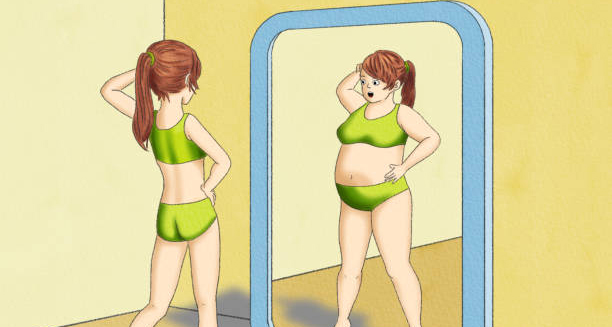
Slim girl viewing a distorted overweight reflection in a mirror

Causes of Bulimia

Causes of Bulimia Causes of bulimia are complex and often involve a mix of psychological, genetic, cultural, and environmental factors. The most common causes of bulimia include low self-esteem, body dissatisfaction, perfectionism, trauma, and societal pressures related to beauty and weight. Psychological factors play a central role. People with bulimia often have distorted beliefs about food, weight, and self-worth. They may use food to cope with stress, sadness, loneliness, or boredom — and then purge to relieve the associated guilt and anxiety. Perfectionism, anxiety disorders, obsessive-compulsive traits, and a need for control are commonly seen in those with bulimia. Family history is another important risk factor. People with a close relative who has an eating disorder, depression, or substance abuse are more likely to develop bulimia. This may be due to genetic vulnerability as well as shared family environments and attitudes towards food and body image. Trauma and difficult life experiences — including childhood abuse, bullying, or significant loss — may increase the risk. These events can lead to a sense of emotional instability or a need to regain control, often expressed through disordered eating patterns. Cultural and societal influences also play a powerful role. Media and fashion industries often promote unrealistic body ideals, particularly thinness in women and muscularity in men. Social media platforms amplify these messages, contributing to body dissatisfaction and dieting behaviours, which can spiral into bulimia. Causes of Bulimia Participation in certain sports or activities that emphasise weight control — such as gymnastics, running, wrestling, ballet, or modelling — may further increase risk, particularly when coaches or peers encourage strict weight standards. Dieting itself is a well-established risk factor. Restrictive eating can lead to intense food cravings, which in turn trigger binge eating. The subsequent guilt often leads to purging, reinforcing the cycle. Understanding the causes of bulimia is key to effective prevention and treatment. Addressing the underlying psychological triggers, societal pressures, and trauma — alongside nutritional rehabilitation — forms the foundation of recovery. [Next: Symptoms of Bulimia →]

Causes of Bulimia Read More »

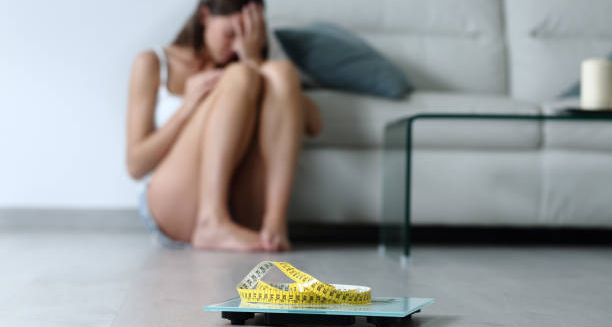
Hands tied with measuring tape over an empty plate, symbolising eating disorder

Symptoms of Bulimia

Symptoms of Bulimia Symptoms of bulimia can be both physical and behavioural. Because many people with the disorder hide their behaviours, the most visible symptoms of bulimia may go unnoticed until medical or psychological problems become severe. The hallmark behavioural symptom is the binge-purge cycle. During a binge, an individual may eat large amounts of food — often rapidly and in secret — followed by purging. Purging may include self-induced vomiting, excessive exercise, fasting, or misuse of laxatives, diuretics, or enemas. People with bulimia often experience intense feelings of shame, guilt, and loss of control during and after these episodes. The pattern becomes compulsive, with the binge-purge cycle sometimes occurring multiple times a day. Other behavioural signs include frequent trips to the bathroom after meals, excessive concern with weight or body shape, rigid dieting followed by loss of control, and hiding or hoarding food. Individuals may appear to eat normally in public but engage in disordered behaviours privately. Physical symptoms include fatigue, dizziness, irregular heartbeats, sore throat, swollen salivary glands, and gastrointestinal distress. Vomiting can lead to dental enamel erosion, mouth sores, and bad breath. Calluses or scars on the knuckles — known as “Russell’s sign” — may be visible from repeated use of fingers to induce vomiting. Symptoms of Bulimia Irregular or absent menstrual periods are common in women. Men may experience hormonal imbalances or reduced libido. Both genders may suffer from dehydration and electrolyte imbalances, which can become life-threatening if not treated. Emotional symptoms such as anxiety, depression, mood swings, and low self-worth often accompany the eating disorder. People with bulimia may isolate themselves, avoid social meals, and struggle with perfectionism or impulsivity. Many individuals do not appear underweight and may maintain an average or above-average weight. This makes symptoms of bulimia harder to detect compared to anorexia, where weight loss is more obvious. If you or someone you know shows signs of bulimia, early intervention is critical. The sooner treatment begins, the better the chances of full recovery and prevention of long-term damage. [Next: Diagnosis of Bulimia →]

Symptoms of Bulimia Read More »

Diagnosis of Bulimia

Diagnosis of Bulimia

Diagnosis of Bulimia Diagnosis of bulimia is based on clinical assessment, medical history, and behavioural criteria outlined in mental health diagnostic manuals. An accurate diagnosis of bulimia allows for appropriate treatment planning and helps reduce the risk of serious medical complications. The process often begins with a general practitioner, psychologist, or psychiatrist who will ask about eating habits, attitudes toward food and body image, and emotional wellbeing. Specific questions are asked to determine if binge eating and purging behaviours are occurring and how frequently they happen. According to the DSM-5 (Diagnostic and Statistical Manual of Mental Disorders), a diagnosis of bulimia nervosa requires: In addition to the psychological evaluation, physical assessments are important. A doctor may check vital signs, conduct blood tests, and monitor for signs of malnutrition, dehydration, or electrolyte imbalances. Dental examinations and ECGs may be done to detect damage from vomiting or cardiac irregularities. Diagnosis of Bulimia It’s also important to rule out other medical or psychological conditions that may mimic bulimia or occur alongside it, such as depression, anxiety disorders, obsessive-compulsive disorder, or substance misuse. Because many individuals with bulimia are secretive about their behaviour and may deny or minimise symptoms, family members and close friends can play a helpful role in raising concerns or providing insight. Early diagnosis of bulimia improves outcomes. If you suspect this disorder in yourself or someone else, it’s important to seek professional help. The sooner intervention occurs, the better the chance of a full and lasting recovery. [Next: Treatment of Bulimia →]

Diagnosis of Bulimia Read More »

Scroll to Top