Mental Matters

Health Conditions

Find information on various health conditions affecting people of all ages. This category covers causes, symptoms, diagnosis, and management options for physical illnesses and chronic diseases. Get insights to help you understand different health challenges and make informed decisions about your wellbeing.

Man clutching chest with ECG line overlay indicating heart rhythm

Symptoms of Bundle Branch Block

Symptoms of Bundle Branch Block Symptoms of bundle branch block can vary widely. Many people have no noticeable effects, especially in cases of right bundle branch block, while others may experience warning signs linked to underlying heart issues. Common symptoms include fainting, dizziness, fatigue, shortness of breath, and palpitations. In most cases, bundle branch block is discovered during an ECG performed for another reason. It may not cause any direct symptoms, particularly when the heart otherwise functions normally. However, when symptoms do occur, they may include: Left alone it’s more likely to be associated with symptoms because it often reflects underlying damage to the left ventricle. It may also mask signs of a heart attack on an ECG, making diagnosis more challenging. Symptoms of Bundle Branch Block Sometimes bundle branch block is discovered during evaluation of symptoms like fatigue, exertional dyspnoea, or unexplained collapse — all of which warrant further cardiac investigation. Recognising symptoms is, especially if they occur suddenly or alongside chest pain, because this may indicate a serious cardiac event such as a heart attack or acute heart failure. [Next: Diagnosis of Bundle Branch Block →]
Symptoms of Bundle Branch Block Read More »

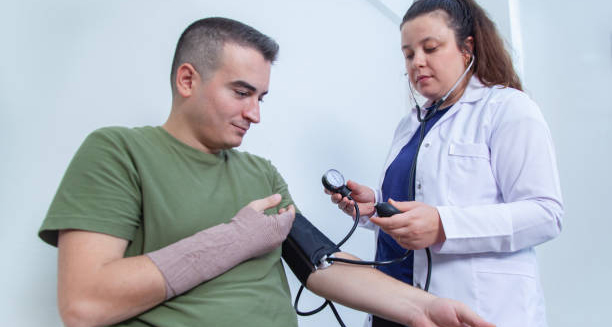
Nurse checking blood pressure of patient with bandaged arm

Diagnosis of Bundle Branch Block

Diagnosis of Bundle Branch Block Diagnosis of bundle branch block is typically made using an electrocardiogram (ECG), which records the electrical activity of the heart. A confirmed diagnosis requires identifying specific changes in the ECG pattern that show delayed conduction in one of the heart’s bundle branches. During an ECG, the doctor looks for a widened QRS complex — greater than 120 milliseconds — along with other characteristic patterns. The exact shape of the waveform helps distinguish between: Once a bundle branch block is identified, doctors assess whether it’s isolated or related to a broader cardiac issue. Additional tests may include: Diagnosis of Bundle Branch Block Blood tests may be ordered to assess for causes such as infection, electrolyte imbalances, or myocardial injury (troponins). A detailed history is essential — including questions about chest pain, exertion, breathlessness, and family history of cardiac issues. The purpose of a diagnosis is not only to confirm the conduction delay but also to assess its clinical significance and underlying cause, which will guide further treatment or monitoring. [Next: Treatment of Bundle Branch Block →]

Diagnosis of Bundle Branch Block Read More »

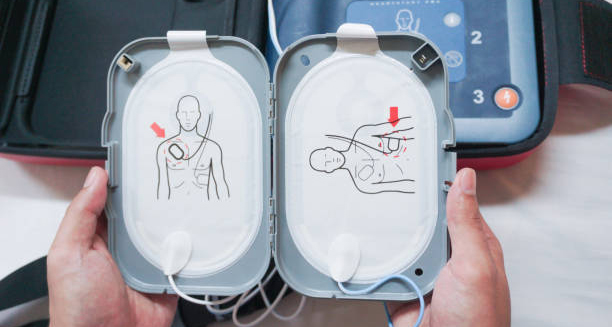
AED pad placement diagram for cardiac emergency response

Treatment of Bundle Branch Block

Treatment of Bundle Branch Block Treatment of bundle branch block depends on the underlying cause. The presence of symptoms, and whether the block affects the heart’s ability to pump effectively. In many cases, treatment is not needed unless the condition is linked to heart disease or produces symptoms. If the bundle branch block is found incidentally on an ECG and the patient has no symptoms or heart dysfunction. Furthermore, no treatment is typically required. Regular follow-up and monitoring may be suggested to track any changes over time. When treatment is necessary, it may include: Treatment of Bundle Branch Block Right bundle branch block usually doesn’t require treatment unless it’s part of a broader issue, while left bundle branch block often warrants a deeper evaluation and potentially more active management. Successful treatment focuses on improving heart rhythm, preventing complications, and maintaining quality of life. In severe or symptomatic cases, referral to a cardiologist or electrophysiologist may be necessary. [Next: Complications and Recovery from Bundle Branch Block →]

Treatment of Bundle Branch Block Read More »

Elderly woman clutching her chest while seated in a wheelchair

Complications and Recovery from Bundle Branch Block

Complications and Recovery from Bundle Branch Block Complications and recovery from bundle branch block vary based on the type of block and any underlying cardiac disease. While many people live without issues, complications of bundle branch block can include heart failure, arrhythmias, and difficulties diagnosing heart attacks. One of the primary concerns with left bundle branch block is that it may indicate or worsen underlying heart disease. It often occurs in people with weakened heart muscle and may lead to or exacerbate: In right bundle branch block, complications are less common but may be significant if related to congenital defects or pulmonary conditions. Another complication is difficulty diagnosing myocardial infarction (heart attack). LBBB can mask typical ECG signs of a heart attack, making it harder for doctors to recognise and treat acute events quickly. Special criteria, such as Sgarbossa’s, are used to assist with interpretation. People with recurrent fainting, fatigue, or reduced exercise tolerance may require pacemaker implantation, especially if the block leads to complete heart block or dangerously slow heart rhythms. Complications and Recovery from Bundle Branch Block Recovery depends on the cause and severity. If the bundle branch block is isolated and no underlying disease is found, the outlook is generally excellent, with little to no lifestyle limitation. In patients who require pacemakers or cardiac resynchronisation therapy, recovery includes device programming, follow-up monitoring, and sometimes rehabilitation for heart failure. Lifestyle strategies such as managing blood pressure, maintaining a healthy weight, avoiding tobacco, and treating sleep apnoea can all improve heart function and reduce complications. With proper care and monitoring,recovery from bundle branch block are manageable, and many people lead healthy, active lives with or without medical intervention. [Next > Back to Overview]

Complications and Recovery from Bundle Branch Block Read More »

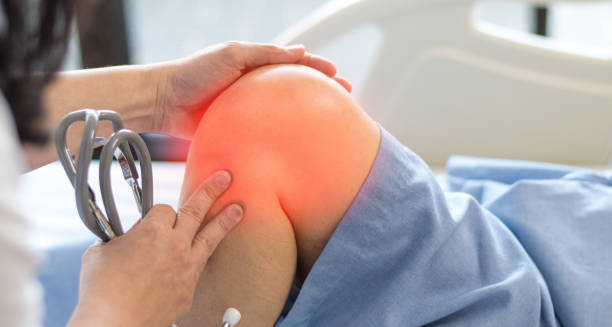
Doctor examining a patient's swollen knee with visible inflammation

Bursitis

Bursitis – Overview Bursitis is the inflammation of a bursa — a small, fluid-filled sac that cushions bones, tendons, and muscles near joints. Bursitis typically causes pain, swelling, and limited movement in the affected area, especially during repetitive motion or pressure. Common sites include the shoulder, elbow, hip, knee, and heel. The bursae act as gliding surfaces to reduce friction and help movement between bones and soft tissue. When a bursa becomes irritated or inflamed, it swells with excess fluid, leading to pain and restricted joint function. This may develop suddenly from injury or gradually from repetitive stress. Most cases are short-term and resolve with rest and conservative treatment. However, in some people — particularly athletes or those with underlying joint conditions — bursitis can become chronic and interfere with daily activities. Bursitis This affects all age groups but is more common in adults over 40. It may result from repetitive tasks, poor posture, joint overuse, trauma, infection, or medical conditions such as gout or rheumatoid arthritis. Early diagnosis and proper management help prevent worsening symptoms and complications like infection or tendon damage. Simple measures such as rest, ice, and posture correction often provide relief. In persistent cases, corticosteroid injections or physical therapy may be needed. [Next: Causes of Bursitis →]

Bursitis Read More »

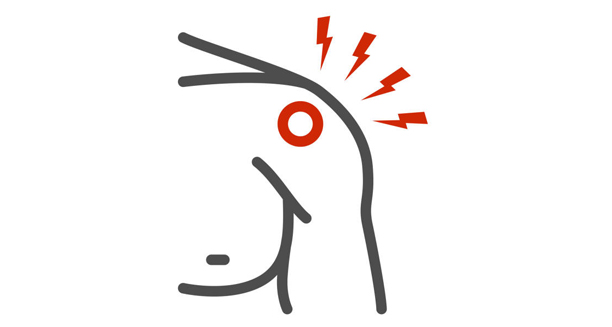
Illustration of a knee with red pain indicators suggesting bursitis

Causes of Bursitis

Causes of Bursitis Causes of bursitis include repetitive joint use, trauma, prolonged pressure, and systemic conditions that promote inflammation. The most common causes of bursitis are overuse injuries, physical strain, infection, and autoimmune diseases like rheumatoid arthritis. Repetitive motion is the leading factor. Activities that involve repeated joint movement — such as throwing, kneeling, lifting, or cycling — can irritate the bursae and lead to inflammation. Occupations like painting, plumbing, or gardening place people at higher risk of developing bursitis. Direct trauma, such as a fall or a blow to a joint, can also cause a bursa to become inflamed. This is more likely in areas where bursae are close to the skin, like the elbow (olecranon bursitis) or knee (prepatellar bursitis). Prolonged pressure is another common cause. Sitting on hard surfaces for long periods may lead to ischial bursitis (in the buttocks), while kneeling for extended time can cause knee bursitis. Wearing poor footwear or standing for long hours may contribute to heel bursitis. Infectious bursitis, although less common, occurs when bacteria enter a bursa through a skin break. This is more likely in people with diabetes, weakened immune systems, or open wounds near a joint. Septic bursitis typically affects the knee or elbow and requires antibiotic treatment. Causes of Bursitis Autoimmune conditions like gout, pseudogout, or rheumatoid arthritis can trigger bursitis due to inflammation caused by urate crystals or immune system attacks. In these cases, multiple bursae may be affected over time. In some cases, no specific cause can be identified. This is known as idiopathic bursitis and is usually managed based on symptoms. Knowing the causes of bursitis helps tailor prevention strategies. These may include avoiding overuse, correcting posture, using protective padding, and treating any underlying joint or systemic diseases promptly. [Next: Symptoms of Bursitis →]

Causes of Bursitis Read More »

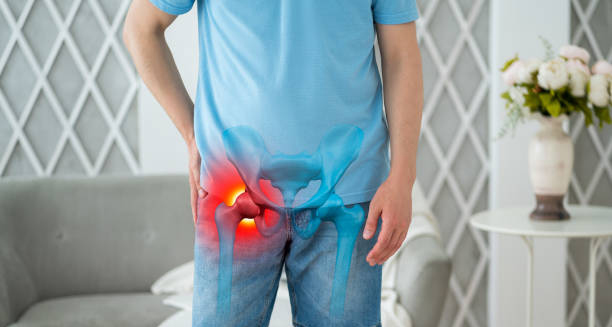
Person experiencing hip pain with medical overlay highlighting inflammation

Symptoms of Bursitis

Symptoms of Bursitis Symptoms of bursitis vary depending on the location and severity of the inflammation, but the most common symptoms of bursitis include pain, swelling, tenderness, and reduced range of motion in the affected joint. Pain is often the first and most noticeable symptom. It may begin gradually or suddenly and usually worsens with movement or pressure on the area. For example, people with shoulder bursitis may find it difficult to lift their arm or sleep on one side. Swelling is usually visible and felt around the joint. In more superficial bursae, such as those near the elbow or knee, the affected area may look red, warm, and swollen. This can cause joint stiffness or tightness during movement. Tenderness over the inflamed bursa is typical. Pressing the area lightly often triggers discomfort. Some individuals report a dull ache or sharp pain, depending on whether the bursa is infected or purely inflamed. Symptoms of Bursitis Limited mobility is another common issue. As the swelling increases, joint movement becomes restricted, making it hard to perform daily tasks like walking, dressing, or lifting. In chronic bursitis, stiffness may remain even after the pain improves. In cases of septic (infected) bursitis, symptoms may include fever, chills, redness, warmth, and severe pain. The skin over the bursa may feel hot, and the joint may be very sensitive to touch. This requires urgent medical attention to prevent the infection from spreading. Common sites and their symptoms include: Recognising symptoms of bursitis early helps reduce flare-up duration and improves treatment outcomes. If symptoms last longer than a few days, worsen, or involve signs of infection, medical advice should be sought. [Next: Diagnosis of Bursitis →]

Symptoms of Bursitis Read More »

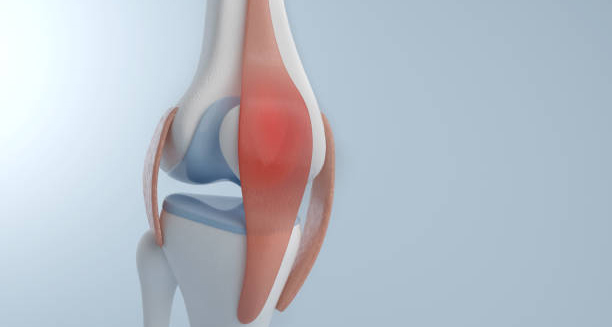
Medical illustration of knee joint highlighting bursitis inflammatio

Diagnosis of Bursitis

Diagnosis of Bursitis Diagnosis of bursitis involves evaluating a person’s symptoms, physical condition, and sometimes using imaging or lab tests to rule out other conditions. A proper diagnosis of bursitis allows for effective treatment and helps prevent complications like chronic pain or joint damage. Doctors begin by taking a full medical history, asking about the onset, location, duration, and triggers of the pain. They also consider occupational or recreational activities that may contribute to joint overuse. During the physical exam, the doctor will inspect the affected joint for swelling, redness, warmth, and tenderness. They may also check your range of motion and identify specific movements or postures that trigger discomfort. In most straightforward cases, diagnosis is clinical and no further testing is needed. However, when symptoms are severe, persistent, or involve signs of infection, additional tools may be used: Diagnosis of Bursitis Blood tests may also be ordered to check for infection markers, autoimmune diseases, or gout, particularly in recurrent or unexplained cases of bursitis. In chronic cases or where structural abnormalities are involved, referral to a rheumatologist, orthopaedic specialist, or physiotherapist may be needed for further evaluation. A correct diagnosis of bursitis ensures that treatment is tailored appropriately — whether rest and ice will suffice or if medical procedures, antibiotics, or rehabilitation are required. [Next: Treatment of Bursitis →]

Diagnosis of Bursitis Read More »

Man holding foot with red inflamed area indicating bursitis

Treatment of Bursitis

Treatment of Bursitis Treatment of bursitis focuses on reducing inflammation, relieving pain, and restoring joint function. In most cases, treatment of bursitis begins with conservative measures such as rest, ice, and over-the-counter medication. More persistent or severe cases may require injections or physical therapy. For acute, non-infectious bursitis: If symptoms persist for several weeks or the condition becomes chronic, doctors may explore more advanced treatment options: For septic bursitis: Treatment of Bursitis For bursitis caused by an underlying condition such as gout or rheumatoid arthritis, treatment involves managing the primary disease alongside the bursitis. Lifestyle adjustments — such as warming up before exercise, wearing proper footwear, and using ergonomic tools at work — are crucial in preventing recurrence. With prompt care, most people recover fully within a few weeks. Successful treatment of bursitis reduces the chance of long-term complications and restores mobility and comfort. [Next: Complications and Recovery from Bursitis →]

Treatment of Bursitis Read More »

Elderly man holding shoulder in pain due to bursitis

Complications and Recovery from Bursitis

Complications and Recovery from Bursitis Complications and recovery from bursitis depend on the severity, cause, and how early treatment begins. While most people recover quickly, delayed or incorrect management can lead to complications from bursitis that affect mobility and quality of life. Common complications include: Recovery from bursitis usually takes a few days to several weeks, depending on the type and treatment approach. With proper rest, ice, and medication, mild cases resolve quickly. Physical therapy often accelerates recovery and helps prevent recurrence by improving joint mechanics and posture. For individuals who require steroid injections or have had septic bursitis, follow-up care is essential. This may include repeated imaging, lab tests, or physiotherapy sessions. Long-term strategies to aid recovery include: Complications and Recovery from Bursitis Emotional well-being is also important. Chronic bursitis can impact daily life, leading to frustration or inactivity. Support from healthcare professionals and loved ones helps ensure a more complete recovery. With early care and preventive habits, complications and recovery from bursitis are manageable, and most individuals return to full function without long-term limitations. [Next > Back to Overview]

Complications and Recovery from Bursitis Read More »

Scroll to Top