Mental Matters

Health Conditions

Find information on various health conditions affecting people of all ages. This category covers causes, symptoms, diagnosis, and management options for physical illnesses and chronic diseases. Get insights to help you understand different health challenges and make informed decisions about your wellbeing.

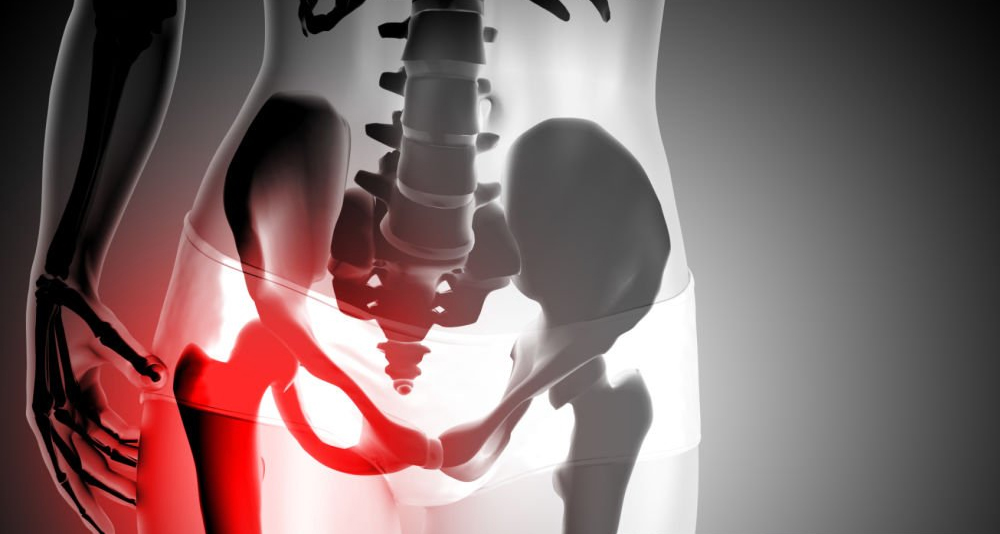
X-ray illustration of a broken hip showing inflammation in the pelvic region

Broken Hip

Broken Hip – Overview A broken hip is a serious fracture in the upper portion of the femur (thigh bone), usually near the hip joint. A broken hip most commonly affects elderly individuals and those with osteoporosis, but it can also occur in younger people due to high-impact accidents such as vehicle collisions or falls from a height. This injury requires urgent medical attention and is often life-altering, particularly in older patients. The hip joint is essential for everyday movement, supporting the body’s weight during walking, standing, and sitting. Most hip fractures happen in the femoral neck (just below the ball of the joint) or in the intertrochanteric region (just below the neck). A fracture in this area causes intense pain, immobility, and usually an inability to bear weight on the leg. Symptoms appear immediately after injury. The person may be unable to stand or walk and often feels sharp pain in the hip or groin. The leg on the injured side may appear shorter or turned outward. In cases involving osteoporosis, the trauma may seem minor — such as tripping on a rug or falling from standing height — but the damage is severe. Broken Hip Diagnosis involves a physical examination and imaging tests such as X-rays, CT scans, or MRI. These confirm the type, location, and complexity of the fracture and help doctors choose the best treatment plan. Surgery is the most common form of treatment, followed by physiotherapy and rehabilitation. Depending on the nature of the break, treatment may involve internal fixation with screws, a partial hip replacement, or a total hip replacement. Recovering from a broken hip is a long process that requires multidisciplinary care. Early intervention, proper post-surgical support, and a focus on mobility and fall prevention are key to successful outcomes. [Next: Causes of a Broken Hip →]

Broken Hip Read More »

Man falling backwards, showing a common cause of hip fractures

Causes of a Broken Hip

Causes of a Broken Hip Causes of a Broken Hip vary depending on age, lifestyle, and bone health. The most common causes of a broken hip include falls, especially in older adults, as well as high-impact trauma from car accidents, sports injuries, or industrial accidents. In some cases, even minimal force can cause a fracture if the bone is already weakened by disease. Falls are the leading cause of hip fractures, particularly in people over 65. Slipping on a wet floor, tripping over a step, or losing balance at home can all lead to a fall with enough force to break the hip. Poor eyesight, medications that cause dizziness, and muscle weakness all contribute to higher fall risk in the elderly. Osteoporosis is a major contributing factor. This condition reduces bone density, making the bones fragile and more susceptible to fractures. Even a minor stumble or bump can cause a serious break in people with osteoporosis — a common issue among postmenopausal women. Motor vehicle accidents are another significant cause, particularly in younger adults. High-speed crashes exert tremendous force on the hips and pelvis, and broken hips are a common injury in drivers, passengers, cyclists, and pedestrians struck by vehicles. Causes of a Broken Hip Sports-related injuries and falls from height can also result in a broken hip, particularly in contact sports or adventure activities like rock climbing, skiing, and trail running. These injuries often involve more complex or multi-fragmented fractures that may require advanced surgical intervention. Certain medical conditions, including cancer, kidney disease, and long-term steroid use, can weaken the bones, increasing the likelihood of a break. In rare cases, a person may even suffer a spontaneous fracture without any obvious trauma. Understanding the causes of a broken hip helps identify people at risk and implement prevention strategies. These may include installing grab bars in bathrooms, using mobility aids, reviewing medications that affect balance, and taking vitamin D and calcium to strengthen bones. [Next: Symptoms of a Broken Hip →]

Causes of a Broken Hip Read More »

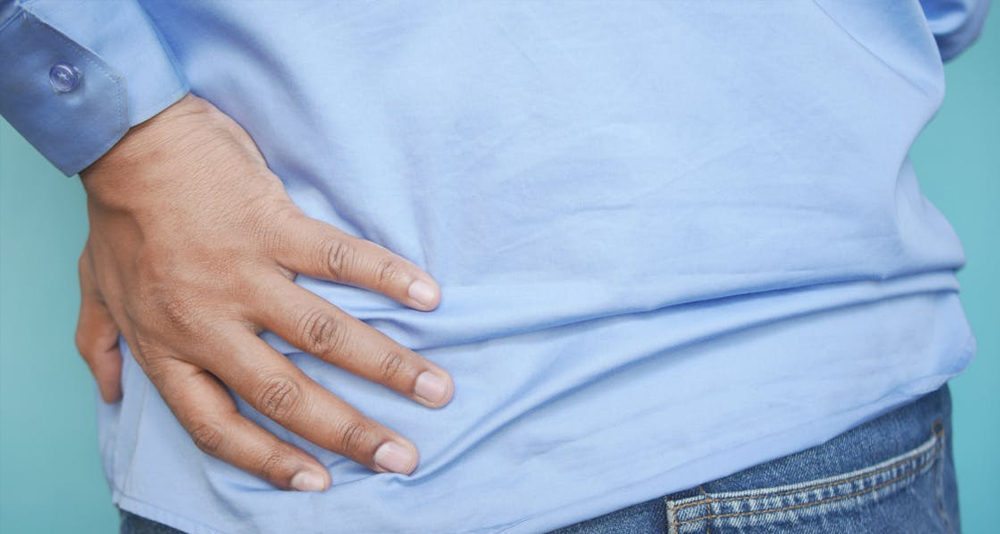
Person holding hip in pain, indicating symptoms of a hip fracture

Symptoms of a Broken Hip

Symptoms of a Broken Hip Symptoms of a Broken Hip often appear suddenly after a fall or trauma and are typically severe enough to prevent movement. The most obvious symptoms of a broken hip include intense hip or groin pain, inability to walk, and visible changes in leg position. Quick recognition of these signs can lead to faster diagnosis and improved recovery outcomes. Pain is the first and most prominent symptom. It usually occurs in the outer upper thigh or groin area and may worsen with movement or even slight pressure. People with a broken hip often cannot stand, bear weight, or rotate the leg. If the fracture is displaced, attempting to move causes excruciating pain. Inability to walk is a hallmark sign. Most patients fall and are unable to get back up. Even trying to reposition in bed or sit up can cause discomfort. The severity of pain often depends on the type of fracture — some hairline fractures may allow limited movement, while full breaks eliminate function entirely. Changes in leg position are another visible clue. The affected leg may appear shorter than the other and may turn outward. This is usually caused by muscle spasms or the shifting of broken bone fragments. Swelling, bruising, or stiffness in the hip area is also common. Symptoms of a Broken Hip Other symptoms include numbness or tingling if nerves are involved, especially in complex or multi-fragment fractures. There may also be referred pain in the lower back or knee, making diagnosis more difficult without imaging. In elderly individuals or those with cognitive impairment, symptoms might be vague. They may complain of general discomfort or refuse to walk without giving a clear reason. In such cases, any suspicion of a fall or mobility change should prompt medical evaluation. Early identification of the symptoms of a broken hip leads to faster surgical planning, lower complication rates, and a greater chance of returning to independence. Ignoring symptoms or delaying treatment increases the risk of infection, blood clots, pneumonia, and even death in vulnerable patients. [Next: Diagnosis of a Broken Hip →]

Symptoms of a Broken Hip Read More »

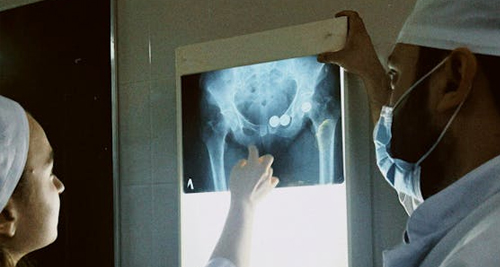
Doctors reviewing an X-ray for broken hip diagnosis

Diagnosis of a Broken Hip

Diagnosis of a Broken Hip Diagnosis of a Broken Hip involves clinical evaluation and imaging tests to determine the location and severity of the fracture. Early and accurate diagnosis of a broken hip ensures prompt treatment, reduces pain, and improves long-term outcomes, especially in older patients at risk for complications. The process begins with a physical examination. A doctor will ask about the injury, review symptoms, and assess leg alignment, movement, and sensitivity. If the leg appears shortened, rotated, or immobile, a fracture is strongly suspected. Gentle palpation and range-of-motion tests help locate pain points, but movement is kept minimal to avoid further injury. X-rays are the first-line imaging tool. They clearly show most hip fractures and help distinguish between femoral neck and intertrochanteric breaks. X-rays also help surgeons plan the best treatment approach, including whether internal fixation or hip replacement is needed. Diagnosis of a Broken Hip In some cases, particularly with stress fractures or in people with strong muscle tone, an X-ray may appear normal. If symptoms persist despite clear X-rays, doctors may order a CT scan or MRI to get a more detailed view of the bone structure and detect hidden fractures. Blood tests may be performed to check for underlying conditions, such as anaemia or infection. These results help in pre-operative planning and assessing overall health status before surgery. In South Africa, private healthcare facilities often offer faster access to imaging and orthopaedic consultation. Public hospitals treat most cases effectively, but waiting times and access to advanced imaging may vary by region. A prompt and accurate diagnosis of a broken hip not only supports immediate treatment but also lowers the risk of post-surgical complications such as pneumonia, deep vein thrombosis (DVT), or pressure sores from prolonged immobility. [Next: Treatment of a Broken Hip →]

Diagnosis of a Broken Hip Read More »

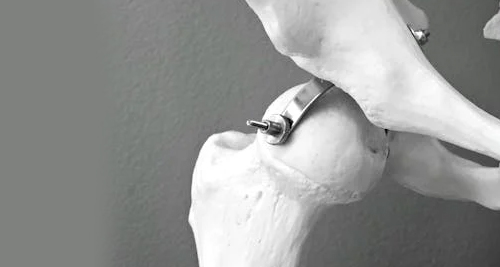
Orthopaedic model showing surgical treatment for a broken hip

Treatment of a Broken Hip

Treatment of a Broken Hip Treatment of a Broken Hip aims to stabilise the fracture, reduce pain, and restore mobility through surgical and non-surgical methods. The appropriate treatment of a broken hip depends on the location and type of fracture, the patient’s age and health, and the likelihood of regaining independence after recovery. Surgical intervention is the most common and effective treatment. The type of surgery depends on the fracture. Femoral neck fractures may require either internal fixation (metal screws or rods) or hip replacement, depending on how displaced the bone is and the patient’s age. Doctors usually repair intertrochanteric fractures with metal plates or intramedullary nails to stabilize the bone and allow early movement. Doctors often prefer hip replacement for elderly patients with displaced fractures because it supports quicker recovery and lowers the risk of nonunion. Younger, healthier patients may benefit from fixation that preserves the natural joint. Open fractures or those with vascular involvement require emergency surgery to clean the wound, stabilise the joint, and manage any bleeding or soft tissue damage. Antibiotics are typically administered, and blood transfusions may be needed in complex cases. Non-surgical treatment is rare and usually reserved for patients who are too frail for surgery. It involves pain control, bed rest, and physical therapy. However, non-operative care carries a higher risk of complications such as bedsores, lung infections, and muscle wasting. Treatment of a Broken Hip After surgery, rehabilitation begins almost immediately. Physiotherapy helps restore mobility, balance, and muscle strength. Occupational therapy assists with adapting daily activities. Most patients require walking aids like crutches or walkers during the early stages. In South Africa, rehabilitation services may differ depending on access to private or public facilities. However, the core focus remains the same: enabling safe movement, preventing complications, and promoting independence. Effective treatment of a broken hip depends on the speed of intervention and the quality of rehabilitation. With proper care, many patients regain their pre-injury mobility or even improve their strength and confidence with consistent support. [Next: Complications and Recovery from a Broken Hip →]

Treatment of a Broken Hip Read More »

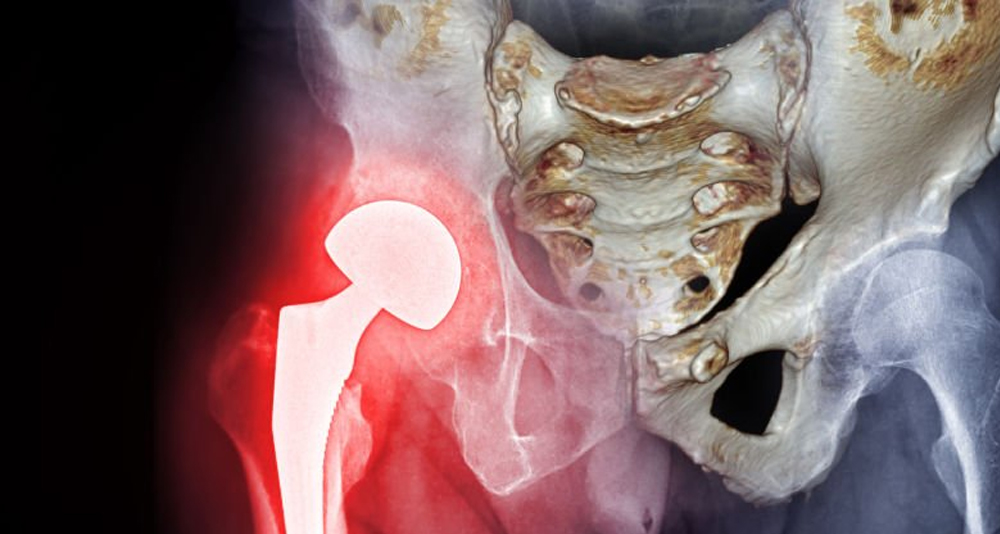
X-ray of a hip replacement highlighting complications from a fractured hip

Complications and Recovery from a Broken Hip

Complications and Recovery from a Broken Hip Complications and Recovery from a Broken Hip are influenced by the severity of the fracture, the type of treatment received, and the patient’s overall health and mobility before injury. The most common complications and recovery from a broken hip challenges include infection, blood clots, joint stiffness, and delayed rehabilitation. However, most patients improve with proper care and persistence. Post-surgical complications include wound infections, blood loss, and deep vein thrombosis (DVT). Preventative steps like blood thinners, compression stockings, and early mobilisation reduce these risks. Older patients may also face heart or lung complications, particularly if surgery is delayed. Dislocation or loosening of joint implants can occur, especially after hip replacement. Following weight-bearing restrictions and avoiding extreme hip movements helps protect the joint during recovery. Physiotherapists and occupational therapists provide guidance on safe movement and positioning. Bone healing issues such as nonunion or malunion may lead to chronic pain and limited range of motion. These are more common in patients with poor nutrition, osteoporosis, or who smoke. Additional surgery may be needed in such cases. Complications and Recovery from a Broken Hip Psychological impacts should not be underestimated. Depression, anxiety, and fear of falling again are common. Patients may feel helpless or dependent, particularly if they relied on physical activity before the injury. Encouragement, social support, and mental health care are key elements of recovery. Recovery times vary. Most people begin walking again within a week or two using assistance. Full recovery can take up to six months, depending on the person’s age, the complexity of the fracture, and the consistency of rehabilitation. Patients who were active before injury tend to recover more quickly. Long-term outcomes improve significantly when patients follow a structured rehab programme, eat well, avoid risky movements, and attend regular follow-ups. Family support and home adjustments — such as removing rugs, improving lighting, and adding grab bars — help prevent re-injury. Successful management of complications and recovery from a broken hip requires medical, physical, and emotional support. With the right plan, most people can regain independence and quality of life. Back to Overview

Complications and Recovery from a Broken Hip Read More »

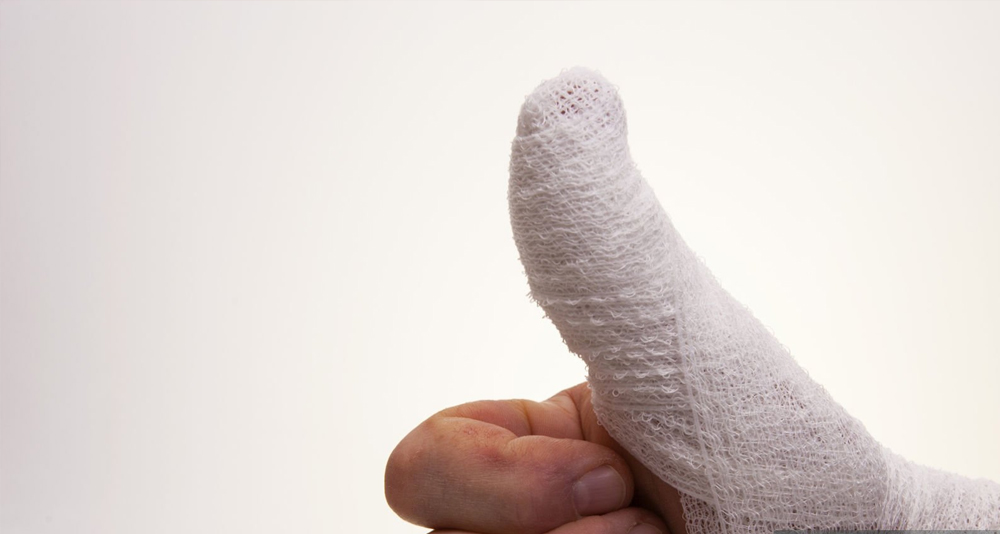
Thumb wrapped in a medical bandage after fracture

Broken Thumb

Broken Thumb – Overview A broken thumb refers to a fracture in one or both of the bones that make up the thumb — the distal and proximal phalanges, or in some cases, the first metacarpal near the wrist. This is a significant injury due to the thumb’s essential role in grip, balance, and fine motor skills. Even a minor fracture can severely impact daily activities like writing, dressing, or holding objects. Thumb fractures often result from a fall, direct impact, or sporting injury. Common scenarios include bracing during a fall, jamming the thumb during ball sports, or injuring the hand in a car or workplace accident. While some thumb fractures are clean breaks, others may involve joint surfaces or be part of more complex hand injuries. Symptoms appear quickly after the injury. These include pain, swelling, bruising, and difficulty moving or using the thumb. A visibly deformed thumb or one that cannot be straightened is a strong indicator of a serious break. If left untreated, this can heal incorrectly, leading to loss of function, arthritis, or chronic pain. Broken Thumb Diagnosis typically involves a physical exam and X-rays. For complex fractures or suspected ligament damage, a CT or MRI scan may be necessary. Treatment ranges from splinting and immobilisation to surgical fixation using wires, pins, or plates — especially if the fracture is unstable or involves a joint. Healing time for a broken thumb ranges from four to eight weeks. Physiotherapy is often required after immobilisation to restore strength, mobility, and precision. Prompt treatment significantly improves outcomes and reduces the risk of long-term impairment. [Next: Causes of a Broken Thumb →]

Broken Thumb Read More »

Fist punching through drywall, symbolising trauma to the hand or thumb

Causes of a Broken Thumb

Causes of a Broken Thumb Causes of a Broken Thumb typically involve trauma, twisting, or crushing forces applied directly to the thumb. The most frequent causes of a broken thumb include falls, contact sports, workplace injuries, and accidents where the thumb is caught, jammed, or bent backward. These injuries occur in both everyday life and high-risk environments. Falling onto an outstretched hand is a leading cause. As people try to catch themselves during a fall, the thumb often takes the impact. This can result in hyperextension or direct pressure that fractures one or more thumb bones — often at the base near the wrist. Contact sports such as rugby, hockey, and basketball are frequent culprits. A fast-moving ball striking the thumb or a collision during play can easily jam or bend the thumb, breaking the bone or even tearing surrounding ligaments. Goalkeepers in football are particularly prone to these injuries. Workplace accidents — especially in construction, manufacturing, or agriculture — are another major contributor. The thumb may be caught in machinery, hit with tools, or crushed between heavy objects. These injuries are often more severe and may include open or multiple fractures. Causes of a Broken Thumb Vehicle accidents can also result in broken thumbs, particularly if the hand strikes a dashboard or steering wheel. Cyclists and motorcyclists may land on their hands during a fall, transferring force directly to the thumb. In some cases, a broken thumb results from a direct blow, such as punching a hard object or being struck during an altercation. These injuries can lead to “Bennett’s fracture” — a break at the base of the first metacarpal that often requires surgery. Understanding the causes of a broken thumb helps prevent injuries through proper technique, protective gear, and awareness of hand positioning in high-risk activities. Whether at work, sport, or during daily tasks, using the hands mindfully can significantly reduce the risk of trauma. [Next: Symptoms of a Broken Thumb →]

Causes of a Broken Thumb Read More »

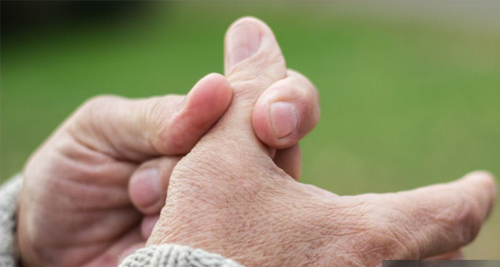
Elderly person holding thumb in pain, indicating possible fracture

Symptoms of a Broken Thumb

Symptoms of a Broken Thumb Symptoms of a Broken Thumb usually appear immediately after injury and can affect both movement and appearance of the thumb. The most common symptoms of a broken thumb include sharp pain, swelling, bruising, limited motion, and visible deformity. These symptoms can significantly disrupt hand function and should never be ignored. Pain is often intense and located directly at the site of the break. It tends to increase with pressure or movement, particularly when trying to grip, pinch, or rotate the thumb. The pain may extend toward the wrist or hand in more complex fractures. Swelling and bruising typically develop quickly. The thumb may look noticeably larger than normal and feel warm or tender to the touch. Bruising can appear deep purple or blue and may spread across the palm or up the wrist, depending on the injury’s severity. A deformed or misaligned thumb is a strong indicator of a displaced fracture. The thumb may appear bent, shortened, or twisted in an unusual direction. In open fractures, bone fragments may be visible through the skin, requiring emergency care. Symptoms of a Broken Thumb Loss of movement is a major red flag. Most patients cannot move the thumb or may only manage limited motion due to pain and mechanical obstruction. Tasks like buttoning a shirt, opening a bottle, or typing become nearly impossible with a broken thumb. Other possible symptoms include numbness or tingling, which suggest nerve involvement. If blood flow is affected, the thumb may become pale or cold — both of which are signs of a more serious injury needing urgent attention. In children, symptoms might be less specific. They may refuse to use the hand, cry when touched, or appear distressed when attempting basic tasks. Any noticeable swelling or guarding behaviour should be assessed by a doctor. Early identification of the symptoms of a broken thumb improves the chances of fast and effective treatment. Misdiagnosing a fracture as a sprain or ignoring pain can lead to permanent loss of thumb mobility or chronic discomfort. [Next: Diagnosis of a Broken Thumb →]

Symptoms of a Broken Thumb Read More »

X-ray image of a hand showing a fractured thumb

Diagnosis of a Broken Thumb

Diagnosis of a Broken Thumb Diagnosis of a Broken Thumb begins with a physical exam and is confirmed using imaging such as X-rays or CT scans. A clear and timely diagnosis of a broken thumb helps ensure proper alignment, appropriate treatment, and the best chance of full recovery. Delayed or incorrect diagnosis may result in permanent joint or grip dysfunction. During the physical examination, a healthcare provider will ask how the injury occurred and inspect the thumb for swelling, tenderness, bruising, and deformity. They will check thumb movement, grip strength, and assess whether any joints are involved. Specific stress tests may be done to evaluate ligament stability, particularly at the base of the thumb. X-rays are the most commonly used imaging tool. They help identify the location, type, and severity of the fracture. A break may occur in the distal (tip) bone. The proximal bone near the hand, or the first metacarpal, especially in Bennett’s or Rolando fractures. X-rays also reveal whether the fracture is displaced, stable, or involves the joint. In more complex injuries — such as comminuted fractures or those near the carpometacarpal (CMC) joint. A CT scan may be ordered to provide greater detail. MRI is less frequently used but can help detect ligament or tendon damage if suspected. Diagnosis of a Broken Thumb Assessment of nerve and blood vessel function is also essential. Doctors will test sensation, circulation, and capillary refill to ensure no neurovascular structures have been compromised. In children, diagnosis must consider growth plates. A fracture involving a growth plate (epiphyseal plate) requires careful management to avoid long-term developmental issues in the thumb. Access to imaging is generally available in most urban South African clinics and hospitals. Furthermore, rural facilities may refer patients to central hospitals for scans. Immediate splinting is recommended in all suspected cases until imaging confirms the diagnosis. An accurate diagnosis of a broken thumb is the foundation for effective treatment. It ensures that healing occurs properly and reduces the risk of deformity, arthritis, or grip loss in the future. [Next: Treatment of a Broken Thumb →]

Diagnosis of a Broken Thumb Read More »

Scroll to Top