Mental Matters

Health Conditions

Find information on various health conditions affecting people of all ages. This category covers causes, symptoms, diagnosis, and management options for physical illnesses and chronic diseases. Get insights to help you understand different health challenges and make informed decisions about your wellbeing.

Man holding his lower leg in pain on a grassy field

Symptoms of a Broken Leg

Symptoms of a Broken Leg Symptoms of a Broken Leg often appear immediately after injury and are usually severe enough to limit mobility. The most recognisable symptoms of a broken leg include intense pain, swelling, bruising, inability to walk, and, in more serious cases, visible deformity. Quick identification of these symptoms is essential for urgent treatment and a smoother recovery. Pain is usually sharp and localised at the fracture site. It worsens with movement, pressure, or attempts to bear weight. In some cases, the pain is so severe that the person cannot move or stand. In stress fractures, however, the pain may start as mild discomfort and gradually worsen with activity. Swelling is another early symptom. It develops rapidly and may extend above or below the fracture site. The leg may also feel warm or tight, and clothing or footwear may suddenly feel restrictive. Bruising commonly occurs in the hours following the injury. Discolouration may appear over the break and spread to nearby tissues. If blood vessels are damaged, the bruising may be extensive and accompanied by visible pooling under the skin. Deformity is a clear indicator of a displaced or severe fracture. The leg may appear misshapen, bent at an odd angle, or twisted unnaturally. An open fracture may expose bone through the skin, requiring emergency surgery. Symptoms of a Broken Leg Inability to walk or stand is typical. Most people instinctively avoid using the injured leg. Even minimal weight-bearing may cause intense pain and worsening of the injury. If the fracture involves the joint, movement is usually restricted or impossible. Numbness, tingling, or a cold feeling in the foot or toes may indicate nerve or blood vessel damage. These symptoms must be assessed immediately to prevent long-term damage or loss of limb function. In children or elderly patients, signs may be less obvious. Irritability, refusal to walk, or unexplained swelling should always prompt a medical evaluation. Recognising the symptoms of a broken leg early improves the chances of effective treatment. Delayed diagnosis can lead to longer healing times, poor alignment, or even permanent mobility issues. [Next: Diagnosis of a Broken Leg →]
Symptoms of a Broken Leg Read More »

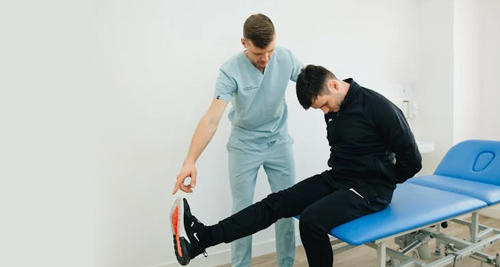
Physiotherapist assessing a patient's leg movement during examination

Diagnosis of a Broken Leg

Diagnosis of a Broken Leg Diagnosis of a Broken Leg is based on physical examination and confirmed through imaging. Accurate diagnosis of a broken leg helps determine the fracture type, severity, and the best course of treatment. Early diagnosis is key to avoiding complications like nerve damage, malunion, or delayed healing. A doctor will begin with a clinical exam, asking how the injury happened and evaluating the leg for swelling, bruising, deformity, and tenderness. The patient may be asked to move the leg or foot slightly, though unnecessary movement is avoided to prevent worsening the injury. Palpation (gentle pressing) helps locate the precise point of pain and assess bone stability. Doctors also check the colour, temperature, and pulse of the foot to ensure adequate blood flow and no vascular compromise. X-rays are the primary diagnostic tool. They reveal whether the bone is cracked, fully broken, displaced, or shattered. X-rays are taken from multiple angles and sometimes include the knee and ankle to check for associated injuries. Diagnosis of a Broken Leg CT scans may be ordered for more complex injuries, particularly if surgery is planned or if the fracture involves the joint surface. CT imaging provides a three-dimensional view that helps surgeons prepare for internal fixation. MRI is used less often but may be helpful in identifying stress fractures, ligament injuries, or soft tissue damage that doesn’t show up on X-ray. This is especially useful in athletes or those with recurring leg pain without a clear break on imaging. In children, growth plates complicate the picture. What appears as a fracture on X-ray may actually be normal growth. Paediatric orthopaedic input is often necessary to ensure proper interpretation and treatment. A correct diagnosis of a broken leg ensures timely treatment and better recovery. Misdiagnosed or missed fractures can lead to poor bone healing, deformity, or the need for corrective surgery later. [Next: Treatment of a Broken Leg →]

Diagnosis of a Broken Leg Read More »

Treatment of a Broken Leg

Treatment of a Broken Leg

Treatment of a Broken Leg Treatment of a Broken Leg depends on the type of fracture, location, severity, and the patient’s overall health and lifestyle. The goal of treatment of a broken leg is to align and stabilise the bone to promote healing, prevent complications, and restore full mobility. For minor fractures where the bones remain in place, treatment may involve a cast or brace to immobilise the leg while it heals. This is common with hairline fractures or non-displaced breaks in the tibia or fibula. Crutches are often provided to reduce weight-bearing during recovery. More severe or displaced fractures require a closed reduction — a non-surgical procedure where the doctor manually realigns the bone under local or general anaesthesia. After alignment, the leg is immobilised with a cast, and follow-up X-rays are taken to ensure proper healing. In complex cases, surgery is necessary. Open reduction and internal fixation (ORIF) involves inserting metal plates, screws, or rods to hold the bone in place. Femur fractures almost always require surgical repair due to the size and load-bearing function of the bone. Compound fractures — where the bone breaks through the skin — are medical emergencies. They require immediate cleaning, antibiotics, and surgical fixation to prevent infection and further damage. Treatment of a Broken Leg Stress fractures usually respond well to rest, ice, and limited activity. In some cases, walking boots or braces are used to offload pressure from the affected bone. Children heal faster and often require shorter immobilisation periods. However, careful monitoring is important to avoid growth disturbances. Elderly patients may take longer to heal and are at higher risk for complications such as blood clots or pneumonia. Rehabilitation begins after the initial healing phase. Physical therapy focuses on improving strength, flexibility, and range of motion. Exercises gradually progress from non-weight-bearing to full activity over several weeks or months. Timely and appropriate treatment of a broken leg significantly increases the chances of a full recovery and reduces the risk of permanent disability. [Next: Complications and Recovery from a Broken Leg →]

Treatment of a Broken Leg Read More »

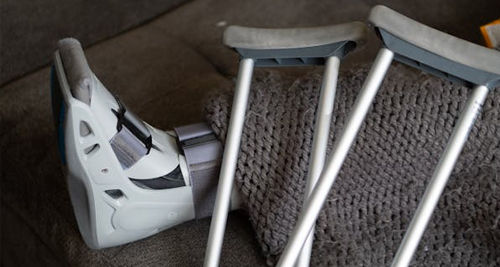
Person with a broken leg resting on a couch with crutches and a medical walking boot

Complications and Recovery from a Broken Leg

Complications and Recovery from a Broken Leg Complications and Recovery from a Broken Leg vary depending on the severity of the fracture, the treatment approach, and patient compliance with rehabilitation. The most common complications and recovery from a broken leg concerns include malunion, nonunion, joint stiffness, infection, and delayed return to mobility. Malunion occurs when the bone heals in the wrong position. This can affect leg alignment and gait, causing pain or long-term disability. It may require corrective surgery. Nonunion, where the bone fails to heal altogether, can result from poor blood supply, infection, or movement during healing. Infections are a risk in compound fractures or post-surgery. Symptoms include redness, fever, and pus at the wound site. Prompt treatment with antibiotics and wound care helps prevent long-term damage. Nerve or blood vessel damage can occur during the injury or surgery. This may result in numbness, tingling, or reduced circulation to the foot. Immediate attention is required to prevent complications like foot drop or limb loss. Joint stiffness is common after prolonged immobilisation. Without physiotherapy, muscle loss and joint tightness may delay recovery or lead to chronic discomfort. Targeted exercises, often supervised by a physiotherapist, help restore strength and range of motion. Blood clots (deep vein thrombosis) are a serious concern, especially in long immobilisations. Preventative measures include leg elevation, compression stockings, and medication. Complications and Recovery from a Broken Leg Psychological impacts also play a role in recovery. Extended bed rest, pain, or loss of independence can lead to anxiety or depression. Emotional support and setting realistic goals help maintain motivation during recovery. The timeline for healing varies. Minor fractures may heal in 6 to 8 weeks, while major injuries requiring surgery can take 3 to 6 months or more. Athletes or manual workers may need longer before returning to full function. Successful complications and recovery from a broken leg depend on proper diagnosis, timely treatment, structured rehabilitation, and patient commitment. With comprehensive care, most patients regain mobility and return to their normal lifestyle. Back to Overview

Complications and Recovery from a Broken Leg Read More »

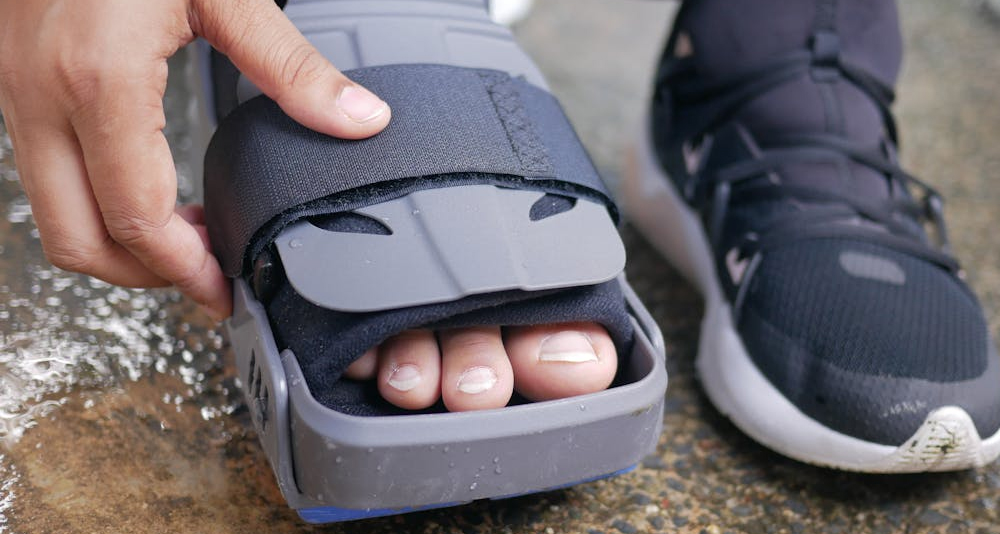
Close-up of foot in orthopaedic walking boot for broken toe recovery

Broken Toe

Broken Toe – Overview A broken toe is a fracture in one of the 14 bones (phalanges) that make up the toes of the foot. A broken toe may seem like a minor injury. However, if not diagnosed and treated correctly, it can result in long-term pain, poor alignment, and mobility issues. This type of injury is common among both children and adults. Additionally, it’s usually caused by trauma such as stubbing the toe, dropping something heavy on the foot, or during sporting accidents. Most toe fractures involve the smaller toes. However, the big toe — which bears more weight and provides stability — is more serious when fractured. While some breaks are clean and straightforward, others may be displaced or involve the joint, requiring a more advanced approach. Symptoms usually include sudden, localised pain, swelling, bruising, and difficulty walking. In more serious fractures, the toe may look crooked or bent at an unnatural angle. Many people ignore the signs, assuming it’s just a stubbed toe. However, continuing to walk on a fracture can cause delayed healing or long-term joint damage. Broken Toe Diagnosis is confirmed with a physical exam and an X-ray. Depending on the location and severity, treatment may involve taping the toe. Wearing a stiff-soled shoe, or, in more complex cases, surgery. Most people recover within 4 to 6 weeks. However, untreated fractures or poor aftercare can lead to arthritis, deformity, or chronic pain. Prompt treatment and proper footwear during recovery are key to preventing complications. [Next: Causes of a Broken Toe →]

Broken Toe Read More »

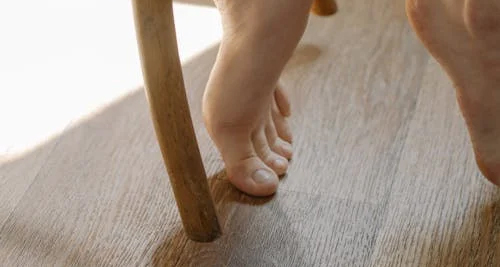
Barefoot toe hitting wooden chair leg on hard floor

Causes of a Broken Toe

Causes of a Broken Toe Causes of a Broken Toe typically involve blunt trauma or direct impact to the foot. The most common causes of a broken toe include stubbing the toe against hard surfaces, dropping objects on the foot, sports injuries, and missteps that bend the toe unnaturally. These fractures can affect anyone but are especially common among athletes, children, and people working in physically demanding environments. Stubbing the toe is a leading cause. Whether it happens against a wall, furniture, or the edge of a step, the sudden force can easily crack one of the small bones in the toe. These injuries are often underestimated because pain can subside quickly, even when a fracture is present. Crush injuries are also common. Dropping a heavy object such as a can, toolbox, or book on the foot can break a toe instantly. Toes are exposed and lack the muscle protection that other body parts have, making them more vulnerable to direct blows. Sports injuries frequently cause toe fractures. Footballers, runners, dancers, and martial artists are all at risk. A misstep, tackle, or landing awkwardly after a jump can put too much pressure on the toe joints and bones, leading to breaks or dislocations. Causes of a Broken Toe Wearing inappropriate footwear can increase the likelihood of toe injuries. Shoes that are too tight, loose, or lacking proper support can contribute to falls and missteps. Open-toed footwear also increases the risk of stubbing and crush injuries. Some people are more vulnerable due to bone weakness. Conditions like osteoporosis or previous injuries can make the bones of the feet more fragile. Diabetics and people with poor circulation may not even notice a fracture until secondary symptoms appear, like swelling or infection. Understanding the causes of a broken toe helps reduce risk through simple preventative steps — wearing closed, well-fitting shoes, using caution in crowded spaces, and being careful when handling heavy objects at home or work. [Next: Symptoms of a Broken Toe →]

Causes of a Broken Toe Read More »

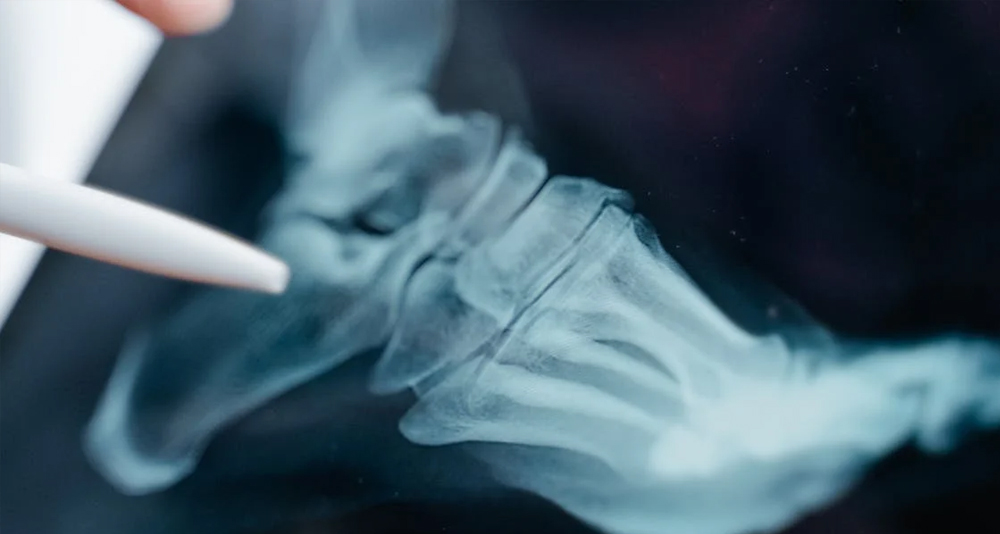
X-ray of foot showing fractured toe bones

Symptoms of a Broken Toe

Symptoms of a Broken Toe Symptoms of a Broken Toe often appear immediately after the injury but can sometimes develop gradually. The most common symptoms of a broken toe include sudden sharp pain, swelling, bruising, discolouration, and difficulty putting weight on the affected foot. Identifying these symptoms early can help ensure proper healing and avoid complications. Pain is typically the first and most noticeable symptom. It may feel sharp, throbbing, or localised directly at the point of impact. Most people instinctively grab their foot or limp shortly after the injury. Pain may worsen when walking, especially if the break involves the big toe or a displaced fracture. Swelling develops rapidly, often within minutes of the injury. The toe may appear puffy, and the surrounding skin may feel tight. Ice and elevation can help manage early swelling, but persistent or increasing puffiness should be evaluated. Bruising is a common sign of a broken toe. It often starts as deep purple or blue and may spread to nearby toes or the top of the foot. In some cases, bruising appears on the sole of the foot. Bruising and swelling together usually suggest internal bleeding from a fracture. Symptoms of a Broken Toe Deformity is another clear sign. The toe may appear crooked, bent at an odd angle, or misaligned. In displaced fractures, the bone may push visibly under the skin. Trying to “pop it back” is dangerous and should be avoided. Walking difficulty is common. People with a broken toe usually limp or shift their weight to the opposite foot to reduce pressure. Some may not be able to wear a shoe due to pain or swelling. Numbness, tingling, or coldness in the toe could indicate nerve or blood vessel involvement. These symptoms require immediate medical assessment. Many people delay seeking treatment because they believe the injury is “just a stubbed toe.” However, if symptoms of a broken toe persist for more than 2 days or interfere with walking or balance, an X-ray is needed to confirm the diagnosis. [Next: Diagnosis of a Broken Toe →]

Symptoms of a Broken Toe Read More »

X-ray of a foot showing a suspected broken toe

Diagnosis of a Broken Toe

Diagnosis of a Broken Toe Diagnosis of a Broken Toe begins with a physical exam and is confirmed using imaging tests. A proper diagnosis of a broken toe ensures appropriate treatment, minimises recovery time, and prevents long-term complications like joint stiffness or poor alignment. During the clinical examination, the doctor will ask how the injury occurred and what symptoms are present. They’ll inspect the foot for swelling, bruising, and tenderness, comparing it with the unaffected side. If the toe looks deformed or cannot bear weight, a fracture is likely. Palpation is used to assess pain points and bone stability. The doctor may gently press different parts of the toe to locate the break and check whether it moves abnormally. However, excessive manipulation is avoided to prevent further damage. X-rays are the gold standard for diagnosing toe fractures. They reveal the location, type, and severity of the break. X-rays also show whether the bone is displaced or aligned and if the joint is involved. In complex fractures, more than one toe may need to be imaged. Diagnosis of a Broken Toe In rare cases, a CT scan may be ordered if a tiny fracture is suspected but not clearly visible on an X-ray. This is more common in patients with persistent symptoms despite a normal X-ray result or in professional athletes where full function is critical. Doctors will also evaluate circulation and nerve function. Poor blood flow, numbness, or discolouration may require immediate action, especially in cases where swelling threatens nearby tissues. Diabetic patients and those with peripheral vascular disease are treated with extra caution. Because of reduced sensation, they may not feel pain normally, leading to delayed diagnosis and an increased risk of complications like infection or poor healing. An accurate diagnosis of a broken toe guides the next steps — whether conservative treatment or surgical referral — and plays a major role in avoiding future mobility problems. [Next: Treatment of a Broken Toe →]

Diagnosis of a Broken Toe Read More »

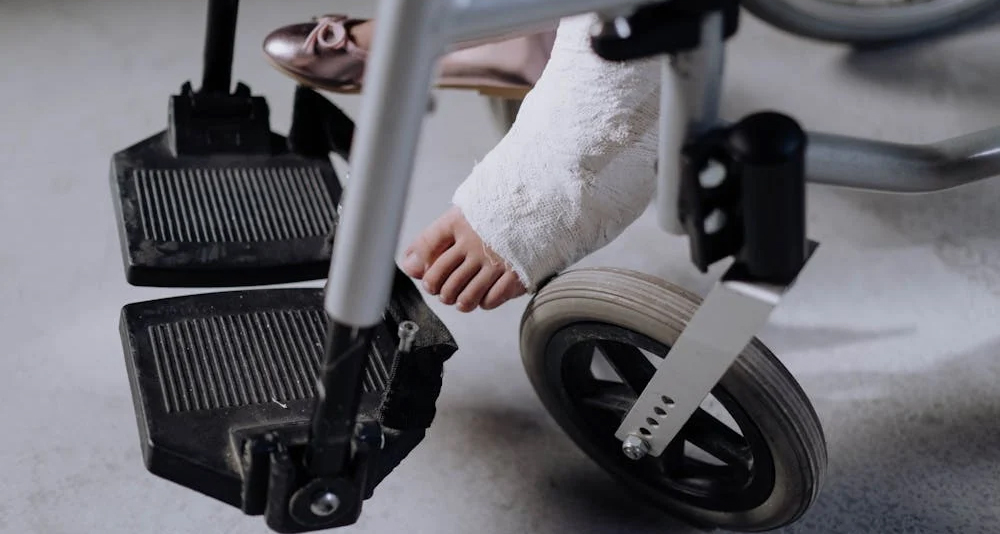
Foot in cast resting on a wheelchair footrest after toe fracture treatment

Treatment of a Broken Toe

Treatment of a Broken Toe Treatment of a Broken Toe depends on whether the fracture is stable or displaced, the toe affected, and how much joint function is involved. The main goal of treatment of a broken toe is to ensure the bone heals correctly while maintaining balance, comfort, and mobility. For most non-displaced fractures, conservative treatment is sufficient. Buddy taping — where the injured toe is taped to the neighbouring toe — provides stability and reduces motion. A stiff-soled shoe or post-operative sandal is often recommended to protect the foot while walking. If the big toe is fractured, or if the injury involves a joint, a more structured immobilisation approach may be used. A walking boot or toe splint may be prescribed for 2 to 4 weeks. Pain is typically managed with paracetamol, ibuprofen, and elevation during the first few days. In displaced fractures or those that affect alignment, a closed reduction may be needed. This procedure involves manipulating the toe back into position, usually under local anaesthesia. X-rays are repeated afterwards to ensure proper alignment before taping or splinting. Open fractures — where the bone pierces the skin — are considered emergencies. These require wound cleaning, antibiotics, and often surgical fixation to avoid infection and ensure healing. In rare cases, surgery may be necessary. This applies to comminuted fractures (bone broken into several pieces), unstable joint injuries, or fractures that don’t heal with conservative treatment. Surgical repair may involve pins, screws, or wires. Treatment of a Broken Toe Children generally heal faster and may need less rigid support. However, follow-up is important to ensure bones grow correctly. Adults with underlying health conditions or poor circulation may heal more slowly. Rehabilitation usually begins after the pain and swelling reduce. Gentle toe movements and foot exercises help restore balance and strength. Most people can resume normal activity within 4 to 6 weeks. Well-timed treatment of a broken toe helps prevent long-term issues like joint stiffness, altered walking patterns, or chronic foot pain. [Next: Complications and Recovery from a Broken Toe →]

Treatment of a Broken Toe Read More »

Close-up of feet on tiptoe during recovery exercise for a broken toe

Complications and Recovery from a Broken Toe

Complications and Recovery from a Broken Toe Complications and Recovery from a Broken Toe depend on the type of fracture, how it was treated, and the patient’s adherence to aftercare. The most common complications and recovery from a broken toe concerns include poor alignment, chronic pain, stiffness, arthritis, and delayed healing — especially if the injury was ignored or poorly managed. Stiffness is the most common issue. Immobilising the toe helps healing, but without movement, joints can stiffen. Once swelling and pain decrease, gentle range-of-motion exercises are crucial. Long-term stiffness may affect walking comfort and cause the person to adjust their gait, leading to new problems in the ankle, knee, or hip. Malunion occurs when the bone heals in the wrong position. This can result in a visible bump, overlapping toes, or a crooked appearance. While this may not always cause pain, it can interfere with shoe fit and balance. Nonunion — where the bone fails to heal — is rare but serious. It’s more likely in smokers, diabetics, or people with poor circulation. Persistent pain or swelling weeks after the injury may suggest delayed healing and should be reassessed with imaging. Complications and Recovery from a Broken Toe Arthritis can develop if the break involves a joint surface. This causes stiffness, pain with movement, and weather sensitivity. Wearing cushioned footwear and maintaining an active lifestyle can help manage symptoms. Other complications include nerve damage, persistent swelling, and sensitivity in cold weather. These are more common in crush injuries or open fractures. Recovery from a broken toe usually takes 4 to 6 weeks, though full return to sport or intense activity may take longer. Wearing appropriate footwear during and after recovery helps avoid reinjury and supports natural gait restoration. Proper follow-up, footwear, and physiotherapy play a major role in preventing complications and supporting recovery. With the right care, most people regain full toe function without long-term limitations. Back to Overview

Complications and Recovery from a Broken Toe Read More »

Scroll to Top