Mental Matters

Health Conditions

Find information on various health conditions affecting people of all ages. This category covers causes, symptoms, diagnosis, and management options for physical illnesses and chronic diseases. Get insights to help you understand different health challenges and make informed decisions about your wellbeing.

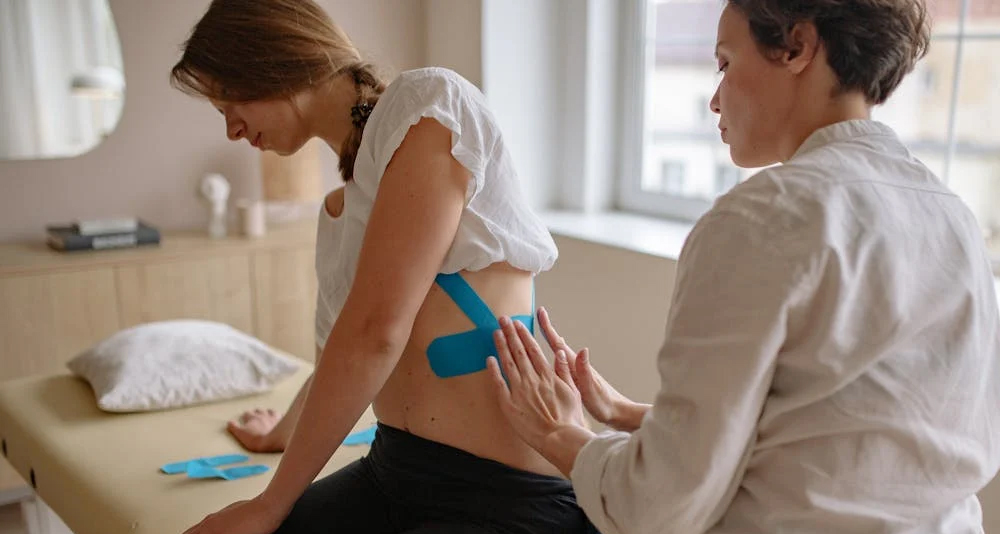
Physiotherapist applying kinesiology tape on a woman’s back for broken rib treatment

Treatment of a Broken Rib

Treatment of a Broken Rib Treatment of a Broken Rib focuses on pain control, lung protection, and gradual return to normal activity. Most cases of a broken rib heal without surgery, provided that the fracture is not displaced and there are no complications. Recovery requires a balance between rest and breathing exercises to avoid lung infections. Pain management is the cornerstone of treatment. Over-the-counter pain relievers such as paracetamol or ibuprofen help reduce inflammation and discomfort. In more severe cases, doctors may prescribe stronger medications or nerve-block injections. Cold packs applied to the chest for 15–20 minutes at a time during the first 48 hours help reduce swelling and bruising. Keeping the upper body elevated — especially during sleep — eases breathing and discomfort. Breathing exercises are crucial. Although deep breaths can be painful, shallow breathing increases the risk of pneumonia. Patients are advised to perform controlled breathing and gentle coughing exercises several times a day. An incentive spirometer (a handheld breathing device) may be recommended in hospital settings. Unlike in the past, rib belts or tight bandages are no longer recommended. These can restrict breathing and increase the risk of lung complications. Rest is important, but complete inactivity should be avoided. Gentle movement and short walks promote circulation and reduce the chance of blood clots. Activities that strain the chest, like lifting or pushing heavy objects, should be avoided for several weeks. Treatment of a Broken Rib Hospital admission may be needed in cases involving multiple fractured ribs, lung puncture, or serious underlying health conditions. These patients are closely monitored for respiratory distress and may require supplemental oxygen or surgical stabilisation of the ribs. Surgical treatment is rare but considered in cases of flail chest (when multiple ribs are broken in several places), persistent pain, or deformity. Titanium plates or screws may be used to stabilise the ribs and speed up recovery. Proper treatment of a broken rib includes monitoring for signs of complications, staying active with care, and following up if symptoms worsen. [Next: Complications and Recovery from a Broken Rib →]
Treatment of a Broken Rib Read More »

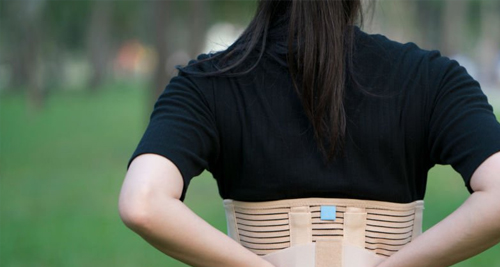
Woman wearing a rib brace to support recovery from a fractured rib outdoors

Complications and Recovery from a Broken Rib

Complications and Recovery from a Broken Rib Complications and Recovery from a Broken Rib depend on the severity of the fracture, the number of ribs involved, and how well the patient follows aftercare instructions. The most common complications and recovery from a broken rib issues include pneumonia, collapsed lung, chronic pain, and reduced lung capacity. However, most cases resolve without serious consequences when treated early and correctly. Pneumonia is a leading complication. Because deep breathing and coughing are painful, many patients breathe shallowly or suppress their cough, allowing mucus to build up in the lungs. This creates a breeding ground for infection. Preventive breathing exercises and early mobilisation are vital in avoiding this complication. Pneumothorax (collapsed lung) or haemothorax (internal bleeding) may occur if a broken rib punctures lung tissue or blood vessels. Symptoms include shortness of breath, rapid heartbeat, and chest pain that doesn’t improve. These conditions require emergency treatment, often involving chest tube insertion or surgery. Flail chest, a rare but severe condition, occurs when three or more ribs are broken in multiple places. The affected chest area moves paradoxically during breathing and severely compromises lung function. Surgical stabilisation is usually required. Chronic pain is another concern. Even after the bone has healed, nerve damage or scar tissue may cause lingering discomfort. Some patients develop costochondritis — inflammation of the cartilage where ribs attach to the sternum — which mimics rib pain. Complications and Recovery from a Broken Rib Recovery from a broken rib generally takes 4 to 6 weeks, though full return to strenuous activity may take longer. Elderly patients or those with other health conditions may experience slower healing. Regular movement, good nutrition, and smoking cessation all support the healing process. Follow-up care includes monitoring for complications, continuing breathing exercises, and slowly increasing activity. Support from physiotherapists and general practitioners may be helpful for pain management and mobility concerns. A smooth complications and recovery from a broken rib process depends on proper pain control, lung protection, and gradual rehabilitation. With the right care, most patients make a full recovery without long-term issues. Back to Overview

Complications and Recovery from a Broken Rib Read More »

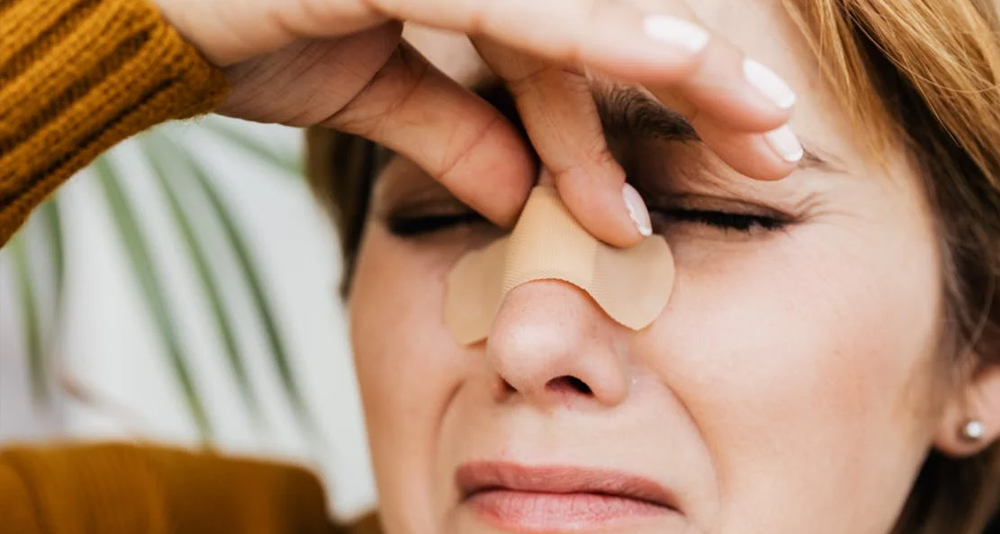
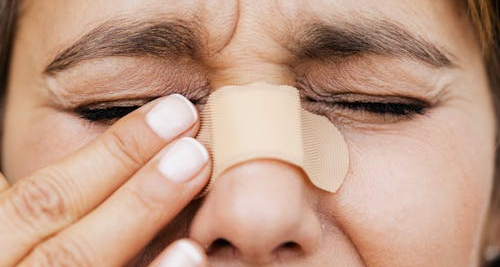
Woman touching nose with plaster bandage – broken nose pain

Broken Nose

Broken Nose – Overview A broken nose is a fracture or crack in the bone or cartilage of the nose. This is usually caused by direct trauma to the face. As one of the most common facial fractures. This is often resulting from sports injuries, accidents, physical altercations, or falls. While some nasal fractures are minor. Additionally, others can lead to breathing problems, long-term deformity, and chronic sinus issues if left untreated. The nose consists of both bone and cartilage. The upper third is made of bone, while the lower two-thirds are cartilage. Fractures usually occur in the bony part of the nose but may also involve the nasal septum — the thin wall separating the nostrils. When the septum is displaced, it can block airflow and affect breathing permanently. Typical symptoms include pain, swelling, tenderness, bruising under the eyes, and bleeding from the nostrils. In more serious cases, the nose may appear crooked, flattened, or deviated. Patients may also hear or feel a crunching sound when touching the nose, indicating broken bone fragments beneath the skin. Broken Nose Diagnosis often involves a physical examination and medical history. If the injury is part of a more serious trauma (e.g. head injury or facial fracture), a CT scan may be required to assess the extent of damage. Early evaluation is important to avoid complications and to allow for realignment before swelling worsens. Treatment for a broken nose ranges from conservative care (like ice, rest, and pain medication) to manual repositioning (closed reduction) or surgery in cases of severe deformity. A nasal fracture should ideally be addressed within 10–14 days before the bone begins to heal improperly. With prompt and appropriate care, most broken noses heal without complications. However, ignoring the injury or attempting to “fix it” at home can result in lasting cosmetic and functional issues. [Next: Causes of a Broken Nose →]

Broken Nose Read More »

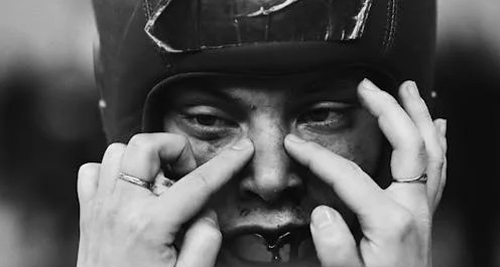
Boxer pressing bruised nose after injury – causes of a broken nose

Causes of a Broken Nose

Causes of a Broken Nose Causes of a Broken Nose usually involve blunt force trauma to the face, often during sport, physical confrontations, or accidental impact. The most common causes of a broken nose include contact sports, falls, road accidents, assaults, and workplace injuries. Because the nose protrudes from the face, it is particularly vulnerable to fractures during any sudden or forceful impact. Contact sports are a leading cause. Rugby, football, boxing, hockey, and martial arts put athletes at frequent risk of facial injury. A stray elbow, fist, or ball can easily break the nasal bone or cartilage, especially if protective gear isn’t worn. Falls — particularly in elderly individuals or children — are another common source. Falling face-first onto a hard surface, such as tiles or pavement, often results in a broken nose, especially if the hands fail to break the fall. Assaults and physical altercations frequently involve blows to the face, resulting in nasal fractures. A punch, headbutt, or impact from an object can damage not only the nasal bones but also surrounding structures, such as the eye sockets or cheekbones. Motor vehicle accidents can also cause significant nasal trauma. In head-on collisions, the face may strike the steering wheel, dashboard, or airbag with enough force to fracture the nose. Cyclists and pedestrians are especially vulnerable in traffic incidents. Causes of a Broken Nose Injuries at work, especially in construction, warehouse, or mechanical environments, can result from falling tools or equipment, slips, or accidental impact with machinery. Poor lighting and lack of personal protective equipment increase these risks. Children may suffer broken noses during playground incidents, rough play, or falls at home. Since their facial bones are still developing, they are more prone to cartilage damage and swelling, making diagnosis challenging. Understanding the causes of a broken nose is important not only for treatment but also for prevention. Wearing protective gear during sports, using seatbelts, improving home and workplace safety, and reducing fall risks are simple ways to prevent nasal fractures. [Next: Symptoms of a Broken Nose →]

Causes of a Broken Nose Read More »

Woman with a bruised nose and nosebleed, showing symptoms of a broken nose

Symptoms of a Broken Nose

Symptoms of a Broken Nose Symptoms of a Broken Nose are usually obvious and develop shortly after injury. The most common symptoms of a broken nose include pain, swelling, bruising, bleeding, and a change in the appearance of the nose. Prompt recognition of these symptoms helps ensure early treatment and prevents long-term complications. Pain is often sharp and localised to the bridge of the nose. It worsens with touch, breathing through the nose, or facial movements like laughing or sneezing. Some patients experience headaches or pain radiating to the eyes or forehead. Swelling develops quickly and may obscure deformities for the first 24–48 hours. The area around the nose becomes tender and puffy, sometimes extending to the cheeks or under the eyes. This swelling can make it difficult to assess the full extent of the fracture initially. Bruising appears around the eyes, giving a “black eye” appearance. This occurs due to the leakage of blood from broken vessels beneath the skin. Bruising may also develop across the nose and upper lip. Nasal bleeding is common, especially immediately after injury. While light bleeding usually stops on its own, profuse or ongoing nosebleeds require medical attention. Bleeding can also signal more severe damage inside the nasal cavity. Symptoms of a Broken Nose Deformity is a key symptom. The nose may look crooked, flattened, or visibly shifted to one side. Some people report that their glasses no longer sit correctly on their nose. A deviated septum — when the thin wall between nostrils moves off-centre — can cause visible asymmetry and breathing problems. Other symptoms include difficulty breathing through the nose, a blocked sensation in one or both nostrils, or a crunching or grating sound (crepitus) when touching the nose — a classic sign of fractured bone or cartilage. In children, the symptoms may be more subtle. They may complain of pain, refuse to let anyone touch their face, or have unexplained swelling or bruising. If symptoms of a broken nose are suspected, it’s best to seek evaluation within 48–72 hours. Early treatment offers the best chance of realignment before swelling interferes or healing begins in a crooked position. [Next: Diagnosis of a Broken Nose →]

Symptoms of a Broken Nose Read More »

octors examining an X-ray image for nasal injury diagnosis

Diagnosis of a Broken Nose

Diagnosis of a Broken Nose Diagnosis of a Broken Nose is based on a physical exam, history of the injury, and, in some cases, imaging studies. Timely and accurate diagnosis of a broken nose ensures effective treatment and prevents long-term problems with appearance or breathing. The process begins with a detailed history. The healthcare provider will ask how the injury occurred, whether there was any bleeding, loss of consciousness, or other associated symptoms such as double vision or headaches. These questions help rule out other facial fractures or brain injuries. During the physical examination, the doctor will inspect the nose for swelling, bruising, bleeding, deviation, and lacerations. They’ll gently palpate the nasal bones to assess for tenderness, instability, or crepitus — a crackling sound that indicates bone fragments. Nasal airflow may also be checked by closing one nostril at a time and observing breathing ability. If the septum appears crooked or there’s suspicion of a deviated septum, the doctor may use a nasal speculum and light to inspect the inside of the nose. A haematoma (blood collection) on the septum can block airflow and must be drained immediately to prevent cartilage collapse. Diagnosis of a Broken Nose X-rays are not always necessary for nasal fractures, as physical signs are often sufficient. However, if the injury is part of a more serious accident or if other facial bones may be involved, a CT scan may be ordered. CT scans are especially useful for identifying fractures in the sinus area or orbital bones. In children, diagnosis may be complicated by swelling or lack of clear communication. Doctors may delay imaging until swelling subsides or refer to a paediatric ENT specialist. An accurate diagnosis of a broken nose is critical before any realignment is attempted. Early detection of associated injuries — like septal haematomas or orbital fractures — ensures that all complications are addressed promptly. [Next: Treatment of a Broken Nose →]

Diagnosis of a Broken Nose Read More »

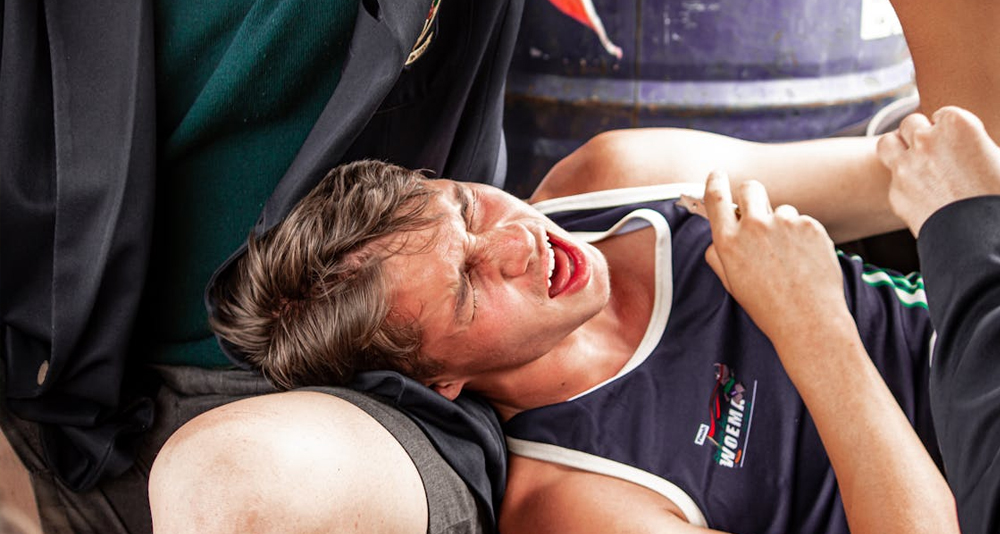
Injured young man receiving assistance after facial trauma

Treatment of a Broken Nose

Treatment of a Broken Nose Treatment of a Broken Nose depends on the severity of the fracture, whether the nose is displaced. Additionally, whether breathing is affected. The main goal of treatment of a broken nose is to restore nasal function. Furthermore, realign the structure and reduce the risk of long-term cosmetic or functional problems. Minor nasal fractures that don’t cause displacement or breathing difficulty can often be treated conservatively. This includes rest, ice packs applied to reduce swelling. Additionally, elevation of the head while sleeping, and over-the-counter pain medication such as paracetamol or ibuprofen. Nasal sprays may help with congestion caused by swelling. For displaced fractures — where the nose appears crooked, sunken, or misaligned — a closed reduction may be necessary. This is a non-surgical procedure where the doctor manually realigns the bones and cartilage. Ideally, this should be done within 10 to 14 days after the injury. Before the bone begins to heal in the wrong position. In cases where the septum is deviated or there is persistent obstruction, septoplasty or surgical repair may be required. Surgery may also be necessary if the nose is severely misshapen, or if previous attempts at manual reduction fail. These procedures are typically done under general anaesthesia by an ENT specialist or plastic surgeon. Treatment of a Broken Nose Open fractures, where bone protrudes through the skin or is accompanied by deep cuts, require immediate medical and surgical care. Antibiotics are often prescribed to prevent infection. Children with nasal fractures are usually treated more conservatively, but they may still require intervention if the nose becomes deformed or breathing is impaired. After any realignment or surgery, a nasal splint may be used to support the structure during healing. Patients are advised to avoid contact sports, nose-blowing, and wearing glasses for several weeks. Proper treatment of a broken nose ensures that the nose heals straight, breathing remains clear, and complications like chronic sinus issues, sleep apnoea, or cosmetic concerns are avoided. [Next: Complications and Recovery from a Broken Nose →]

Treatment of a Broken Nose Read More »

Woman holding her nose with a bandage across the bridge

Complications and Recovery from a Broken Nose

Complications and Recovery from a Broken Nose Complications and Recovery from a Broken Nose can vary depending on the severity of the fracture and the timeliness of treatment. The most common complications and recovery from a broken nose issues include nasal deformity, breathing difficulties, persistent nosebleeds, and chronic sinus problems. With proper care, most patients heal well — but delayed or inadequate treatment increases the risk of lasting issues. One of the most frequent complications is cosmetic deformity. If the bones heal in a misaligned position, the nose may appear crooked or asymmetrical. In some cases, this can only be corrected with surgery. A flattened nasal bridge or a bump that wasn’t there before may also develop. Breathing issues can result from a deviated septum or internal scarring. Patients may notice difficulty breathing through one or both nostrils, especially during exercise or sleep. This can contribute to snoring, sleep apnoea, or reduced physical performance. Septoplasty can often correct this if done in time. Persistent nosebleeds may occur due to damaged blood vessels inside the nose. Dryness, scabs, or ongoing inflammation may also cause discomfort, making nasal hygiene and hydration important during recovery. Septal haematomas are collections of blood within the nasal septum. If not treated promptly, they can damage cartilage and cause the nose to collapse — a condition known as saddle nose deformity. This is preventable with early drainage. Complications and Recovery from a Broken Nose Infections, while rare, can occur if cuts are present or bones are exposed. Signs include fever, redness, increasing pain, and pus discharge. These require antibiotics and sometimes surgical drainage. Most people recover from a broken nose within 1 to 2 weeks, though swelling may persist for longer. Full assessment of the final appearance may take up to 6 weeks. Avoiding further trauma, managing congestion, and following doctor instructions help ensure a smooth recovery. Early medical evaluation, proper alignment, and monitoring for complications are essential for managing complications and recovery from a broken nose successfully and preventing the need for future corrective surgery. Back to Overview

Complications and Recovery from a Broken Nose Read More »

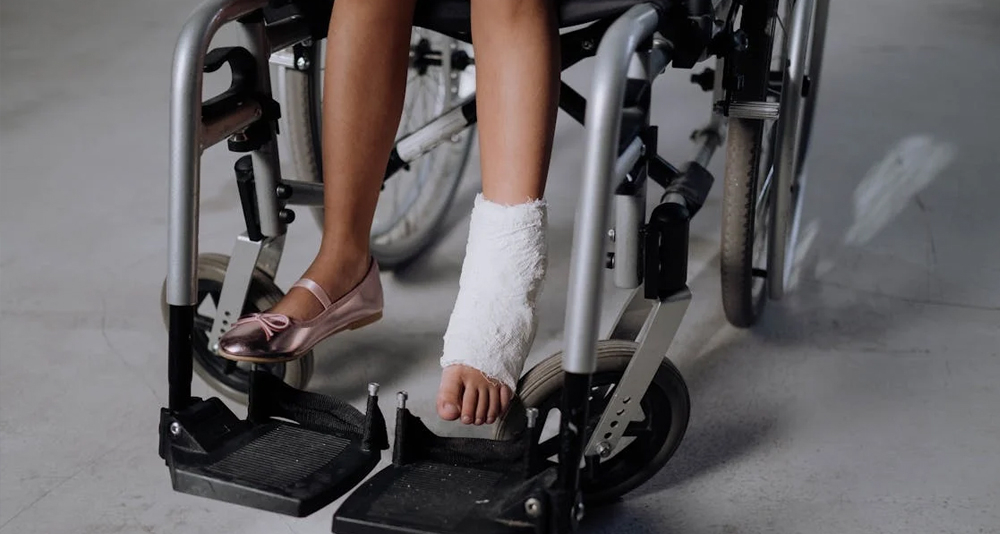
Child in wheelchair with leg cast

Broken Leg

Broken Leg – Overview A broken leg refers to a fracture in one or more of the bones that make up the leg — the femur, tibia, or fibula. A broken leg is a serious and often painful injury that typically results from high-impact trauma. Such as car accidents, falls from height, or direct blows during sports. It requires prompt medical evaluation and often weeks or months of recovery and rehabilitation. The femur is the strongest bone in the body and usually only breaks under extreme force. Tibia and fibula fractures, particularly in the lower leg, are more common and may result from twisting injuries or sudden impact. Breaks can be simple and clean, or complex and displaced. In some cases, the bone may pierce the skin. This is known as a compound or open fracture and carries a higher risk of infection and complications. Symptoms typically include severe pain, visible swelling, bruising, inability to walk or bear weight. Additionally, deformity or misalignment of the leg. Diagnosis involves a physical exam followed by imaging — most commonly an X-ray. For more complex injuries, a CT or MRI may be required. Broken Leg Treatment depends on the type and severity of the fracture. Minor fractures may be treated with immobilisation in a cast or brace, while complex or unstable fractures often require surgical intervention. Surgical treatment may involve inserting rods, screws, or plates to stabilise the bones during healing. Recovery from a broken leg varies. While minor fractures may heal in six to eight weeks, more serious breaks can take several months. Physical therapy is crucial to restore strength, mobility, and coordination, especially after long periods of immobilisation. [Next: Causes of a Broken Leg →]

Broken Leg Read More »

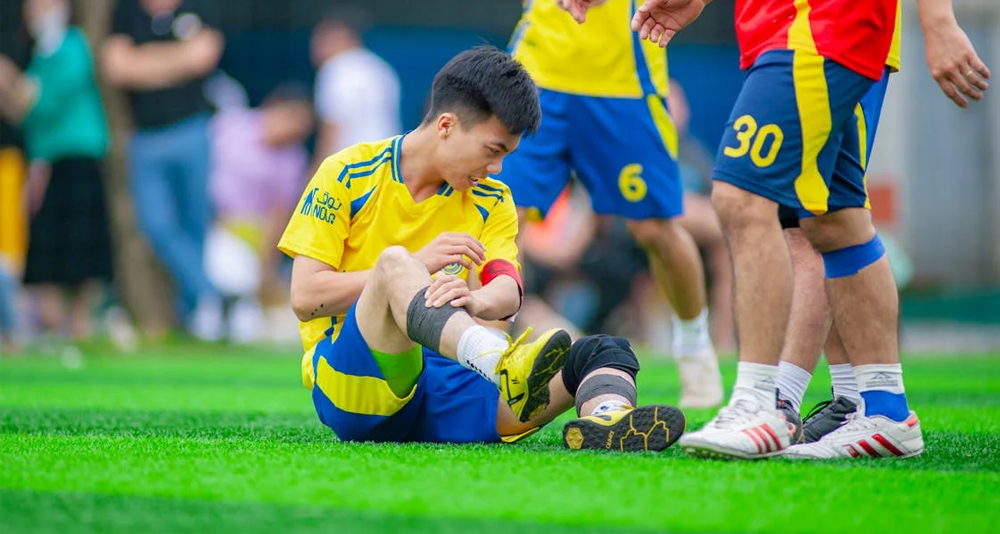
Injured football player sitting on field holding his leg

Causes of a Broken Leg

Causes of a Broken Leg Causes of a Broken Leg typically involve high-force trauma, repetitive strain, or impact that exceeds the bone’s ability to withstand stress. The most common causes of a broken leg include vehicle accidents, sports injuries, falls, and direct blows to the leg. The type of force and the patient’s bone health influence the location and severity of the fracture. Car and motorcycle accidents are among the leading causes, especially for femur fractures. In a collision, the leg may be compressed, twisted, or struck directly, resulting in serious breaks that often require surgical repair. Pedestrians and cyclists are also at high risk of sustaining leg fractures in road incidents. Sports injuries are another frequent cause. Footballers, rugby players, skaters, and runners often sustain lower leg fractures from sudden stops, twists, or tackles. A misstep or awkward landing can cause a tibial or fibular break, particularly in contact sports or when adequate protective gear isn’t used. Falls — whether from stairs, ladders, or while hiking — are a common source of fractures, especially among older adults or people with balance issues. The leg may twist unnaturally or absorb the full impact of the fall, leading to one or more fractures. Causes of a Broken Leg Workplace accidents, particularly in construction or factory environments, are also notable contributors. A heavy object falling on the leg or getting caught in machinery can easily break the bones. These injuries may be more complex and involve soft tissue damage or open wounds. Stress fractures are less dramatic but still serious. They occur from repeated impact or overuse, especially in athletes or soldiers. These small cracks in the bone may initially be painless but can worsen over time and develop into full fractures. Underlying health conditions like osteoporosis significantly raise the risk. People with low bone density can suffer a broken leg from what would otherwise be a minor impact. In such cases, fracture prevention is just as important as treatment. Understanding the causes of a broken leg can help individuals take appropriate precautions — whether through better footwear, using safety gear, or building muscle strength to support bone integrity. [Next: Symptoms of a Broken Leg →]

Causes of a Broken Leg Read More »

Scroll to Top