Mental Matters

Health Conditions

Find information on various health conditions affecting people of all ages. This category covers causes, symptoms, diagnosis, and management options for physical illnesses and chronic diseases. Get insights to help you understand different health challenges and make informed decisions about your wellbeing.

Living with Breast Cancer in Women

Living with Breast Cancer in Women

Living with Breast Cancer in Women – Support and Survivorship Living with breast cancer in women – support and survivorship involves ongoing care, emotional healing, and adjusting to life after treatment. Whether newly diagnosed or years into remission, living with breast cancer in women – support and survivorship is a journey marked by resilience, community, and continual self-care. 1. Physical recoveryAfter surgery, radiation, or chemotherapy, women may experience fatigue, swelling, or reduced mobility. Physiotherapy, lymphatic drainage, and gentle exercise support recovery. 2. Emotional wellbeingDepression, anxiety, and fear of recurrence are common. Access to mental health care, counselling, and peer support groups helps women cope and regain confidence. 3. Monitoring and follow-upRegular mammograms, blood tests, and check-ups are crucial to detect any signs of recurrence. Women should report new symptoms promptly. 4. Lifestyle and wellnessHealthy eating, regular physical activity, limited alcohol, and quitting smoking reduce the risk of recurrence and support overall health. 5. Relationships and self-imageBody changes, such as mastectomy or hair loss, can impact self-esteem and intimacy. Support from partners, counsellors, and survivor groups makes a difference. 6. Returning to work and routineMany women return to work and daily life but may need flexible schedules. Employers and schools should accommodate healing and follow-up appointments. 7. South African support systemsOrganisations like CANSA, PinkDrive, and Reach for Recovery offer valuable resources. Public hospitals provide follow-up care, while private support networks offer additional guidance. Living with breast cancer in women. Support and survivorship is about more than medical care — it’s about rebuilding life with strength, awareness, and hope. Survivorship doesn’t mean the journey ends, but it does mean a new beginning. 👉 [End of Series | Back to Overview]


Living with Breast Cancer in Women Read More »

Breast Cancer in Men

Breast Cancer in Men

Breast Cancer in Men – Overview Breast cancer in men is a rare but serious condition that many people are unaware of. While it is far more common in women, this cancer in men does occur and often goes undiagnosed until it has progressed. Men have a small amount of breast tissue, and cancer can develop in this tissue just as it can in women. The lack of awareness means that many men ignore early symptoms or delay seeking help. This delay often results in diagnosis at a more advanced stage, reducing treatment success rates. Common symptoms of breast cancer in men include: These symptoms are often mistaken for other conditions such as cysts, infections, or even gynecomastia (enlarged male breast tissue). But if symptoms persist, medical evaluation is crucial. In South Africa, men’s breast cancer accounts for less than 1% of all breast cancer cases, but it can affect men of any race or background. The condition is more common in older men but can appear at any age, especially in those with genetic predispositions. Breast Cancer in Men Early detection is key. With timely treatment — including surgery, hormone therapy, radiation, and chemotherapy — outcomes can be positive. Awareness and education are essential to overcoming the stigma and silence that often surrounds men’s breast cancer. A Rare but Serious Condition men’s breast cancer is rare but potentially life-threatening, and often overlooked due to lack of awareness. While men have far less breast tissue than women, they are still at risk of developingcancer. Because symptoms like lumps, nipple discharge, or skin changes may be mistaken for less serious conditions, many men delay seeking medical help. Unfortunately, this often leads to diagnosis at more advanced stages, where treatment becomes more complex and less effective. Understanding the Signs and Taking Action Typical symptoms include a firm lump in the breast, changes in skin texture, nipple inversion or discharge, and swollen lymph nodes under the arm. These warning signs should never be ignored, especially if they persist. In South Africa, this cancer in men makes up less than 1% of cases, yet it can affect men of any race or age group, particularly those with genetic risks. Early detection and timely treatment — such as surgery, hormone therapy, or chemotherapy — greatly improve survival rates. Awareness and education remain the first line of defence against this often silent disease. 👉 [Next: Causes and Risk Factors of Breast Cancer in Men]

Breast Cancer in Men Read More »

Causes and Risk Factors of Breast Cancer in Men

Causes and Risk Factors of Breast Cancer in Men

Causes and Risk Factors of Breast Cancer in Men The causes and risk factors of breast cancer in men are often misunderstood or overlooked. While breast cancer is usually associated with women, it’s important to understand that men also carry risk factors that can lead to the disease. Raising awareness about the causes of breast cancer in men can lead to earlier diagnosis and better outcomes. Read about 7 causes and risk factors of breast cancer in men below: 1. Hormonal imbalanceMen with elevated oestrogen levels are at higher risk. This can occur naturally or be caused by conditions like liver disease, obesity, or certain medications. 2. Genetic mutationsMutations in the BRCA1 and BRCA2 genes — commonly associated with breast and ovarian cancer in women — also increase the risk in men. Men with these mutations should consider genetic counselling and early screening. 3. Family historyHaving close relatives with breast cancer, especially a mother or sister, significantly raises a man’s risk. 4. AgeMost cases of male breast cancer are diagnosed in men over 60. As with many cancers, the risk increases with age. 5. Radiation exposurePrevious radiation therapy to the chest (often for conditions like lymphoma) can increase the long-term risk of developing breast cancer. 6. Klinefelter syndromeThis genetic condition, where a man is born with an extra X chromosome (XXY), results in lower testosterone and higher oestrogen — increasing the risk. 7. Lifestyle factorsSmoking, excessive alcohol use, and a sedentary lifestyle contribute indirectly by increasing body fat, which can raise oestrogen levels. In South Africa there is a lack of public awareness about the risk factors of breast cancer in men. Therefore, many men don’t realise they’re at risk. This leads to delayed diagnosis and poorer outcomes. Public health campaigns must begin to include male breast cancer in their messaging. Understanding the causes and risk factors of breast cancer in men can help at-risk individuals take action. Furthermore, including seeking screening and adopting preventive lifestyle changes. Raising Awareness is Key Male breast cancer is often overlooked, leading to delayed diagnoses and more advanced stages at presentation. By increasing awareness of the causes and risk factors. Such as genetic predisposition, hormonal imbalances, and lifestyle factors — men can become more proactive about their breast health. Public health campaigns in South Africa and elsewhere must include men in breast cancer. Hereby, messaging to help reduce stigma and encourage early detection. Prevention Starts with Knowledge Understanding your personal risk can lead to lifesaving choices. Men with a strong family history or known genetic mutations like BRCA should consider genetic counselling and screening. Meanwhile, adopting a healthier lifestyle — including regular exercise. Additionally, maintaining a healthy weight, and limiting alcohol intake — may help lower the risk. The more men know, the better they can protect themselves and seek help when needed. 👉 [Next: Diagnosis and Evaluation of Breast Cancer in Men]

Causes and Risk Factors of Breast Cancer in Men Read More »

Diagnosis and Evaluation of Breast Cancer in Men

Diagnosis and Evaluation of Breast Cancer in Men

Diagnosis and Evaluation of Breast Cancer in Men The diagnosis and evaluation of breast cancer in men involves clinical examination, imaging tests, and biopsies. Because male breast cancer is rare and poorly understood, diagnosis often occurs later than it should. Early diagnosis in men significantly improves treatment outcomes. See 5 points on diagnosis and evaluation of breast cancer in men below: 1. Clinical examinationA healthcare provider will assess any lump or abnormality in the breast. This includes checking the opposite breast and underarm areas for lymph node enlargement. 2. Imaging tests 3. BiopsyA core needle or surgical biopsy is performed to remove tissue for laboratory testing. This confirms whether the lump is cancerous and helps determine its type and hormone receptor status. 4. Hormone receptor testingTesting for oestrogen and progesterone receptors is crucial. Most male breast cancers are hormone receptor-positive, which affects treatment decisions. 5. Staging and further evaluationIf cancer is confirmed, additional scans (such as CT, PET, or bone scans) may be performed to determine if the cancer has spread beyond the breast. In South Africa, access to mammography and biopsy services varies, particularly in rural clinics. However, district and regional hospitals are equipped to refer and diagnose most suspected cases. Encouraging men to seek care promptly is critical. The evaluation of breast cancer in men must be done carefully and sensitively. Many men are surprised by the possibility of breast cancer and may need support and counselling during this time. 👉 [Next: Treatment Options for Breast Cancer in Men]

Diagnosis and Evaluation of Breast Cancer in Men Read More »

Treatment Options for Breast Cancer in Men

Treatment Options for Breast Cancer in Men

Treatment Options for Breast Cancer in Men The treatment options for breast cancer in men are similar to those used in women, but there are some differences due to anatomical and hormonal factors. Effective options for breast cancer in men depend on the tumour’s size, type, and stage, as well as the patient’s overall health. Check out the 6 Treatment Options for Breast Cancer in Men below: 1. Surgery 2. Radiation therapyOften used after surgery, especially if cancer was found in lymph nodes or if the tumour was large. Radiation helps kill any remaining cancer cells. 3. Hormone therapySince most male breast cancers are hormone receptor-positive, drugs like Tamoxifen are used to block oestrogen and slow cancer growth. This is a standard part of male breast cancer treatment. 4. ChemotherapyUsed for advanced cancers or those that are aggressive. Chemotherapy targets rapidly dividing cells throughout the body. 5. Targeted therapyIf the cancer is HER2-positive, medications like trastuzumab (Herceptin) may be used to specifically target cancer cells. 6. Supportive careCounselling, physiotherapy, and peer support can help men cope with emotional and physical challenges during treatment. In South Africa, most provincial hospitals offer surgery and basic oncology services. Larger urban centres offer access to radiotherapy and advanced drugs, though cost and access remain challenges in the public sector. Medical aids typically cover standard treatment in men, depending on the plan. The range of treatment options for breast cancer in men continues to grow as awareness and research increase. With timely treatment, many men recover fully or go into long-term remission. Hope Through Early Action and Comprehensive Care Although male breast cancer is rare, it is treatable — especially when diagnosed early. Treatment plans are highly individualised and often combine several therapies for the best outcome. With growing awareness, improved access to treatment in South Africa, and ongoing research, more men are surviving breast cancer and living full, active lives. 👉 [Next: Living with Breast Cancer in Men – Recovery and Outlook]

Treatment Options for Breast Cancer in Men Read More »

Living with Breast Cancer in Men

Living with Breast Cancer in Men

Living with Breast Cancer in Men – Recovery and Outlook Living with breast cancer in men – recovery and outlook involves both physical healing and emotional adjustment. While the diagnosis may feel isolating, men can and do survive breast cancer. With treatment, support, and ongoing monitoring, living with breast cancer in men – recovery and outlook is increasingly positive. 1. Physical recovery Recovery from surgery and radiation may take weeks to months. Side effects like fatigue, swelling, or nerve pain are common but manageable with medical guidance. 2. Emotional support Men with breast cancer often feel alone, as the disease is typically associated with women. Counselling, peer support, and mental health care are vital. Speaking openly with friends and family can also ease anxiety and stigma. 3. Follow-up care Regular check-ups include physical exams, imaging, and blood tests. Ongoing hormone therapy may be necessary for several years, especially if the tumour was hormone receptor-positive. 4. Lifestyle changes A balanced diet, regular exercise, limiting alcohol, and quitting smoking all support recovery and reduce recurrence risk. Managing stress and prioritising mental health are equally important. 5. Returning to normal life Many men return to work and everyday routines, though some need workplace adjustments. Support groups, both in-person and online, offer community and advice. 6. South African context Awareness of male breast cancer is still limited in South Africa. NGOs, oncology units, and educational campaigns are working to change that. Urban hospitals offer full care, but rural men may face delays — highlighting the importance of education and early action. The future of living with breast cancer in men – recovery and outlook is increasingly hopeful. Survival rates continue to improve thanks to earlier detection and better therapies. With strong support and regular care, men can reclaim their health and well-being. 👉 [End of Series | Back to Overview]

Living with Breast Cancer in Men Read More »

Breast Abscess

Breast Abscess

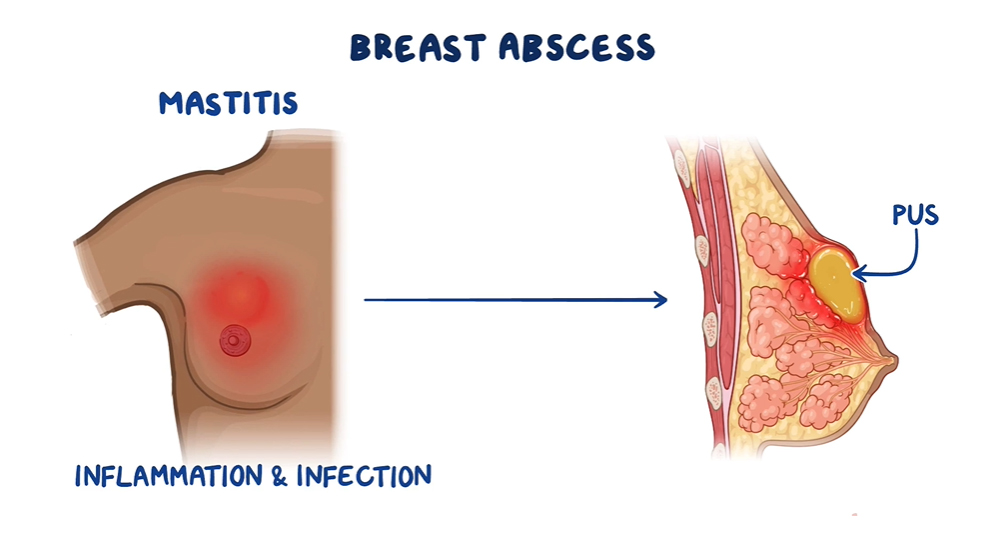
Breast Abscess – Overview A breast abscess is a painful, pus-filled lump that forms in the breast due to a localised infection. Most commonly affecting breastfeeding women, this occurs when bacteria enter through a cracked nipple or blocked milk duct, leading to inflammation and the formation of a pocket of infection. However, it can also occur in non-lactating women and, rarely, in men. The abscess may appear as a red, swollen area on the breast that feels warm and tender to the touch. It’s often accompanied by: Breastfeeding mothers are especially vulnerable during the first few weeks postpartum, particularly if they experience engorgement, latch issues, or incomplete milk drainage. While most cases are linked to mastitis (inflammation of breast tissue), not all mastitis leads to anabscess — but untreated infections can quickly progress to one. In South Africa, many women delay seeking help due to stigma or lack of access to specialised care, especially in rural areas. Prompt treatment is critical to relieve pain, prevent complications, and preserve the ability to breastfeed. The good news is that with early intervention — including antibiotics and, if necessary, drainage — most people recover quickly. Understanding the signs of a breast abscess helps individuals seek timely care and avoid further health risks. 👉 [Next: Causes and Risk Factors of Breast Abscess]

Breast Abscess Read More »

Causes and Risk Factors of Breast Abscess

Causes and Risk Factors of Breast Abscess

Causes and Risk Factors of Breast Abscess The causes and risk factors of breast abscess are primarily linked to bacterial infection, particularly during or after breastfeeding. However, a number of other underlying factors can contribute to the development of this painful condition. Recognising the causes and risk factors enables women and healthcare providers to act swiftly and reduce complications. Common Causes: Risk Factors of breast abscess: In South Africa, the causes and risk factors of breast abscess are sometimes exacerbated by lack of access to lactation consultants. As well as delayed treatment due to stigma. Community health education and early screening during antenatal and postnatal care can help mitigate risks. Understanding the causes and risk factors is the first step toward prevention, early recognition, and effective treatment. 👉 [Next: Diagnosis and Evaluation of Breast Abscess]

Causes and Risk Factors of Breast Abscess Read More »

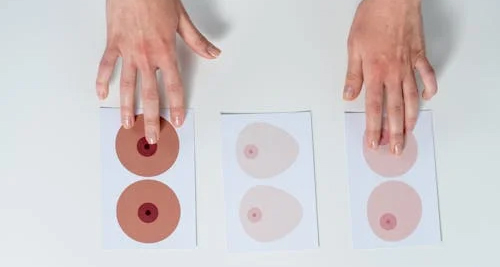
Visual breast examination models used for diagnosing breast abscess

Diagnosis and Evaluation of Breast Abscess

Diagnosis and Evaluation of Breast Abscess The diagnosis and evaluation of breast abscess are based on clinical examination, medical history, and — when needed — imaging to confirm the presence of an infection. Prompt and accurate diagnosis and evaluation of breast abscess is essential to prevent complications and guide effective treatment. 1. Medical history and physical examDoctors will ask about breastfeeding status, pain levels, fever, previous episodes of mastitis or abscess, and any other relevant conditions. During the physical exam, the breast may show: 2. Imaging studies 3. Laboratory tests 4. Differential diagnosisIt’s important to distinguish a breast abscess from other conditions such as: In South Africa, rural clinics may have limited access to ultrasound and diagnostic services. However, many community clinics and hospitals can assess patients and refer them promptly when needed. Education on recognising early signs and knowing when to seek help can make a big difference. The diagnosis and evaluation of breast abscess ensures patients get the right treatment early — reducing pain, preserving breast function, and preventing further health risks. 👉 [Next: Treatment Options for Breast Abscess]

Diagnosis and Evaluation of Breast Abscess Read More »

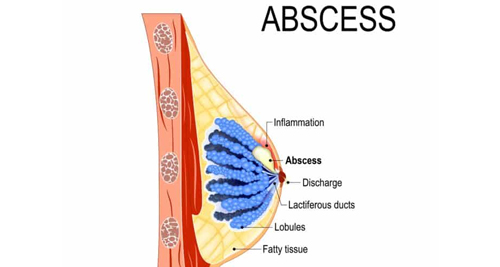
Medical diagram showing treatment zones of a breast abscess

Treatment Options for Breast Abscess

Treatment Options for Breast Abscess The treatment options for breast abscess depend on the size, severity, and whether the abscess has ruptured or requires drainage. Quick and appropriate treatment options for breast abscess help relieve pain, promote healing, and preserve breastfeeding ability whenever possible. 1. AntibioticsFor small or early abscesses, oral antibiotics may be sufficient. Common choices include: In cases with MRSA risk or recurrence, more specialised antibiotics may be prescribed. It’s important to complete the full course even if symptoms improve. 2. Drainage proceduresLarger or more advanced abscesses require drainage. Options include: 3. Pain managementAnti-inflammatory medication (like ibuprofen) helps reduce pain and swelling. Cold compresses may also provide relief. 4. Continued breastfeedingUnless specifically advised otherwise, mothers are encouraged to continue breastfeeding or expressing milk. This helps drain the breast, reduces engorgement, and does not harm the baby if managed properly. 5. Support and follow-upLactation support, especially from trained nurses or consultants, is vital to prevent recurrence. Monitoring and follow-up appointments ensure the abscess heals completely. In South Africa, public healthcare facilities often manage breast abscesses effectively at primary and secondary care levels. Prompt referrals and community-based breastfeeding support services are improving outcomes in both urban and rural settings. With early attention, most treatment options for breast abscess result in full recovery, minimal scarring, and successful continuation of breastfeeding. 👉 [Next: Living with Breast Abscess – Recovery and Prevention]

Treatment Options for Breast Abscess Read More »

Scroll to Top