Mental Matters

Health Conditions

Find information on various health conditions affecting people of all ages. This category covers causes, symptoms, diagnosis, and management options for physical illnesses and chronic diseases. Get insights to help you understand different health challenges and make informed decisions about your wellbeing.

Two women standing arm-in-arm showing LGBTQ+ pride with rainbow body art

Living with Breast Abscess

Living with Breast Abscess – Recovery and Prevention Living with breast abscess – recovery and prevention involves managing symptoms, continuing healthy breastfeeding practices, and preventing future episodes. While painful and distressing, most women recover fully. With proper care and education, living with breast abscess – recovery and prevention can be a positive, empowering journey. 1. Physical recoveryAfter drainage and antibiotics, healing begins within a few days. Full resolution may take 1–2 weeks, depending on the severity. Keeping the area clean, wearing comfortable bras, and applying warm compresses helps ease discomfort. 2. Emotional wellbeingPain, interrupted feeding, and body image concerns can affect mood. It’s normal to feel anxious or discouraged. Counselling, lactation support, and speaking to other mothers can help restore confidence. 3. Breastfeeding guidanceContinue feeding from the affected breast unless advised otherwise. If direct feeding is too painful, express milk regularly to maintain supply and prevent engorgement. 4. Preventing recurrence 5. Follow-up careReturn to the clinic or doctor if: 6. Community and healthcare supportIn South Africa, breastfeeding promotion campaigns, maternal wellness clinics, and support from midwives or NGOs offer valuable help. These services are especially vital in rural or low-resource settings. For non-lactating individuals, lifestyle changes like quitting smoking and managing chronic conditions can lower recurrence risk. Living with breast abscess – recovery and prevention means learning from the experience, building support systems, and responding early to signs of trouble. With compassion, knowledge, and access to care, healing is not only possible — it’s highly likely. 👉 [End of Series | Back to Overview]
Living with Breast Abscess Read More »

Brain Tumours

Brain Tumours

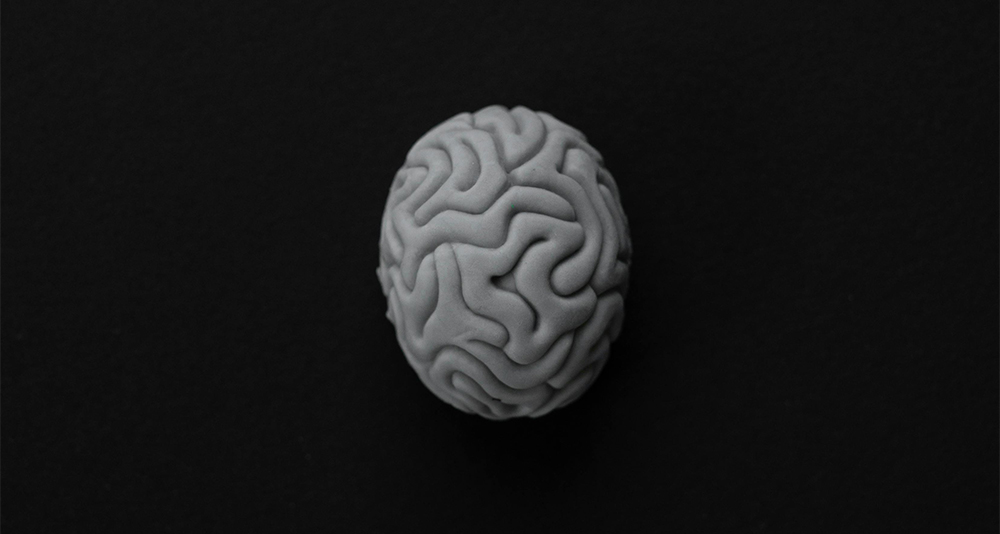
Brain Tumours – Overview Brain tumours are abnormal growths of cells within the brain or its surrounding structures. These growths can be benign (non-cancerous) or malignant (cancerous), and their effects vary greatly depending on their size, location, and rate of growth. Although the term “tumour” can be alarming, not all tumours are fatal — some are slow-growing and treatable with proper care. Tumours may arise from brain tissue itself or spread from cancer elsewhere in the body. The brain is housed within the skull, a confined space, so even small tumours can exert pressure, leading to significant symptoms. Common signs of brain tumours include: These symptoms vary based on the tumour’s position. For instance, a tumour in the frontal lobe may affect decision-making, while one in the occipital lobe may cause vision issues. In South Africa, these tumours are diagnosed through imaging (CT scans or MRIs), followed by biopsy if needed. Access to care may differ between urban and rural areas, but specialised neurology and oncology services are expanding. Treatment depends on the type, location, and grade of the tumour. Options include surgery, radiation, chemotherapy, and targeted therapies. Brain Tumour While a diagnosis can be frightening, early detection and modern treatments offer hope. Support networks, neurosurgical advances, and ongoing research continue to improve outcomes for those affected. Early Awareness Can Save Lives Brain tumours vary widely in severity, but recognising symptoms early and seeking medical attention can make a significant difference. While some tumours are aggressive, others are slow-growing and manageable — especially with the right care and support. Advancing Care, Growing Hope In South Africa and around the world, access to advanced imaging, skilled neurosurgeons, and cancer treatment centres is steadily improving. With early diagnosis, tailored treatment, and community support, many individuals are living longer, fuller lives after a brain tumour diagnosis. 👉 [Next: Causes and Types of Brain Tumours]

Brain Tumours Read More »

Causes and Types of Brain Tumours

Causes and Types of Brain Tumours

Causes and Types of Brain Tumours The causes and types of brain tumours are varied and complex. While some are linked to inherited conditions or environmental exposures, many develop with no clear cause. Understanding the causes are key to early detection, accurate diagnosis, and effective treatment planning. Causes of Brain Tumours: Types of Brain Tumours: In South Africa, awareness of the causes and types of brain tumours is growing, though challenges remain in rural outreach and early detection. Public and private sector facilities continue to strengthen diagnostic services and access to neuro-oncology expertise. Knowing the causes and types of brain tumours helps individuals recognise symptoms early and seek timely care. 👉 [Next: Diagnosis and Evaluation of Brain Tumours]

Causes and Types of Brain Tumours Read More »

Diagnosis and Evaluation of Brain Tumours

Diagnosis and Evaluation of Brain Tumours

Diagnosis and Evaluation of Brain Tumours The diagnosis and evaluation of brain tumours involves a combination of clinical examination, imaging, and sometimes surgical procedures. Because symptoms vary, the process of confirming a brain tumour can be complex. Early diagnosis greatly improves the chances of effective treatment. 1. Medical history and symptom analysisDoctors start by asking detailed questions about symptoms: frequency, duration, and progression. Neurological exams assess reflexes, coordination, strength, and mental function. 2. Imaging tests 3. BiopsyIf a tumour is detected, a biopsy may be performed to determine its type. This involves removing a small sample of tissue either through surgery or with a needle under imaging guidance. 4. Lumbar punctureIn some cases, spinal fluid is analysed to detect tumour cells, especially for cancers involving the meninges. 5. Blood tests and genetic analysisThese may help rule out infections or identify markers for certain types of brain tumours, particularly in children. In South Africa, public hospitals offer basic imaging, while advanced MRI and biopsy services may be limited to larger centres. However, public-private partnerships are improving access in underserved areas. The diagnosis and evaluation of brain tumours must be accurate, as treatment plans depend on the exact type, grade, and location of the tumour. Specialists involved include neurologists, oncologists, neurosurgeons, and radiologists. With modern tools, the diagnosis and evaluation of brain tumours can now happen earlier than ever, allowing for targeted treatment and better outcomes. 👉 [Next: Treatment Options for Brain Tumours]

Diagnosis and Evaluation of Brain Tumours Read More »

Treatment Options for Brain Tumours

Treatment Options for Brain Tumours

Treatment Options for Brain Tumours The treatment options for brain tumours vary based on the tumour’s type, size, grade, and location. Some tumours can be removed completely, while others require ongoing management. Choosing the right treatment options for brain tumours often involves a multidisciplinary team and a personalised plan. 1. Surgery Often the first choice if the tumour is accessible. The goal is to remove as much of the tumour as possible without damaging healthy tissue. Advances in surgical technology allow for greater precision and reduced risk. 2. Radiation therapy Used to shrink tumours or eliminate remaining cancer cells after surgery. Options include: 3. Chemotherapy Drugs like temozolomide may be used to destroy cancer cells or stop their growth. Chemotherapy is more common in aggressive or recurring tumours. 4. Targeted therapy and immunotherapy Some tumours respond to drugs that specifically target cancer cell mutations or stimulate the immune system to attack the tumour. 5. Palliative care For tumours that doctors cannot cure, palliative treatments aim to reduce symptoms, improve quality of life, and support both the patient and family 6. Rehabilitation and support After treatment, many patients benefit from physiotherapy, speech therapy, or occupational therapy to recover lost function. In South Africa, access to the full range of treatments for these tumours depends on location and medical scheme coverage. Major hospitals in cities offer specialised neuro-oncology units, while outreach efforts aim to improve access in rural areas. Doctors increasingly personalise treatment options for brain tumours, offering hope and better outcomes for patients at all stages of the disease 👉 [Next: Living with Brain Tumours – Recovery and Support]

Treatment Options for Brain Tumours Read More »

Living with Brain Tumours

Living with Brain Tumours

Living with Brain Tumours – Recovery and Support Living with brain tumours – recovery and support is a long-term journey involving medical care, emotional resilience, and ongoing lifestyle adjustments. While some people achieve remission, others live with chronic effects. Navigating living with brain tumours – recovery and support requires a holistic approach. 1. Physical recoveryAfter treatment, patients may experience fatigue, mobility issues, vision problems, or difficulty with speech or memory. Rehabilitation plays a key role in regaining lost function. 2. Emotional and mental healthAnxiety, depression, and fear of recurrence are common. Support from psychologists, support groups, and peer networks helps with mental recovery. 3. Lifestyle managementA healthy diet, light exercise, and regular sleep promote healing. Avoiding tobacco, managing stress, and staying mentally active also support brain health. 4. Medical follow-upsRegular MRI scans and check-ups help monitor for recurrence. Some people need long-term medications, like anti-seizure drugs or hormone replacement. 5. Work and daily lifeMany survivors return to work, though they may need accommodations or phased reintegration. Cognitive therapy and occupational support can help with complex tasks or memory issues. 6. Family and caregiver supportFamily members often need guidance too — in caregiving, emotional coping, and navigating medical systems. Social workers and patient navigators can assist. In South Africa, resources for living with brain tumours – recovery and support are growing. NGOs, hospital outreach programmes, and telehealth services help bridge gaps in rehabilitation and emotional care. While the experience can be life-altering, many people living with brain tumours go on to lead meaningful, active lives. With the right support, strength, and care, recovery is possible — not just physically, but emotionally and socially as well. 👉 [End of Series | Back to Overview]
Living with Brain Tumours Read More »

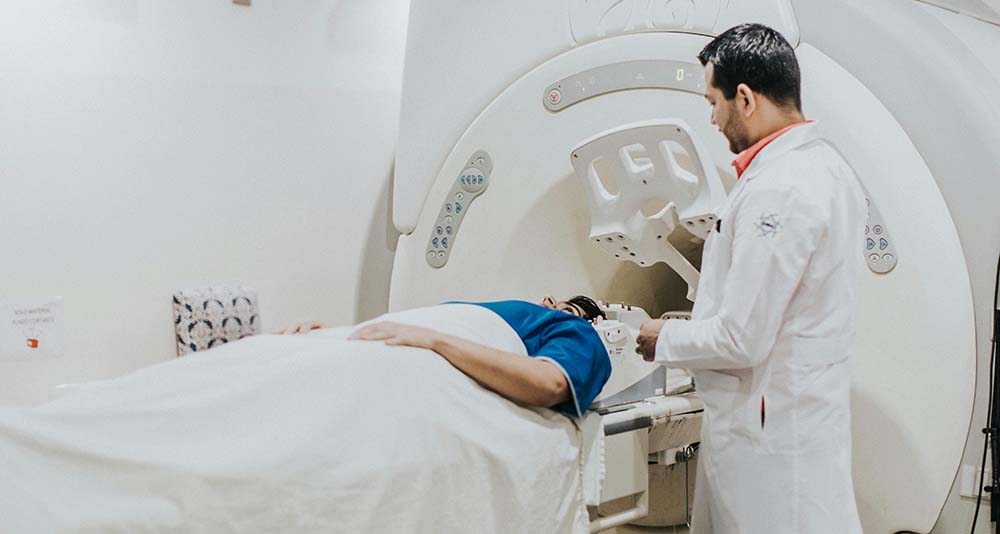
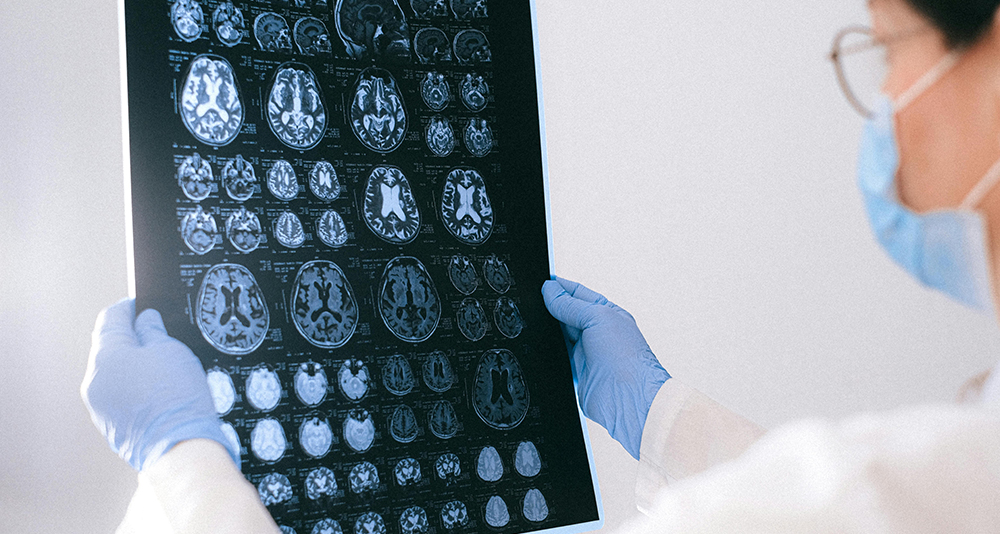
Doctor reviewing brain scan MRI images for signs of brain death

Brain Death

Brain Death – Overview Brain death is the complete and irreversible loss of all brain function, including activity in the brainstem. It is legally and medically recognised as death in South Africa and most countries around the world. While a person’s heart may continue to beat with the help of machines, a confirmed diagnosis means the person has permanently lost the capacity for consciousness, breathing, and brain activity. This condition is different from a coma or a vegetative state. In coma, some brain functions may remain, and recovery is possible. In this brain condition, there is no chance of recovery — the brain has ceased to function entirely, often due to swelling, bleeding, or oxygen deprivation. Common causes of brain death include: A person who is brain-dead may still appear alive. Their chest may rise and fall (due to mechanical ventilation), their skin may be warm, and reflex movements may occur. However, these are not signs of consciousness or recovery — they are automatic or machine-induced responses. In South Africa, this condition is legally defined and must be confirmed by two independent medical professionals, typically using a strict series of neurological tests. In many cases, once it’s confirmed, the conversation turns to organ donation, which can save multiple lives. Understanding brain death is emotionally difficult for families, but clarity about its meaning is essential. It marks the end of life — even when machines are keeping the body functioning temporarily. 👉 [Next: Causes and Diagnosis of Brain Death]

Brain Death Read More »

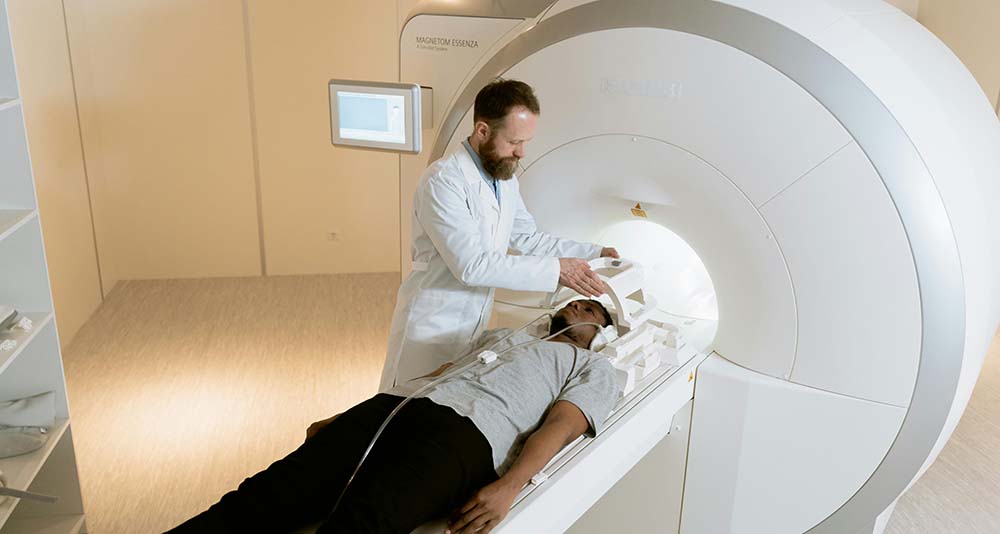
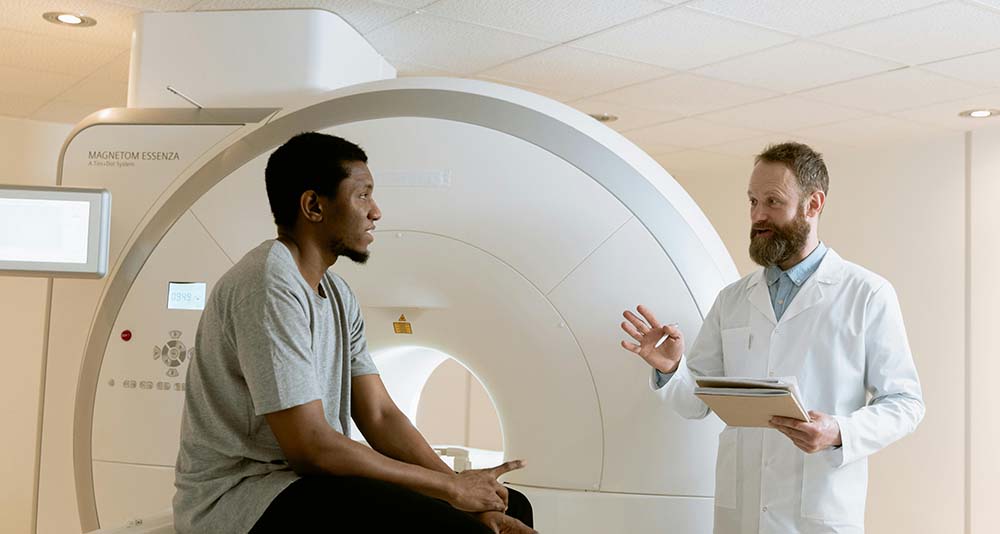
Patient undergoing MRI brain scan with technician in hospital

Causes and Diagnosis of Brain Death

Causes and Diagnosis of Brain Death The causes and diagnosis of brain death involve catastrophic brain injuries followed by detailed medical testing. Understanding the causes and diagnosis of brain death helps families, healthcare providers, and legal systems make informed decisions about end-of-life care and organ donation. Causes of Brain Death: Severe blows to the head — often from road accidents, falls, or violent trauma — can cause the brain to swell beyond the skull’s ability to accommodate pressure, leading to irreversible damage. A major stroke or aneurysm can cut off blood supply to the brain. This results in widespread brain tissue death. When the heart stops pumping blood, oxygen flow to the brain is halted. After just a few minutes, brain cells begin to die. Conditions such as encephalitis or meningitis can cause severe brain swelling. If not treated quickly, this swelling can lead to permanent brain damage or even brain death. Drowning, suffocation, or respiratory failure can result in prolonged hypoxia — the brain can only survive a few minutes without oxygen. Diagnosis of Brain Death: Medical professionals follow a strict protocol: If brainstem function is absent and the condition persists, brain death is declared. In South Africa, two qualified doctors—often including a neurologist or critical care specialist—must confirm brain death. In complex cases, they may use EEGs or cerebral blood flow tests for added certainty. Confirming the causes and diagnosis of brain death is essential for clarity, dignity, and appropriate next steps for the patient and their family. 👉 [Next: Legal and Ethical Aspects of Brain Death]

Causes and Diagnosis of Brain Death Read More »

Doctor discussing brain scan results with patient near MRI machine

Legal and Ethical Aspects of Brain Death

Legal and Ethical Aspects of Brain Death The legal and ethical aspects of brain death play a vital role in how society, healthcare providers, and families respond to end-of-life situations. In South Africa and many other countries, national medical guidelines, constitutional rights, and respect for human dignity govern the legal and ethical aspects of brain death. Legal Recognition: In South Africa, the National Health Act legally defines brain death as death. Once doctors declare brain death, they consider the person legally dead—even if machines keep the body functioning. Doctors stop life support and begin organ donation once they receive consent. To confirm brain death legally: Ethical Considerations: Healthcare teams inform families with compassion and clarity. Ethical care includes transparency, cultural sensitivity, and enough time for loved ones to process what brain death means. Even though the brain has ceased functioning, many families need support in saying goodbye, holding vigils, or participating in cultural or religious rituals. Healthcare teams ask families to consider organ donation when appropriate. Healthcare teams handle this sensitive topic with compassion and avoid putting pressure on families. Once doctors confirm brain death, they ethically withdraw ventilators and medications that artificially support bodily functions. This is not euthanasia — it is an acknowledgement that death has occurred. Some families may struggle with the idea of brain death, especially in cultures where breathing or heartbeat is equated with life. Ethics committees and social workers often assist in navigating such conflicts. In South Africa, healthcare providers must follow established policies regarding the legal and ethical aspects of brain death to ensure families are protected, patients are respected, and systems remain trustworthy. Understanding the legal and ethical aspects of brain death provides peace of mind and supports decision-making at a profoundly difficult time. 👉 [Next: Medical Management After Brain Death]

Legal and Ethical Aspects of Brain Death Read More »

Doctor discussing brain scan results with patient near MRI machine

Medical Management After Brain Death

Medical Management After Brain Death The medical management after brain death focuses on maintaining the body for a short period, either to allow family farewells or to prepare for organ donation. Although brain death marks the end of life, machines can temporarily keep the heart, lungs, and other organs functioning. This period requires specific medical protocols. 1. Stabilising vital functions Mechanical ventilation keeps oxygen circulating. Doctors may use IV fluids and medications to maintain blood pressure. They also closely regulate temperature, electrolyte levels, and blood sugar. 2. Organ preservation (if donation is planned) If the patient is an eligible organ donor: 3. Family care and communication Doctors and nurses continue supporting the family, offering clear updates, counselling, and guidance. Healthcare teams honour cultural and spiritual needs and allow families time to say goodbye after confirming legal death. 4. Weaning from support Doctors gradually turn off ventilators and stop medications in a controlled, respectful setting when organ donation isn’t planned or possible. The focus shifts to comfort and dignity for the deceased and support for grieving relatives. 5. Monitoring and documentation The medical team documents every step taken after the declaration, ensuring accurate and complete records. These include timing of assessments, legal forms, and ethical compliance. In South African hospitals, the medical management after brain death follows standardised national protocols, though resources may vary. Inside urban hospitals, organ retrieval teams are on standby. In rural areas, the focus may be more on family support and withdrawal of care. The medical team treats the body with dignity, supports the family, and carries out organ donation with compassion and professionalism when chosen. 👉 [Next: Living Through Loss – Coping with Brain Death in the Family]

Medical Management After Brain Death Read More »

Scroll to Top